Daikoku
A Japanese dining address on the Marina in Cabo San Lucas, Daikoku occupies a corner of Plaza Nautica where the Pacific-inflected energy of the port gives way to a quieter, more focused register. The kitchen draws on Japanese culinary tradition in a city better known for its seafood shacks and resort buffets, making it one of the more deliberately positioned dining options along the marina strip.
Pearl is the En Primeur Club membership app — saves, bookings, and concierge access live there. Same editors, same standards.
- Address
- Plaza Nautica, MX 23450 B.C.S Cabo San Lucas, Blvd. Paseo de la Marina S/N, 23450 B.C.S., Mexico
- Phone
- +526241434267
- Website
- daikoku.mx
- Directions
- Get directions
 Saves & bookings on Pearl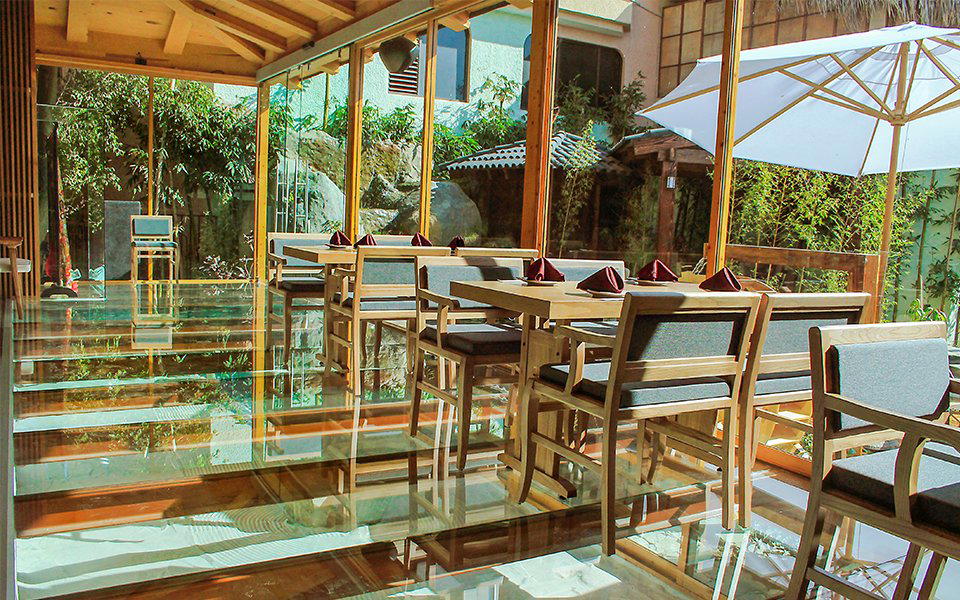
Japanese Precision on the Marina Strip
Daikoku is a Japanese restaurant in Cabo San Lucas, Mexico, with traditional Japanese and teppanyaki service and an estimated price of about $35 per person. Cabo San Lucas is a city that runs loud. The marina at Paseo de la Marina moves at a particular pitch: boat engines, hawkers, tourist foot traffic, the ambient bass of a dozen bars leaking into the same salt air. Against that backdrop, a restaurant operating in a Japanese register occupies a distinct frequency. Daikoku, positioned in Plaza Nautica along the marina boulevard, reads as a counterpoint to the dominant dining culture of the city rather than an extension of it.
That positioning matters more than it might seem. Los Cabos has built a serious dining infrastructure over the past decade, with high-end Mexican addresses and coastal seafood rooms pushing the region into conversations about destination dining in Mexico.
The Setting: Marina Light and Open Air
Plaza Nautica is a compact commercial block where the marina's working edge meets its tourist-facing surface. The address at Blvd. Paseo de la Marina places Daikoku within walking distance of the main marina activity, but the plaza's structure creates enough separation from the waterfront noise to allow a different atmosphere to take hold inside. Marina towns in Mexico tend to favor open-sided dining rooms that blur the boundary between interior and exterior, and that principle shapes the sensory experience of eating in this part of Cabo: the quality of light shifts sharply between afternoon and evening, the humidity from the water registers on your skin, and the ambient sound is never fully edited out.
For a Japanese dining concept, that relationship with the environment is worth noting. Japanese restaurant traditions, particularly those built around quiet attention to food and service, tend to operate leading when the room supports that focus.
Japanese Dining in Mexico: A Relevant Frame
Mexico has a more substantive Japanese culinary tradition than many visitors expect. Japanese immigration to Mexico in the late nineteenth and early twentieth centuries, concentrated partly in Pacific coastal states, created a quiet but durable foundation for Japanese food culture in the country. In Mexico City, Nikkei cuisine, which fuses Japanese technique with Mexican and Peruvian ingredients, has moved from specialty interest to genuine dining category. In coastal resort towns, Japanese concepts often occupy a hybrid space between sushi delivery and proper omakase, calibrated to a tourist market that prioritizes familiarity over depth.
The stronger Mexican dining addresses, from Pujol in Mexico City to Le Chique in Puerto Morelos to Animalón in Valle de Guadalupe, tend to root themselves in Mexican ingredients and technique even when drawing from international traditions. That distinction tends to separate the more serious operations from the ones running on novelty alone.
Where Daikoku Sits in the Cabo Dining Tier
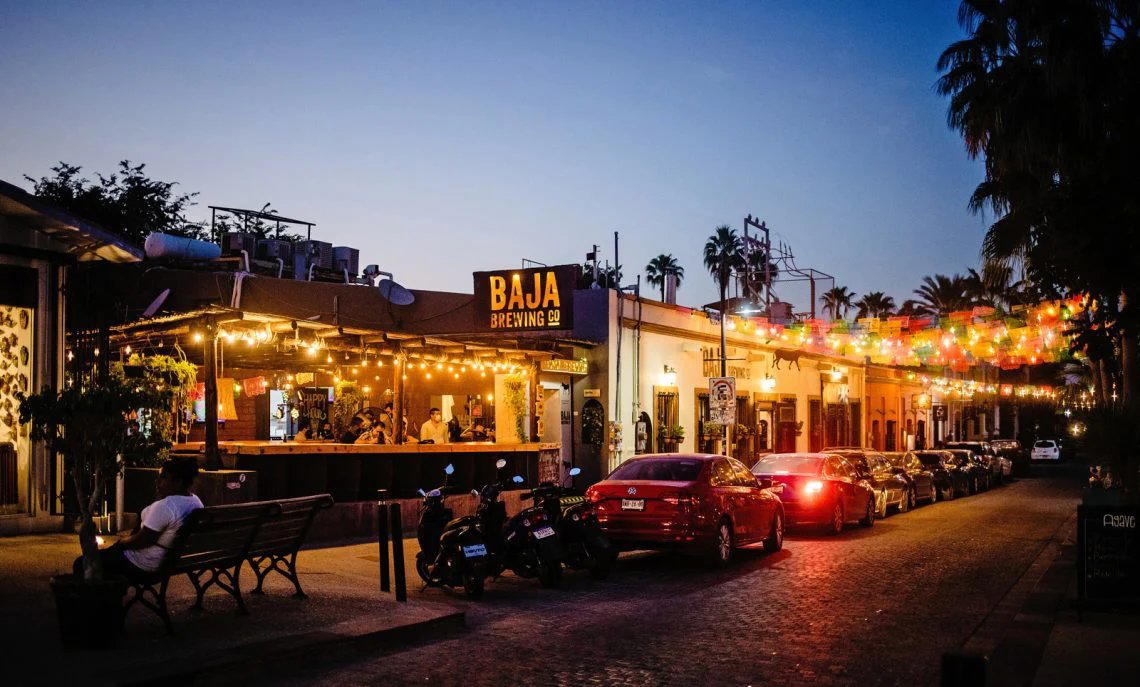
Cabo's dining spread is wider than its reputation as a party destination suggests. At the leading end, there are resort-anchored fine dining rooms and standalone destination restaurants competing on a genuinely national level. In the mid-tier, there are established neighbourhood addresses covering Mexican, seafood, and international formats. Aleta and Al Pairo at Solaz represent the more polished end of that spectrum in the Cabo area; Asi y Asado and Baja Brewing anchor the more casual registers. Arts and Sushi represents a direct point of comparison in the Japanese category.
Daikoku's Plaza Nautica address places it in the accessible, marina-adjacent tier rather than the resort fine dining tier. That is a meaningful distinction in Cabo, where resort restaurants carry substantial fixed costs and price accordingly. A marina-strip address tends to support a more varied clientele and a less formal booking dynamic, which can work for or against the dining experience depending on what the kitchen is trying to do.
For comparison against the broader tier of serious Mexican dining, addresses like KOLI Cocina de Origen in Monterrey, Pangea in San Pedro Garza Garcia, and Alcalde in Guadalajara illustrate how destination-level cooking operates in Mexico when the kitchen is anchored in strong credential and regional identity. Levadura de Olla in Oaxaca, Olivea in Ensenada, and Lunario in El Porvenir show how Baja and southern Mexico handle the farm-to-table argument with local produce and product. HA' in Playa del Carmen is a useful reference for how Japanese and coastal Mexican traditions can be fused with genuine seriousness. For reference against international technical benchmarks, Le Bernardin in New York and Lazy Bear in San Francisco set the standard for what focused, format-disciplined restaurants can achieve at scale.
Planning a Visit
Daikoku is located at Plaza Nautica on Blvd. Paseo de la Marina, which sits within the main marina district of Cabo San Lucas and is accessible on foot from most marina-area hotels. The marina strip moves briskly during high season, which runs roughly from November through April, when northern visitors concentrate in Los Cabos and restaurant demand peaks across the board. Visiting during the shoulder months of May and June or September and October reduces foot traffic pressure and often allows for more relaxed pacing in marina-area restaurants.
Where the Accolades Land
Comparable venues nearby, for context on price, style, and recognition.
| Venue | Cuisine | Price | Notes |
|---|---|---|---|
| DaikokuThis venue — the venue you are viewing | Traditional Japanese with Teppanyaki | $$$ | Not listed |
| Koi Sushi | Japanese Sushi | $$$ | Cabo San Lucas |
| Aleta | Ocean-to-Table Seafood & Sushi | $$$ | Cabo San Lucas |
| Chamuyo | Authentic Argentine Steakhouse | $$$ | Cabo San Lucas |
| Tamara Beach | Baja California Coastal Seafood | $$$ | Cabo San Lucas |
| Maria Corona | Traditional Mexican | $$$ | Cabo San Lucas |
Continue exploring
More in Cabo San Lucas
Restaurants in Cabo San Lucas
Browse all →
Bars in Cabo San Lucas
Browse all →
At a Glance
- Elegant
- Scenic
- Modern
- Group Dining
- Date Night
- Special Occasion
- Terrace
- Garden
- Open Kitchen
- Sake Program
- Garden
Current opening hours
- Monday
- 1–11 PM
- Tuesday
- 1–11 PM
- Wednesday
- 1–11 PM
- Thursday
- 1–11 PM
- Friday
- 1–11 PM
- Saturday
- 1–11 PM
- Sunday
- 1–11 PM
Hours can change for holidays and private events. Last verified .
Modern and welcoming with a garden-like setting; guests cross a bridge over a koi fishpond to enter, creating an East-meets-Mexico aesthetic with alfresco teppanyaki tables and clean, nice decor.