
Tabelog 100 #19
Our verdict
Dai 8 Yachiyo Maru is a Fukuoka seafood izakaya in Susakimachi, selected for Tabelog 100 Izakaya WEST 2025. The appeal is structural rather than theatrical: fish-led cooking, nabe, sake and shochu, private-room flexibility, and a format suited to groups that want Hakata’s maritime appetite without moving into formal kaiseki territory.

Pearl is the En Primeur Club membership app — saves, bookings, and concierge access live there. Same editors, same standards.
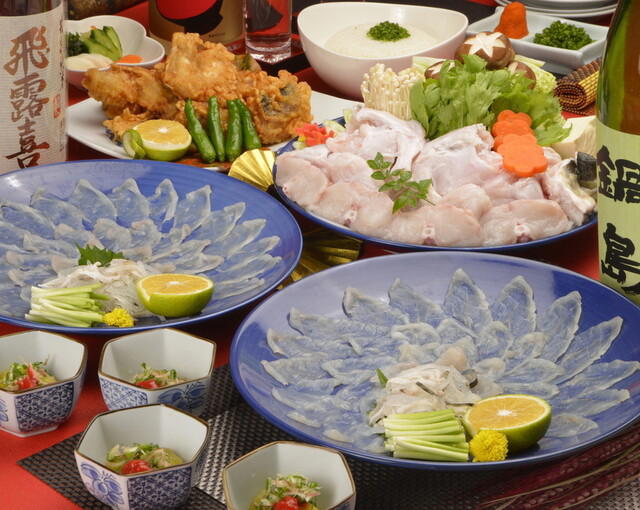
The menu
What to order
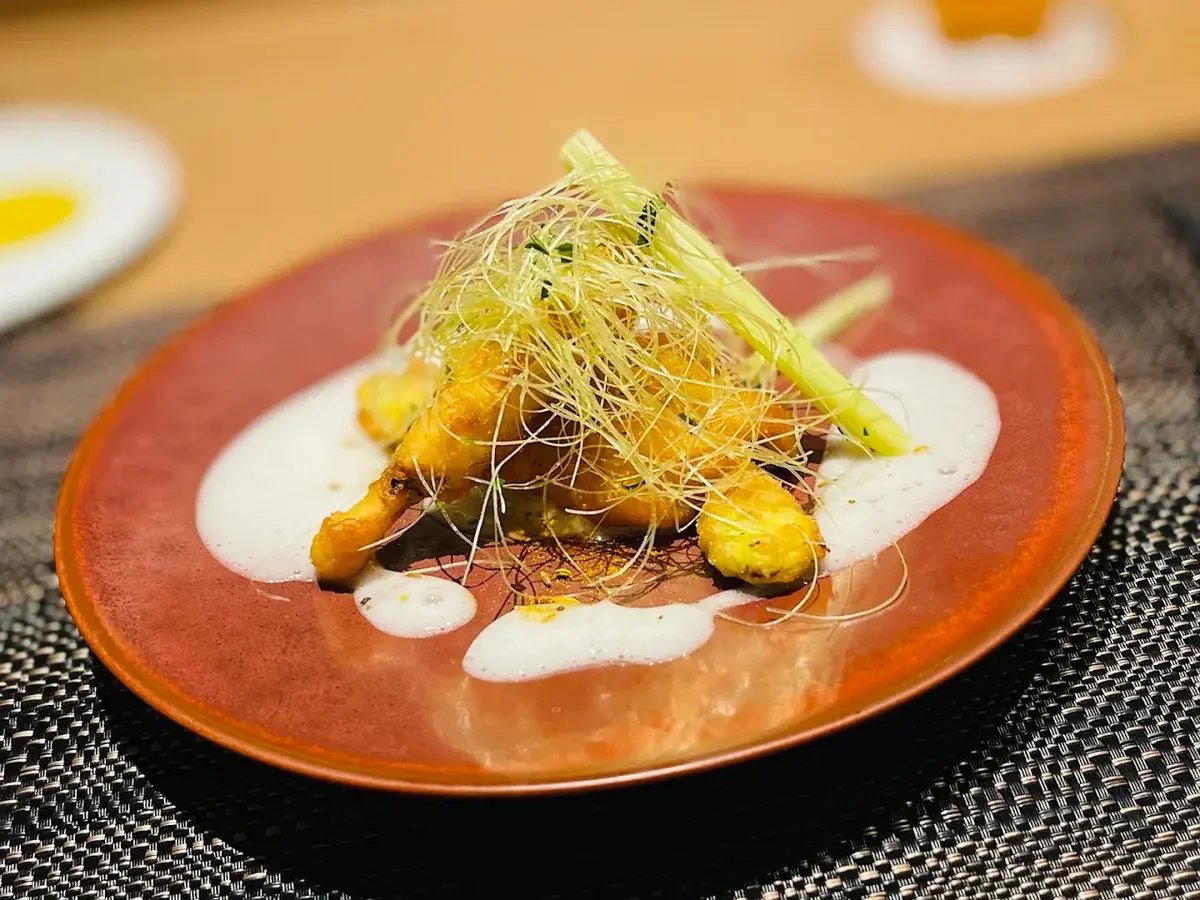
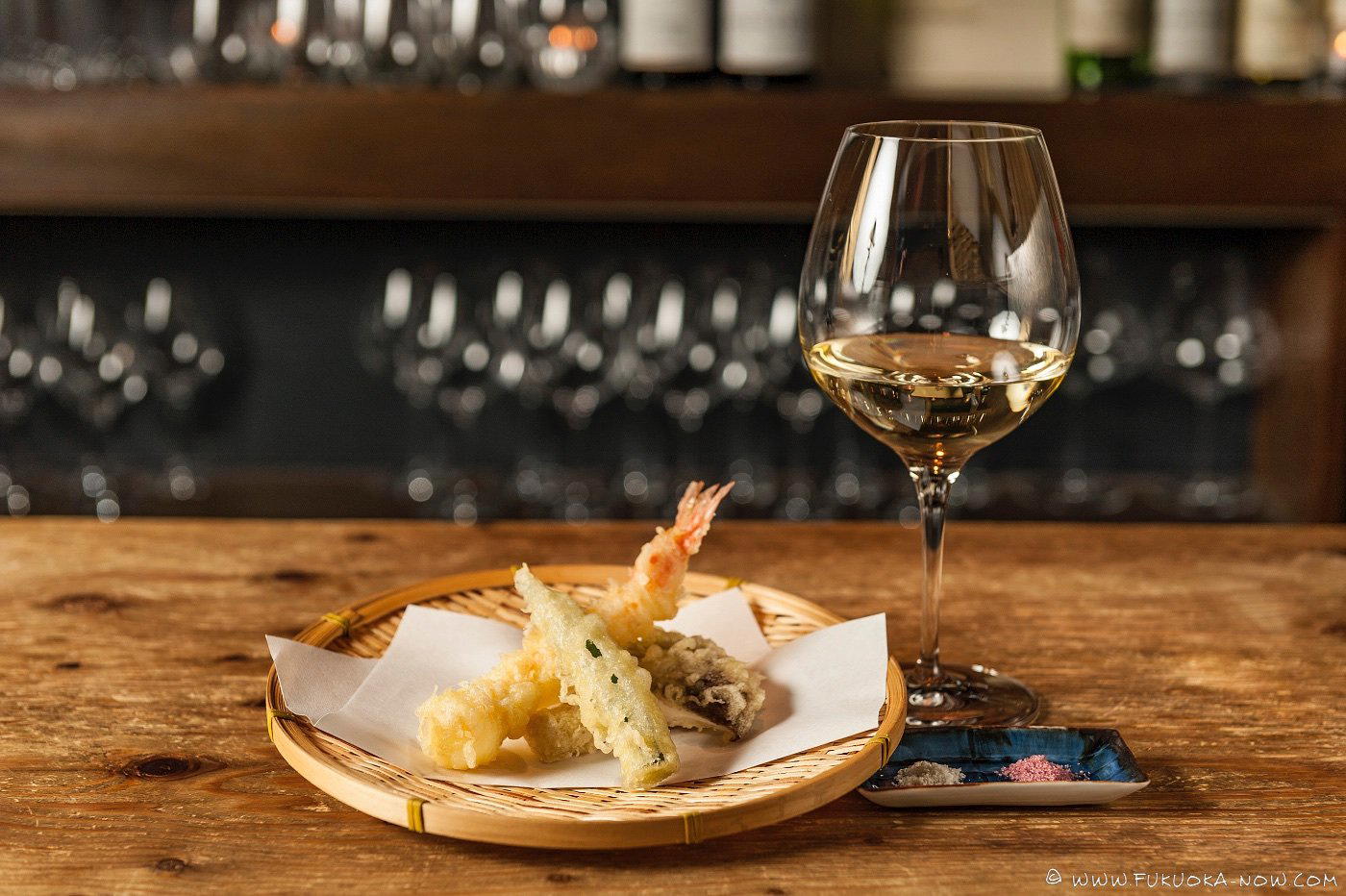
- Ikezu (live-tank) seafood dishes
- Assorted sashimi
- Course menus with seasonal seafood
Fukuoka puts dinner close to the city’s seafood culture without turning the evening into theatre. Across the city, seafood izakaya culture often works in a practical register: shared dishes, drinks moving between tables, and menus built for group appetite rather than individual progression. Dai 8 Yachiyo Maru belongs to that grammar. Its selection for Tabelog 100 Izakaya WEST 2025 gives it a stronger public signal than the average neighbourhood fish tavern, but the more useful reading is what the listed categories say about the city: Fukuoka treats seafood as a communal, drink-led meal, not only as sushi-counter ceremony.
Seafood, nabe, and the group-table logic of Fukuoka dining
Fukuoka’s dining identity often gets reduced to ramen, yatai, and late-night drinking, but the city’s seafood restaurants draw from a broader everyday vocabulary. In izakaya settings, fish, hot pot, and drinks are often expected to carry a full evening. Here, the listed categories are izakaya, seafood, and nabe, a revealing combination. It points to a menu that can move from seafood into cooked shared dishes without asking the table to choose between a drinking place and a meal place.
That distinction matters in Fukuoka. The city has a dense casual-dining culture, but the serious seafood izakaya occupies a middle tier between counter-only specialist and inexpensive drinking room. Compared with Tsukiyoshi, which sits in a different local lane, Dai 8 Yachiyo Maru operates in the JPY 6,000 - JPY 7,999 dinner band. Compared with Suzaki Yatai Kajishika, the format reads less as yatai rhythm and more as an izakaya built around seafood and shared ordering. Chiso Nakamura, Narayamachi Ao, and 奈良屋町 青 sit in the broader local conversation as comparison points, but this address is easier to read through category and menu breadth than through chef mythology.
The fish emphasis is not incidental branding. The restaurant’s public categories place seafood at the centre alongside izakaya and nabe, which is enough to frame how to approach the meal. The smarter editorial takeaway is broad rather than item-specific: this is the kind of Fukuoka table where ordering should follow the group’s appetite rather than a fixed tasting sequence. Start with seafood, let the table set the pacing, and use nabe as the anchor if the group wants a longer meal.
A seafood izakaya built for parties, not performance dining
Many premium Japanese meals are designed around scarcity: limited seats, fixed courses, one chef, one clock. Fukuoka’s izakaya tradition values a different kind of competence. A seafood izakaya has to manage timing, shared dishes, and the social rhythm of a table without turning the meal into performance dining. That is why the format is editorially important. It supports the sort of meal where the menu can flex around colleagues, visitors, or a mixed-generation dinner rather than forcing everyone into a single tasting-menu cadence.
The Tabelog score of 3.64 and inclusion in the 2025 Izakaya WEST 100 list place the restaurant inside a competitive western-Japan category where consistency carries weight. Izakaya awards are not the same as fine-dining stars; they reward a different skill set. The question is not whether a single plate can carry a critic’s memory, but whether the room can deliver a coherent fish-and-drink evening across a wider service. In that context, the public recognition is useful because it separates the restaurant from anonymous seafood taverns while keeping it within the social, flexible format that defines the category.
The listed dinner budget reinforces the point. At JPY 6,000 - JPY 7,999, Dai 8 Yachiyo Maru sits above a casual snack-and-drink stop while remaining within the accessible izakaya universe. That band fits a seafood-led evening where the table can order across categories rather than commit to a rigid fine-dining structure. For travellers comparing Fukuoka’s dining types, this is the key difference from a sushi omakase or modern counter meal: the table, not the chef, controls the cadence.
How to place it in a Fukuoka dining itinerary
The most convincing use case is a seafood-focused dinner when the party needs range: seafood, hot pot, and an izakaya format that does not force the evening into formality. It is less suited to diners chasing a hushed counter or a chef-led tasting menu. The value is in Fukuoka’s practical abundance: an izakaya format that can handle shared ordering while keeping the meal anchored to seafood.
The city’s wider planning grid sits in Our full Fukuoka hotels guide, Our full Fukuoka bars guide, Our full Fukuoka wineries guide, and Our full Fukuoka experiences guide.
Travellers building a Japan-wide dining map can place this seafood izakaya beside different dining formats across Japan and beyond, from highly focused counters to casual drinking rooms, regional specialists, café-style dining, and bar-led food experiences. Read together, they clarify the point: Dai 8 Yachiyo Maru is not trying to translate Japanese dining into a single luxury code. It sits in the durable, fish-led izakaya lane where Fukuoka is especially persuasive.
Frequently asked questions
What's Dai 8 Yachiyo Maru's location?
Fukuoka.
What price level is Dai 8 Yachiyo Maru?
Pricing at Dai 8 Yachiyo Maru is listed as JPY 6,000 - JPY 7,999.
When is Dai 8 Yachiyo Maru open?
Specific opening hours are not provided here.
What is Dai 8 Yachiyo Maru known for?
Dai 8 Yachiyo Maru is listed as an izakaya, seafood, and nabe restaurant in Fukuoka, and was selected for Tabelog 100 Izakaya WEST 2025.
Same-City Peers
Comparable options at the same price tier.
| Venue | Cuisine | Price | Awards | Notes |
|---|---|---|---|---|
| Dai 8 Yachiyo MaruThis venue (the venue you are viewing) | Traditional Japanese Izakaya & Live-Tank Seafood | $20–30 | Tabelog 100 #19 | Not listed |
| Tsukiyoshi | Udon izakaya | $20–30 | Tabelog 100 #9 | JPY 2,000 - JPY 2,999 |
| Chiso Nakamura | Kyushu Kaiseki Omakase | $200–300 | Tabelog Bronze | Not listed |
| Narayamachi Ao | Modern Japanese Omakase with French Infusion | $300–500 | Tabelog Silver #7 | Not listed |
| Suzaki Yatai Kajishika | Hakata Yatai Izakaya | $30–50 | Tabelog 100 #4 | JPY 4,000 - JPY 4,999 |
Recognition history
Dated appearances from independent guides and award organizations, with the underlying list record or original source where available.
Tabelog 100 #19 · No. 19
Tabelog · Tabelog 100 - Izakaya - WEST - 2025
Continue exploring
More in Fukuoka
Restaurants in Fukuoka
All restaurants in Fukuoka →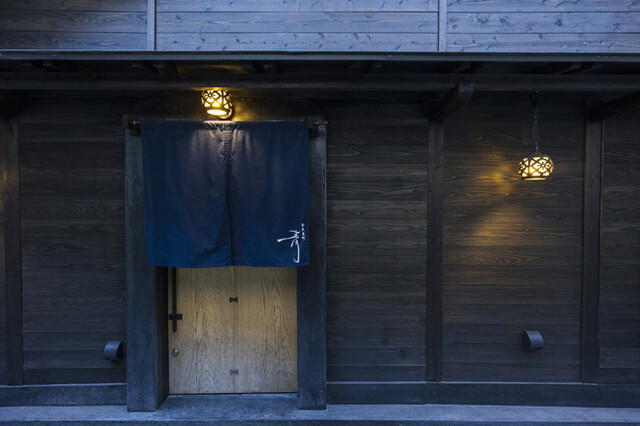
Details
- Cozy
- Lively
- Classic
- After Work
- Casual Hangout
- Group Dining
- Date Night
- Standalone
- Beer Program
- Sake Program
- Sustainable Seafood
- A La Carte
- Set Menu
- Beer
- Sake
- Shochu
Current opening hours
- Monday
- 5–10 PM
- Tuesday
- 5–10 PM
- Wednesday
- 5–10 PM
- Thursday
- 5–10 PM
- Friday
- 5–10 PM
- Saturday
- 5–10 PM
- Sunday
- Closed
Hours can change for holidays and private events. Last verified .
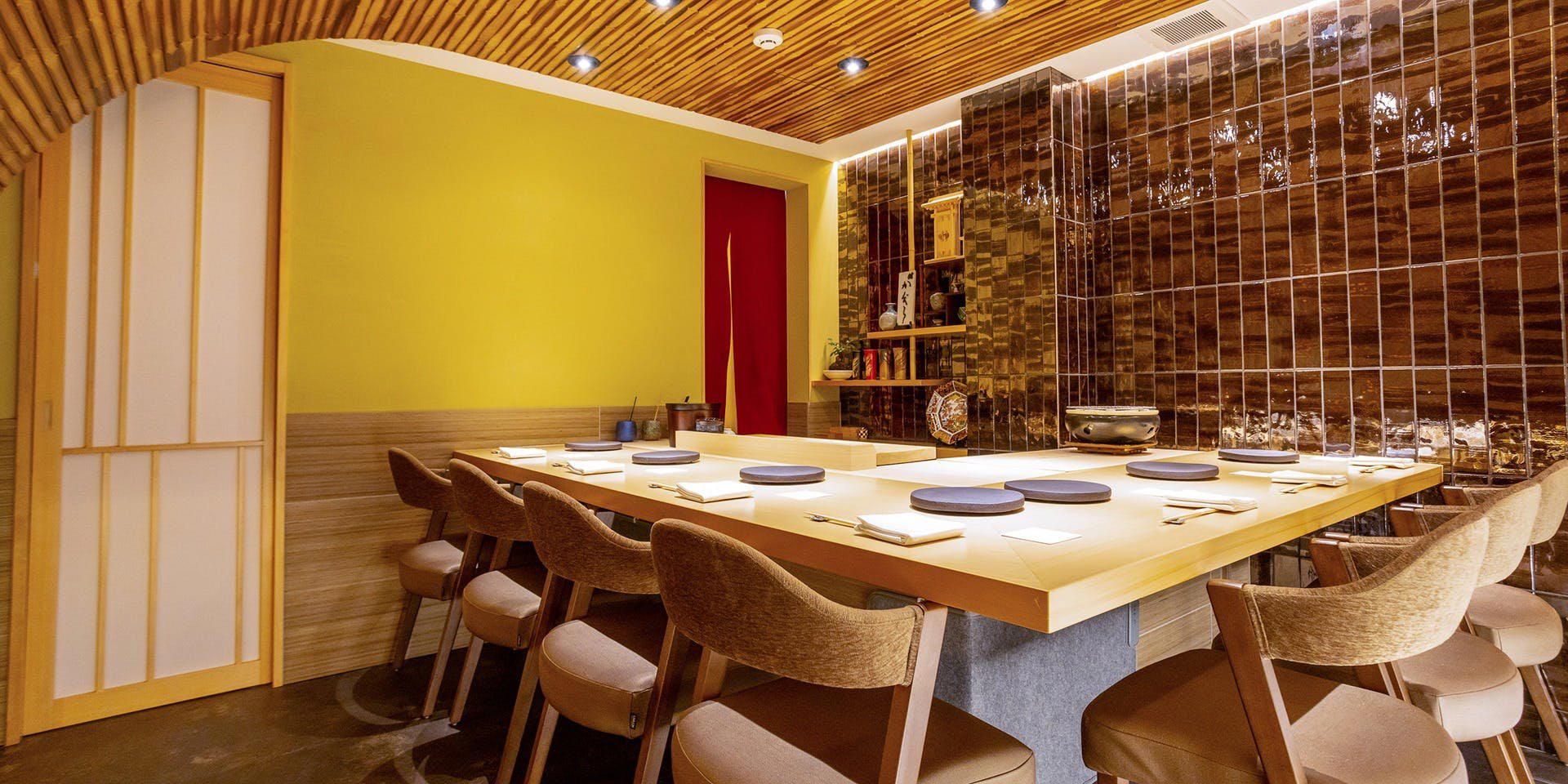
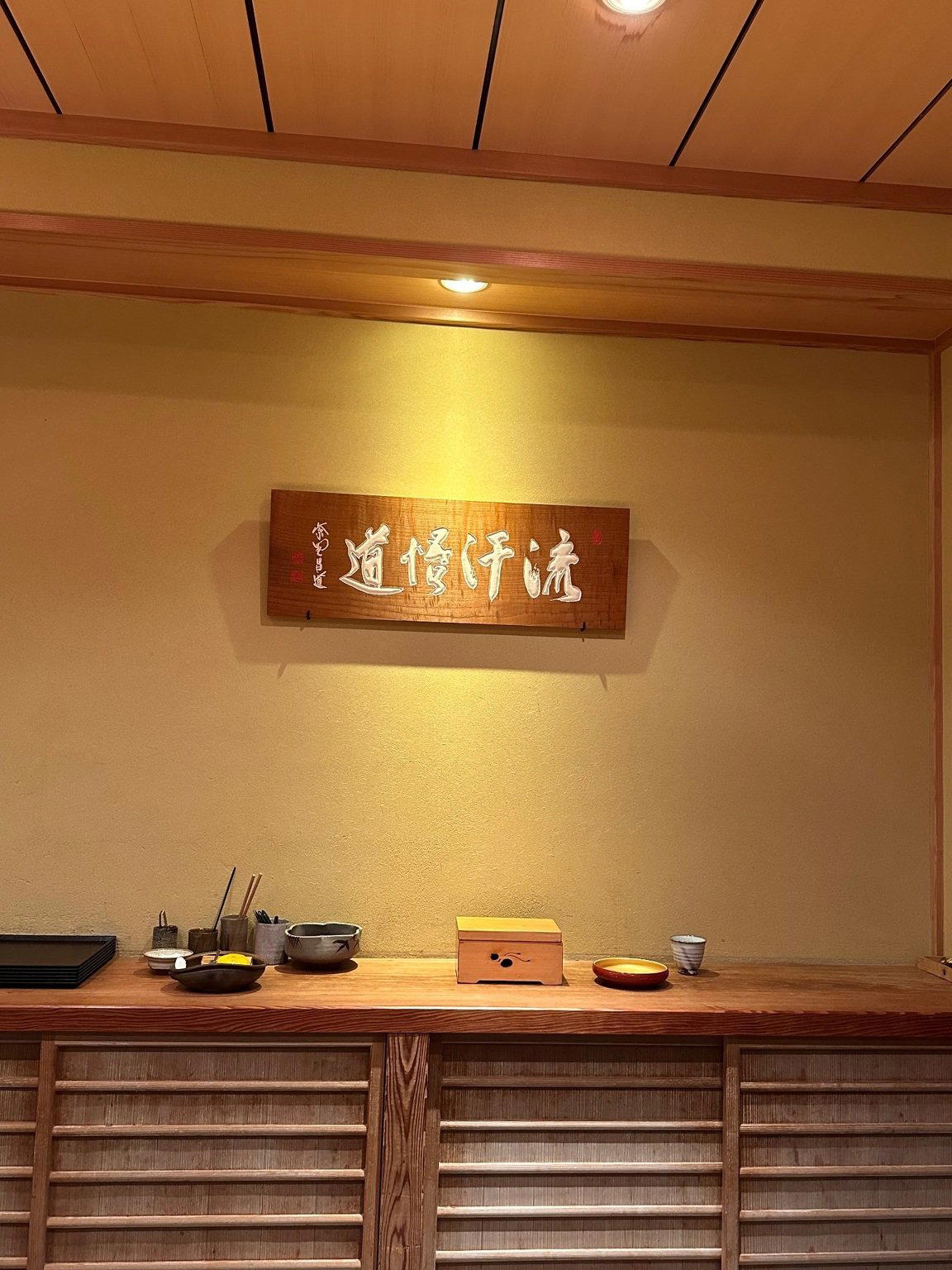
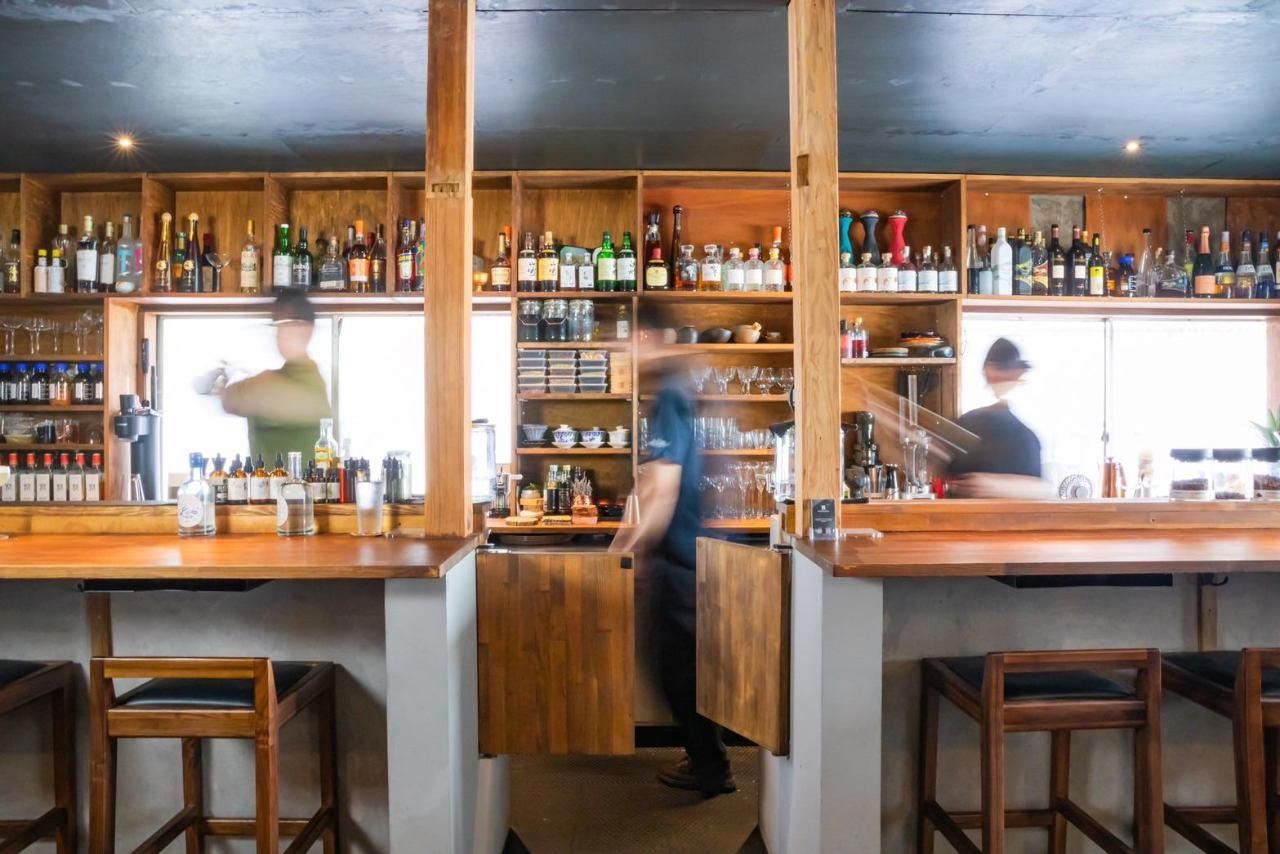
Casual, classic izakaya atmosphere with an intimate, cozy feel; guests come mainly for fresh seafood and drinks in the evening, so the room can feel lively but not overly loud.