D'Agnese's
Our verdict
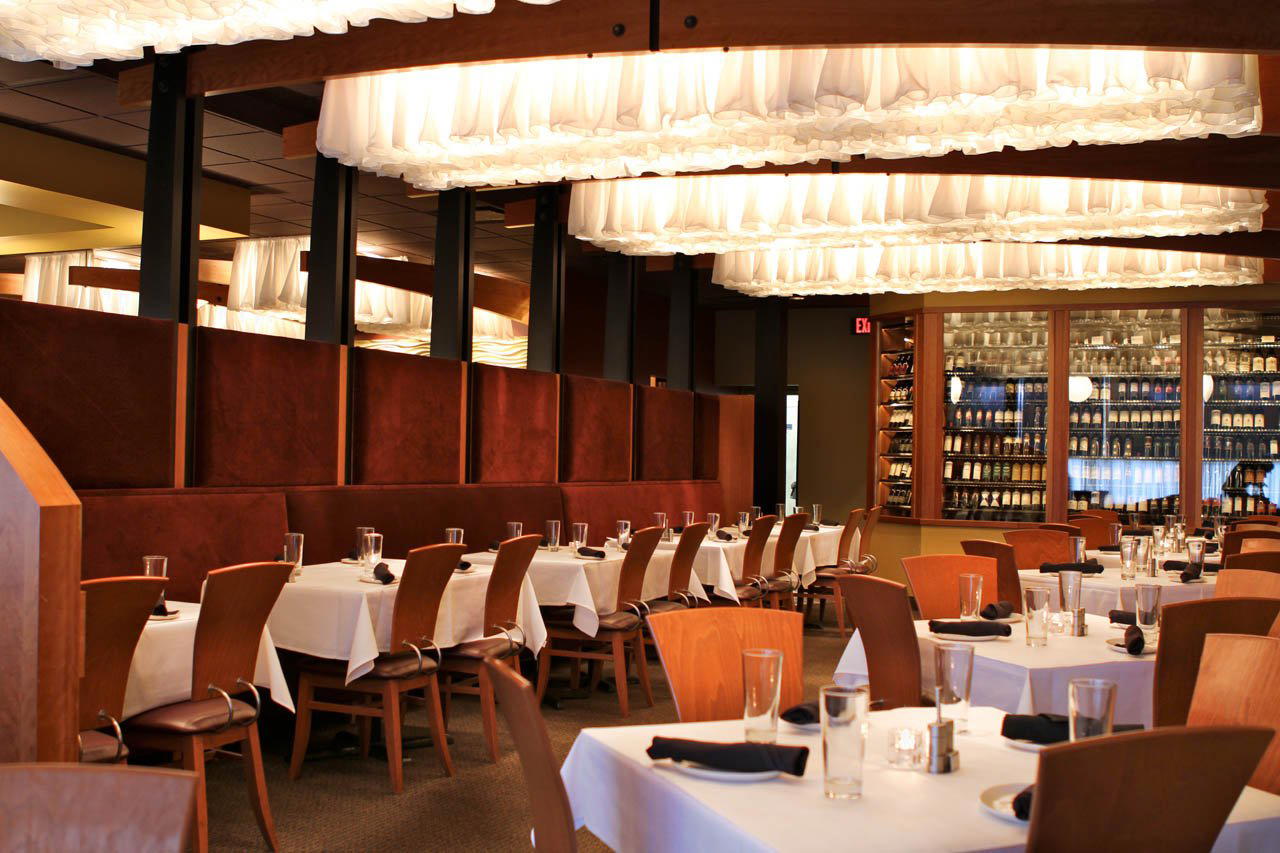
D'Agnese's serves Modern Italian in Broadview Heights, with Shrimp D'Agnese's, an extensive wine list, and a leisurely pace that suits lunch or dinner.

Pearl is the En Primeur Club membership app — saves, bookings, and concierge access live there. Same editors, same standards.
- Address
- 1100 W Royalton Rd, Broadview Heights, OH 44147
- Phone
- (440) 237-7378
- Hours
- Mon–Thu 11 AM–9 PMFri 11 AM–10 PMSat 4–10 PMSun 4–8 PM
- Website
- dagneses.com
- Directions
- Get directions
- Booking
- Book on OpenTable
Italian-American Dining in Broadview Heights: Where the Suburbs Hold Their Own
The suburban dining corridor along West Royalton Road in Broadview Heights occupies a particular place in the greater Cleveland food geography. Strip away the coastal benchmarks, and what you find here is a pattern common to mid-century Italian-American settlement in the Midwest: family-run tables anchored by red-sauce tradition, where the cuisine is less about contemporary reinvention and more about continuity. D'Agnese's at 1100 W Royalton Rd sits inside that tradition, drawing from the same cultural lineage that made Italian-American cooking the dominant comfort idiom of the American suburbs for the better part of seven decades.
Italian-American food is one of the most misunderstood categories in the United States. It is neither the rustic regional cooking of Italy nor the modernist Italian found at places like Frasca Food & Wine in Boulder, which takes its cues from Friuli. It is its own thing: a cuisine shaped by immigration, adaptation, and the specific tastes of communities that planted roots in cities from Cleveland to Pittsburgh to Newark. The tomato-heavy sauces, the generosity of portions, the sense that feeding someone well is itself an act of hospitality — these are not compromises from an original Italian form. They are the expression of a distinct culinary identity that developed on American soil.
Reading the Room: What Broadview Heights Tells You About the Dining Scene
Broadview Heights sits in Cuyahoga County, roughly fifteen miles south of downtown Cleveland, and its restaurant culture reflects the practical priorities of a residential suburb: consistency over spectacle, value over theater, familiarity over risk. This is not the dining environment of Smyth in Chicago or Lazy Bear in San Francisco, where tasting menus push into four figures and the kitchen's agenda drives the meal.
That dynamic shapes how you should approach a venue like D'Agnese's. The comparisons that matter are local and contextual, not national. For a regional frame, BrewWall down the road represents a different strand of Broadview Heights dining, one oriented toward craft beer and casual American formats. D'Agnese's, by contrast, represents the older, more settled strand: Italian-American as institution rather than trend. For those tracking the broader American dining map, the full picture of where this category sits nationally is worth reading in our full Broadview Heights restaurants guide.
The Cultural Roots of Italian-American Cooking
Understanding what makes a place like this legible requires some grasp of where Italian-American cooking comes from and what it is trying to do. The cuisine traces its coherent American form to the late nineteenth and early twentieth century, when southern Italian immigrants, predominantly Sicilian and Neapolitan, arrived in industrial cities and adapted their food to available ingredients and economic constraints. Tomatoes, which were a New World crop only recently normalized in southern Italian cooking, became central. Pasta portions grew. Proteins, which had been used sparingly in the old country, became more prominent as wages allowed.
What emerged over generations was a cuisine that prized abundance and directness. Osso buco, manicotti, chicken parmigiana, eggplant dishes, strong pasta sauces built on long-cooked tomato: these became the vocabulary of a distinct cuisine that stretches from the trattorias of Arthur Avenue in the Bronx to the family tables of suburban Ohio. Venues operating in this tradition, whether in New York or Broadview Heights, are custodians of something that has genuine historical depth, even if it rarely attracts the kind of critical attention given to venues like Le Bernardin in New York City or The French Laundry in Napa.
That gap in critical attention is itself worth noting. The prestige dining conversation in America tends to organize around a narrow set of reference points: Michelin-tracked cities, tasting menu formats, ingredient sourcing narratives. Places like Blue Hill at Stone Barns in Tarrytown, Addison in San Diego, Providence in Los Angeles, or Atomix in New York City sit at the center of that conversation. The neighborhood Italian table in suburban Ohio does not. That is not a failing of the suburban table; it is a failing of the conversation's scope.
How to Approach a Visit
For a venue in this category and geography, advance planning is modest by any standard. Italian-American neighborhood restaurants in suburban corridors like West Royalton Road operate on a different booking logic than, say, The Inn at Little Washington or Single Thread Farm in Healdsburg, where reservation windows stretch months out. Weekend evenings may require a call ahead, particularly for larger groups, but the general expectation in this tier is that planning a few days out is sufficient for most occasions.
The address at 1100 W Royalton Rd is accessible by car, which is the practical reality of suburban dining in Cuyahoga County. The area has limited public transit, and most visitors arriving from Cleveland proper will be driving south on I-77. In terms of dress, the neighborhood Italian format skews comfortable and unpretentious. This is not the environment of Emeril's in New Orleans or The Wolf's Tailor in Denver, where the room itself signals formality. The expectation here aligns with the cuisine: approachable and unfussy.
For those tracking regional dining patterns across a wider American circuit, Italian-American venues in the Midwest tend to concentrate their leading offerings around pasta and long-cooked meat dishes. That pattern holds whether you are looking at suburban Cleveland, the south side of Chicago, or the strip-mall trattorias of New Jersey. The logic is consistent: kitchens that have been making the same dishes for years do them with a confidence that newer formats rarely match at this price tier. For broader dining context in cities with more critical infrastructure, venues like ITAMAE in Miami, Oyster Oyster in Washington, D.C., or Atelier Moessmer Norbert Niederkofler in Brunico represent entirely different points on the dining spectrum, useful as contrast rather than comparison.
Frequently asked questions
Is D'Agnese's okay with children?
Italian-American neighborhood restaurants in suburban corridors like Broadview Heights typically run family-oriented rooms by design, and D'Agnese's fits that profile. The West Royalton Road location serves a residential community where family dining is the norm rather than the exception. Calling ahead to confirm seating arrangements is always a practical step.
Is D'Agnese's formal or casual?
D'Agnese's sits firmly in the casual end of the spectrum, consistent with Italian-American neighborhood dining in suburban Cuyahoga County. Expect a relaxed environment suited to weeknight dinners and unhurried weekend meals rather than occasion-driven formality. The Broadview Heights dining corridor along West Royalton Road sets that tone broadly.
Does D'Agnese's serve a traditional red-sauce Italian-American menu, and how does it compare to similar spots in the Cleveland area?
Broadview Heights, as part of Cuyahoga County's southern dining corridor, has maintained that culinary lineage more steadily than closer-in urban neighborhoods that have shifted toward contemporary formats. For visitors coming from downtown Cleveland, the roughly fifteen-mile drive reflects a deliberate choice toward neighborhood-scale dining rather than destination-restaurant spectacle.
What's the best thing to order at D'Agnese's?
Italian-American kitchens in this part of greater Cleveland tend to anchor their menus around pasta, red-sauce classics, and protein-forward mains that reflect the tradition's Southern Italian immigrant roots. Specific dish details for D'Agnese's are best confirmed directly with the restaurant, as menus shift seasonally and by availability.
Where exactly is D'Agnese's?
D'Agnese's is located at 1100 W Royalton Rd, Broadview Heights, OH 44147, Broadview Heights.
How far ahead should I plan for D'Agnese's?
For neighborhood Italian restaurants in suburban corridors like Broadview Heights, same-day or next-day availability is common outside weekend peaks. Fridays and Saturdays on West Royalton Road draw consistent local traffic, so calling a day or two ahead for those nights is a reasonable precaution.
What makes D'Agnese's worth seeking out?
D'Agnese's occupies a specific and durable role in the Broadview Heights dining scene: a neighborhood Italian-American address roughly fifteen miles south of downtown Cleveland, in a suburb where that category of cooking carries genuine local loyalty. Venues like this tend to earn their standing through consistency and familiarity rather than media attention, which makes them a reliable reference point in the greater Cleveland food geography.
Price and Recognition
| Venue | Cuisine | Price | Awards | Notes |
|---|---|---|---|---|
| D'Agnese'sThis venue — the venue you are viewing | Modern Italian | $30–50 | Not listed | Not listed |
| Le Bernardin | French Seafood Fine Dining | $300–500 | 3 Michelin Stars · World's 50 Best #13 | French, Seafood |
| Lazy Bear | Modern American Tasting Menu | Not listed | 2 Michelin Stars · World's 50 Best #25 | Progressive American, Contemporary |
| Atomix | Modern Korean Tasting Menu | $300–500 | 2 Michelin Stars · World's 50 Best #7 | Modern Korean, Korean |
| Per Se | French Fine Dining Tasting Menu | $300–500 | 3 Michelin Stars · World's 50 Best #40 | French, Contemporary |
| Masa | Traditional Japanese Omakase | $500+ | 2 Michelin Stars · World's 50 Best #27 | Sushi, Japanese |
Continue exploring
More in Broadview Heights
Restaurants in Broadview Heights
Browse all →
Bars in Broadview Heights
Browse all →

Details
- Classic
- Cozy
- Elegant
- Warm
- Date Night
- Business Dinner
- Group Dining
- Special Occasion
- Standalone
- Extensive Wine List
- A La Carte
- Wine
- Vegetarian Friendly
Current opening hours
- Monday
- 11 AM–9 PM
- Tuesday
- 11 AM–9 PM
- Wednesday
- 11 AM–9 PM
- Thursday
- 11 AM–9 PM
- Friday
- 11 AM–10 PM
- Saturday
- 4–10 PM
- Sunday
- 4–8 PM
Hours can change for holidays and private events. Last verified .
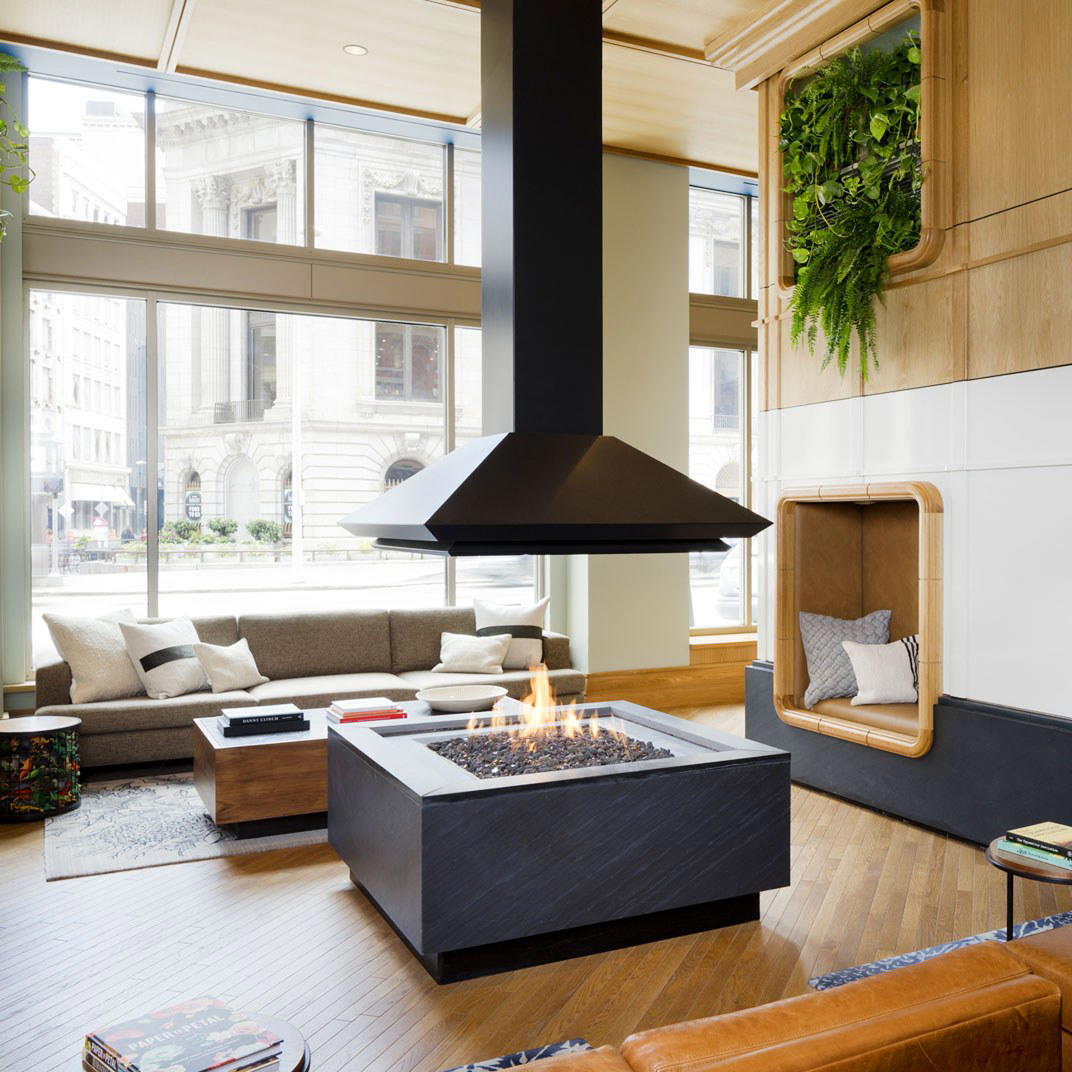
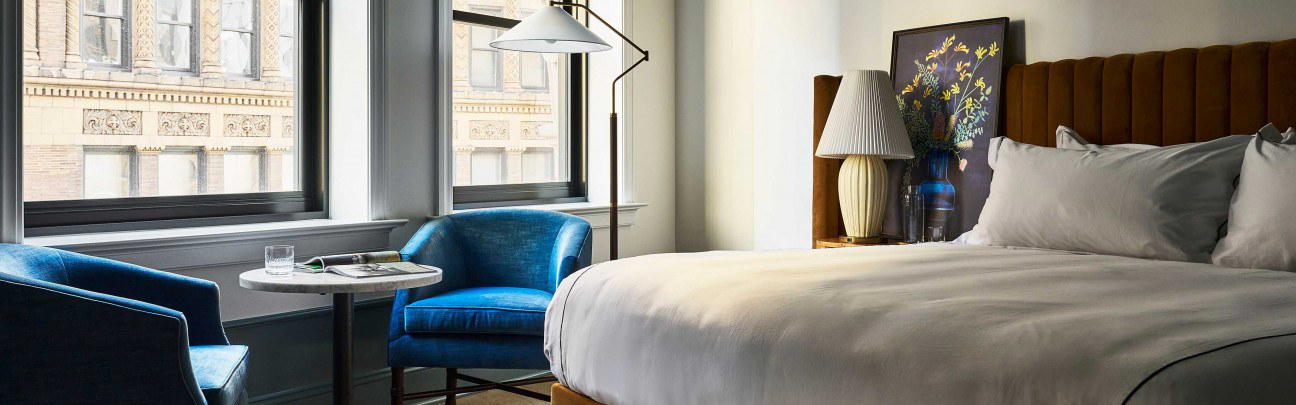
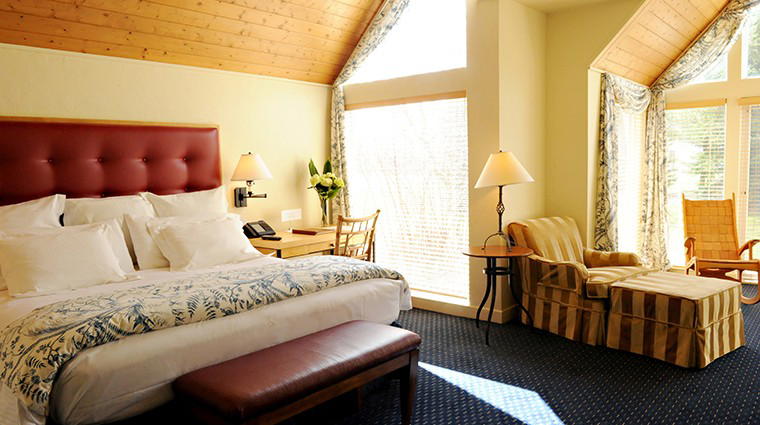
Classic fine dining Italian with warm and cozy atmosphere; traditional and rustic interior design.