Cuerno Bravo Steakhouse
Our verdict
Cuerno Bravo Steakhouse occupies a St Helens Avenue address in downtown Tacoma, positioning itself within a city that has developed a more considered dining identity over the past decade. The name signals a Latin American steakhouse tradition, placing it in a distinct competitive tier from the Pacific Northwest seafood houses that dominate much of Tacoma's premium dining conversation.

Pearl is the En Primeur Club membership app — saves, bookings, and concierge access live there. Same editors, same standards.
- Address
- 616 St Helens Ave, Tacoma, WA 98402
- Phone
- (253) 328-6688
- Hours
- Daily 4–10 PM
- Website
- cuernobravo.com
- Directions
- Get directions
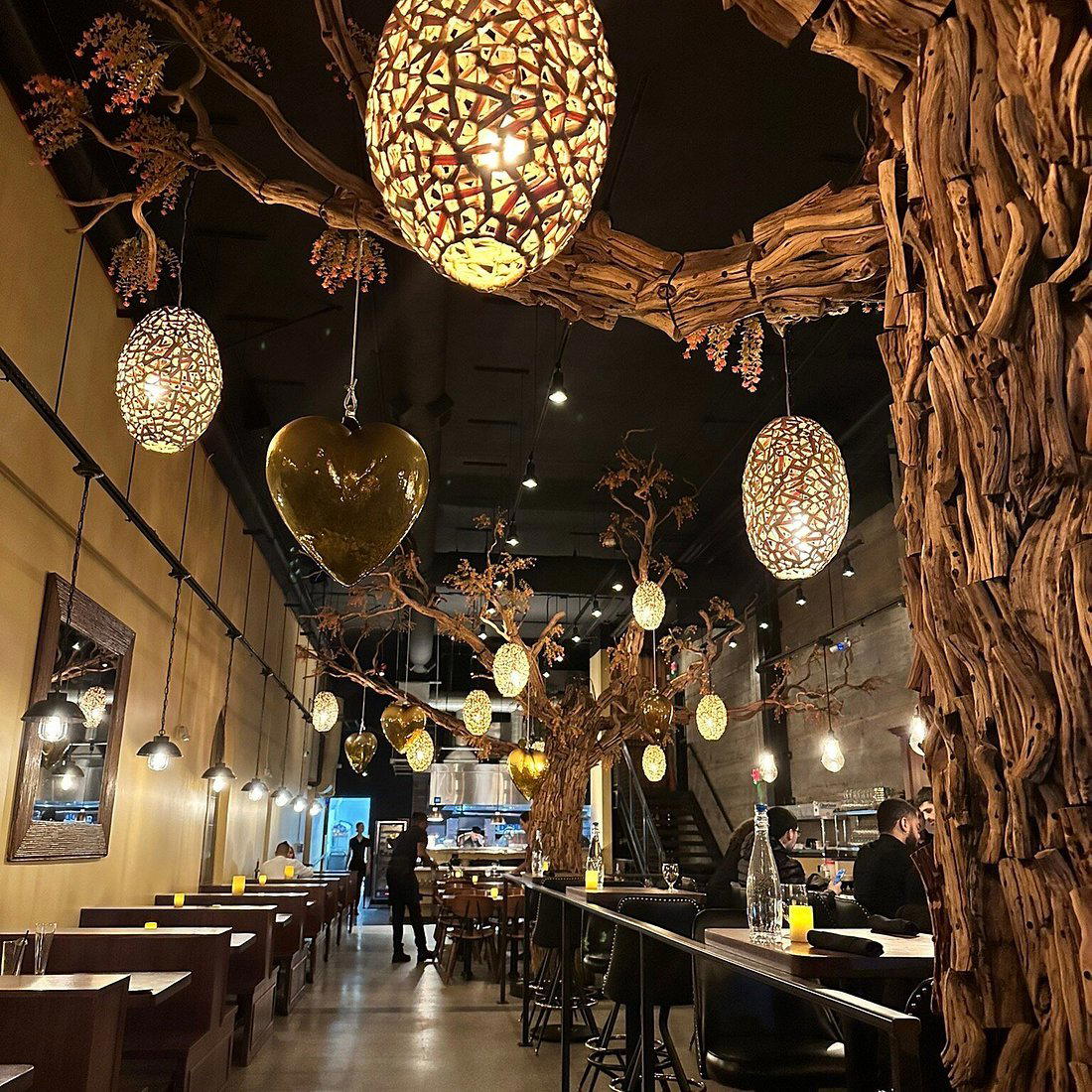
The menu
What to order
- Flight of Steaks
- Australian Wagyu New York Strip
- Japanese A5 Wagyu Filet
Where Downtown Tacoma Meets the Steakhouse Tradition
St Helens Avenue runs through the commercial spine of downtown Tacoma, a corridor that has gradually absorbed a wider range of dining formats as the city's restaurant culture has matured. The steakhouse, as a format, occupies a particular position in that evolution: it arrived in American cities as a democratic institution, then bifurcated over the past three decades into the expense-account behemoth and the neighbourhood-scaled room that competes on provenance and craft rather than square footage. Cuerno Bravo Steakhouse, at 616 St Helens Ave, reads as the latter kind of proposition, a steakhouse whose name alone announces a Latin American interpretive frame rather than the Anglo-American chophouse template that still defines much of the genre.
Tacoma's dining identity has long been shaped by its geography: a working port city with Puget Sound to the west and agricultural lowlands to the south, which has historically oriented its restaurant culture toward seafood and Pacific Northwest produce. Venues like Anthony's At Point Defiance and the Lobster Shop reflect that dominant strand. The steakhouse has always been present but has operated somewhat against the grain of that seafood-first identity. That tension is part of what makes a Latin-inflected steakhouse in this city an editorial point of interest: it draws on a separate cattle-raising tradition entirely, one rooted in the open-range ranching cultures of Argentina, Uruguay, and Mexico rather than in the feed-lot commodity beef that shaped the American chophouse.
The Cultural Roots of the Latin American Steakhouse
The asado tradition, from which much of Latin American steakhouse culture derives, is less a cooking technique than a social institution. Cattle arrived in the Río de la Plata region with Spanish colonizers in the sixteenth century; by the nineteenth, the gaucho had become a cultural archetype, and the open-fire grilling of large beef cuts had become a defining ritual of Argentine and Uruguayan identity. In that context, the steakhouse is not simply a restaurant format but an encoded set of values about fire, time, and communal eating. The cuerno bravo, the phrase itself evoking the horns of a fighting bull, is a direct reference to that tradition's cattle culture.
When that tradition moves into the American market, it typically encounters two pressures: the need to translate unfamiliar cuts (the vacío, the entraña, the tira de asado) for a dining public schooled on ribeye and New York strip, and the temptation to sand down the cultural specificity in favour of broad accessibility. The restaurants that resist the second pressure tend to be the more interesting ones. In cities like Miami, New York, and Los Angeles, Latin American steakhouses have built loyal followings precisely by maintaining the integrity of the asado format, with its emphasis on wood or charcoal fire, its tolerance for chew and texture in cuts that American chophouses would reject, and its characteristic accompaniments, the chimichurri, the salsa criolla, the provoleta.
For the Pacific Northwest, this represents a genuine alternative to both the commodity steakhouse and the seafood-forward model that places like Stanley and Seafort's represent. It also sits in a different register from the polished, tableside-service format associated with El Gaucho Tacoma, which operates within the classic American fine-dining steakhouse tradition. Cuerno Bravo, by name and cultural framing, is working with a different source material entirely.
Tacoma's Dining Tier and Where This Sits
Tacoma has expanded its dining offer considerably since the mid-2000s revitalization of its downtown core, but it remains a city where the premium end of the market is still being defined rather than fully established. That creates space for venues operating in specific cultural niches to claim a position more quickly than they might in Seattle or Portland, where those niches are already more densely populated. A Latin American steakhouse with a coherent identity can function as a genuine category anchor in Tacoma in a way it could not in a larger market saturated with competitors.
The comparison set here is not the tasting-menu restaurants at the apex of American fine dining, the French Laundry in Napa, Smyth in Chicago, or Le Bernardin in New York City. Nor is it the produce-led farm-to-table format that Blue Hill at Stone Barns in Tarrytown or Single Thread Farm in Healdsburg represent. The steakhouse, even in its most culturally serious form, is a different kind of dining proposition: one built around protein, fire, and a set of supporting flavors that have been refined over generations rather than invented in a professional kitchen. Its ambitions are different, and so are its standards.
Within Tacoma's own restaurant field, venues like TibbittsFernHill represent the locally-rooted, ingredient-driven end of the market. A Latin American steakhouse occupies a different axis, one organized around a specific culinary tradition rather than a specific sourcing philosophy. Both are legitimate positions; they serve different dining intentions.
Planning a Visit
Cuerno Bravo Steakhouse is located at 616 St Helens Ave in downtown Tacoma, within walking distance of the city's central business district and the Museum District. Visitors arriving by train will find the address accessible from the Tacoma Dome Station via the Link light rail. Current contact details, hours, and reservation information are best confirmed directly through the venue, as operational specifics were not available at the time of publication. For a broader orientation to what Tacoma's dining scene offers across formats and price points, the EP Club Tacoma restaurants guide covers the full range.
Those planning a Tacoma dining itinerary that extends beyond a single meal might consider pairing a visit here with the waterfront-oriented rooms that represent the city's Pacific identity, whether the view-driven format at Lobster Shop or the American chophouse polish of El Gaucho. Each speaks to a different strand of what the city's dining culture has become. For readers interested in the wider geography of serious American dining, the EP Club also covers rooms like Providence in Los Angeles, Lazy Bear in San Francisco, Addison in San Diego, Emeril's in New Orleans, Atomix in New York City, The Inn at Little Washington, and Atelier Moessmer Norbert Niederkofler in Brunico, each representing a different argument about what a serious restaurant is for.
Frequently asked questions
What's the address for Cuerno Bravo Steakhouse?
Cuerno Bravo Steakhouse is located at î616 St Helens Ave, Tacoma, WA 98402, Tacoma.
Is Cuerno Bravo Steakhouse a good option for a group dinner in downtown Tacoma?
The steakhouse format, rooted in communal Latin American asado culture, historically suits group dining well — shared cuts, family-style sides, and a meat-forward menu translate easily to larger tables. Cuerno Bravo's location on St Helens Avenue in downtown Tacoma puts it within walking distance of Tacoma's central business district, making it a practical choice for corporate dinners or celebratory gatherings. check the venue's official channels to discuss group reservation options and any set menu availability.
What should I eat at Cuerno Bravo Steakhouse?
The menu follows the Latin American steakhouse tradition, which means beef is the anchor. Look to the asado-style cuts, which in this tradition are typically grilled over open or wood-fired heat with minimal intervention. Sides tend to run toward accompaniments that complement rather than compete — chimichurri, roasted vegetables, and starchy bases are standard in this format. Confirm current menu specifics directly with the restaurant at 616 St Helens Ave.
How hard is it to get a table at Cuerno Bravo Steakhouse?
Cuerno Bravo occupies a spot on St Helens Avenue in downtown Tacoma, a corridor that has seen steadily increasing foot traffic as the city's dining scene has grown since the mid-2000s. Weekend evenings at steakhouses of this format tend to fill faster than weeknights, particularly given Tacoma's relatively limited supply of premium-tier options. Contacting the restaurant directly is the most reliable way to assess current wait times or reservation availability.
What's the signature at Cuerno Bravo Steakhouse?
The name itself signals the concept: 'cuerno bravo' references the fighting bull, a cultural touchstone in Latin American cattle tradition. That framing suggests the kitchen anchors its identity in quality beef and the asado-rooted cooking approach that defines the broader Latin American steakhouse format. The specific signature cuts are best confirmed with the venue directly.
Can Cuerno Bravo Steakhouse adjust for dietary needs?
Latin American steakhouses built around the asado tradition are inherently protein-forward, but most offer sufficient flexibility for guests avoiding certain ingredients — grilled proteins, salads, and vegetable sides typically accommodate a range of dietary approaches. Guests with specific requirements should call ahead, as the kitchen at 616 St Helens Ave, Tacoma, is best positioned to confirm current accommodations.
Price and Recognition
| Venue | Cuisine | Price |
|---|---|---|
| Cuerno Bravo SteakhouseThis venue — the venue you are viewing | Mexican-Inspired Wagyu Steakhouse | $50–100 |
| Anthony's At Point Defiance | Northwest Seafood and Steakhouse | $30–50 |
| El Gaucho Tacoma | Classic Steakhouse | $100–150 |
| Lobster Shop | Pacific Northwest Seafood & Steaks | $50–100 |
| Stanley & Seafort's | Classic American Steak & Seafood | $50–100 |
| TibbittsFernHill | Indigenous-Inspired American Brunch | Not listed |
Continue exploring
More in Tacoma
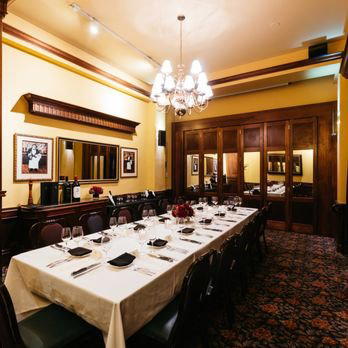
Restaurants in Tacoma
Browse all →
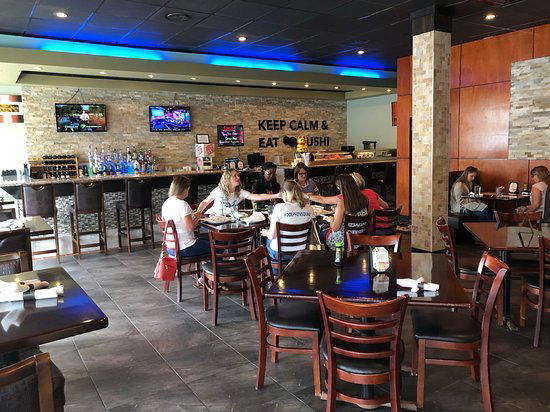
Bars in Tacoma
Browse all →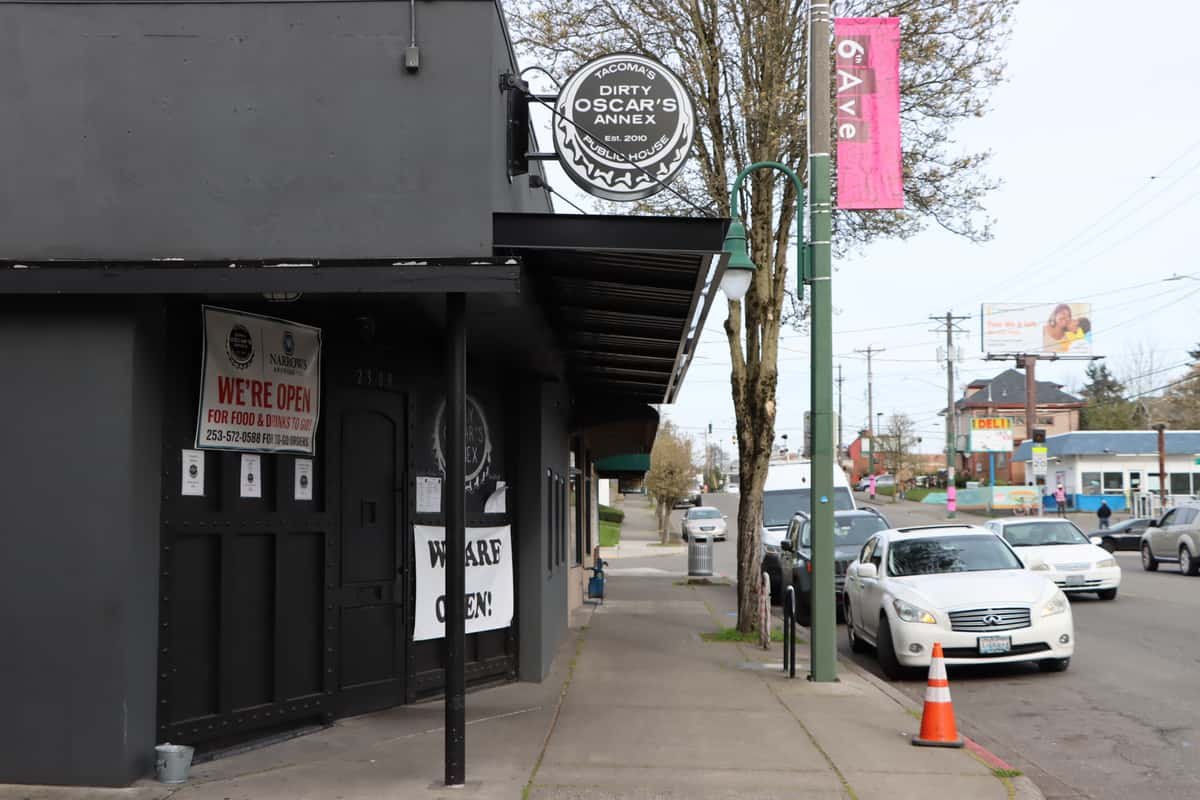
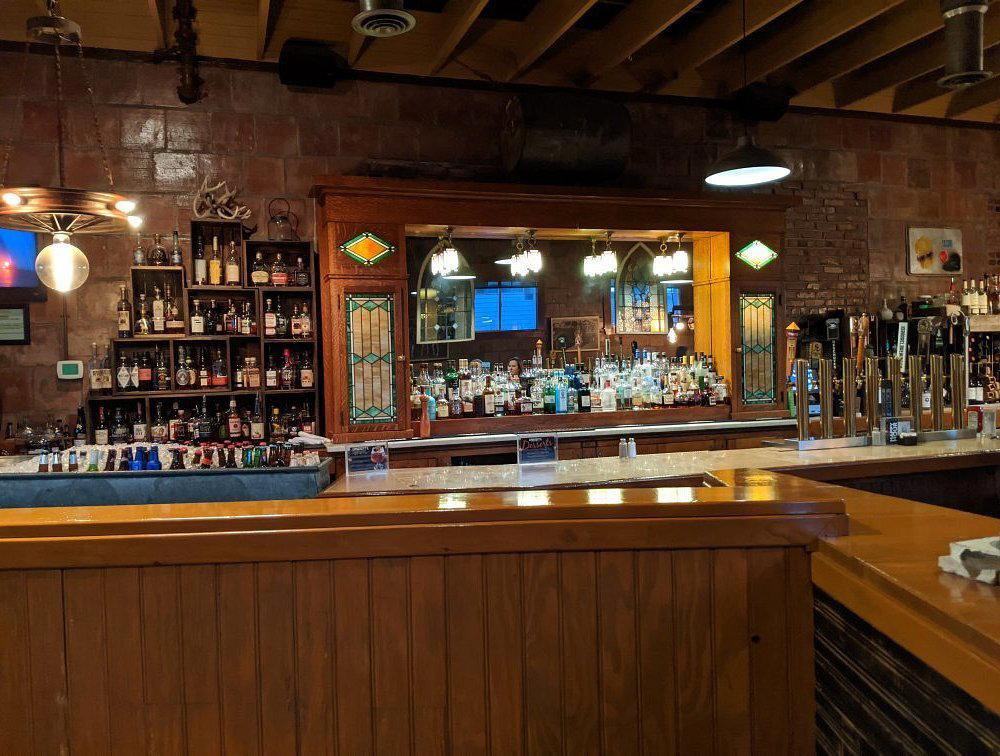
Hotels in Tacoma
Browse all →

Details
- Rustic
- Lively
- Energetic
- Date Night
- Celebration
- Group Dining
- Special Occasion
- Open Kitchen
- Craft Cocktails
- A La Carte
- Family Style
- Cocktails
Current opening hours
- Monday
- 4–10 PM
- Tuesday
- 4–10 PM
- Wednesday
- 4–10 PM
- Thursday
- 4–10 PM
- Friday
- 4–10 PM
- Saturday
- 4–10 PM
- Sunday
- 4–10 PM
Hours can change for holidays and private events. Last verified .