.png)
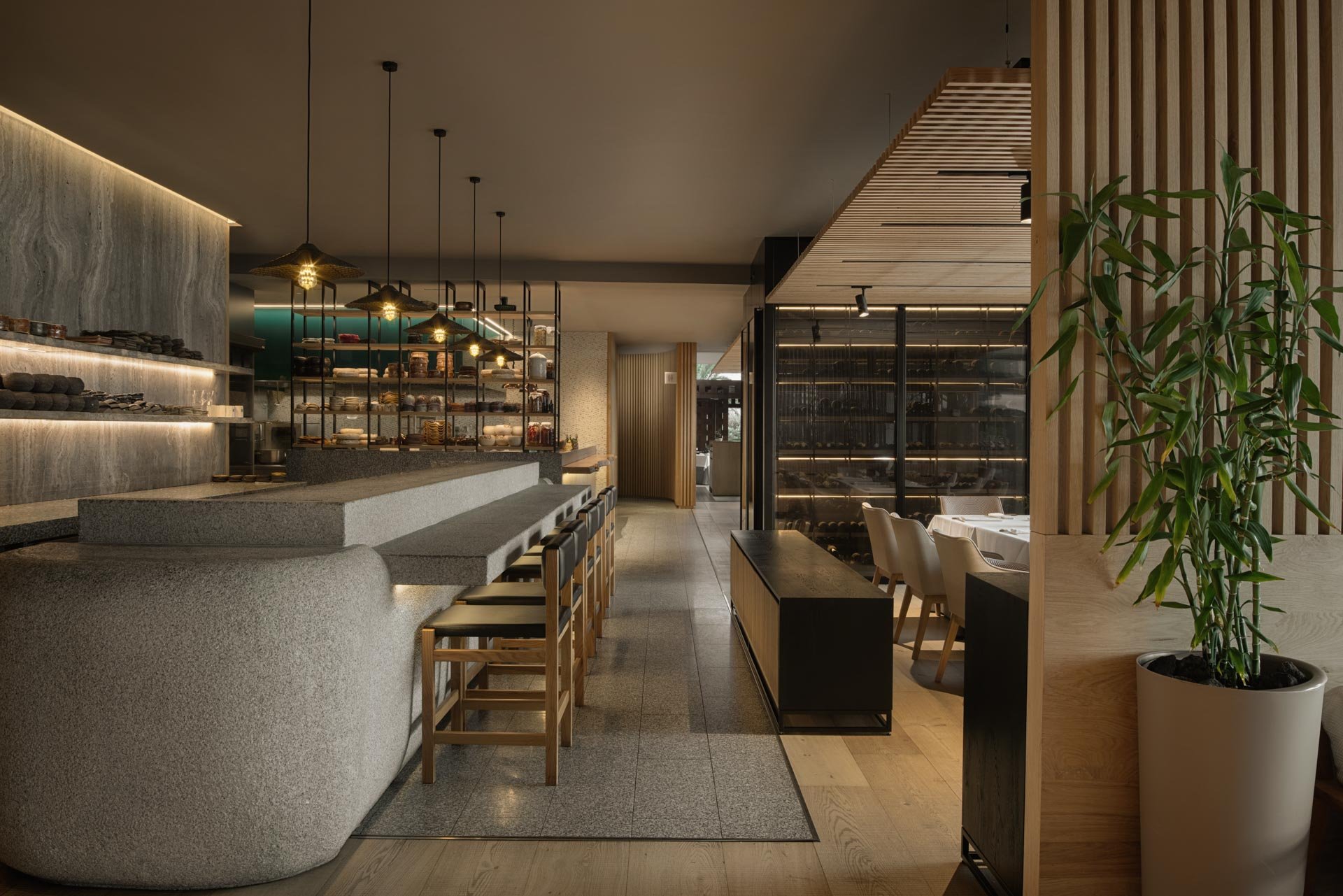
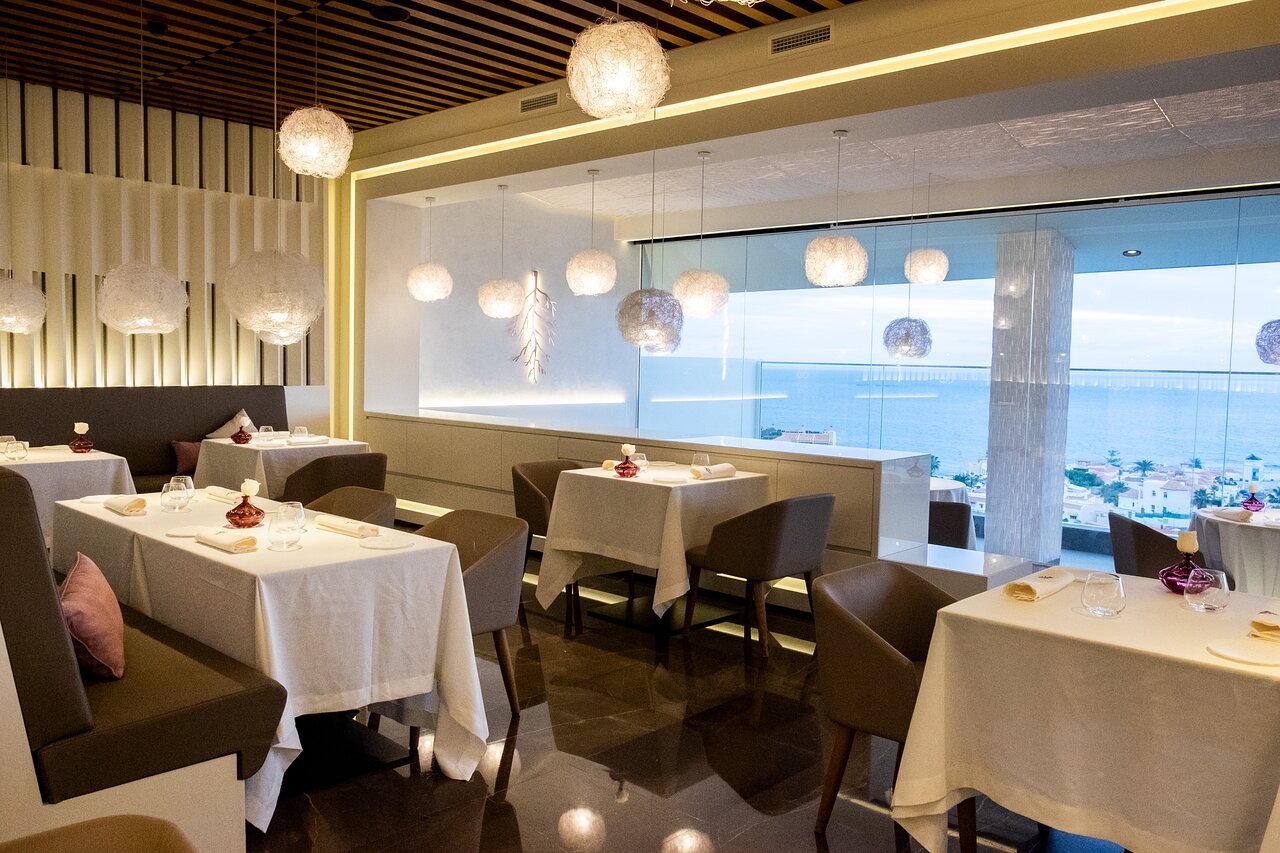
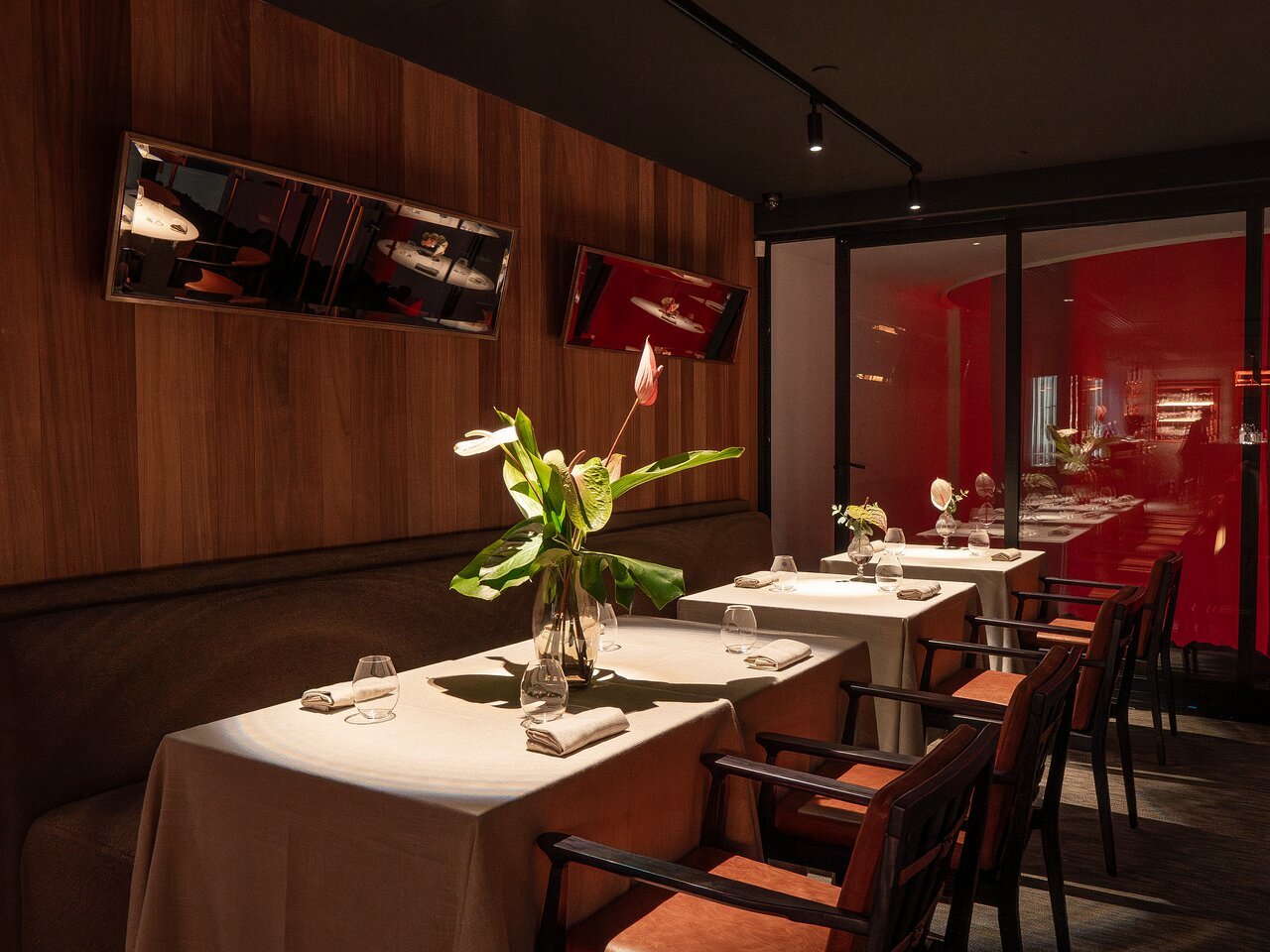
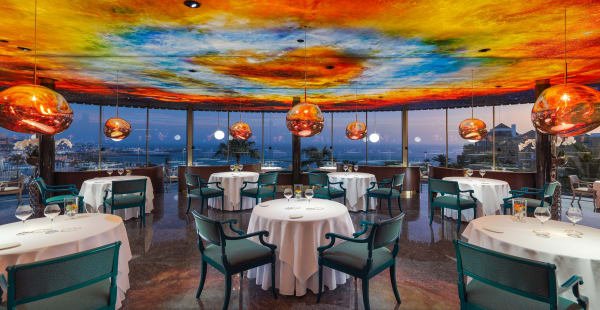
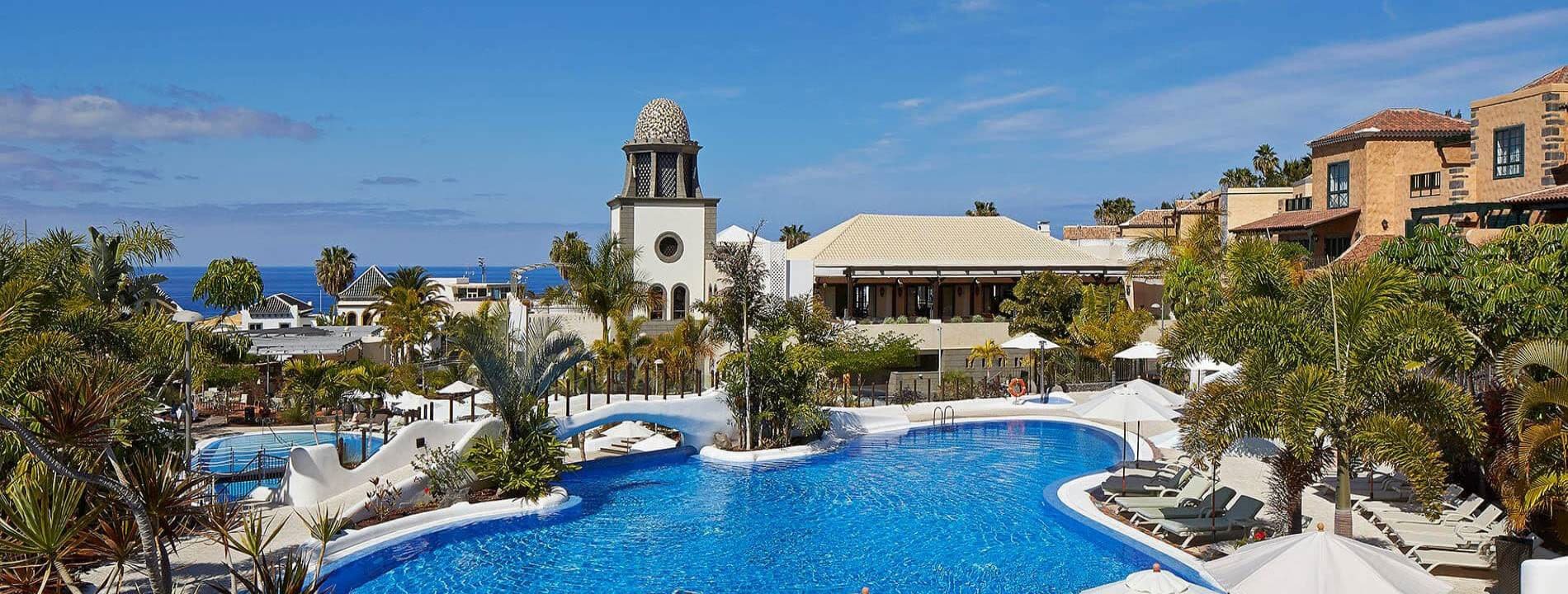
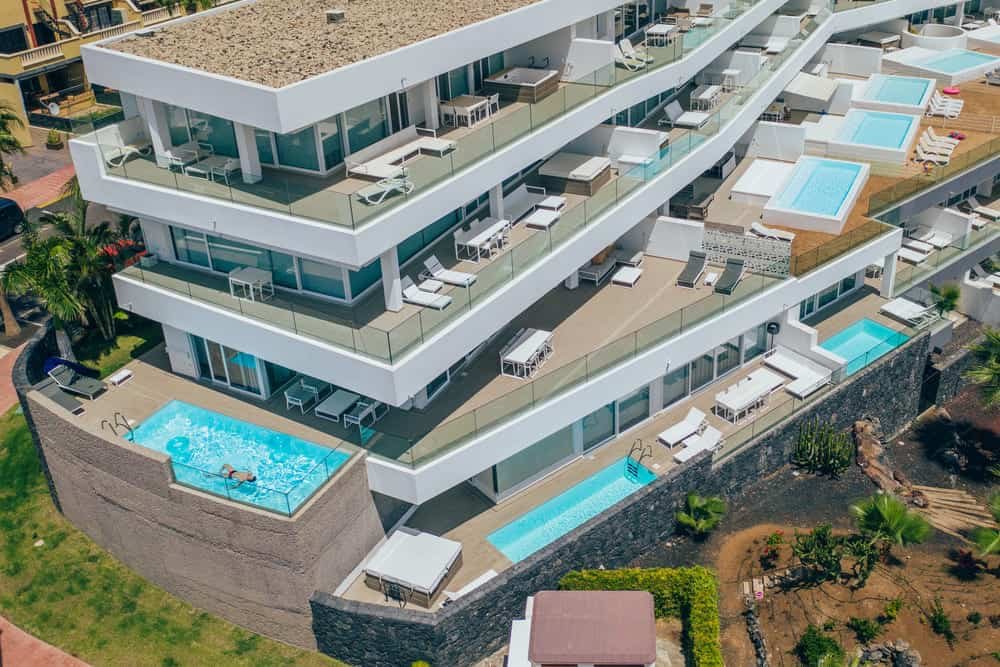
Inside the Royal Hideaway Corales Villas in Costa Adeje, Cráter rotates its tasting menus around individual Canary Islands, giving each season a distinct agricultural and cultural focus. Chef Eduardo Domínguez frames Canarian produce through a creative lens, with dishes like El escachón palmero and El caldero de Fuencaliente anchoring the current La Palma edition. The open kitchen and golf-course terrace facing the Atlantic complete the setting.
 Discover on Pearl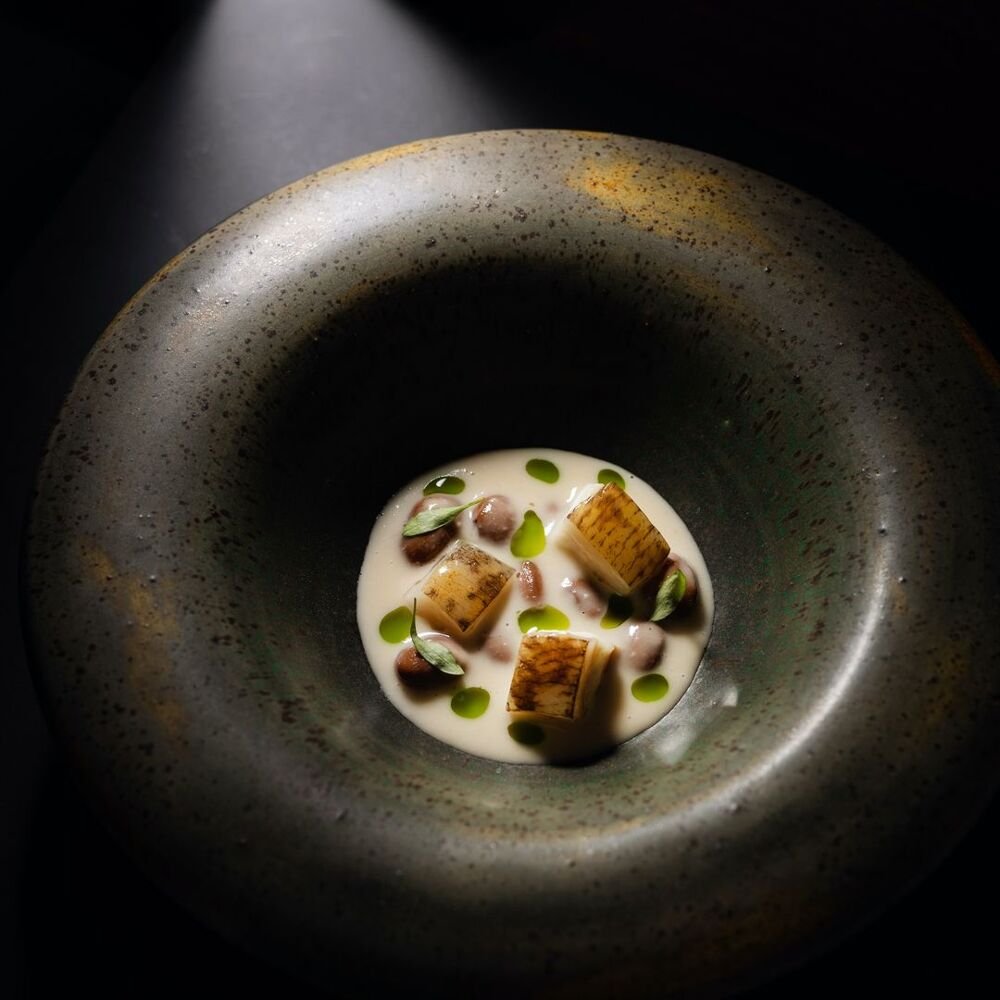
Where Volcanic Terrain Meets the Plate
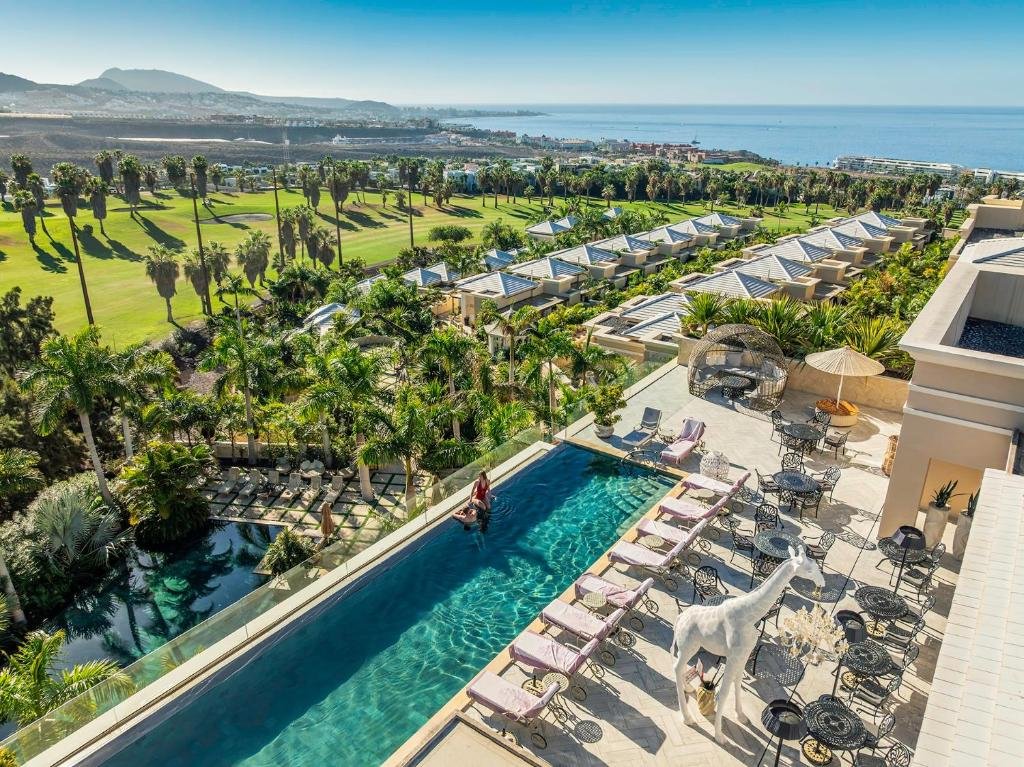
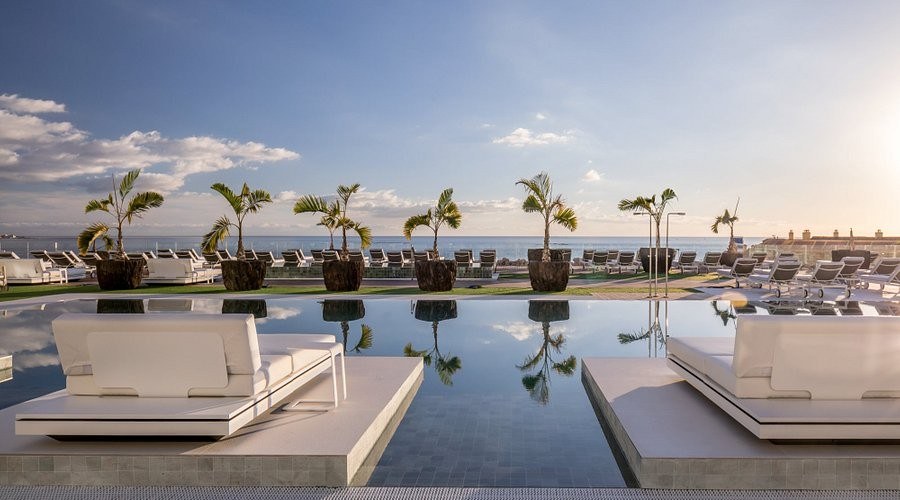
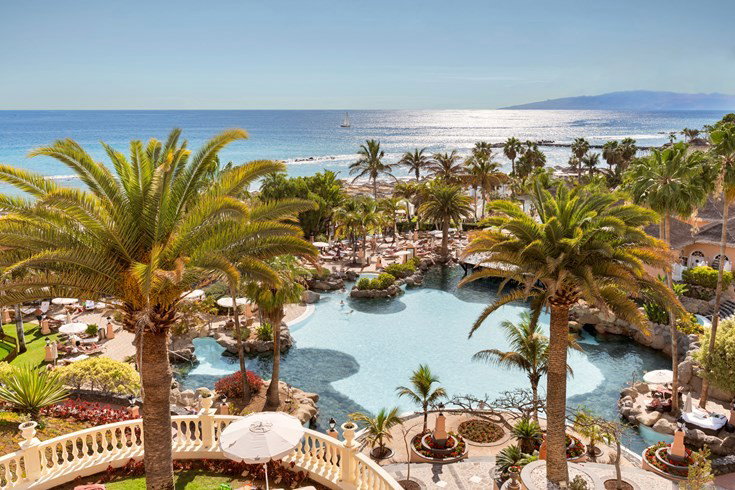
The Canary Islands sit at a crossroads of Atlantic trade winds, African proximity, and centuries of agricultural isolation that produced produce found nowhere else on the Spanish mainland. Wrinkled potatoes cured in salt brine, mojo sauces built from local peppers, fish pulled from deep cold-water channels, and grains like gofio that predate Spanish colonisation all form a culinary identity that mainland Spain largely overlooked for decades. That neglect is reversing, and Adeje, on Tenerife's southern coast, has become one of the more concentrated zones for serious Canarian cooking. The terrace at Cráter, set on the first floor of the Royal Hideaway Corales Villas with golf courses in the foreground and the Atlantic as the far boundary, positions you physically within that landscape before the first course arrives.
An Archipelago on the Menu
What distinguishes Cráter structurally from other hotel restaurants in the Costa Adeje corridor is the rotating island framework. Chef Eduardo Domínguez, born in Tenerife, organises his tasting menus around a single island per season rather than a fixed signature repertoire. The current edition centres on La Palma, known historically as the Isla Bonita and recognised for its biosphere reserve status, its banana cultivation, and a food culture shaped by altitude farming on steep volcanic slopes. Two menus carry the programme: La Danza del Minué and La Danza de los Enanos, each drawing from La Palma's specific pantry.
Dishes like El escachón palmero, El caldero de Fuencaliente, and El chocomojo are built around identifiable local references rather than abstract creativity. Fuencaliente is La Palma's southernmost municipality, where wine is produced from vines grown in volcanic black sand within a stone's throw of active lava fields. Caldero is a traditional fish stew format with deep roots across the islands. The decision to name dishes after specific places and preparations signals a commitment to traceability that goes beyond sourcing labels: it asks the diner to locate each course within a geography.
Sourcing as the Editorial Spine
The cooking at Cráter belongs to a wider movement within Spanish creative cuisine that treats ingredient provenance as the primary organising principle rather than technique or chef biography. Restaurants like Aponiente in El Puerto de Santa María have built their identity around specific marine ecosystems; Azurmendi in Larrabetzu centres Basque agricultural heritage; El Celler de Can Roca in Girona uses Catalan terroir as a recurring reference. Cráter applies the same logic to an archipelago whose eight islands each represent a distinct micro-climate, agricultural tradition, and fishing culture. By rotating the focus island seasonally, the kitchen commits to revisiting its own territory rather than exhausting a fixed pantry.
The open kitchen format reinforces this transparency. Products are reportedly exhibited on the table ahead of the courses they appear in, giving each ingredient a moment of presentation before transformation. This is a pedagogical choice as much as a theatrical one: it asks the diner to register the raw material before judging the finished dish.
Cráter Within Adeje's Creative Tier
Concentration of recognised restaurants in and around Adeje is unusual for a coastal resort strip. El Rincón de Juan Carlos holds two Michelin stars and operates at the leading of the local price range. Donaire, Il Bocconcino by Royal Hideaway, and San-Hô each hold one Michelin star, placing Costa Adeje among the more decorated resort zones in Spain by star density. Nub rounds out the creative tier with its own distinct approach.
Cráter operates within this context as a hotel restaurant with a clear regional identity thesis rather than a generic luxury offering. The Royal Hideaway Corales Villas position it within a specific accommodation tier, but the cooking programme reads as a standalone project rather than an amenity. For comparison, the broader Spanish fine dining conversation includes tables like DiverXO in Madrid, Arzak in San Sebastián, and Cocina Hermanos Torres in Barcelona, all of which have built sustained reputations around a clearly articulated ingredient philosophy. Cráter's ambition points in the same direction, working from a Canarian rather than mainland starting point.
Internationally, the model has parallels in tasting-menu formats like Atomix in New York City, where each course carries documentary context, or Le Bernardin in New York City, where sourcing specificity has been central to the restaurant's identity across decades.
Planning a Visit
Cráter sits on the first floor of the Royal Hideaway Corales Villas at C. Alcojora, s/n, in Costa Adeje. The terrace overlooks the golf courses with sea views beyond, making the earlier seatings worthwhile in daylight months. Phone and online booking details are not publicly listed; contact through the Royal Hideaway Corales Villas reservation desk is the practical route. Given the tasting menu format and the hotel restaurant setting, booking ahead is advisable, particularly during peak winter season when the Canary Islands draw significant European visitor numbers from November through March. For broader planning across the area, see our full Adeje restaurants guide, our full Adeje hotels guide, our full Adeje bars guide, our full Adeje wineries guide, and our full Adeje experiences guide.
Comparison Snapshot
Comparable venues for orientation, based on our database fields.
| Venue | Cuisine | Price | Awards | Notes |
|---|---|---|---|---|
| Cráter - Identidad Canaria | Under that striking term from the volcanic lexicon (Crater), this restaurant, wh… | This venue | ||
| Donaire | Contemporary | €€€ | Michelin 1 Star | Contemporary, €€€ |
| El Rincón de Juan Carlos | Creative | €€€€ | Michelin 2 Star | Creative, €€€€ |
| Il Bocconcino by Royal Hideaway | Italian Contemporary | €€€ | Michelin 1 Star | Italian Contemporary, €€€ |
| San-Hô | Fusion | €€€ | Michelin 1 Star | Fusion, €€€ |
| Kensei | Japanese | €€€ | Japanese, €€€ |
Continue exploring