Our verdict
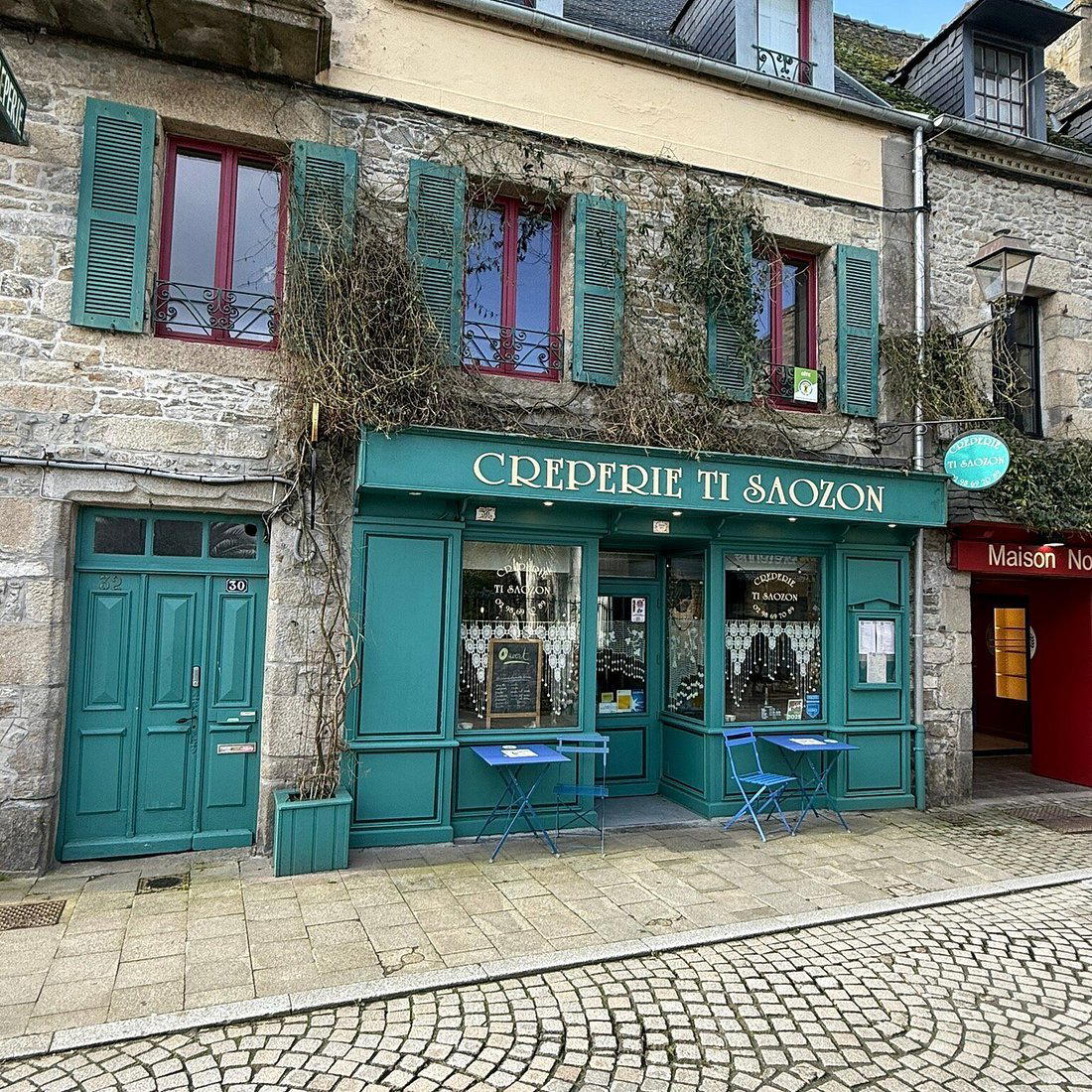
On Roscoff's Rue Gambetta, Creperie Ti Saozon sits inside one of Brittany's most ingredient-defined food traditions: the galette, made from locally grown buckwheat, filled with produce from a coastline and hinterland that supplies some of France's most serious kitchens. The creperie format here is casual and direct, the kind of address that earns its place not through ambition but through proximity to exceptional raw material.

Pearl is the En Primeur Club membership app — saves, bookings, and concierge access live there. Same editors, same standards.
- Address
- 30 Rue Gambetta, 29680 Roscoff, France
- Phone
- +33298697089
- Hours
- Mon ClosedTue–Sat 12–2 PM, 7–9 PMSun Closed
- Website
- facebook.com
- Directions
- Get directions
The menu
What to order
- Galette with Roscoff onions cheddar and bacon
- Ti Saozon crepe
- Organic chocolate orange confit crepe
Buckwheat, Salt Wind, and the Breton Tradition at Its Most Unadorned
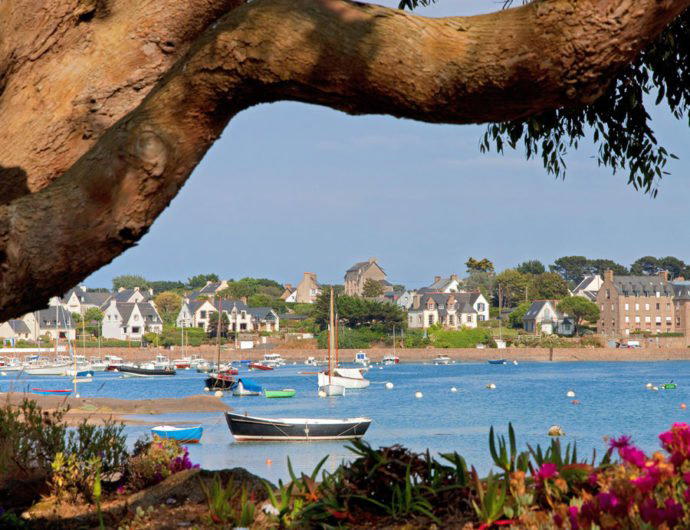
Roscoff sits at the northwestern tip of Finistère, a peninsula where the Atlantic meets some of the most agriculturally specific land in France. The onions are famous enough to have their own protected designation and their own chapter in British food history. The artichokes, cauliflower, and early vegetables that come off this coastal soil supply not just local markets but wholesale networks that reach Paris and beyond. It is the kind of place where ingredient provenance is not a concept added to menus for marketing purposes — it is simply the condition of cooking here. Creperie Ti Saozon, at 30 Rue Gambetta, operates inside that tradition.
The creperie as a format sits at the centre of Breton food culture in a way that resists being framed as mere street food or casual dining. In Finistère and the surrounding departments, the galette and crepe serve distinct roles: the galette de sarrasin, made from buckwheat flour, carries the savoury course; the wheat-flour crepe closes the meal with something sweet. The separation is not a stylistic preference — it reflects centuries of agricultural practice, with buckwheat historically grown across Brittany as a crop that thrived in poor, acidic soil when other grains would not. That buckwheat character, earthy and slightly bitter at the edges, is what separates a galette made from local flour from the more neutral versions found in creperies that source commodity grain.
What the Address Tells You About the Scene
Rue Gambetta runs through the older residential and commercial core of Roscoff, away from the ferry terminal crowds and the seafront promenade. Addresses on this street tend to serve a more local clientele than the waterfront restaurants, which adjust their rhythm to the ferry traffic from Plymouth and Cork. That distinction matters for what ends up on the plate. Creperies in Roscoff range from the tourist-facing to the neighbourhood-embedded, and the latter tend to hold closer to the regional template: buckwheat sourced from Breton producers, eggs from nearby farms, salted butter from a dairy tradition that Brittany treats as something close to a regional religion. The quality of salted butter alone separates the serious Breton creperie from the generic one.
Roscoff's broader dining scene spans registers that are quite far apart. Le Brittany (Modern Cuisine) represents the formal, hotel-anchored end of the local table, working with regional produce at a price point and format that reads closer to destination dining. L'Ecume des Jours, Le Local, Les Bricoles, and Nori occupy different positions across the mid-range. The creperie, by contrast, is where the region's most durable food identity shows up in its most accessible form. For a broader view of how Roscoff's restaurants are distributed across formats and price points, the full Roscoff restaurants guide maps the scene in more detail.
Ingredient Logic: Why Sourcing Defines This Format
The editorial angle on any serious Breton creperie begins with what it is made from, not what it looks like or how it is plated. Buckwheat flour in Brittany carries a short supply chain when sourced correctly: the grain is grown locally, stone-milled, and kept relatively unprocessed. The result is a galette with a darker colour, a more pronounced nuttiness, and a crisp-edged texture that holds its structure under fillings without becoming rubbery. The difference between a galette made from freshly milled local buckwheat and one made from commodity flour that has sat in a warehouse is significant enough that it functions as a primary quality signal for anyone who eats regularly in this region.
The same sourcing logic applies to accompaniments. Brittany's salted butter, particularly from producers working with Guérande sea salt or Breton dairy cooperatives, has a depth that changes what even a simple complete galette (egg, ham, cheese) tastes like. The eggs, ideally from nearby farms where hens range freely on Finistère pasture, bring a yolk colour and richness that flatters the earthiness of the buckwheat. None of this requires elaborate technique. The creperie tradition is not about technical complexity in the way that France's haute cuisine institutions are. At restaurants like Flocons de Sel in Megève or Mirazur in Menton, the sourcing story is woven through multi-course menus of real technical ambition. At a Breton creperie, it shows up in a three-ingredient galette where the quality of each ingredient is fully exposed. There is nowhere to hide, which is why sourcing matters so much more here than in formats where sauce and technique can compensate.
France's most celebrated addresses, from Alléno Paris au Pavillon Ledoyen to Troisgros in Ouches, from Paul Bocuse in Collonges-au-Mont-d'Or to Bras in Laguiole, Auberge de l'Ill in Illhaeusern, Les Prés d'Eugénie in Eugénie-les-Bains, La Table du Castellet, and Georges Blanc in Vonnas, are built on regional identity expressed through fine-dining technique. The creperie reaches the same regional identity from a completely different direction: simplicity enforced by format, quality made visible by restraint. That is a different kind of discipline, and it deserves to be read on its own terms rather than against a fine-dining benchmark.
Planning a Visit
Creperie Ti Saozon is on Rue Gambetta in central Roscoff, walkable from most points in the town and from the thalassotherapy complex that draws visitors year-round. Roscoff's tourist season peaks in summer, when ferry arrivals from the UK and Ireland bring significant foot traffic to the town's restaurants. For a neighbourhood creperie, midday on a weekday tends to offer a more relaxed experience than Saturday lunch in July. Brittany's climate makes it a viable destination outside summer, autumn in particular brings lower prices, fewer visitors, and the same quality of local produce that defines the region's cooking year-round.
Frequently asked questions
Can I bring kids to Creperie Ti Saozon?
Creperie Ti Saozon on Rue Gambetta sits in the residential and commercial core of Roscoff, away from the more tourist-heavy seafront, which gives it a neighbourhood-restaurant feel suited to families. Galette and crepe format dining is inherently child-friendly — the food is familiar, portions are visible, and the pace is relaxed rather than ceremonial. It is the kind of place where a table of four at varying ages fits naturally.
Is Creperie Ti Saozon formal or casual?
Ti Saozon is a casual address by any measure. The Rue Gambetta location places it in working Roscoff rather than the promenade tourist circuit, and the creperie format itself sets the register: counter or simple table service, paper menus, no dress expectation. Come as you would to a neighbourhood lunch in Finistère.
Is Creperie Ti Saozon a good option after arriving by ferry in Roscoff?
Rue Gambetta is walkable from the Roscoff ferry terminal, making Ti Saozon a practical first stop after a crossing from Ireland or the UK. Unlike the seafront spots positioned directly for ferry traffic, this address sits in the town's residential core, which means it draws more local custom than transit visitors. A galette and a bowl of cider here is a more grounded introduction to Finistère than anything served dockside.
What's the best thing to order at Creperie Ti Saozon?
In any serious Breton creperie, the galette de sarrasin — the buckwheat savoury crepe — is the measure of the kitchen. Buckwheat grown in Brittany has a distinctly mineral, slightly bitter character that industrial flour cannot replicate, and it is what separates a craft creperie from a generic one. At Ti Saozon, start with a savoury galette before moving to a sweet wheat crepe; that sequencing is how Bretons eat it, and it exists for good reason.
Where is Creperie Ti Saozon located?
Creperie Ti Saozon is located at 30 Rue Gambetta, 29680 Roscoff, France, Roscoff.
Side-by-Side Snapshot
Comparable venues nearby, for context on price, style, and recognition.
| Venue | Cuisine | Price | Awards | Notes |
|---|---|---|---|---|
| Creperie Ti SaozonThis venue — the venue you are viewing | Breton Creperie | $20–30 | Not listed | Not listed |
| Le Local | French Fusion Bistro | $20–30 | Not listed | Roscoff |
| Les Bricoles | French Bistronomique Seafood | $30–50 | Not listed | Port de Roscoff |
| L'Ecume des Jours | Refined French Regional Seafood | $30–50 | Not listed | Vieux Port |
| Nori | Modern Breton with Japanese Influences | $150–200 | 1 Michelin Star · Relais Chateaux Award | Roscoff |
| Le Brittany | Modern Breton Seafood with Japanese Influences | $100–150 | 1 Michelin Star · Relais Chateaux Award | Roscoff |
Details
- Cozy
- Rustic
- Casual Hangout
- Family
- Standalone
- Organic
- Local Sourcing
- A La Carte
- Vegetarian Friendly
Current opening hours
- Monday
- Closed
- Tuesday
- 12–2 PM, 7–9 PM
- Wednesday
- 12–2 PM, 7–9 PM
- Thursday
- 12–2 PM, 7–9 PM
- Friday
- 12–2 PM, 7–9 PM
- Saturday
- 12–2 PM, 7–9 PM
- Sunday
- Closed
Hours can change for holidays and private events. Last verified .
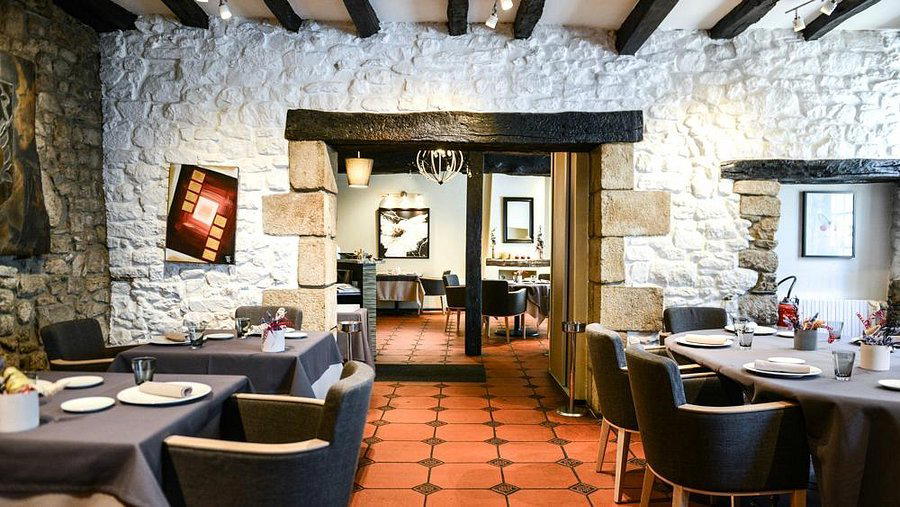
Cozy and charming atmosphere with kind service, well-suited for a relaxed meal.