

1 Michelin Star · Relais Chateaux Award
Our verdict
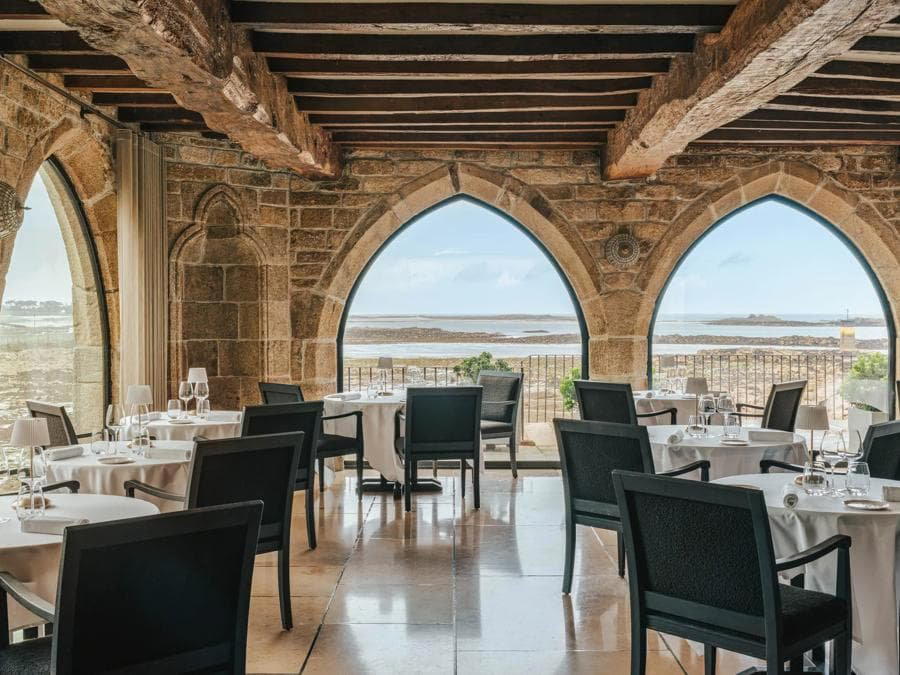
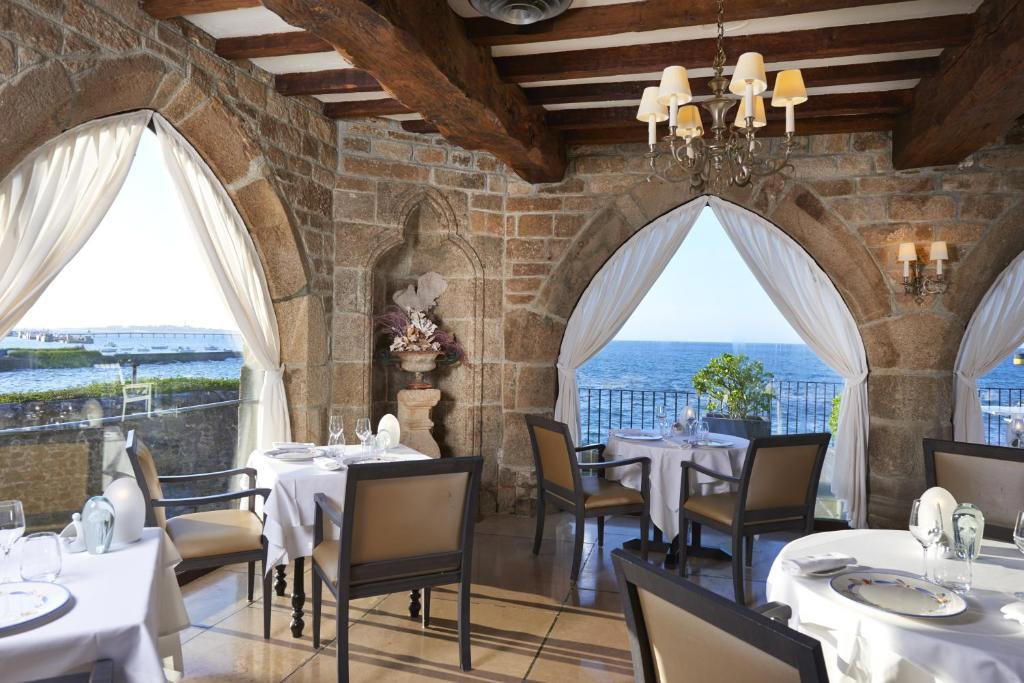
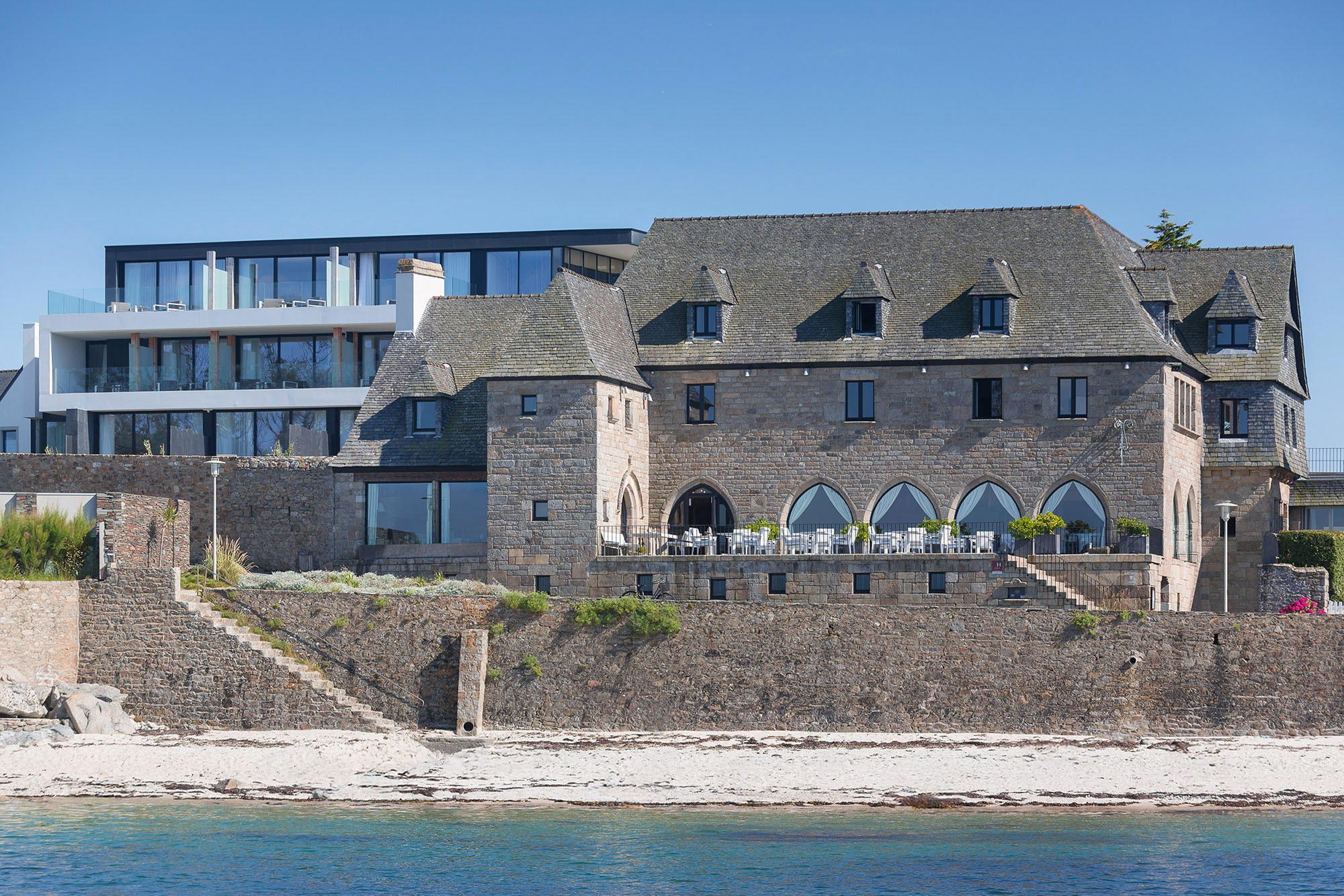
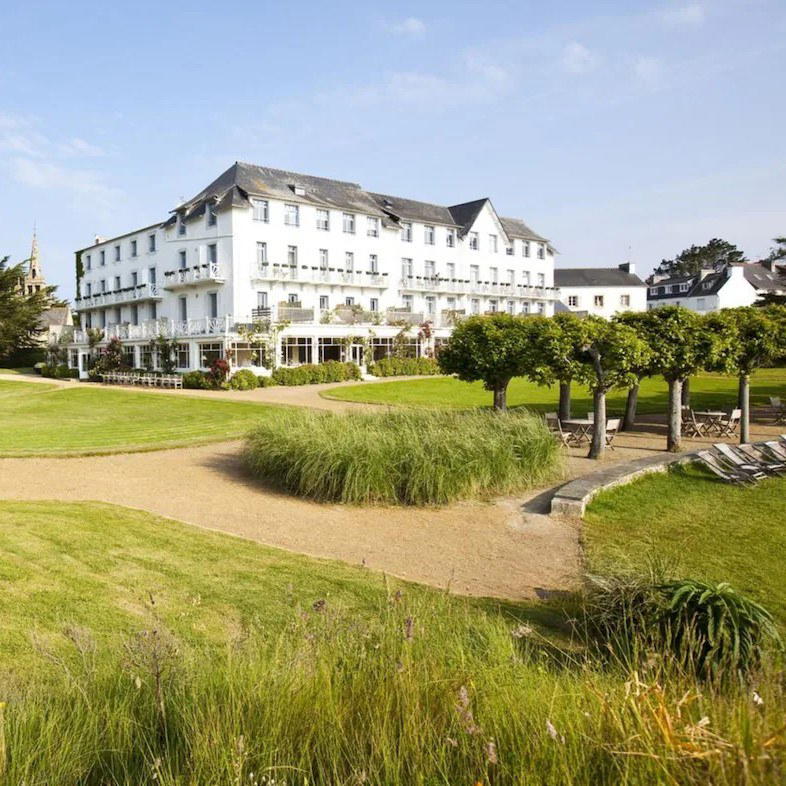
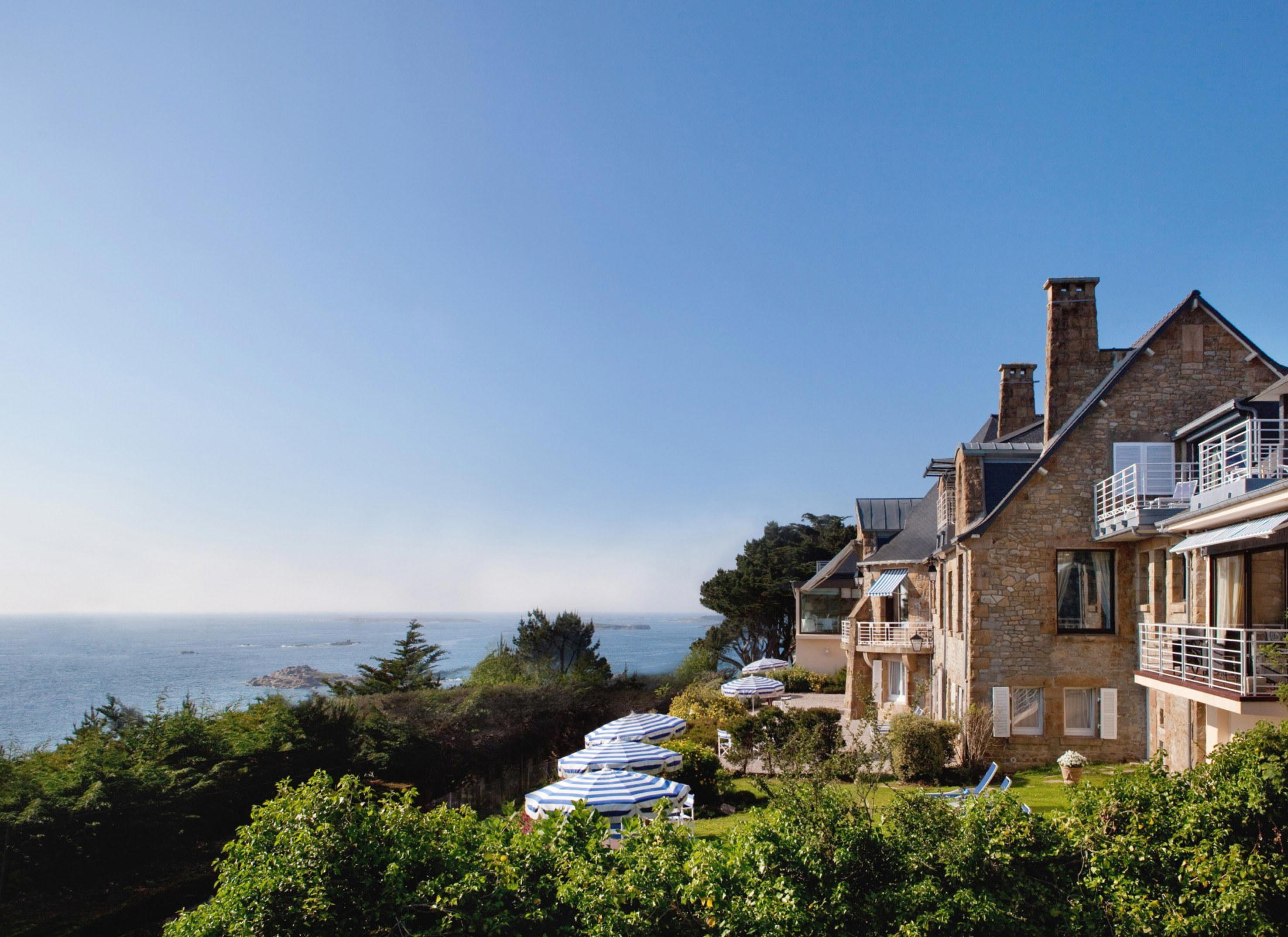
Inside Hôtel Le Britanny in Roscoff, Nori frames Breton seafood against panoramic views of the Île de Batz. Chef Loïc Le Bail draws on Japanese culinary influence, through both his wife and his sous-chef, to produce bold, cross-cultural flavour combinations rooted in the finest local produce. The stone fireplace, arched windows, and bay views make it one of the most atmospherically complete dining rooms on the Brittany coast.

Pearl is the En Primeur Club membership app, where members save venues, book tables and use the concierge.
The menu
What to order
- Lotte with nori
- Brill with algae tartar
- Monkfish with bean mousse
Where the Atlantic Meets the Archipelago
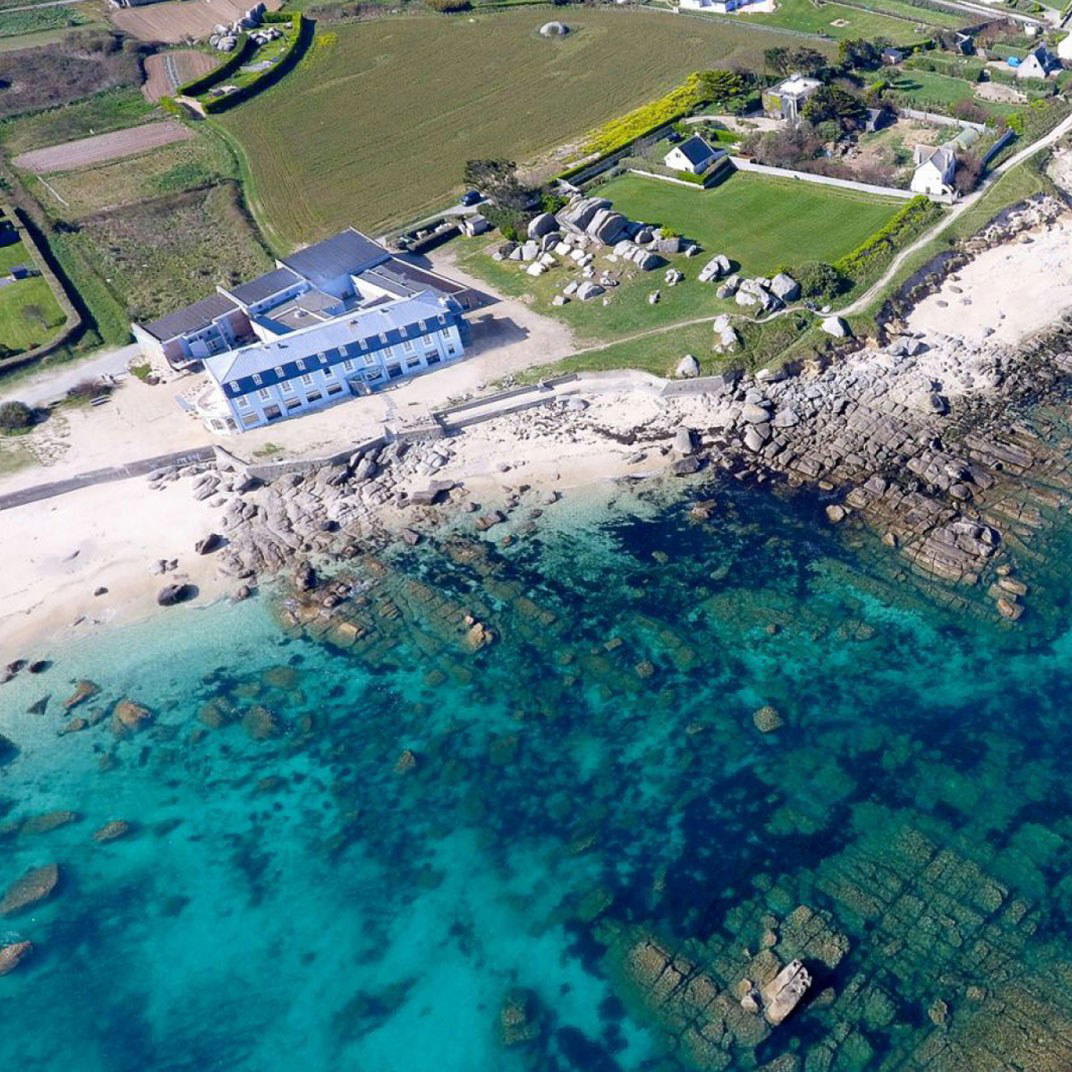
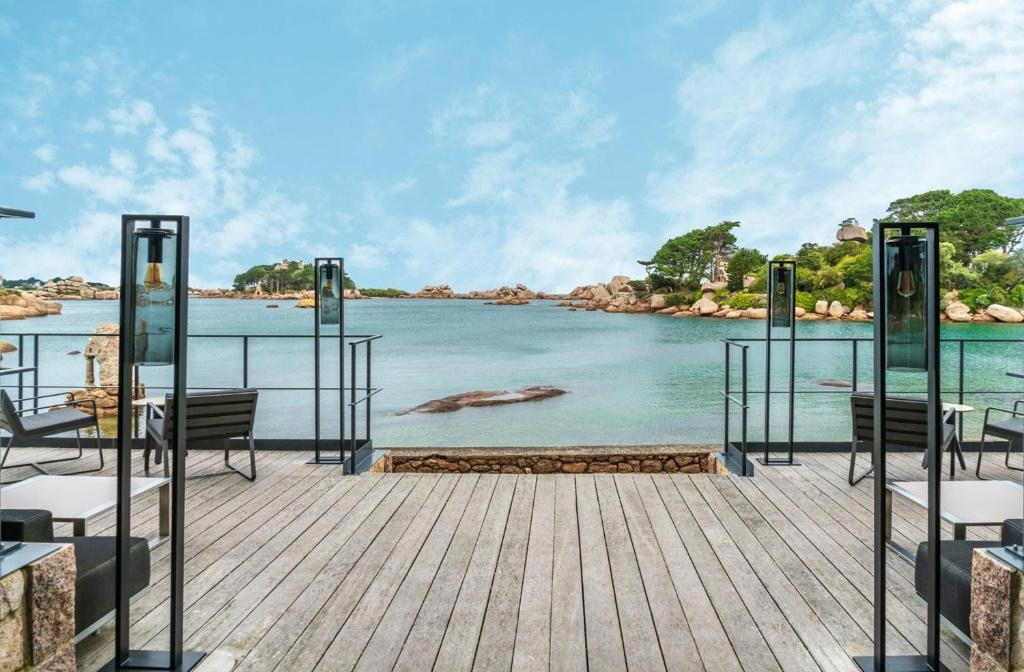
The dining room at Nori announces its setting before a dish arrives. Arched windows frame a direct line of sight across the bay to the Île de Batz, a low-lying island that sits roughly two kilometres off the Roscoff shore and has shaped the microclimate of this stretch of the Finistère coast for centuries. A large stone fireplace anchors the room on the landward side, giving the space a physical weight that balances the open, sea-facing panorama. This is a dining environment built around geography, and the kitchen takes that geographical argument seriously.
Roscoff sits at the edge of what growers call the ceinture dorée, the golden belt of north Finistère market gardening that produces some of France's most sought-after vegetables: the famous pink onion, artichokes, cauliflowers, and early potatoes that have supplied wholesale markets in England and Ireland since the nineteenth century. Combine that agricultural depth with immediate access to the richest Atlantic fishing grounds in metropolitan France, and you have a produce argument that serious kitchens across the country have tried to replicate without the same geographical advantage. Nori, sitting inside Hôtel Le Britanny on the boulevard Sainte-Barbe, works with those ingredients from a position of proximity that restaurants in Paris or Lyon cannot claim.
Breton Produce as the Editorial Point
There is a strand of French coastal cooking, represented at the highest level by places like Le Bernardin in New York City, which made its name on Breton-trained technique applied to Atlantic seafood, in which the sourcing decision is the primary creative act. What species, from which waters, at what point in the season, handled how quickly after landing: these choices determine more about the final plate than any subsequent technique. Nori operates within that tradition. The seafood on the menu reflects the waters immediately visible from the dining room, and the kitchen's role is to do justice to that proximity rather than to mask it.
The Breton coast at this latitude brings in lobster, scallops, turbot, sea bass, langoustines, and the particularly prized varieties of oyster and sea urchin that thrive in the cold, mineral-rich waters channelled through the Fromveur passage. Seasonality here is not a menu descriptor applied for effect; it is a hard material constraint. Scallop season runs from October through April. Langoustines peak in late spring. The kitchen's calendar is written by the tides and the quotas of the Roscoff fishing cooperative rather than by the whims of a pastry section. That constraint produces a menu with internal coherence that diners in more supply-chain-dependent cities rarely experience.
For further context on how Brittany-rooted produce translates across different price points and formats on the Roscoff dining scene, our full Roscoff restaurants guide maps the range in detail.
The Japanese Inflection
What distinguishes Nori from the broader category of elegant Breton seafood restaurants is the consistent presence of Japanese culinary logic in a kitchen otherwise rooted in French technique. Chef Loïc Le Bail draws on the background of both his wife and his sous-chef, both Japanese, to produce flavour combinations that read as direct rather than decorative. This is not the vague Japan-adjacent garnishing that became fashionable in French bistros during the 2010s. It is a more systematic application of Japanese principles: the treatment of dashi as a structural element, the use of fermented condiments, the tendency to let high-quality fish speak at temperatures and textures that French classical cooking would not traditionally favour.
The cross-cultural approach places Nori in a peer group of French kitchens that have genuinely absorbed Japanese technique rather than borrowed its aesthetics. At the three-star level, the Franco-Japanese convergence appears at places like Alléno Paris au Pavillon Ledoyen, where extraction and fermentation techniques draw from both traditions. At Nori, the scale is different, but the intellectual seriousness of the dialogue between the two culinary systems is comparable. It is also more legible: when the source ingredient is a fish pulled from a bay you can see through the window, the impact of a Japanese-influenced preparation is easier to read and assess.
This kind of terroir-rooted cross-cultural cooking has produced some of France's most interesting regional restaurant moments of the past decade. Mirazur in Menton uses garden-to-table discipline as its editorial spine; Bras in Laguiole built a cuisine on the specific flora of the Aubrac plateau. Nori's equivalent commitment is to the specific waters and soils of north Finistère, filtered through a bicultural kitchen.
The Room and the Stay
The panoramic dining room works in both directions: it borrows the drama of the bay, and it returns a sense of occasion to the act of sitting down for lunch or dinner. The stone fireplace functions as a counterweight on days when the Atlantic light is flat or the weather closes in, which happens frequently on this coast. The room does not depend on ideal meteorological conditions to hold its atmosphere. Arched stone and open sea are a pairing that does not require sunshine to make its case.
Nori operates as the dining component of Hôtel Le Britanny, which means that the most coherent way to experience it is as part of a stay rather than a standalone reservation. Arriving from Roscoff's ferry terminal (which operates cross-Channel services from Plymouth) and spending two or three nights gives the restaurant its proper context. Dinner with a view of the bay at dusk, followed by breakfast and a walk along the boulevard, produces a rhythm that a single-meal visit cannot replicate. Details on accommodation across the town are covered in our full Roscoff hotels guide; for the wider picture of how to spend time in and around the town, see also our Roscoff experiences guide, the bars guide, and the wineries guide.
Among the broader canon of French restaurants discussed in EP Club's coverage, from Flocons de Sel in Megève to Troisgros in Ouches, Auberge de l'Ill in Illhaeusern, Assiette Champenoise in Reims, Au Crocodile in Strasbourg, AM par Alexandre Mazzia in Marseille, Paul Bocuse's Auberge du Pont de Collonges, and Emeril's in New Orleans, Nori occupies a specific and less-trafficked position: a hotel restaurant in a small ferry port on the far northwest coast, using the produce and waters of its immediate geography with a cross-cultural kitchen confidence that overdelivers for its setting.
Planning a Visit
Nori is located at Hôtel Le Britanny, 22 boulevard Sainte-Barbe, Roscoff. Roscoff is reachable by TGV to Morlaix (approximately three hours from Paris Montparnasse), then a 30-minute regional connection or taxi to the port. Ferry travellers arriving from Plymouth will find the hotel within ten minutes on foot from the terminal. Booking ahead is advisable, particularly during the summer months when Roscoff's hotel capacity fills with cross-Channel visitors and Breton tourists alike. The hotel setting means the restaurant benefits from a captive audience, but walk-in availability during quieter shoulder-season weeks (late September to early November, February to March) is more realistic than in high summer.
Frequently asked questions
Does Nori work for a family meal?
The setting, arched windows, a stone fireplace, panoramic bay views, is formal enough that younger children may find the pace slow. Families with older children or teenagers who appreciate seafood-led cooking and a quieter atmosphere will find it more fitting. It is a dining room built around contemplation rather than energy.
Is Nori formal or casual?
The room reads formal: a stone fireplace, arched windows overlooking the Île de Batz, and a panoramic dining space inside a hotel at 22 boulevard Sainte-Barbe. The cooking has a creative edge, with Japanese flavour logic threading through Breton produce, which gives the experience a modern quality without loosening the dress code expectations a room like this implies.
What kind of recognition has Nori received?
Nori has received recognition including: With its large stone fireplace and arched windows looking out onto the splendid view of the bay and the Île de Batz, this restaurant is the epitome of elegance. In the panoramic dining space, diners enjoy seafood cuisine that showcases the ….
What dish is Nori famous for?
No single signature dish is documented, but the kitchen's identity is clear: Breton seafood treated with Japanese culinary thinking, shaped in part by chef Loïc Le Bail's wife and sous-chef, both Japanese. That cross-cultural approach to coastal produce is what defines the menu's character rather than any one plate.
What's the address for Nori?
Nori is located at Hôtel Le Britanny, 22 boulevard Sainte-Barbe, Roscoff.
Do they take walk-ins at Nori?
As a hotel restaurant at Hôtel Le Britanny in Roscoff, walk-ins may be possible during quieter periods, but the bay-facing dining room draws both hotel guests and outside diners. Contacting the hotel directly before arriving is the practical approach, particularly in summer when Brittany's coastal towns fill quickly.
What makes Nori worth seeking out?
The combination is rare: a dining room with an unobstructed view across the bay to the Île de Batz, Breton seafood sourced to a high regional standard, and a kitchen that applies Japanese culinary logic, not as decoration but as a working influence on flavour combinations. Few restaurants on the Brittany coast hold all three in balance.
At-a-Glance Comparison
| Venue | Cuisine | Price | Awards | Notes |
|---|---|---|---|---|
| NoriThis venue (the venue you are viewing) | Modern Breton with Japanese Influences | $150–200 | 1 Michelin Star · Relais Chateaux Award | Not listed |
| Alléno Paris au Pavillon Ledoyen | Modern French Fine Dining | $150–200 | 3 Michelin Stars · World's 50 Best #79 | Creative |
| Kei | Contemporary French, Modern Cuisine | Not listed | Michelin 3 Star | Not listed |
| L'Ambroisie | Classic French Haute Cuisine | $300–500 | 2 Michelin Stars · World's 50 Best #23 | French, Classic Cuisine |
| Le Cinq - Four Seasons Hôtel George V | Modern French Fine Dining | $300–500 | 3 Michelin Stars · World's 50 Best #24 | French, Modern Cuisine |
| Mirazur | Modern French Fine Dining | $300–500 | 3 Michelin Stars · World's 50 Best #1 | Modern French, Creative |
Recognition history
Dated appearances from independent guides and award organizations, with the underlying list record or original source where available.
Michelin 1 Star
Michelin
Relais Chateaux Award
Relais Chateaux


Continue exploring
More in Roscoff
Details
- Elegant
- Sophisticated
- Scenic
- Intimate
- Special Occasion
- Date Night
- Waterfront
- Open Kitchen
- Hotel Restaurant
- Extensive Wine List
- Local Sourcing
- Waterfront
- Tasting Menu
- A La Carte
Current opening hours
- Monday
- Closed
- Tuesday
- 7:15–8:30 PM
- Wednesday
- 7:15–8:30 PM
- Thursday
- 7:15–8:30 PM
- Friday
- 7:15–8:30 PM
- Saturday
- 7:15–8:30 PM
- Sunday
- 7:15–8:30 PM
Hours can change for holidays and private events. Hours as of .
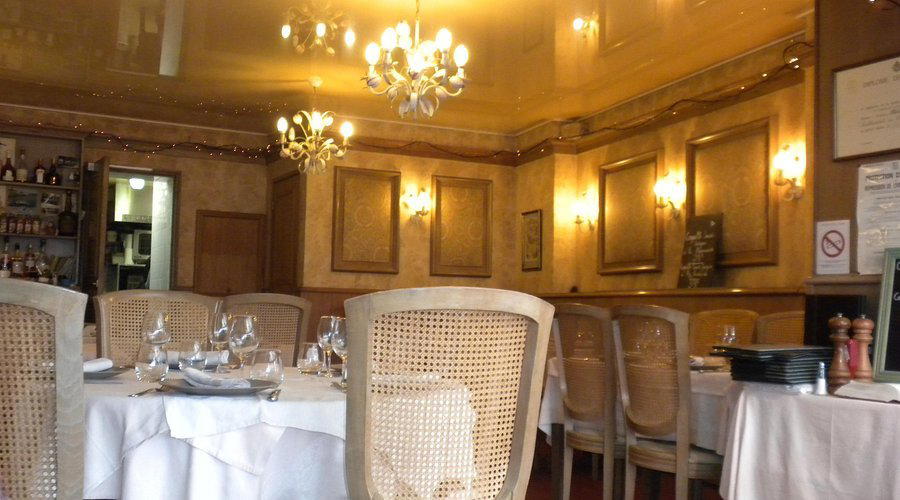
Elegant dining room featuring a large stone fireplace, vaulted windows, and serene seaside views conducive to contemplation.