Coyote Taqueria
On Collins Avenue in Miami Beach, Coyote Taqueria occupies a stretch of South Beach where casual formats and serious technique coexist. The address at 1351 Collins Ave places it in a corridor dense with competing cuisines, making it a useful reference point for the neighbourhood's taqueria tier. For the Miami Beach dining picture, see our full restaurants guide.
Pearl is the En Primeur Club membership app — saves, bookings, and concierge access live there. Same editors, same standards.
- Address
- 1351 Collins Ave, Miami Beach, FL 33139
- Phone
- +17862789044
- Website
- coyotetaqueria.com
- Directions
- Get directions
 Saves & bookings on Pearl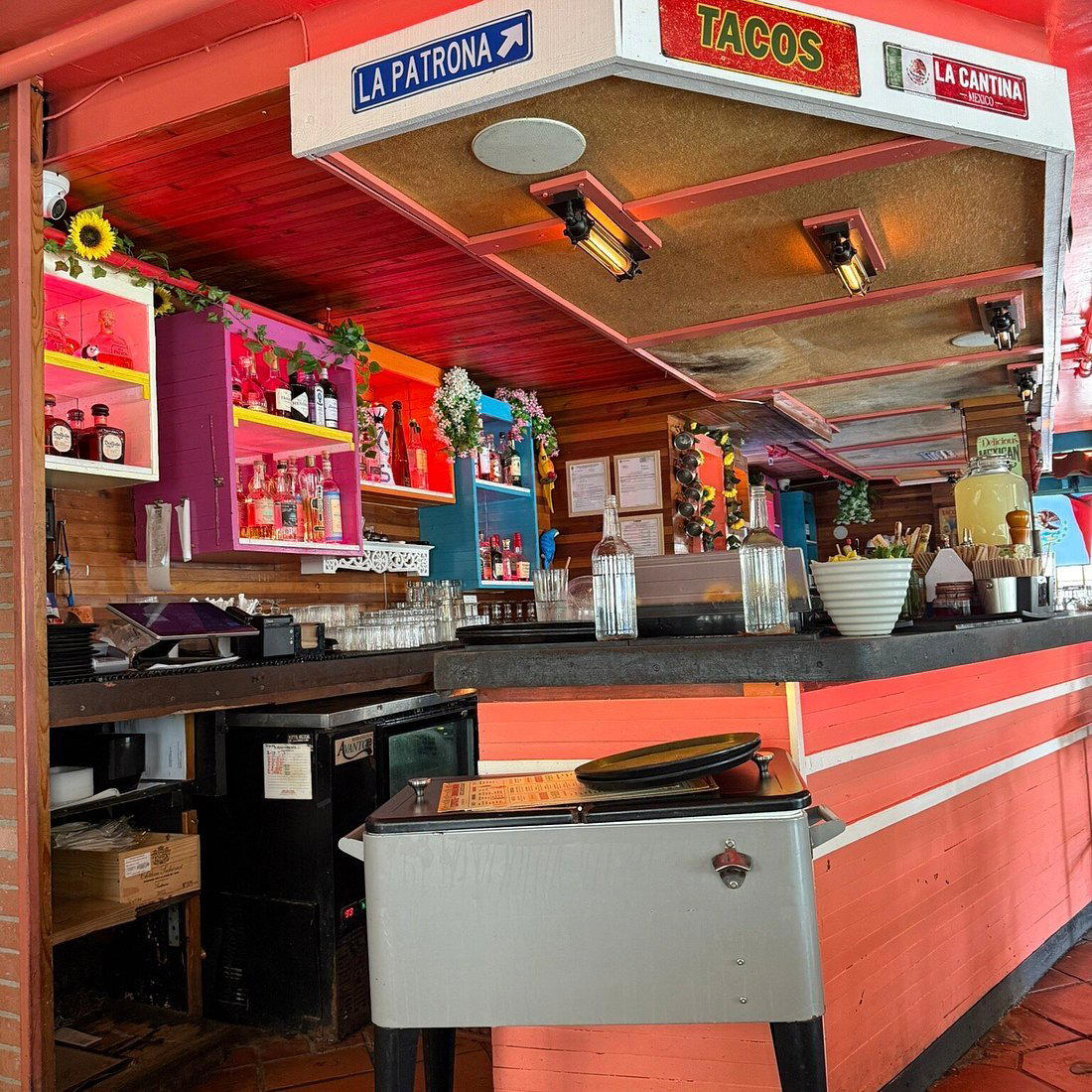
Collins Avenue and the Taqueria Format in South Beach
Collins Avenue between 13th and 14th Streets runs through one of Miami Beach's more densely layered dining corridors, where fast-casual formats compete on the same block as sit-down rooms with serious wine lists. The taqueria format has found particular traction here, partly because the neighbourhood draws a crowd that wants speed and flavour in equal proportion, and partly because the ingredient supply chain feeding Miami's Mexican and Tex-Mex spots has grown substantially more interesting over the past decade. Florida's agricultural output, combined with the port access that brings in produce from Central America and the Yucatán Peninsula, means that a taqueria operating at 1351 Collins Ave has access to raw materials that most landlocked American equivalents do not.
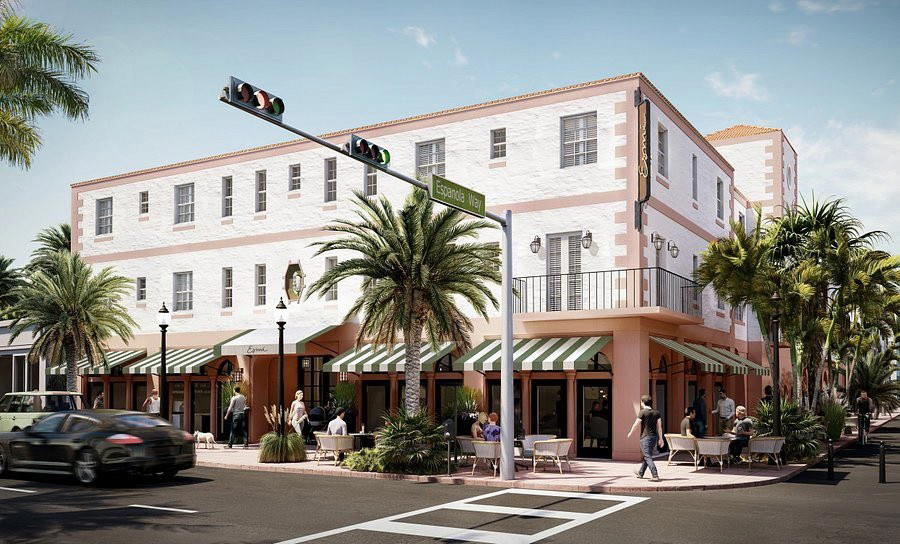
Coyote Taqueria sits at 1351 Collins Ave, Miami Beach, FL 33139, and faces the kind of foot traffic Collins Avenue reliably delivers in season. The physical approach is what you notice first on a warm evening: the avenue hums with people moving between the beach hotels and the restaurants that line it, and a taqueria at street level absorbs that energy rather than filtering it out. There is no staging, no long corridor, no transition zone between the street and the counter. You arrive in the room almost before you have decided to enter it, which is either the defining pleasure of the format or its defining limitation, depending on what you came for.
Where Imported Technique Meets Florida Supply
The broader argument about Mexican cuisine in American coastal cities has shifted considerably in the past fifteen years. The conversation has moved from authenticity debates toward something more productive: what happens when trained cooks apply technique drawn from Mexico City's evolving restaurant culture to ingredients sourced from non-Mexican supply chains? In Miami, that intersection is particularly productive. The Cuban-American pantry, the Caribbean spice trade, and the Gulf's seafood supply all push back against the received vocabulary of the taqueria format in ways that are hard to replicate in cities without Miami's specific geography and demographic history.
This dynamic is visible across the Miami Beach taqueria tier, which sits below the destination-dining rooms that attract the kind of national press coverage reserved for restaurants like Le Bernardin in New York City, The French Laundry in Napa, or Providence in Los Angeles, and operates instead as a neighbourhood infrastructure, the kind of dining that sustains a place rather than putting it on a map. That infrastructure matters. Cities with deep casual-dining cultures, from San Francisco to New Orleans, are better eating cities in part because their lower-price-point operations are as carefully considered as their tasting-menu rooms. Miami Beach is building that culture, and the taqueria format is one of its more reliable contributors.
The Miami Beach Casual Dining Context
To understand where Coyote Taqueria sits in Miami Beach's dining picture, it helps to map the neighbourhood's range. The area around Collins Avenue between 11th and 16th Streets contains a cross-section of the city's approach to accessible eating. 11th Street Diner anchors the retro-American end of that spectrum, a genuine 1948 Pullman car that has served the neighbourhood for decades. A Fish Called Avalon represents the mid-range seafood category that Miami Beach does well because the supply chain is short and the local appetite for it is real. Further afield, Alma Cubana illustrates how Cuban-American culinary tradition operates in a sit-down format, and A La Folie handles the European café category that the neighbourhood's Art Deco hotel clientele consistently supports.
Coyote Taqueria's position in this matrix is the street-level, walk-in format that the neighbourhood still needs more of, relative to its size. The taqueria format scales well in a tourist-heavy corridor because it handles volume without the service friction that damages a diner's experience at a slower-paced room during peak season. On a Saturday evening in January, when Miami Beach's winter population is at its heaviest, a counter that turns tables in thirty minutes is doing something economically and logistically useful for the street.
Technique, Ingredients, and What the Format Can Carry
The question any serious taqueria has to answer is how much technique the format can carry before it stops being a taqueria and becomes something else. The answer, as kitchens in cities like Los Angeles, Chicago, and San Francisco have demonstrated, is: considerably more than the format's casual exterior suggests. Smyth in Chicago and Lazy Bear in San Francisco represent one end of the spectrum, where technique is displayed as the primary object of attention. A taqueria operates at the opposite register, where technique is meant to be invisible, present in the quality of the result rather than the complexity of the presentation.
In Miami, the ingredients available to a kitchen on Collins Avenue include Gulf shrimp, Florida-grown chiles, and citrus with a growing season that runs counter to most of the continental United States. A taqueria that uses those materials thoughtfully, rather than defaulting to generic supply-chain proteins, is operating in the same spirit as farm-led destination restaurants like Blue Hill at Stone Barns in Tarrytown or Single Thread Farm in Healdsburg, even if the price point and format sit in entirely different tiers. The editorial logic is the same: what is on the plate should reflect what is available and what the cook knows how to do with it.
Planning Your Visit
Coyote Taqueria is located at 1351 Collins Ave, Miami Beach, FL 33139, on a walkable stretch of Collins Avenue accessible from most of South Beach's main hotel cluster without requiring a car. The address is well-served by the Collins Avenue bus route and within walking distance of the Collins Park and 5th Street areas. The operation functions as a walk-in format, which is standard for the taqueria tier in Miami Beach. Arriving early in the dinner window, before 7pm during peak season months of December through March, will generally give you a shorter wait and a calmer room than the later service. For a broader survey of where the restaurant sits in the Miami Beach dining picture, the neighbourhood's options span casual counters and more formal rooms further up the beach.
At a Glance
Comparable venues nearby, for context on price, style, and recognition.
| Venue | Cuisine | Price |
|---|---|---|
| Coyote TaqueriaThis venue — the venue you are viewing | Not listed | $$ |
| Oh Mexico | South Beach, Authentic Mexican Taqueria | $$ |
| Esquina Mexicana | South Beach, Modern Mexican | $$ |
| Lime Fresh Mexican Grill | South Beach, Fresh Mexican Fast Casual | $ |
| Taquiza | North Beach, Authentic Mexican Taqueria | $ |
| Rosinella | City Center, Authentic Italian Trattoria | $$ |
Continue exploring
More in Miami Beach
Restaurants in Miami Beach
Browse all →
Bars in Miami Beach
Browse all →

At a Glance
- Lively
- Energetic
- Casual Hangout
- Group Dining
- Late Night
- After Work
- Standalone
- Open Kitchen
- Beer Program
- Craft Cocktails
Current opening hours
- Monday
- 11 AM–11 PM
- Tuesday
- 11 AM–11 PM
- Wednesday
- 11 AM–11 PM
- Thursday
- 11 AM–11 PM
- Friday
- 11 AM–12 AM
- Saturday
- 11 AM–12 AM
- Sunday
- 11 AM–11 PM
Hours can change for holidays and private events. Last verified .
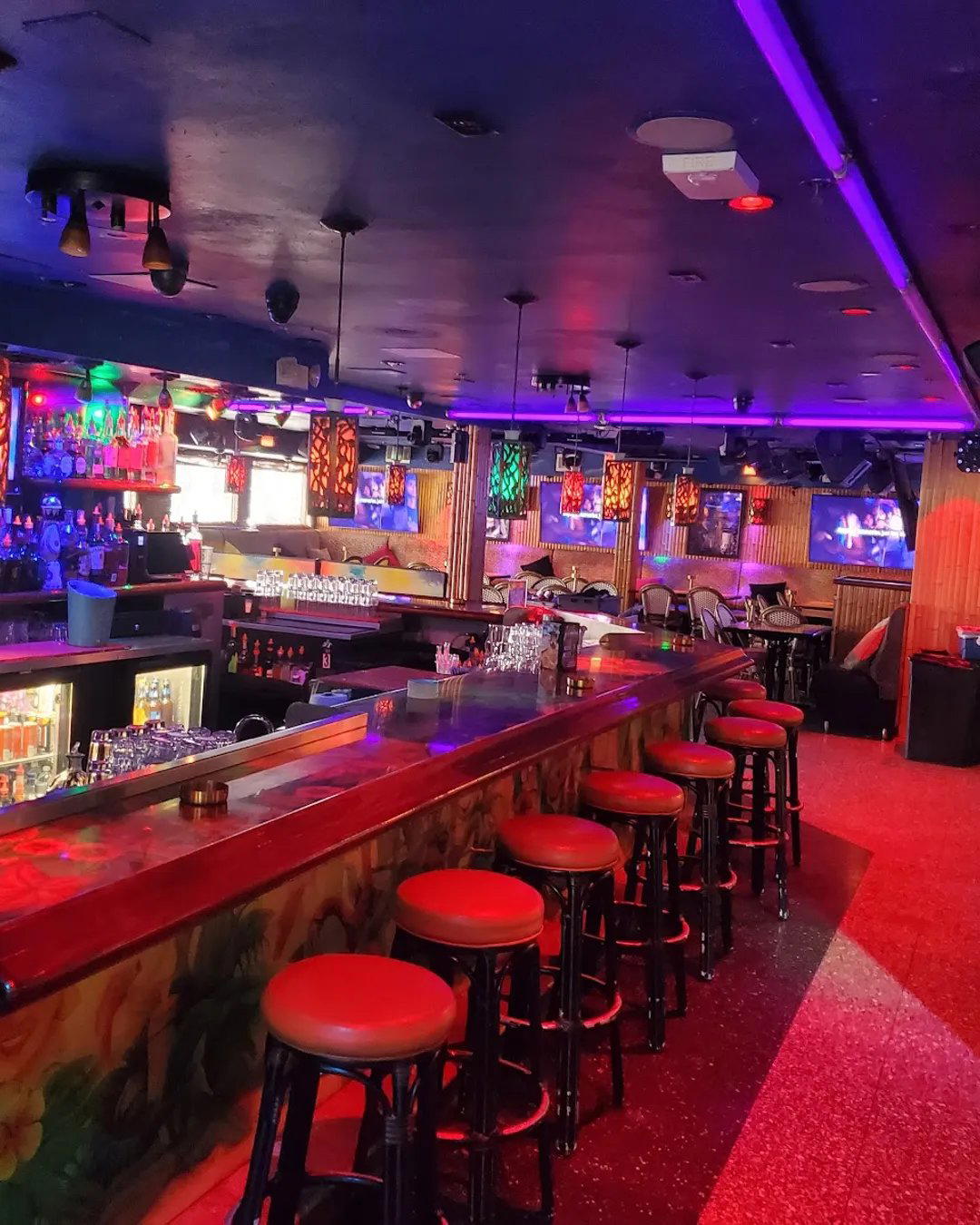
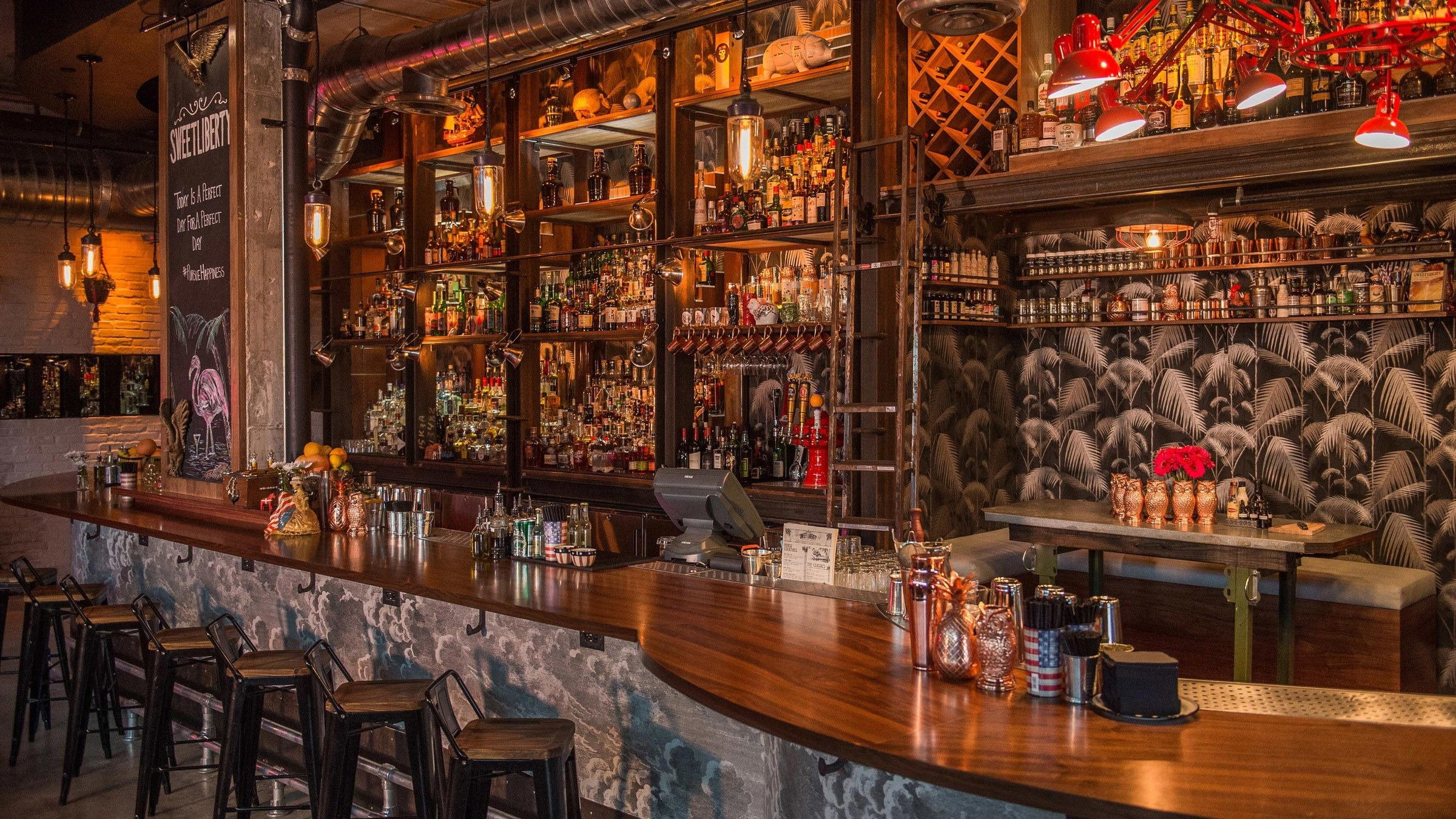
Cheerful and colorful with a casual, energetic vibe that captures the spirit of traditional Mexican street taquerias while maintaining authentic cultural respect.