

Michelin Plate · Star Wine List · Gault & Millau UAE Selected Restaurant
Our verdict
Coya at the Four Seasons Resort on Jumeirah Beach Road brings Peruvian and Nikkei cooking to Dubai's top price tier, earning consecutive Michelin Plate recognition in 2024 and 2025 alongside a wine program noted for its global range and depth. Under Chef Benjamin Wan, the kitchen works within a tradition that fuses Andean technique with Japanese influence. Open daily for lunch and dinner with late sittings running to 12:30 am.

Pearl is the En Primeur Club membership app, where members save venues, book tables and use the concierge.
The menu
What to order
- Ceviche
- Guacamole
- Wagyu Sirloin with Chimichurri
- Cazuela
- Churros
Where Latin America Meets the Gulf
Dubai's international dining scene has long tracked global currents, absorbing formats from Tokyo, London, and New York with speed and commercial conviction. Peruvian cuisine arrived here as it did across many major cities: first as novelty, then as a durable category with its own internal logic. The Nikkei strand within that tradition, which fuses Andean ingredients and preparation with Japanese precision and restraint, has proven particularly well-suited to the palates and expectations of Dubai's cosmopolitan dining public. Coya, positioned within the Restaurant Village at the Four Seasons Resort on Jumeirah Beach Road, occupies the upper end of that category at the $$$$ price point, placing it in the same tier as properties like Al Mahara and Avatara Restaurant rather than the mid-range contemporary Asian bracket.
The Physical Environment and What It Signals
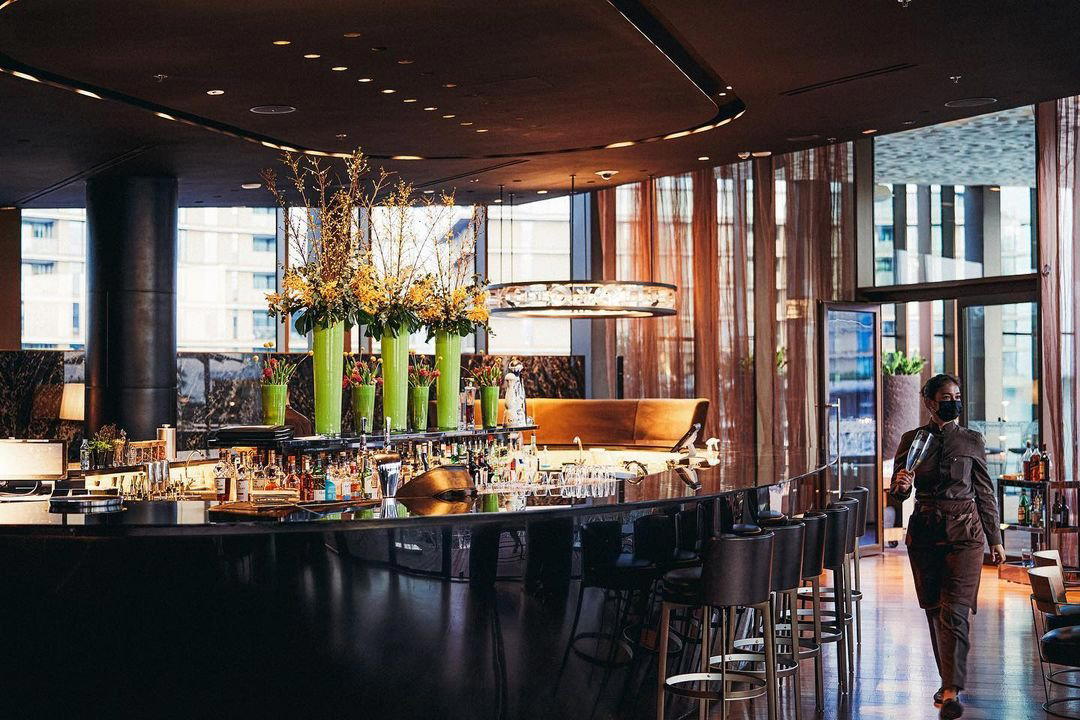
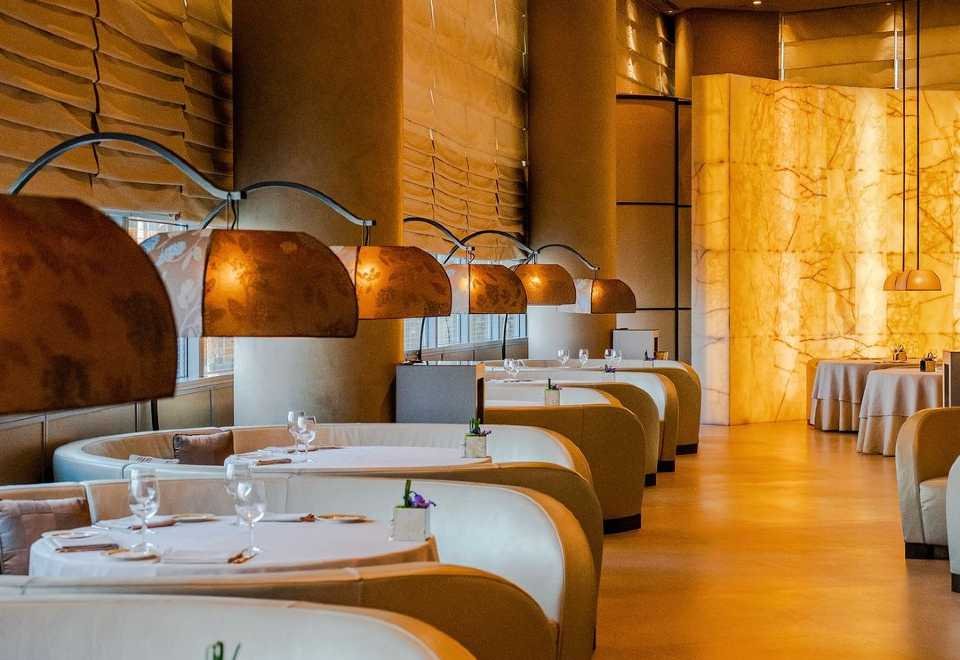
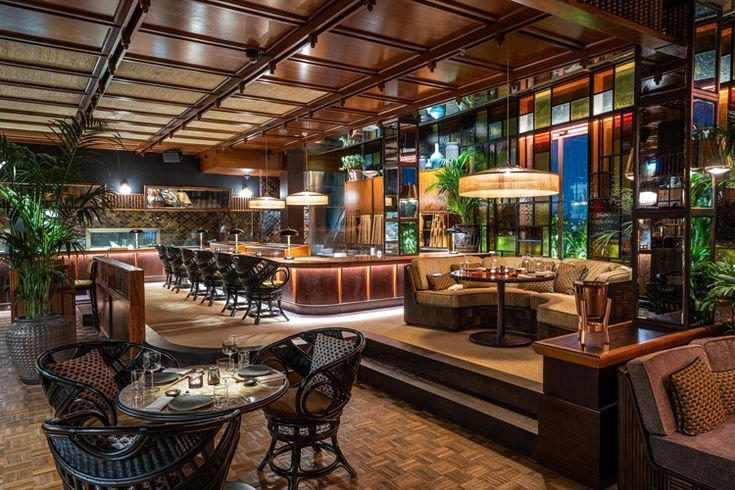
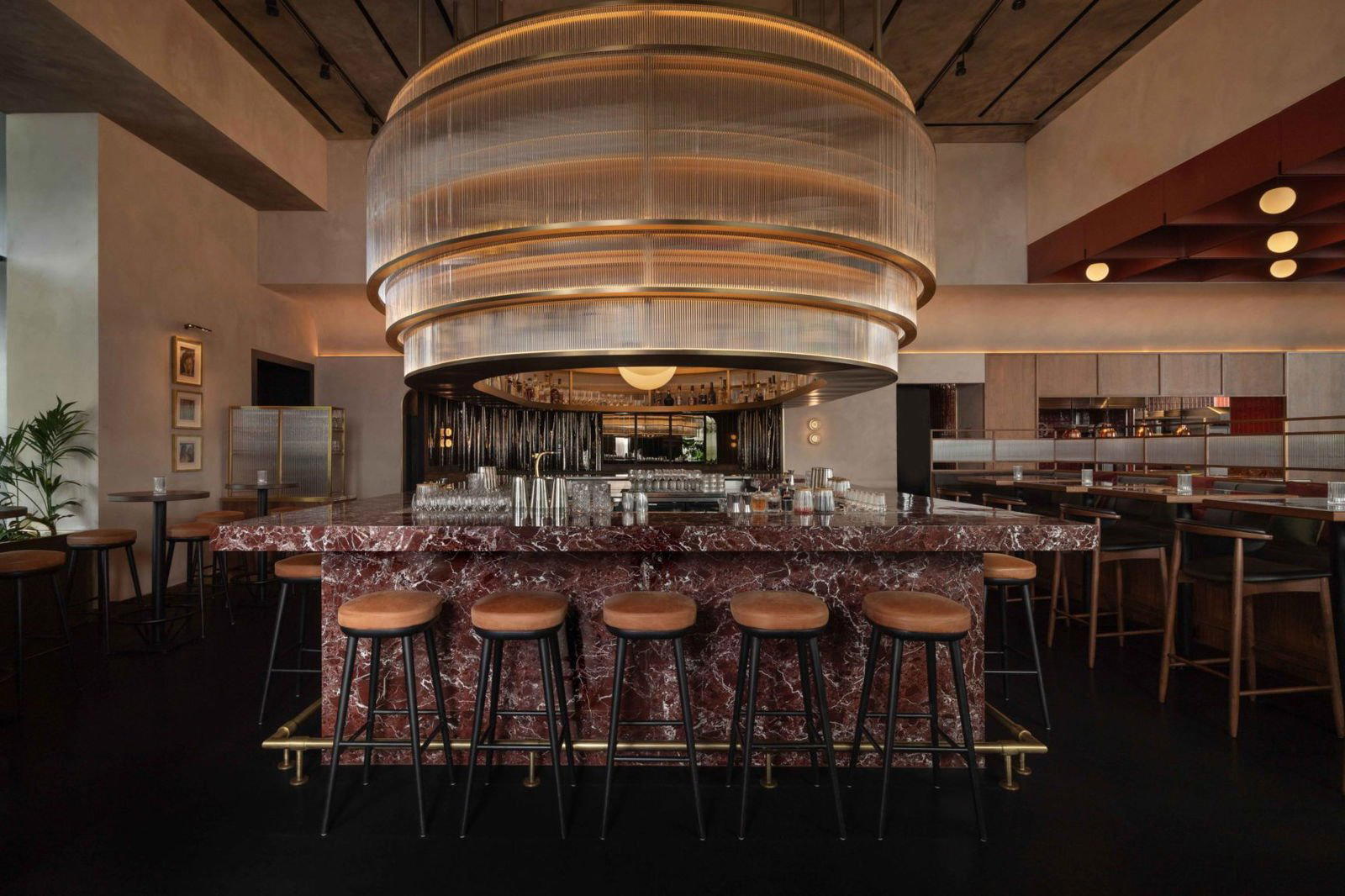
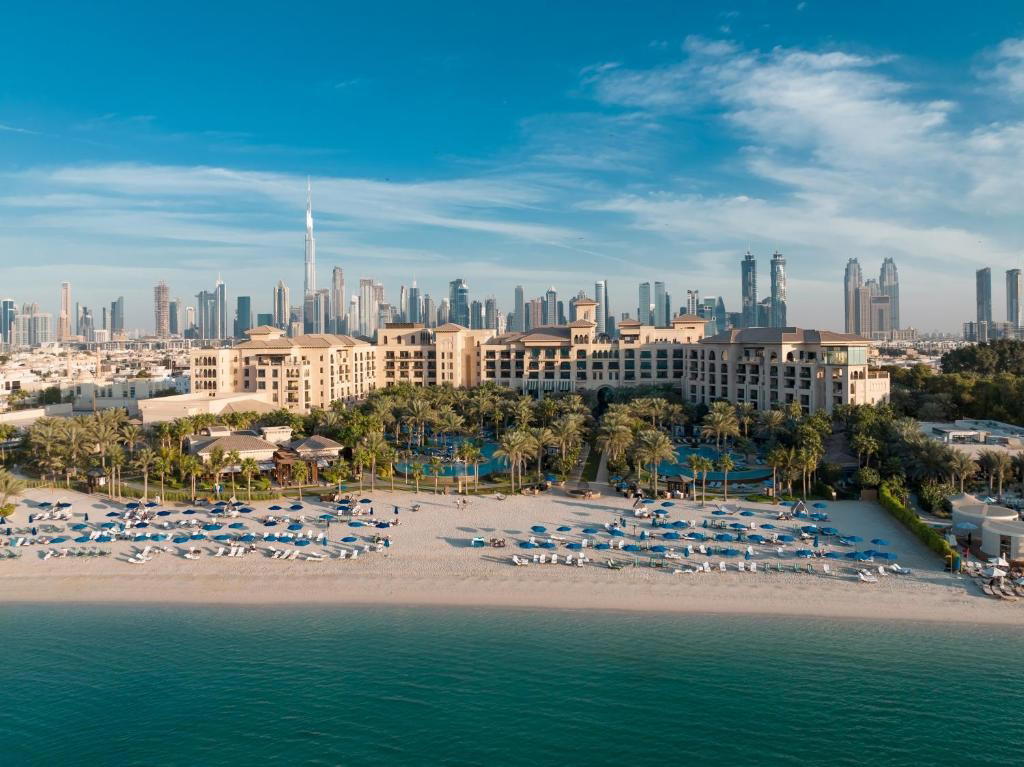
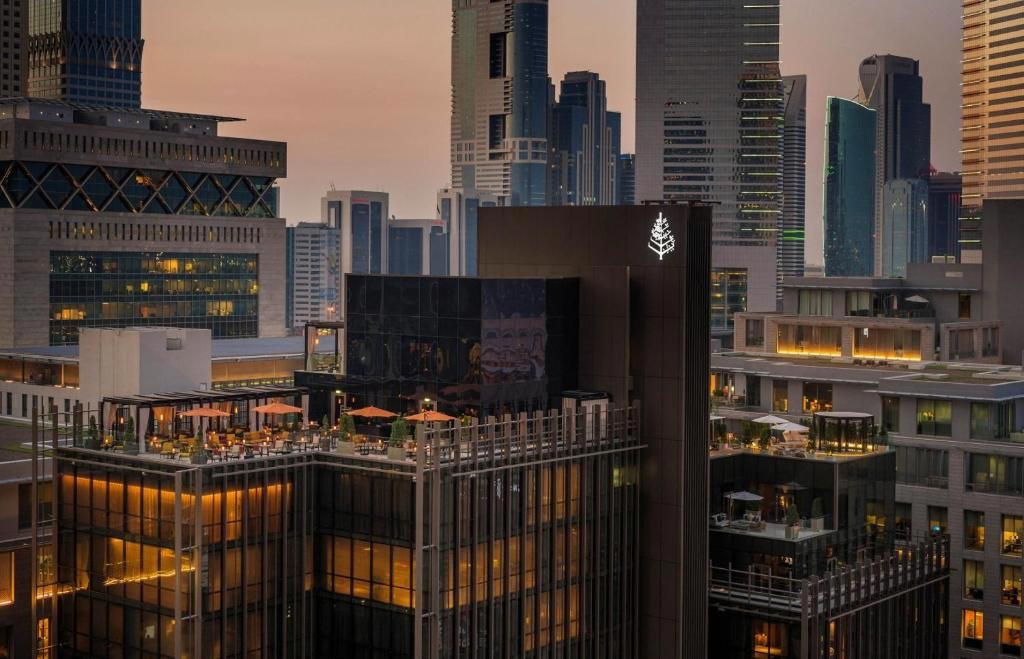
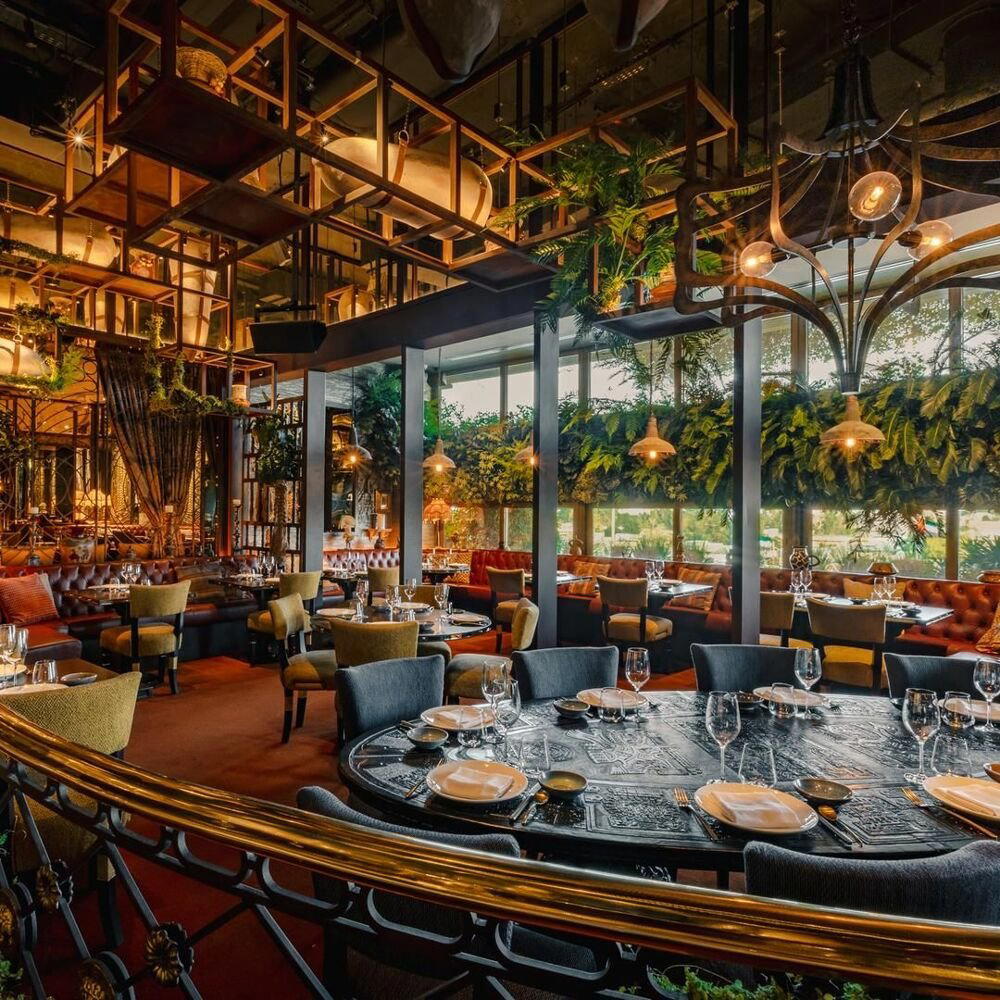
Arriving at the Four Seasons Jumeirah puts you inside one of the city's more composed resort corridors, where the Restaurant Village format separates dining from the main hotel lobby and gives each concept a degree of independence. Coya's space, following a recent renovation to its cellar, now carries the kind of investment signal that distinguishes destination dining from hotel convenience. The cellar renovation is worth noting not as decoration but as a programmatic statement: it reflects seriousness about the wine list, which has been recognised as one of the stronger programs in the city, drawing from producers across multiple regions rather than anchoring to a single country or style. In a dining culture where wine programs at Peruvian-inflected restaurants often skew South American by default, the range here extends further.
The Nikkei Tradition and What It Demands
Understanding what Coya is doing requires some familiarity with how Nikkei cooking developed. Japanese immigrants arriving in Peru from the late nineteenth century onward brought fermentation discipline, knife technique, and an instinct for textural contrast. Over generations, that sensibility merged with Andean produce, ceviche acid structures, and the heat vocabulary of Peruvian chillies. The result is a cuisine that makes competing demands: it requires Japanese technical precision and an understanding of how citrus and ají work together. In cities like London and New York, Nikkei has become a well-established fine-dining register, with venues like Le Bernardin and Atomix operating in adjacent technical spaces. Dubai's version of that scene has matured, and Coya is among its more consistent representatives.
Chef Benjamin Wan leads the kitchen here, and his presence situates Coya within a broader pattern across Dubai's higher-end restaurants: internationally trained chefs working within defined culinary traditions rather than expressing singular personal philosophies. The Michelin Plate recognition in both 2024 and 2025 reflects consistent execution rather than breakthrough creativity, which is its own kind of achievement in a city where kitchens turn over personnel with some frequency.
Placing Coya in Dubai's Wider Scene
Dubai's restaurant market at the $$$$ tier has diversified considerably over the past five years, moving away from pure spectacle toward more technically grounded formats. Trèsind Studio holds two Michelin stars in the Indian creative space. FZN by Björn Frantzén anchors the modern European bracket. 11 Woodfire operates with a Michelin star at the $$$ level, giving it a different price-to-recognition profile. moonrise and Row on 45 operate in the creative contemporary register. Within this competitive set, Coya's point of differentiation is specificity: it works one tradition deeply rather than borrowing across multiple global influences. The Opinionated About Dining rankings reinforce this positioning. Coya appeared on the OAD Leading Restaurants in Asia Recommended list in 2023, rose to #368 in 2024, and holds a #252 ranking on the OAD Casual Europe list for 2024, a cross-regional recognition pattern that reflects how international critics approach Dubai's dining scene, treating it as a node in a broader global network rather than a discrete local market.
For comparative context, the gap between Coya's Michelin Plate and a starred property like Trèsind Studio is meaningful but not categorical. The Plate designation signals food worth seeking rather than a tier below starred quality; it is Michelin's acknowledgment that a kitchen is cooking seriously without yet reaching the inspectors' starred threshold. At the $$$$ level, that distinction matters for expectation-setting.
The Wine Program as a Differentiating Factor
Wine in Dubai operates under different conditions than in most other major dining cities. Import regulations and pricing structures push wine costs higher, which means that the quality and curation of a restaurant's wine list functions as a more direct indicator of operational commitment than in markets where access is easier. Coya's cellar, recognised across multiple sources as one of the stronger programs in the city, draws from across the globe rather than defaulting to the South American wines that would be the obvious pairing choice for a Peruvian-Nikkei menu. That editorial independence in the cellar signals a kitchen and management team that are thinking about the full dining experience, not just the food. For reference, similarly ambitious global wine programs at this price tier can be found at properties like Alain Ducasse's Louis XV in Monte Carlo and 8½ Otto e Mezzo Bombana in Hong Kong, where the list is treated as a co-equal element of the dining proposition.
Planning Your Visit
Coya is open seven days a week, with lunch running from 12:30 to 3:30 pm Monday through Sunday (and to 4:00 pm on Saturdays), and dinner from 6:30 pm to 12:30 am daily (from 7:00 pm on Saturdays). The late closing time makes it viable as a late-night option by Dubai standards, where dinner often runs later than in European cities. The Four Seasons Jumeirah sits on Jumeirah Beach Road, accessible from central Dubai by taxi in most traffic conditions. For those extending a Dubai visit, hotel options across the city range widely, and the broader Dubai restaurant scene includes strong alternatives across multiple cuisines and price points. Dubai's bar and lounge scene, curated experiences, and wine-focused venues round out the broader picture. reflects a consistency that is harder to maintain at volume than at lower capacities; it is the kind of rating that indicates reliable execution rather than a small sample of enthusiastic regulars.
Beyond Dubai, Peruvian and Nikkei cooking at this level has analogues worth tracking: Lazy Bear in San Francisco operates in a different format but at a comparable level of culinary seriousness, while Alinea in Chicago and Emeril's in New Orleans represent different American expressions of international culinary influence absorbed into a local fine-dining idiom. For regional context within the Gulf, Erth in Abu Dhabi offers a contrasting approach, rooted in Emirati tradition rather than Latin American imports.
What to Order at Coya
What should I order at Coya?
The kitchen's Michelin Plate recognition and OAD rankings point toward the Nikkei-inflected preparations as the strongest area: dishes that bring Japanese technique to Peruvian acid and heat structures. The wine program, specifically noted for its global range following the cellar renovation, makes sommelier-led pairing a reasonable approach rather than defaulting to the obvious South American selections. Given the $$$$ price point and Chef Benjamin Wan's positioning within the Nikkei tradition, the tiradito and ceviche formats are the logical entry points; they represent the clearest expression of how this cuisine works at its most disciplined.
Frequently asked questions
Where exactly is Coya?
Coya is located at Restaurant Village Four Seasons Resort - Jumeirah Beach Road - Jumeirah - Jumeirah 2 - Dubai - United Arab Emirates, Dubai.
Is Coya open every day?
Hours at Coya: Hours: Monday 12:30–3:30 pm, 6:30 pm–12:30 am Tuesday 12:30–3:30 pm, 6:30 pm–12:30 am Wednesday 12:30–3:30 pm, 6:30 pm–12:30 am Thursday 12:30–3:30 pm, 6:30 pm–12:30 am Friday 12:30–3:30 pm, 6:30 pm–12:30 am Saturday 12:30–4 pm, 7 pm–12:30 am Sunday 12:30–3:30 pm, 6:30 pm–12:30 am.
What's Coya known for in terms of accolades?
Coya has received recognition including: Peruvian by name and Peruvian by nature, COYA (with its newly renovated cellar) has one of the best wine programs in the city. There is a little slice from every corner of the globe and always somethi...; Michelin Plate (2025); Opinionated ….
What should I order at Coya?
The kitchen holds a Michelin Plate (2025) and back-to-back OAD recognition across both Asian and European rankings, which points toward the Nikkei-inflected preparations as the most considered part of the menu: dishes where Japanese technique intersects with Peruvian sourcing and seasoning. Coya's wine program has been specifically called out for its depth and global range, so pairing a few small plates with a bottle from the cellar is a reasonable approach for a longer lunch or dinner session. The Saturday lunch runs until 4:00 pm, which allows more time than the standard 3:30 pm close on other days.
Booking and Cost Snapshot
| Venue | Cuisine | Price | Awards | Notes |
|---|---|---|---|---|
| CoyaThis venue (the venue you are viewing) | Contemporary Peruvian & Nikkei Fusion | $150–200 | Michelin Plate · Star Wine List | Not listed |
| 11 Woodfire | Modern Woodfire Grill | $150–200 | 1 Michelin Star · World's 50 Best #14 | Modern Cuisine |
| Avatara Restaurant | Modern Vegetarian Indian Fine Dining | Not listed | 1 Michelin Star · Gault & Millau UAE Selected Restaurant | Indian |
| Al Mahara | Modern Italian Seafood | $300–500 | Michelin Plate · World's 50 Best #31 | Seafood |
| Zuma | Modern Japanese Izakaya | $150–200 | Michelin Plate · World's 50 Best #34 | Japanese - Asian, Japanese, Japanese Contemporary |
| City Social | Modern European with Japanese influences | $150–200 | Michelin Plate · Star Wine List | Not listed |
Recognition history
Dated appearances from independent guides and award organizations, with the underlying list record or original source where available.
Michelin Plate
Michelin
Star Wine List
Star Wine List
Gault & Millau UAE Selected Restaurant
Gault & Millau · Gault & Millau UAE 2026 - Selected Restaurant
Opinionated About Dining Top Restaurants in Asia Recommended
Opinionated About Dining
World Culinary Awards Middle East's Best Peruvian Cuisine Restaurant 2025 #1
World Culinary Awards
Full recognition history (9 entries)
Michelin Plate
Michelin
Opinionated About Dining Top Restaurants in Asia Ranked #368
Opinionated About Dining
Opinionated About Dining Casual in Europe Ranked #252
Opinionated About Dining
Opinionated About Dining Top Restaurants in Asia Recommended
Opinionated About Dining