Cork & Gabel
Cork & Gabel occupies a Michigan Avenue address in Detroit's Corktown neighborhood, one of the city's most active dining corridors. The name signals a dual identity — wine and European table culture meeting a post-industrial Detroit setting. Specific menu details and pricing are best confirmed directly, but the address places it squarely in a stretch that rewards serious evening plans.
Pearl is the En Primeur Club membership app — saves, bookings, and concierge access live there. Same editors, same standards.
- Address
- 2415 Michigan Ave, Detroit, MI 48216
- Phone
- +13136382261
- Website
- corkandgabel.com
- Directions
- Get directions
 Saves & bookings on Pearl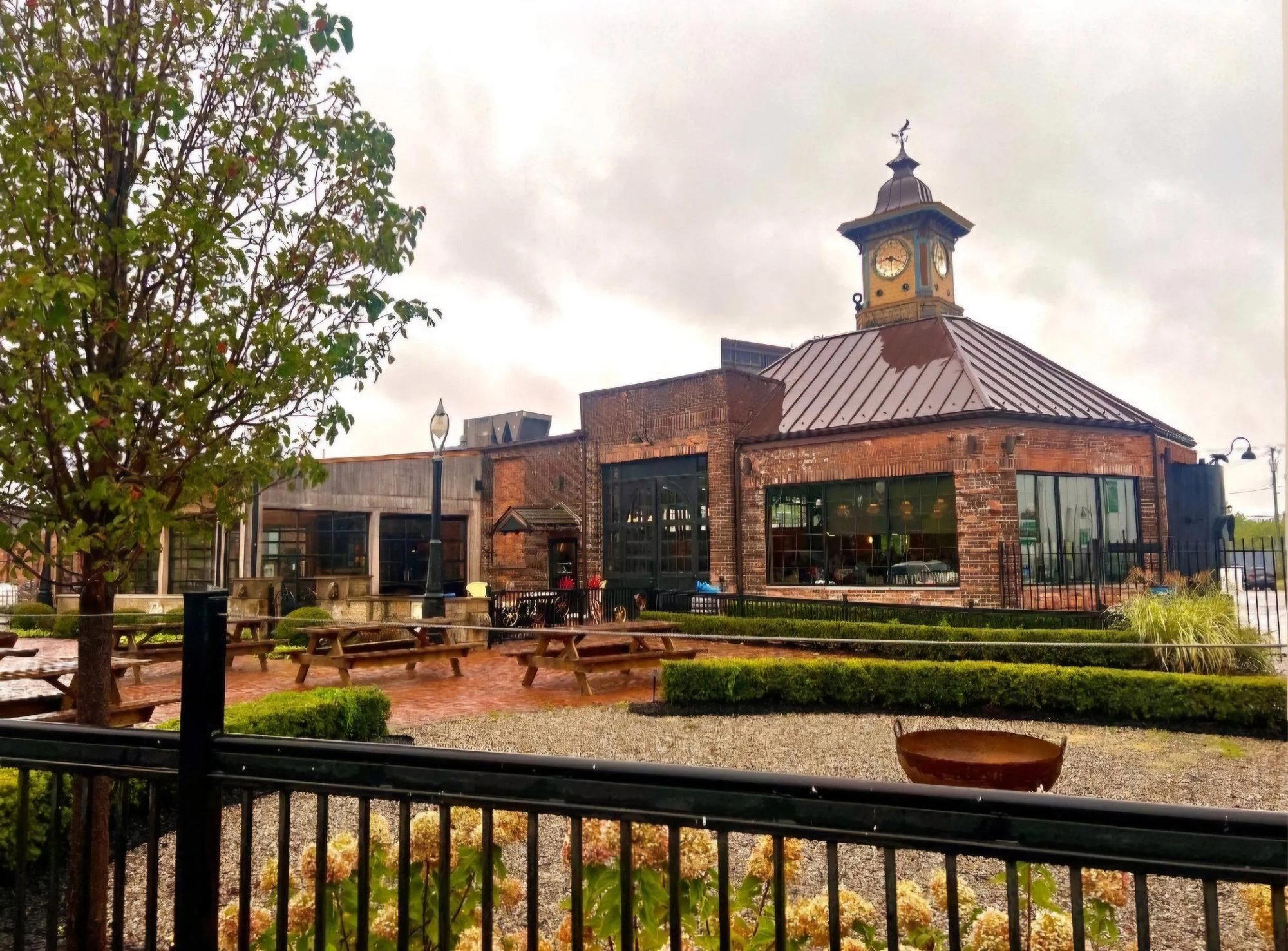
Michigan Avenue After Dark — and at Noon
Corktown has spent the better part of a decade establishing itself as Detroit's most coherent dining district. Michigan Avenue, the corridor that runs through it, carries restaurants at several different registers: casual counter spots like 313 Cinnamon Rolls at the informal end, to more composed European-influenced rooms at the other. Cork & Gabel, at 2415 Michigan Ave, sits in that European-leaning tier, its name drawing from both wine culture (cork) and the German/Austrian table tradition (gabel, meaning fork). That pairing gives the room a positioning that differs from neighboring concepts built around American barbecue or street-food formats.
The lunch-versus-dinner divide is one of the more reliable ways to read a restaurant's true identity. In Corktown specifically, daytime service across Michigan Avenue tends to be faster, lighter, and more accessible — a neighborhood lunch crowd rather than a destination audience. Evening service is where rooms like this one shift register: the lighting drops, the pacing extends, the wine list earns more attention. Cork & Gabel's name alone suggests that evening is when its full logic unfolds, when the pairing of cork and fork can be taken literally across a longer arc of service.
Where Corktown Sits in Detroit's Dining Picture
Detroit's dining scene has restructured significantly since 2010, with neighborhoods rather than individual restaurants driving the narrative. Midtown anchors the institutional side, the Detroit Institute of Arts crowd, long-standing institutions, medical corridor traffic. Downtown handles the sports-event and convention business. Corktown absorbed a different demographic: creative industry, renovation-era optimism, and a restaurant culture that skews independent and mid-to-upper price range.
That context matters when reading Cork & Gabel against its immediate peers. ADELINA and Alpino represent different facets of European-influenced dining in the city. Amore da Roma anchors an Italian thread in the neighborhood's mix. Across the broader Detroit picture, American Coney Island remains the city's most referenced working-class icon, while newer arrivals like Baobab Fare's East African format and Vecino's modern Mexican approach signal how much range the city now carries. Cork & Gabel's European framing places it in a smaller, more specialized tier within that range.
For readers comparing Detroit's serious dining options against national benchmarks, the reference points are useful. Restaurants like Smyth in Chicago or Lazy Bear in San Francisco define what a commitment to format and wine culture looks like at the coastal end of the American independent-restaurant spectrum. Detroit's version of that ambition is still developing its critical mass, but Michigan Avenue addresses are where it concentrates. At the furthest end of the national prestige tier, venues like Le Bernardin in New York City, The French Laundry in Napa, Providence in Los Angeles, and Blue Hill at Stone Barns in Tarrytown set the formal dining standard against which regional independents are implicitly measured. Cork & Gabel occupies a different, more accessible register, but the European vocabulary it invokes connects it to that broader tradition.
Lunch, Dinner, and the Logic of Each
The lunch-dinner divide operates differently depending on format. At a wine-bar-adjacent room, lunch often means a shorter list, faster turns, and a more casual interpretation of what the kitchen does at night. The anchor concepts are usually the same, but the expression is lighter. Dinner is when the room becomes its own argument: slower pacing, more deliberate wine selections, a menu that earns more attention from the kitchen.
For a name built around wine and the European table, dinner is clearly the primary lens. European dining culture, particularly the German and Austrian tradition suggested by gabel, has historically treated the midday meal as the main event, with a lighter evening. American adaptations of that tradition tend to invert it: the lunch service is convenience-driven, the dinner service is the destination. Cork & Gabel, on Michigan Avenue in 2025, almost certainly follows the American inversion, which means an evening visit is the better test of what the room is actually doing.
Readers planning a Corktown evening have good options on either side of the price spectrum. The neighborhood rewards walking, Michigan Avenue concentrates enough variety that a pre-dinner drink at one address and dinner at another is a practical itinerary, not an inconvenience. Detroit winters make outdoor movement less appealing between November and March, so timing a visit to the spring or fall months, when the neighborhood is more active on foot, adds to the experience.
Planning a Visit
Cork & Gabel's address at 2415 Michigan Ave places it in the core Corktown stretch, accessible from downtown Detroit by a short drive or rideshare. Specific hours, pricing, and booking methods are not confirmed in available records, so contacting the venue directly before planning a visit is the practical step. The neighborhood is walkable within its own boundaries, and parking along Michigan Avenue is generally available, though evening demand in the dining corridor increases competition for street spots.
For readers building a fuller Detroit itinerary, our full Detroit restaurants guide covers the city's dining districts in detail, including Midtown, Eastern Market, and the growing New Center area alongside Corktown. The wine-and-European-fork framing of Cork & Gabel pairs logically with a neighborhood that has attracted comparable independents; an evening that starts here and continues through the corridor gives a reasonable cross-section of what Corktown's dining has become.
For reference, other venues in the American fine-dining conversation that combine serious wine programs with composed European-influenced menus include Single Thread Farm in Healdsburg, Addison in San Diego, Atomix in New York City, Emeril's in New Orleans, The Inn at Little Washington, and, at the international end, Atelier Moessmer Norbert Niederkofler in Brunico. Cork & Gabel operates at a different scale and price point than those rooms, but the European table tradition they share gives useful context for what this Corktown address is reaching toward.
How Cork & Gabel Detroit compares with similar nearby venues.
| Venue | Cuisine |
|---|---|
| Slow Bars Bar-BQ | Barbecue |
At a Glance
- Rustic
- Cozy
- Industrial
- Classic
- Group Dining
- Casual Hangout
- Special Occasion
- Historic Building
- Craft Cocktails
- Beer Program
- Local Sourcing
- Skyline
- Street Scene
Current opening hours
- Monday
- Closed
- Tuesday
- Closed
- Wednesday
- 4–9 PM
- Thursday
- 4–9 PM
- Friday
- 4–10 PM
- Saturday
- 10 AM–2 PM, 3–10 PM
- Sunday
- 10 AM–3 PM
Hours can change for holidays and private events. Last verified .
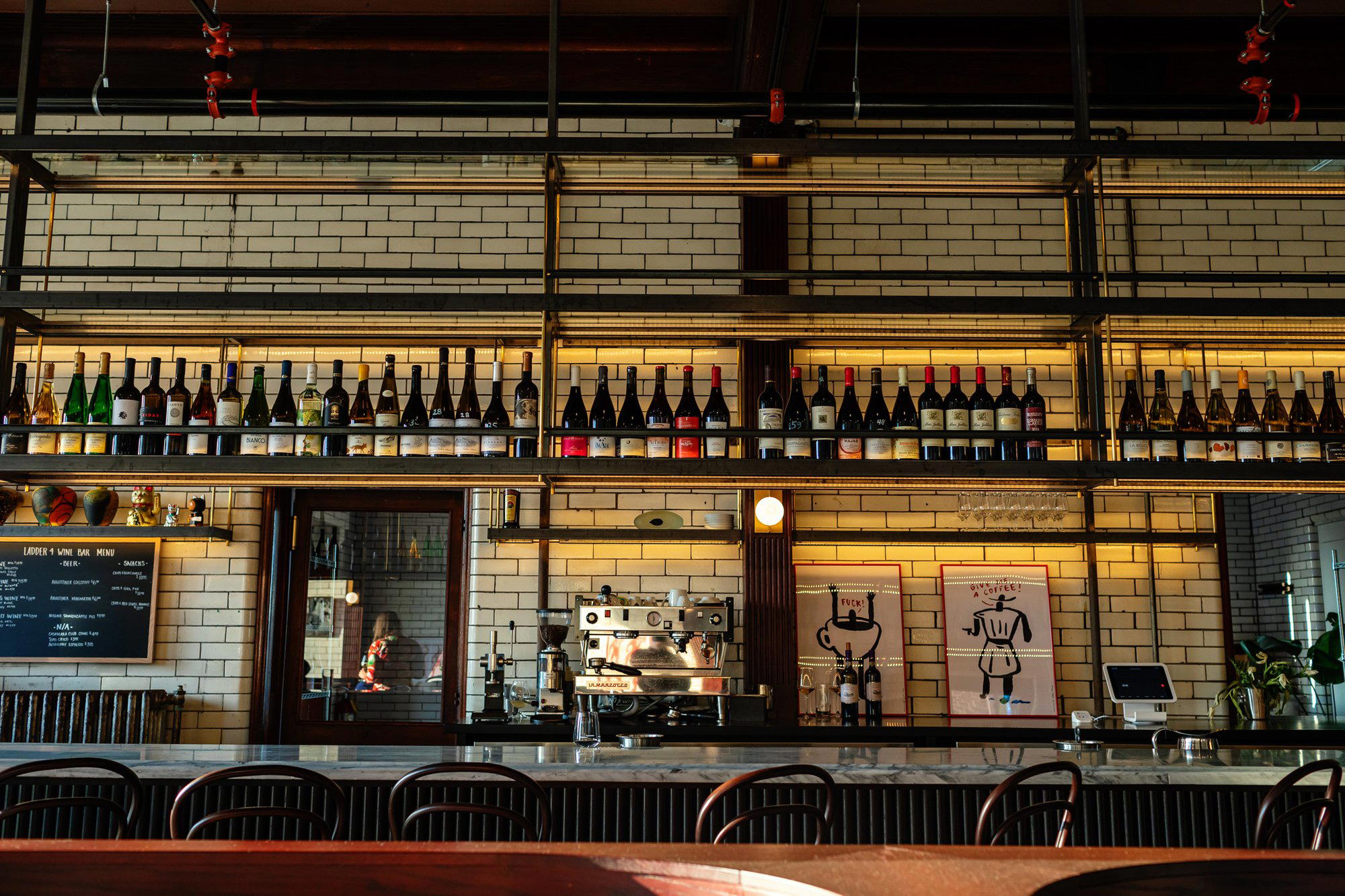
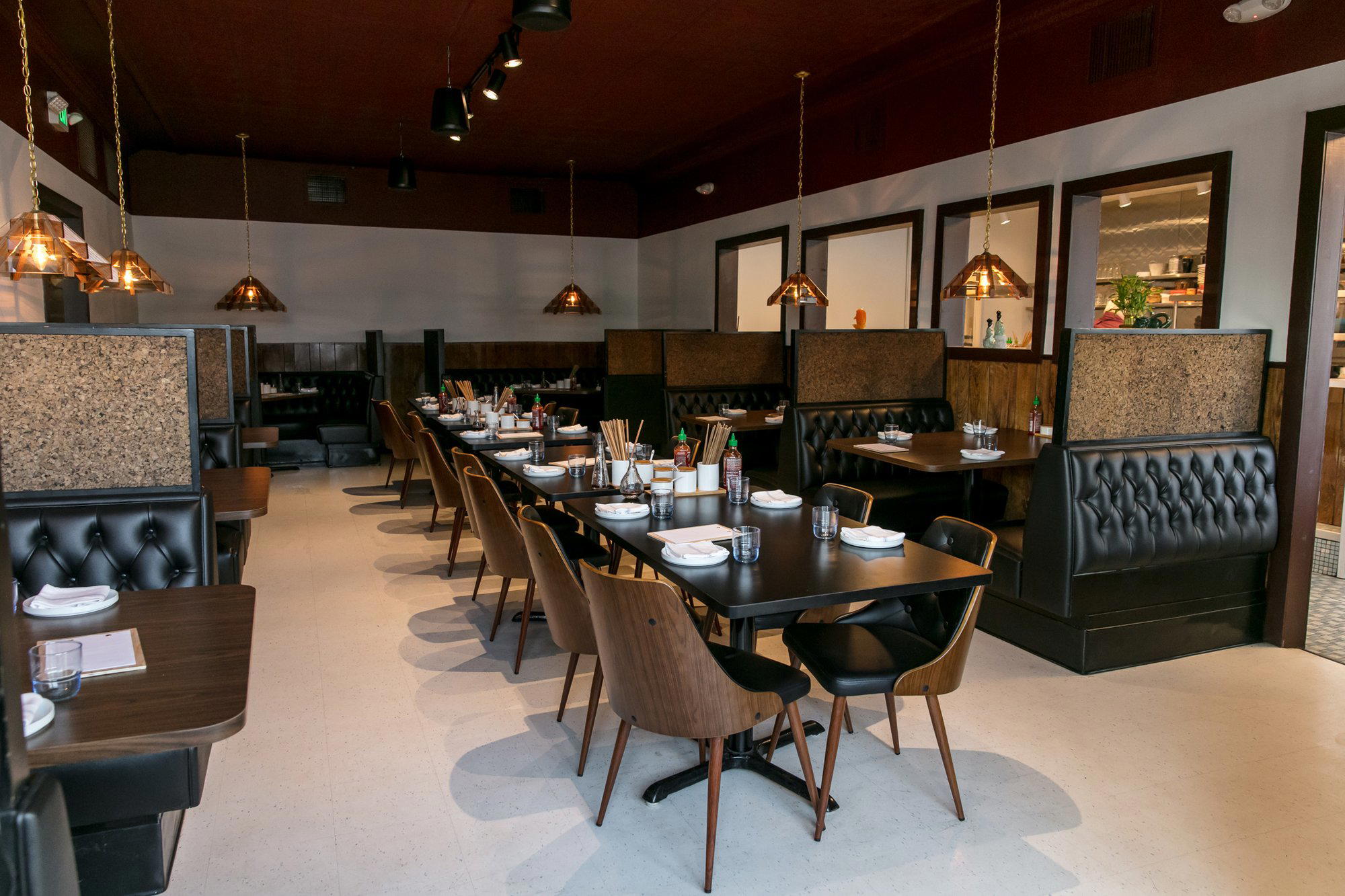
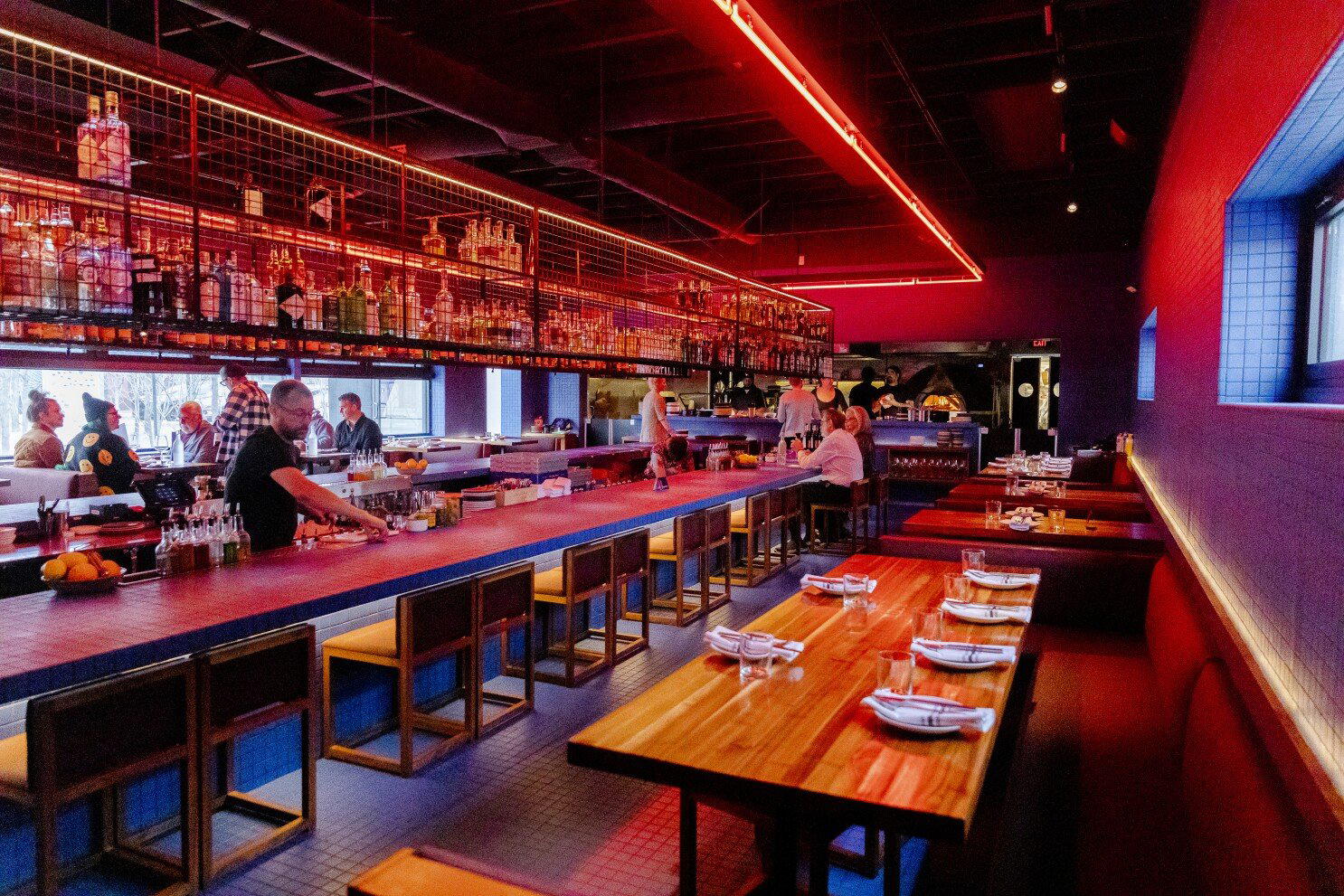
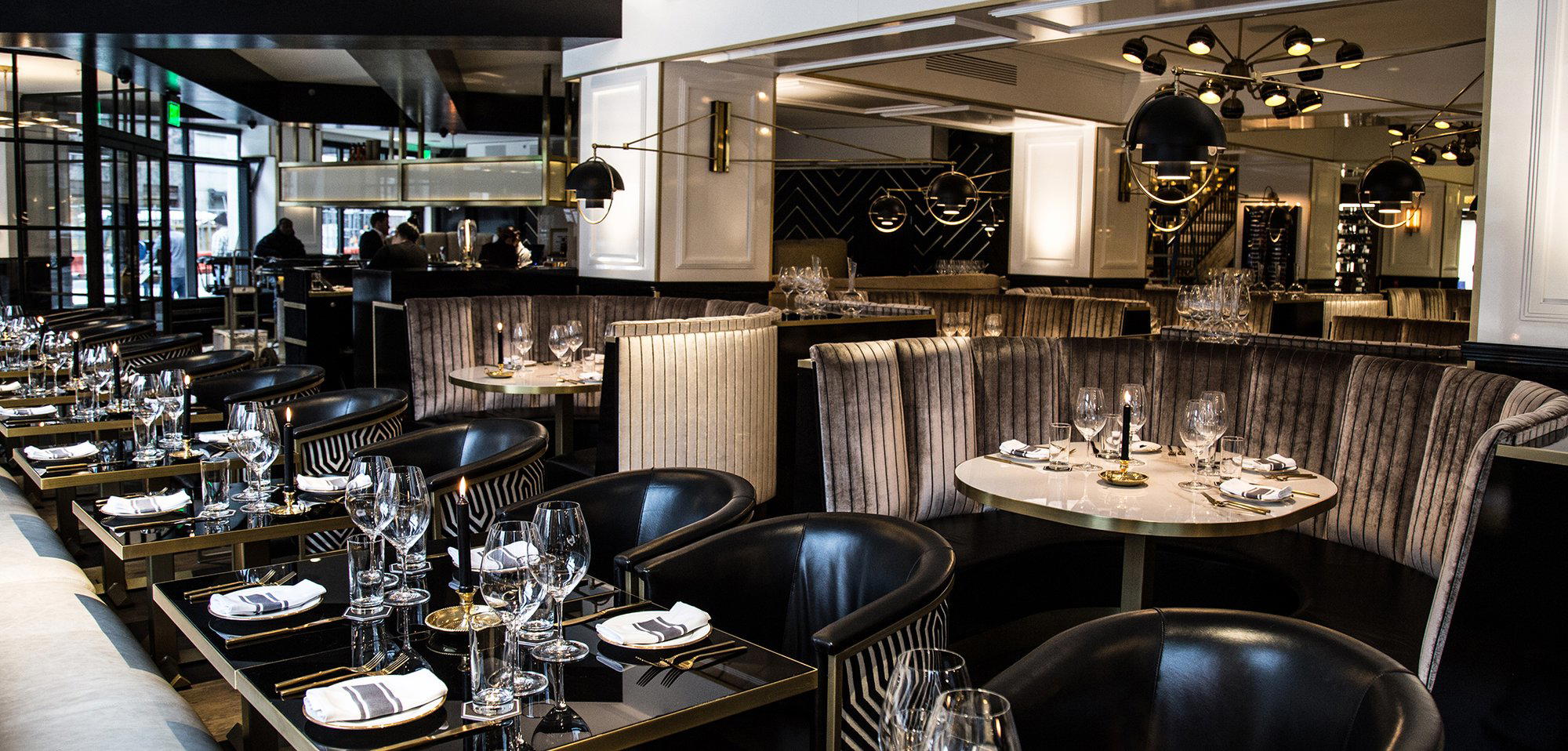
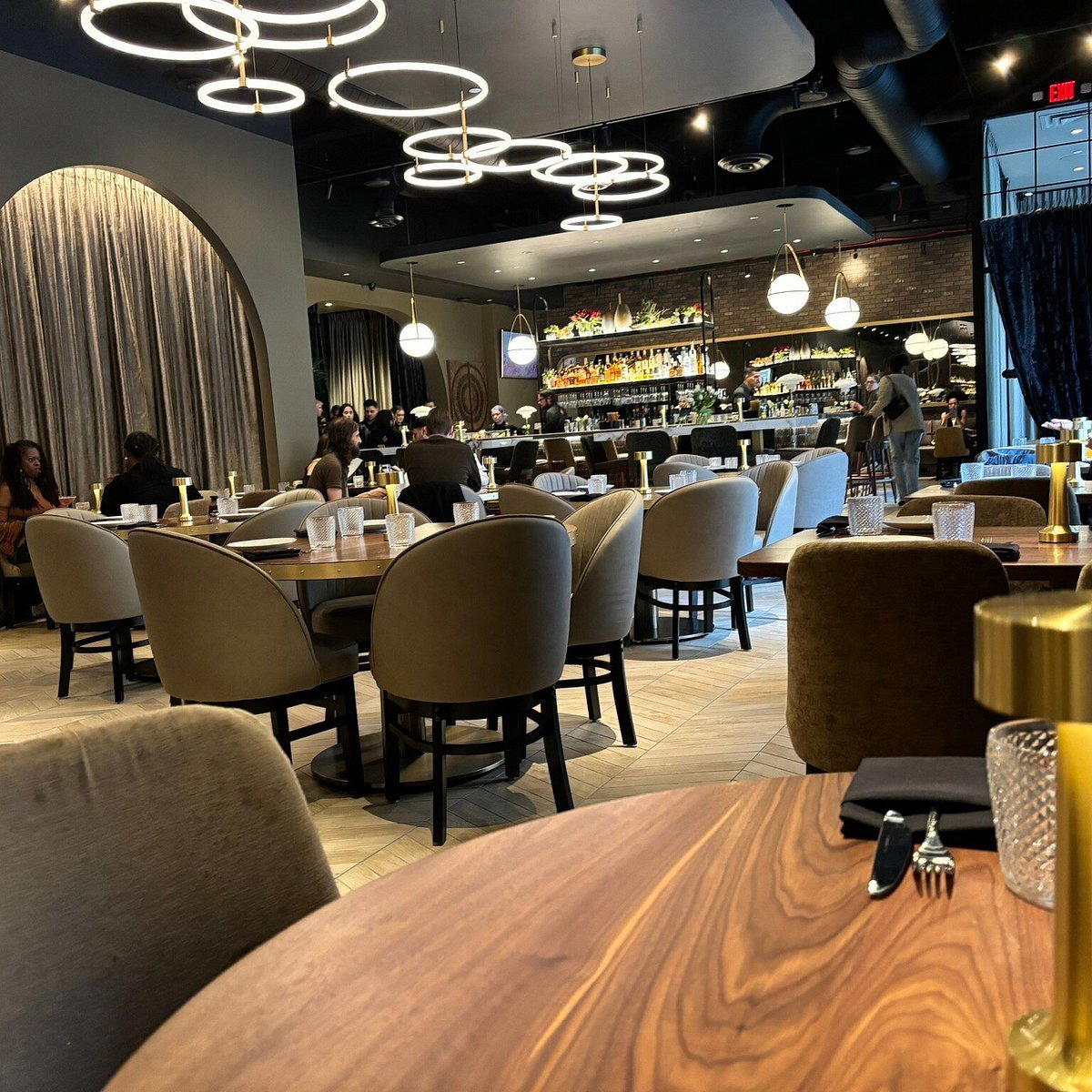
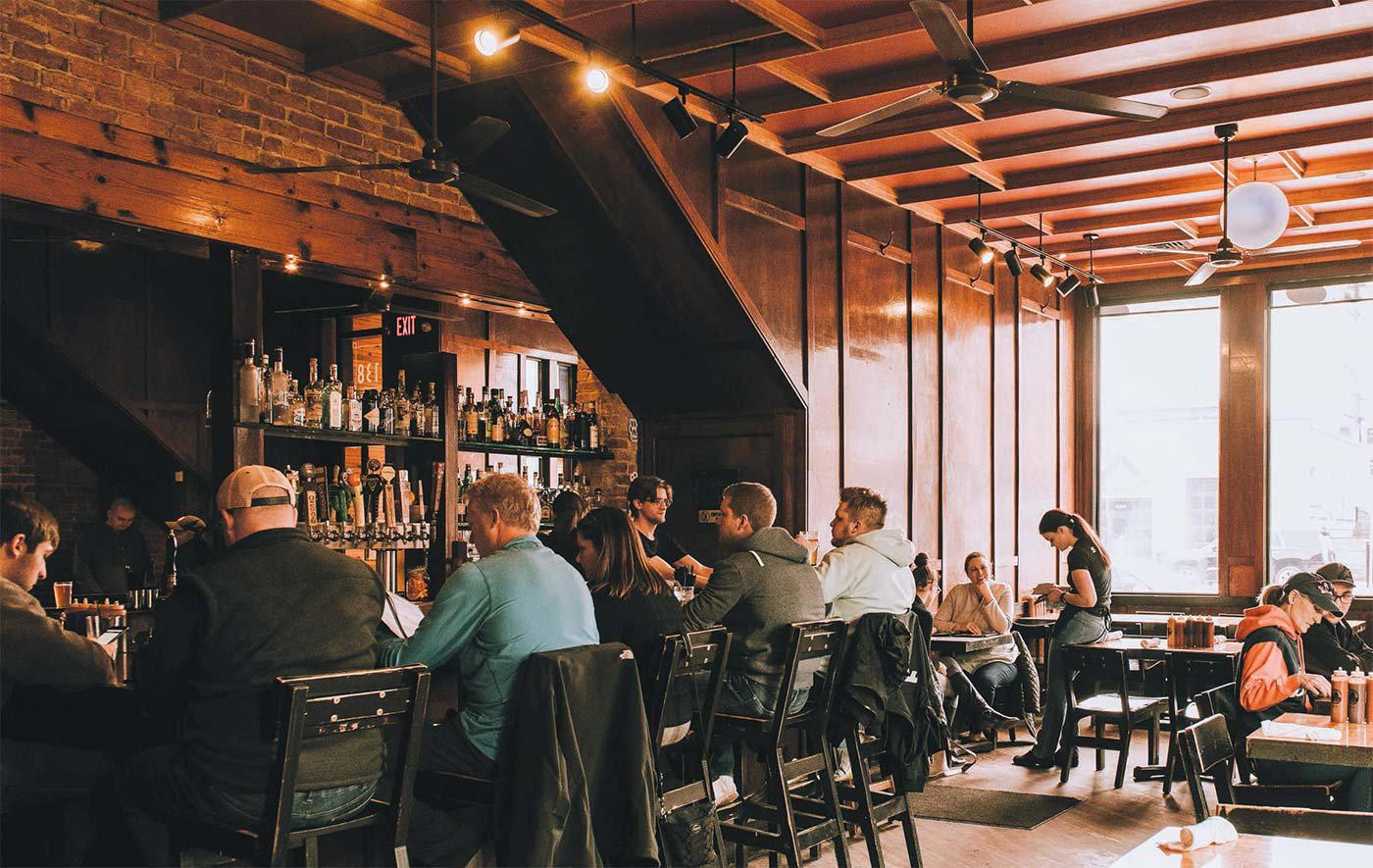
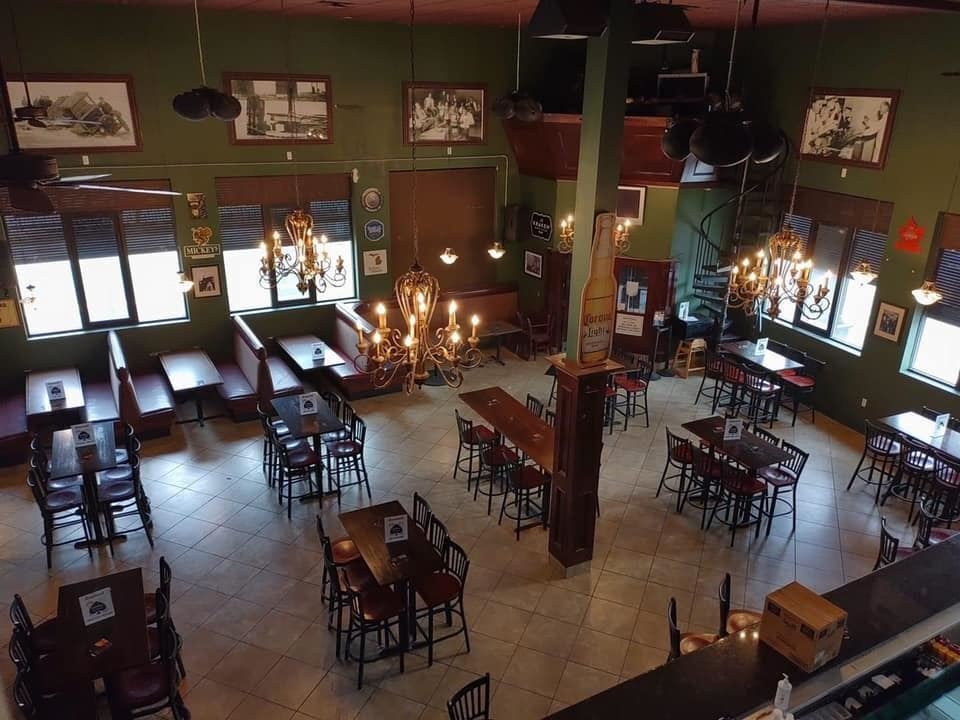
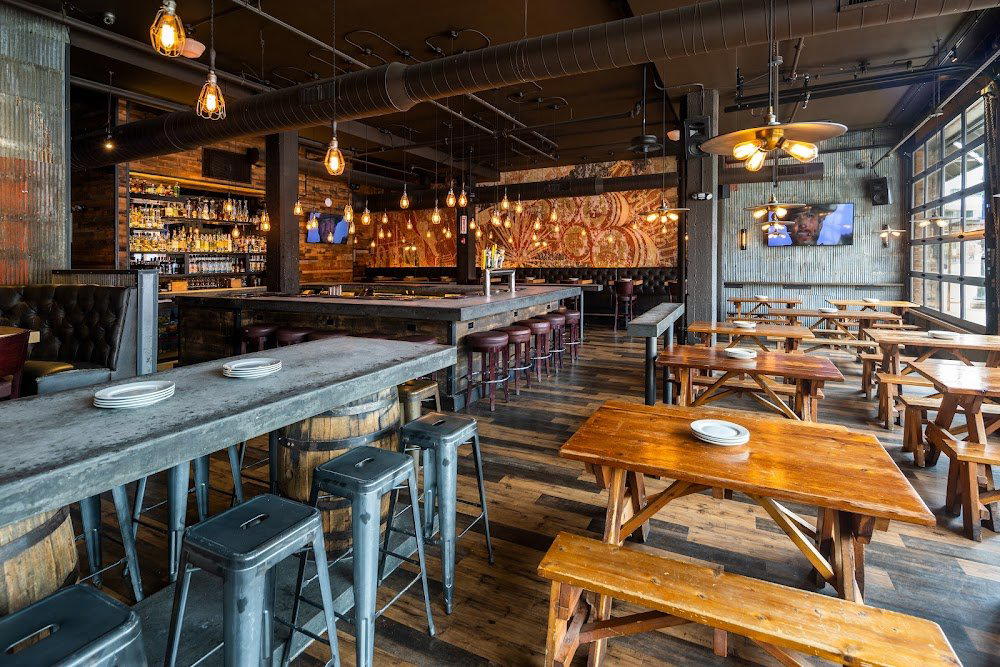
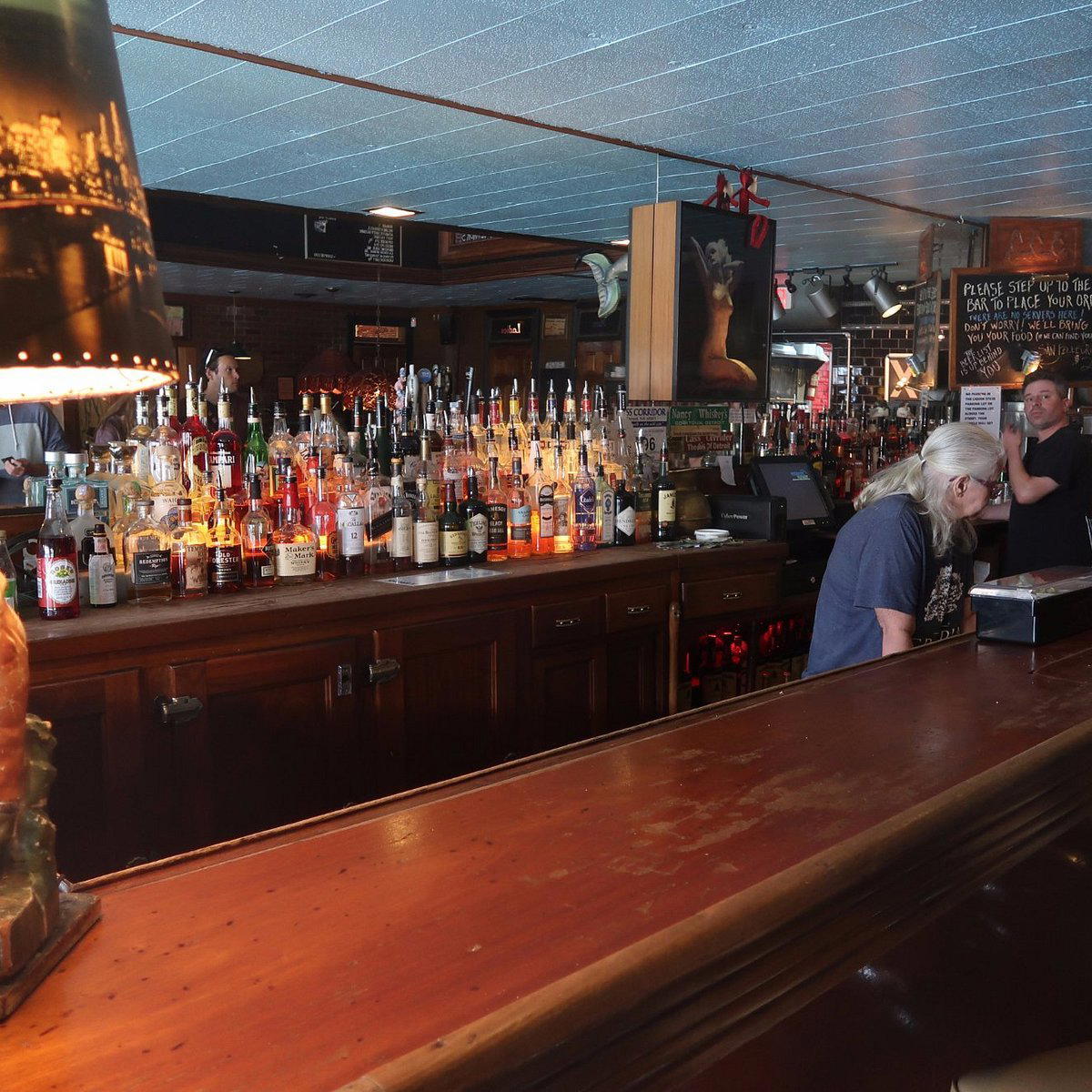
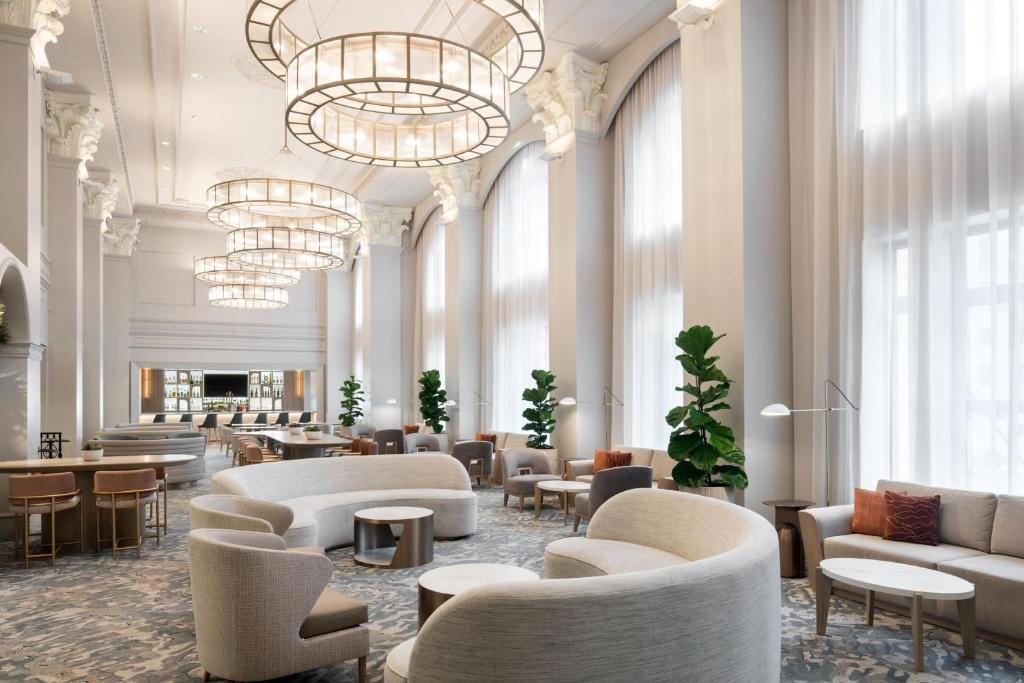
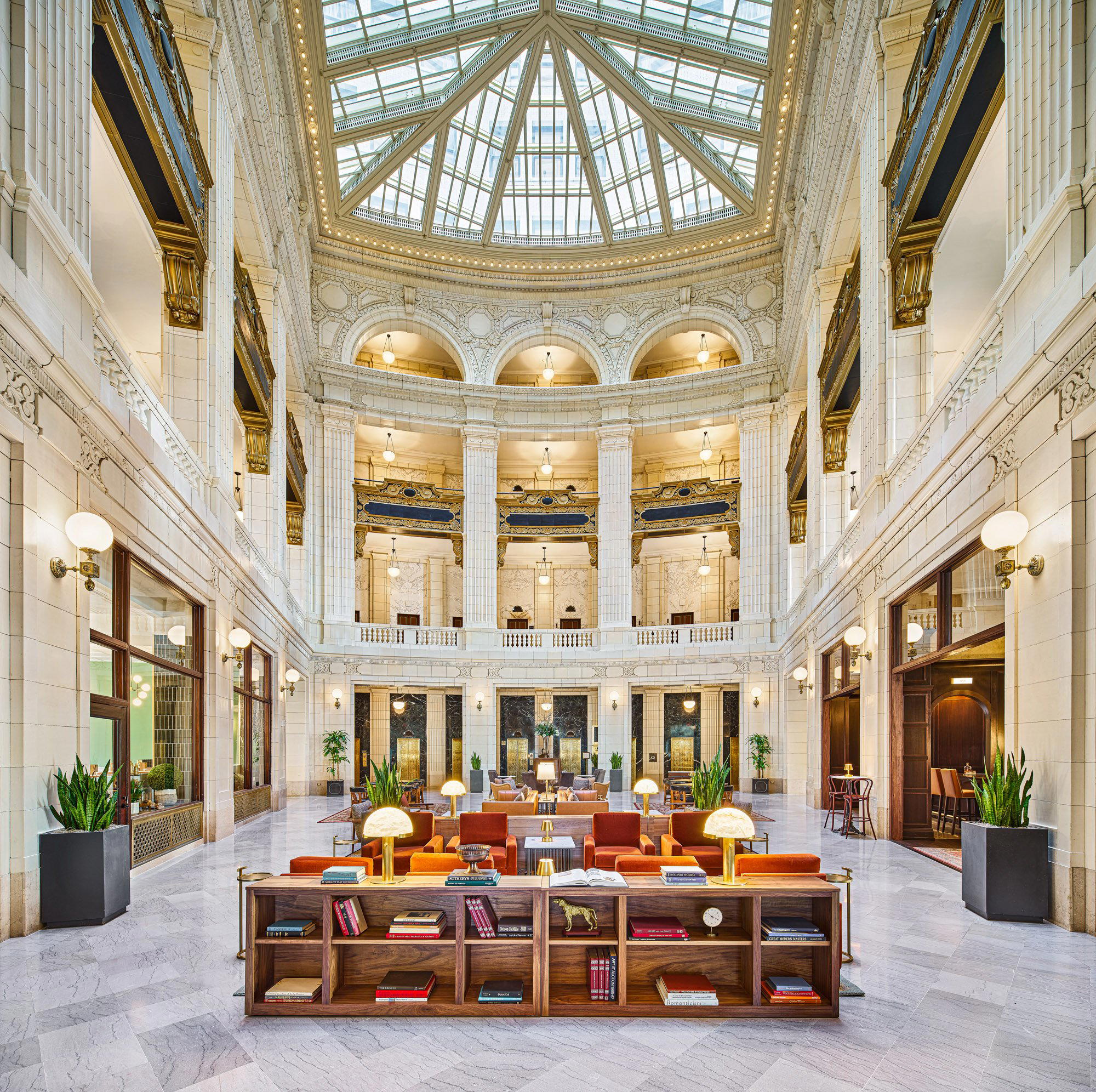
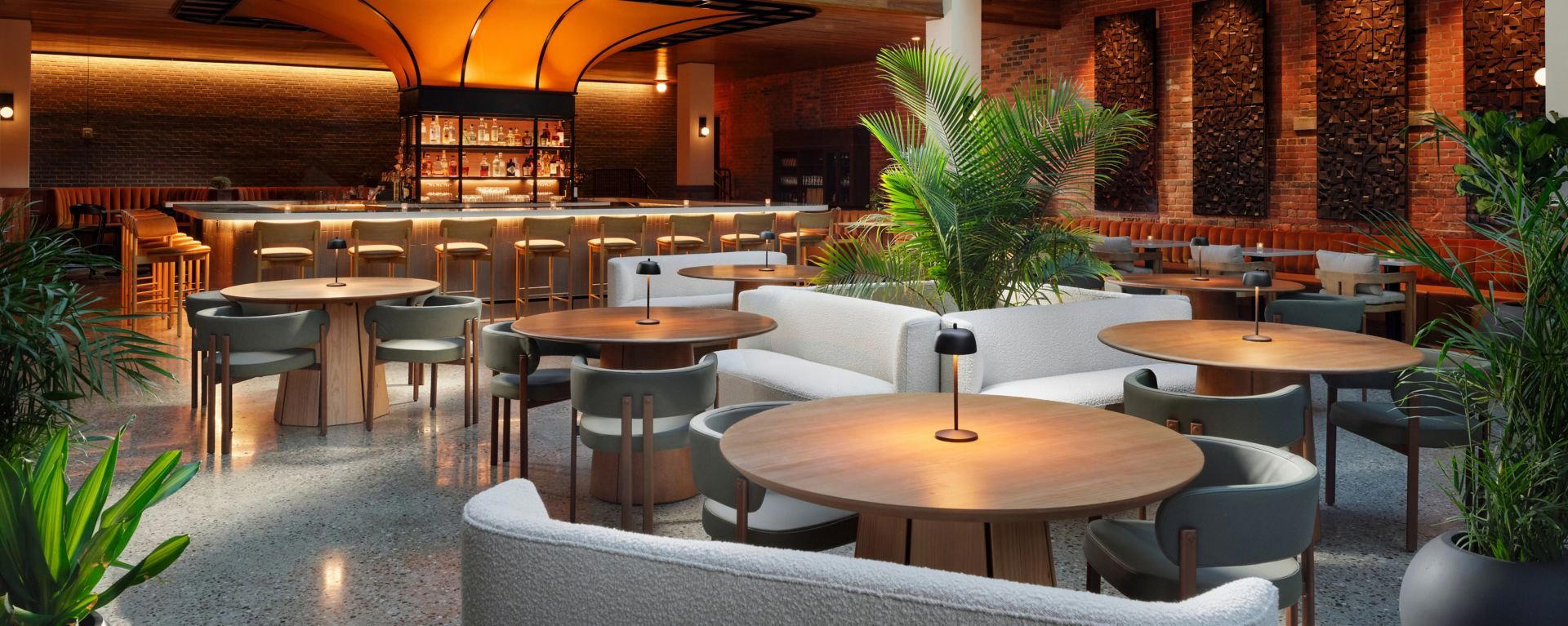
Rustic, industrial decor with vintage elements evoking an old-world European tavern atmosphere.
Know Before You Go
- Getting there
- 2415 Michigan Ave, Detroit, MI 48216