Our verdict
Sushi do Bairro brings Japanese counter dining to Lisbon's Luz neighbourhood, a quieter residential pocket well north of the city's tourist-heavy riverfront. The address at Estrada da Luz 146 places it firmly in day-to-day local life rather than the fine-dining corridor where Michelin-decorated restaurants like Belcanto and CURA compete. That positioning shapes everything from the booking dynamic to the crowd it attracts.

Pearl is the En Primeur Club membership app, where members save venues, book tables and use the concierge.

Sushi in Lisbon's Residential North: What the Address Tells You
Lisbon's serious dining scene divides roughly into two geographic clusters. The first is the downtown-to-Belém corridor, where Michelin-starred addresses like Belcanto, CURA, and Eleven draw international reservation traffic. The second is the quieter residential belt that extends north and west along major arteries like the Estrada da Luz. Sushi do Bairro sits in the latter, at number 146, Loja 1, in the 1600-163 postal district. That is not a compromise, it is a deliberate placement in neighbourhood life rather than dining tourism.
Japanese restaurants in Lisbon have multiplied over the past decade, tracking a broader European appetite for sushi that has now moved well beyond novelty. The city's versions range from fast-casual conveyor operations near Rossio and Baixa-Chiado to more considered counter formats in less trafficked parts of the city. The Luz neighbourhood, with its apartment blocks, local commerce, and proximity to the Colombo shopping complex, sits firmly in the second tier of that geography: accessible by metro or car, but not the kind of address that shows up on the tourist trail.
Planning Your Visit: What the Booking Process Actually Looks Like
With no phone number or website in the public record, the booking approach here differs sharply from the reservation machinery around Lisbon's formal fine-dining circuit. At decorated addresses like 50 Seconds from Martin Berasategui or 2Monkeys, booking typically runs through a dedicated reservations page or third-party platforms with lead times measured in weeks. For neighbourhood sushi in a residential district, the dynamic is usually quite different: walk-in windows are more common, the rhythm is dictated by local regulars rather than international search traffic, and the reservation apparatus, if it exists, is likely managed directly in person or by phone to the address.
The practical implication for a first-time visitor is to treat the approach as you would any neighbourhood dining discovery. Arrive early in the evening service, be prepared for the possibility that no advance booking is available or necessary, and build in flexibility rather than expecting the structured planning logic that governs Lisbon's fine-dining tier. For context on what a fully booked, internationally recognised Portuguese counter looks like, consider comparing the planning effort required for Casa de Chá da Boa Nova near Porto or Vila Joya in the Algarve, both demand months of lead time. Sushi do Bairro operates in a different tier entirely.
The Scene: Neighbourhood Sushi Versus the City's Fine-Dining Register
Portugal's international dining reputation has been built largely through its modern Portuguese restaurants and Atlantic seafood tradition. Addresses like Ocean in Porches, The Yeatman in Vila Nova de Gaia, and Antiqvvm in Porto have earned their recognition within that tradition. Japanese cuisine sits adjacent to rather than inside that story, which means a neighbourhood sushi restaurant in Lisbon is not competing on the same credentialling axis as Michelin-flagged Portuguese kitchens.
What neighbourhood sushi in Lisbon's residential north does compete on is value density, regularity, and local fit. The Japanese food tradition in Portugal has its own lineage, shaped partly by the country's historical connection to Japan, Portuguese traders reached Nagasaki in the sixteenth century and influenced a range of culinary exchanges that are now well documented. Contemporary sushi in Lisbon does not lean on that history directly, but it arrives in a city with an older-than-average familiarity with Japanese culinary culture relative to the rest of the Iberian peninsula.
For perspective across Portugal's broader dining map, the country's concentration of serious restaurant cooking is spread across Lisbon, Porto, and the Algarve, with individual standouts in towns like Guimarães, Tavira, Lagos, Lagoa, and Funchal. Within Lisbon specifically, our full Lisbon restaurants guide maps the range from tasting-menu heavyweights to neighbourhood formats worth knowing.
How It Sits in the City's Japanese Dining Tier
The global reference points for serious Japanese counter dining, places like Atomix in New York or the omakase counters that have proliferated at the top of the New York market alongside Le Bernardin, operate with fixed tasting menus, eight to twelve seats, and multi-month lead times. Lisbon does not yet have a direct equivalent in that top-tier omakase format. What it has is a growing cohort of Japanese restaurants that range from fast-casual to more considered neighbourhood dining. Sushi do Bairro's residential address and loja-level shopfront format place it in the considered neighbourhood category rather than the destination counter category.
That positioning carries its own logic. The leading neighbourhood sushi restaurants in any city function as the dining equivalent of a trusted local wine bar: they reward repeat visits, build relationships with regulars, and offer a consistency that destination restaurants, by virtue of their international audiences, cannot always sustain. For a visitor, that dynamic is worth understanding before you arrive.
Before You Go: Planning Notes
Estrada da Luz 146 is in Lisbon's Benfica-adjacent residential zone, reachable via the blue metro line to Colégio Militar/Luz station, which puts the address within walking distance. The Colombo shopping centre is nearby, which means early evening foot traffic in the area is consistent and parking, if arriving by car, is direct in a way that central Lisbon rarely is. Given the absence of a published website or phone number, the most reliable approach is to visit in person to confirm current hours and availability, or to check current third-party review platforms for the most up-to-date operating information before travelling from the centre.
Frequently asked questions
Do they take walk-ins at Sushi do Bairro?
Based on the restaurant's neighbourhood positioning in the Luz district and the absence of a published reservations platform, walk-ins are likely a realistic option, particularly outside peak dinner hours. That said, Lisbon's Japanese restaurant market has grown in demand in recent years, and evenings from Thursday through Saturday in any city can fill quickly. If your plans are fixed, arriving early in service is the lower-risk approach. Compare this to the advance booking required at Lisbon's Michelin-tier restaurants, where tables at €€€€ addresses often go weeks or months in advance.
Is Sushi do Bairro suitable for children?
A neighbourhood sushi restaurant in a residential district of Lisbon tends to attract a local family clientele in a way that a formal tasting-menu venue does not. The Luz area's demographic skews residential rather than tourist-driven, which generally makes for a relaxed, mixed-age dining environment. If travelling with children who are comfortable with Japanese food formats, this type of address is typically a more forgiving setting than the structured service at Lisbon's fine-dining tier.
Is Sushi do Bairro better for a quiet night or a lively one?
The address, a ground-floor shopfront on a residential arterial road rather than a central square or nightlife corridor, points toward a quieter evening register. Lisbon's livelier dining atmosphere concentrates in Bairro Alto, Cais do Sodré, and Príncipe Real, where restaurants like Belcanto and the city's bar-adjacent dining scene operate. Sushi do Bairro's Luz location is not that context, it functions in the neighbourhood dinner mode, which suits those looking for a lower-key, local-facing evening.
What do people recommend at Sushi do Bairro?
What the cuisine category suggests is a Japanese menu built around the core sushi and sashimi formats that form the backbone of neighbourhood Japanese restaurants across European cities. For verified dish-level intelligence, current Google Maps reviews and local food platforms are the most reliable sources before visiting.
Does Sushi do Bairro reflect Lisbon's broader shift toward Japanese cuisine?
Lisbon has tracked the same European-city pattern of rising Japanese restaurant density over the past decade, with the format moving from novelty to routine in the city's dining vocabulary. A neighbourhood sushi address in the residential north, away from the fine-dining corridor where CURA and Eleven operate, signals that Japanese cooking has reached the maturity phase in the city's food culture: it no longer needs a premium-district address to draw a consistent audience. Sushi do Bairro's positioning on Estrada da Luz is a marker of that normalisation rather than an outlier.
Recognition Snapshot
Comparable venues nearby, for context on price, style, and recognition.
| Venue | Cuisine | Price | Notes |
|---|---|---|---|
| Sushi do BairroThis venue (the venue you are viewing) | Contemporary Fusion Sushi | $20–30 | Not listed |
| Cafe Dozo,Bairroalto | Japanese Sushi | $20–30 | Bairro Alto |
| Nómada | Japanese Fusion Sushi | $20–30 | Rego |
| Nori Restaurante Japonês | Authentic Japanese Ramen and Sushi | $20–30 | Bairro Alto |
| Casanostra | Authentic Italian Trattoria | $20–30 | Bairro Alto |
| Cantinho do Aziz | Authentic Mozambican | $10–20 | Mouraria |
Continue exploring
More in Lisbon
Restaurants in Lisbon
All restaurants in Lisbon →

Bars in Lisbon
All bars in Lisbon →



Details
- Modern
- Trendy
- Casual Hangout
- Solo
- Standalone
- A La Carte
- Counter Dining
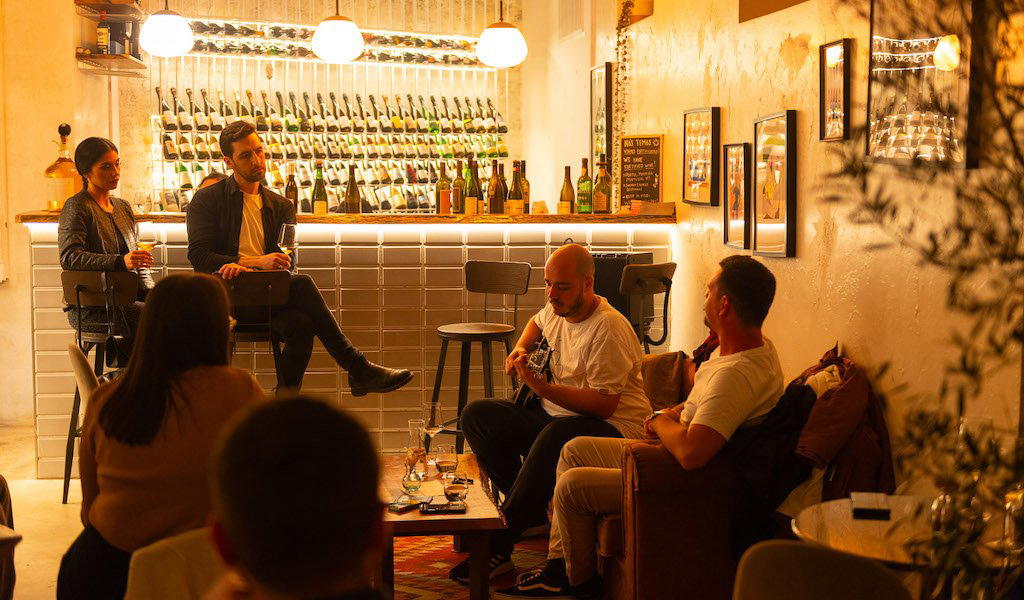
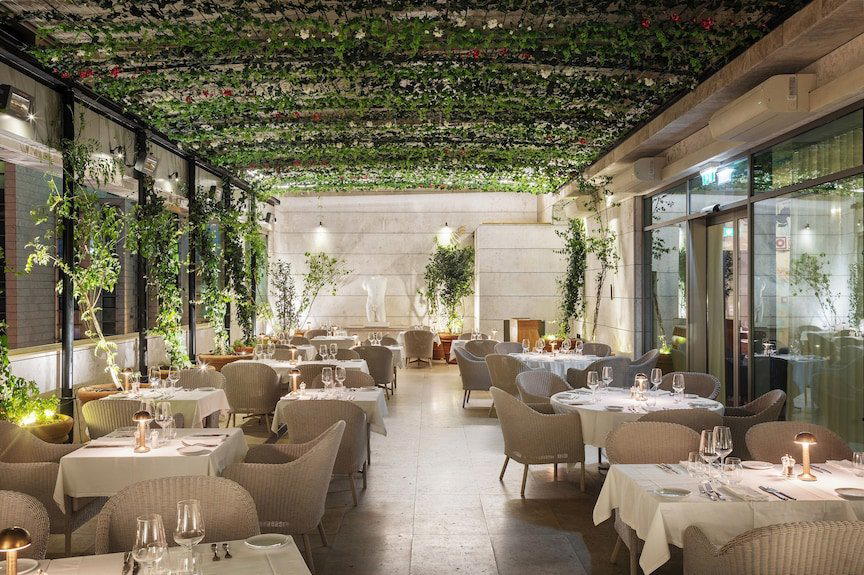
Modern, contemporary design with a casual dining atmosphere.