Columbus Fish Market
Columbus Fish Market on Olentangy River Road occupies a specific niche in the city's dining scene: a seafood-focused address in a landlocked Midwestern city, where the kitchen's ability to source well and execute consistently matters more than geography. For Columbus diners who want fresh fish without the coastal zip code, this is a reference point worth knowing. See how it sits within the broader Columbus restaurant conversation.
Pearl is the En Primeur Club membership app — saves, bookings, and concierge access live there. Same editors, same standards.
- Address
- 1245 Olentangy River Rd, Columbus, OH 43212
- Phone
- +16142913474
- Website
- mitchellsfishmarket.com
- Directions
- Get directions
 Saves & bookings on Pearl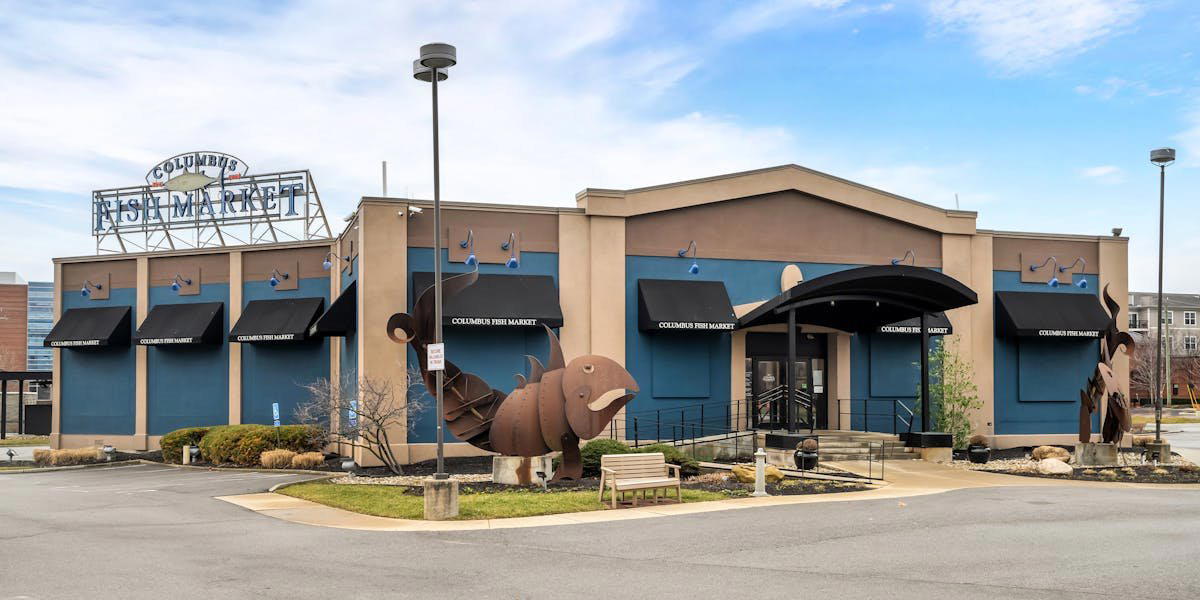
Seafood in a Landlocked City: What Columbus Fish Market Represents
Columbus Fish Market is a seafood and steakhouse restaurant in Columbus, Ohio, at 1245 Olentangy River Rd. That operational pressure tends to sort the field quickly: restaurants that treat fish as an afterthought show it on the plate, while those that build systems around seafood quality tend to develop a loyal following that returns on trust rather than novelty. Columbus Fish Market, at 1245 Olentangy River Rd in Columbus, OH 43212, sits in that latter category, a dedicated seafood address in a market where the genre is genuinely underrepresented relative to the city's overall dining ambition.
Columbus has grown into a city with real culinary range. You can find strong contemporary Indian cooking at Agni, high-energy Tex-Mex at Agave & Rye Grandview, and Colombian-inflected cuisine at Alqueria. There is late-night energy at ['plas] and a modern American program at 2110. Against that backdrop, a seafood-centric restaurant occupies a clearly defined slot, and filling it well requires a kitchen and floor team that are aligned on the same priorities from the first sourcing call to the last course of the evening.
The Team Dynamic: How a Seafood House Actually Works
At restaurants built around a single protein category, the collaboration between sourcing, kitchen, and front-of-house carries more weight than it might at a broader menu restaurant. The sommelier or beverage lead at a fish-forward house faces a different brief than the one at a steakhouse or a tasting-menu operation: white wines, aromatic varieties, and lower-tannin reds have to be selected with the specific cooking styles on the menu in mind, and the floor team needs to communicate that logic to guests who may have defaulted to habits built elsewhere. When that coordination works, the dining experience has a coherence that guests feel without necessarily being able to name it.
The broader context here is that American seafood dining has shifted considerably over the past decade. The model pioneered at places like Le Bernardin in New York City, where the kitchen's relationship with fish is the program's entire organizing principle, has influenced how a generation of chefs and restaurateurs think about what a dedicated seafood restaurant can be. Further west, Providence in Los Angeles has sustained a similar commitment at the highest level, and Addison in San Diego has demonstrated how Pacific coastal access translates into a full fine-dining statement. The restaurant operates in a different tier and a different geography, but the underlying question it answers is the same: can a kitchen make the case that seafood, sourced and cooked with care, belongs at the center of a serious meal in this city?
Where It Sits in the Columbus Scene
The Olentangy River Road address places the restaurant in a corridor that connects several of the city's residential neighborhoods to its dining infrastructure. It is not the Short North gallery district or the tight streets of German Village, but the location is accessible and draws from a broad cross-section of the city rather than a single neighborhood demographic. That positioning matters for a restaurant format that tends to do well with regulars, seafood houses reward repeat visits because the menu's strength often tracks with seasonal availability and sourcing relationships that deepen over time.
Within Columbus's current dining conversation, the restaurant occupies a niche with limited direct competition. The city's steakhouse tier is more crowded, and its casual-international segment has expanded rapidly. A focused seafood address sits apart from both.
The Larger Frame: American Seafood Outside the Coasts
Interior American cities have historically underpunched on seafood relative to their overall culinary development, in part because the logistics argument was genuinely difficult for many years. Improved air freight, regional distribution networks, and aquaculture have changed that math significantly. Restaurants in cities like Chicago, where Smyth operates a program built on hyper-local and foraged sourcing, or in the San Francisco Bay Area, where Lazy Bear has demonstrated the ambition possible in a less traditional fine-dining format, show what is achievable when kitchens commit to a sourcing vision. At the farm-to-table end of the spectrum, Blue Hill at Stone Barns in Tarrytown and Single Thread Farm in Healdsburg have shown that seasonal discipline and producer relationships can define a restaurant's identity as much as any technical cooking style.
None of these are direct comparisons to a neighborhood seafood restaurant in Columbus, they are reference points for a broader argument. The argument is that location no longer determines ambition in American dining, and that one interesting question to ask of any seafood house operating outside a coastal market is not whether it can compete on access, but whether it has built the internal systems and team culture to make that access count every service. On that measure, the restaurant's address on Olentangy River Road is less a liability than it might once have appeared, and more a test of operational commitment that the kitchen and floor team either pass or don't.
For further reference on what serious American seafood and fine-dining programs look like at the highest level, Emeril's in New Orleans, The French Laundry in Napa, The Inn at Little Washington in Washington, Atomix in New York City, and Atelier Moessmer Norbert Niederkofler in Brunico each represent the kind of long-term team commitment and sourcing discipline that defines what a restaurant program can become at scale.
Planning Your Visit
The restaurant is located at 1245 Olentangy River Rd, Columbus, OH 43212, accessible from the major north-south corridors that run through the city's west side. As with most seafood-focused restaurants, timing matters: weekday evenings tend to offer a more measured pace than Friday and Saturday, when demand for this kind of address in a relatively underpopulated category concentrates.
Side-by-Side Snapshot
Comparable venues nearby, for context on price, style, and recognition.
| Venue | Cuisine | Price | Notes |
|---|---|---|---|
| Columbus Fish MarketThis venue — the venue you are viewing | Seafood & Steakhouse | $$$ | Not listed |
| Basi Italia | Modern Italian Trattoria | $$$ | Victorian Village |
| ['plas] | Modern Rustic Italian | $$ | Short North |
| The Guild House | Creative American Gastropub | $$$ | Short North |
| Mitchell's Ocean Club | Prime Steaks & Fresh Seafood | $$$ | Cassady |
| Vine + Forge | Ohio-inspired American | $$$ | Uptown District |

At a Glance
- Elegant
- Sophisticated
- Business Dinner
- Group Dining
- Celebration
- Open Kitchen
- Private Dining
- Extensive Wine List
- Craft Cocktails
- Sustainable Seafood
Current opening hours
- Monday
- 11:30 AM–9 PM
- Tuesday
- 11:30 AM–9 PM
- Wednesday
- 11:30 AM–9 PM
- Thursday
- 11:30 AM–9 PM
- Friday
- 11:30 AM–9 PM
- Saturday
- 11:30 AM–9 PM
- Sunday
- 11:30 AM–8:30 PM
Hours can change for holidays and private events. Last verified .
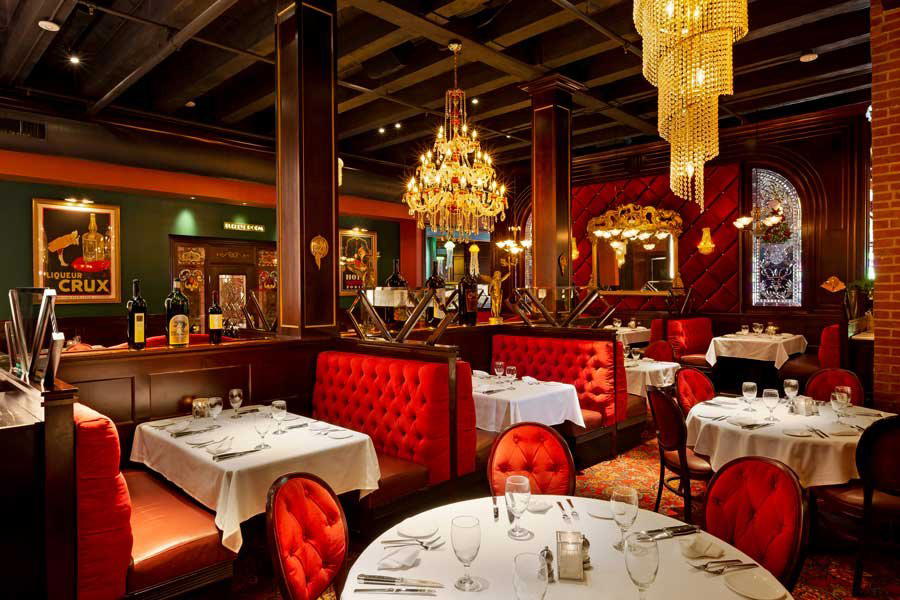
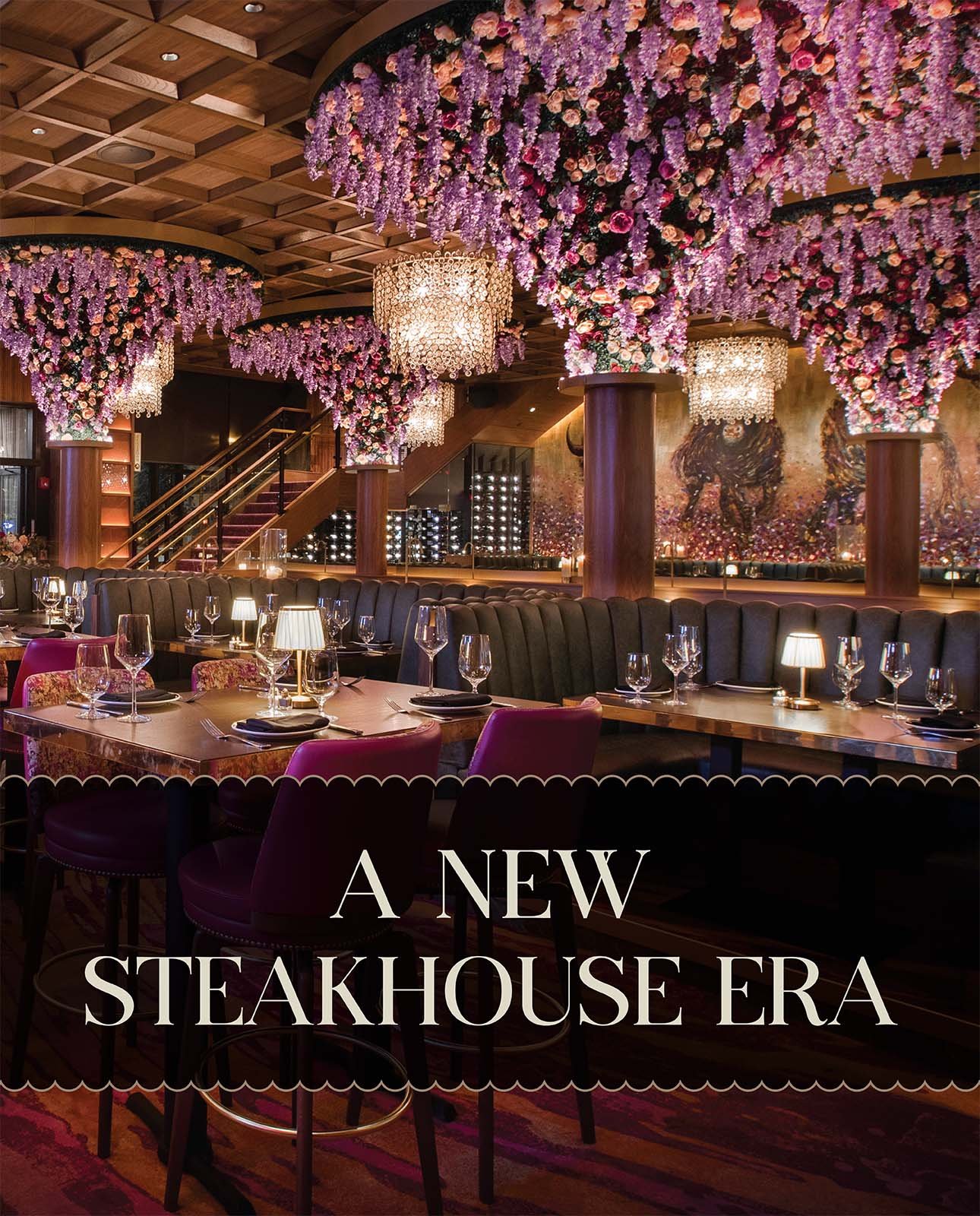
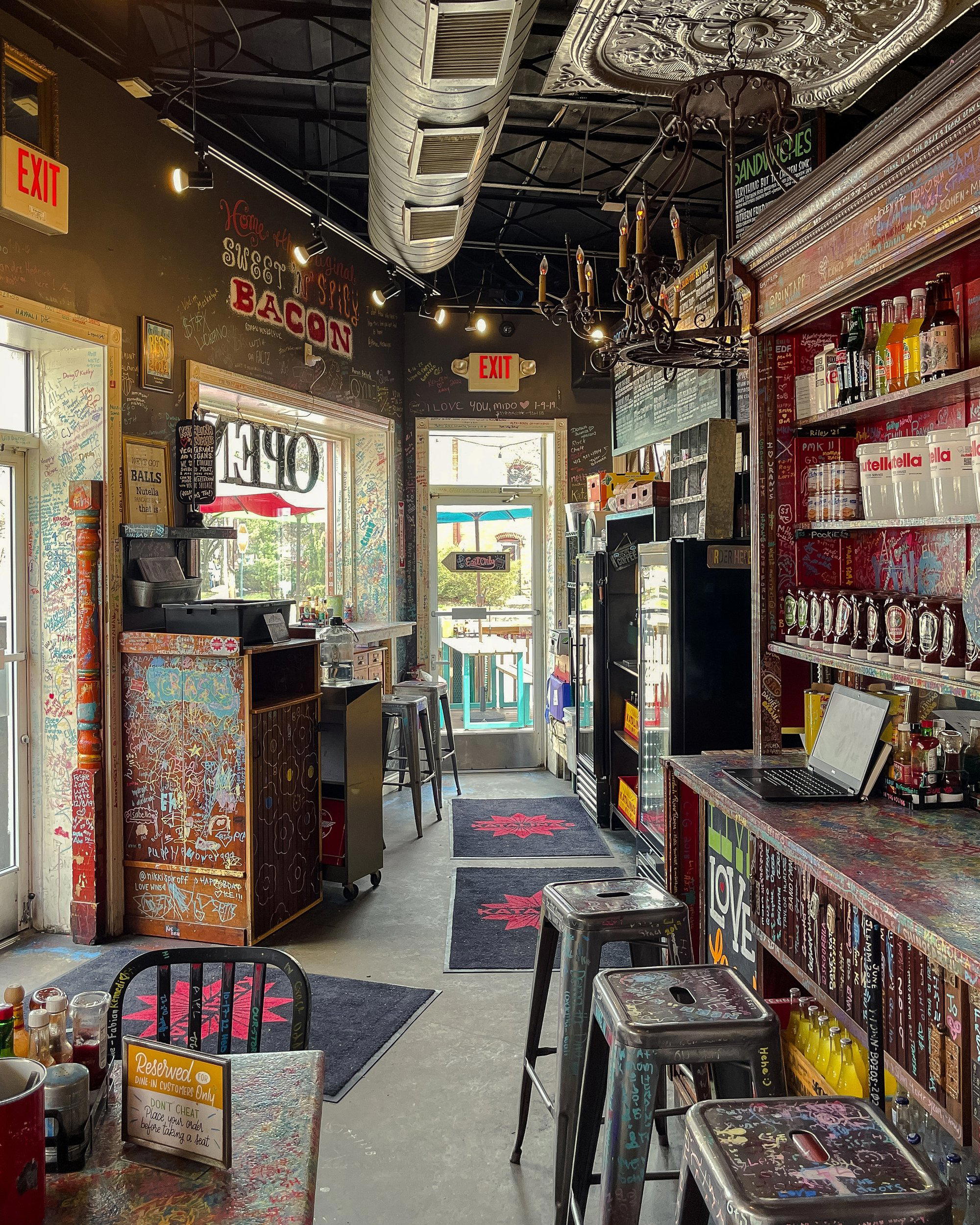
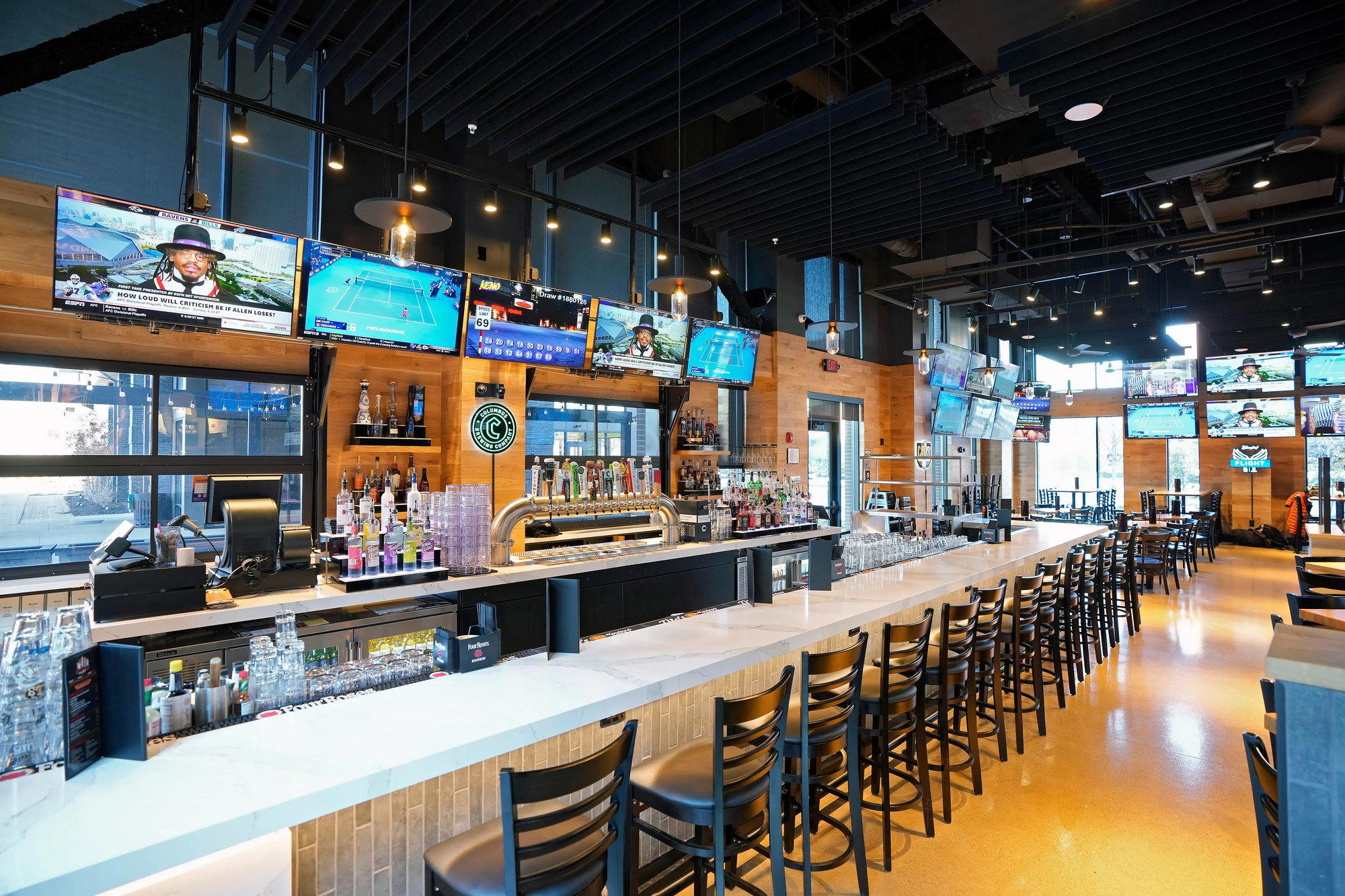
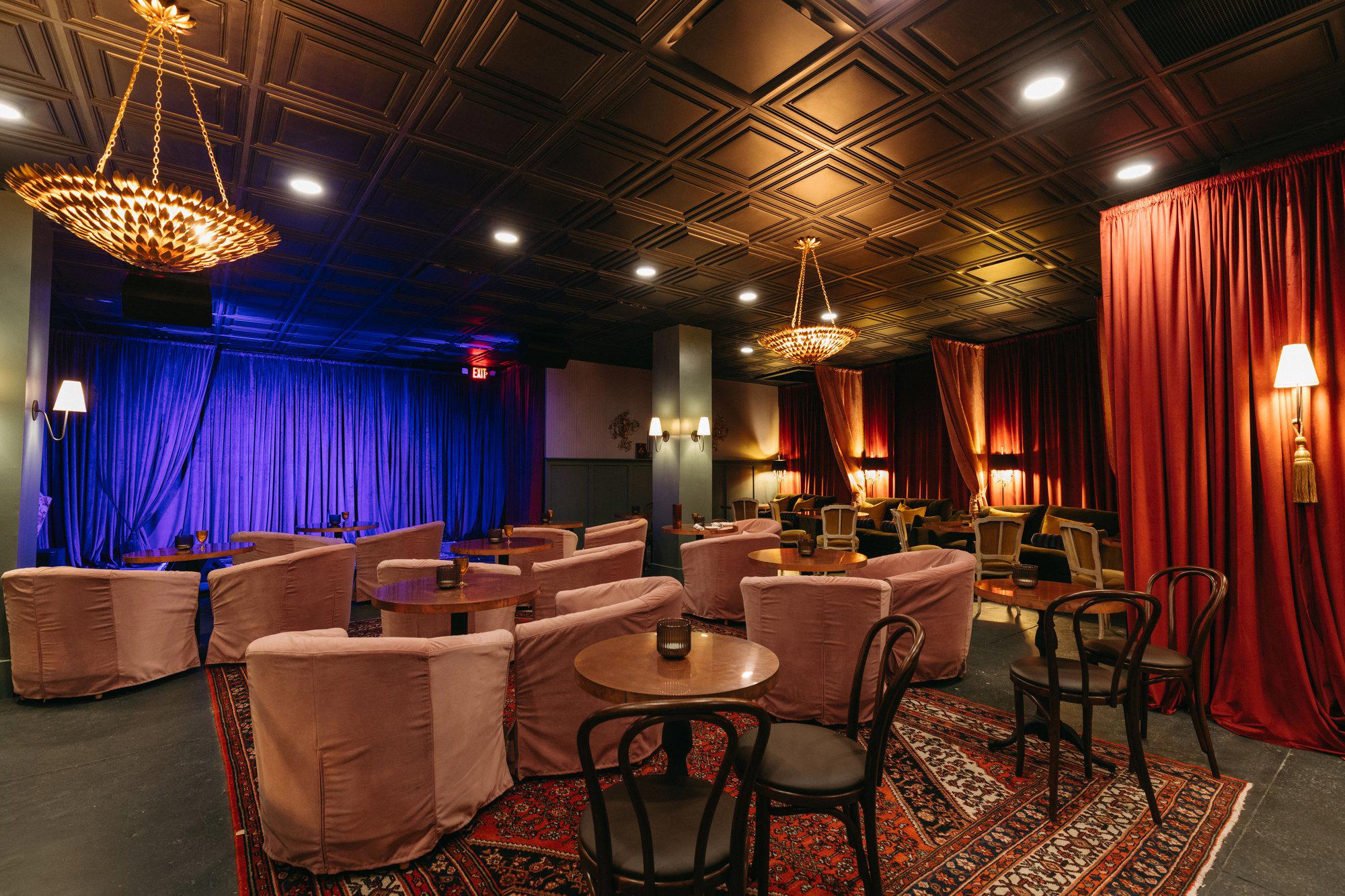
Warm neighborhood feel with well-suited ambiance, open kitchen, and high-touch service as noted in guest reviews.