Cocina Chiwas
Cocina Chiwas on East Apache Boulevard brings the cooking traditions of Chihuahua, Mexico to Tempe's diverse dining corridor. The menu architecture reads as a structured argument for northern Mexican cuisine as its own distinct register, separate from the Sonoran and Tex-Mex formats that dominate the Valley. It occupies a specific, underserved niche in the city's restaurant scene.
Pearl is the En Primeur Club membership app — saves, bookings, and concierge access live there. Same editors, same standards.
- Address
- 2001 E Apache Blvd, Tempe, AZ 85281
- Phone
- +14809163690
- Website
- cocinachiwasaz.com
- Directions
- Get directions
 Saves & bookings on Pearl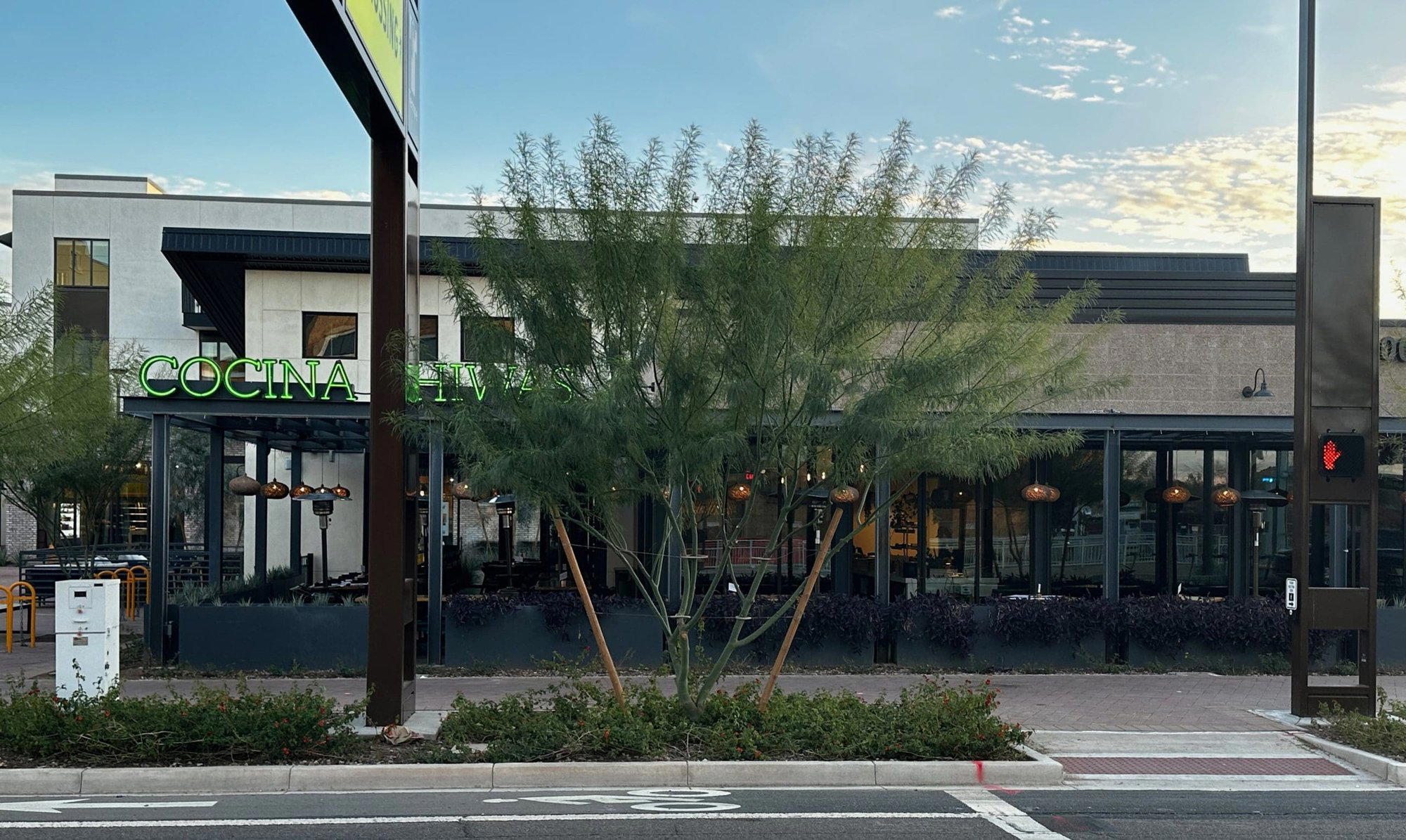
East Apache Boulevard and the Case for Northern Mexican Cooking
Tempe's East Apache Boulevard runs through a diverse corridor in the Phoenix metro, a stretch where student budgets, immigrant communities, and an evolving food culture intersect in ways that the city's more polished neighborhoods do not. It is the kind of street where a restaurant can operate with genuine specificity rather than broad appeal, and Cocina Chiwas, at 2001 E Apache Blvd, occupies that position deliberately. The address situates it near Arizona State University's main campus, but the kitchen's reference points reach several hundred miles south, into the state of Chihuahua.
Northern Mexican cuisine rarely receives the same editorial attention as the coastal traditions of Veracruz or Oaxaca, or the Sonoran formats that have shaped Arizona's own taco and burrito conventions. That gap matters because Chihuahuan cooking has its own architecture: a drier climate, cattle-ranching heritage, and a reliance on dried chiles, beef cuts, and wheat-forward preparations that distinguish it from the corn-centered traditions of central and southern Mexico. When a restaurant signals this regional affiliation in its name, the menu becomes a document worth reading carefully.
What the Menu Structure Signals
The main editorial point at Cocina Chiwas is the way the menu frames northern Mexican cooking as a coherent system rather than a collection of crowd-pleasing items. Regional Mexican restaurants in the American Southwest frequently compromise their specificity in the direction of familiarity, folding in Tex-Mex conventions or Sonoran staples because the market expects them. A menu that holds its regional ground, building around Chihuahuan preparations and flavors, functions as an argument that this tradition can carry an entire dining experience without concessions.
Chihuahua's cooking centers on a few structural pillars that a menu built honestly around them will reflect: beef in multiple preparations, including cuts suited to long cooking as well as quicker treatments; dried chiles such as ancho and pasilla that contribute depth without the acute heat of some southern Mexican traditions; and flour tortillas that in northern Mexico are thinner, larger, and more pliable than the Sonoran style most Arizona diners know. Where a menu includes these elements without flattening them toward generic Mexican-American conventions, it signals kitchen confidence in the source material.
This kind of regional specificity is significant in the broader American dining context. The restaurant scene at tiers like those occupied by Le Bernardin in New York City, The French Laundry in Napa, or Atomix in New York City has long validated European and East Asian fine-dining traditions. The validation of Mexican regional cooking as a serious culinary project is a more recent and still incomplete shift. A spot like Cocina Chiwas, operating at street level in a university neighborhood, participates in that shift from the ground up, which is where it matters most.
Tempe's Dining Context
Tempe's restaurant scene has grown more layered in recent years, with openings across multiple categories adding depth to what was previously a landscape defined largely by chain proximity to the university and a handful of long-standing independents. Alter Ego and Caffe Boa represent the city's more polished, sit-down register, while Avasa and Bahaara Indian Kitchen anchor the city's South Asian and global cuisine presence. Drop Dead Gorgeous occupies a different register again. Within this mix, the restaurant fills a gap that the others do not: a kitchen whose entire identity is organized around a specific Mexican state's culinary tradition.
That specificity has a practical dimension for the diner. On East Apache, the density of options means that a restaurant needs a clear reason to exist beyond convenience. Regional commitment provides that reason in a way that generalist Mexican menus rarely can.
Planning Your Visit
The restaurant is located at 2001 E Apache Blvd, Tempe, AZ 85281, on a stretch that is accessible by public transit and within the ASU campus orbit. Smyth in Chicago, Lazy Bear in San Francisco, or Providence in Los Angeles. The comparison is not a criticism; those are simply different tiers organized around different premises. Regional honesty at accessible price points is its own serious category.
Blue Hill at Stone Barns in Tarrytown, Single Thread Farm in Healdsburg, Addison in San Diego, Emeril's in New Orleans, The Inn at Little Washington, and Atelier Moessmer Norbert Niederkofler in Brunico each make a version of this argument in different price tiers and cultural contexts. The common thread is a kitchen that has decided what it is and built its menu accordingly.
Accolades, Compared
Comparable venues nearby, for context on price, style, and recognition.
| Venue | Cuisine | Price | Notes |
|---|---|---|---|
| Cocina ChiwasThis venue — the venue you are viewing | Modern Chihuahuan Mexican | $$$ | Not listed |
| Caffe Boa | Contemporary Italian Trattoria | $$$ | Mill Avenue District |
| Top of the Rock Restaurant | Contemporary American Farm-to-Table with Southwestern Flair | $$$ | Tempe |
| Vincitorio's Restaurant | Authentic Italian Pasta | $$ | Not listed |
| Three Thirty Three Restaurant | Modern Asian Steakhouse | $$$$ | near Tempe Town Lake |
| Kungfu Kitchen | Authentic Chinese Noodles & Hunan | $$ | near Arizona State University |
At a Glance
- Modern
- Lively
- Elegant
- Trendy
- Date Night
- Group Dining
- Special Occasion
- Casual Hangout
- Open Kitchen
- Terrace
- Standalone
- Craft Cocktails
- Beer Program
- Local Sourcing
- Organic
Current opening hours
- Monday
- Closed
- Tuesday
- 5–9 PM
- Wednesday
- 5–9 PM
- Thursday
- 5–9 PM
- Friday
- 10 AM–10 PM
- Saturday
- 10 AM–10 PM
- Sunday
- Closed
Hours can change for holidays and private events. Last verified .
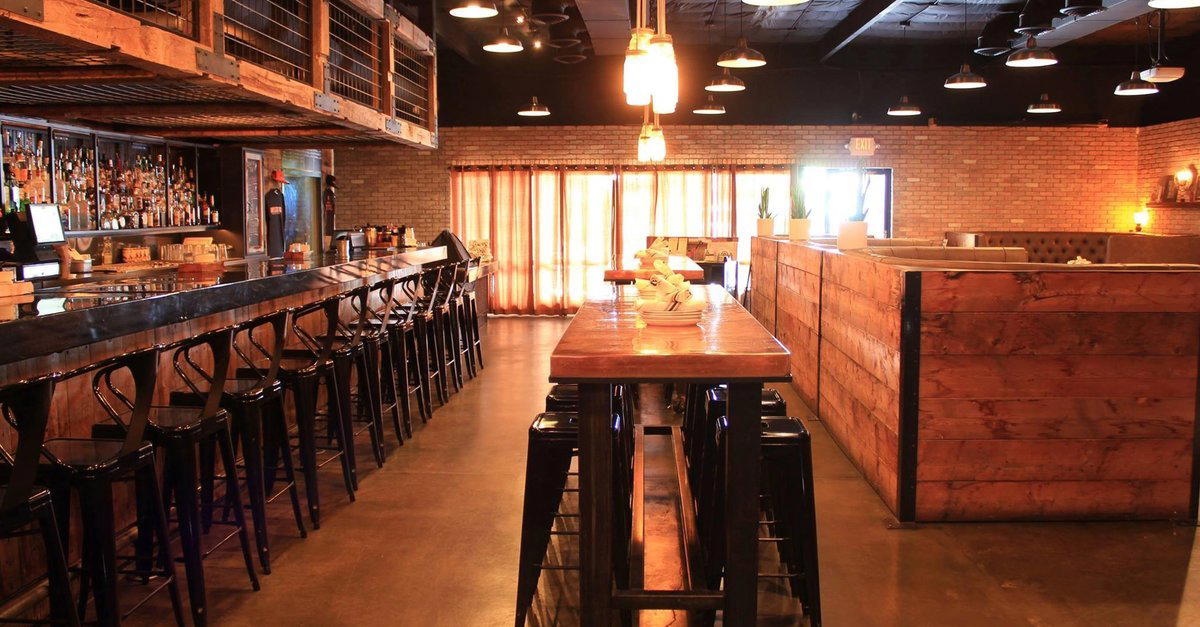
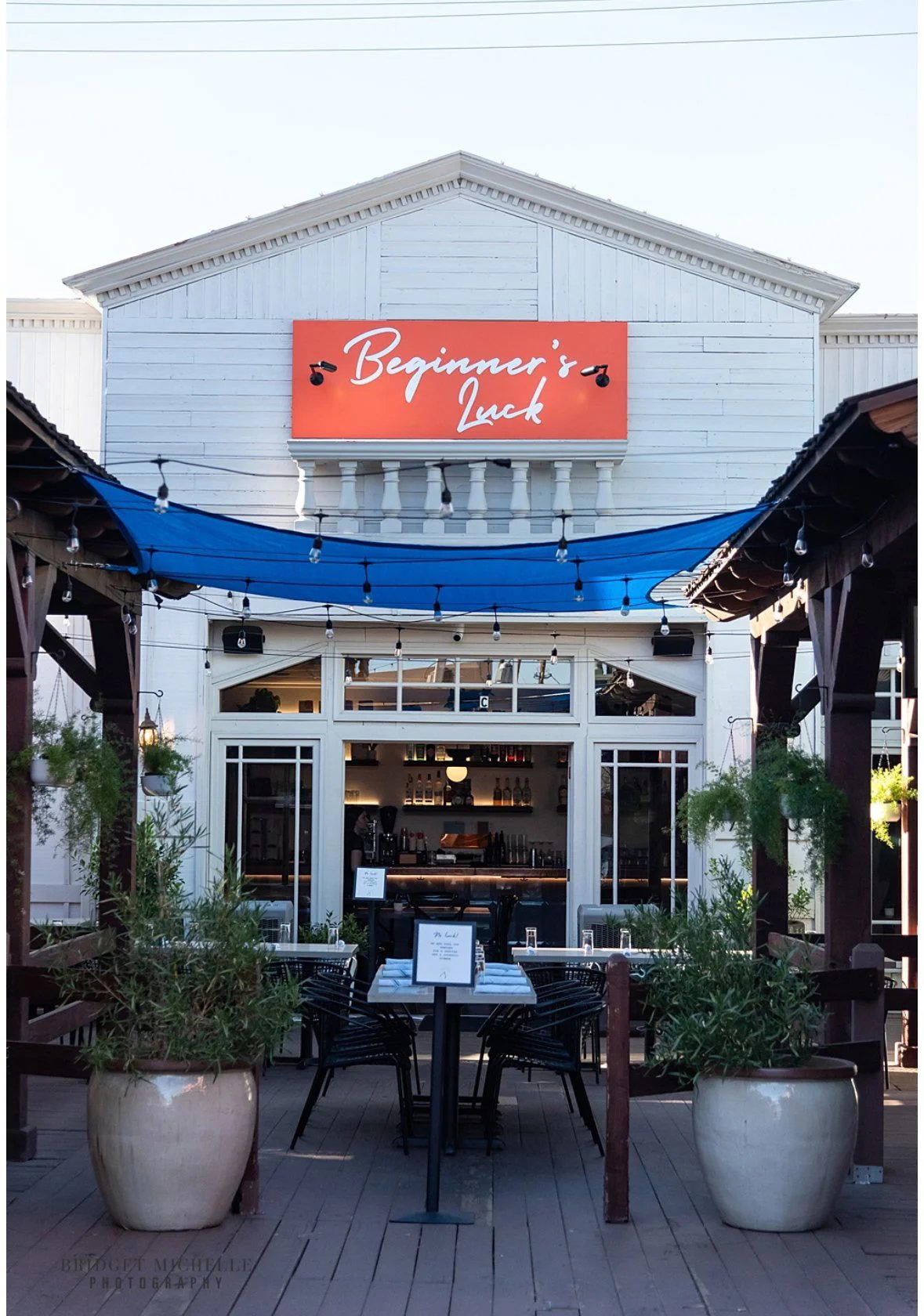
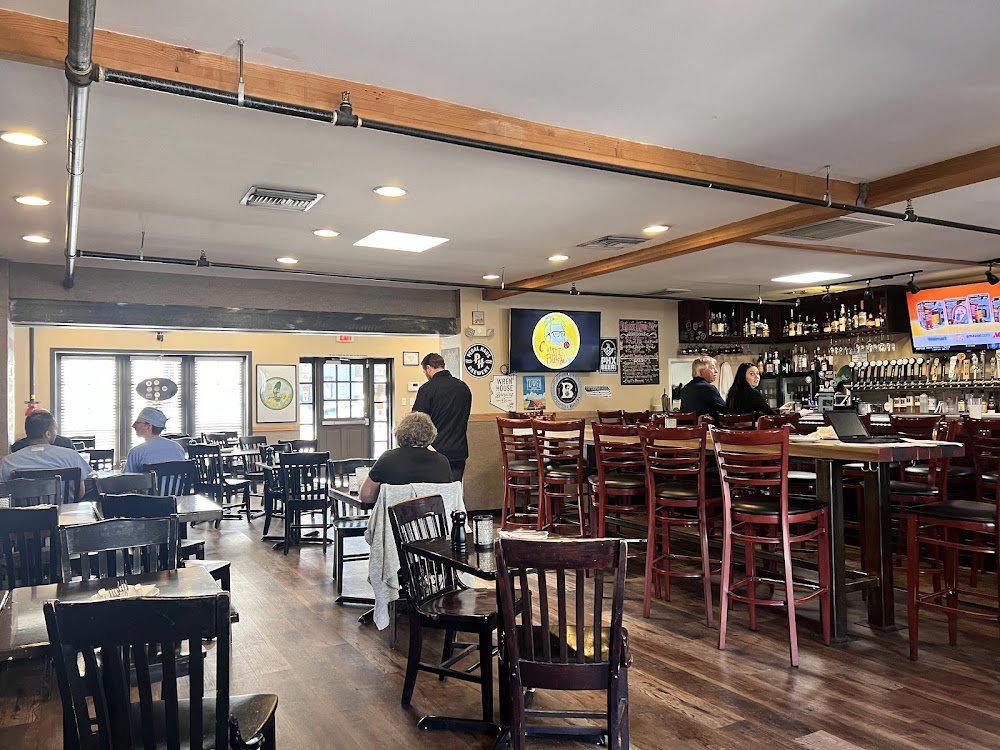
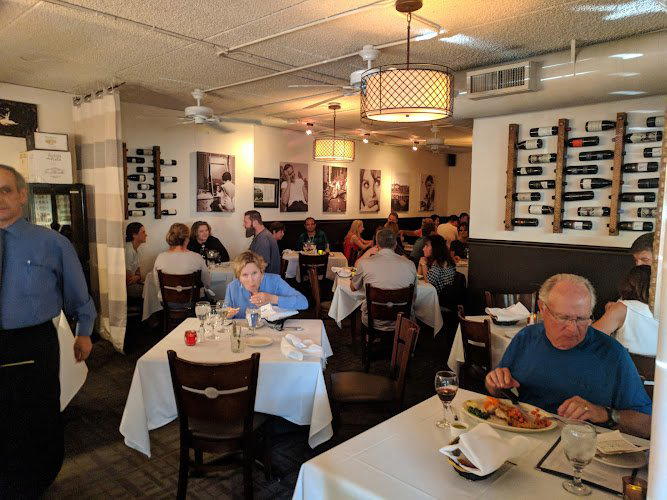
Classy but comfortable atmosphere with an intoxicating energy; located in a walkable community with a large patio for outdoor dining.