Claret Club suits Sydney diners looking for Italian-influenced European cooking through the lens of wine rather than a single regional canon. Its Darlinghurst setting places it in a neighbourhood where aperitivo hours, late meals, and bottle-led dining feel more natural than formal degustation theatre.
Pearl is the En Primeur Club membership app — saves, bookings, and concierge access live there. Same editors, same standards.
- Address
- 77 Stanley St, Darlinghurst NSW 2010, Australia
- Phone
- +61 427 744 290
- Website
- claretclub.com.au
- Directions
- Get directions
 Saves & bookings on Pearl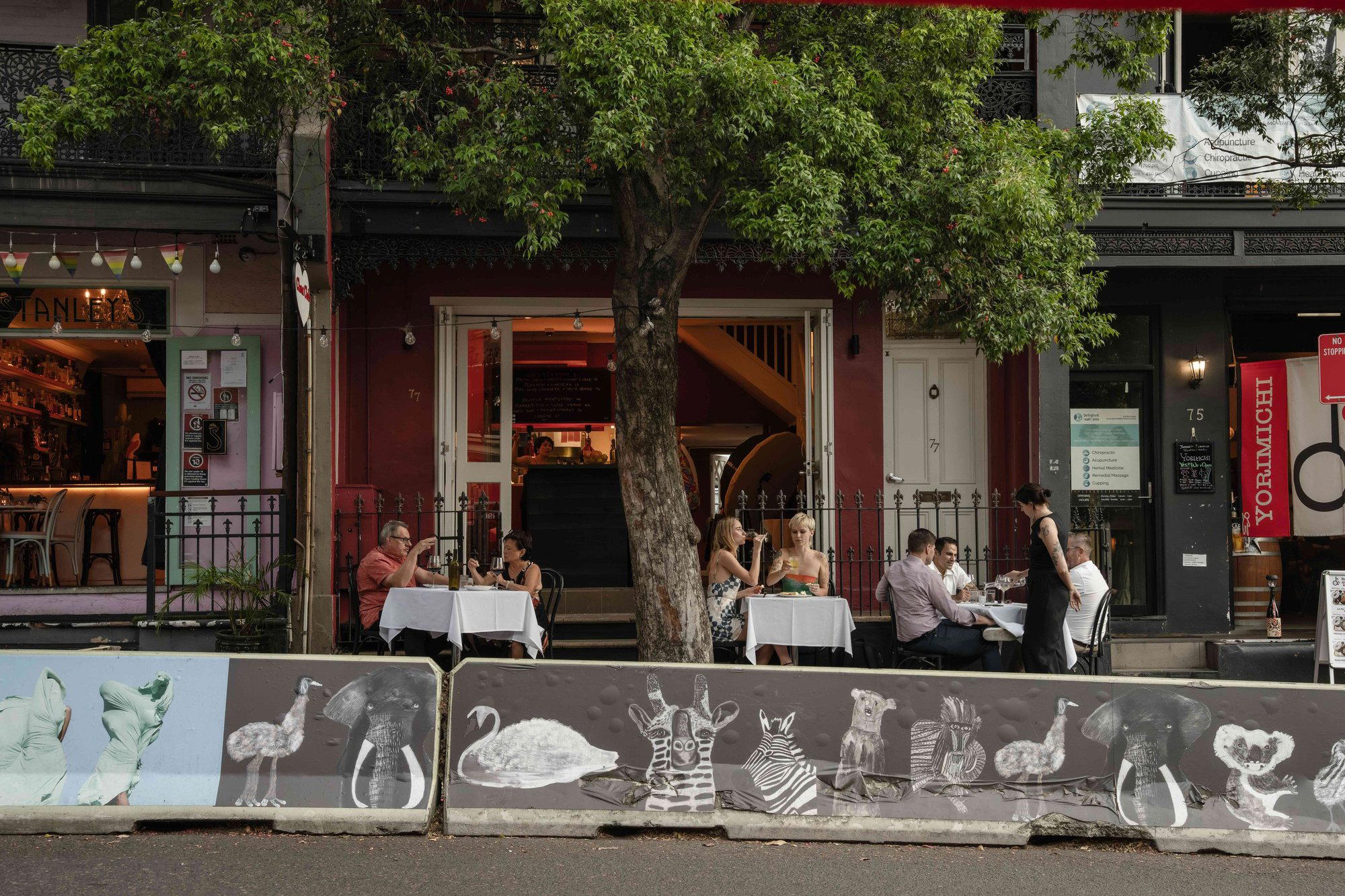
Stanley Street has the right scale for this kind of restaurant: narrow footpaths, close tables, and a steady evening drift between bars and dining rooms. In Darlinghurst, European food rarely arrives as museum-piece regionalism. It is filtered through Sydney habits: earlier drinks, flexible meals, and a strong preference for restaurants that can work as both a glass-and-snack stop and a full dinner.
Claret Club belongs to that wine-first current. The useful way to read it is not as a pure Italian restaurant, but as a European room with Italian influence and a pairing instinct. That matters in Sydney, where Italian dining can split into several tracks: Neapolitan pizza culture, Roman pasta minimalism, Tuscan grill-and-cellar tradition, and Milanese polish. A wine-pairing format sits closest to the Tuscan idea of food as a companion to the bottle, but the broader European framing gives the kitchen room to move beyond a single province.
Italian influence without regional costume
Italian cooking in Australia has often been flattened into comfort shorthand: tomato, pasta, pizza, red sauce. The stronger contemporary rooms work differently. They borrow discipline from Italy rather than dressing every plate in tricolore nostalgia. Roman restraint is about fewer components and sharper balance. Tuscan dining is built around salumi, bread, oil, grill, and cellar logic. Neapolitan influence is more democratic, shaped by dough, heat, and quick turnover. Milanese tradition brings a northern appetite for butter, rice, veal, and a cooler kind of dining-room control.
A European/Italian-influenced, wine-pairing restaurant can draw from these traditions without becoming beholden to one of them. That is the category’s appeal and its risk. Done poorly, it becomes a vague continental menu with a long bottle list. Done with discipline, it lets wine set the meal’s pace: acidity for fried or rich starters, skin-contact whites for vegetable-driven plates, medium-bodied reds before heavier sauces, and digestible pacing rather than a parade of richness. Claret Club is worth considering in that second frame: as part of Sydney’s move toward bottle-led restaurants where the cellar is not a side feature but the organising principle.
This also explains why the venue sits comfortably in Darlinghurst rather than in a harbour-view dining district. The neighbourhood has long favoured restaurants that do not need ceremonial arrival. A diner can come for a short early session or stay into a later meal, and the room’s value is measured by how naturally it handles both. For a broader map of the city’s dining range, Our full Sydney restaurants guide is the better starting point; for adjacent trip planning, see Our full Sydney hotels guide, Our full Sydney bars guide, Our full Sydney wineries guide, and Our full Sydney experiences guide.
The Sydney version of a wine-pairing restaurant
In Europe, wine-pairing restaurants often signal formality: fixed menus, set pacing, and a sommelier-led rhythm. Sydney tends to loosen that model. The city’s stronger wine rooms allow the bottle to lead without making the guest feel trapped inside a tasting-menu contract. That is especially relevant for an Italian-influenced format, because regional Italian dining is rarely only about the plate. It is about sequence, appetite, and how food makes sense with what is being poured.
The absence of a named chef or award trail should shift the reader’s attention toward format rather than celebrity. That is not a weakness in this category. Sydney has enough restaurants built around personality; the more useful question here is whether the room understands the compact grammar of wine-friendly European food. A restaurant in this lane does not need theatrical signatures. It needs restraint, clean pacing, and enough regional fluency to avoid the generic “Mediterranean” trap.
For travellers comparing Australian dining cities, the contrast is useful. Melbourne’s Italian scene often leans more explicitly toward old-school trattoria memory and pizza craft, which is why a place such as +39 Pizzeria in Melbourne reads differently from a Darlinghurst wine room. In Brunswick East, 400 Gradi in Brunswick East points toward the Neapolitan track. Newcastle’s 3 Sicilians Ristorante in Newcastle makes a different regional promise again. Claret Club’s territory is less about declaring a province and more about using Italian habits inside a Sydney wine-bar dining frame.
How to place it in a Sydney itinerary
The case for the restaurant is strongest when the evening is built around Darlinghurst rather than a single destination meal. The room’s listed trading pattern favours midweek dinner and longer Friday or Saturday sessions, which suits the suburb’s rhythm: start with a glass, let the table decide how far dinner should go, and avoid treating the meal as a formal appointment. It is less aligned with a family lunch brief and more aligned with adult dining where wine matters.
That distinction helps separate it from other casual-to-smart city choices. Readers building a broader Sydney shortlist might pair this kind of Italian-influenced wine room with different formats across the city: 10 William St for another compact wine-and-food mood, 10 Pounds for a separate Sydney dining register, 1021 Mediterranean when the brief turns broader Mediterranean, 20 Chapel for a different neighbourhood read, and 24 York (steak-frites) when the appetite points toward steak-frites rather than regional Italian influence.
Outside Sydney, the same exercise shows how format changes the meal. 2KW Bar & Restaurant in Adelaide carries a bar-restaurant identity, while 26 & Sunny in Surfers Paradise belongs to a different coastal context. Japanese-led listings such as +81 Sushi Kappo in Brisbane, Jōdo Saké Bar in Los Angeles, and Onigiri Time in Pasadena underline the point: cuisine label matters less than service logic. The restaurant’s logic is wine, European pacing, and an Italian accent shaped by Sydney rather than by strict regional orthodoxy.
Comparable Venues Nearby
Comparable venues nearby, for context on price, style, and recognition.
| Venue | Cuisine | Price | Notes |
|---|---|---|---|
| Claret ClubThis venue — the venue you are viewing | European wine bar and restaurant with French influence | $$$ | Not listed |
| Gavroche Brasserie | Classic French Brasserie | $$$ | Ultimo |
| Hemingway's Manly | French Bistro with Australian Influences | $$$ | Manly |
| Porcine | Classic French Bistro | $$$ | Paddington |
| Bistro Gadi | French Bistro with Seasonal Australian Produce | $$ | Sydney |
| Chez Crix | French Bistro | $$ | Surry Hills |
Continue exploring
More in Sydney
Restaurants in Sydney
Browse all →
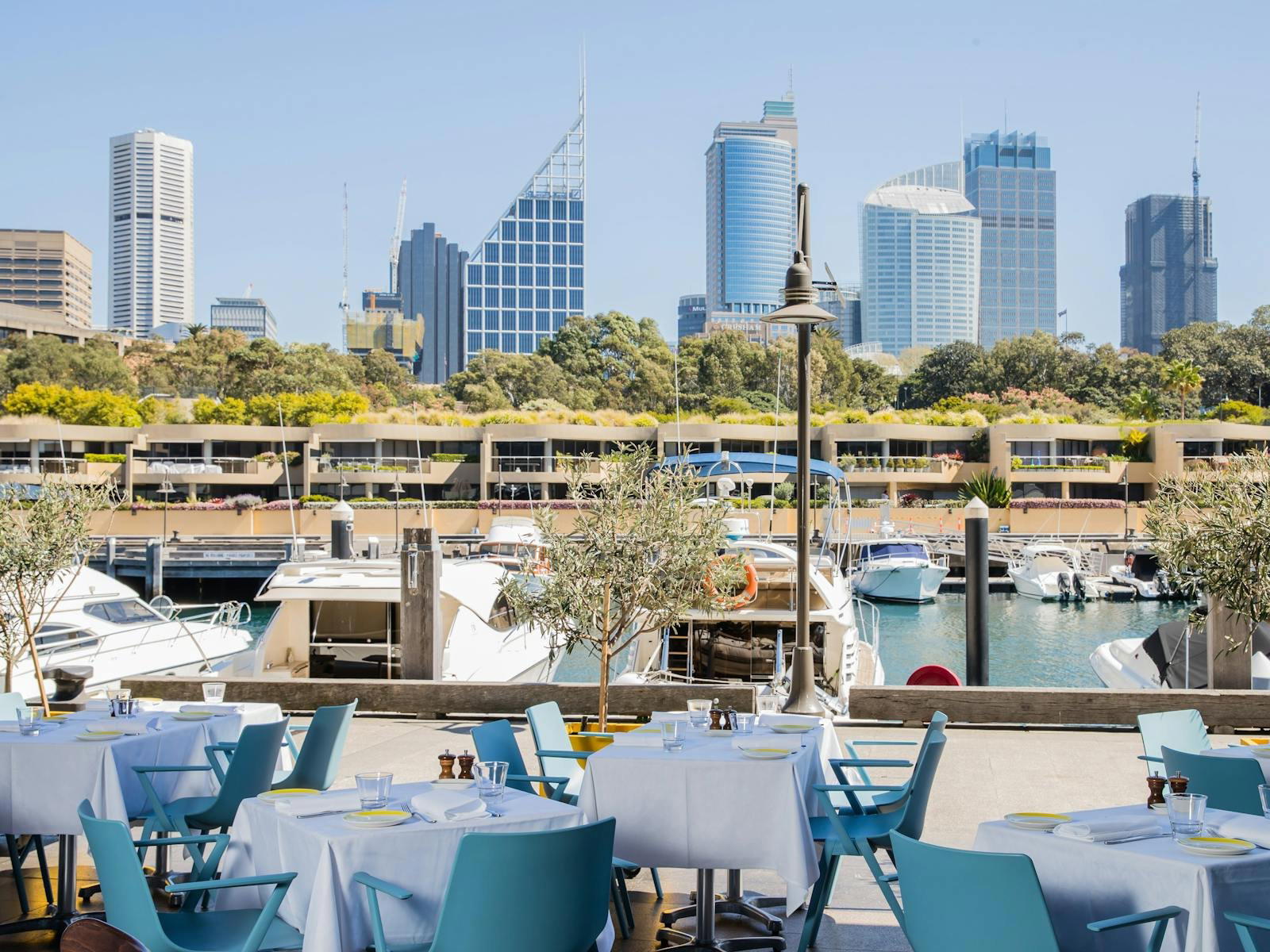
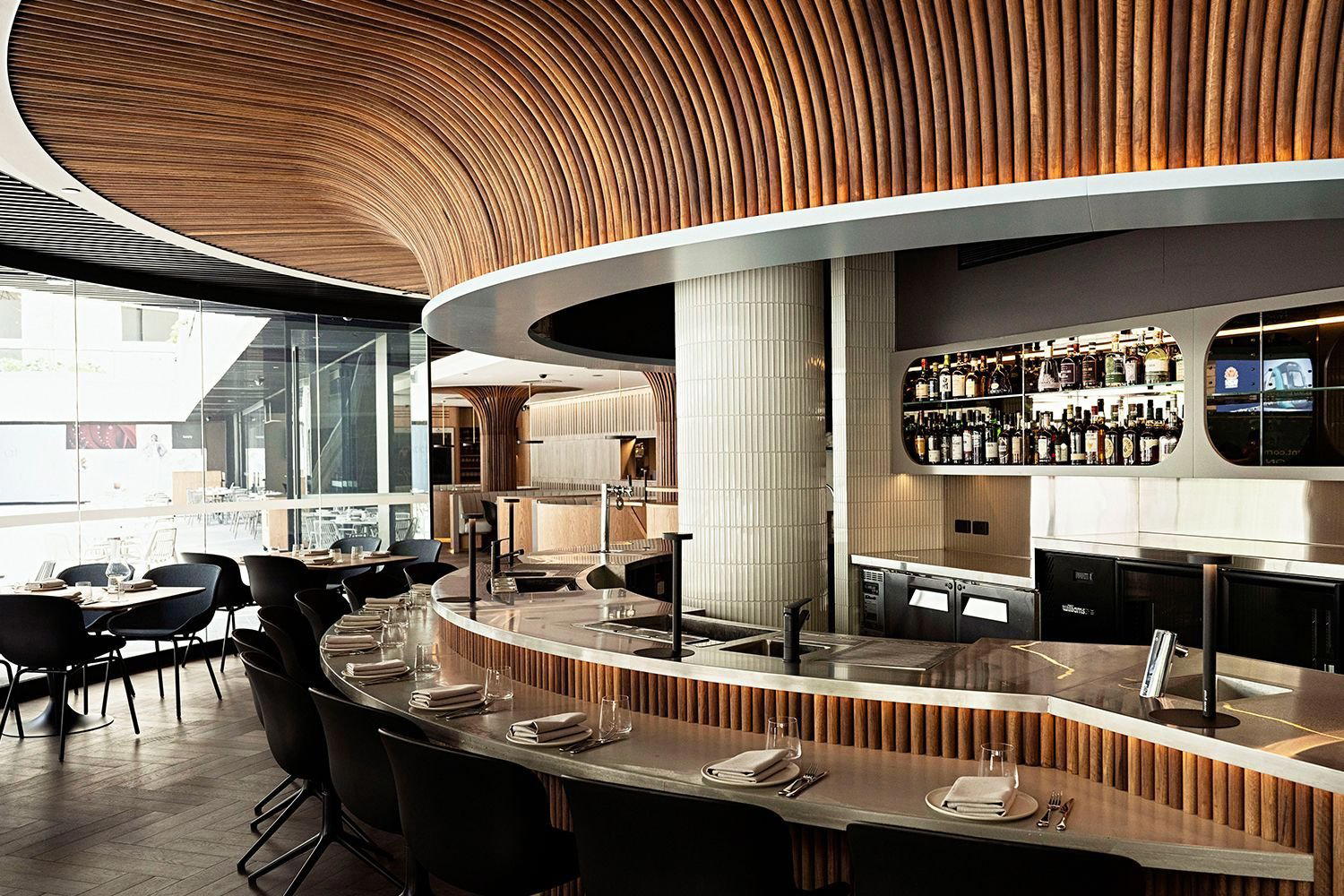
Bars in Sydney
Browse all →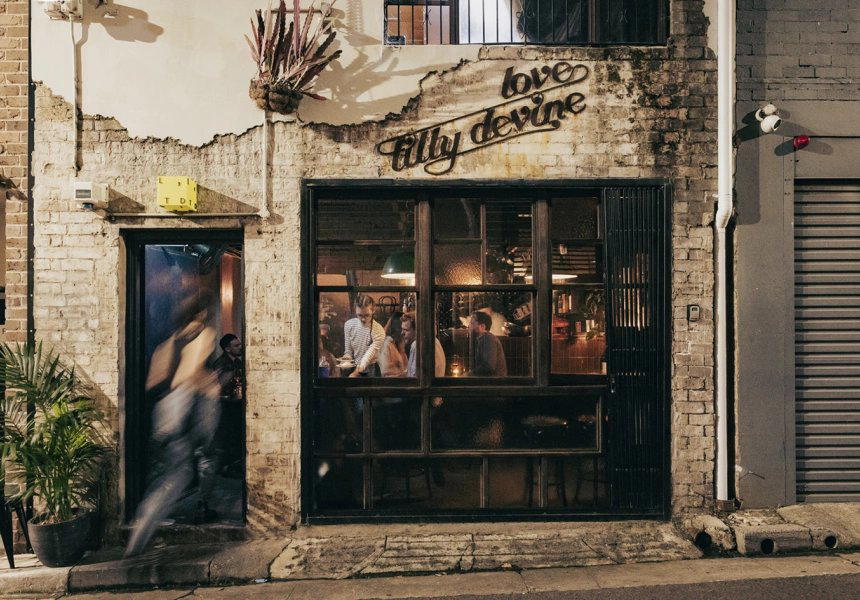
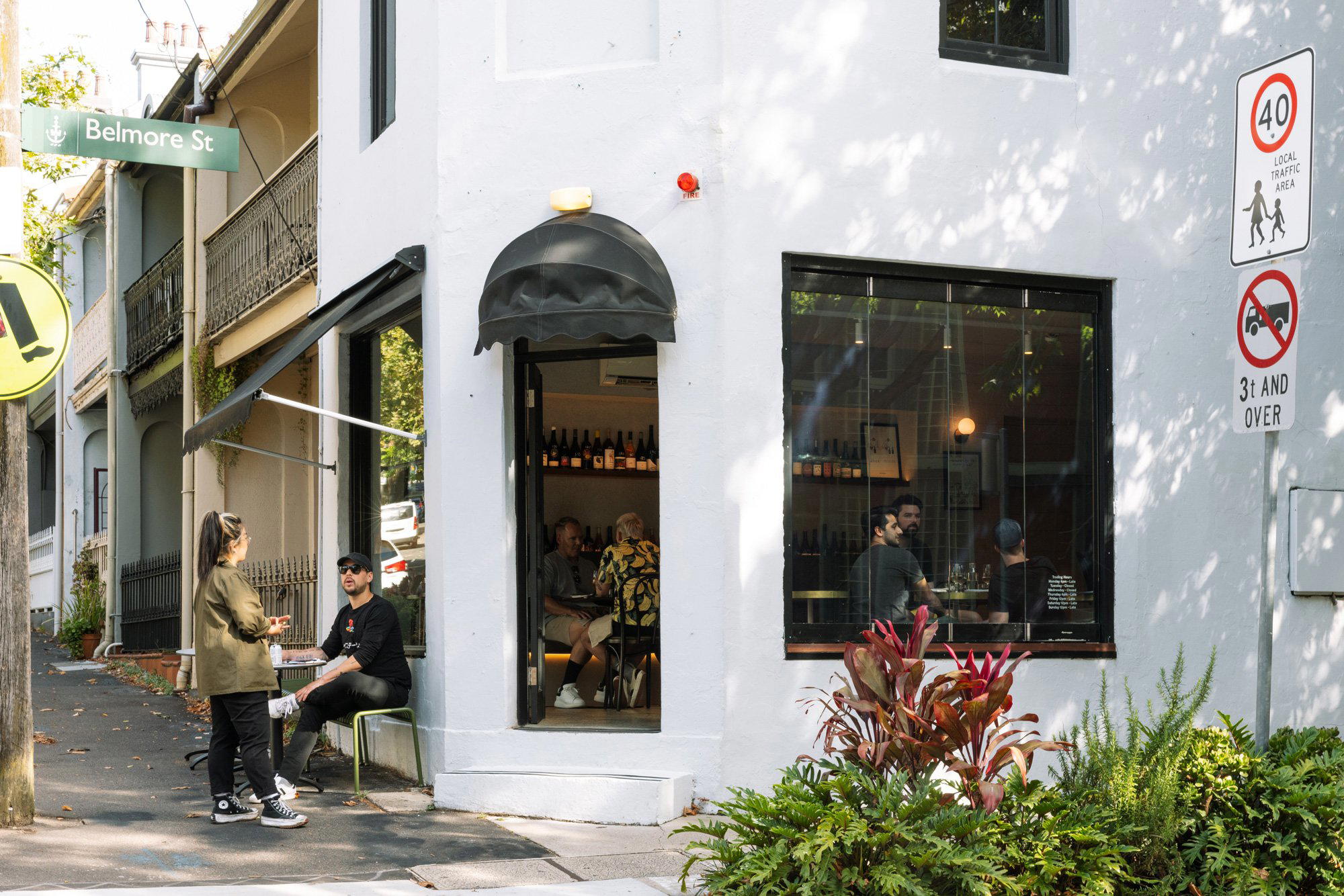
Hotels in Sydney
Browse all →


At a Glance
- Sophisticated
- Elegant
- Cozy
- Romantic
- Intimate
- Classic
- Date Night
- After Work
- Special Occasion
- Group Dining
- Casual Hangout
- Wine Cellar
- Design Destination
- Standalone
- Historic Building
- Extensive Wine List
- Sommelier Led
- Natural Wine
- Craft Cocktails
- Natural Wine
- Street Scene
Current opening hours
- Monday
- Closed
- Tuesday
- 4–11 PM
- Wednesday
- 4–11 PM
- Thursday
- 4–11 PM
- Friday
- 12 PM–12 AM
- Saturday
- 12 PM–12 AM
- Sunday
- Closed
Hours can change for holidays and private events. Last verified .
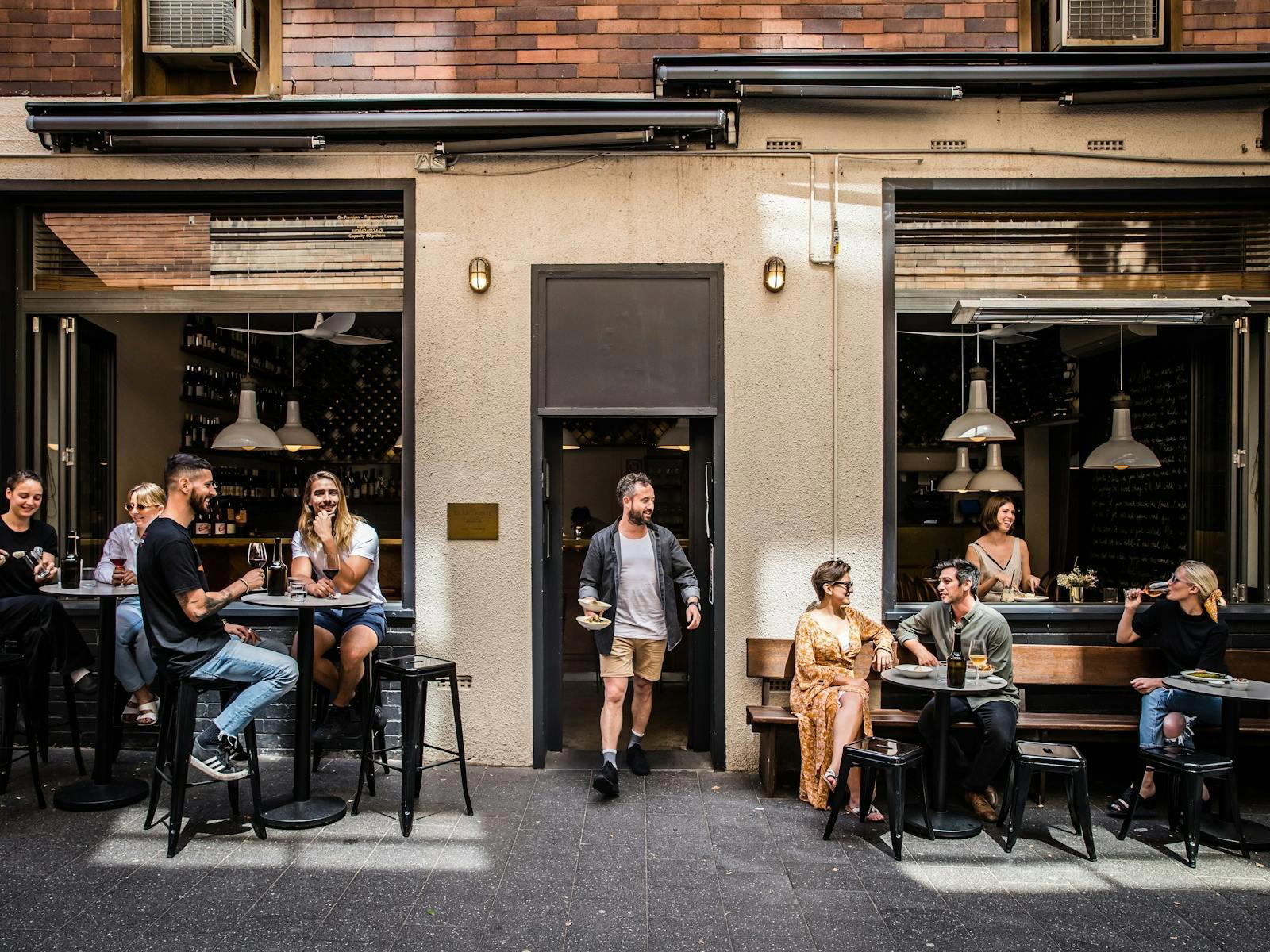
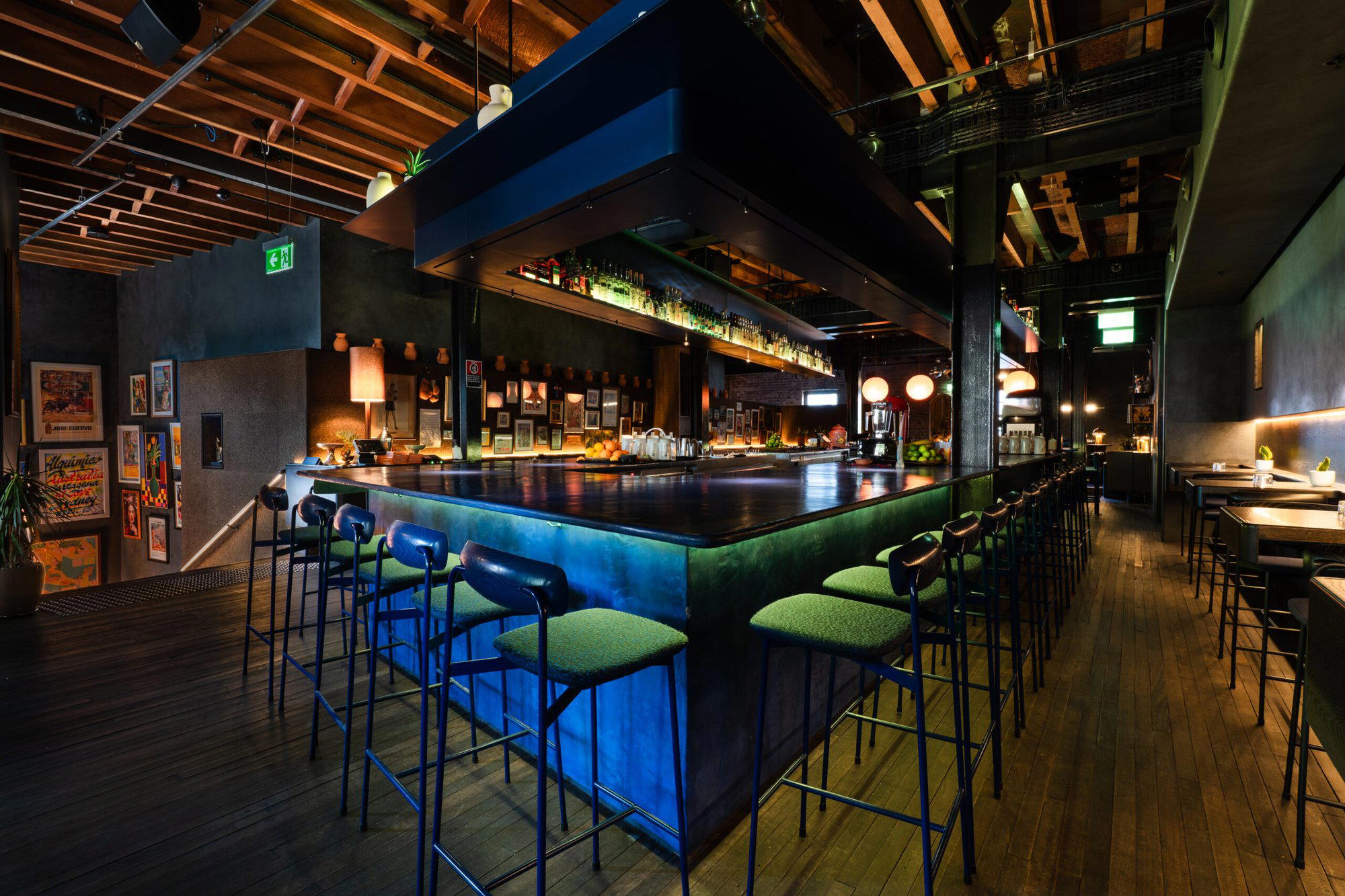
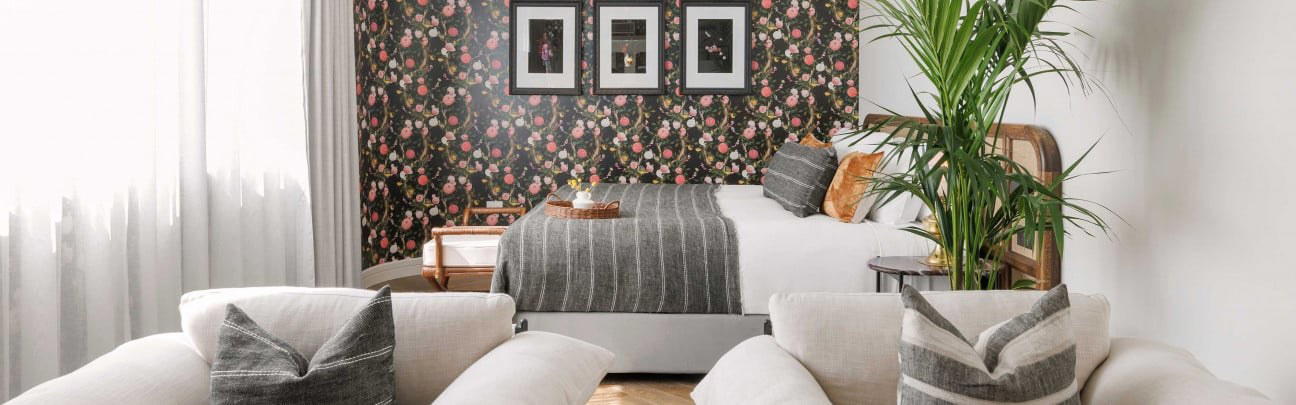
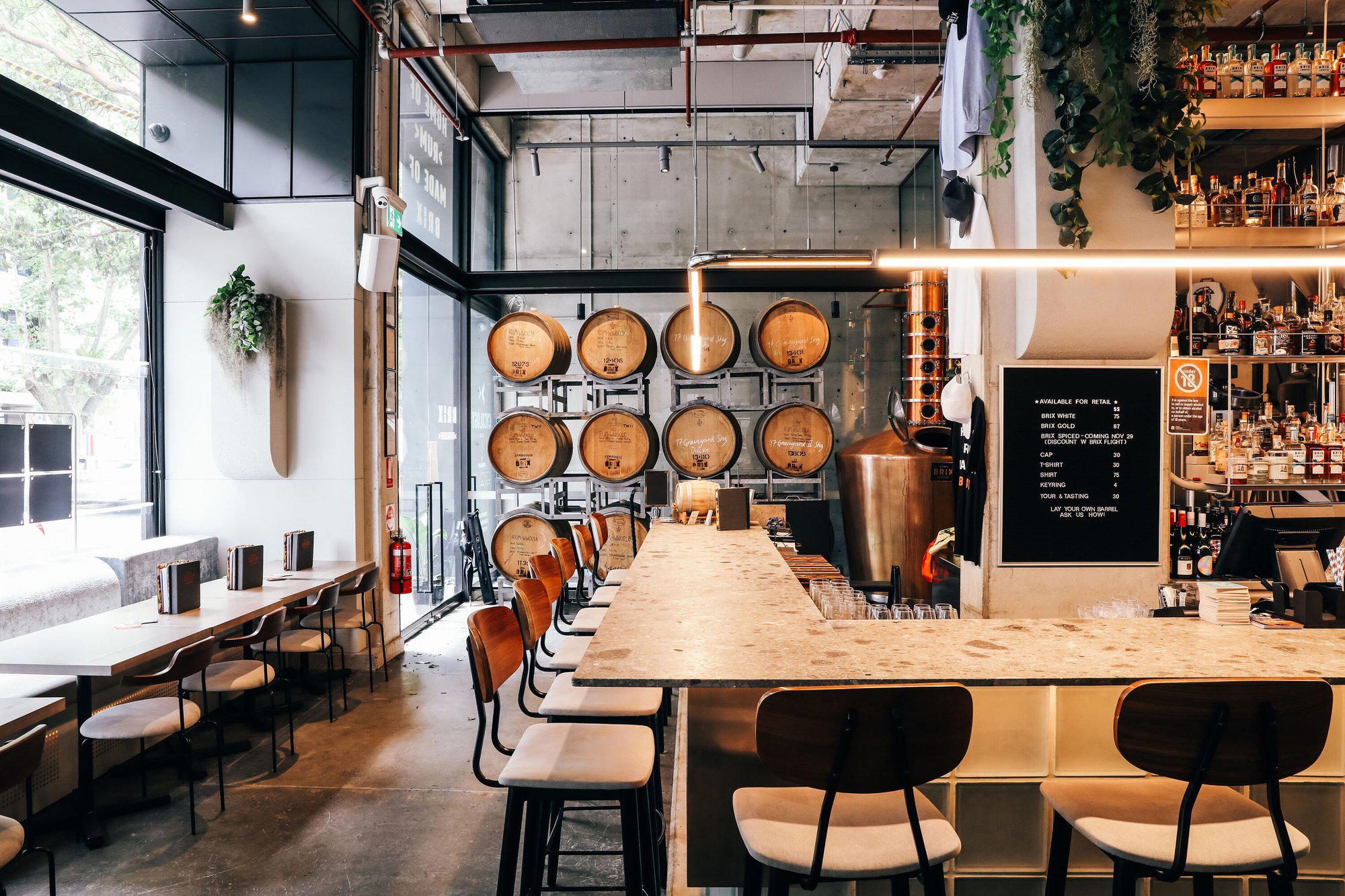
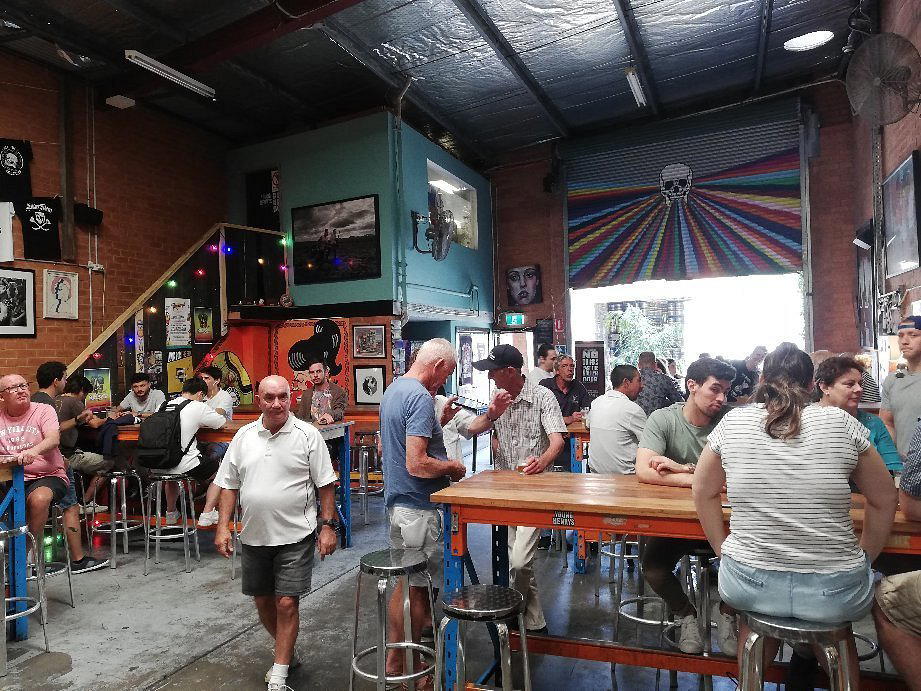
A refined yet relaxed Euro-style terrace setting with classic bistro touches, intimate dining room lighting upstairs, and a cozy, convivial wine-bar feel downstairs that suits lingering over wine and courses at an unhurried pace.