Our verdict
Chu Yao Xuan brings Cantonese technique to Wuhan through a regional reinterpretation that treats dim sum as a disciplined morning ritual rather than a casual meal. The kitchen's approach to Cantonese forms, from pleated har gow to layered turnip cake, sits in contrast to the city's predominantly Hubei-centric dining scene. A considered option for travellers seeking southern Chinese craft in a central Chinese context.

Pearl is the En Primeur Club membership app, where members save venues, book tables and use the concierge.
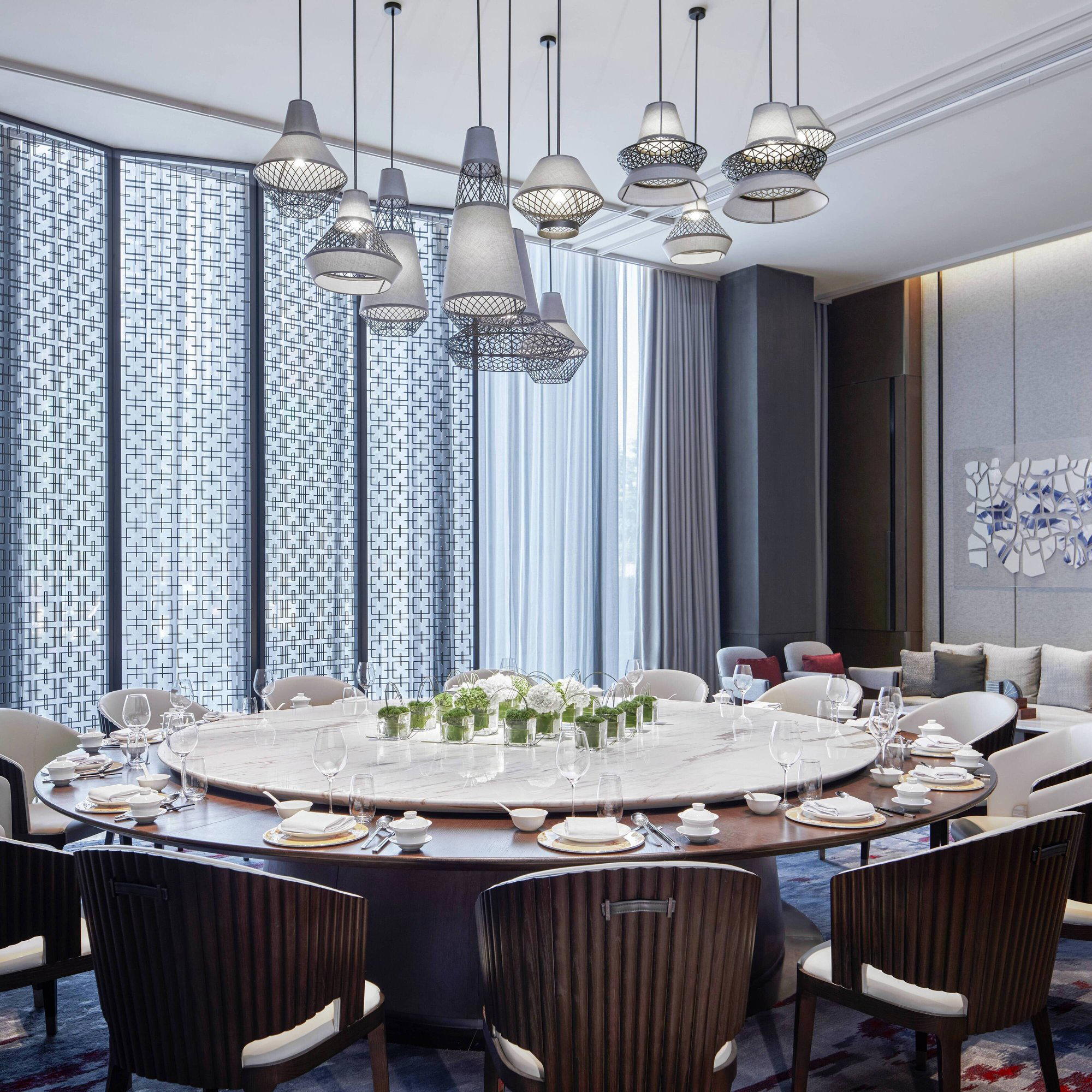
Cantonese in Central China: A Different Kind of Morning
In most of China's major cities, the morning meal is territorial. Wuhan claims its own ground with hot dry noodles eaten standing up, sesame paste coating every strand, a ritual that defines the city's breakfast identity more than any restaurant could. Against that backdrop, the presence of serious Cantonese dim sum dining in Wuhan reads as a deliberate counter-programme, a claim that yum cha culture, with its bamboo steamers and trolley rhythms, can transplant meaningfully into a city whose culinary instincts run toward Hubei boldness and chilli heat. Chu Yao Xuan occupies that position: a Cantonese reinterpretation in a city that wasn't waiting for one, which makes it more interesting than a direct import would be.
The broader pattern this reflects is worth noting. Across second-tier and emerging Chinese cities, premium Cantonese restaurants have shifted from simple transplants of Guangzhou or Hong Kong formats into something more adaptive. Kitchens in Chengdu, Nanjing, and Wuhan increasingly apply Cantonese technique to local ingredient sourcing and adjust seasoning registers to meet regional palates without abandoning the essential discipline of the form. Dai Yuet Heen in Nanjing and Xin Rong Ji in Chengdu represent versions of this adaptation in their respective cities. Chu Yao Xuan works within the same logic in Wuhan.
The Dim Sum Ritual and What It Demands
Dim sum is one of Chinese cuisine's most technically demanding formats to execute well. The pleating on a har gow, the translucent prawn dumpling that functions as a benchmark across every serious Cantonese kitchen, requires a wrapper thin enough to reveal the filling's colour, resilient enough to hold steam without tearing, and sealed with between seven and ten folds that hold their structure to the plate. Siu mai involves a different set of calibrations: the ratio of pork to prawn, the firmness of the bind, the crown that sits open and uncoloured. Turnip cake, often underestimated, demands a specific moisture ratio during steaming and enough resting time before it will hold a clean slice and take a proper sear.
These are not instinctive skills. They are learned in kitchens with established Cantonese lineage, refined over years of repetition, and evaluated against a tradition where diners in Guangzhou and Hong Kong have spent decades developing exacting opinions about what correct looks and tastes like. When Cantonese dim sum moves inland, the question is always whether that technical standard travels with it. The regional reinterpretation designation attached to Chu Yao Xuan suggests the kitchen is working with the tradition rather than simply importing it, a meaningful distinction. Comparable translation exercises are visible at Xin Rong Ji on Xinyuan South Road in Beijing and at Imperial Treasure Fine Chinese Cuisine in Guangzhou, where the benchmark stays close to the canonical form.
Wuhan's Dining Scene and Where Cantonese Fits
Wuhan's restaurant culture has developed unevenly across its three constituent districts, Hankou, Hanyang, and Wuchang, with different neighbourhood identities producing different dining characters. The city's reputation rests on Hubei cuisine: freshwater fish preparations, lotus root soup, the strong grain-and-ferment flavours that define local cooking. Premium dining in the city has grown substantially alongside infrastructure investment and a rising professional class, but Cantonese fine dining remains a smaller segment within that growth.
Within Wuhan's more considered dining tier, Chu Yao Xuan sits alongside venues with distinct culinary orientations. Donghu Club operates in a different register, drawing on the Donghu Lake setting and a broader Chinese fine dining frame. The Nature Flow approaches the premium segment through a different conceptual lens, while Xi She and NO.1 RESTAURANT represent additional reference points in the city's upper dining tier. For all-day international formats, Brasserie 46 occupies a different position. The Cantonese dim sum format Chu Yao Xuan represents is a specific niche within that mix, one where the morning and midday hours matter as much as dinner service, and where the kitchen's craft is evaluated dish by dish rather than through a single tasting progression.
For context on how Cantonese kitchens perform at the upper end of the format across mainland China, Ru Yuan in Hangzhou and Fu He Hui in Shanghai offer points of comparison, though both operate within different culinary frameworks. Chef Tam's Seasons in Macau and Shang Palace in Yangzhou illustrate what the format looks like when it carries formal recognition alongside the regional credential. Internationally, premium Chinese restaurants in other contexts, Le Bernardin in New York City and Lazy Bear in San Francisco represent how different culinary traditions at the premium tier handle the tension between technical discipline and local audience expectation.
Planning a Visit
Dim sum service in this format typically runs from mid-morning through early afternoon, with the first seating drawing the most consistent kitchen output, a general pattern across serious yum cha operations throughout mainland China. Visitors planning around dim sum should factor in that weekend mornings see higher demand than weekday service at most venues in this tier. For a broader view of the city's dining options across cuisines and price points, our full Wuhan restaurants guide provides additional context. Regional Cantonese dining is also explored in depth at venues including Wenru No.9 in Fuzhou and Fleurs Et Festin in Xiamen, which operate in comparable southern-influenced contexts.
Frequently asked questions
How does Chu Yao Xuan's Cantonese approach differ from Wuhan's local cuisine traditions?
Wuhan's culinary identity centres on Hubei staples, hot dry noodles with sesame paste, braised freshwater fish, and strong regional flavour profiles built around fermented and preserved ingredients. Chu Yao Xuan operates in deliberate contrast, presenting Cantonese cuisine with a regional reinterpretation that prioritises delicacy, steaming technique, and the restrained seasoning philosophy associated with Guangdong cooking. That tension between Central China boldness and Cantonese subtlety is what makes the venue's positioning in Wuhan worth paying attention to.
What's the best thing to order at Chu Yao Xuan?
Chu Yao Xuan's focus is Cantonese cuisine with a regional reinterpretation, which in practice means the dim sum selection is the most telling indicator of the kitchen's technical range. At any serious Cantonese counter, har gow and cheung fun are the clearest tests of skill, thin wrappers, precise pleating, nothing to hide behind.
Can I walk in to Chu Yao Xuan?
Cantonese yum cha culture across China's major cities tends to reward early arrivals on weekday mornings and advance reservations for weekend sittings. Contacting the venue directly before visiting is advisable.
What do critics highlight about Chu Yao Xuan?
No documented critical awards or named publication reviews are currently confirmed for Chu Yao Xuan. What distinguishes the venue in conversation is its positioning: executing Cantonese cuisine in Wuhan, a city whose food identity is built around hot dry noodles and Hubei flavours, demands a kitchen confident enough to hold its own against the local grain. That contextual contrast tends to be the point critics notice first when Cantonese outposts operate in non-Cantonese cities.
Is Chu Yao Xuan good value for money?
As a reference point, Cantonese dim sum in China's inland cities typically sits below the cost of equivalent-quality venues in Guangzhou or Hong Kong, where rent and ingredient sourcing carry a premium. Wuhan's restaurant market is generally more affordable than first-tier coastal cities, which often makes the value proposition at specialist venues like this more favourable than their reputation suggests.
A Pricing-First Comparison
Comparable venues nearby, for context on price, style, and recognition.
| Venue | Cuisine | Price | Awards | Notes |
|---|---|---|---|---|
| Chu Yao XuanThis venue (the venue you are viewing) | Cantonese with Jingchu Regional Influences | Not listed | Not listed | Not listed |
| YANXI Fine Dining | Modern Western-leaning Chinese Fine Dining | $50–100 | Black Pearl 1 Diamond | Jianghan District, Modern Western-leaning Chinese Fine Dining |
| The Nature Flow | Seasonal Contemporary Chinese | Not listed | Black Pearl 1 Diamond | Jianghan Road Pedestrian Street/Hankou Beach, Seasonal Contemporary Chinese |
| NO.1 RESTAURANT | Modern Hubei Fine Dining | $100–150 | Black Pearl 1 Diamond | Jianghan, Modern Hubei Fine Dining |
| Yuge Restaurant | Wuhan, chinese | Not listed | Black Pearl 1 Diamond | Not listed |
| Xi She | Modern Chinese Fine Dining | Not listed | Black Pearl 1 Diamond | Wuhan Mixc, Modern Chinese Fine Dining |
Continue exploring
More in Wuhan
Restaurants in Wuhan
All restaurants in Wuhan →
Bars in Wuhan
All bars in Wuhan →
Hotels in Wuhan
All hotels in Wuhan →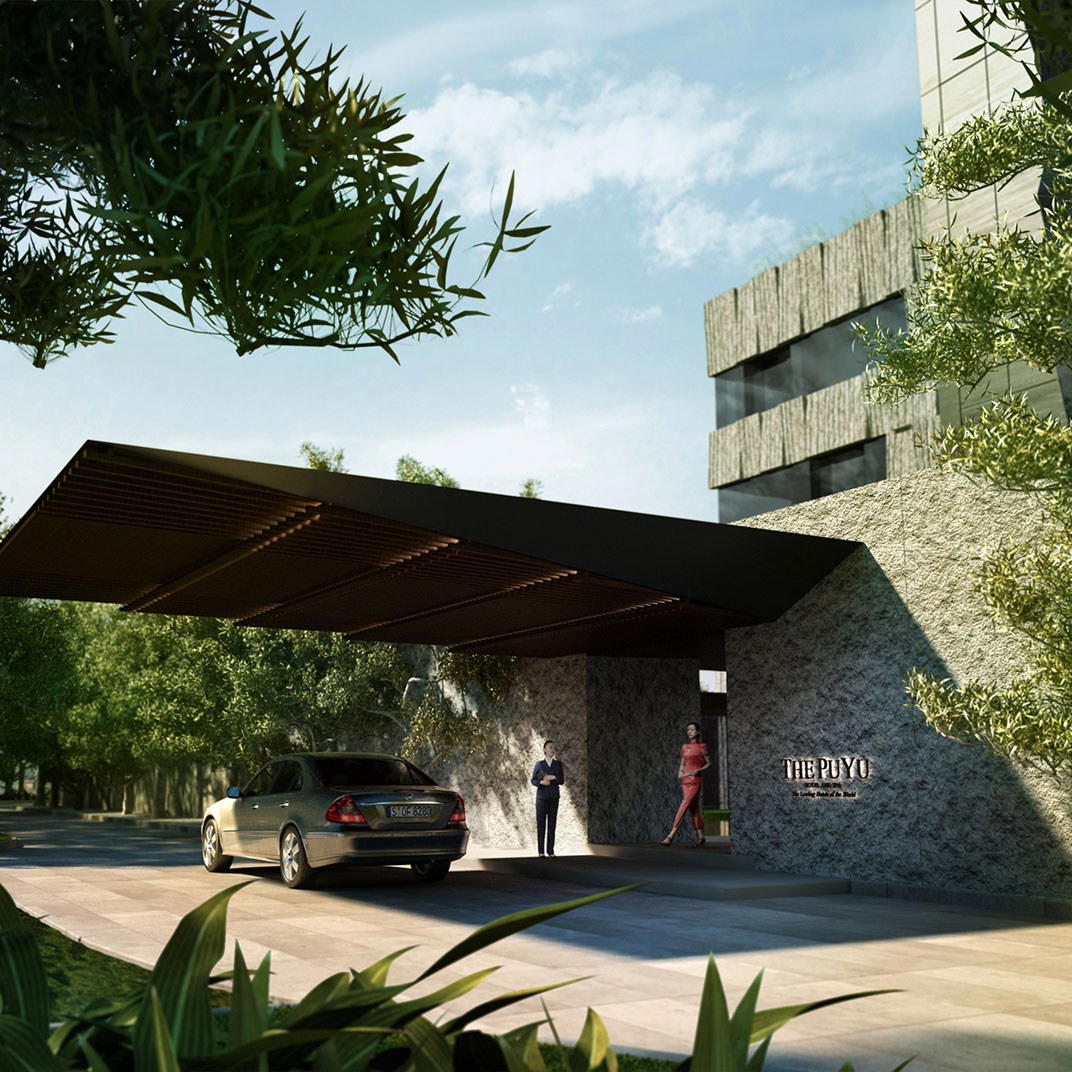
Details
- Elegant
- Sophisticated
- Modern
- Business Dinner
- Special Occasion
- Celebration
- Hotel Restaurant
- Design Destination
- Local Sourcing
- A La Carte
- Allergy Accommodating
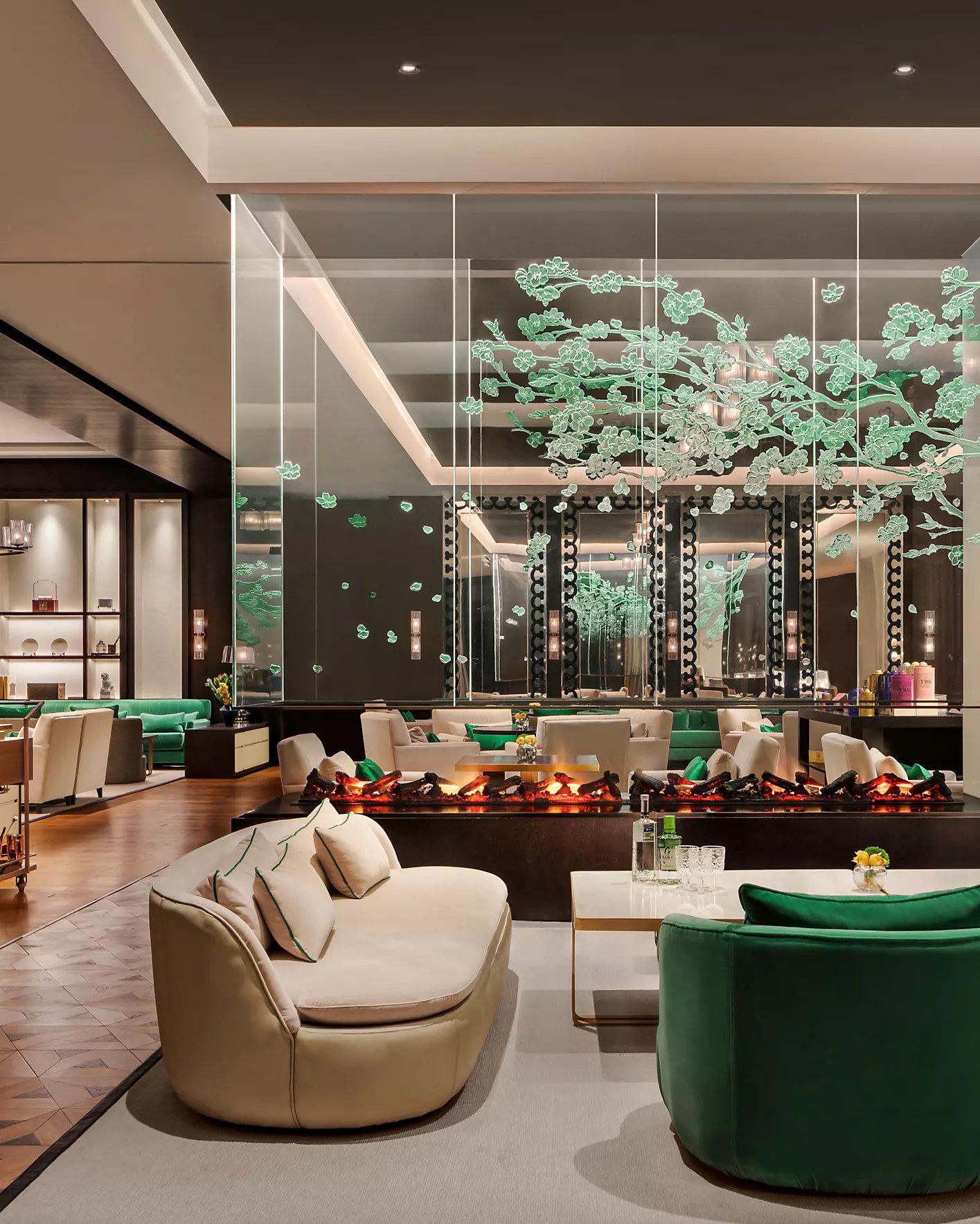
Contemporary luxury setting with cultural elements inspired by the region, including cherry blossom motifs and traditional paper-cut patterns.