Our verdict
Brasserie 46 brings an all-day international format to Wuhan, operating in a city where most serious dining leans hard into regional Chinese tradition. For visitors or locals seeking a familiar Western-inflected rhythm, breakfast through dinner, broader menu range, it occupies a distinct niche in the local dining mix. Check our full guide for context on where it sits against the city's stronger culinary offerings.

Pearl is the En Primeur Club membership app, where members save venues, book tables and use the concierge.
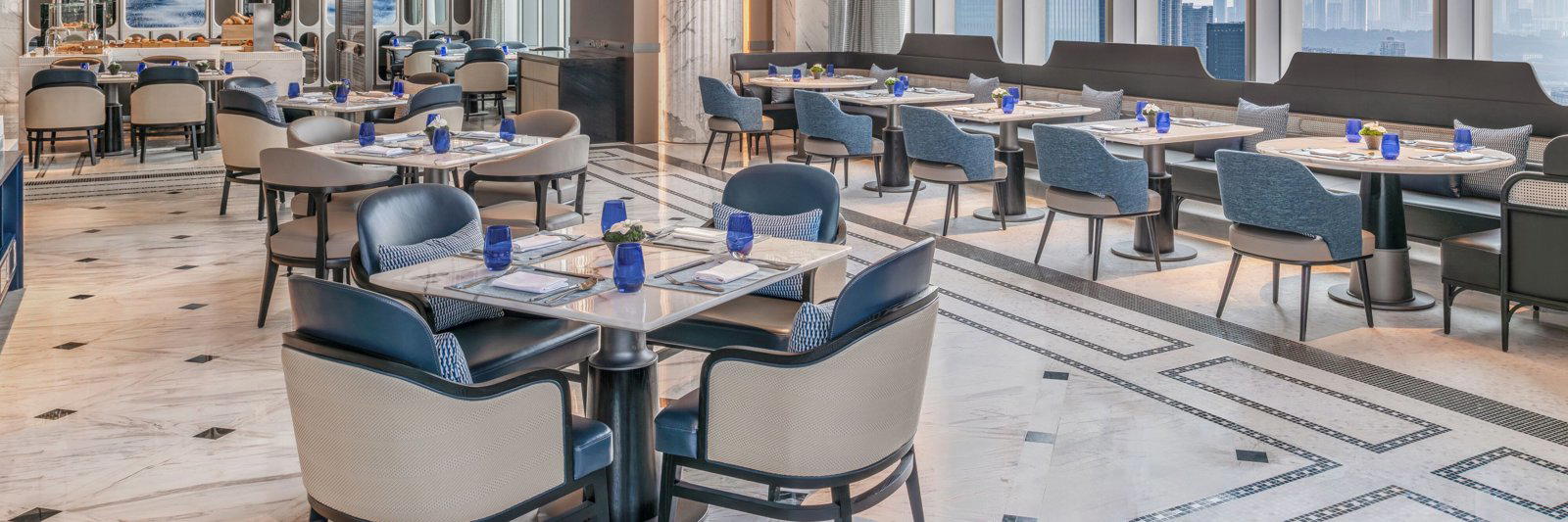
All-Day International in a City Built on Regional Conviction
Wuhan does not make things easy for international formats. The city's dining identity runs deep and specific: hot dry noodles at dawn, braised pork in clay pots by midday, whole freshwater fish from the Yangtze tributaries by evening. The regional conviction here is not nostalgic posturing but a lived daily practice that shapes what a restaurant must offer to hold local attention. Against that backdrop, an all-day international brasserie occupies a structurally different position from its peers, it is not competing with Chu Yao Xuan or Donghu Club on their own terms, but serving a different use case entirely.
Brasserie 46 sits inside that gap. The all-day international format, a category that runs from hotel dining rooms to standalone urban brasseries across China's tier-one and tier-two cities, draws on a sourcing logic that is fundamentally different from single-cuisine specialists. Where a dedicated Cantonese kitchen traces every ingredient back to a regional provenance story, the international brasserie must make decisions across multiple culinary traditions simultaneously: which proteins, from where, and to what standard of traceability. In Chinese cities with serious hospitality infrastructure, that sourcing breadth is often the format's key differentiator.
What the International Brasserie Format Demands
The brasserie category in Chinese cities has matured considerably over the past decade. The early generation of international dining rooms in second-tier cities often leaned on imported convenience: frozen proteins, ambient dairy, pre-processed components. The more credible operations today source selectively and transparently, with domestic Chinese produce increasingly filling roles that once defaulted to import. Yunnan vegetables, Shandong beef, Qinghai lamb, and freshwater fish from central China's lake systems now appear regularly on menus that would have specified European imports a decade ago.
For Wuhan specifically, the logic of domestic sourcing is persuasive. The city sits at the intersection of China's central agricultural belt, with Hubei Province producing significant volumes of lotus root, river fish, duck, and seasonal greens. An internationally framed menu that draws intelligently on that local supply chain can offer a quality of freshness that pure-import models cannot match on cost or logistics. The question for any brasserie operating here is whether the kitchen treats local produce as a cost measure or as a genuine sourcing advantage.
That question applies equally to high-end Chinese concepts across the country. At Fu He Hui in Shanghai, sourcing discipline is a core part of the restaurant's identity. At Xin Rong Ji (Xinyuan South Road) in Beijing, ingredient provenance is stated openly. The leading international brasseries in China are beginning to adopt comparable transparency, not as a marketing gesture but as a practical response to guests who now ask where things come from.
Wuhan's Dining Mix: Where Brasserie 46 Fits
The city's restaurant scene has grown in range and ambition over the past several years. NO.1 RESTAURANT and The Nature Flow represent different angles on contemporary dining, while Xi She works closer to Hubei tradition. Within this mix, an all-day international format like Brasserie 46 addresses a specific need: flexible hours, familiar reference points, a menu range that accommodates different meal occasions without requiring commitment to a set format or a single cuisine.
That flexibility carries real value for business travellers, international visitors, and locals navigating mixed-group dining where preferences diverge. The brasserie format's strength is its accommodation of occasion variety, it can function as a working breakfast, a casual lunch, a post-meeting dinner, or a weekend brunch without requiring menu reinvention for each slot. Few formats achieve that range without losing focus, and the ones that do it well treat the all-day structure as a discipline rather than a default.
Across China, the clearest examples of the international format done with genuine editorial attention sit at the high end: properties like Chef Tam's Seasons in Macau and Imperial Treasure Fine Chinese Cuisine in Guangzhou operate with sourcing programmes and kitchen discipline that set a standard for the region. At the other end of the spectrum, Lazy Bear in San Francisco and Le Bernardin in New York City demonstrate what ingredient-led focus produces in a Western brasserie or contemporary format context. The gap between those benchmarks and a mid-market international dining room in a Chinese inland city is real, and worth holding in mind when setting expectations.
Sourcing as the Differentiating Variable
In cities like Wuhan, where domestic ingredient quality is genuinely high and supply chains into the city are well developed, the sourcing question becomes the clearest indicator of kitchen ambition. Central China's freshwater fish are among the leading in the country; the lotus root from Honghu is considered a benchmark product nationally; seasonal river crabs from Hubei's lake systems have a regional reputation that extends well beyond the province.
An all-day international menu that acknowledges this supply chain rather than defaulting to protein from cold-chain imports is making a considered choice about where its quality comes from. That choice shapes everything from the menu's seasonal responsiveness to the kitchen's relationship with local producers. It also shapes the guest's experience in ways that don't always appear on the menu card but show up in the food, in the freshness of a vegetable preparation, the texture of a fish dish, the provenance of a cut of meat.
For context on how Wuhan's broader dining scene handles ingredient sourcing and regional identity, our full Wuhan restaurants guide maps the city's key venues against their culinary positioning. Comparable explorations of how Chinese cities outside the major centres are building credible dining scenes can be found in our coverage of Ru Yuan in Hangzhou, Dai Yuet Heen in Nanjing, Fleurs Et Festin in Xiamen, Shang Palace in Yangzhou, Wenru No.9 in Fuzhou, and Xin Rong Ji in Chengdu.
Planning Your Visit
Brasserie 46 operates as an all-day international dining room in Wuhan. The all-day format generally means opening from breakfast through to late evening, making it one of the more accessible options for visitors whose schedules don't align with the fixed service windows common at Chinese dinner-focused restaurants. Specific hours, pricing, and booking availability are best confirmed directly with the venue or through current listings, as these details can shift with season and occupancy. Given Wuhan's scale as a city and the relatively limited number of international-format restaurants in the central dining mix, walk-in availability at peak meal periods is not guaranteed, particularly on weekends.
Frequently asked questions
Would Brasserie 46 be comfortable with kids?
All-day international dining rooms in Chinese cities tend to accommodate family groups more readily than specialist local restaurants, given their broader menus and extended service windows. Wuhan is a city of over eleven million, and commercial dining venues in that scale of urban environment generally maintain the infrastructure for mixed-group dining.
What is the atmosphere like at Brasserie 46?
The all-day international brasserie format runs at a lower formality register than Wuhan's dedicated regional dining rooms, where mealtimes tend to follow tighter cultural scripts. Expect a pace calibrated to multiple meal occasions rather than a single ceremonial sitting.
Is Brasserie 46 a good option for visitors who want a break from Wuhan's regional cuisine?
Wuhan's dining identity is deeply anchored in specific regional traditions, hot dry noodles, braised preparations, intensely local flavour profiles, and an all-day international format like Brasserie 46 serves a distinct function in that context. For visitors spending several days in the city, having an international dining room available provides menu range that Wuhan's specialist Chinese restaurants are not designed to offer. The cuisine type on record is confirmed as all-day international, making it a practical counterpoint to the city's dominant regional scene.
What do people recommend at Brasserie 46?
No chef, signature dishes, or award recognition are on public record for Brasserie 46, which makes dish-specific recommendations impossible to verify responsibly. The all-day international format typically spans breakfast through to evening service, covering enough ground that regulars tend to return for consistent mid-range execution rather than a single marquee item. Consulting current guest reviews closer to your visit will give you the most accurate read on what is performing well.
Do I need a reservation for Brasserie 46?
In Wuhan, a city of more than eleven million people with concentrated dining activity around commercial and hotel corridors, mid-range international venues can fill quickly during peak lunch and dinner windows. No specific booking policy is confirmed for Brasserie 46, but in a city of this density, contacting the venue in advance before weekend or evening visits is a straightforward precaution. The all-day format does generally mean more flexibility across off-peak hours.
Comparable Spots, Quickly
| Venue | Cuisine | Price | Awards |
|---|---|---|---|
| Brasserie 46This venue (the venue you are viewing) | International Brasserie | Not listed | Not listed |
| Donghu Club | Refined Regional Chinese | Not listed | Black Pearl 1 Diamond |
| NO.1 RESTAURANT | Modern Hubei Fine Dining | $100–150 | Black Pearl 1 Diamond |
| The Nature Flow | Seasonal Contemporary Chinese | Not listed | Black Pearl 1 Diamond |
| Xi She | Modern Chinese Fine Dining | Not listed | Black Pearl 1 Diamond |
| Yuge Restaurant | Not listed | Not listed | Black Pearl 1 Diamond |
Continue exploring
More in Wuhan
Restaurants in Wuhan
All restaurants in Wuhan →
Bars in Wuhan
All bars in Wuhan →
Hotels in Wuhan
All hotels in Wuhan →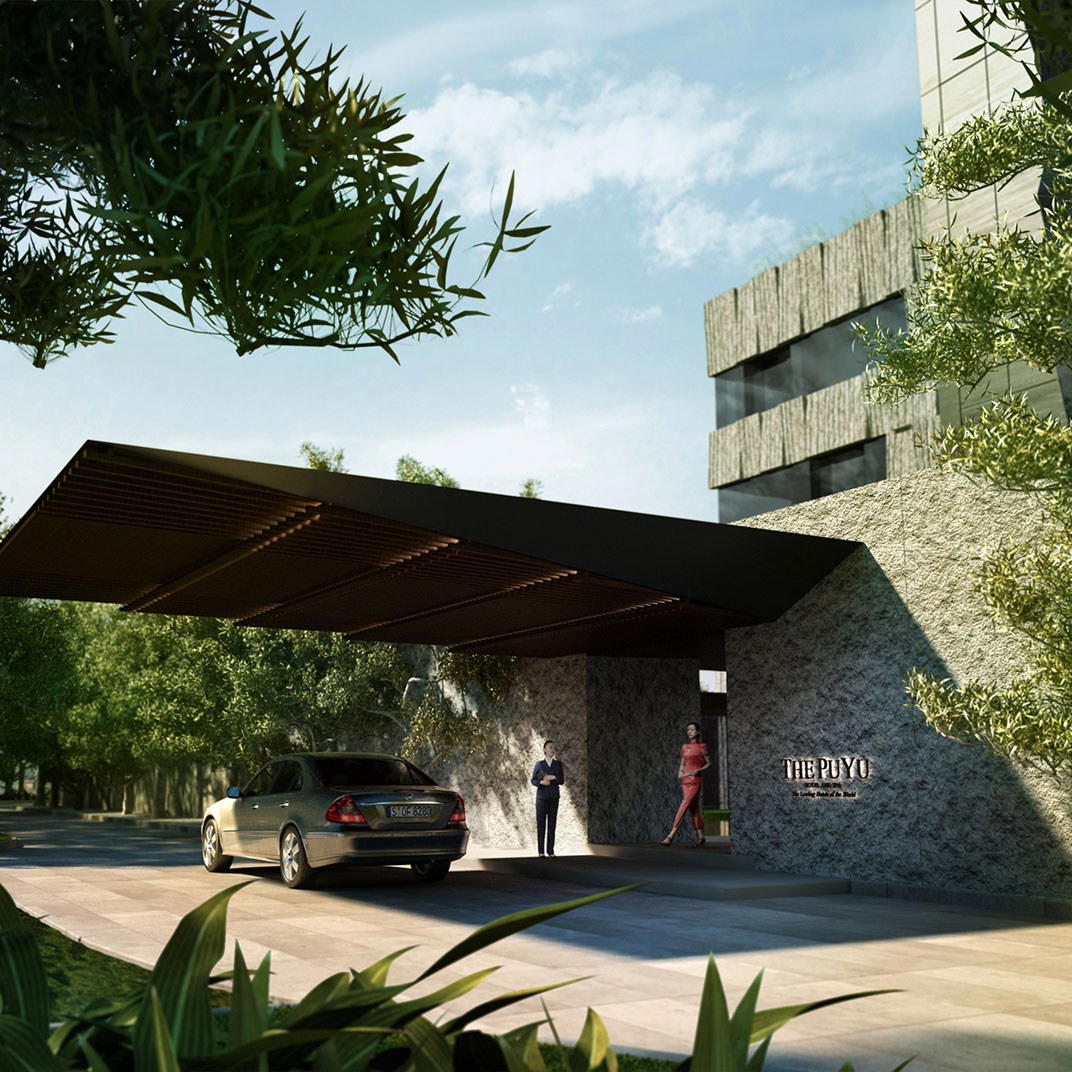
Details
- Elegant
- Sophisticated
- Business Dinner
- Hotel Restaurant
- Panoramic View
- Skyline
- A La Carte
Polished atmosphere overlooking the lively skyline with lavish international breakfast and seasonal specialties.