Chimarron Churrascaria
Our verdict
Chimarron Churrascaria occupies a prominent address on Avenida Barão do Rio Branco in the Manoel Honório district of Juiz de Fora, placing it within the city's established dining corridor. The format belongs to the Brazilian churrascaria tradition, where fire, salt, and technique converge in a communal setting. For visitors building a table in Minas Gerais, this is a reference point in the city's meat-focused dining scene.

Pearl is the En Primeur Club membership app, where members save venues, book tables and use the concierge.
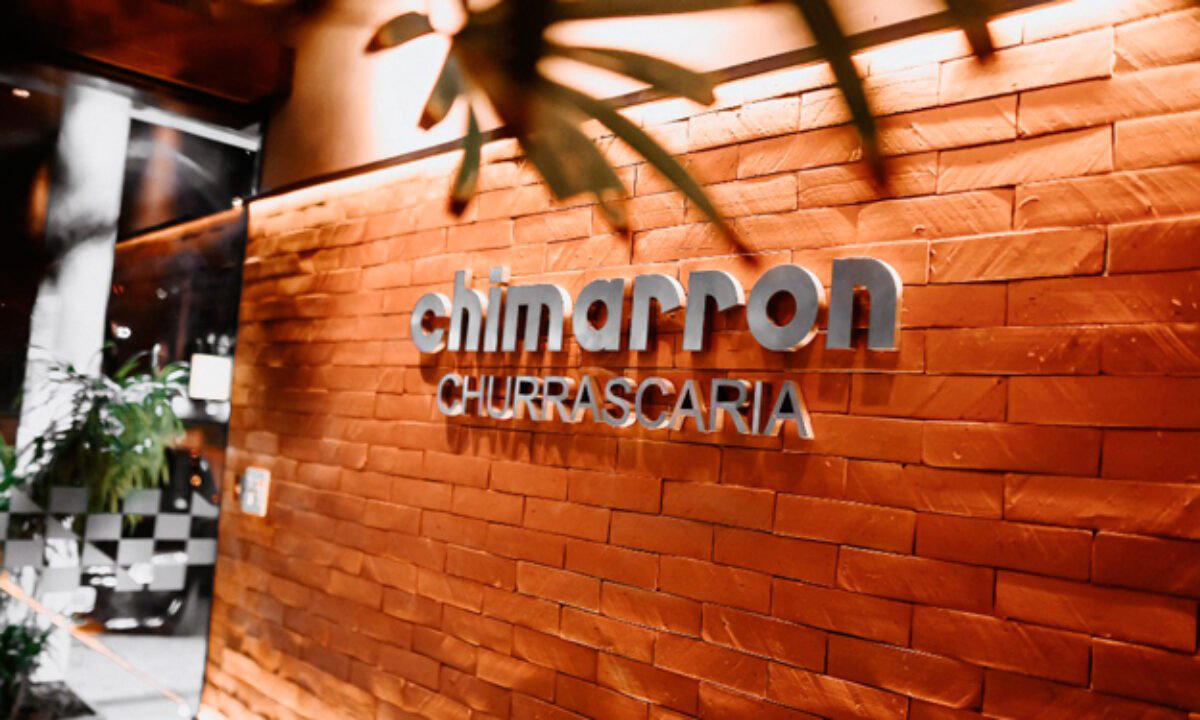
Fire and Salt: The Churrascaria Tradition in Minas Gerais
The Brazilian churrascaria is one of the country's most deeply encoded dining formats. Long before tasting menus and fermentation programs became the reference points for serious Brazilian cooking, as seen at places like Oteque in Rio de Janeiro or D.O.M. in São Paulo, the churrascaria was where Brazilians went to eat well and eat communally. The format originates in the gaucho cattle culture of Rio Grande do Sul, where herders cooked large cuts over open fire with nothing but coarse salt. That austerity is not poverty of technique; it is a philosophy that insists the animal, properly raised and properly rested, needs very little intervention. That philosophy still governs the format today, and it is the lens through which any serious churrascaria in Brazil should be read.
Chimarron Churrascaria operates on Avenida Barão do Rio Branco in the Manoel Honório district of Juiz de Fora, a mid-sized city in the state of Minas Gerais that has its own deeply rooted food culture. Minas is not known for churrasco the way the southern states are, it is better known for queijo minas, feijão tropeiro, tutu de feijão, and the kind of slow, pork-heavy cooking that defines mineiro identity. That tension between a nationally embedded format and a strongly regional food culture makes the churrascaria's position in Juiz de Fora worth understanding on its own terms.
Where Juiz de Fora Sits in Brazil's Dining Geography
Juiz de Fora occupies a particular position in the Brazilian food conversation. It is large enough, over 500,000 residents, to support a layered restaurant scene, but it sits outside the axis of critical attention that concentrates on Rio, São Paulo, and increasingly Belo Horizonte. That creates a dining environment where local reputation carries more weight than national press. Places earn their standing through repeat business and word-of-mouth rather than through award cycles or editorial coverage from the major food publications.
This is a different competitive dynamic than what operates at, say, Birosca S2 in Belo Horizonte or Manu in Curitiba, both of which exist within cities that attract national critical scrutiny. In Juiz de Fora, the churrascaria format competes primarily within the city's own hierarchy of occasion dining: it is where families mark celebrations, where business lunches extend into the afternoon, and where the Saturday midday meal becomes an event in itself. Avenida Barão do Rio Branco, as one of the city's principal commercial arteries, is a logical address for a restaurant positioning itself within that occasion tier.
Visitors planning a broader sweep of the region's dining can use our full Juiz de Fora restaurants guide to map options across categories. For a contrasting format within the city, Italian-influenced, lighter in weight, Casa Capri Tratoria represents the other end of the local spectrum. Mr. Tugas Aeroporto serves a more casual, transit-adjacent function in the city.
Reading the Churrasco Format
The rodízio model, where servers circulate continuously with skewers of meat, slicing directly at the table, is the dominant service format in Brazilian churrascarias and the one most visitors encounter first. It prioritises abundance and variety over precision sequencing, which places it in a different register than the controlled-progression tasting menus that define the upper tier of contemporary Brazilian dining, as practiced at places like Orixás in Itacaré or Mina in Campos do Jordão.
Within the churrascaria format itself, the distinctions that matter are cut selection, fire management, and the quality of the accompaniments. A well-run churrascaria cycles through picanha, the cap of rump that is the prestige cut in Brazilian grilling, alongside costela (ribs cooked low and slow), fraldinha (flank), and a range of offal and sausages that separate the format from its international imitations. Side tables typically carry feijoada components, farofa, vinagrete, and rice, with the balance between those elements and the meat service defining the overall weight and pace of the meal. This is where regional character enters: a churrascaria operating in Minas Gerais is more likely to lean into bean-based accompaniments and pork derivatives than one operating in Porto Alegre, where the meat itself is the unambiguous center of gravity.
Brazil's broader dining evolution has not bypassed the churrascaria format entirely. Contemporary operators have begun applying sourcing discipline, specifying breed, feed, and aging protocols, to a format that traditionally prized volume over provenance. That shift is visible at premium urban operators in São Paulo and Rio, and it is gradually influencing expectations at regional level as well. Whether a given churrascaria in a city like Juiz de Fora has tracked that shift is the question worth asking before you arrive.
Planning Your Visit
Avenida Barão do Rio Branco in the Manoel Honório district is accessible by most transit options within Juiz de Fora, and the address at number 700 places the restaurant within a section of the avenue that sees consistent commercial activity. For visitors arriving from outside the city, Juiz de Fora is approximately two hours by road from both Rio de Janeiro and Belo Horizonte, making it a realistic stop on a Minas Gerais or São Paulo state itinerary rather than a standalone destination for most international travellers.
The churrascaria format is well suited to the midday meal in Brazilian dining culture. Saturday lunch at a well-regarded churrascaria tends to be the highest-demand service of the week, and arrival without a reservation during that window carries meaningful risk in any city of Juiz de Fora's size. Weekday lunch tends to be less pressured, with a more business-table composition. Evening service, where offered, runs later than northern European or North American expectations would suggest, kitchens in this format are generally at full pace from 8pm onward.
For readers building a broader Brazilian itinerary that connects Minas Gerais to the wider dining map, the contrast between a regional churrascaria and the more internationally recognized formats at Manga in Salvador, Lobby Café in Belem, or Primrose in Gramado is instructive. Brazil's food geography is less unified than its national format exports suggest, and understanding where the churrascaria sits within that geography, as a southern tradition that has been adopted and adapted across radically different regional contexts, is part of what makes the format worth taking seriously. Further afield, Castelo Saint Andrews in Gramado, Olivetto in Campinas, and Açaí Cuiabano in Cuiabá each illustrate how different Brazil's regional dining registers can be, from the Germanic-influenced south to the Amazon basin. For international reference points on fire-driven cooking traditions, Le Bernardin in New York City and Lazy Bear in San Francisco offer comparative context on how fire and technique intersect at the high end of different national traditions. State of Espírito Santo in Rio Bananal rounds out a picture of how the Brazilian interior approaches its own food identity outside the major urban centres.
Frequently asked questions
What's Chimarron Churrascaria's location?
Chimarron Churrascaria is located at Av. Barão do Rio Branco, 700 - Manoel Honório, Juiz de Fora - MG, 36045-000, Brazil, Juiz De Fora.
Is Chimarron Churrascaria a good option for groups visiting Juiz de Fora?
The rodízio format at churrascarias like Chimarron is structured precisely for group dining: continuous meat service means no fixed ordering per person, and tables are typically configured to accommodate larger parties. Chimarron's address at Av. Barão do Rio Branco, 700 in Manoel Honório places it on a well-connected corridor within Juiz de Fora. Contacting the venue ahead of time for group reservations is the practical approach.
What's the signature dish at Chimarron Churrascaria?
Chimarron operates within the churrascaria rodízio format, where the defining experience is the continuous tableside service of fire-roasted meats carved directly from the skewer. In Minas Gerais, cuts like picanha and fraldinha typically anchor the rotation. The format itself is the signature, rather than any single plated dish.
How far ahead should I plan for Chimarron Churrascaria?
Chimarron is located at Av. Barão do Rio Branco, 700 in the Manoel Honório district of Juiz de Fora, a city of over 500,000 residents with an active local dining culture. Weekend sittings at established churrascarias in cities of this size tend to fill quickly, so contacting the venue directly before arriving is advisable, particularly for larger groups.
What's the standout thing about Chimarron Churrascaria?
Chimarron sits on one of Juiz de Fora's main avenues, positioning it as a reference point for the rodízio format in a city that sits between the dining density of São Paulo and the regional food identity of interior Minas Gerais. The churrascaria format it operates within is one of Brazil's most consistent dining traditions, built around fire, salt, and continuous tableside service rather than a fixed tasting structure.
Cost and Credentials
Comparable venues nearby, for context on price, style, and recognition.
| Venue | Cuisine | Price | Notes |
|---|---|---|---|
| Chimarron ChurrascariaThis venue (the venue you are viewing) | Brazilian Churrascaria with Japanese and Sushi | $20–30 | Not listed |
| Mr. Tugas Aeroporto | Gourmet Italian Pizza with Artisanal Beers | $20–30 | Nova Califórnia, Gourmet Italian Pizza with Artisanal Beers |
| Casa Capri Tratoria | Italian Trattoria | $20–30 | Centro, Italian Trattoria |
| Charco | Modern Brazilian with South American and Asian influences | $30–50 | Jardim Paulista, Modern Brazilian with South American and Asian influences |
| Julieta | Modern Brazilian | Not listed | Flamengo, Modern Brazilian |
| Celeiro | Organic Brazilian Buffet | $20–30 | Leblon, Organic Brazilian Buffet |
Continue exploring
More in Juiz De Fora
Restaurants in Juiz De Fora
All restaurants in Juiz De Fora →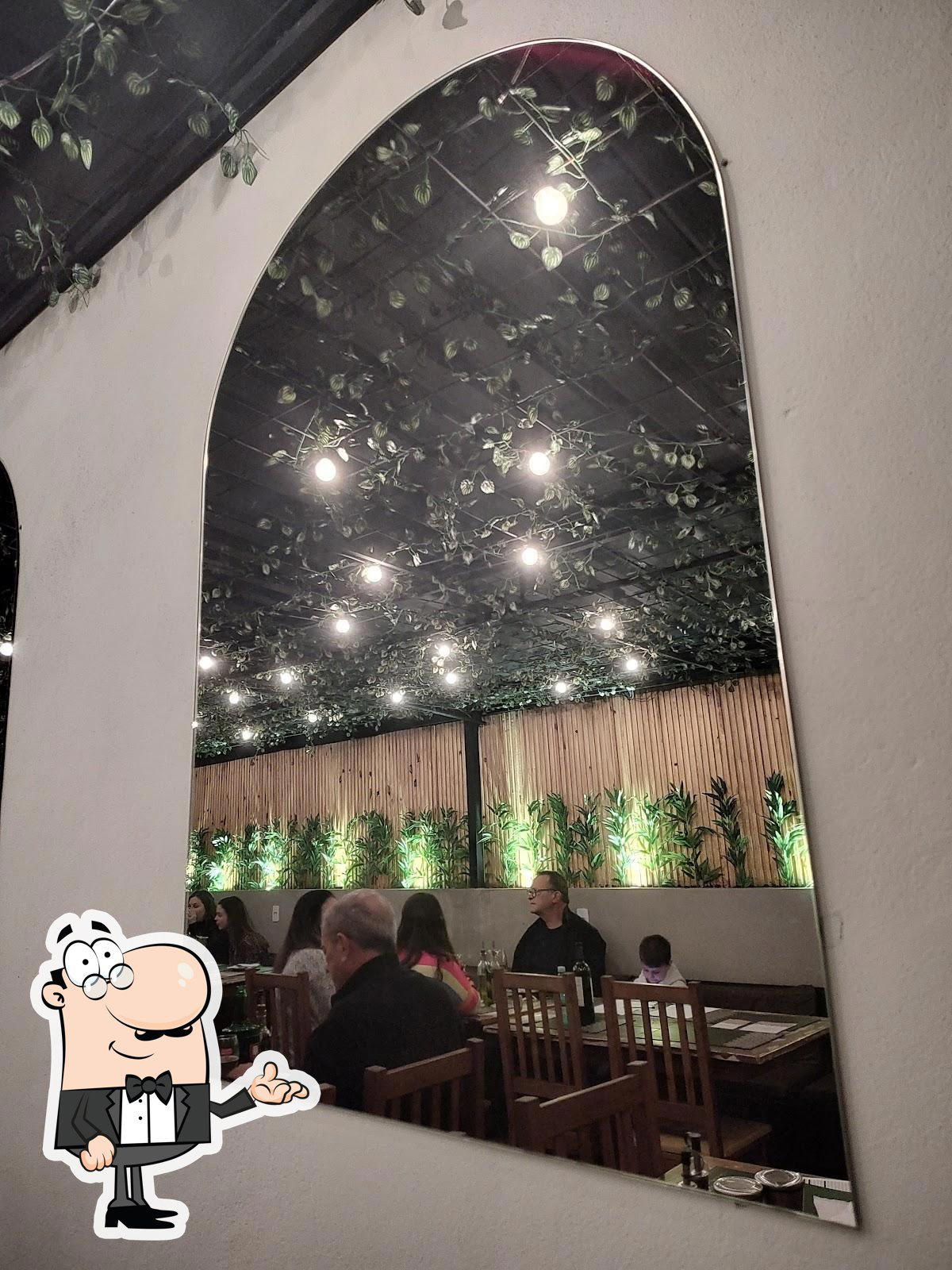
Details
- Lively
- Family
- Group Dining
- Celebration
- Open Kitchen
- Buffet
- Vegetarian Friendly
Current opening hours
- Monday
- 11:30 AM–11 PM
- Tuesday
- 11:30 AM–11 PM
- Wednesday
- 11:30 AM–11 PM
- Thursday
- 11:30 AM–11 PM
- Friday
- 11:30 AM–12 AM
- Saturday
- 11:30 AM–12 AM
- Sunday
- 11:30 AM–5 PM
Hours can change for holidays and private events. Hours as of .
Spacious and welcoming with a lively, friendly atmosphere suitable for families and groups.