Chilli Peppers Coastal Grill
Our verdict
On the Outer Banks of North Carolina, Chilli Peppers Coastal Grill has built its reputation on seafood pulled from the waters that flank Kill Devil Hills on both sides. The restaurant sits on the main Croatan Highway corridor that connects the barrier island towns, making it a consistent stop for visitors and a reliable fixture for year-round locals. The cooking leans into coastal sourcing rather than culinary theatrics.

Pearl is the En Primeur Club membership app — saves, bookings, and concierge access live there. Same editors, same standards.
The menu
What to order
- Coconut Shrimp
- Taco Salad
- Chimichurri Oysters
- Stuffed Jalapeños
- She Crab Soup
- Fish Tacos
- Chicken Fajitas
Where the Atlantic Sets the Menu
The Outer Banks operates on a different culinary logic than most of the American coast. The barrier islands that stretch from Corolla to Ocracoke sit between the Atlantic Ocean and the Pamlico and Albemarle sounds, which means the seafood supply runs in two directions at once. Ocean-side, boats bring in pelagic fish and shellfish from the Gulf Stream waters, which run unusually close to shore along North Carolina's coast. Sound-side, the shallow estuaries produce some of the Eastern Seaboard's most productive crab, clam, and soft-shell seasons. A restaurant positioned well in Kill Devil Hills can draw from both systems, and that geographic reality shapes what arrives on the plate more than any single kitchen decision.
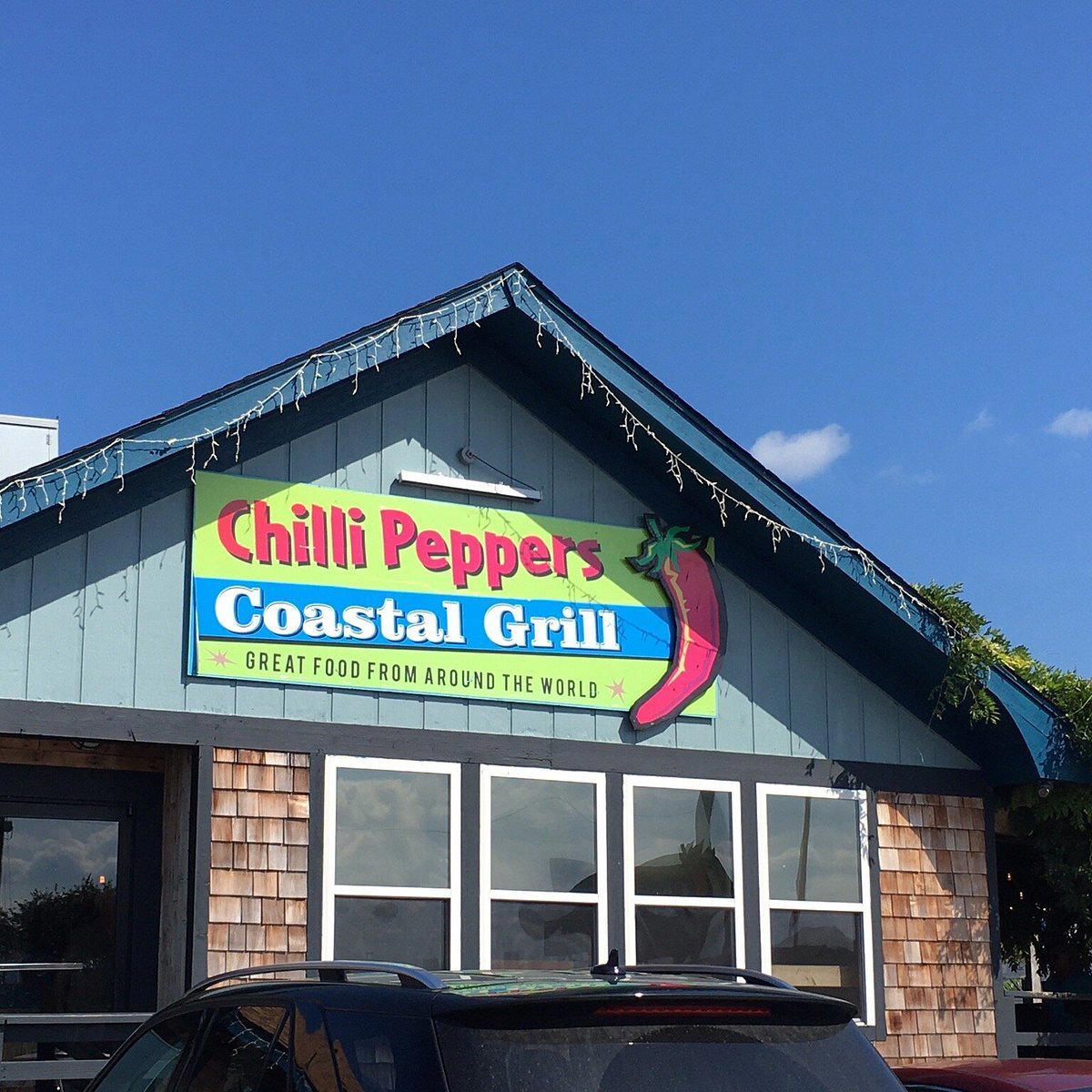
Chilli Peppers Coastal Grill sits at 3001 N Croatan Highway, the main spine connecting the Outer Banks towns, which places it in the center of Kill Devil Hills' commercial strip rather than in a tucked-away location. On the Outer Banks, that positioning matters: the island is one road wide, and the Croatan Highway is how the local dining economy moves. The building reads clearly from the road, and the informal, sun-bleached character of the exterior fits the general register of OBX dining, where the dress code is determined by whether you came from the beach or the sound.
Coastal Sourcing as Kitchen Philosophy
Across the American seafood restaurant spectrum, sourcing claims range from vague to verifiable. At the upper end of the market, restaurants like Le Bernardin in New York City or Providence in Los Angeles have built their reputations partly on documented supplier relationships and species-specific transparency. Further along the spectrum, farm-to-table programs at places like Blue Hill at Stone Barns in Tarrytown or Single Thread Farm in Healdsburg make sourcing the central editorial argument of the dining experience. Coastal grill formats at the regional level operate differently: the sourcing argument is geographic rather than supplier-named, and the proposition is proximity rather than provenance documentation.
On the Outer Banks, that proximity argument has real weight. The waters off Cape Hatteras and the sounds behind the barrier islands support commercial fishing operations that have run continuously for generations. North Carolina's commercial catch includes flounder, red drum, blue crab, clams, and oysters from the sounds, alongside tuna, mahi-mahi, and wahoo from offshore. A grill operating on the island in season has access to fish landed the same day, a logistical advantage that restaurants in inland cities cannot replicate regardless of their sourcing budgets. The cooking format at a coastal grill is built to express that freshness directly, through simple preparations that let the quality of the catch carry the plate rather than layering it with technique.
For visitors arriving from cities where seafood carries the premium pricing and presentation of ITAMAE in Miami or Atomix in New York City, the Outer Banks coastal grill format can feel like a recalibration. The emphasis shifts from chef-driven narrative to ingredient-driven directness, and the value equation changes accordingly.
Kill Devil Hills in the OBX Dining Picture
Kill Devil Hills sits in the middle of the Outer Banks development corridor, between the more commercial Nags Head to the south and the quieter residential character of Kitty Hawk to the north. Dining in the town runs from fast-casual fish shacks to sit-down grill formats, with a small number of options that lean toward the regional dinner-house model. The town doesn't carry the concentrated fine-dining density of a resort market like Healdsburg or the kind of chef-destination status that draws travelers to places anchored by restaurants like The Inn at Little Washington in Washington or Addison in San Diego. What it has instead is a functioning local seafood economy, a seasonal visitor population that peaks hard in summer, and a year-round resident base that sustains a handful of reliable operators through the off-season.
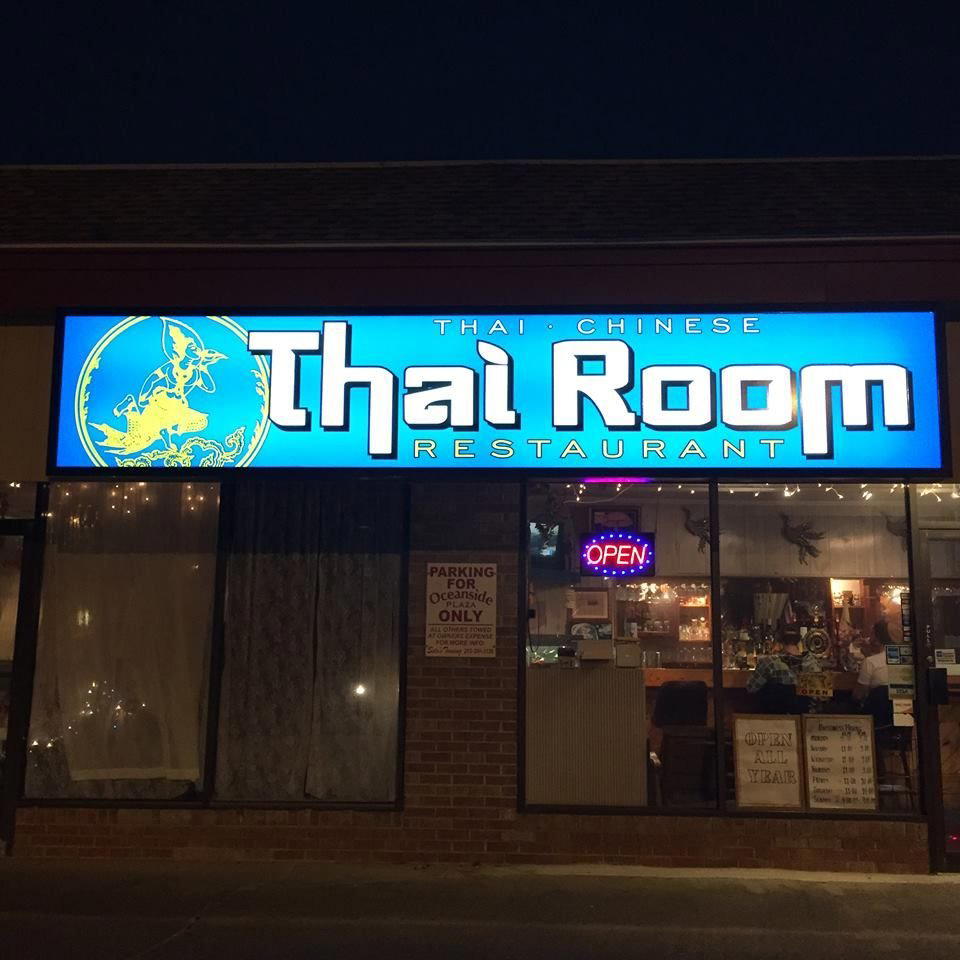
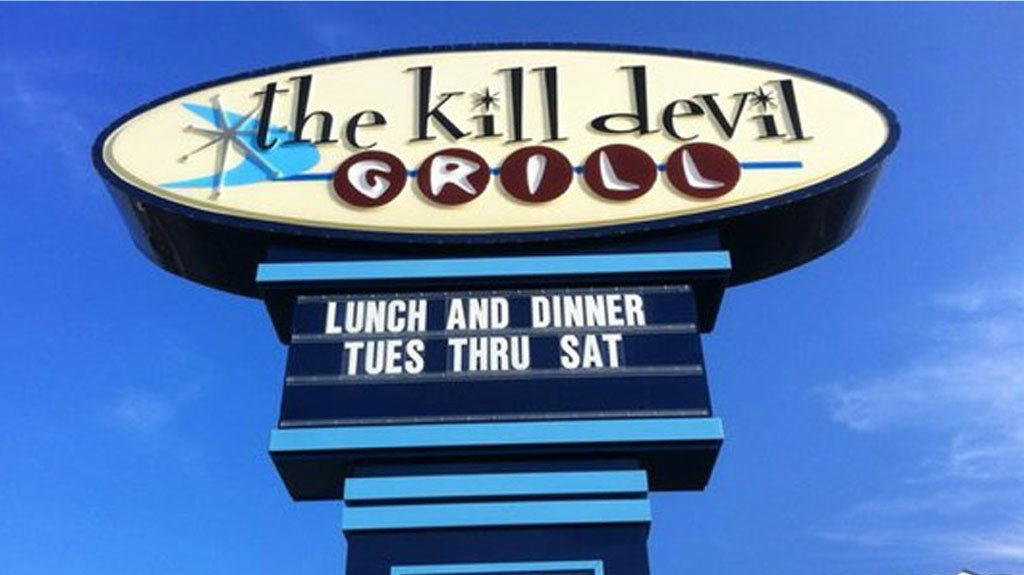
In that context, Chilli Peppers Coastal Grill occupies the middle-market grill tier that does much of the practical dining work on the island. Comparable options in the immediate area include The Kill Devil Grill and Thai Room, which together with Chilli Peppers represent the range of sit-down options available to visitors who want something beyond fast food but aren't searching for tasting-menu ambition. Our full Kill Devil Hills restaurants guide maps the broader options across the town.
Planning Your Visit
The Outer Banks runs on a sharp seasonal rhythm. Summer months, from late June through August, bring the highest visitor volumes, and the main highway corridor sees significant traffic. Any sit-down restaurant on Croatan Highway in peak season operates under genuine pressure, and arriving without a plan during a Saturday dinner service in July is a reasonable way to wait. The shoulder seasons, April through May and September into October, offer more availability and often better conditions for the kind of local seafood the region produces: the crabbing season runs long into autumn, and the sound-side oyster harvest follows later in the year. If the goal is both access and ingredient quality, the shoulder windows tend to deliver more of both than the mid-summer peak.
The address at 3001 N Croatan Highway is direct to reach by car, which is effectively the only mode of transport that functions on the Outer Banks. Visitors staying in rental properties anywhere between Kitty Hawk and Nags Head are within a short drive. The coastal grill format at this tier of the market is typically family-oriented in its physical setup and pricing, making it accessible for groups that include children without the formality considerations that apply to reservation-only tasting formats like Smyth in Chicago or Lazy Bear in San Francisco.
Frequently asked questions
Is Chilli Peppers Coastal Grill okay with children?
The coastal grill format at 3001 N Croatan Hwy in Kill Devil Hills is typical of Outer Banks restaurants that serve families arriving off the barrier island highway. Nothing in the venue's public profile indicates an adults-only policy. The Outer Banks dining corridor broadly skews family-friendly during peak summer season, and a grill concept in this location falls in line with that pattern.
How would you describe the vibe at Chilli Peppers Coastal Grill?
Kill Devil Hills sits between the busier commercial strip of Nags Head and the quieter residential stretch toward Kitty Hawk, which shapes the tone of restaurants along N Croatan Hwy. A coastal grill in this position tends toward relaxed rather than formal — the kind of place where you come off the beach or off the sound. Expect a setting oriented around the catch rather than the occasion.
What makes Chilli Peppers Coastal Grill a good option for Outer Banks visitors staying in Kill Devil Hills?
The address at 3001 N Croatan Hwy puts Chilli Peppers Coastal Grill directly on the main artery running through Kill Devil Hills, making it accessible without a long drive up or down the island. For visitors staying in the Kill Devil Hills zone rather than the more concentrated dining pockets of Duck or Manteo, a grill of this type fills a practical gap in the local dining picture. The Outer Banks as a region leans heavily on seafood-forward kitchens, and a coastal grill format aligns with what the area's sourcing infrastructure does well.
What's the signature dish at Chilli Peppers Coastal Grill?
What is clear from the name and Kill Devil Hills location is a grill-focused approach on the Outer Banks, a stretch of North Carolina coast where fresh local seafood — particularly flounder, mahi, and blue crab — drives most coastal kitchen menus. Check directly with the restaurant for current featured preparations.
Where exactly is Chilli Peppers Coastal Grill?
Chilli Peppers Coastal Grill is located at î3001 N Croatan Hwy, Kill Devil Hills, NC 27948, Kill Devil Hills.
Can I walk in to Chilli Peppers Coastal Grill?
During Outer Banks peak season — late June through August — demand along the Kill Devil Hills dining corridor rises sharply with visitor volume. Arriving outside the dinner rush or earlier in the season generally improves your odds at grill-style venues on this stretch of NC 12.
What is Chilli Peppers Coastal Grill known for?
Chilli Peppers Coastal Grill holds a position on N Croatan Hwy in Kill Devil Hills, the geographic center of the Outer Banks development corridor. The coastal grill identity places it within the seafood-forward dining tradition the barrier islands are known for, where proximity to Atlantic waters and the Pamlico Sound shapes what kitchens put on the plate.
Side-by-Side Snapshot
| Venue | Cuisine | Price | Awards | Notes |
|---|---|---|---|---|
| Chilli Peppers Coastal GrillThis venue (the venue you are viewing) | Global Coastal Grill with Southwestern & Seafood | $30–50 | Not listed | Not listed |
| Le Bernardin | French Seafood Fine Dining | $300–500 | 3 Michelin Stars · World's 50 Best #13 | French, Seafood |
| Lazy Bear | Modern American Tasting Menu | Not listed | 2 Michelin Stars · World's 50 Best #25 | Progressive American, Contemporary |
| Atomix | Modern Korean Tasting Menu | $300–500 | 2 Michelin Stars · World's 50 Best #7 | Modern Korean, Korean |
| Per Se | French Fine Dining Tasting Menu | $300–500 | 3 Michelin Stars · World's 50 Best #40 | French, Contemporary |
| Masa | Traditional Japanese Omakase | $500+ | 2 Michelin Stars · World's 50 Best #27 | Sushi, Japanese |
Continue exploring
More in Kill Devil Hills
Restaurants in Kill Devil Hills
All restaurants in Kill Devil Hills →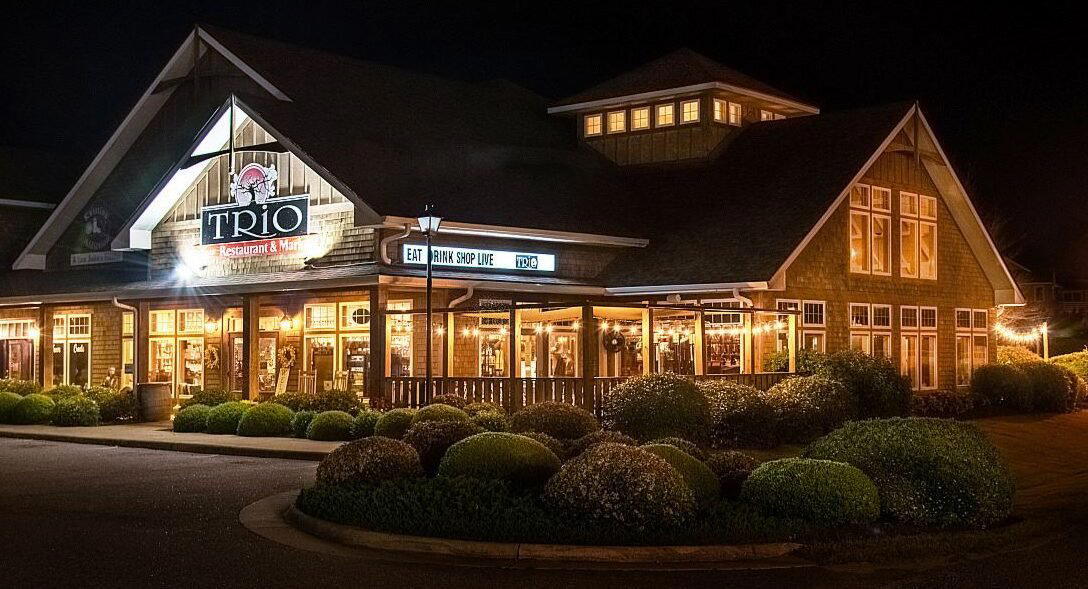

Hotels in Kill Devil Hills
Browse all →
Details
- Lively
- Casual
- Cozy
- Brunch
- Casual Hangout
- Group Dining
- Family
- Late Night
- Courtyard
- Live Music
- Craft Cocktails
- Beer Program
- Local Sourcing
- A La Carte
- Small Plates
- Margaritas
- Craft Cocktails
- Beer
- Vegetarian Friendly
- Vegan Options
- Gluten Free Options
Current opening hours
- Monday
- 11 AM–8 PM
- Tuesday
- 11 AM–8 PM
- Wednesday
- 11 AM–8 PM
- Thursday
- 11 AM–8 PM
- Friday
- 11 AM–1 AM
- Saturday
- 11 AM–1 AM
- Sunday
- 9 AM–3 AM
Hours can change for holidays and private events. Last verified .
Warm and casual dining room with a lively bar area; outdoor courtyard seating available; family-friendly atmosphere with energetic vibe.