Chick & Pig
Chick & Pig belongs to Portland’s casual dining conversation, where provenance matters as much as format. With no public awards, chef, price, or booking details attached, the useful read is contextual: judge it through the city’s ingredient-first habits, seasonal expectations, and the practical fit for a low-ceremony meal rather than a trophy-table evening.
Pearl is the En Primeur Club membership app — saves, bookings, and concierge access live there. Same editors, same standards.
- Address
- Portland, United States
- Directions
- Get directions
 Saves & bookings on Pearl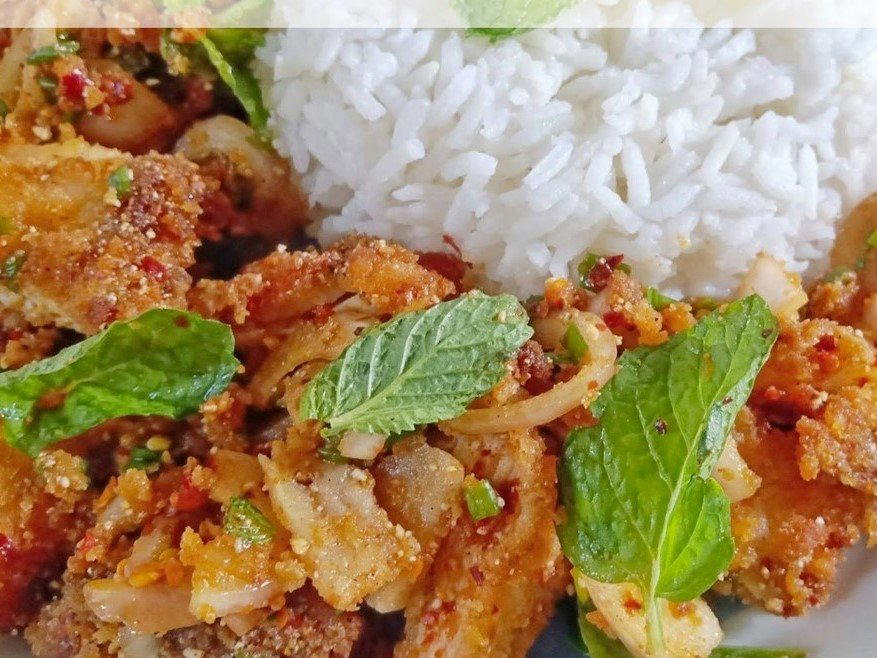
Portland dining often announces itself before a menu arrives: rain-dark pavement, compact storefronts, counter service rhythms, and rooms that treat sourcing as a daily operating choice rather than a luxury signal. Chick & Pig sits inside that city logic. The name points toward comfort and informality, but the sharper question in Portland is not whether a place feels casual. It is whether the kitchen’s choices reflect the region around it, from farms and markets to the Pacific Northwest’s habit of making modest formats carry serious ingredient intent.
That matters because Portland has spent years blurring the old line between destination dining and neighborhood eating. A meal can be low on ceremony and still depend on good product; a small room can be more revealing than a high-gloss dining room if the cooking understands season, texture, and restraint. In that context, Chick & Pig is better read as part of the city’s ingredient-sourcing culture than as a conventional special-occasion address. The available public details do not support claims about awards, chef lineage, tasting-menu structure, or price tier, so the editorial value is in the category: a Portland table where the decision should turn on appetite, sourcing expectations, and the kind of room the evening requires.
Portland's casual rooms are judged by supply lines, not ceremony
The city’s dining identity has long favored kitchens that can work close to growers, butchers, bakers, brewers, and small distributors. That does not mean every casual restaurant is farm-driven in a formal sense. It means Portland diners tend to notice when a plate feels detached from the region. Menus in this market are often assessed by the clarity of their inputs: produce in season, proteins treated plainly enough that quality shows, sauces and sides that support rather than disguise. Chick & Pig enters that expectation set by name and format, where chicken and pork suggest familiar anchors rather than luxury-coded ingredients.
For travelers, that framing is useful. Portland rewards meals that do not over-explain themselves. The city’s stronger casual kitchens tend to be direct: a short menu, clear sourcing cues where available, and cooking that avoids turning comfort food into parody. Chick & Pig should be approached with that lens. Look for whether the kitchen treats its core ingredients with discipline, whether sides and condiments feel integrated rather than decorative, and whether the room is built for repeat local use rather than a single photo-driven stop.
Readers mapping the wider city can use Our full Portland restaurants guide for the broader dining field, while nearby editorial context across the city includes 1021 NE Grand Ave, 3 Doors Down Cafe & Lounge, 3808 N Williams Ave, 82 Acres (Seasonal local), and AC Kitchen. Those links are not a ranked comparison; they help place Chick & Pig within the city’s broader restaurant map.
The useful test is whether comfort food feels local, not generic
Chicken and pork are broad categories, and that breadth is the point. In a less demanding market, they can become default proteins with little sense of place. In Portland, the better version asks more: how the fat is handled, whether acidity is doing real work, whether vegetables are treated as seasonal partners rather than plate-fillers, and whether the kitchen understands that richness needs contrast. Without verified dish details, the right editorial stance is to focus on method and sourcing signals rather than invented signatures.
This is also where Portland’s dining culture differs from cities that separate casual food and serious sourcing. The local audience often accepts counter ordering, spare rooms, and unfussy service if the food is grounded. That gives a place like Chick & Pig a clear lane: succeed on product and execution, not ceremony. It also sets a higher bar than the format might imply. A relaxed setting is not an excuse for anonymous ingredients; in Portland, it can make ingredient choices more visible.
For travelers building a fuller itinerary, dining is only one part of the city’s hospitality pattern. Our full Portland hotels guide, Our full Portland bars guide, Our full Portland wineries guide, and Our full Portland experiences guide frame the rest of the trip: where to sleep, drink, taste, and spend time between meals.
Who should put it on the Portland shortlist
Chick & Pig works well for diners looking for a low-ceremony Portland meal built around familiar proteins rather than a chef-driven tasting format. It is not the address to choose for documented awards prestige, published fine-dining structure, or a known tasting-menu arc. It is the address to consider when the brief is casual food with the potential to reflect the city’s sourcing instincts.
That distinction matters for expectations. Portland is full of meals where the room is modest and the ambition sits in the ingredient chain. A traveler who values polish above all else may prefer a more formal reservation. A diner interested in how the city cooks everyday proteins should pay attention to places in this category. The stronger Portland casual tables do not need spectacle; they need good supply lines, clean execution, and enough restraint to let chicken, pork, grain, greens, smoke, acid, and heat do their work.
For broader West Coast and national context, EP Club’s restaurant coverage ranges from sake-bar formats to island and regional cooking, including Jōdo Saké Bar in Los Angeles, Onigiri Time in Pasadena, 'Ai Love Nalo in Waimanalo Beach, 'āina in San Francisco, 'Ama 'Ama in Kapolei, 'Dashery in Baltimore, -Grilled beef Sukiyaki- KAMAKURA TANUKIAN 鎌倉 たぬき庵 in Kamakura, and ¡Salud! in Los Angeles. The through-line is not sameness; it is how local formats reveal what a city values on the plate.
Comparable venues nearby, for context on price, style, and recognition.
| Venue | Cuisine | Price | Notes |
|---|---|---|---|
| Chick & PigThis venue — the venue you are viewing | Thai Street Food | $ | Not listed |
| Nong's Khao Man Gai | Thai Hainanese Chicken & Rice | $ | Lower Burnside |
| Finger Bang | Dining | $ | Central Eastside Industrial District |
| Blue Star Donuts | Gourmet Donuts & Coffee | $ | Portland |
| Kim Jong Grillin | Korean BBQ with Modern Fusion | $ | Woodstock |
| Mai Thai Portland | Authentic Thai | $$ | Sunnyside |
Continue exploring
More in Portland
Restaurants in Portland
Browse all →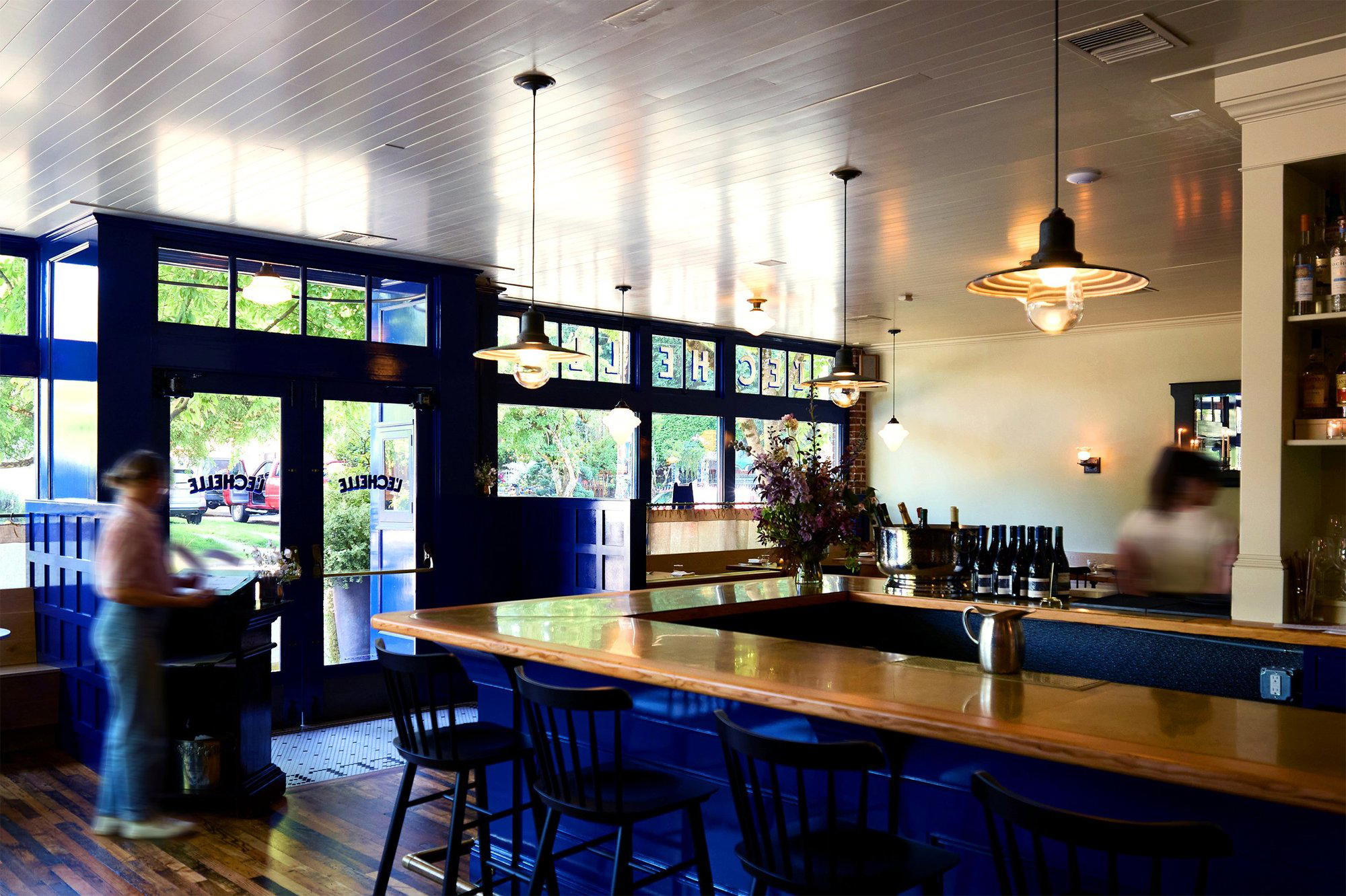
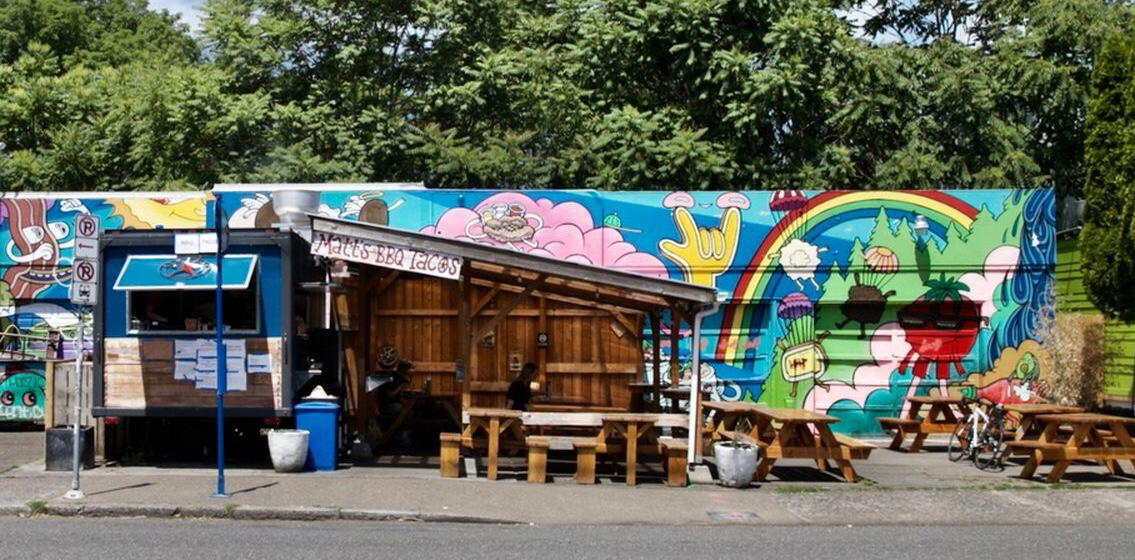
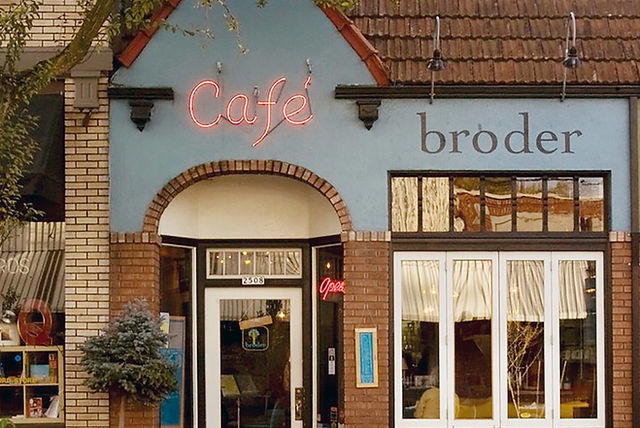
Bars in Portland
Browse all →
Hotels in Portland
Browse all →





At a Glance
- Lively
- Cozy
- Casual
- Casual Hangout
- Family
- Solo
- Group Dining
- After Work
- Open Kitchen
- Standalone
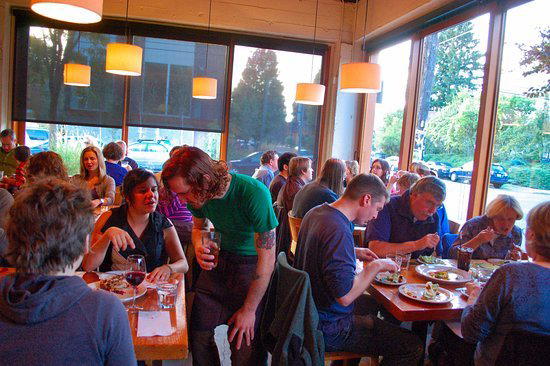
Bright, casual, and bustling, with an exhibition kitchen that adds energy and street-food vibes, fast and friendly service, and a cozy neighborhood feel rather than a formal dining room.