Our verdict
Chez Manon sits in Hoàn Kiếm, where Hanoi’s restaurant culture is shaped as much by nearby markets, herbs, freshwater fish, and French-era dining rooms as by formal cuisine labels. Treat it as a city-centre table to assess through sourcing and neighbourhood context rather than awards rhetoric: the useful question is how the kitchen translates Hanoi’s daily supply into a composed restaurant experience.

Pearl is the En Primeur Club membership app, where members save venues, book tables and use the concierge.
The menu
What to order
- Burratina fresh cheese salad
- Beef Rossini (Australian beef with foie gras, mushroom sauce, mashed potatoes)
- Weekend seafood & meat barbecue buffet
Approaching a restaurant in Hanoi is rarely a neutral act. The sound of scooters, the density of shopfronts, the smell of cooking moving through the street, and the sudden formality of an indoor dining room all sit close together. In Hanoi, that compression matters. Restaurants here do not operate in isolation from the city’s food economy; they sit near everyday routines, local shopping patterns, and the lunch trade that keeps Hanoi honest.
Chez Manon belongs to that Hanoi context rather than to a neatly packaged global category. Without leaning on a narrow mythology to shape the conversation, the more useful reading is practical and editorial: this is a table to judge by sourcing discipline, kitchen restraint, and how clearly the room understands the materials around it. In a city where fresh produce, herbs, noodles, seafood, meat, and layered technique regularly cross paths, that is a demanding brief.
Hanoi dining is built on proximity to ingredients, not just address prestige
Hanoi’s strongest restaurant cooking often begins before the menu is written. The city’s food culture depends on freshness and contrast: bright herbs against warmth, fermented notes against clean starch, seafood or meat against acidity, grilled smoke against pickled vegetables. The premium end of the city’s dining scene increasingly borrows from that grammar even when the format is not strictly local. Ingredient sourcing becomes the test. Imported luxury can impress for a moment; local produce handled with precision says more about whether a kitchen understands Hanoi.
That is why Hanoi remains a useful dining base. The city gives restaurants access to both travellers and older local rhythms, but it also exposes weak concepts quickly. A room can look polished, yet the plate still has to compete with the clarity of a simple bowl nearby.
The comparison set in Hanoi is broad. Luk Lak, El Gaucho (Hoan Kiem), Club Opera Novel, Satine, and Café Lautrec all sit in the same city conversation but signal different expectations around room, format, and occasion. Chez Manon is better read against that spread than through a single cuisine label. The deciding factor is not whether it mimics local cooking, but whether it treats local supply as material rather than decoration.
The useful order is seasonal clarity over trophy ingredients
Hanoi rewards restaurants that understand timing. Cooler months tend to favour deeper, warmer, and richer plates; humid stretches make brightness, acidity, and lighter textures work harder. A kitchen that follows those patterns can feel rooted without announcing itself as traditional. In this context, sourcing is not a slogan. It shows up in whether vegetables taste recently bought, whether herbs arrive with snap, whether seafood or meat is treated with restraint, and whether sauces support rather than bury the main ingredient.
That standard also helps travellers avoid a common mistake in Vietnam: assuming price or polish automatically means a more meaningful meal. Some of the country’s strongest dining experiences come from simple formats with high turnover and precise repetition. Restaurant dining earns its place when it adds comfort, pacing, beverage service, or composed technique without flattening the local palate. For a broader Vietnam circuit, compare Hanoi with dining in other Vietnamese cities, where ingredient access, regional habits, and service style change the way a table reads.
How to place this table in a Hanoi itinerary
Chez Manon makes the most sense for travellers who want a Hanoi restaurant meal that can be assessed against the city’s ingredient culture rather than a checklist of awards. Its framing puts pressure back where it belongs: on the plate, the pacing, and the room’s ability to make local materials feel intentional. That can be more revealing than another loudly branded dining room.
Build the day around Hanoi’s density. A restaurant meal here pairs naturally with the city’s hotel, bar, and cultural circuits. For a wider editorial palate outside Vietnam, ingredient-led small formats in other cities can be useful points of reference. In Hanoi, the same principle holds: the room matters, but sourcing carries the argument.
Frequently asked questions
Which city is Chez Manon in?
Hanoi.
Comparable Spots, Quickly
Comparable venues by cuisine and price in the same metro.
| Venue | Cuisine | Price | Awards | Notes |
|---|---|---|---|---|
| Chez ManonThis venue (the venue you are viewing) | International & Vietnamese hotel restaurant | $30–50 | Not listed | Not listed |
| Luk Lak | Modern Fusion Vietnamese | $20–30 | Michelin Bib Gourmand | Vietnamese, ₫₫ |
| El Gaucho (Hoan Kiem) | Argentinian Steakhouse | $50–100 | Michelin Plate | Steakhouse, ₫₫₫₫ |
| Club Opera Novel | Traditional Vietnamese Fine Dining | Not listed | Not listed | Not listed |
| Satine | Refined Traditional Vietnamese Cuisine | Not listed | Not listed | Not listed |
| Café Lautrec | Brasserie-style Western & Mediterranean restaurant in a luxury Hanoi hotel | $30–50 | Not listed | Not listed |
Continue exploring
More in Hanoi
Restaurants in Hanoi
All restaurants in Hanoi →
Bars in Hanoi
All bars in Hanoi →

Details
- Elegant
- Modern
- Cozy
- Classic
- Business Dinner
- Group Dining
- Family
- Casual Hangout
- After Work
- Special Occasion
- Hotel Restaurant
- Historic Building
- Street Scene
- A La Carte
- Buffet
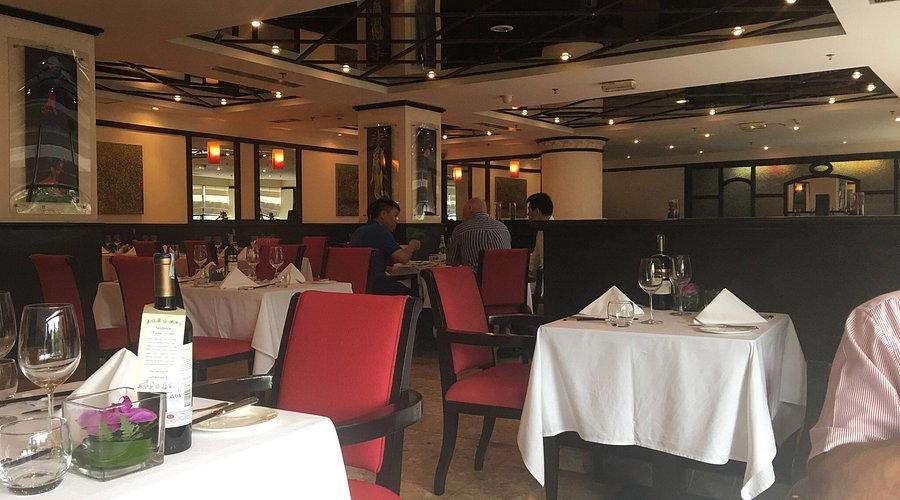
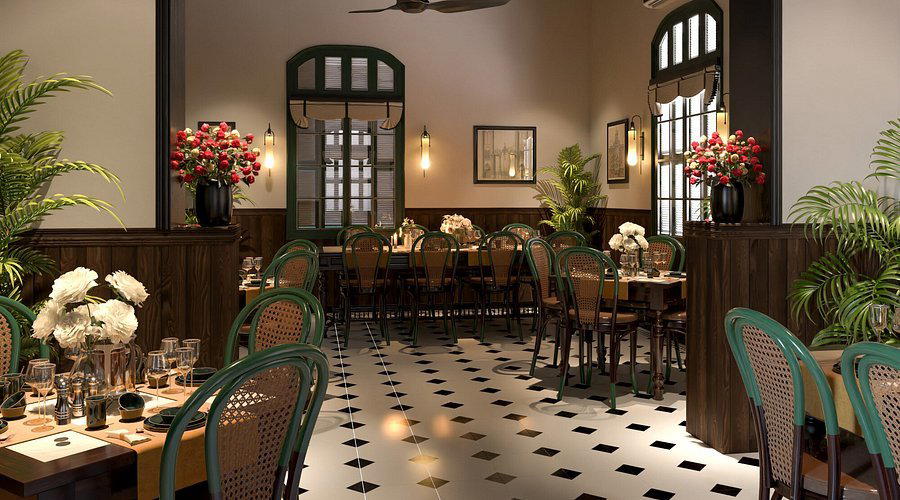
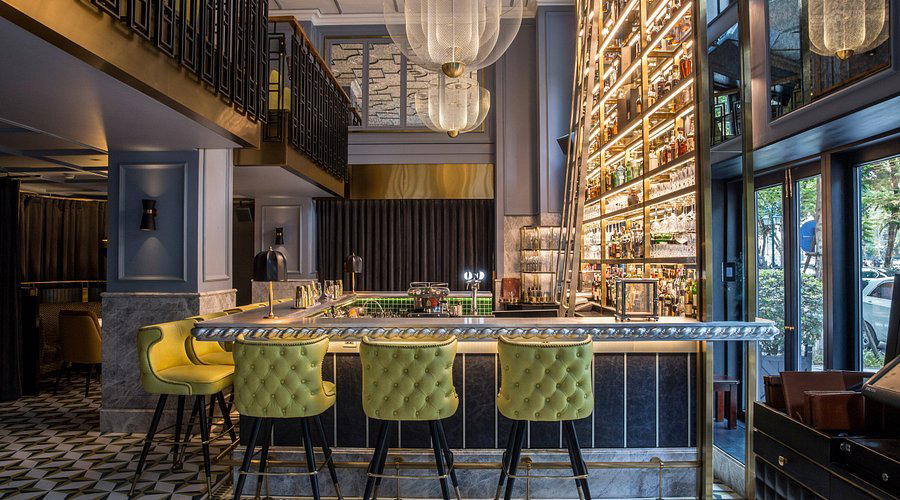
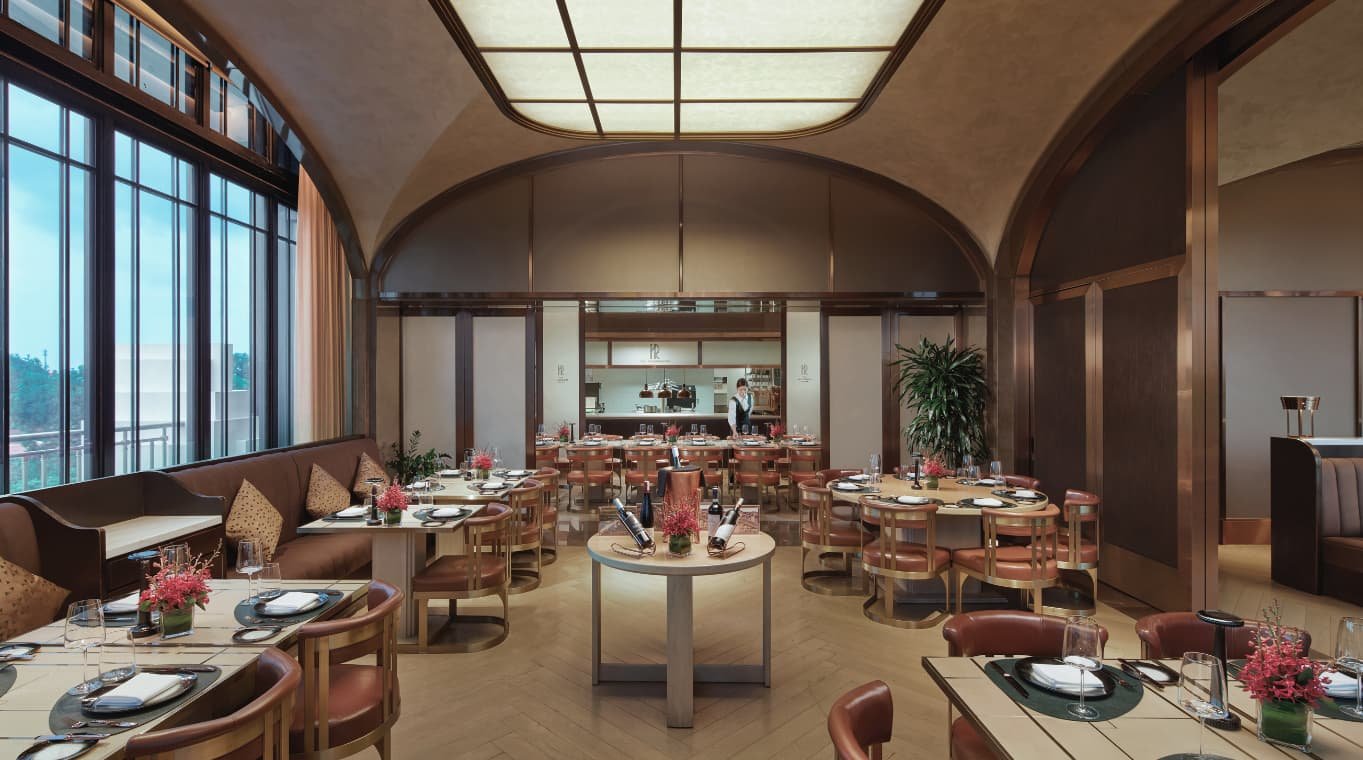
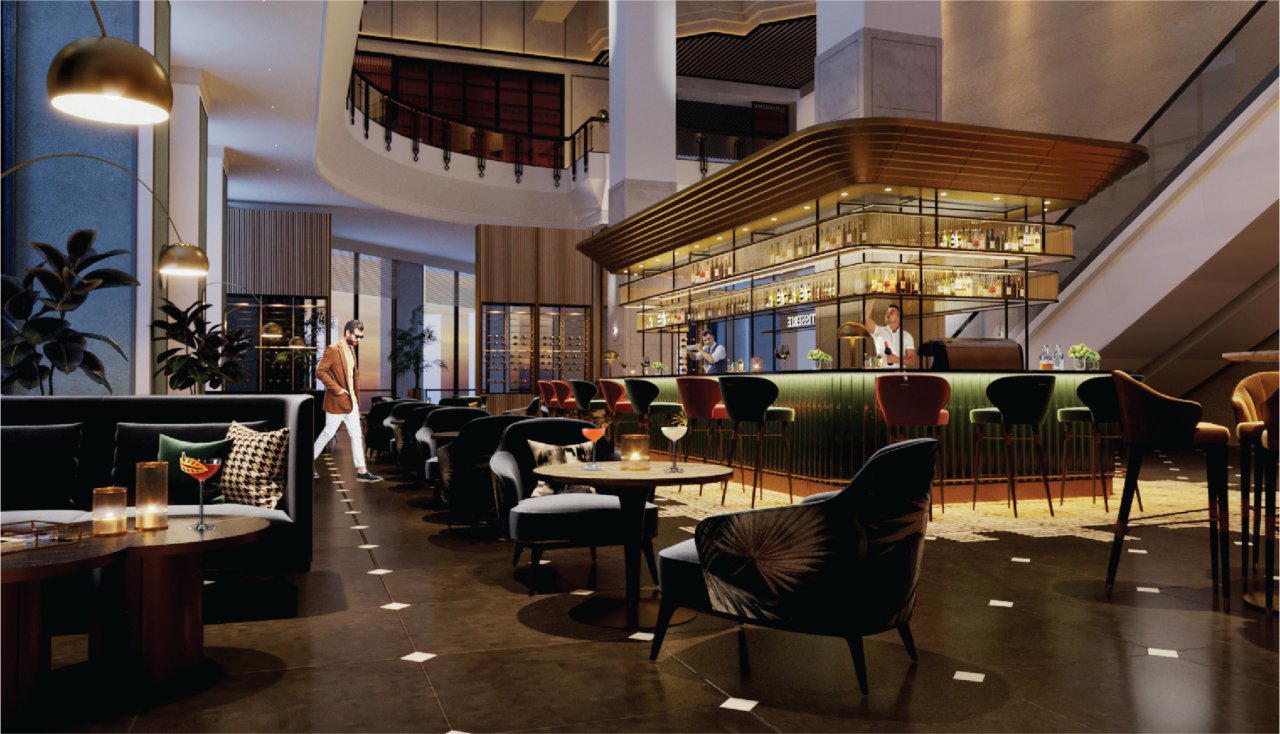
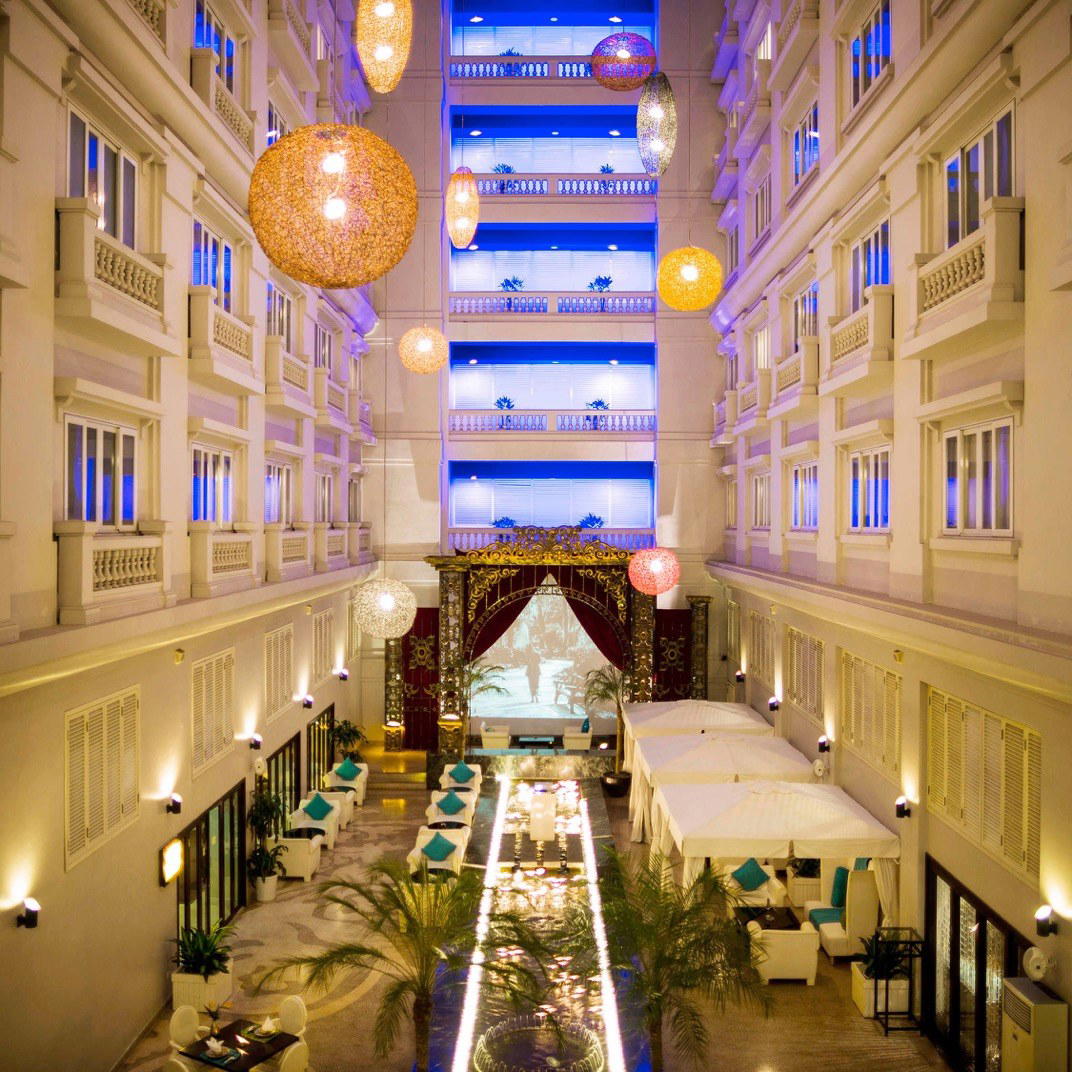
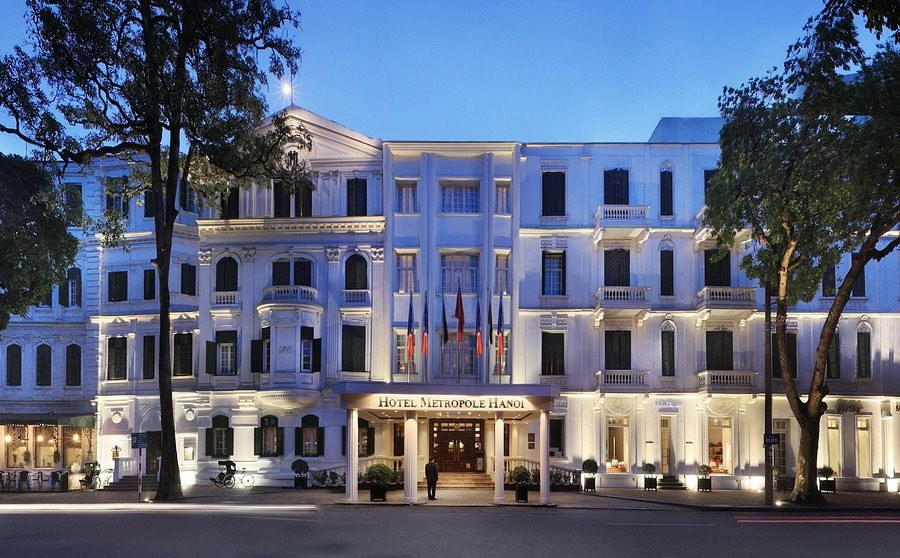
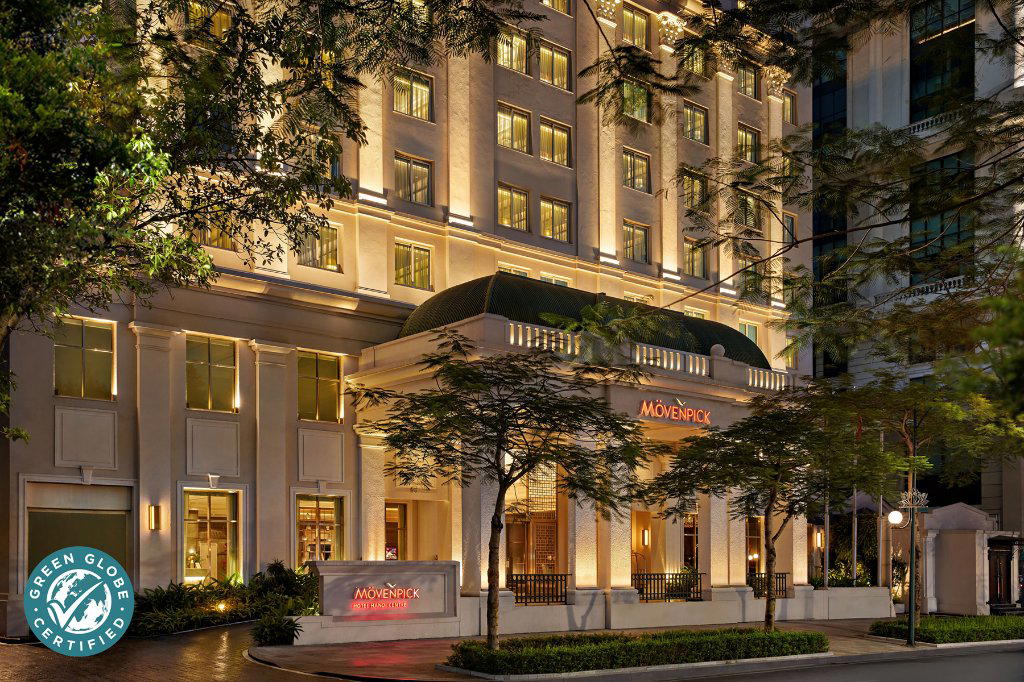
Warm and upscale yet relaxed hotel-restaurant atmosphere with modern decor, local artwork on the walls, and large windows looking out toward the Opera House, suitable for both business meals and leisurely dinners.