
A Cashel institution since 1968, Chez Hans holds a Michelin Plate (2025) for classical cooking inside a 19th-century Synod Hall in the shadow of the Rock of Cashel. The menu anchors itself in renowned Irish ingredients — Portmagee lobster, sole meunière — delivered with the consistency that comes from a long-serving, family-run team. Priced at €€€, it sits in a dependable tier for Tipperary fine dining.
Pearl is the En Primeur Club membership app — saves, bookings, and concierge access live there. Same editors, same standards.
- Address
- Moor Ln, Moor, Cashel, Co. Tipperary, Ireland
- Phone
- +353 62 61177
- Website
- chezhans.ie
- Directions
- Get directions
 Saves & bookings on Pearl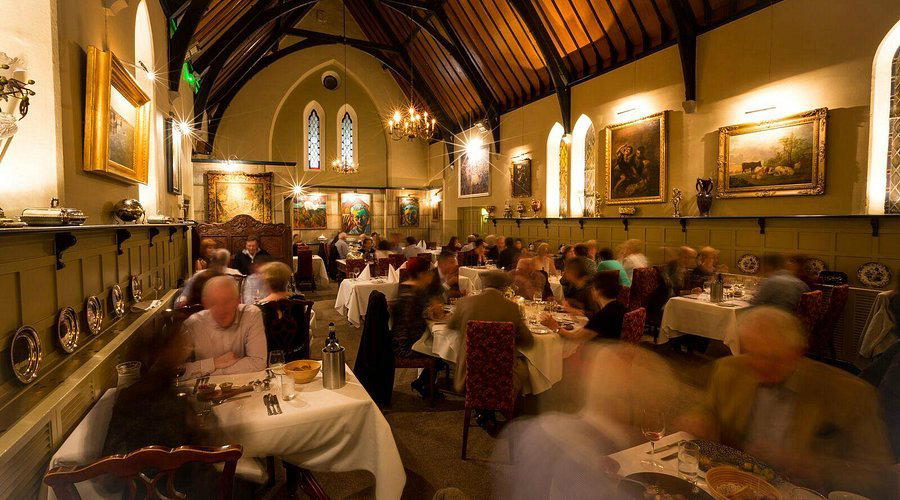
A Gothic Shell, a Classical Kitchen
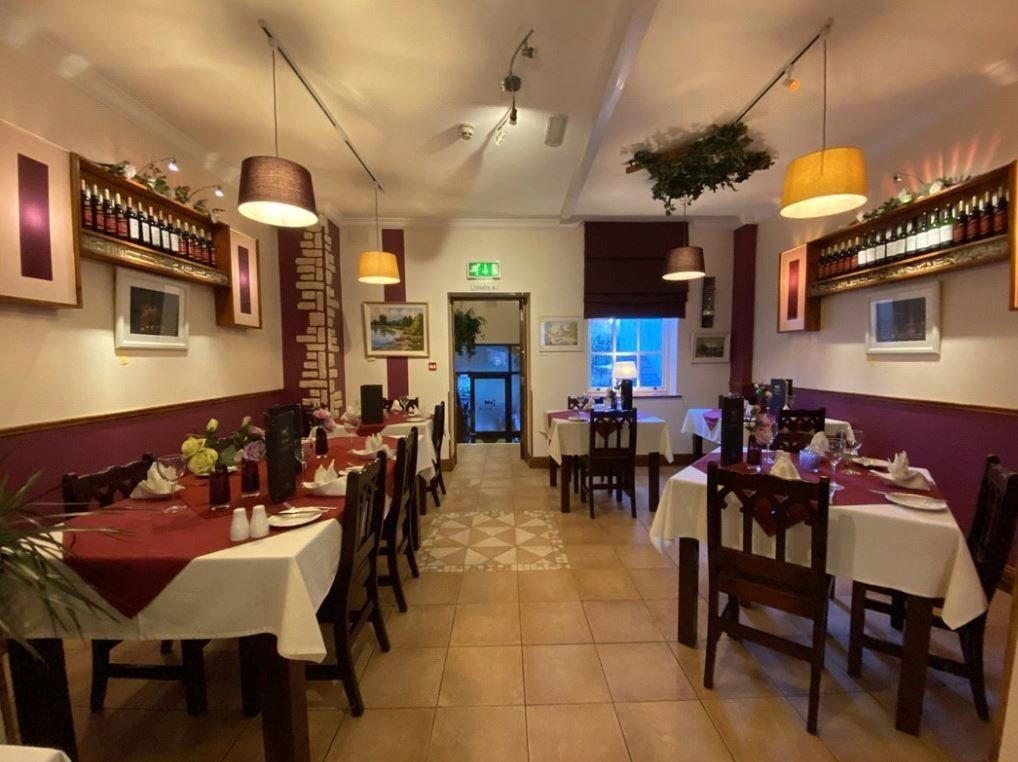
The approach to Chez Hans frames the experience before you reach the door. The 19th-century Synod Hall on Moor Lane rises with the particular authority of ecclesiastical stone, and the Rock of Cashel looms above the roofline — one of Ireland's most photographed landmarks reduced, from this angle, to a backdrop for dinner. The dining room carries the weight of that architecture: high ceilings, stone walls, the sense of space that repurposed religious buildings tend to hold. It is the kind of room that makes a certain style of cooking feel appropriate, even necessary.
That style is classical. At a moment when Irish fine dining has largely pivoted toward fermentation, foraged garnishes, and tasting-menu minimalism, Chez Hans continues a tradition that predates the current wave by several decades. The restaurant opened in 1968, which places it firmly before the first generation of Irish chefs who trained in France and returned to reframe the national table. What it practises is not nostalgic pastiche but the kind of disciplined classical cooking — French technique applied to Irish produce, that once defined serious dining across Western Europe and now survives in fewer rooms than it once did.
Classical Cooking and the Irish Ingredient Question
The cultural roots of this style of cooking matter for understanding what Chez Hans represents. French classical technique arrived in Ireland largely through the hotel industry in the mid-twentieth century, and a handful of independent restaurants carried it forward through decades when Irish dining had little external profile. The tradition asks a specific question of its practitioners: given the quality of Irish primary produce, what does restraint and technical rigour produce? The answer at Chez Hans, articulated through dishes like sole meunière with Portmagee lobster, is a menu that refuses to compete with the naturalistic, produce-forward idiom that now dominates the country's Michelin tier. It competes instead on precision, on the depth that comes from long practice, and on ingredients sourced with the same seriousness the kitchen has maintained for over five decades.
Portmagee lobster is not incidental to that argument. The Kerry coastline produces shellfish of a quality that classical preparation tends to honour more completely than more interventionist cooking, butter, heat, timing, and the integrity of the ingredient are the whole conversation. The same logic applies to the sole meunière format, a dish that exposes technical shortcomings immediately and rewards confidence with simplicity that reads as generous rather than minimal. That the kitchen uses these dishes as centrepieces rather than supporting acts is a statement of culinary positioning.
The dessert register reinforces the point. Old-school treatments like tapioca and vanilla pudding occupy a place on the menu that a more trend-conscious kitchen would likely retire. Their continued presence reflects a coherent editorial stance: that classical Irish-French cooking is a complete tradition, not a foundation to be built upon or updated. This is a minority position in the current Irish dining conversation, which makes it a more interesting one to encounter.
Longevity, Staffing, and the Character of the Room
Opening in 1968 and continuing under family ownership places Chez Hans in a small category of Irish restaurants whose identity is inseparable from continuity. Many of the team have served for years, a fact that shapes the hospitality register in ways that newer restaurants find difficult to replicate. The front-of-house knowledge that accumulates over long tenures, of regular guests, of wine inventory cycles, of the rhythm of a particular room, tends to produce a specific kind of ease that reads as genuine Irish hospitality rather than trained warmth. It is one of the more persuasive arguments for institutional restaurants in an era that rewards novelty.
The Michelin Plate recognition, held in both 2024 and 2025, signals a kitchen operating at a consistent level without the theatrics that Michelin star candidacy often involves. The Plate category acknowledges good cooking without the pressure of the star tier, it is a credential that suits a restaurant whose ambitions are defined by depth of tradition rather than innovation. For comparison, the starred Irish independent tier at this price point includes venues like Aniar in Galway, Bastion in Kinsale, and Campagne in Kilkenny, all operating in the modern idiom. Chez Hans occupies a different register entirely, one that aligns it more naturally with classical rooms elsewhere, such as Maison Rostang in Paris or KOMU in Munich, than with the current Irish progressive wave.
Google's is a further data point worth noting: consistency at that volume, over an extended period, is harder to maintain than a strong opening year. It suggests the kitchen and floor are delivering reliably across visitor types, from Cashel's considerable tourist traffic to the local constituency that has been returning for decades.
Cashel as a Dining Destination
Cashel is not a city with a deep restaurant infrastructure, which makes the presence of a restaurant of this calibre more significant to the visitor calculation. The town's profile is anchored entirely by the Rock of Cashel, and most visitors arrive as day-trippers from Cork or Limerick without expecting to eat well. Chez Hans has long been the primary reason to stay for dinner. The Bishop's Buttery and the dining room at Cashel Palace offer modern Irish alternatives within the town, but neither carries the accumulated weight of Chez Hans's tenure.
For visitors building a longer itinerary around Munster and the south, the surrounding region has developed a credible fine dining circuit. dede in Baltimore, Chestnut in Ballydehob, Liath in Blackrock, and Terre in Castlemartyr each occupy different positions in the contemporary Irish scene. Homestead Cottage in Doolin represents a different tradition again. None of them replicate what Chez Hans does, which is part of the argument for going.
Planning a Visit
Chez Hans sits at the €€€ price point, placing it in the bracket of serious independent dining without the premium of the starred tasting-menu tier. The restaurant is on Moor Lane in Cashel, Co. Tipperary, immediately below the Rock of Cashel. Given the volume of tourism through Cashel, booking ahead is advisable, particularly on weekends and during the summer months. The room's scale, a converted Synod Hall, means it can accommodate groups more comfortably than the intimate counter formats that define the current fine dining model elsewhere, which makes it a functional choice for parties who find tasting-menu settings constraining.
For anyone putting together a broader Cashel itinerary, the full Cashel restaurants guide, hotels guide, bars guide, wineries guide, and experiences guide cover the full picture. For the wider Irish dining context, Chapter One by Mickael Viljanen in Dublin represents the opposite end of the ambition spectrum, a useful reference point for understanding how far the two traditions have diverged.
A Pricing-First Comparison
| Venue | Cuisine | Price | Awards |
|---|---|---|---|
| Chez HansThis venue — the venue you are viewing | Classic Cuisine | €€€ | Not listed |
| Patrick Guilbaud | Irish - French, Modern French | €€€€ | Michelin 2 Star |
| Aniar | Modern Irish, Modern Cuisine | €€€€ | Michelin 1 Star |
| Bastion | Progressive American, Modern Cuisine | €€€€ | Michelin 1 Star |
| LIGИUM | Creative | €€€€ | Michelin 1 Star |
| The Bishop's Buttery | Not listed | €€€€ | Modern Cuisine, €€€€ |
Recognition history
Dated appearances from independent guides and award organizations, with the underlying list record or original source where available.
Michelin Plate
Michelin
Michelin Plate
Michelin
Michelin Plate
Michelin
At a Glance
- Elegant
- Cozy
- Classic
- Intimate
- Sophisticated
- Date Night
- Special Occasion
- Family
- Celebration
- Historic Building
- Extensive Wine List
- Local Sourcing
Current opening hours
- Monday
- Closed
- Tuesday
- Closed
- Wednesday
- Closed
- Thursday
- Closed
- Friday
- 5:30–10 PM
- Saturday
- 5:30–10 PM
- Sunday
- 12:30–3 PM, 5:30–8 PM
Hours can change for holidays and private events. Last verified .
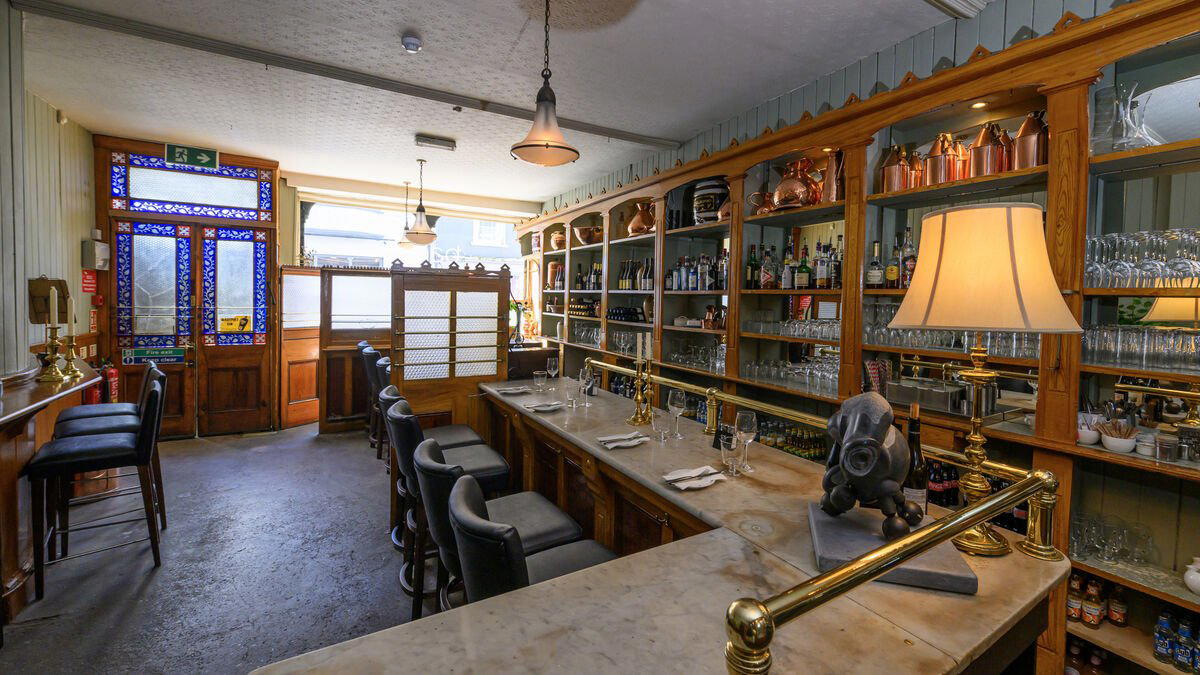
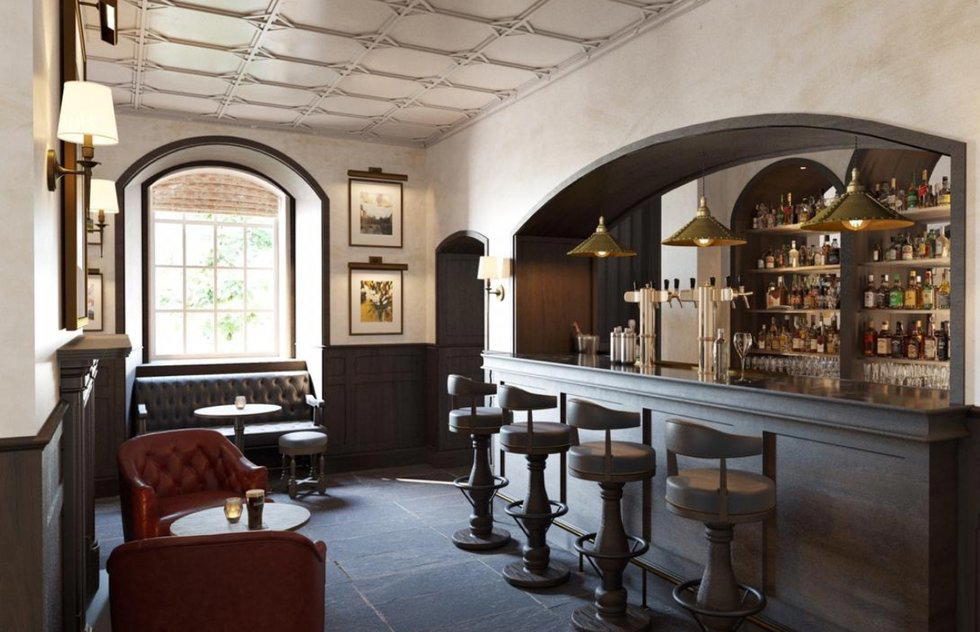
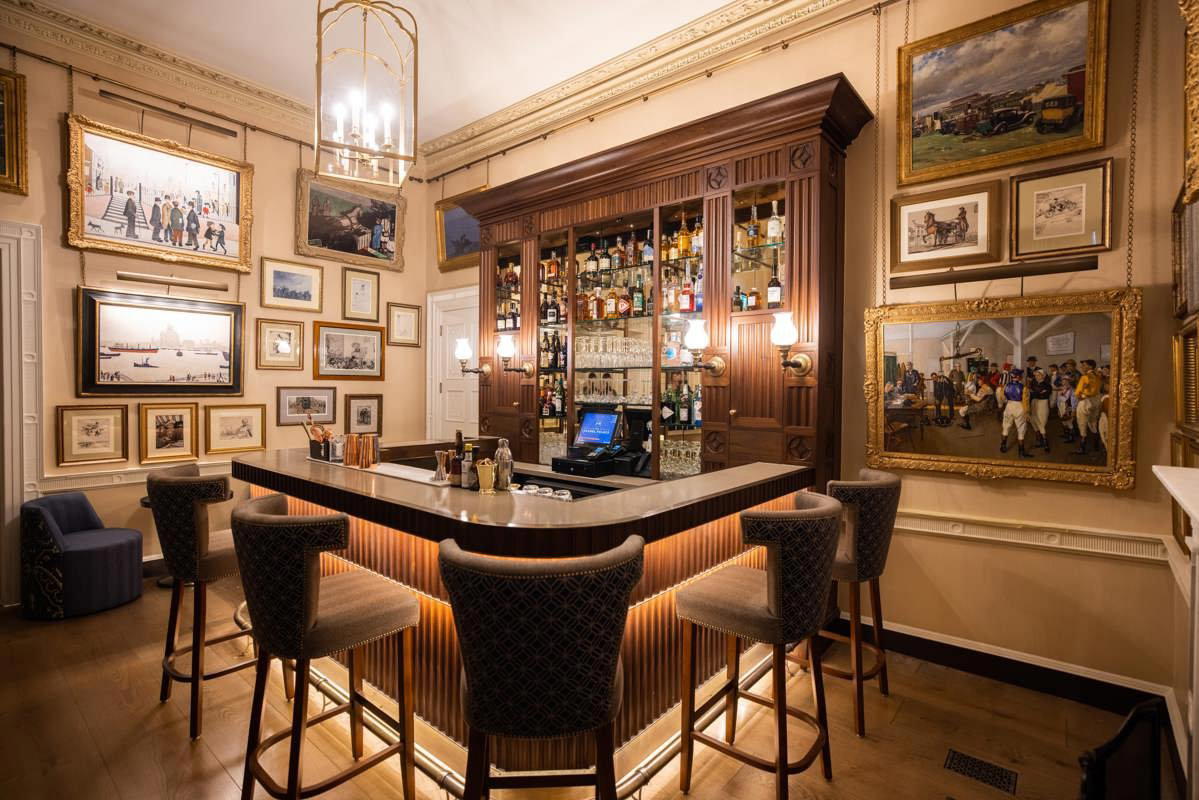
Cozy and elegant atmosphere in a historic converted church with a welcoming fire, relaxed yet special setting, and warm Irish hospitality.
Know Before You Go
- Getting there
- Moor Ln, Moor, Cashel, Co. Tipperary, Ireland