Kulinarium

Michelin Plate
Our verdict
Kulinarium holds a Michelin Plate for 2024 and 2025, positioning it as one of the more serious kitchens in the greater Nuremberg corridor. The seasonal format keeps the menu tied to what the surrounding Franconian region produces across the year. At the €€€ price point, it sits above casual neighbourhood dining without crossing into the full tasting-menu expense of Germany's starred tier.

Pearl is the En Primeur Club membership app, where members save venues, book tables and use the concierge.
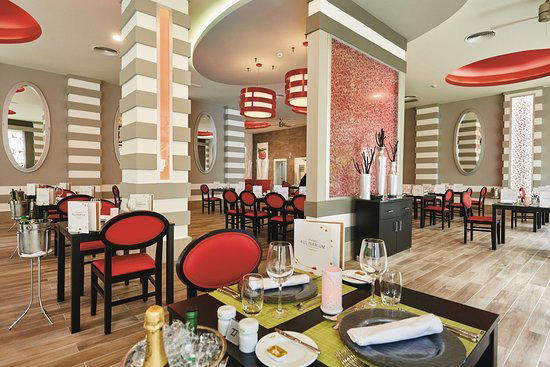
Seasonal Cooking in Small-City Germany
Small-city fine dining in Germany tends to follow one of two trajectories: the kitchen either gravitates toward safe Central European classics that please a local clientele, or it commits to a seasonal discipline that demands constant reinvention and close supplier relationships. Röthenbach an der Pegnitz, a town of around 20,000 people on the eastern fringe of the Nuremberg metropolitan area, is not a place most restaurant itineraries reach. That makes Kulinarium, on Friedrichsplatz, an interesting case study in what quality-led cooking looks like when it operates outside the gravitational pull of a major city's dining scene.
The Michelin Plate, awarded in both 2024 and 2025, is a signal worth reading carefully. It sits below the star tier occupied by places like Aqua in Wolfsburg or Schwarzwaldstube in Baiersbronn, but the Plate designation is Michelin's acknowledgment that a kitchen is cooking at a meaningfully higher level than the undifferentiated mass of competent restaurants. Consecutive Plate recognition suggests consistency rather than a one-off strong performance, which matters in a category where kitchens frequently flame out.
Where the Food Comes From
Franconia is not a region that tends to appear in the same sentences as ingredient-led seasonal cuisine, but that framing undersells what the area actually produces. The zone between Nuremberg, the Franconian Alps, and the Altmühltal river valley generates a meaningful supply of game, freshwater fish, root vegetables, and foraged materials across the year. Kitchens that commit to seasonal formats in this part of Bavaria have access to a different ingredient calendar than those operating in, say, the Rhine corridor or the Bodensee region.
Seasonal cuisine as a restaurant category has become a broad label, it can mean anything from a menu that swaps proteins with the supermarket buying cycle to a kitchen with genuine producer relationships that determine what actually appears on the plate. The distinction is visible in the specificity of sourcing: menus built around named regional suppliers and hyperlocal produce tend to shift more frequently and more dramatically than those using the term loosely. At the €€€ price tier, Kulinarium sits at a point where the economics of real sourcing are viable without the full financial architecture of a multi-star operation. Compare this to the creative seasonal formats at Fields by René Mathieu in Luxembourg or Kirchenwirt in Leogang, both of which operate in similarly non-metropolitan settings with a strong regional-ingredient philosophy.
Germany's mid-tier seasonal kitchens outside the major cities have been quietly developing a more confident identity over the past decade. Rather than imitating the style of the starred tier, French technique, micro-herb garnishes, long tasting formats, a number of these kitchens have gravitated toward a more direct relationship between what the surrounding region provides and what ends up on the plate. The result is cooking that reads as honest rather than demonstrative, which suits a clientele that eats at these restaurants regularly rather than treating them as destination occasions.
Fitting Kulinarium Into the German Dining Picture
The geography matters here. Röthenbach sits approximately 15 kilometres east of Nuremberg's city centre, close enough that the restaurant draws from the urban catchment area without competing directly against Nuremberg's own dining options. Michelin-Plate-level cooking at this price point and location tends to attract a mix of local regulars and Nuremberg-based diners who prefer a quieter setting for a serious meal.
Within the broader German seasonal-cuisine category, the Michelin Plate tier is populated by kitchens that are often doing work comparable in ambition to the lower reaches of the starred tier, but without the full front-of-house investment and ceremony that Michelin stars typically require. Venues like JAN in Munich, ES:SENZ in Grassau, and Restaurant Haerlin in Hamburg operate at higher price and formality levels, the Plate tier at €€€ offers a different proposition, where the emphasis stays on what is being cooked rather than the full theatrical apparatus of fine dining. For comparison, the more demonstrative creative formats at CODA Dessert Dining in Berlin or Vendôme in Bergisch Gladbach represent a different set of priorities at a significantly higher price point.
In the context of a small-town Michelin Plate restaurant, this tracks with a kitchen that has a stable, repeat clientele rather than high turnover.
Planning a Visit
Kulinarium is located at Friedrichspl. 4, 90552 Röthenbach an der Pegnitz. The address places it on the main square, accessible by S-Bahn from Nuremberg's central station, Röthenbach is on the S2 line, which makes it reachable without a car. For those visiting the greater Nuremberg area, the restaurant functions as a compelling reason to extend the itinerary eastward rather than confining meals to the city centre. At €€€ pricing, a full evening here costs meaningfully more than casual Nuremberg dining but sits well below the outlay required at the fully starred tier represented by venues like Schanz in Piesport, Victor's Fine Dining by Christian Bau in Perl, or Waldhotel Sonnora in Dreis. Booking is advisable, Michelin Plate recognition tends to fill tables even in smaller markets, and a kitchen of this calibre in a town this size is unlikely to have walk-in availability on weekend evenings. For a fuller picture of what the area offers, see our full Röthenbach an der Pegnitz restaurants guide, as well as guides to hotels, bars, wineries, and experiences in Röthenbach an der Pegnitz. Also worth considering alongside Bagatelle in Trier for those building a wider German dining itinerary around serious mid-tier seasonal kitchens.
Frequently asked questions
What does dinner at Kulinarium typically cost?
Pricing at Kulinarium is listed as €€€.
What part of town is Kulinarium in?
Kulinarium is located at Friedrichspl. 4, 90552 Röthenbach an der Pegnitz, Germany, Röthenbach an der Pegnitz.
| Venue | Cuisine | Price | Awards | Notes |
|---|---|---|---|---|
| KulinariumThis venue (the venue you are viewing) | Regional German Fine Dining | $100–150 | Michelin Plate | Not listed |
| Schwarzwaldstube | Modern French Fine Dining | $150–200 | 3 Michelin Stars · World's 50 Best #47 | French, Classic French |
| Aqua | Contemporary German, Italian/Japanese, Creative | Not listed | Michelin 3 Star | Not listed |
| CODA Dessert Dining | Dessert-Inspired Fine Dining | $200–300 | 2 Michelin Stars · World's 50 Best #82 | Creative |
| Tantris | Modern French, French Contemporary | Not listed | Michelin 2 Star | Not listed |
| Vendôme | Modern German Haute Cuisine | $200–300 | 2 Michelin Stars · World's 50 Best #47 | Modern European, Creative |
Recognition history
Dated appearances from independent guides and award organizations, with the underlying list record or original source where available.
Michelin Plate
Michelin · 2026 Michelin Plate
Full recognition history (3 entries)
Michelin Plate
Michelin
Michelin Plate
Michelin
Continue exploring
More in Röthenbach an der Pegnitz
Restaurants in Röthenbach an der Pegnitz
All restaurants in Röthenbach an der Pegnitz →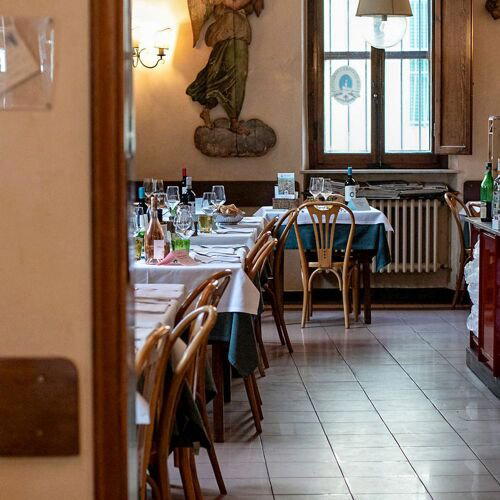
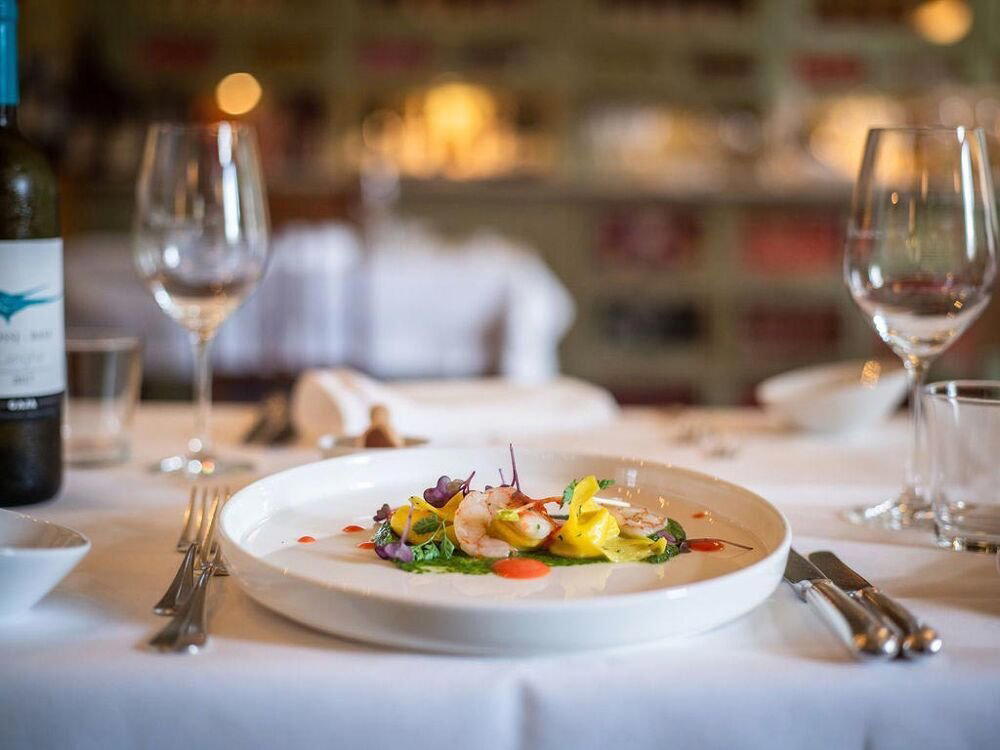
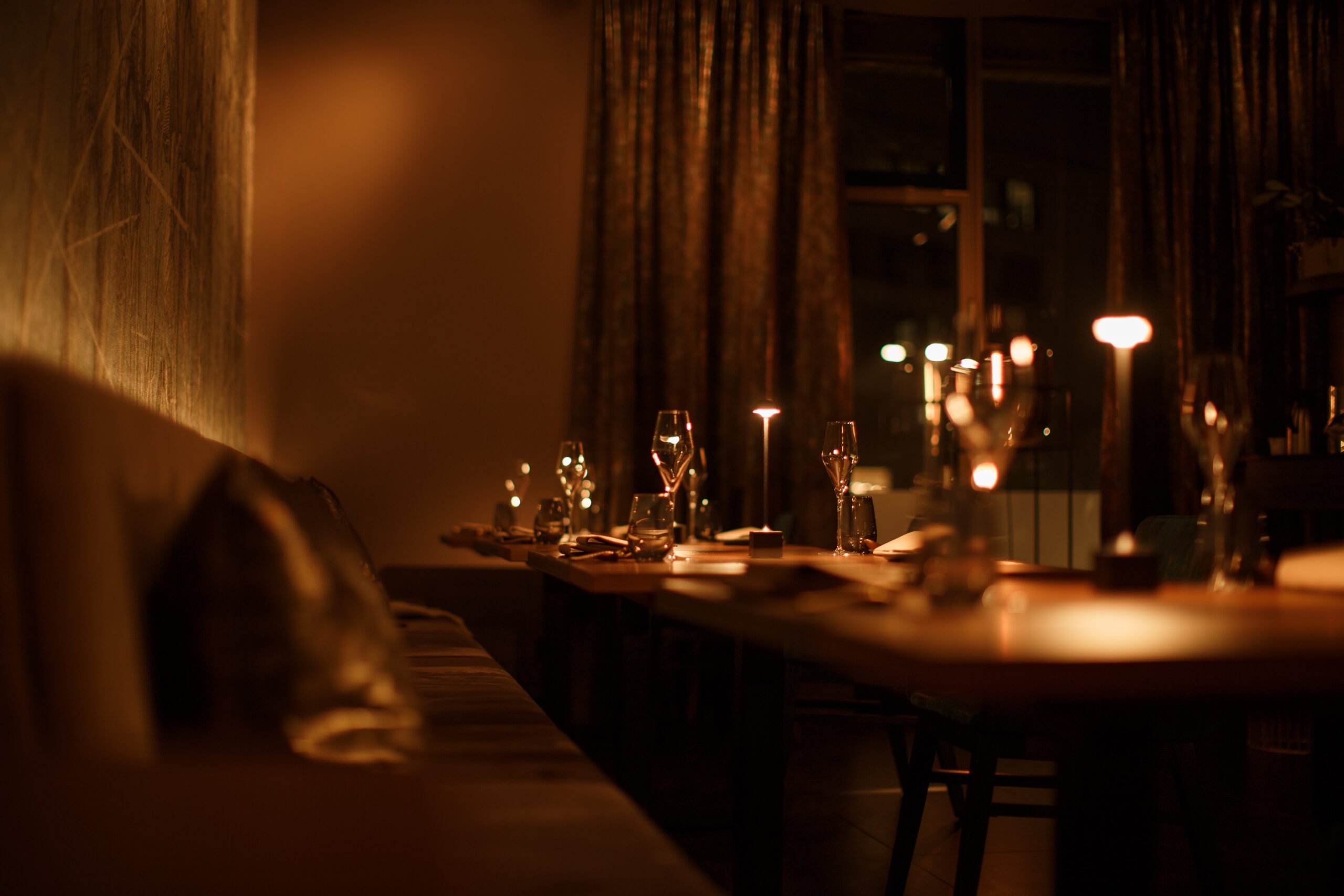
Bars in Röthenbach an der Pegnitz
Browse all →
Hotels in Röthenbach an der Pegnitz
Browse all →
Wineries in Röthenbach an der Pegnitz
Browse all →
Details
- Cozy
- Rustic
- Elegant
- Date Night
- Special Occasion
- Terrace
- Extensive Wine List
- Local Sourcing
- Garden
- Set Menu
Current opening hours
- Monday
- Closed
- Tuesday
- 6–11 PM
- Wednesday
- 6–11 PM
- Thursday
- 6–11 PM
- Friday
- 6–11 PM
- Saturday
- 6–11 PM
- Sunday
- Closed
Hours can change for holidays and private events. Hours as of .
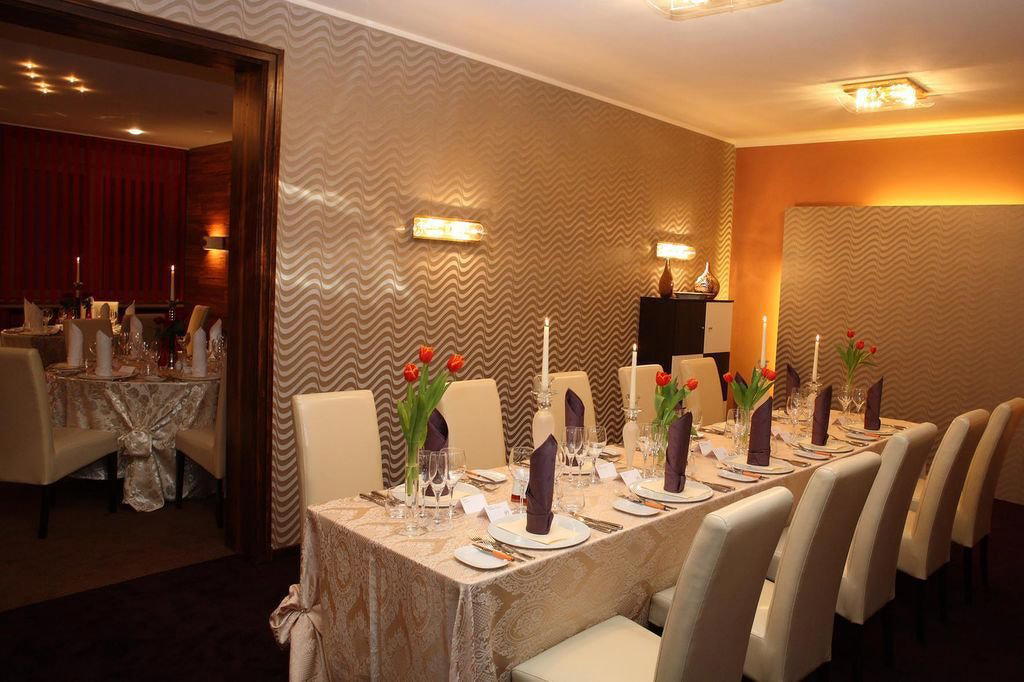
Modern interior with rustic wooden beam ceiling creates a cosy, gemütlich atmosphere with heartfelt charm.