
Cherry Garden by Chef Fei brings Cantonese cooking into Singapore’s high-expectation dining circuit, where dim sum craft, banquet polish and business-lunch efficiency often overlap. The useful lens here is the morning ritual: bamboo steamers, dumpling technique and the quiet discipline that separates serious Cantonese kitchens from generic hotel Chinese dining.
Pearl is the En Primeur Club membership app — saves, bookings, and concierge access live there. Same editors, same standards.
- Address
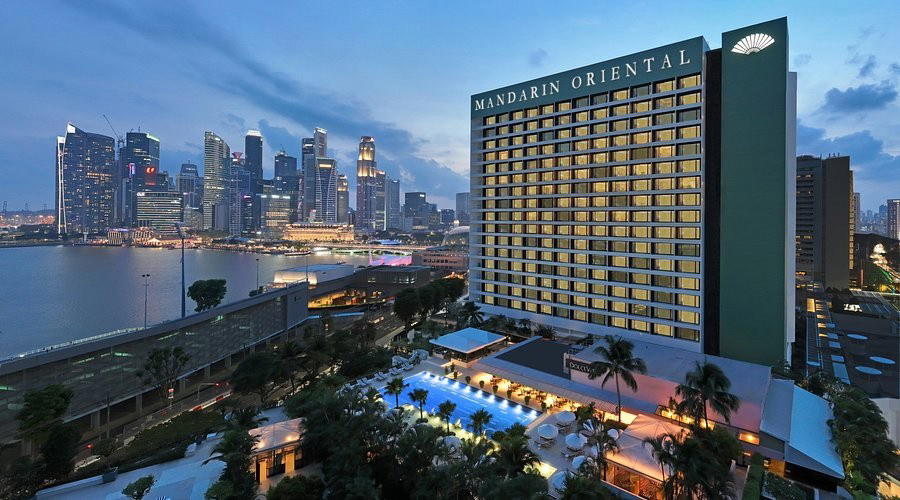
- Mandarin Oriental Hotel, Level 5, Marina Square, 5 Raffles Avenue, 039797, SGP
 Saves & bookings on Pearl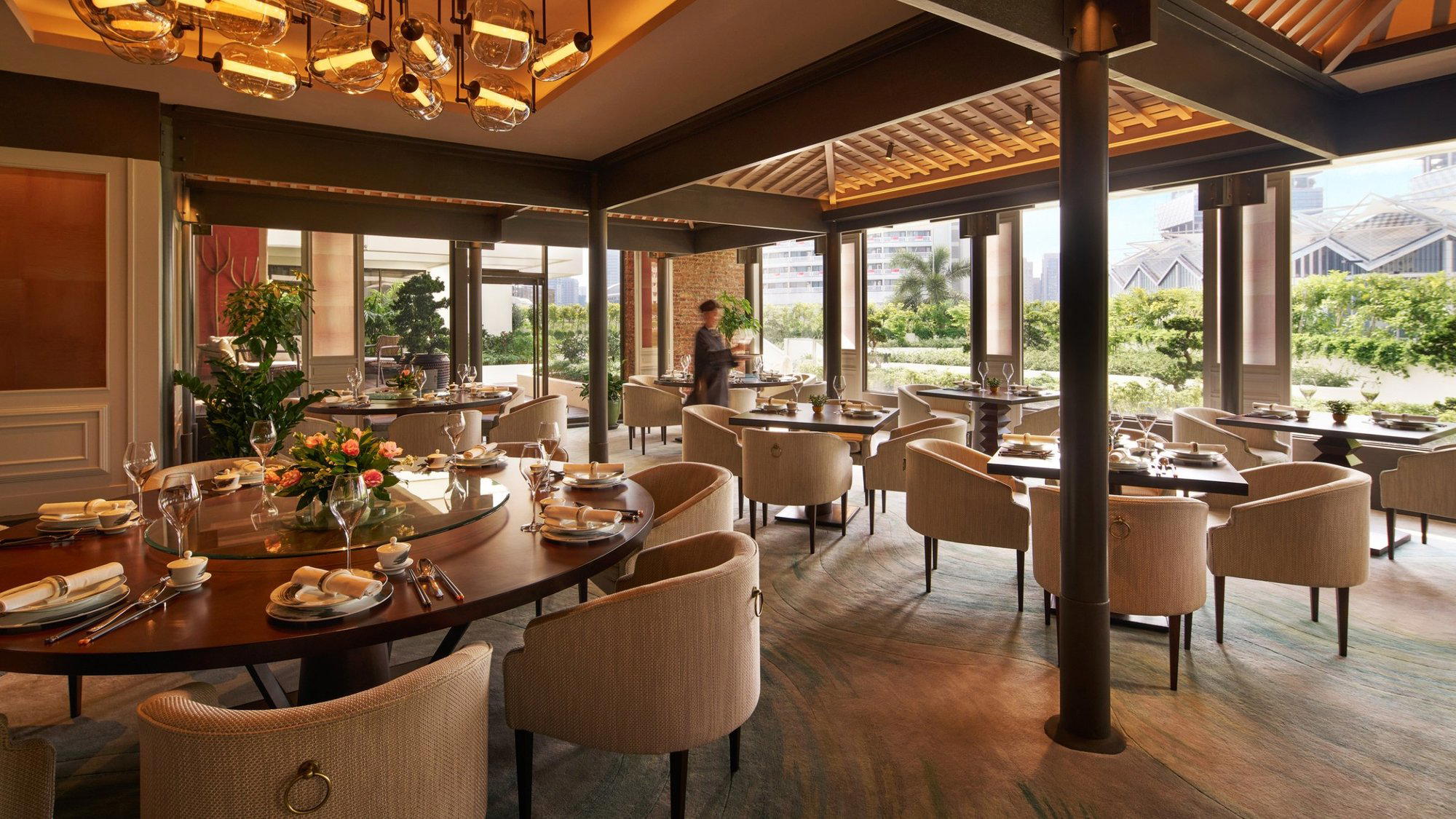
The Cantonese dining room has its own rhythm before lunch service settles into banquet form: porcelain lids lifted, tea poured early, bamboo steamers moving in sequence rather than spectacle. In Singapore, that ritual carries extra weight. The city understands dim sum both as family routine and as a precision test, and Cherry Garden by Chef Fei belongs to the side of the category where small-format cooking has to justify attention before the meal broadens into seafood, roasts and larger Cantonese plates.
Dim sum is the sharper test of Cantonese discipline
Cantonese cooking in Singapore is often judged by expensive proteins, private-room service and the reliability of a banquet table, but dim sum reveals a kitchen faster. Dumpling skins cannot hide poor timing. Steamed items punish delay. Fried items lose their point when they sit. That is why the morning and lunch formats matter: they show whether the restaurant treats dim sum as a craft section or as a decorative prelude to the main menu.
Cherry Garden by Chef Fei is filed squarely as Cantonese, which places it inside a demanding local category rather than a broad Chinese dining label. Singapore diners have access to hawker Cantonese comfort, Teochew seafood traditions, hotel dining rooms, clubby banquet spaces and modern Chinese tasting formats, so the middle ground is not forgiving. A restaurant in this lane has to read as composed rather than theatrical: clear stock work, clean steaming, disciplined seasoning and enough range for both business meals and family tables.
The name also signals a chef-led framing, but the stronger editorial point is not personality. It is how Singapore’s premium Cantonese rooms increasingly compete on technical consistency across formats. A dim sum order may sit beside à la carte Cantonese cooking, and the kitchen is expected to move from delicate wrappers to richer sauces without changing register. That dual demand is part of the city’s Chinese dining culture, where weekday lunch, Sunday family meals and occasion dining often share the same room.
Singapore's Cantonese scene rewards restraint over theatre
The city’s dining audience is unusually literate in Chinese regional distinctions. Cantonese food here is not simply a luxury category; it is measured against decades of banquet culture, hotel dining and family repeat business. That makes restraint a commercial asset. Over-seasoning reads as cover. Excess garnish reads as distraction. The better signal is control: steam, temperature, texture and pacing.
For readers mapping the wider city, the useful move is to treat Cherry Garden by Chef Fei as one Cantonese data point rather than the whole answer. Broader Singapore planning can start with Our full Singapore restaurants guide, then branch by mood: Our full Singapore hotels guide for dining tied to stays, Our full Singapore bars guide for post-dinner drinking, Our full Singapore wineries guide for cellar-led planning and Our full Singapore experiences guide for cultural programming around the meal.
Singapore’s Chinese dining map also benefits from contrast across price, setting and regional style. EP Club’s city coverage includes Jade Palace Seafood Restaurant, Jiang-Nan Chun, Majestic, Min Jiang at Dempsey and Shisen Hanten. The broader table culture is just as revealing at casual and neighbourhood addresses, from Ah Ter Teochew Fishball Noodles in Downtown Core and Ann Chin Popiah in Outram to Asian Twist by 365 Food in Queenstown, Banana Leaf Apolo in Rochor, Béni in Orchard and Bugis Street Ah Huat Hainanese Chicken Rice in Changi Airport. For regional Cantonese context beyond Singapore, see 102 House, Cantonese in Shanghai and 85TD, Cantonese in Taipei.
How to read the room before ordering
The right approach is to let dim sum set the pace, then move into broader Cantonese categories only if the table has appetite for a longer meal. In this tradition, ordering too widely can blur the point. A tighter sequence gives the kitchen less room to hide behind abundance and gives the table a clearer read on wrapper work, steaming discipline and sauce balance.
The restaurant is therefore better understood as a Cantonese decision than a generic Singapore restaurant choice. It suits diners who value the grammar of the cuisine: tea at the start, small plates that arrive with purpose, and a meal structure that can remain concise or expand into a more formal Chinese table. In a city where premium dining often chases novelty, Cantonese dim sum remains a useful corrective. It asks whether the fundamentals are being handled with care, and that question is still the one that matters.
How It Compares
Comparable venues nearby, for context on price, style, and recognition.
| Venue | Cuisine | Price | Notes |
|---|---|---|---|
| Cherry Garden by Chef FeiThis venue — the venue you are viewing | Refined Cantonese & Teochew Fine Dining | $$$ | Not listed |
| Yum Cha Restaurant | Best Dim Sum in Chinatown | Authentic Cantonese Dim Sum | $$ | CHINATOWN |
| Hai Di Lao Hot Pot 海底撈火鍋 | Chinese Hot Pot | $$ | Marina Bay |
| Kim Heng (HK) Roasted Delights | Hong Kong Roasted Meats | $ | Serangoon |
| Minh Jiang at One-north | Sichuan & Cantonese | $$$ | ONE NORTH |
| Pizzeria Vincenzo Capuano | Contemporary Neapolitan Pizza | $$$ | INSTITUTION HILL |
Recognition history
Dated appearances from independent guides and award organizations, with the underlying list record or original source where available.
Michelin Plate
Michelin
Continue exploring
More in Singapore
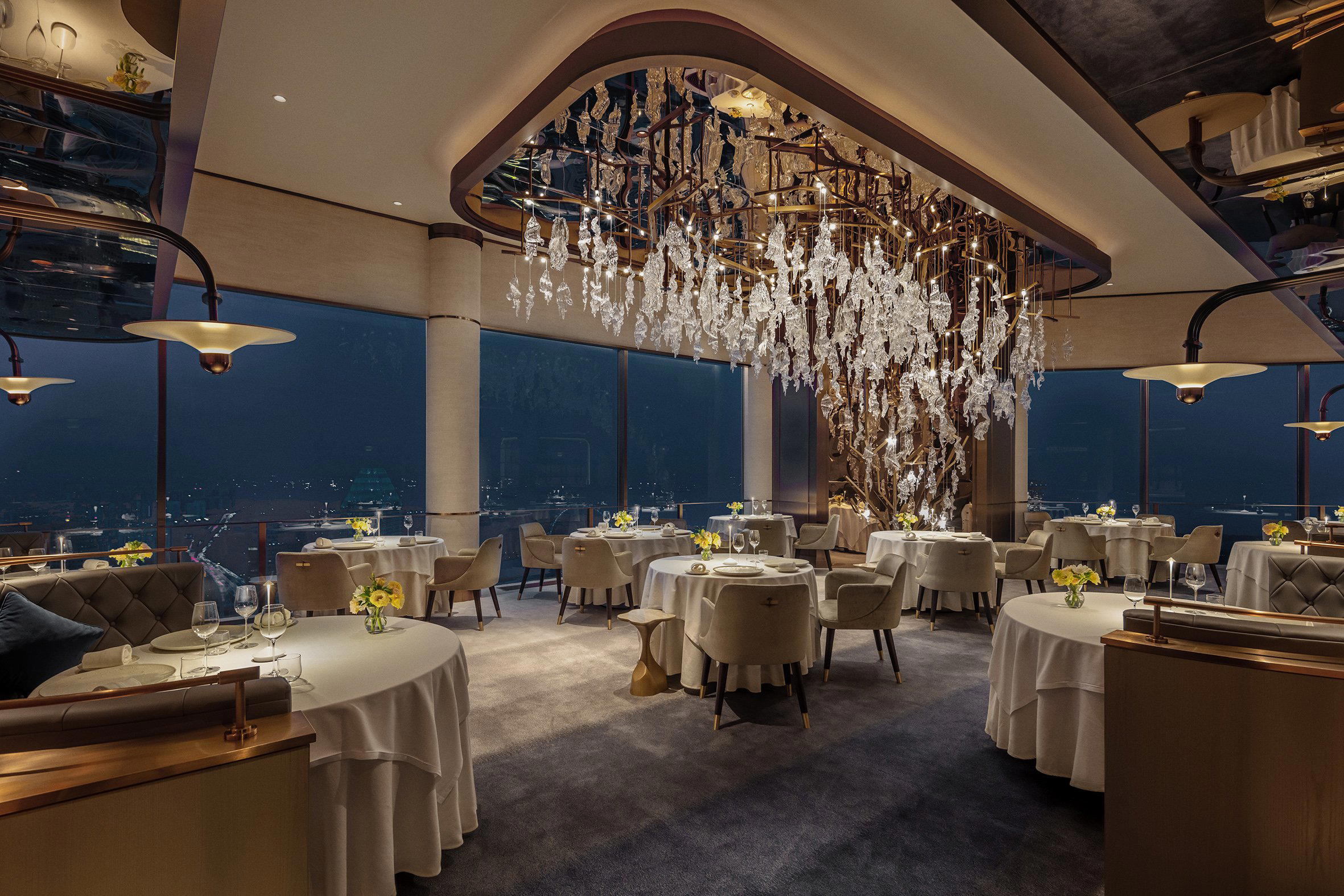
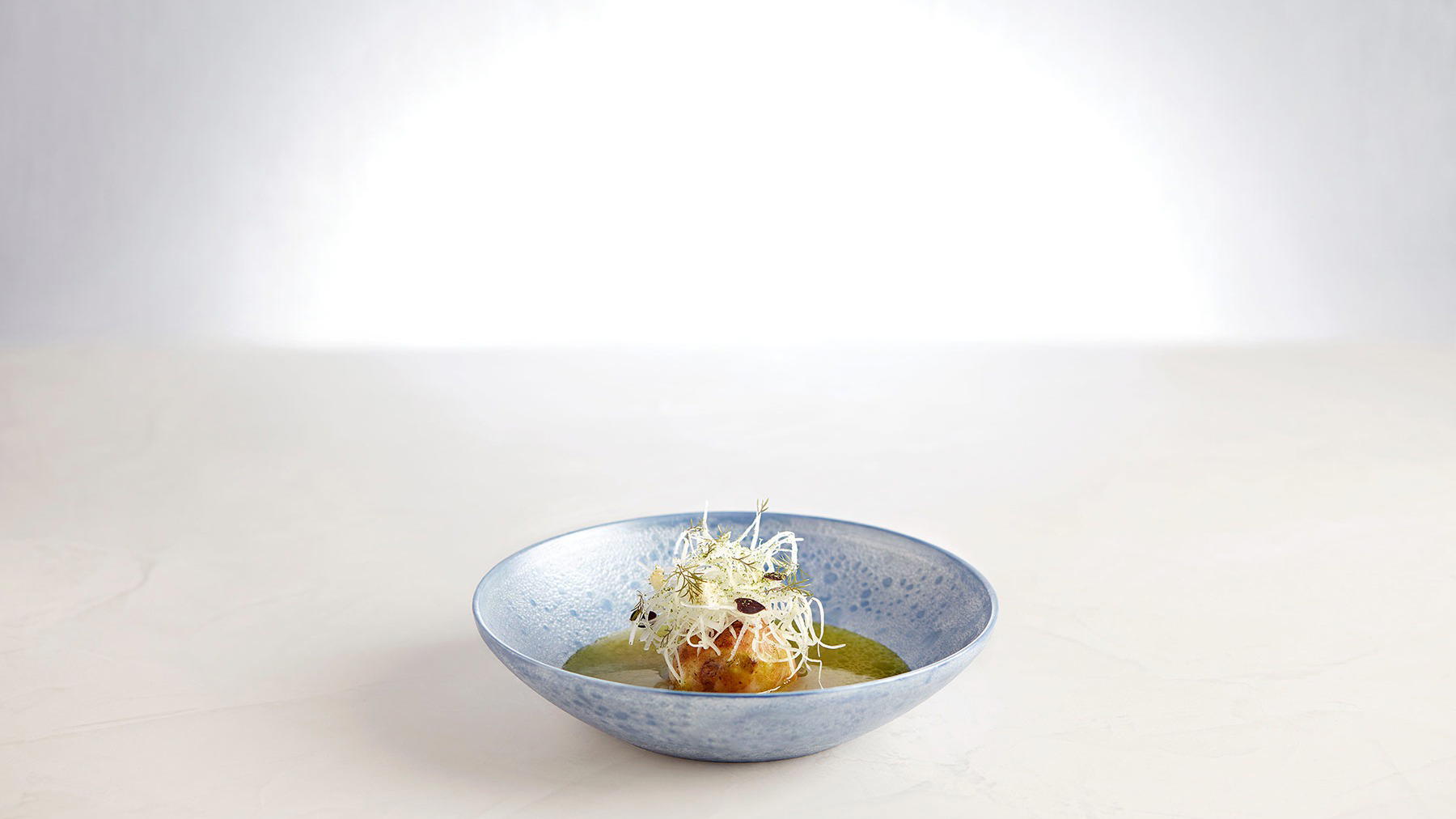
Restaurants in Singapore
Browse all →
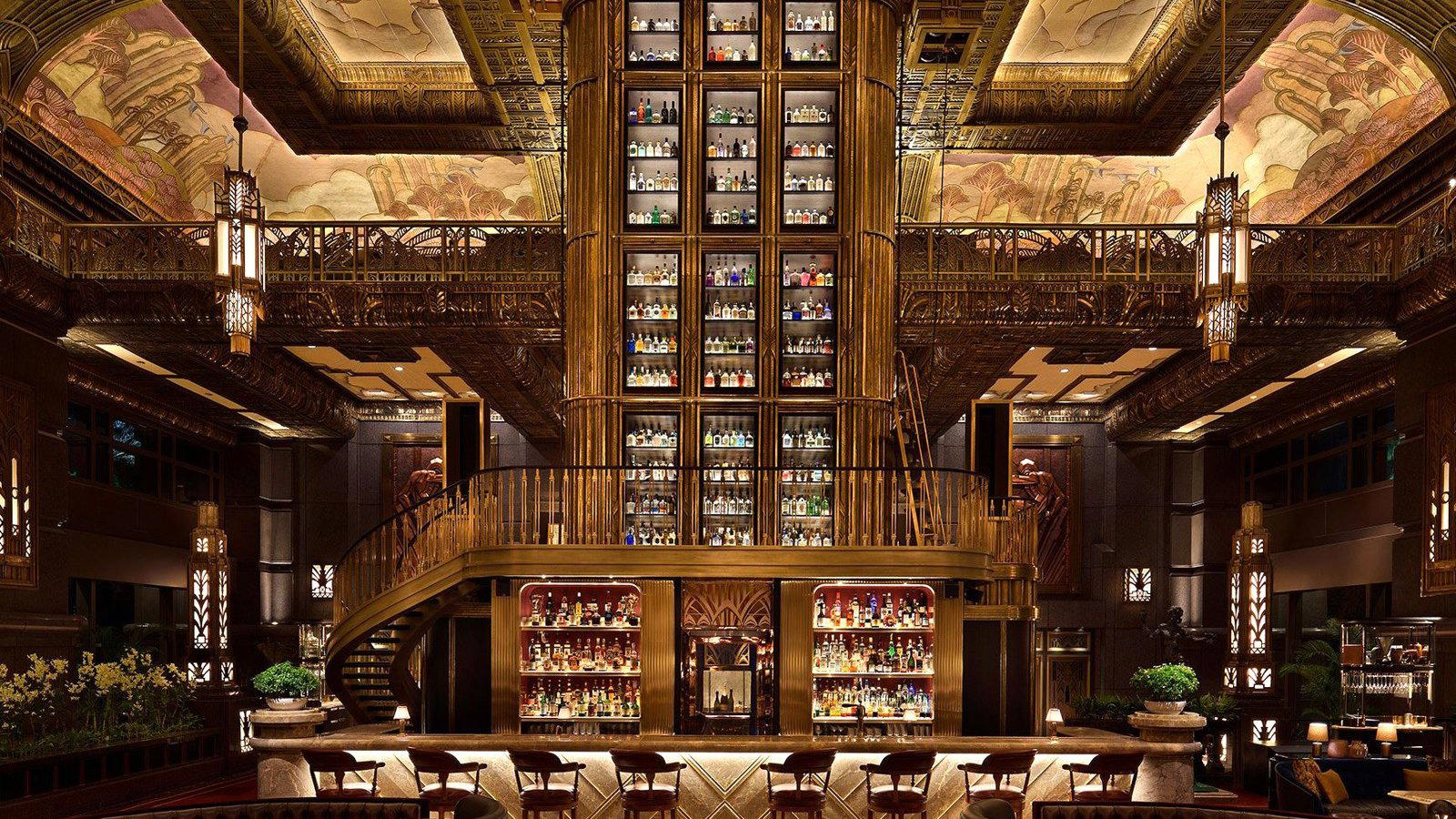
Bars in Singapore
Browse all →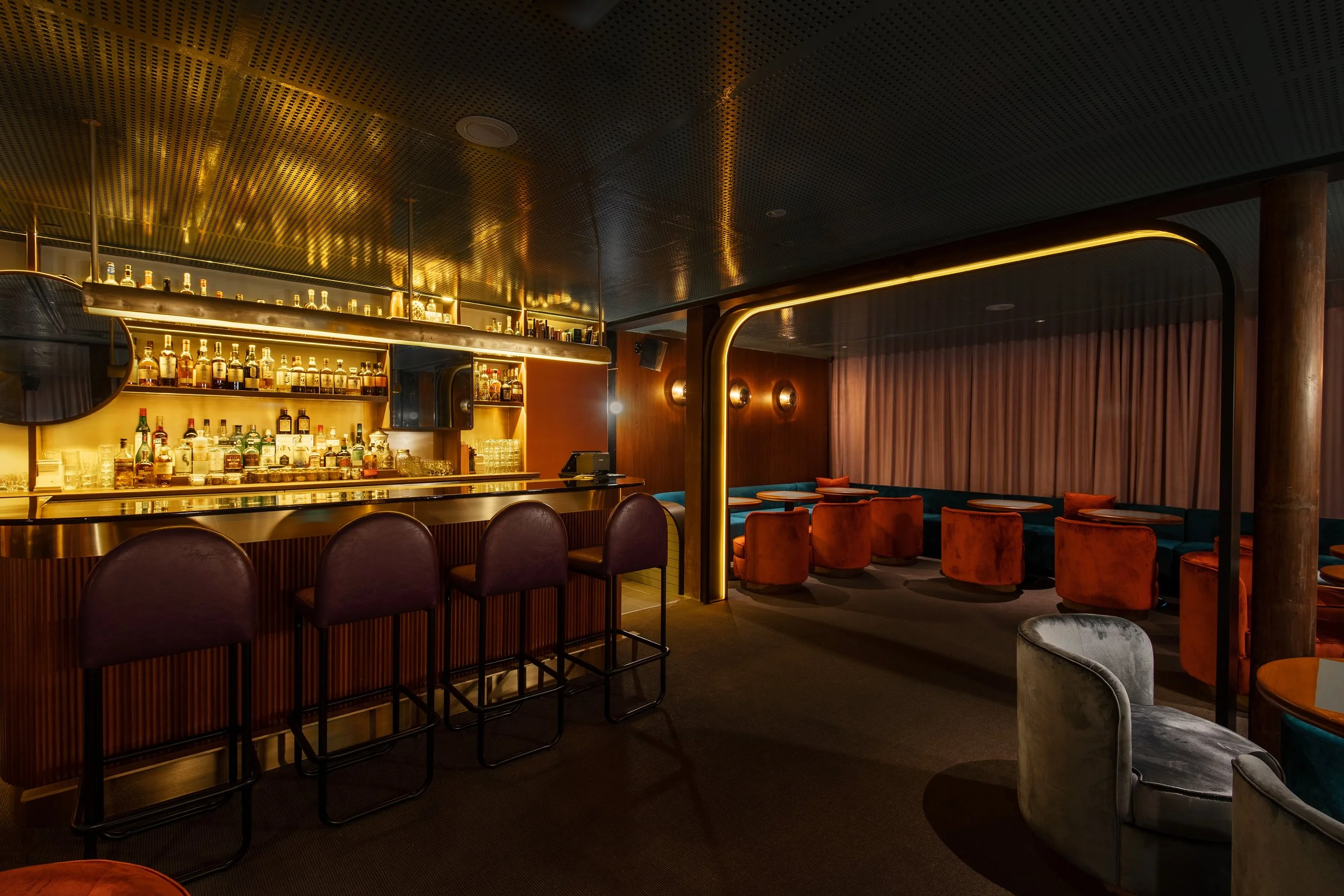
At a Glance
- Elegant
- Classic
- Sophisticated
- Intimate
- Business Dinner
- Date Night
- Family
- Group Dining
- Special Occasion
- Private Event
- Private Dining
- Design Destination
- Hotel Restaurant
- Local Sourcing
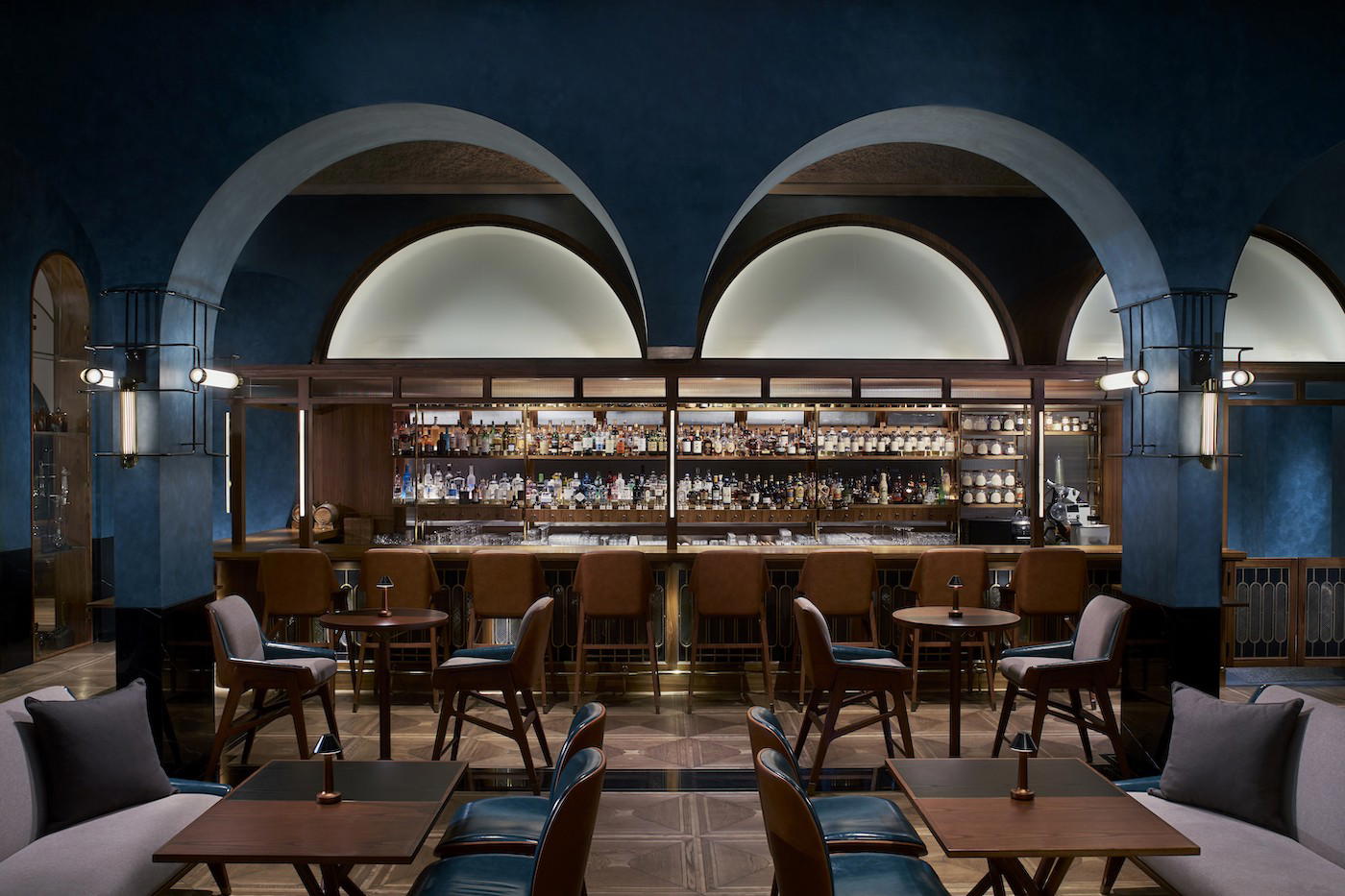
Awash in natural daylight by day and soft ambient lighting at night, the restaurant feels warm yet refined, with old-world stone walls, wooden trellises and classic Chinese architectural details creating a serene, upscale hotel-dining atmosphere suited to both business and special-occasion meals.