Chegrill GmbH
Located at Im Isengrind 9 in Zurich's northern residential quarters, Chegrill GmbH occupies a corner of the city where grill-focused cooking meets the Swiss appetite for seasonal produce. The address places it away from the polished dining corridor of the centre, appealing to a neighbourhood crowd rather than a hotel-dining circuit.
Pearl is the En Primeur Club membership app — saves, bookings, and concierge access live there. Same editors, same standards.
- Address
- Im Isengrind 9, 8046 Zürich, Switzerland
- Phone
- +41768348848
- Website
- chegrill.ch
- Directions
- Get directions
 Saves & bookings on Pearl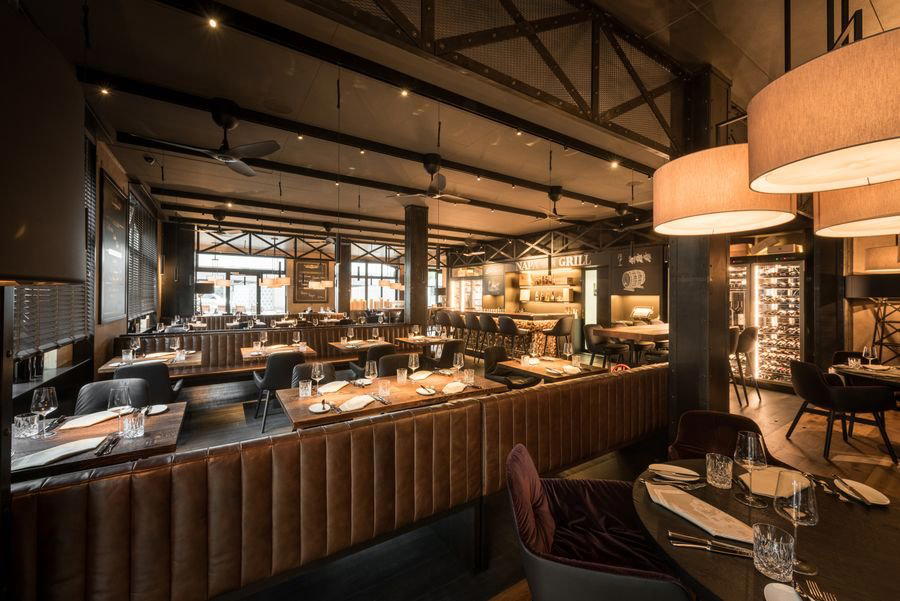
Grillwork in the Periphery: Zurich's Outer Districts and the Case for Local Fire
Zurich's most-discussed restaurants cluster predictably: the lakefront hotels, the Niederdorf lanes, the Kreis 4 and 5 corridors where creative kitchens draw food press and expense accounts alike. The outer districts tell a different story. In the northern residential belt around Affoltern and Seebach, the dining proposition is more neighbourhood than destination, built around reliability, regularity, and a more grounded relationship with Swiss produce. Chegrill GmbH is a casual charcoal-grilled burgers and steaks restaurant at Im Isengrind 9 in Zurich's Affoltern district, with. Chegrill GmbH, at Im Isengrind 9 in the 8046 postal district, operates in this register. The address alone signals its orientation: this is not a restaurant designed to attract the same crowd as IGNIV Zürich by Andreas Caminada or The Counter. It serves a different function in the city's dining fabric.
That function matters, because Zurich's food scene has always operated on two tracks simultaneously. On one track: the Michelin-starred rooms, the wine cellars stocked with Graubünden Pinot Noir, the €€€€ tasting menus. On the other: working neighbourhood restaurants where the cooking is direct, the clientele local, and the connection to Swiss agricultural traditions more practical than performative. The grill, as a format, sits naturally in the second category. Open-fire and charcoal cooking have deep roots in Swiss and broader Central European culinary culture, predating the current trend cycle by generations.
The Intersection of Technique and Territory
Across Switzerland's serious restaurant culture, particularly interesting editorial tension is not between tradition and modernity but between technique and territory. Chefs trained in classical European or international methods, then returning to work with Swiss raw materials, produce cooking that looks outward but tastes local. This pattern appears at several of the country's most recognised addresses: Schloss Schauenstein in Fürstenau has built its reputation partly on this compact between global technique and hyper-local sourcing in Graubünden. Memories in Bad Ragaz operates in a similar register at a different scale. Even Hotel de Ville Crissier in Crissier carries this DNA, with classical French rigour applied to the produce of the Swiss Plateau.
Grill-focused restaurants participate in this conversation differently from tasting-menu rooms, but the underlying logic is comparable. The grill is a technique that demands quality of raw material above almost anything else: poor produce cannot be masked by sauce or construction. When grill cooking is done with Swiss beef, regional poultry, or locally farmed vegetables, the result is a direct articulation of Swiss agricultural conditions expressed through one of cooking's oldest methods. The combination is less fashionable than it sounds because it has always existed; what changes is whether a given moment in the culture treats it as a destination proposition or a background assumption.
Zurich's Neighbourhood Restaurant Tier
Understanding where Chegrill GmbH sits in Zurich's restaurant hierarchy requires understanding the tier it occupies. The city's dining scene has clear stratification. At the apex: multi-Michelin establishments such as The Restaurant in the Baur au Lac, where creative cuisine operates at the €€€€ price ceiling. A step below: critically recognised neighbourhood destinations like Widder, which balances Swiss tradition with contemporary polish, and Eden Kitchen and Bar with its Italian-inflected approach at the premium end. Below those: the broader neighbourhood restaurant layer, where price, accessibility, and local function define the proposition more than critical recognition.
The Im Isengrind address places the restaurant in this neighbourhood tier, in a part of Zurich that has not historically been a dining destination but that sustains a consistent residential clientele. For visitors to the city who want to experience Zurich beyond its curated centre, that geographic positioning is itself informative. The outer districts contain restaurants that the hotel concierge circuit rarely recommends, which means they operate on local reputation rather than guidebook placement.
For context on what the Swiss restaurant scene looks like at its most decorated, it is worth noting the country's broader reach: Cheval Blanc by Peter Knogl in Basel, Maison Wenger in Le Noirmont, Einstein Gourmet in Sankt Gallen, Da Vittorio in St. Moritz, Mammertsberg in Freidorf, La Table du Valrose in Rougemont, and focus ATELIER in Vitznau. These are the addresses Swiss fine dining is benchmarked against internationally, including against rooms like Le Bernardin in New York City and Lazy Bear in San Francisco when the conversation turns to technique-driven cooking. The restaurant does not compete in that register, and is stronger for not trying to.
What Grill-Focused Cooking Signals in a Swiss Context
The grill format carries particular meaning in Switzerland, a country where outdoor cooking culture, Alpine farming traditions, and Central European meat-curing heritage all converge. Swiss butchery has its own regional specificity: the Zürich area is associated with certain cuts and preparations that differ from the traditions of Valais or Graubünden. A restaurant oriented around grilling in the city's northern residential districts is drawing, consciously or not, on a set of culinary associations that are deeply local even when the technique itself is globally shared.
The intersection of imported grilling methods and Swiss produce is where the editorial angle of this kind of restaurant becomes legible. Countries with strong open-fire cooking traditions, from South America to the Eastern Mediterranean, have influenced Swiss grill culture over the past two decades, partly through immigration patterns and partly through the same international cooking press that circulates globally. The result, in restaurants across Zurich's broader outer districts, is often a synthesis: Swiss animal husbandry and seasonal produce, met by grilling technique with wider geographic references. Whether the restaurant operates in this synthetic mode or in a more traditional Swiss-grill register is not something the public record confirms.
Price and Recognition
Comparable venues nearby, for context on price, style, and recognition.
| Venue | Cuisine | Price | Notes |
|---|---|---|---|
| Chegrill GmbHThis venue — the venue you are viewing | Not listed | $$ | Not listed |
| Sarajevska Ćevabdžinica | Albisrieden, Authentic Bosnian | $$ | Not listed |
| Kornsilo | Not listed | $$ | Riesbach, Swiss Regional Café with International Influences |
| Venus | Not listed | $$ | Oerlikon, Swiss Bistro with International Influences |
| Rathaus-Café | Fluntern, European Café & Bar | $$ | Not listed |
| Bar 45 | Not listed | $$ | Aussersihl, Cafe Bar with Spanish Small Plates |
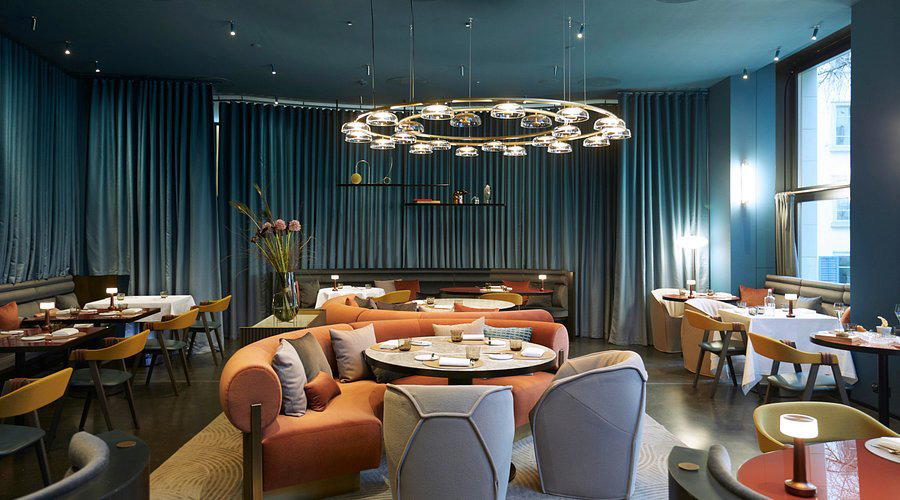
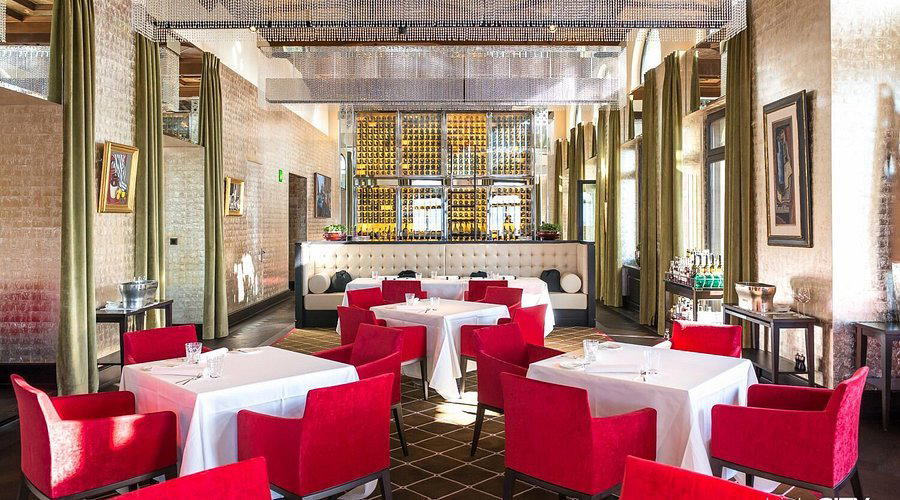
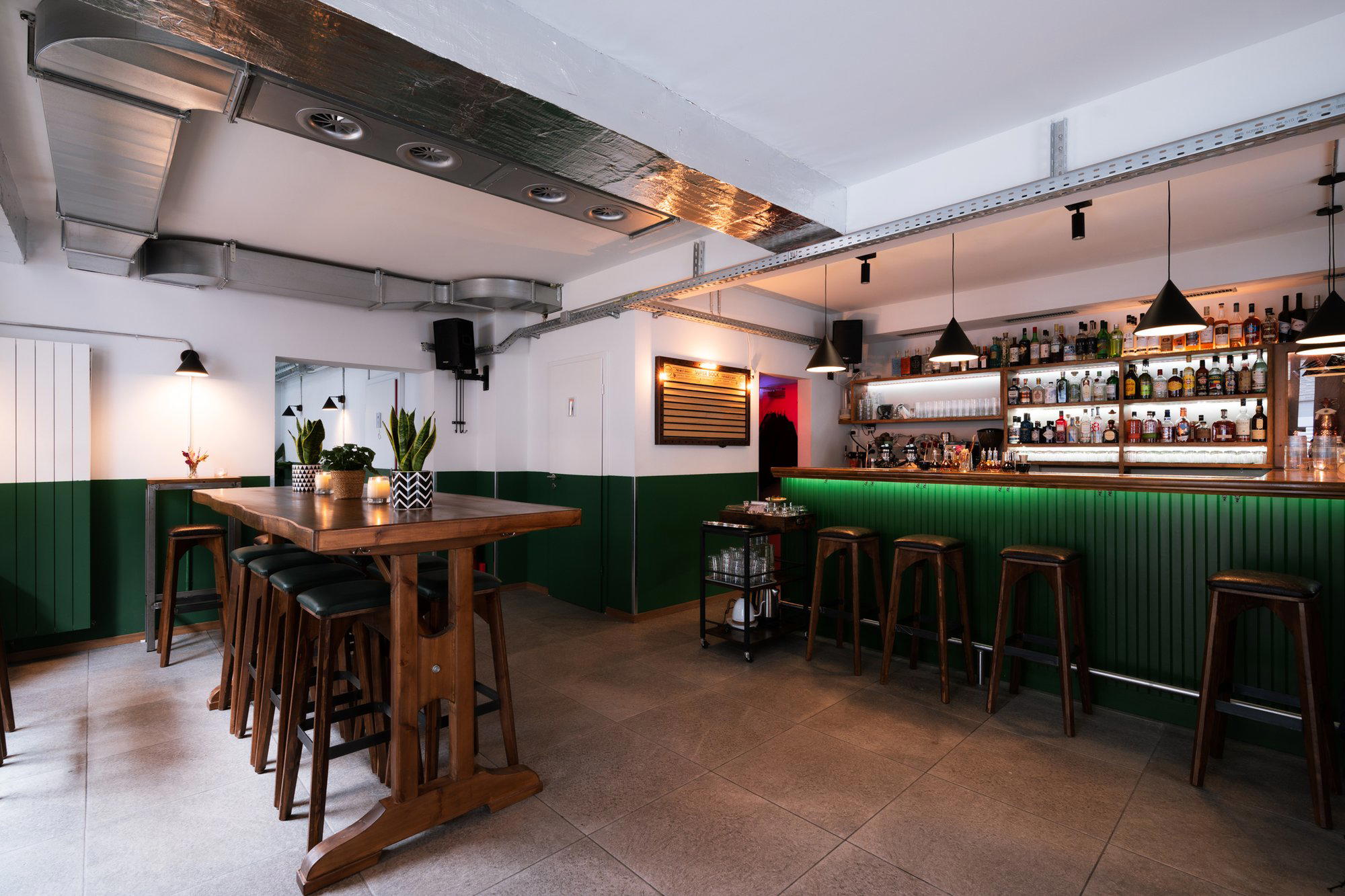
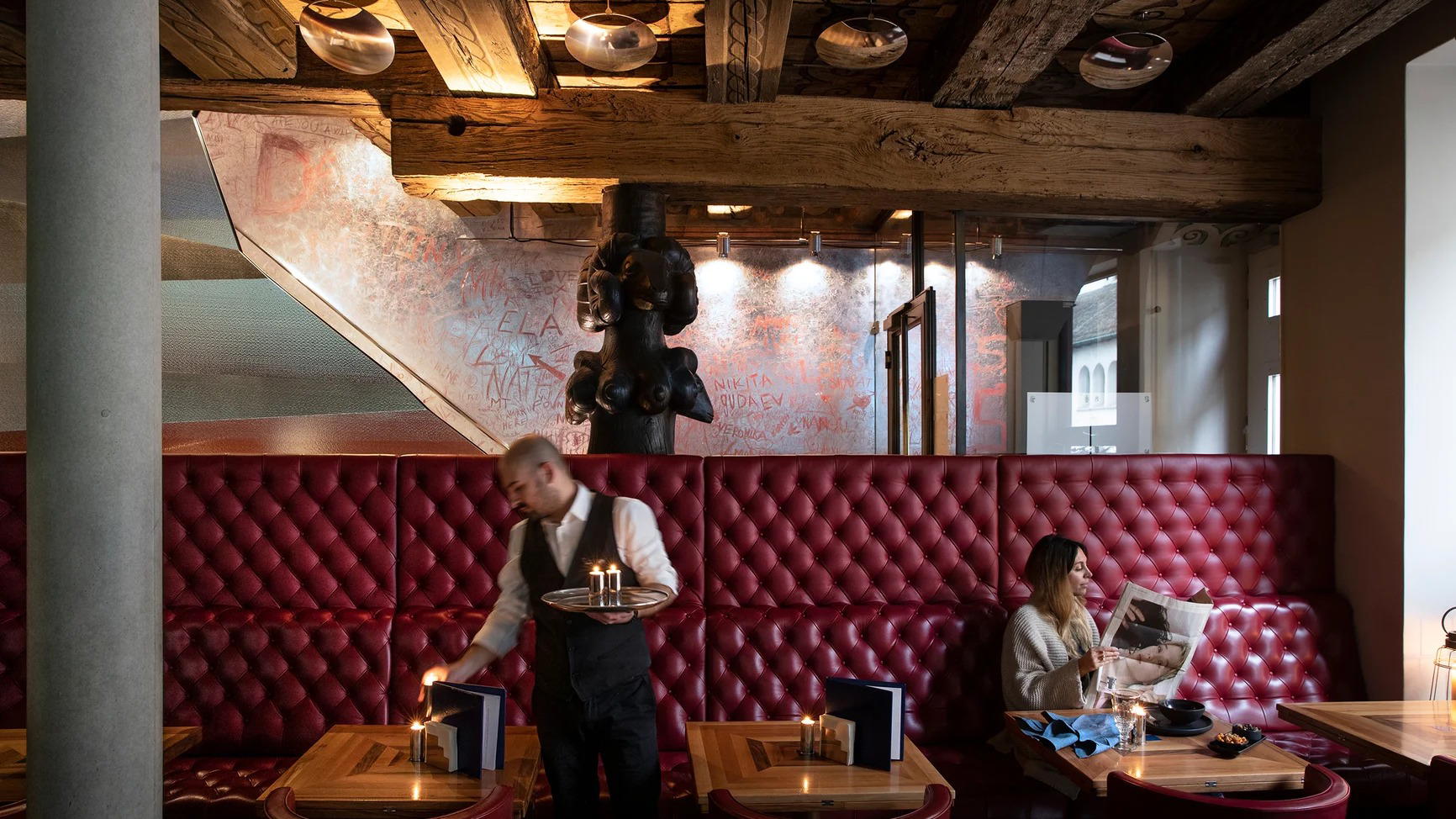
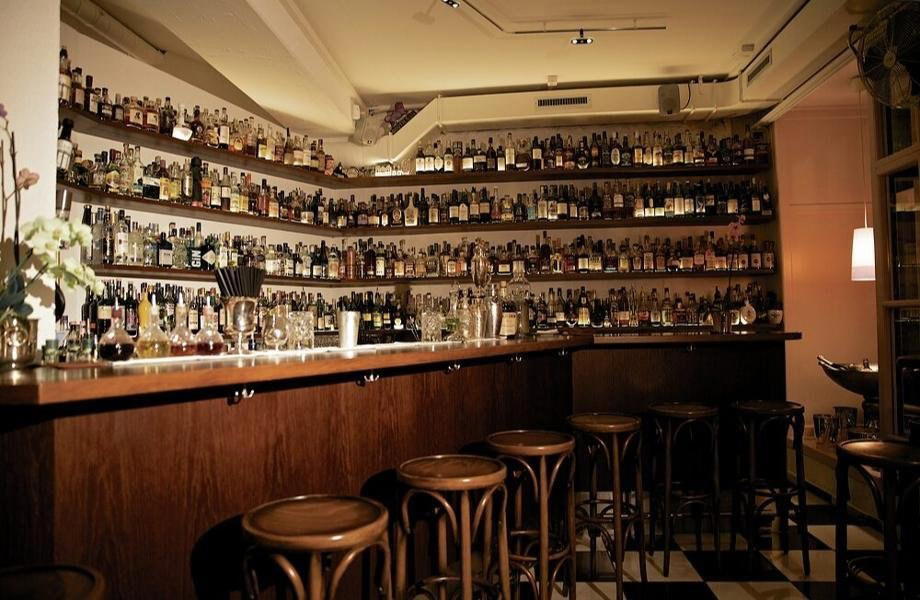
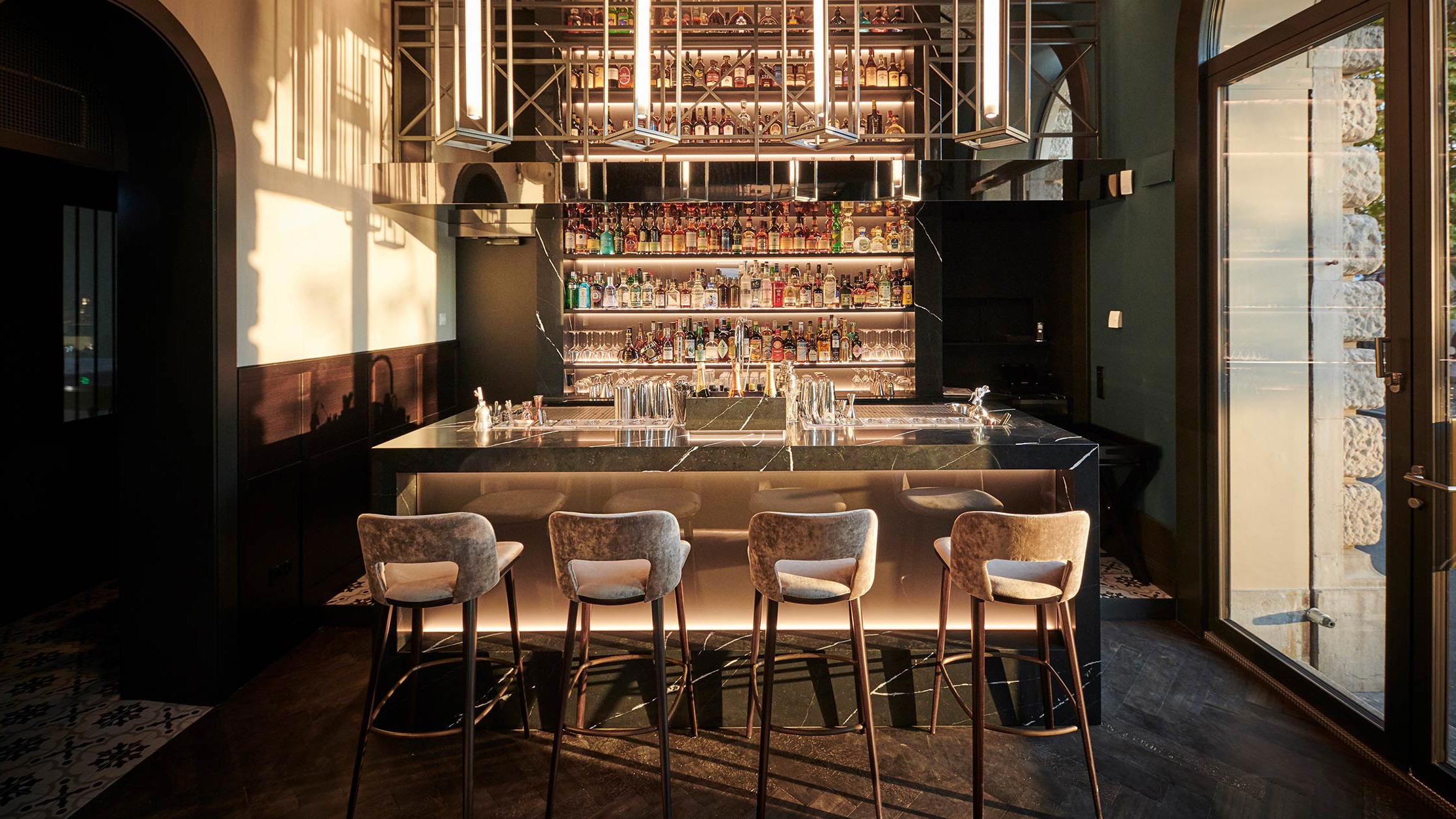
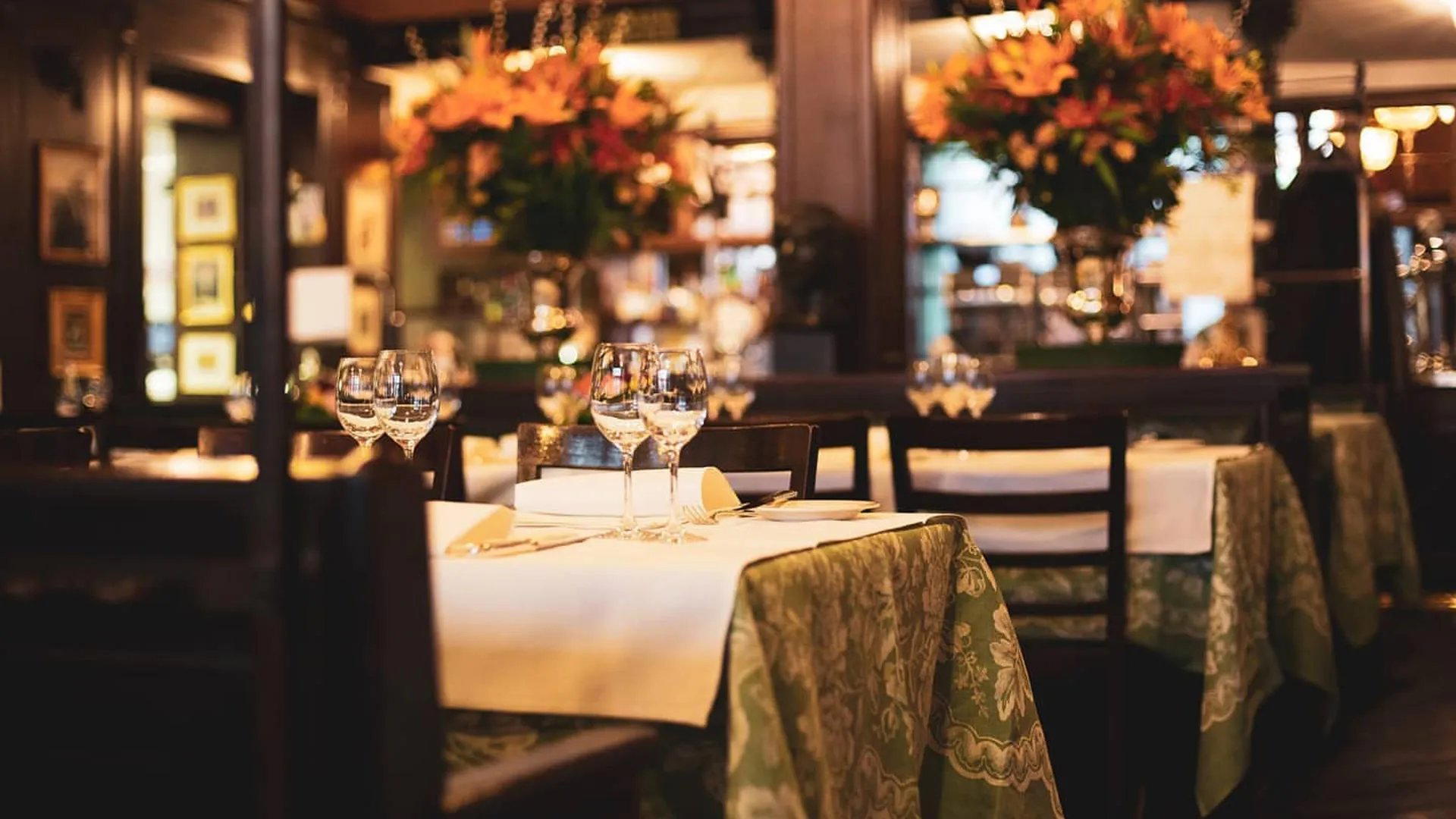
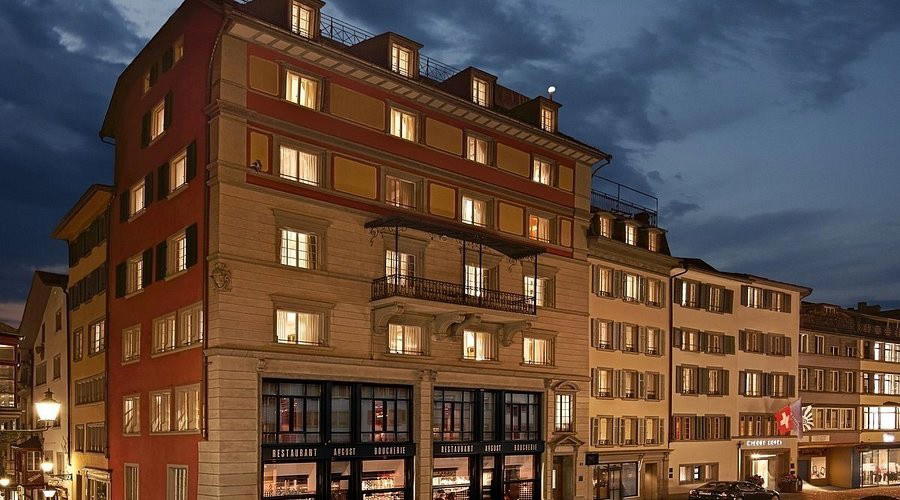
At a Glance
- Lively
- Trendy
- Casual Hangout
- Open Kitchen
Current opening hours
- Monday
- 11:30 AM–2 PM
- Tuesday
- 11:30 AM–2 PM
- Wednesday
- 11:30 AM–2 PM
- Thursday
- 11:30 AM–2 PM
- Friday
- 11:30 AM–2 PM
- Saturday
- 1–8 PM
- Sunday
- 1–8 PM
Hours can change for holidays and private events. Last verified .