Chef Burma
Chef Burma brings Burmese cooking to Sacramento's midtown grid at a moment when Southeast Asian cuisines beyond Thai and Vietnamese are finding serious traction in California dining. Positioned at 1020 16th Street, the restaurant occupies a niche that few in the state's capital claim: a dedicated focus on the fermented, layered flavors of Myanmar. For diners accustomed to the city's Californian-contemporary circuit, it offers a genuinely different reference point.
Pearl is the En Primeur Club membership app — saves, bookings, and concierge access live there. Same editors, same standards.
- Address
- 1020 16th St #10, Sacramento, CA 95814
- Phone
- +19166615976
- Website
- chefburma.com
- Directions
- Get directions
 Saves & bookings on Pearl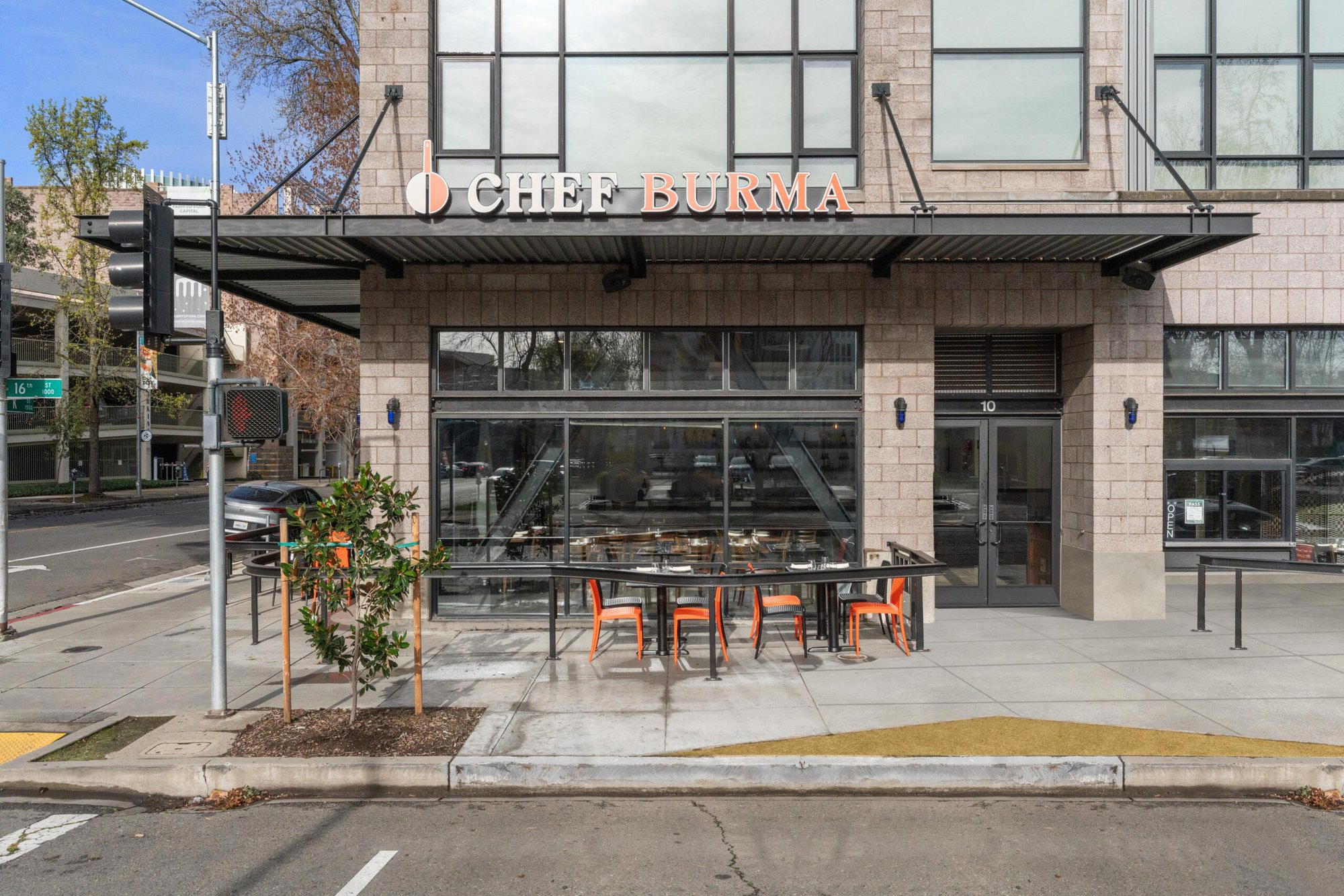
A Different Register on the Midtown Grid
Sacramento's downtown restaurant corridor runs heavily toward Californian-contemporary and Italian formats. Localis and The Kitchen anchor the upper end of that register, while Allora and Adamo's Kitchen hold the Italian ground. Chef Burma, at 1020 16th Street, occupies an almost entirely separate culinary category. Burmese food has not broken into the mainstream California dining conversation the way Vietnamese or Thai cuisine has, which means restaurants committed to it operate in a niche with low competition and high specificity. That specificity is the point.
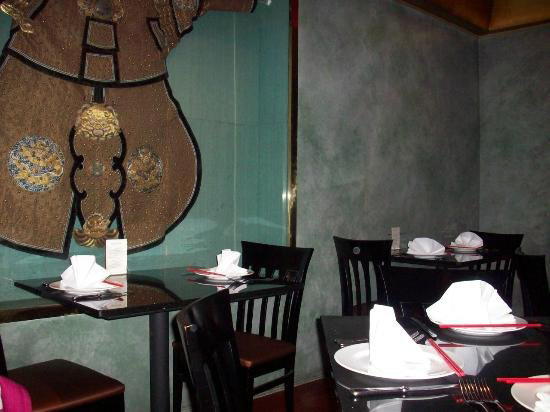
The address places Chef Burma in the 16th Street corridor, a stretch of Sacramento's midtown that mixes neighborhood restaurants with destination-driven spots. The physical approach is understated. This is not a room that signals ambition through design; the work happens on the plate, or more precisely, across the sequence of plates. Burmese cuisine is not built around a single hero dish. It accumulates. Each course adds a new layer of fermented, sour, bitter, or umami-forward flavor, and the full picture only resolves toward the end of the meal.
How a Burmese Meal Actually Sequences
Understanding Burmese food as a tasting progression rather than a collection of individual dishes reframes the experience considerably. Myanmar's cuisine sits at a geographic crossroads between India, China, and Southeast Asia, and that intersection shows up structurally in how a meal unfolds. Lighter, often fermented salads arrive early, particularly the tea leaf salad (lahpet thoke), which combines fermented tea leaves with crunchy legumes, dried shrimp, and sesame. The sourness of the fermented leaf functions as a palate primer, cutting through richness before it arrives.
Soups follow their own logic in Burmese cooking. Mohinga, the fish-based noodle broth considered by many food historians to be Myanmar's national dish, is thick with rice flour and layered with lemongrass and banana stem. Where Vietnamese pho builds depth through long bone broth, mohinga achieves a different kind of weight through starch and aromatics. Both are breakfast-forward traditions in their home countries, but in a restaurant context outside Myanmar, they work as an early course that grounds the meal before heavier curries arrive.
Burmese curries differ from their South and Southeast Asian neighbors in their relatively restrained use of coconut milk. The fat base tends to be oil-heavy, cooked down through long reduction until the oil separates and the aromatics caramelize. The result is dense and unctuous rather than saucy. Served with rice and a rotating set of side dishes including fermented condiments and raw vegetable accompaniments, the curry course marks the structural center of a Burmese meal. It is the point at which the accumulated layers of earlier courses resolve into something coherent.
For diners accustomed to the clean progression of a tasting menu at places like Lazy Bear in San Francisco or the more architecturally constructed sequences at Alinea in Chicago, the Burmese format operates differently. There is no single dramatic moment. The meal builds slowly through contrast and accumulation rather than escalating technical spectacle. That contrast with the contemporary American tasting menu format is not a weakness; it reflects a culinary tradition that predates the modern multi-course structure by centuries.
Sacramento's Southeast Asian Dining Context
California's Central Valley carries one of the largest Southeast Asian diaspora populations in the United States, concentrated particularly in Sacramento and the surrounding communities. That demographic reality has shaped the city's restaurant scene at the neighborhood level for decades, producing a range of Vietnamese, Cambodian, Hmong, and Lao restaurants that operate with the specificity and authority that comes from cooking for a home community rather than performing a cuisine for outsiders. Burmese restaurants occupy a smaller slice of that ecosystem, which means Chef Burma addresses a gap rather than competing within an already crowded field.
The comparison point for understanding the restaurant's position is not its Sacramento contemporaries so much as the broader national pattern. Cities with established Burmese restaurant communities, notably the San Gabriel Valley in Los Angeles and parts of the Bay Area, have demonstrated that the cuisine can sustain serious, dedicated restaurants. Sacramento, with its own substantial Southeast Asian population, presents similar conditions. The question is whether the local market can support a restaurant operating with the focus and specificity that Burmese cooking requires when done properly. Aioli Bodega Espanola demonstrates that Sacramento diners will seek out cuisine that requires cultural context to fully appreciate; the restaurant makes the same argument from a different culinary tradition.
Planning a Visit
The restaurant is located at 1020 16th Street, Suite 10, in Sacramento's midtown, within the broader 16th Street dining corridor that connects easily to the central grid. The restaurant is recommended for reservations and follows casual dress. The restaurant is a mid-priced restaurant. The depth of flavor complexity per dollar in Burmese cooking, particularly in the fermented condiment and curry categories, is substantial.
A Minimal comparable set
Comparable venues nearby, for context on price, style, and recognition.
| Venue | Cuisine | Price |
|---|---|---|
| Chef BurmaThis venue — the venue you are viewing | Mansion Flats, Authentic Burmese | $$ |
| Chicha Peruvian Kitchen & Cafe | Richmond Grove, Peruvian Kitchen & Cafe | $$ |
| Ryujin Ramen House | Richmond Grove, Japanese Ramen House | $$ |
| Andy Nguyen Vegetarian Restaurant | Newton Booth, Vegetarian Vietnamese | $$ |
| Octopus Peru | Downtown, Peruvian-Inspired Cevicheria | $$ |
| Paesanos | Mansion Flats, Italian Pasta and Pizza | $$ |
Continue exploring
More in Sacramento
Restaurants in Sacramento
Browse all →
Bars in Sacramento
Browse all →

Hotels in Sacramento
Browse all →

Wineries in Sacramento
Browse all →
At a Glance
- Cozy
- Casual Hangout
- Standalone
- Craft Cocktails
Current opening hours
- Monday
- 11 AM–9 PM
- Tuesday
- 11 AM–9 PM
- Wednesday
- 11 AM–9 PM
- Thursday
- 11 AM–9 PM
- Friday
- 11 AM–9:30 PM
- Saturday
- 11 AM–9:30 PM
- Sunday
- 11 AM–9 PM
Hours can change for holidays and private events. Last verified .
Airier space with natural light, cozy and warm hospitality ideal for casual lunches or dinners.