Château Attisholz - Le feu

Le feu holds a Michelin star (2024) and sits within the historic Château Attisholz estate in Riedholz, Solothurn canton, delivering French cuisine at the €€€€ price tier. The restaurant earns, placing it among the more consistently regarded dining rooms in the region. For fine French cooking outside Switzerland's main urban centres, it occupies a distinct position.
Pearl is the En Primeur Club membership app — saves, bookings, and concierge access live there. Same editors, same standards.
- Address
- Attisholzstrasse 3, 4533 Riedholz, Switzerland
- Phone
- +41 32 623 06 06
- Website
- attisholz.ch
- Directions
- Get directions
 Saves & bookings on Pearl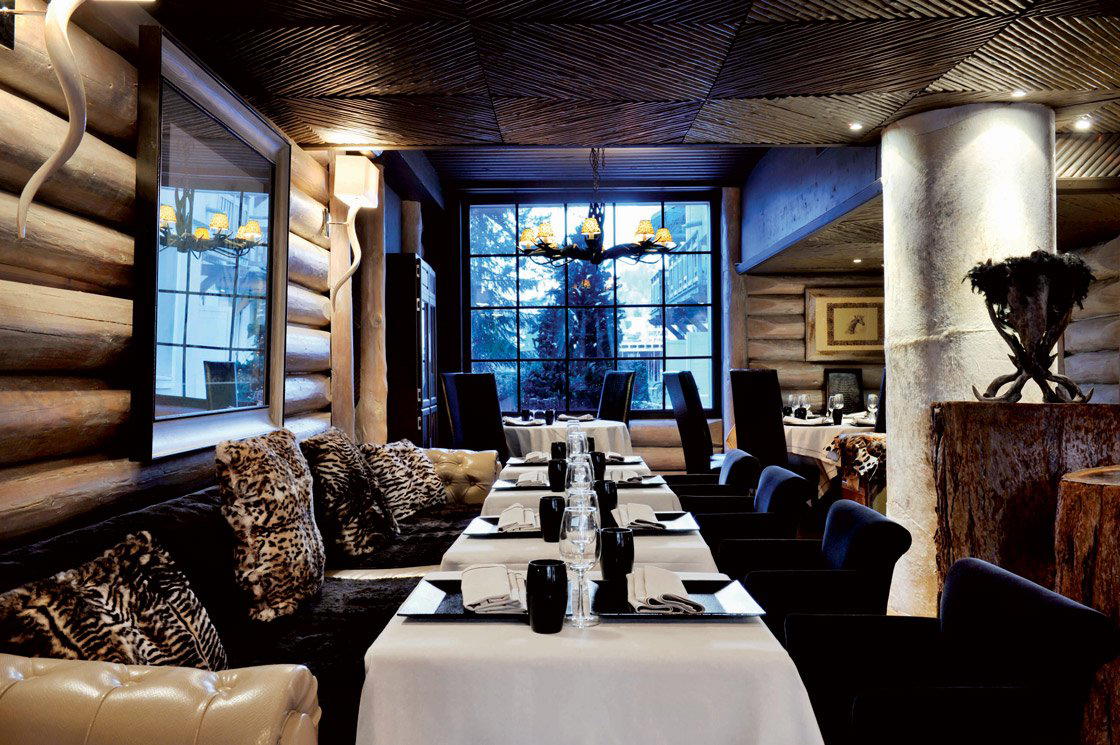
French Fine Dining in a Rural Swiss Estate
Particularly compelling French restaurants in Switzerland do not always sit inside city-centre hotels. Across the country, a pattern has emerged: kitchens pursuing serious French technique have found productive homes in historic rural properties, where the architecture provides a counterweight to the formality of the food and the distance from urban competition sharpens the kitchen's need to justify the journey. Château Attisholz, a converted industrial estate in Riedholz in Solothurn canton, operates within this tradition. Le feu, the estate's fine-dining restaurant, earned a Michelin star in 2024.
Riedholz itself sits at a remove from the Swiss restaurant circuit anchored in Zurich, Basel, and Geneva. That distance changes the calculus for guests. At a city counter, a Michelin-starred meal competes with convenience; here, the evening is the destination. The Château Attisholz estate, a repurposed historic site in Riedholz, provides a physical setting that urban fine dining struggles to replicate: scale, texture, and the kind of aged materiality that no contemporary fit-out can manufacture.
French Cuisine and the Question of Register
The editorial angle that matters for Le feu is not French cooking in the abstract but French cooking in its more disciplined register, the one that sits above the brasserie and below the tasting-menu laboratory. The tradition worth tracing here is that of the serious French table: a kitchen grounded in classical technique, a menu that prizes execution over novelty, and a room that takes the ritual of eating well seriously without treating it as performance art.
That register has narrowed considerably in recent decades. The casual end of French dining, bistros, bouchons, the neighbourhood zinc-bar plat du jour, has remained accessible and widely replicated. The experimental end, following the influence of Ferran Adrià and the generation that came after, has proliferated at the leading. The middle register, where French classicism is the point rather than the starting-off point, is genuinely harder to find, particularly outside France itself. Le feu's French cuisine designation, placed within an estate dining context and priced at €€€€, signals a kitchen operating in that less crowded space.
For comparison across Swiss fine dining, the upper tier is populated by kitchens with quite different editorial identities: Schloss Schauenstein in Fürstenau and Memories in Bad Ragaz both hold three Michelin stars and work in Modern Swiss or creative European registers; focus ATELIER in Vitznau and IGNIV Zürich by Andreas Caminada in Zurich each carry two stars and operate in creative or sharing-format modes. Le feu's French identity, at the one-star level, places it in a different and less crowded competitive set, not chasing creative-Swiss positioning, but holding a classical French line in a country where that choice is a statement in itself.
The wider context is worth noting. French fine dining as exported from France carries significant institutional weight internationally. L'Effervescence in Tokyo and Les Amis in Singapore represent how seriously Asian dining cities treat French technique as a reference point. In Switzerland, where proximity to France is geographical as much as cultural, a kitchen that commits to French cuisine at the €€€€ tier is not making an eccentric choice, it is placing itself within a credible and demanding international tradition.
The Estate Setting as Dining Context
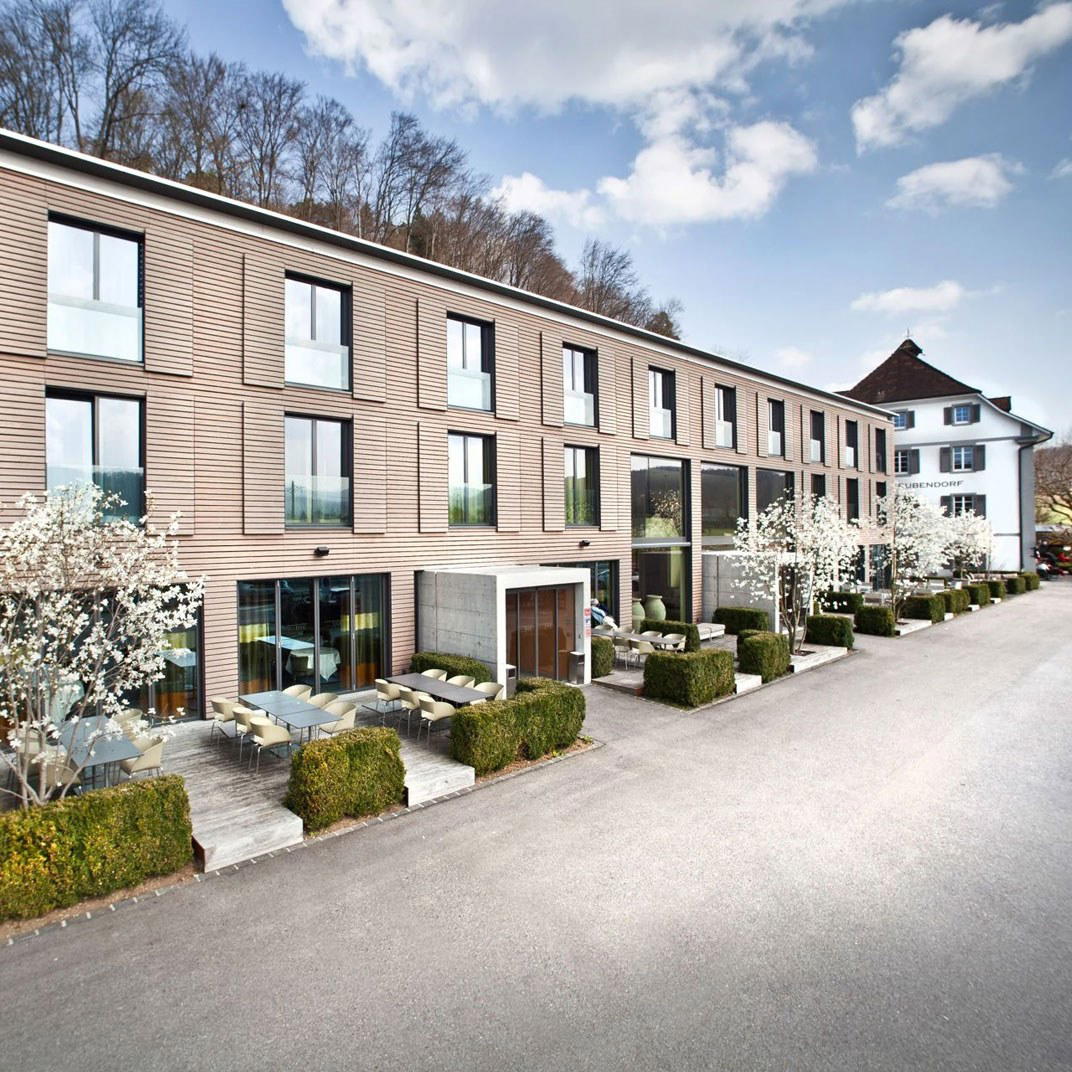
Estate dining in Switzerland tends to operate on terms that are quite different from those of a standalone restaurant. The Château Attisholz complex offers the full hospitality stack: dining, accommodation, and event space within a single historic address. For Le feu, this means the dining room is anchored within a larger architectural narrative rather than existing in isolation. Guests arriving for dinner are already inside the estate before they reach the table, and the passage through the grounds, the mill buildings, the spatial scale, the materiality of the conversion, frames the meal before the first course arrives.
That framing matters more than it might seem. The French dining tradition at its most considered is not purely about what arrives on the plate; it is about the sequencing of an evening, the architecture of arrival, and the relationship between space and food. Estate properties, when they work, compress those elements into a single address. When they do not work, the distance between the history of the building and the ambition of the kitchen becomes apparent. Le feu's Michelin recognition in 2024 suggests the kitchen has closed that gap.
On the same estate, Château Attisholz - Brasserie la Source offers a more accessible seasonal format, covering a different price point and occasion type. This two-tier structure, a fine-dining room alongside a brasserie, is itself a classically French institutional arrangement, the logic being that the estate can absorb guests at multiple registers without either format compromising the other.
Positioning Among Swiss Starred Peers
Within Switzerland's broader constellation of Michelin-recognised restaurants, Le feu occupies a geographically distinct position. The majority of starred addresses cluster in the major cities or in established gastronomic corridors: Cheval Blanc by Peter Knogl in Basel, Colonnade in Lucerne, Einstein Gourmet in Sankt Gallen, Da Vittorio in St. Moritz, and Hotel de Ville Crissier in Crissier. Le feu, in Riedholz, sits outside those corridors, a Michelin-starred French table in a canton not primarily associated with high gastronomy, which is precisely what makes its 2024 recognition worth paying attention to.
. That volume of response, at that score, indicates consistent delivery rather than a handful of notable evenings followed by variable form, a meaningful distinction for a restaurant in a rural location where each guest's journey requires more commitment than a city walk-in.
Planning a Visit
Riedholz sits in Solothurn canton, accessible from Solothurn city by car in under ten minutes and from Basel or Bern within approximately forty-five minutes by road. For guests combining a Château Attisholz dinner with an overnight stay, the estate's hotel offering removes the logistics of the return journey, a practical argument for treating the visit as a multi-day stop rather than a single-evening excursion. At the €€€€ price tier, advance planning and a reservation confirmed well ahead are standard expectations.
A Pricing-First Comparison
Comparable venues nearby, for context on price, style, and recognition.
| Venue | Cuisine | Price | Awards |
|---|---|---|---|
| Château Attisholz - Le feuThis venue — the venue you are viewing | French | $$$$ | Michelin 1 Star |
| Château Attisholz - Brasserie la Source | Riedholz, Seasonal French Brasserie | $$ | Michelin 1 Star |
| Lucide | City Center, Alpine Terroir Fine Dining | $$$$ | Michelin 1 Star |
| Le Berceau des Sens | EHL Campus, Modern French Fine Dining | $$$$ | Michelin 1 Star |
| Du Cerf | Sonceboz, Classic French Fine Dining | $$$$ | Michelin 1 Star |
| Fahr | Künten-Sulz, Modern Swiss Fine Dining | $$$ | Michelin 1 Star |
Recognition history
Dated appearances from independent guides and award organizations, with the underlying list record or original source where available.
Michelin 1 Star
Michelin
Continue exploring
More in Riedholz
Restaurants in Riedholz
Browse all →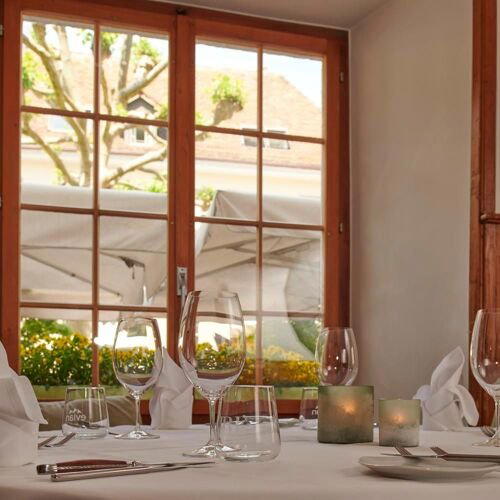
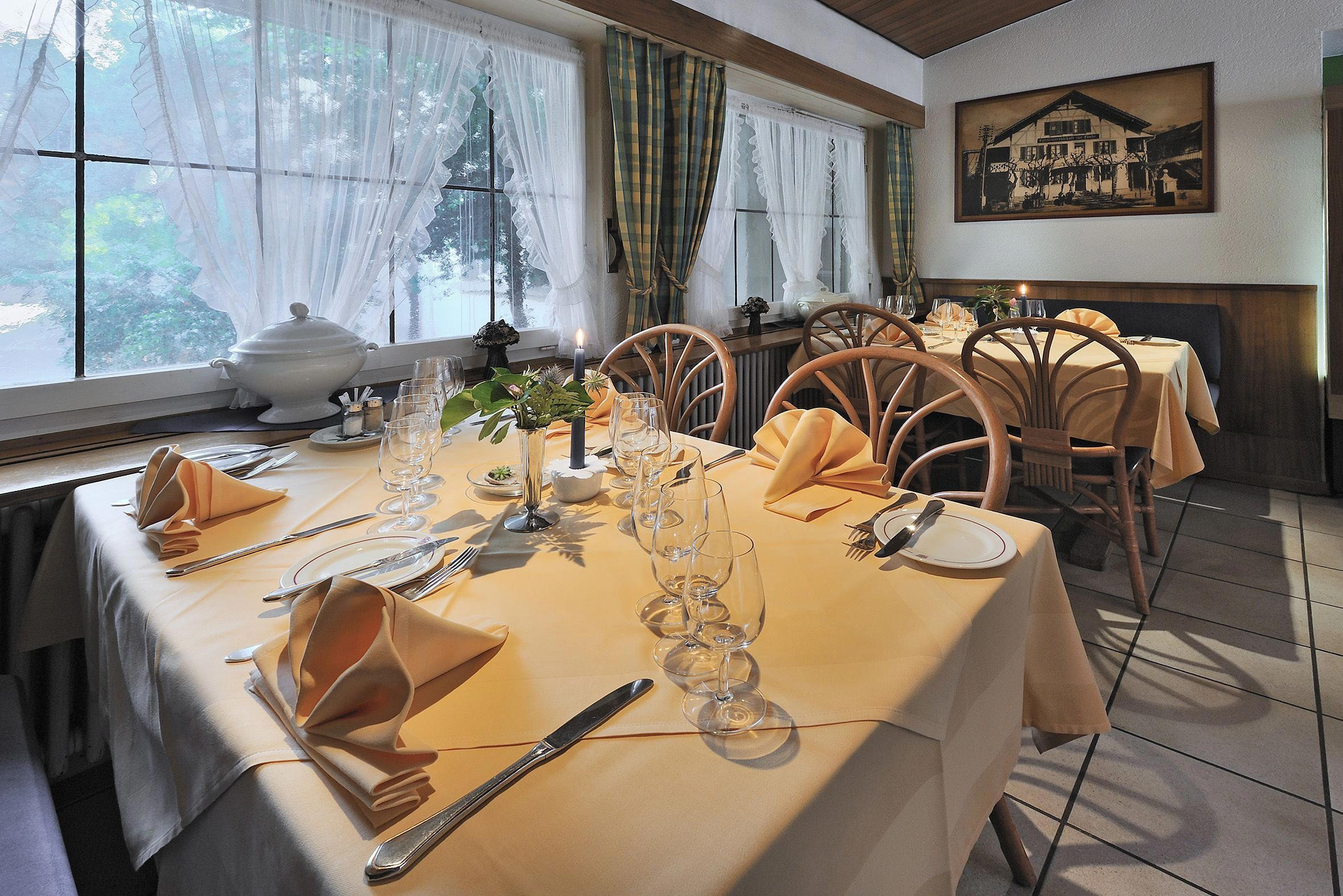
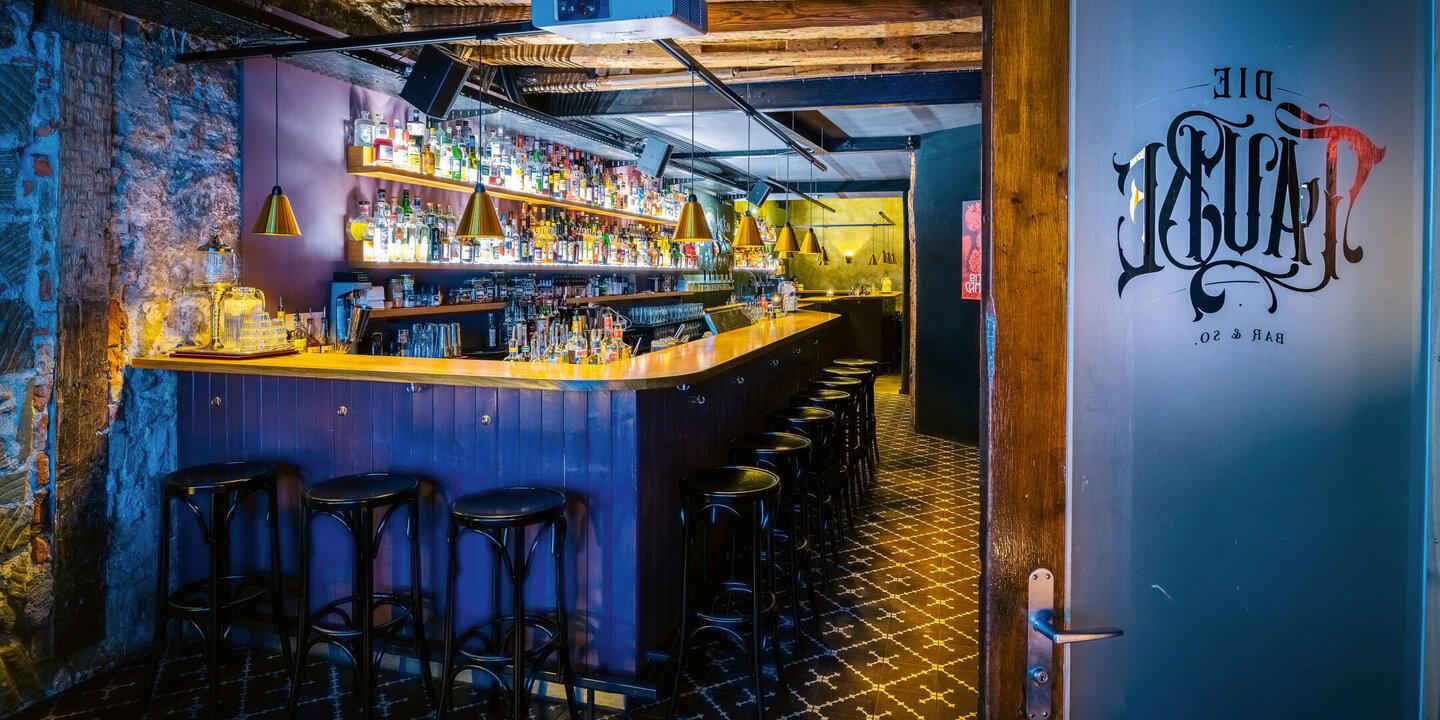
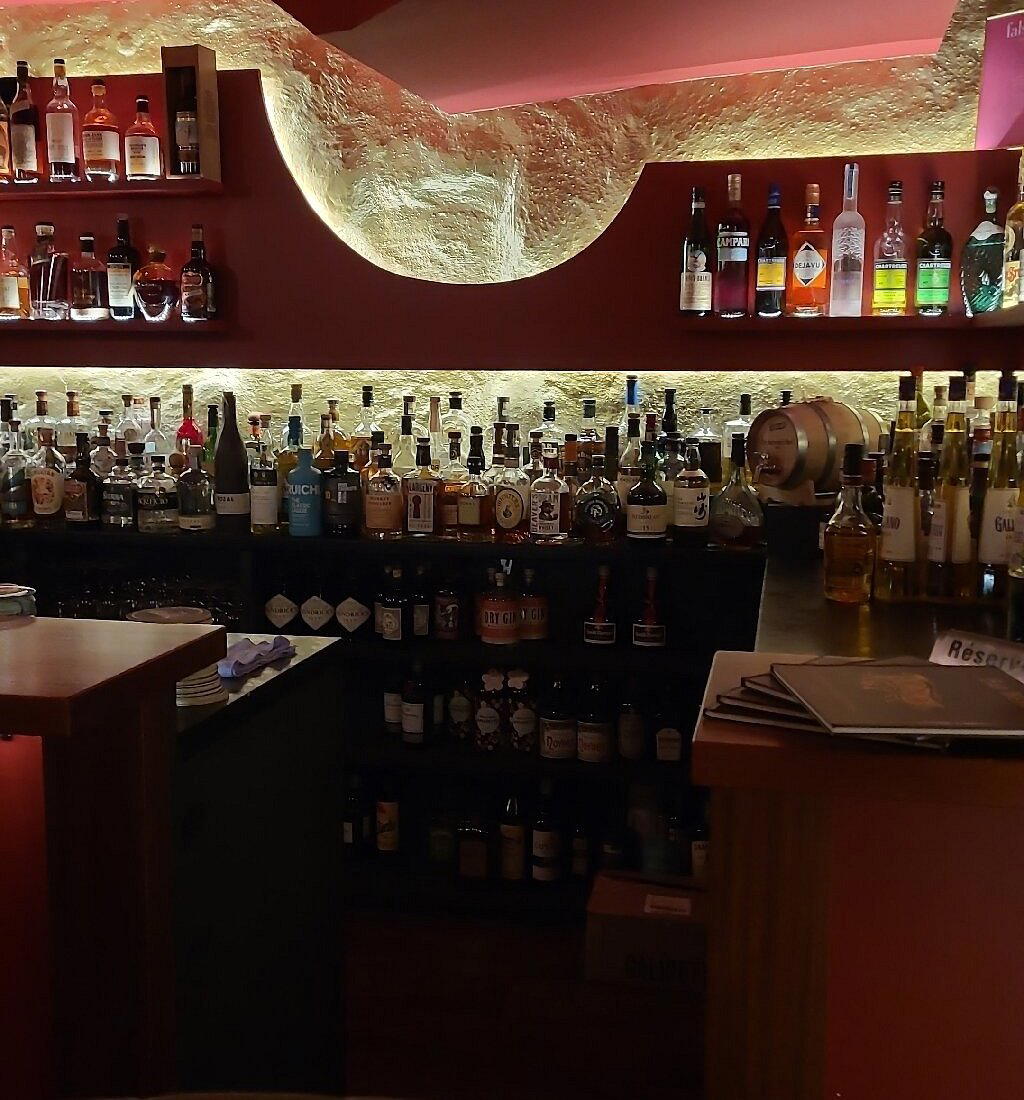
Bars in Riedholz
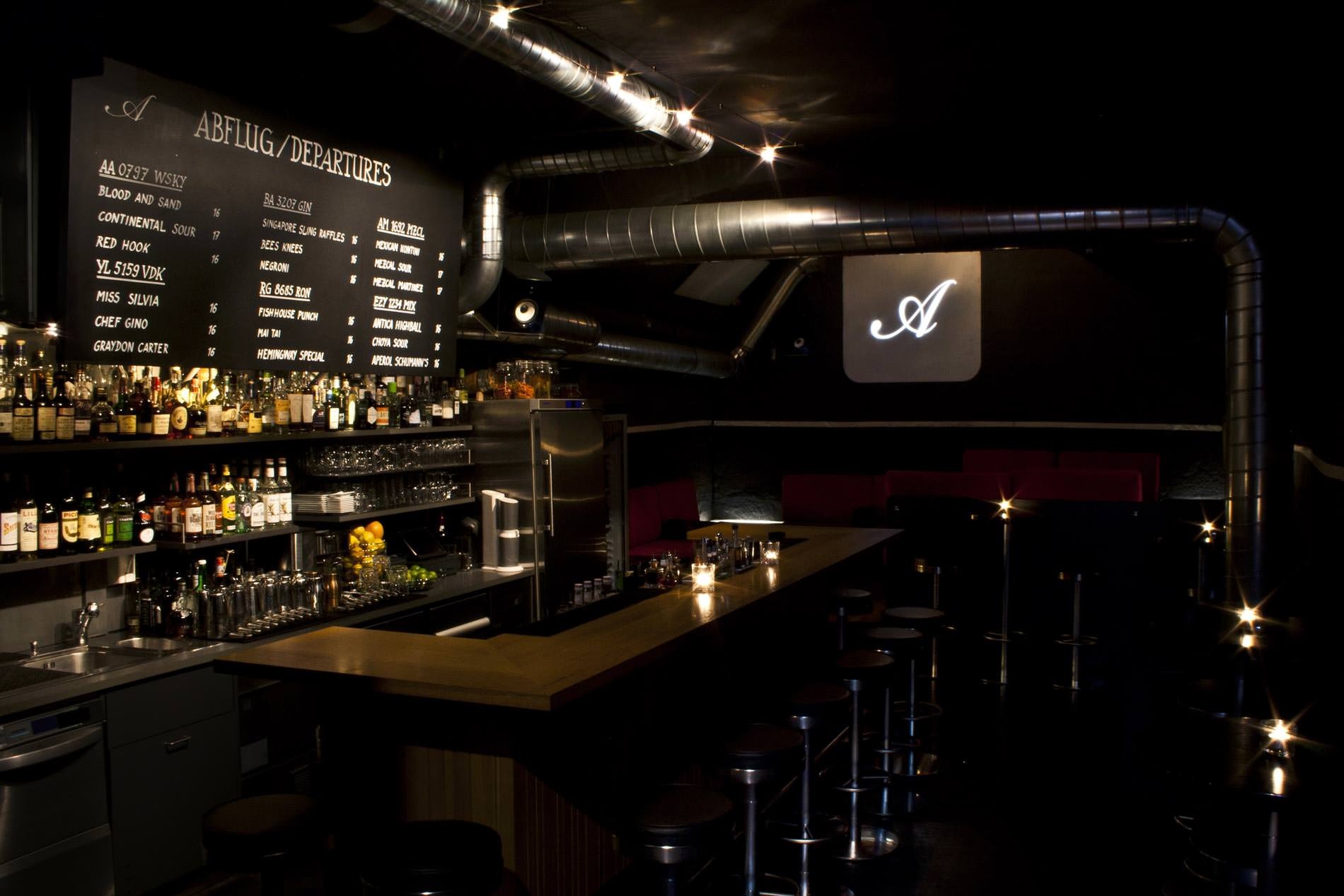
Browse all →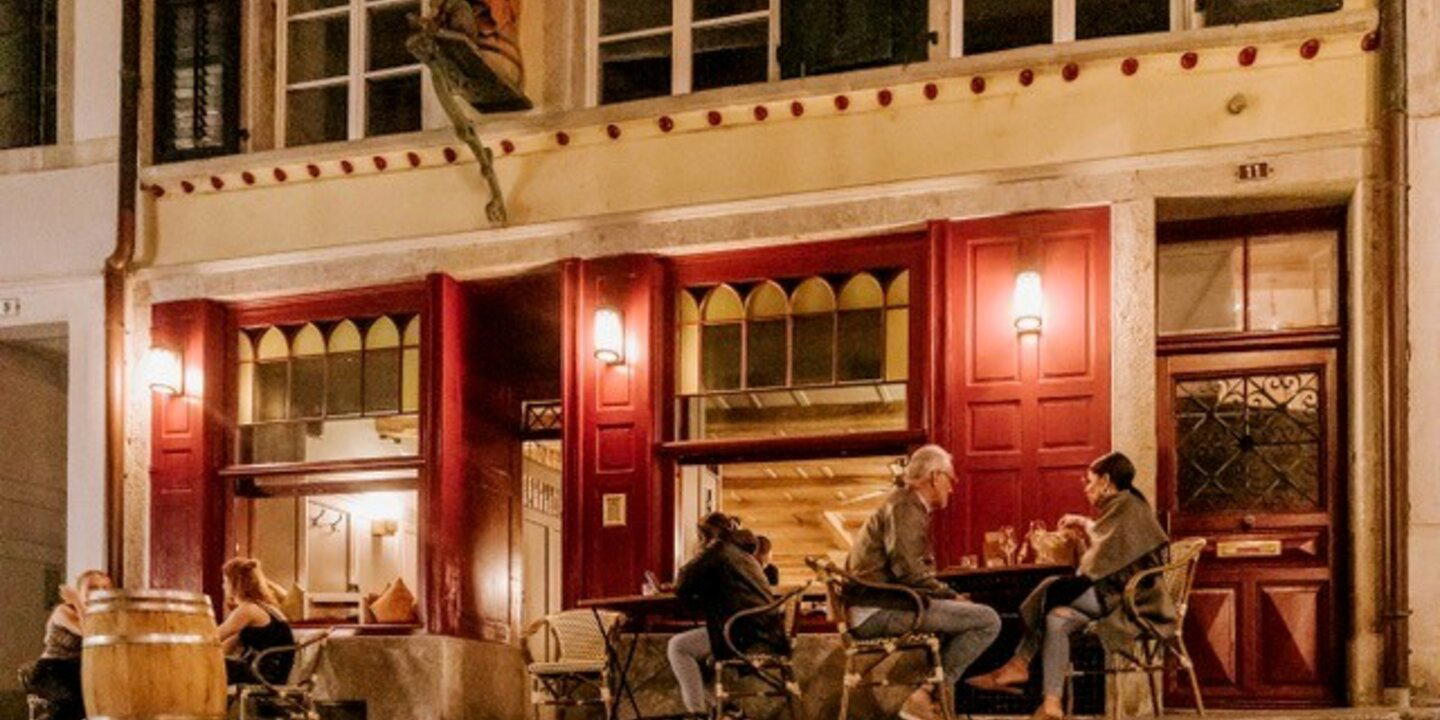
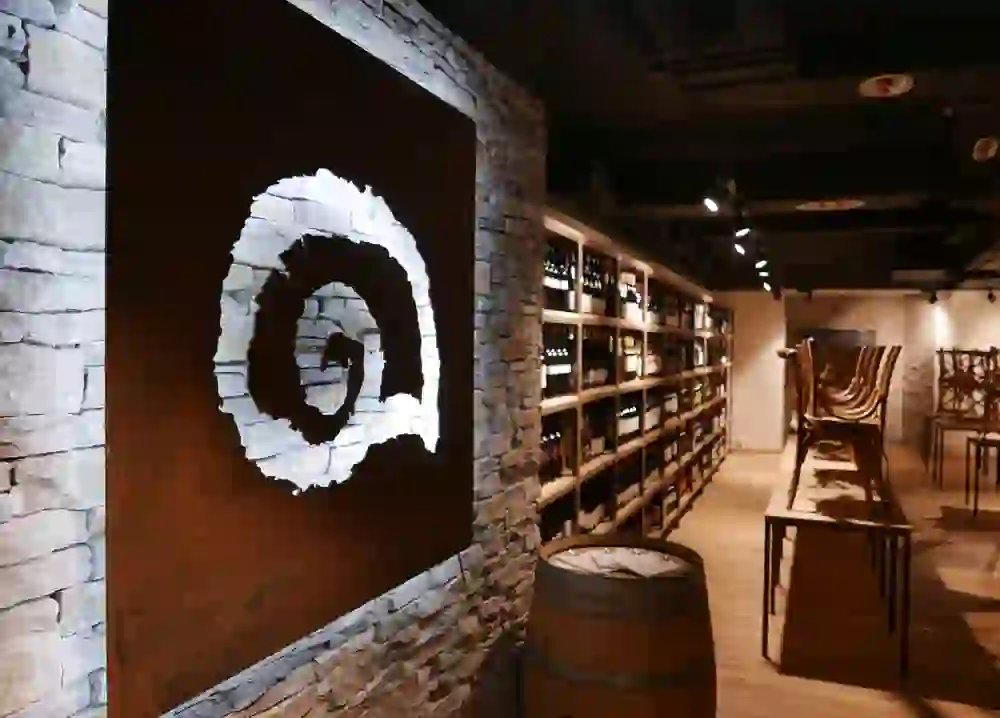
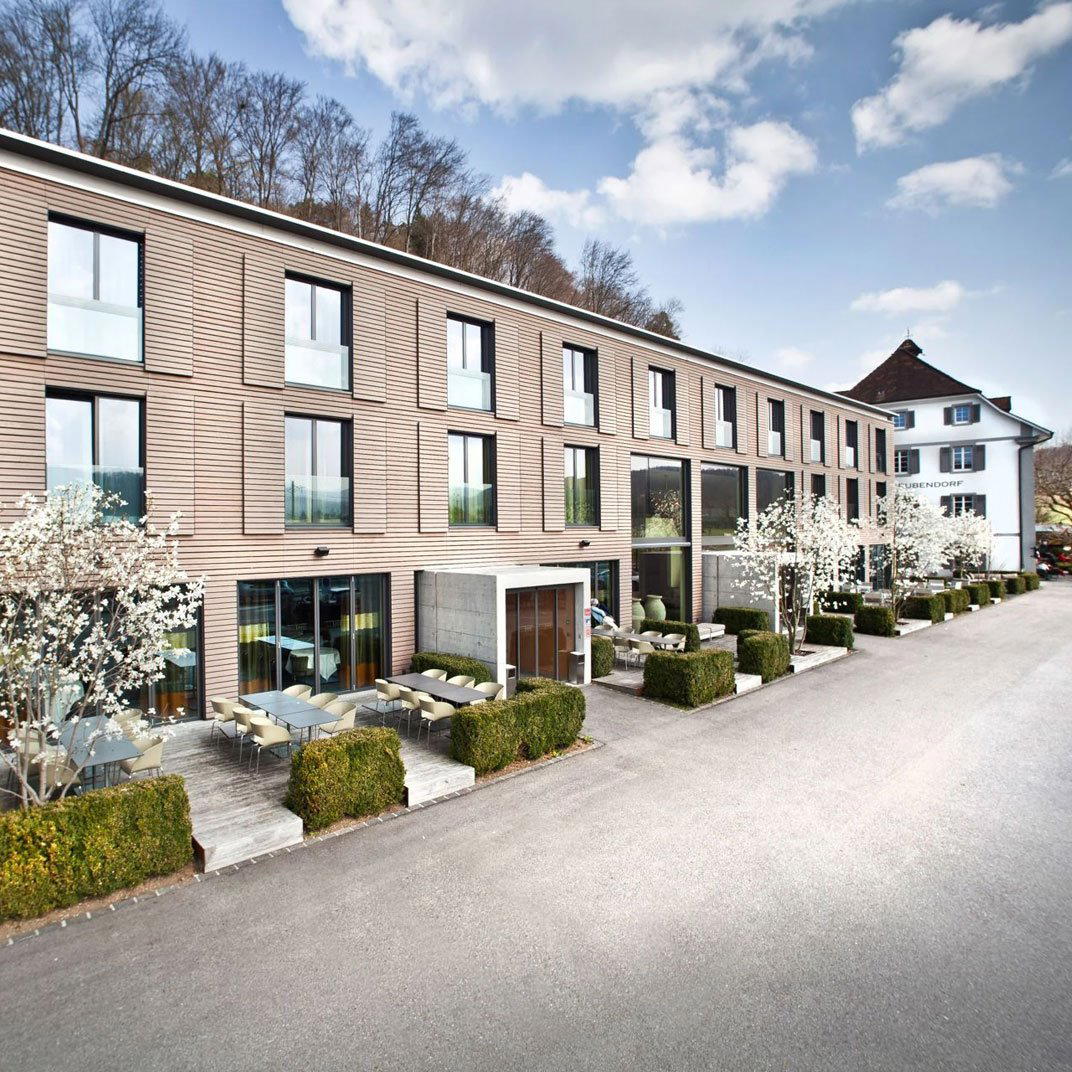
Hotels in Riedholz
Browse all →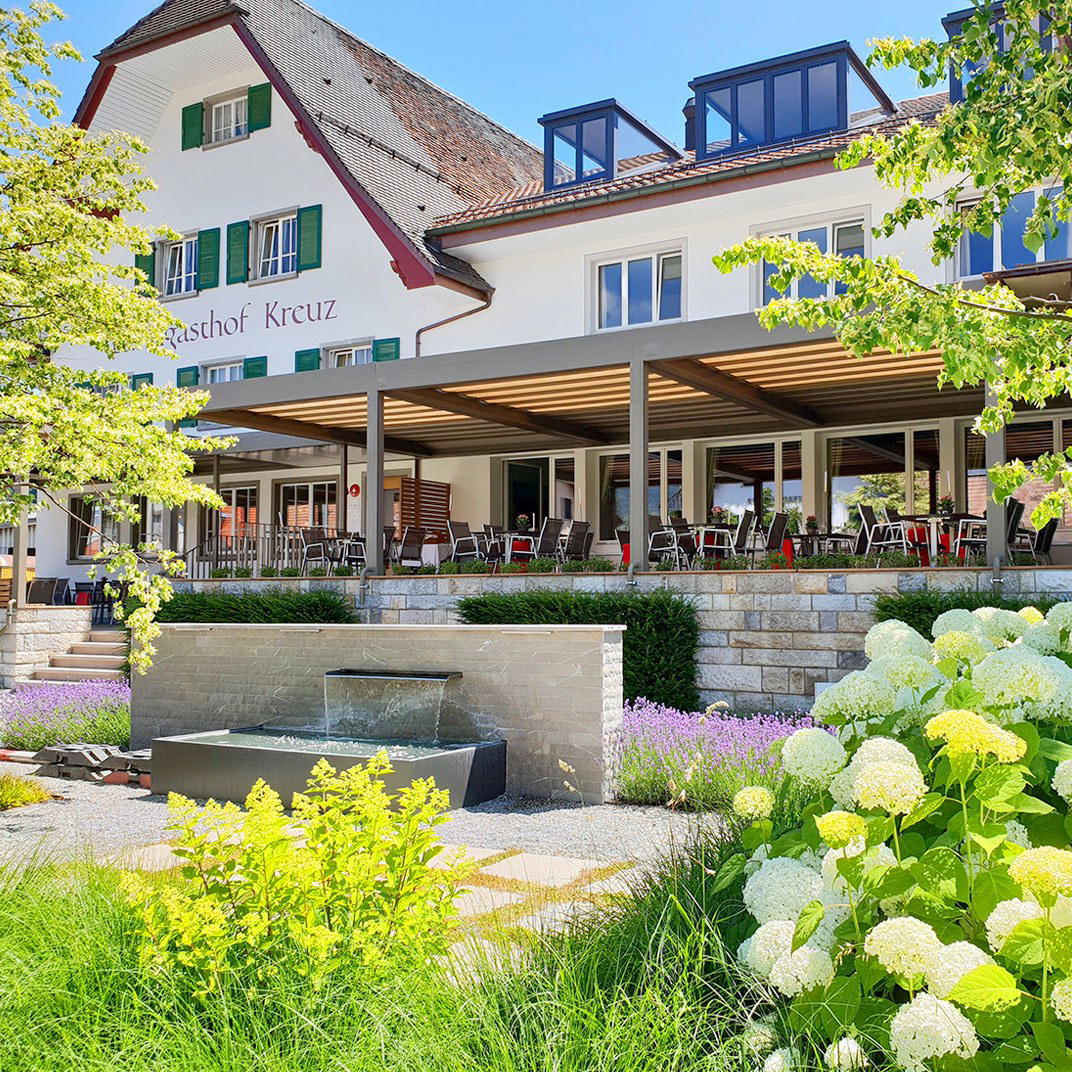

At a Glance
- Elegant
- Sophisticated
- Romantic
- Classic
- Date Night
- Business Dinner
- Special Occasion
- Celebration
- Private Event
- Historic Building
- Garden
- Courtyard
- Terrace
- Private Dining
- Wine Cellar
- Extensive Wine List
- Sommelier Led
- Farm To Table
- Local Sourcing
- Garden
Current opening hours
- Monday
- Closed
- Tuesday
- Closed
- Wednesday
- 11:30 AM–2:30 PM, 6–11 PM
- Thursday
- 11:30 AM–2:30 PM, 6–11 PM
- Friday
- 11:30 AM–2:30 PM, 6–11 PM
- Saturday
- 11:30 AM–2:30 PM, 6–11 PM
- Sunday
- Closed
Hours can change for holidays and private events. Last verified .
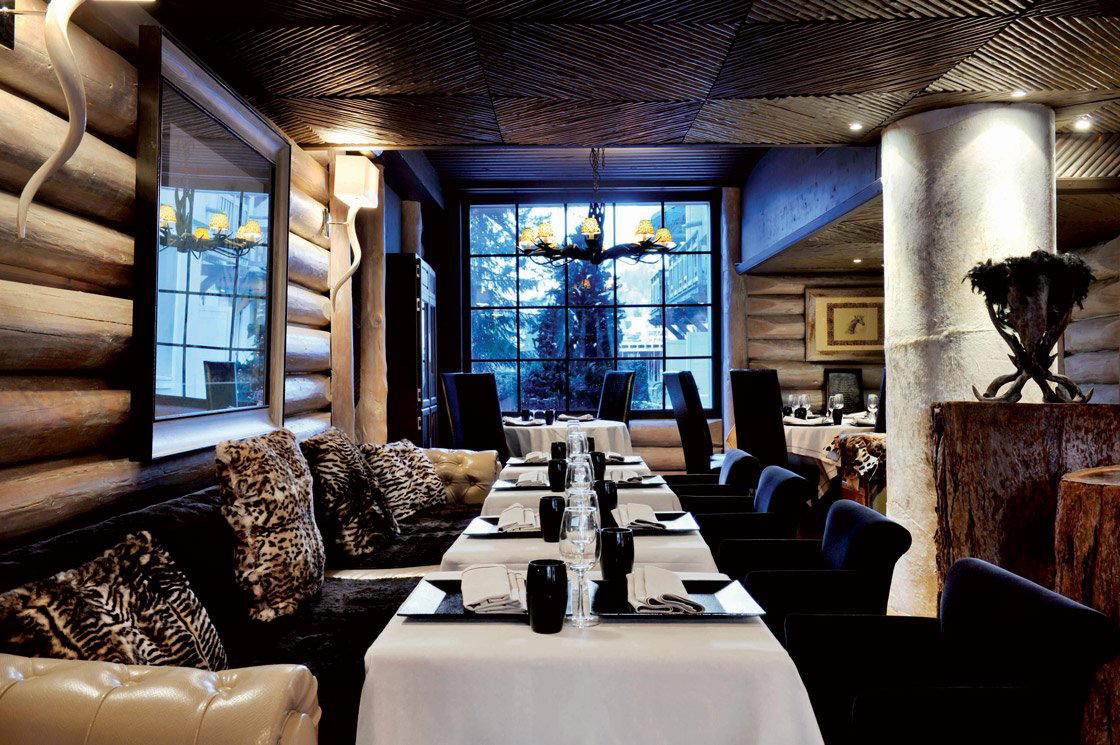
High ceilings with pale stone, tailored textures, natural light, soft linens, and garden views creating an atmosphere of quietly luminous refinement.