Chaska
Our verdict
Chaska brings South Asian cooking to Cranston, Rhode Island, where the address at 16 Midway Rd places it within a city still developing its identity as a dining destination. The restaurant operates in a category where cultural specificity and culinary depth matter more than scale, positioning it alongside Cranston's emerging independent dining scene rather than its chain corridors.

Pearl is the En Primeur Club membership app — saves, bookings, and concierge access live there. Same editors, same standards.
- Address
- 16 Midway Rd, Cranston, RI 02920
- Phone
- (401) 537-7900
- Hours
- Mon–Thu 11:30 AM–9 PMFri 11:30 AM–9:30 PMSat–Sun 11:30 AM–9 PM
- Website
- chaska-usa.com
- Directions
- Get directions
- Booking
- Book on OpenTable
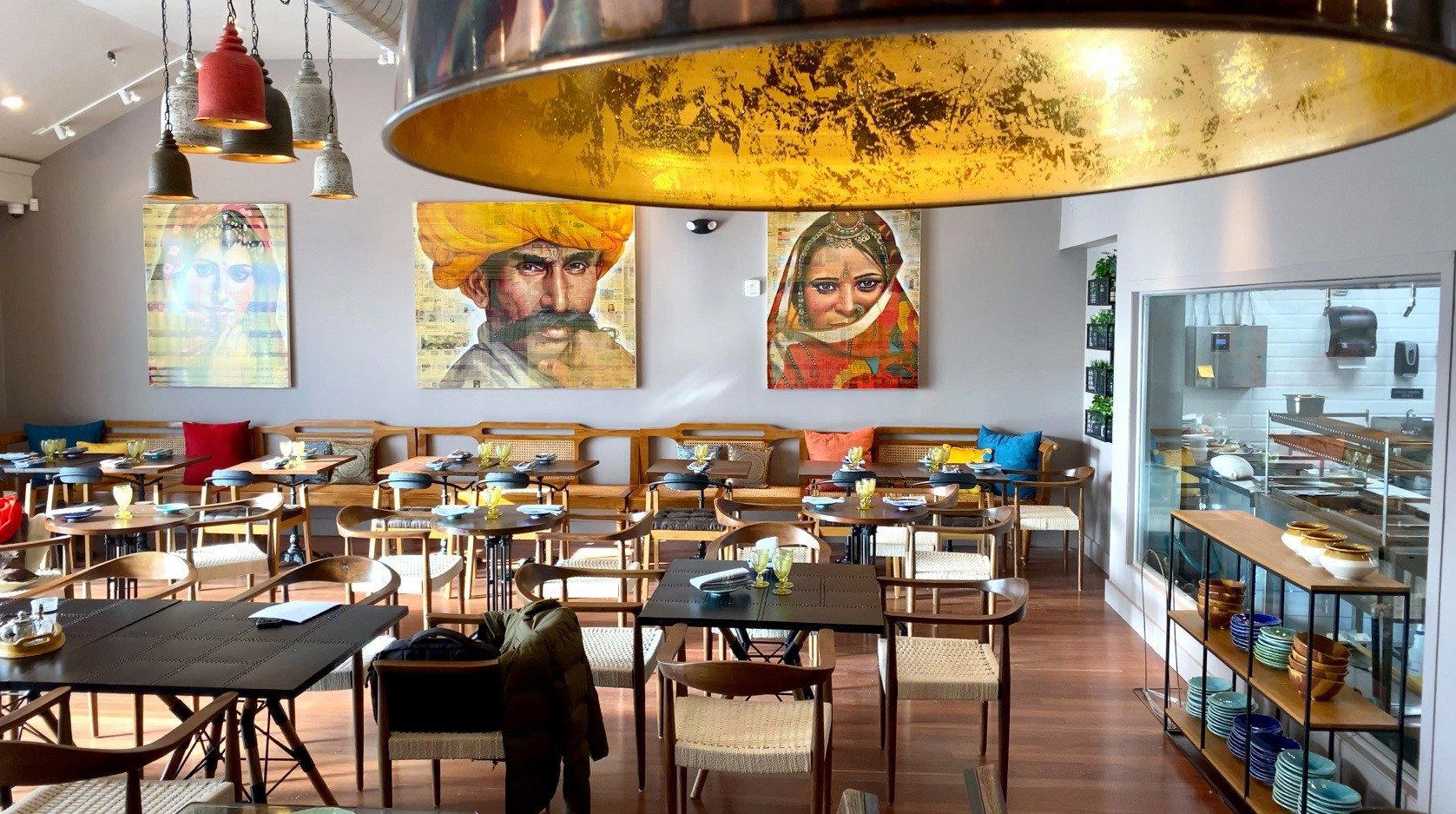
The menu
What to order
- Coconut_clam_chowder
- Butternut_squash_samosas
- Kasundi_salmon_tikka
South Asian Cooking in a City Finding Its Culinary Voice
Cranston, Rhode Island sits in an interesting position relative to Providence: close enough to absorb some of its larger neighbor's food culture, but distinct enough to have developed its own dining character. That character is largely defined by independent operators rather than destination fine dining, and Chaska at 16 Midway Rd fits that pattern. South Asian restaurants in mid-sized American cities have historically occupied a narrow band of the market, often reduced to buffet formats or stripped-down curry houses aimed at volume over depth. The better ones resist that reduction, using the full register of a cuisine that spans Mughal court cooking, coastal seafood traditions, and the agricultural pantry of the subcontinent's interior.
The name itself points toward something more specific than a pan-Indian catchall. "Chaska" in Hindi and Urdu carries the sense of a craving or an acquired taste, the kind of flavor that once encountered becomes a reference point. It is a word used for the pull of something pungent, complex, and worth returning to, which sets a particular expectation about what the kitchen intends.
The Cuisine and Its Cultural Weight
South Asian cooking is among the most internally varied food traditions in the world, covering dozens of regional styles, religious dietary influences, and ingredient geographies that share little beyond geography. In American dining rooms, this complexity has often been flattened into a single "Indian restaurant" category that papers over the difference between, say, a Tamil fish curry, a Punjabi dal makhani, or a Hyderabadi biryani. The restaurants that push back against that flattening tend to do so by anchoring their menus to a specific region or tradition, letting the specificity itself become the editorial argument.
That kind of regional commitment is what distinguishes the more serious South Asian kitchens in the Northeast from their more generalist peers. Rhode Island's South Asian community, while smaller than those in nearby Boston or New York, has grown steadily over the past two decades, creating enough of a local audience to support restaurants that do not need to translate their cooking into a generic "tikka masala and naan" shorthand. Chaska operates in this environment, which suggests a kitchen that can aim at an audience with some baseline familiarity with the cuisine rather than one requiring constant simplification.
Across American dining, the most consequential South Asian restaurants have been those willing to treat the cuisine with the same technical seriousness applied to, say, French or Japanese cooking. Atomix in New York City brought that discipline to Korean cuisine; comparable momentum is visible in how South Asian fine dining has developed in cities like Chicago and Los Angeles. Chaska occupies a different tier, working at neighborhood scale in Cranston rather than destination scale, but the underlying question is the same: does the kitchen commit to the full depth of the tradition it draws from?
Cranston's Independent Dining Scene
Within Cranston, Chaska shares the independent restaurant tier with a small set of operators that include Basta Italian Restaurant, Fresco Cranston, and Revolution. That peer group is worth noting: these are restaurants defined by specificity of cuisine and operator investment rather than by chain infrastructure. South Asian cooking in this context is not competing against a dense field of comparable restaurants; it is more likely the only serious representative of its cuisine type in the immediate area, which changes the dynamic around both audience expectations and kitchen ambition.
For a broader map of where Chaska sits within the city's dining options, our full Cranston restaurants guide provides category-level context across neighborhoods and cuisine types.
The comparison with destination-tier American restaurants is instructive even if it is not direct. Kitchens like Le Bernardin in New York City, The French Laundry in Napa, or Smyth in Chicago have established what serious culinary commitment looks like at the highest register. Restaurants with a more regional or neighborhood brief, like Emeril's in New Orleans or Frasca Food and Wine in Boulder, show how that commitment scales to markets outside the primary dining cities. Chaska's version of that commitment operates at a smaller scale still, but the principle holds: a restaurant that takes its cuisine's cultural roots seriously tends to produce food that is more legible and more satisfying than one that treats those roots as mere decoration.
What to Know Before You Go
Chaska is located at 16 Midway Rd, Cranston, RI 02920. Current booking details, hours, and menu specifics are best confirmed directly with the restaurant before visiting, as these can shift with season and demand. In a dining tier where independent operators set their own rhythms, walking in on a weekend evening without a plan carries more risk than a quick call ahead. The Cranston dining scene rewards this kind of modest preparation: the restaurants worth visiting here tend to fill on evenings when Providence diners make the short drive, so earlier arrival or advance contact makes a practical difference.
For those mapping a broader New England dining itinerary, the contrast between Cranston's neighborhood-scale independents and destination properties like Blue Hill at Stone Barns in Tarrytown or Single Thread Farm in Healdsburg is a useful lens. Chaska does not aim at that category and should not be evaluated against it. Its frame of reference is the neighborhood South Asian restaurant done with genuine culinary investment, a format that is rarer than it should be in cities of Cranston's size.
Frequently asked questions
Where is Chaska in Cranston?
Chaska is located at 16 Midway Rd, Cranston, RI 02920, Cranston.
Is Chaska in Cranston suitable for vegetarian or dietary-specific South Asian dishes?
South Asian culinary traditions include a long history of vegetarian cooking shaped by regional and religious practice, making restaurants in this category more likely than most to carry substantive meat-free options. Calling ahead or checking with the restaurant at 16 Midway Rd is the reliable way to verify what dietary needs they can accommodate.
What do people recommend at Chaska?
What is consistent across coverage of South Asian restaurants in Cranston's independent tier is that regional specificity — rather than a pan-Indian catch-all menu — tends to define the standout plates. Contact Chaska directly at 16 Midway Rd, Cranston, RI 02920 to ask about current offerings before visiting.
Do I need a reservation for Chaska?
For independent restaurants in Cranston operating without a major online booking platform, walk-ins are sometimes accommodated, but weekend demand varies. Reach the restaurant at their Midway Rd location to confirm availability.
What makes Chaska worth seeking out?
Chaska occupies a small set of independent operators in Cranston that sit outside Providence's more densely reviewed dining corridor — which means less competition for attention but also less hand-holding for first-time visitors. South Asian cooking as a tradition spans dozens of regional styles and dietary influences, and a restaurant committed to that depth in a mid-sized Rhode Island city fills a gap that few neighbors address. Whether it does so with consistency is something current diner reports will confirm better than older records.
Cost Snapshot
| Venue | Cuisine | Price |
|---|---|---|
| ChaskaThis venue — the venue you are viewing | Modern Indian Fusion | $20–30 |
| Basta Italian Restaurant | Authentic Italian with AVPN Neapolitan Pizza | $30–50 |
| Fresco Cranston | Italian Steakhouse & Seafood | $30–50 |
Details
- Lively
- Modern
- Trendy
- Casual Hangout
- Group Dining
- Date Night
- Open Kitchen
- Craft Cocktails
- A La Carte
- Small Plates
- Craft Cocktails
- Gluten Free Options
- Vegetarian Friendly
Current opening hours
- Monday
- 11:30 AM–9 PM
- Tuesday
- 11:30 AM–9 PM
- Wednesday
- 11:30 AM–9 PM
- Thursday
- 11:30 AM–9 PM
- Friday
- 11:30 AM–9:30 PM
- Saturday
- 11:30 AM–9 PM
- Sunday
- 11:30 AM–9 PM
Hours can change for holidays and private events. Last verified .
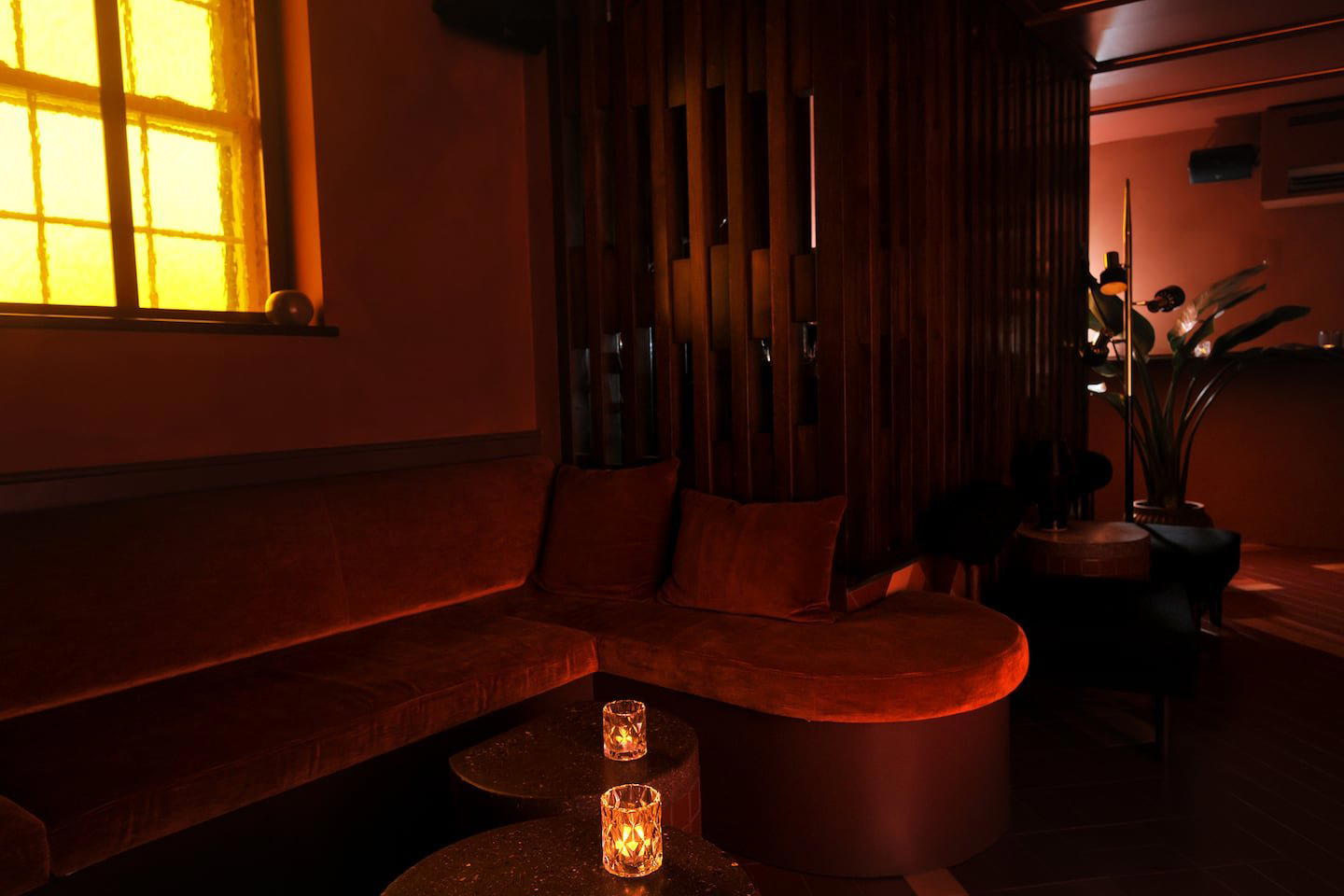
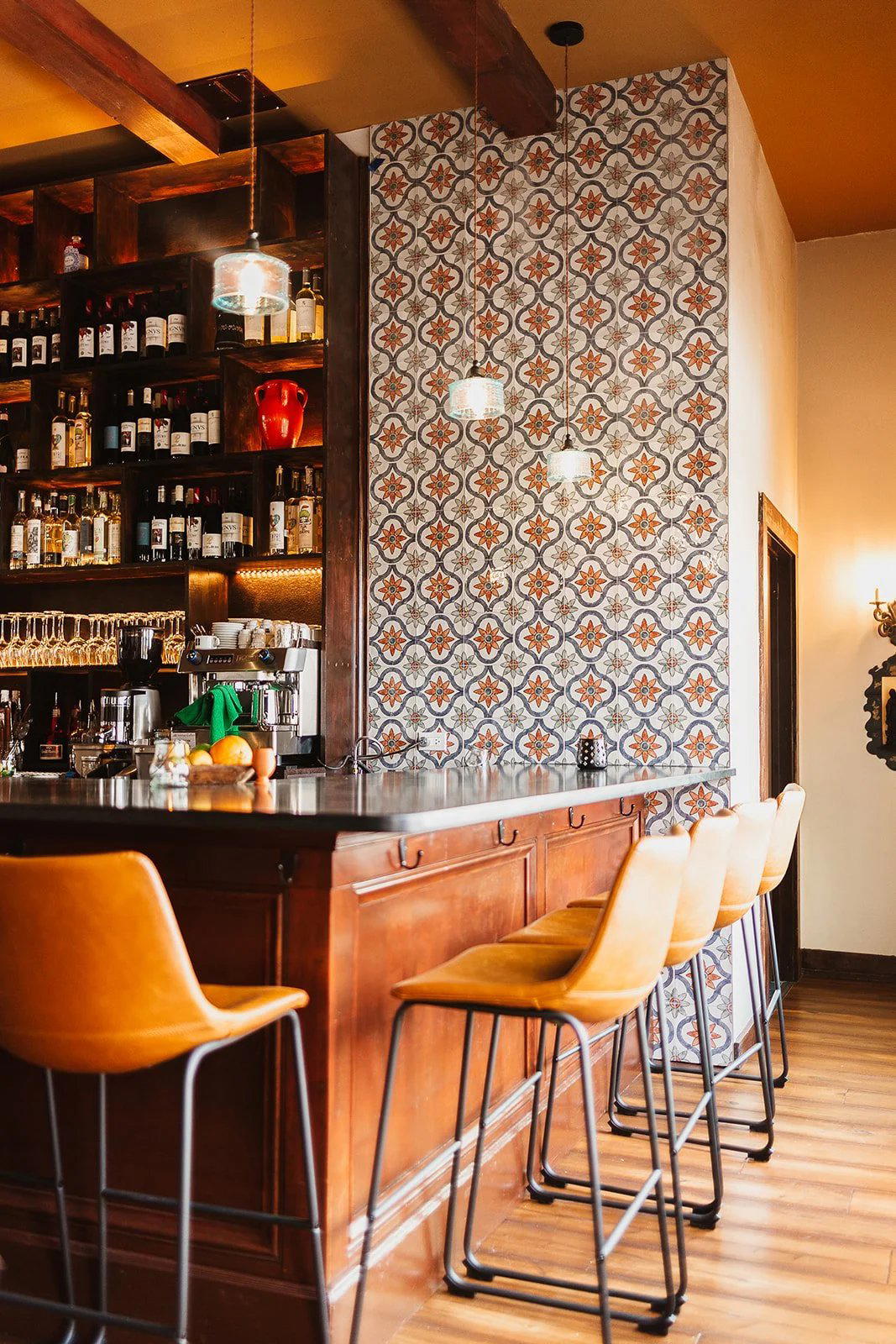
Lively and relaxed social space ideal for sipping, dining, and gathering with friends.