Charcoal Kabob
Charcoal Kabob at 394 Elden St in Herndon, VA brings the slow-fire traditions of Persian and Middle Eastern grilling to Northern Virginia's most internationally diverse dining corridor. The kitchen centers on charcoal-cooked meats, a format with deep cultural roots across Iran, Turkey, and the Levant. It sits within a Herndon dining scene that punches well above its suburban weight class for range and authenticity.
Pearl is the En Primeur Club membership app — saves, bookings, and concierge access live there. Same editors, same standards.
- Address
- 394 Elden St, Herndon, VA 20170
- Phone
- +17034352400
- Website
- charcoalkabobhouse.com
- Directions
- Get directions
 Saves & bookings on Pearl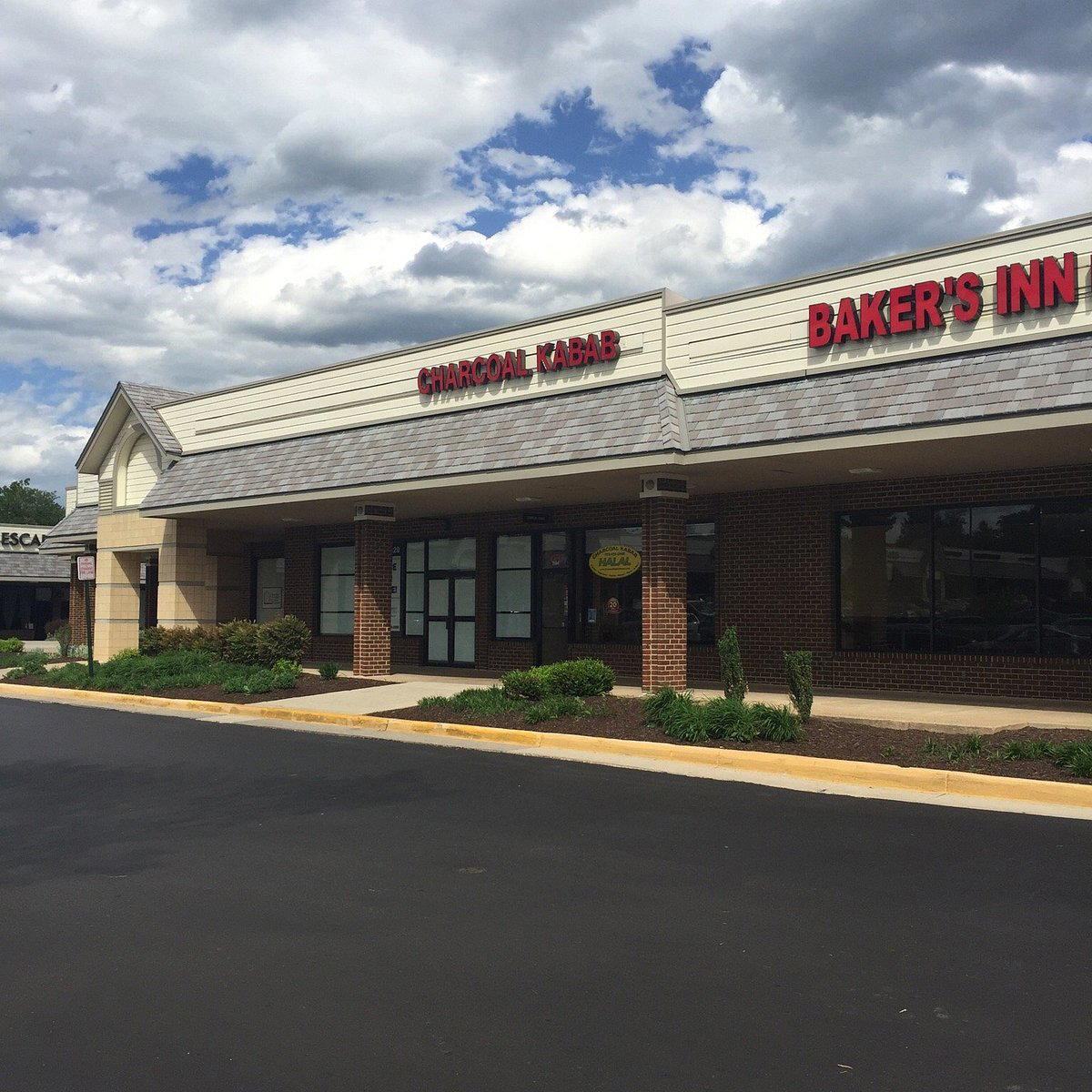
Elden Street and the Case for Suburban Diversity
Herndon's Elden Street corridor has quietly become one of Northern Virginia's most concentrated stretches of immigrant-led restaurants. Within a few blocks, diners move between Ethiopian injera at Enatye Ethiopian Restaurant, South Indian vegetarian thalis at A2B Adyar Ananda Bhavan, and global street-food formats at A Taste of the World. Charcoal Kabob at 394 Elden St sits inside that same pattern: a kitchen grounded in the charcoal-grilling traditions of the Persian and broader Middle Eastern table, operating in a town where those traditions actually have a local audience to speak to. The area's large South Asian and Middle Eastern communities mean that kabob formats are not novelty eating but habitual dining, held to a higher standard than they might be in less familiar markets.
The Culture Behind the Charcoal
Persian grilling is one of the older continuous cooking traditions still practiced in recognizable form today. The kabob format spans centuries and geography, from the koobideh of Iran, seasoned ground lamb or beef pressed onto wide flat skewers and cooked over live fire, to the joojeh of saffron-marinated chicken, to the Levantine shish taouk and Turkish Adana variations. What connects them is not just fire but method: the proximity of the meat to heat, the importance of the char, and the cultural expectation that the grill itself is a statement of craft, not just a cooking tool. In the American context, kabob restaurants occupy a specific niche. They are rarely fine dining in the Western sense, but at their leading they preserve a technical rigor that is easy to underestimate. The difference between a properly prepared koobideh, where the meat mixture holds its form on the skewer without binding agents and arrives at the table with defined exterior char and juicy interior, and a mediocre version is the difference between a kitchen that knows the tradition and one that approximates it. That distinction matters to the communities for whom these dishes are reference points, not discoveries.
This is the context in which a restaurant like Charcoal Kabob operates: not as an introduction to a cuisine for uninitiated diners, but as a neighborhood resource for people who know exactly what they want and how it should taste. That peer standard is, in many ways, more demanding than the one applied to tasting-menu destinations like The Inn at Little Washington or Le Bernardin in New York City, where the audience arrives with curiosity rather than familiarity. A koobideh served to someone who grew up eating it weekly has no margin for error.
Live Fire as a Format Discipline
Charcoal grilling, as a restaurant format, carries operational demands that gas kitchens do not. Charcoal requires management of temperature zones, timing, and airflow. It produces a specific smokiness and char that is chemically distinct from gas-cooked meat, and that distinction is perceptible to anyone who has eaten enough of the real thing. Restaurants that commit to charcoal rather than pivoting to easier gas grilling are making a choice that costs more in labor and fuel management but pays back in flavor fidelity. That commitment is itself a signal about the kitchen's orientation. Across the broader American dining scene, there has been renewed interest in open-fire and charcoal cooking at the high end, from the wood-fire programs at Smyth in Chicago to the agricultural sourcing at Blue Hill at Stone Barns in Tarrytown. In Persian and Middle Eastern kitchens, that commitment was never a trend. It has always been the baseline.
Herndon's Dining Tier and Where Kabob Fits
Herndon does not have a Michelin-starred restaurant. Its dining identity is shaped instead by value-dense, community-anchored spots where the food has cultural stakes. That positioning puts it in a different bracket from the tasting-menu tier occupied by places like Addison in San Diego, Providence in Los Angeles, or Atomix in New York City, but it also means that Herndon restaurants compete on authenticity, generosity, and repeat-visit reliability rather than occasion dining. In that tier, consistency is the primary currency. A kabob restaurant that holds its standard across a Tuesday lunch and a Friday dinner is doing something harder than it appears, and it is exactly what the local audience is tracking. Bagel Cafe and Duck Donuts occupy the lighter, casual end of the Elden Street corridor. Charcoal Kabob operates in a different register: a kitchen format with cultural specificity and a built-in community of regulars who treat it as a standard rather than a destination.
Planning a Visit
The restaurant is located at 394 Elden St, Herndon, VA 20170, on one of the suburb's busiest restaurant stretches. The Elden Street corridor is accessible by car with parking available nearby, and the area sits within the broader Dulles corridor served by the Silver Line Metro. For visitors coming from Washington, D.C. the drive runs roughly 30 minutes in light traffic. The format here is consistent with neighborhood kabob restaurants generally: expect counter or table service rather than a formal dining structure, with ordering centered on individual skewer selections, rice accompaniments, and the bread and side formats that complete the traditional Persian table.
Price and Recognition
Comparable venues nearby, for context on price, style, and recognition.
| Venue | Cuisine | Price | Notes |
|---|---|---|---|
| Charcoal KabobThis venue — the venue you are viewing | Herndon, Afghan & Middle Eastern Kabobs | $ | Not listed |
| Tiffin Hut | Herndon, South Indian Dosa & Idli Cafe | $ | Not listed |
| A2B Adyar Ananda Bhavan | Herndon, South Indian Vegetarian | $$ | Not listed |
| Enatye Ethiopian Restaurant | Herndon, Authentic Ethiopian | $$ | Not listed |
| Thai Luang | Herndon, Authentic Thai | $$ | Not listed |
| Euro Bistro | Not listed | $$ | Herndon, Austrian-German Bistro with Asian Influences |
Continue exploring
More in Herndon
Restaurants in Herndon
Browse all →
Bars in Herndon
Browse all →
Hotels in Herndon
Browse all →
At a Glance
- Family
- Casual Hangout
- Group Dining
Current opening hours
- Monday
- 11 AM–9:30 PM
- Tuesday
- 11 AM–9:30 PM
- Wednesday
- 11 AM–9:30 PM
- Thursday
- 11 AM–9:30 PM
- Friday
- 11 AM–10 PM
- Saturday
- 12–10 PM
- Sunday
- 12–9 PM
Hours can change for holidays and private events. Last verified .
Casual comfort food spot with focus on hearty grilled dishes and traditional sides.