Chandelier
Our verdict
Chandelier is listed for Washington, Connecticut, as a planned steakhouse, which places it inside a dining category where provenance matters as much as the cut. Until firmer details are public, the useful lens is the modern steakhouse question: breed, feeding regime, aging, sourcing transparency, and whether the room treats beef as commodity luxury or as agricultural product.

Pearl is the En Primeur Club membership app — saves, bookings, and concierge access live there. Same editors, same standards.
- Address
- Washington, United States
- Directions
- Get directions
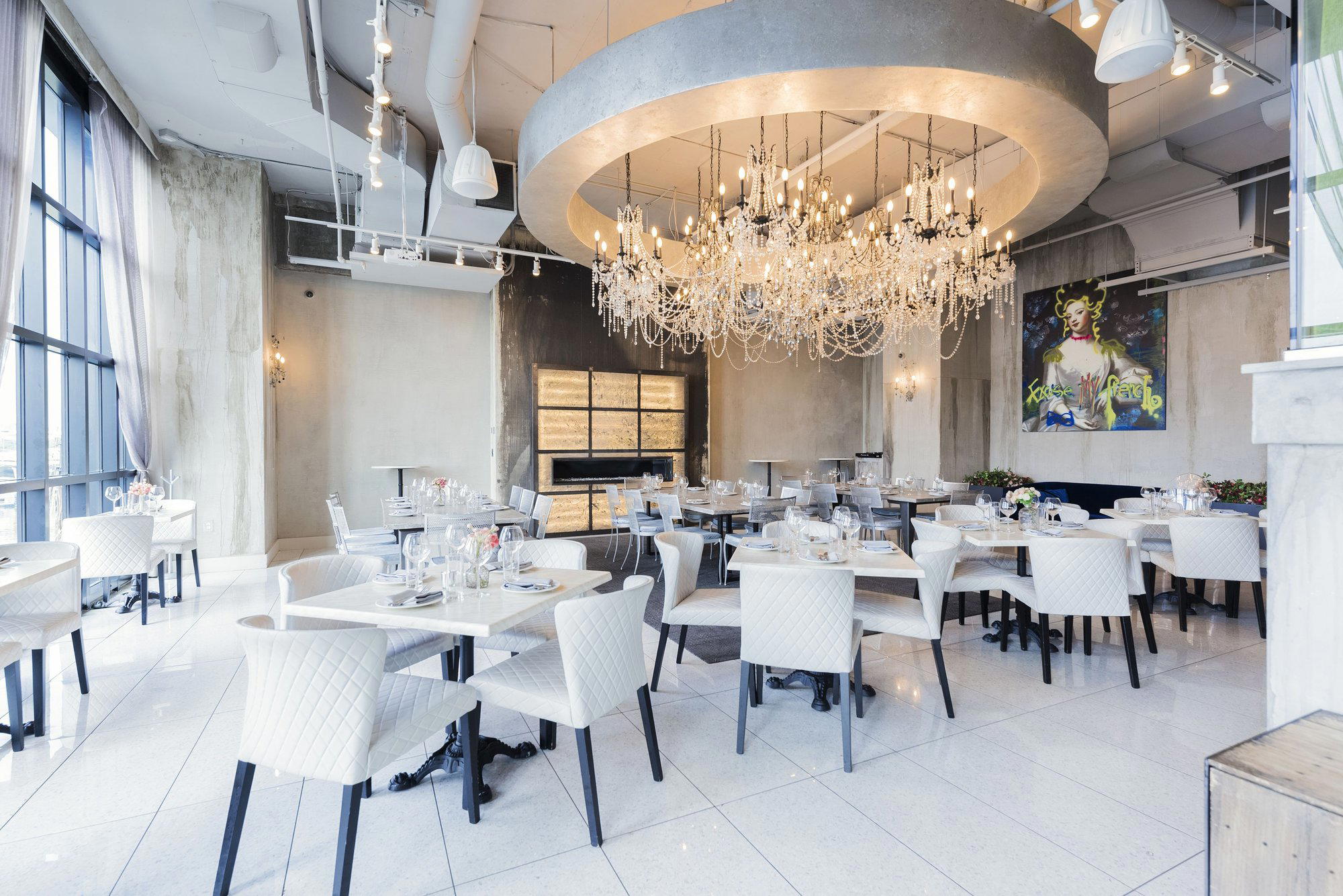
The name suggests polish before the grill is even discussed, but the modern steakhouse is judged less by sparkle than by discipline: where the cattle come from, how they are finished, how the kitchen handles fat, and whether the room can make a ribeye feel specific rather than generic. Chandelier enters Washington in a category that has changed sharply over the past decade. The old formula of dark wood, oversized cuts, and a trophy wine list is no longer enough for diners who now ask about breed, ranch, grain finishing, dry-aging time, and the difference between tenderness and flavor.
Steakhouse credibility now starts before the meat reaches the grill
In a serious steakhouse, sourcing is not a garnish on the menu; it is the argument. Angus became the American shorthand for quality, but the more useful distinction is how the animal was raised and finished. Grass-fed beef can bring mineral lift and a leaner chew, while grain-finished beef often delivers the marbling and sweetness many diners associate with the steakhouse canon. Dry aging adds another layer, concentrating flavor through moisture loss and controlled enzymatic change. None of those choices is automatically superior. The point is whether the restaurant can explain its position clearly and cook accordingly.
That matters in a Washington setting, where a steakhouse has to read differently from a big-city expense-account room. The audience may include weeknight locals, destination diners, and families looking for a room with enough ceremony to justify the spend. A planned steakhouse here has a narrower margin for vagueness: provenance, portioning, sides, and service tempo will define whether the format feels anchored in Washington dining or merely imported from a familiar template.
The useful order: beef first, theatre second
The stronger version of this category puts the cattle program ahead of decorative drama. Menus that distinguish pasture-raised from grain-finished, domestic from imported, wet-aged from dry-aged, and butcher cuts from luxury cuts give diners a reason to trade up. A steakhouse can be expensive without being precise; the better signal is whether the kitchen treats a strip, filet, hanger, and ribeye as different eating experiences rather than different price points on the same plate.
Washington’s broader dining map is varied enough that category overlap matters. Readers tracking the area’s restaurant scene can place Chandelier alongside the city’s wider listings in Our full Washington restaurants guide, with adjacent planning in Our full Washington hotels guide, Our full Washington bars guide, Our full Washington wineries guide, and Our full Washington experiences guide. For a broader sense of how American dining formats are being sliced more specifically, EP Club also tracks unnamed restaurants across different markets and compares how focused concepts translate from one city to another.
How to read the opening phase
With Chandelier still framed as planned, early diners should judge the restaurant by fundamentals rather than novelty. Look for transparent sourcing language, a concise steak list, doneness handled with confidence, and a wine program that recognizes the difference between leaner grass-fed profiles and richer grain-finished cuts. The sides matter too, not as decoration but as balance: starch, bitterness, acid, and salt determine whether a steak dinner feels measured or heavy.
The wider EP Club archive is useful for watching how specific formats travel across regions, from neighborhood counters to casual dining rooms, seafood-focused restaurants, plant-forward kitchens, and meat-led destinations. The lesson carries back to Washington: format alone is not the story. Specificity is.
Frequently asked questions
Does Chandelier work for a family meal?
As a planned steakhouse in Washington, Chandelier may suit a family meal if its eventual service style and menu are built for shared ordering rather than a more fixed format.
What kind of setting is Chandelier?
Chandelier is listed in Washington as a Steakhouse (planned), so the most reliable description for now is a planned steakhouse setting.
What type of food is Chandelier known for?
Chandelier is listed as Steakhouse (planned).
How hard is it to get a table at Chandelier?
A planned opening does not yet point to an established reservation pattern in Washington. Once the steakhouse opens, table demand will depend on the size of the room, the service style, and how tightly the booking window is managed.
Reputation & Price
Comparable venues nearby, for context on price, style, and recognition.
| Venue | Cuisine | Price | Awards | Notes |
|---|---|---|---|---|
| ChandelierThis venue — the venue you are viewing | Dining | Not listed | Not listed | Not listed |
| Brasero Atlántico | Argentinian live-fire steakhouse | $100–150 | Washingtonian 100 Very Best Restaurants #75 | Georgetown, Argentine Flame-Fired Steakhouse |
| Bizzeria | Dining | Not listed | Not listed | Not listed |
| Panda Pavilion | Chinese & Sushi | $20–30 | Not listed | Greenwich, Chinese & Sushi |
| Crab Shell | Waterfront Seafood | Not listed | Not listed | Stamford Landing, Waterfront Seafood |
| Abis | Japanese Hibachi & Sushi | $20–30 | Not listed | Greenwich Avenue, Japanese Hibachi & Sushi |
Continue exploring