Bizzeria
Our verdict
Bizzeria brings a Levantine accent to the pizzeria format in Washington, Connecticut, placing wood-fired dough alongside mezze, raw dishes, and charcuterie rather than treating pizza as a standalone event. The draw is the regional crossover: a rural Connecticut dining room reading Italian technique through Eastern Mediterranean pantry logic.

Pearl is the En Primeur Club membership app — saves, bookings, and concierge access live there. Same editors, same standards.
- Address
- Washington, United States
Approach the pizzeria format in Washington and the usual expectations are familiar: blistered dough, tomato, cheese, a short salad section, a few cured meats. Bizzeria pushes that template toward the Levant, where flatbread traditions, small plates, raw preparations, and preserved or spiced accompaniments can sit naturally beside wood-fired pizza. The point is not novelty for its own sake; it is a different map of how bread, fire, acid, fat, and shared plates work at the table.
Wood-fired pizza viewed through a Levantine pantry
American pizzerias often choose an Italian reference point and stay there: Neapolitan softness, Roman crunch, New York fold, or a more generic wood-fired style. Bizzeria’s stated territory is broader. Its cuisine is Levantine-inspired pizzeria cooking, with wood-fired pizzas, mezze, raw dishes, and charcuterie occupying the same frame. That combination matters because it changes the rhythm of the meal. Pizza becomes one course among several, not the entire argument.
The Levantine influence gives the format a useful counterweight. Mezze culture is built for sequencing and sharing, while pizza brings heat, structure, and a clear center to the table. Raw dishes and charcuterie add a cooler, saltier register, which keeps the meal from becoming a parade of dough and dairy. In a Washington dining room, that structure has practical appeal: it gives the meal range without abandoning the accessible grammar of pizza.
Regional identity is where the restaurant’s premise becomes more interesting than a simple category label. This is not a Roman pizzeria, a Tuscan trattoria, or a strict Neapolitan counter. It borrows the oven-centered confidence of pizza culture, then lets Eastern Mediterranean habits shape what surrounds it. That makes the menu easier to understand if read as a conversation between bread traditions rather than as a checklist of Italian authenticity.
Why the format fits Washington
Washington’s dining scene operates differently from the restaurant economies of some large cities. Meals need to work for residents, regulars, and travelers moving through the city’s broader restaurant landscape. In that context, a wood-fired pizzeria with mezze and raw dishes has a clear role: casual enough for repeat use, but composed enough to feel intentional.
The public framing also shapes how to read the place. Bizzeria is associated with chef Michael Rafidi, and its signal is format as much as authorship. The restaurant belongs to a wider American shift in which pizza has become a flexible platform for regional pantry work: not only mozzarella and tomato, but herbs, pickles, cured ingredients, dips, raw preparations, and vegetable-led small plates. That shift is especially useful when a single restaurant has to cover several occasions at once.
For readers mapping a wider Washington itinerary, the useful question is not whether this is a formal destination restaurant. It is where it fits in the area’s eating pattern. Pairing a pizzeria format with Levantine mezze makes sense before or after a low-key day in the city, and it offers a different register from broader city guides such as our full Washington restaurants guide, our full Washington hotels guide, our full Washington bars guide, our full Washington wineries guide, and our full Washington experiences guide.
How to think about the meal
The smartest way to order is to treat the table as a sequence rather than a pizza-per-person transaction. Start with mezze or a raw dish, add charcuterie if the table wants salt and fat, then use the wood-fired pizzas as the anchor. That approach respects the restaurant’s hybrid design and avoids flattening it into a standard pie shop.
EP Club readers looking across American regional cooking can place Bizzeria beside a larger pattern rather than a direct peer group: restaurants using familiar formats to carry specific cultural references. For broader context across the site, think of other dining rooms that use a familiar structure as a vehicle for a more specific pantry, technique, or cultural point of view.
Frequently asked questions
How would you describe the cuisine at Bizzeria?
Bizzeria serves Levantine-inspired pizzeria cuisine, with wood-fired pizzas, mezze, raw dishes, and charcuterie.
How hard is it to get a table at Bizzeria?
No reservation policy is listed in the public record, so the safest read is to plan with flexibility. Bizzeria's wood-fired pizza and mezze format in Washington suggests a casual dining room rather than a formal, timed tasting setup. Check the venue's official channels for the latest details.
What's the standout thing about Bizzeria?
The point here is the Levantine-inspired menu, which pairs wood-fired pizzas with mezze, raw dishes, and charcuterie. That mix gives Bizzeria in Washington a broader pantry than a standard pizzeria.
Is Bizzeria suitable for children?
A wood-fired pizzeria format in Washington may be approachable for families, and Bizzeria's pizza-led menu is the clearest cue. The mezze and raw dishes add range without changing the casual structure of the meal.
What kind of setting is Bizzeria?
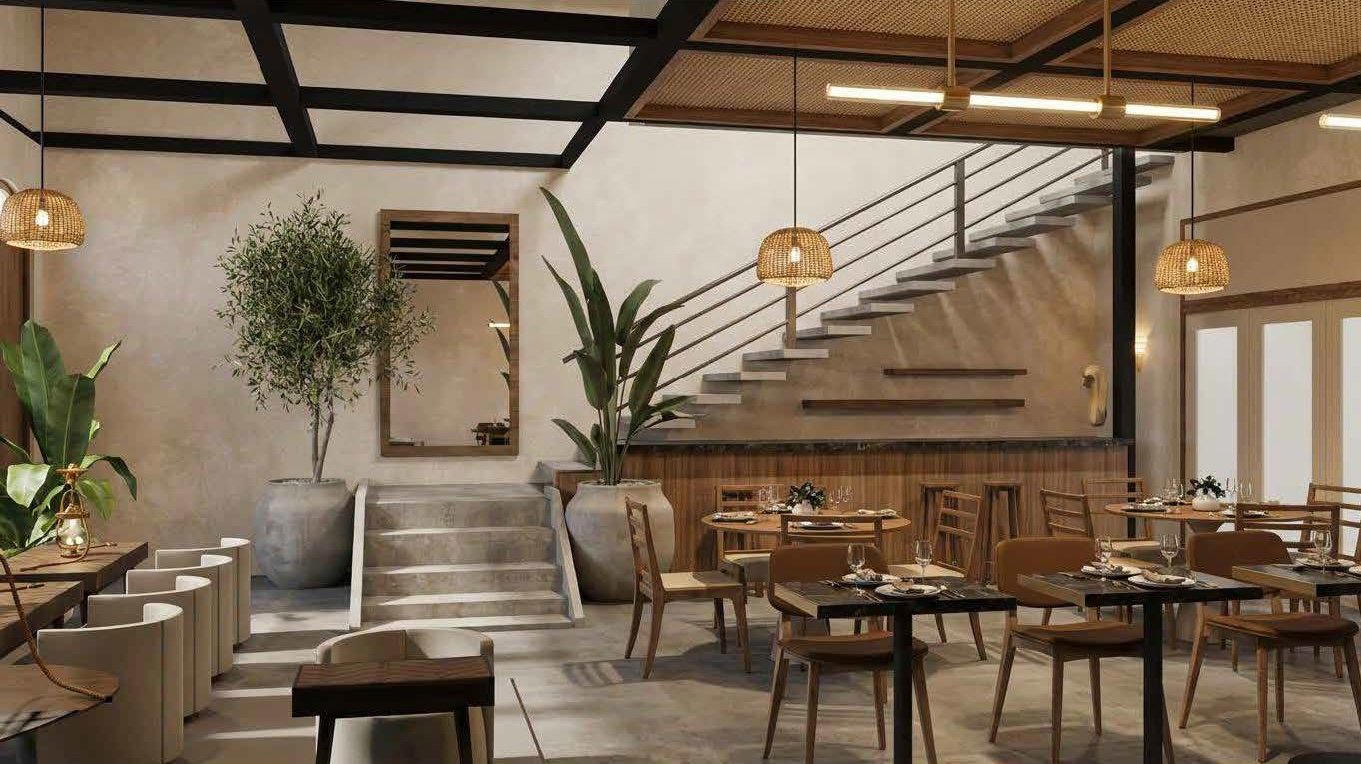
Bizzeria reads as a pizzeria first, with Levantine-inspired dishes sitting alongside the pizzas rather than replacing them. In Washington, that suggests a relaxed format built around shared plates and wood-fired pizza.
Is Bizzeria allergy-friendly?
The menu mix includes wood-fired pizzas, mezze, raw dishes, and charcuterie, so there are multiple categories to discuss with the kitchen. Gluten, dairy, nuts, and cured-meat cross-contact are all sensible points to raise before ordering at Bizzeria in Washington.
Comparable venues nearby, for context on price, style, and recognition.
| Venue | Cuisine | Price | Awards | Notes |
|---|---|---|---|---|
| BizzeriaThis venue — the venue you are viewing | Dining | Not listed | Not listed | Not listed |
| Chandelier | Dining | Not listed | Not listed | Washington |
| Brasero Atlántico | Argentinian live-fire steakhouse | $100–150 | Washingtonian 100 Very Best Restaurants #75 | Georgetown |
| Mediterraneo | Mediterranean Seafood with Italian Influences | $30–50 | Not listed | Downtown Greenwich Avenue |
| Ichiban | Japanese & Korean | $20–30 | Not listed | West End |
| Agave Grill | Modern Mexican | $20–30 | Not listed | downtown |
Continue exploring