Brasero Atlántico
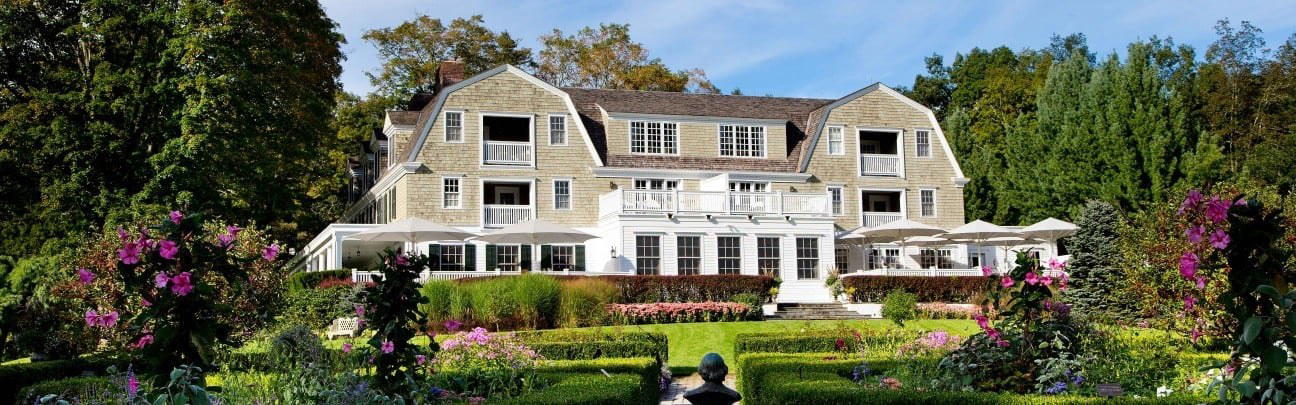
Brasero Atlántico brings an Argentinian asado lens to Washington, Connecticut, a town better known for country-weekend dining than Latin American fire cookery. The draw is the regional specificity: beef, smoke, embers, and Atlantic-minded restraint rather than a generic pan-Latin menu built around tacos and ceviche.
Pearl is the En Primeur Club membership app — saves, bookings, and concierge access live there. Same editors, same standards.
- Address
- Washington, United States
- Website
- braseroatlanticodc.com
 Saves & bookings on Pearl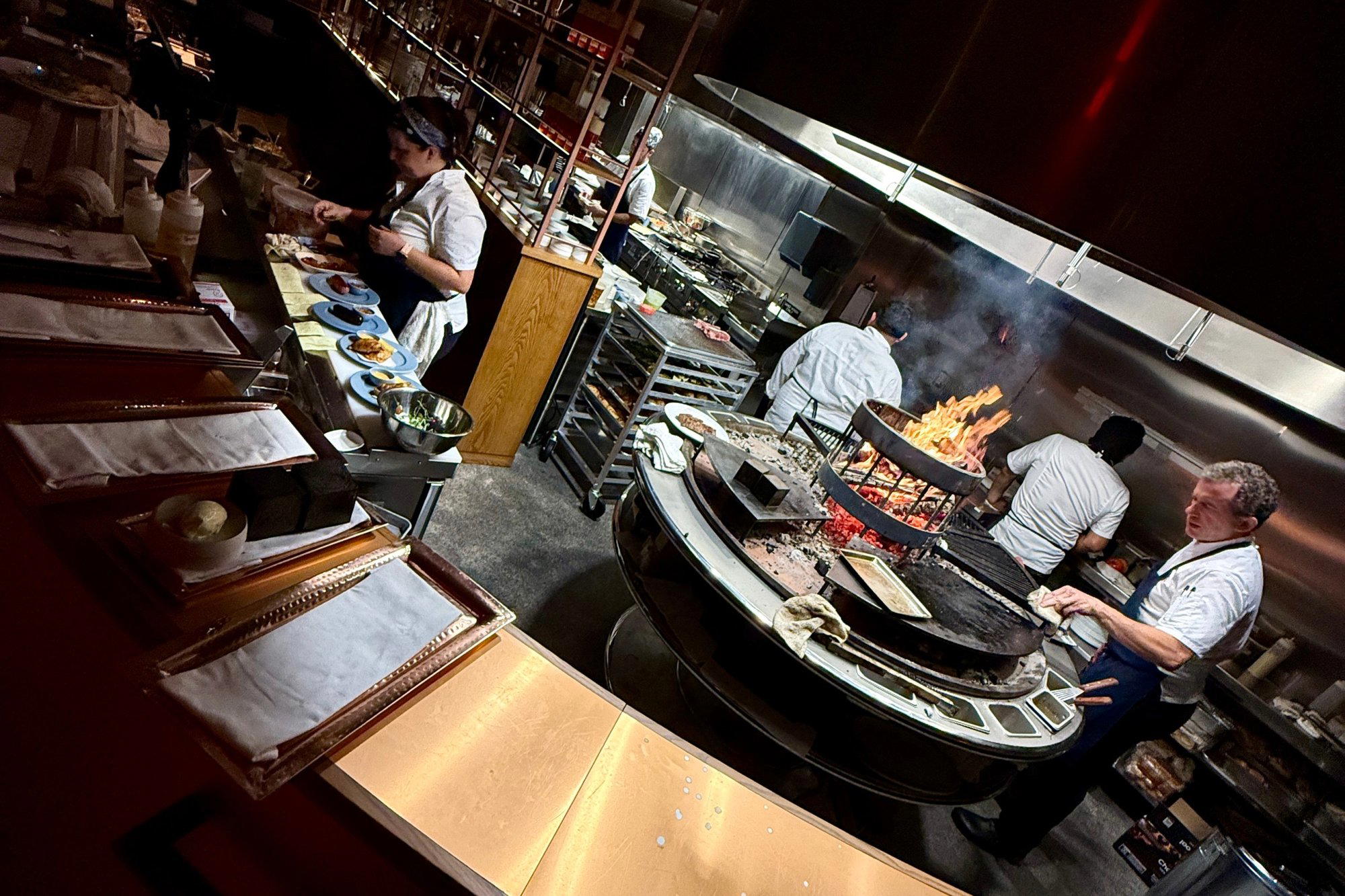
Fire-led restaurants announce themselves before the first plate: the room tends to carry a little smoke, a little heat, and a different rhythm from the polished quiet of tasting-menu dining. In Washington, Connecticut, that matters. The town’s dining culture is shaped by weekend houses, country inns, and New York spillover, so a restaurant built around Argentinian asado reads less like a novelty and more like a useful correction to the area’s usual farm-country script.
Brasero Atlántico belongs to a Latin American category that is often flattened in American dining. Regional Mexican cooking has become easier to parse: Oaxaca signals mole, masa, smoke, and mezcal; Yucatán points to citrus, achiote, recados, and slow cooking; Puebla brings layered sauces and colonial-era technique; Baja carries seafood, wine-country informality, and borderland brightness. Argentinian asado is a different grammar. It is less sauce-driven, more about fire management, meat cuts, salinity, and the social tempo of the grill.
Argentinian asado gives Washington a different Latin American register
The useful way to understand Brasero Atlántico is not as another “Latin” address, but as a fire-fed meat restaurant in a market where Latin American dining is often read through Mexican cues. That distinction changes the expectations. The center of gravity is not tortilla work, regional salsas, or chile taxonomy. It is the parrilla tradition: heat as technique, beef as structure, and the meal as a sequence of grilled elements rather than a parade of composed plates.
That has practical consequences for how to order. In an asado framework, the table usually works better when it shares across cuts, sides, and condiments rather than treating the meal as a conventional appetizer-entrée-dessert progression. The pleasure is comparative: lean against fatty, char against acid, smoke against herbs. When the format is handled with discipline, it gives a small-town restaurant the kind of identity that does not need theatrical plating to make its point.
The “Atlántico” cue also matters editorially. Argentina’s food culture is often reduced abroad to steak and Malbec, but the Atlantic frame allows a broader reading: coastal influence, European immigration, and a less chile-dominant South American palate. That does not make it Mexican-adjacent; it makes it useful for diners who already know the differences between Oaxacan, Yucatecan, Pueblan, and Baja cooking and want a separate Latin American reference point.
The town-country setting changes the value of the grill
Washington is not a high-density restaurant city. Its appeal sits in the Litchfield County pattern: rural roads, weekend traffic, antiques, inns, and restaurants that often serve both locals and visitors coming up from larger metro areas. In that setting, a focused asado restaurant has a sharper function than it would in a crowded urban corridor. It gives the area a fire-cooking anchor rather than another broadly seasonal American dining room.
That positioning is also why the absence of public award signals is not disqualifying. This is not an awards-led address with a tasting-menu economy or a chef biography doing the heavy lifting. The trust signal is categorical clarity: Argentinian asado/fire-fed meats in a town where the format is not overrepresented. For readers mapping a weekend around food, that can be more useful than a badge, because it tells them what role the restaurant plays in the trip.
The broader Washington edit should be built by mood and itinerary rather than by cuisine alone. For a wider scan of the town’s food scene, start with Our full Washington restaurants guide, then branch into adjacent planning through Our full Washington hotels guide, Our full Washington bars guide, Our full Washington wineries guide, and Our full Washington experiences guide. The point is not to turn dinner into a checklist; it is to decide whether the evening should be grill-centered, hotel-centered, wine-led, or built around a longer country-weekend loop.
Where it sits in a wider Latin and fire-cooking conversation
American diners are increasingly fluent in regional specificity, but that fluency is uneven. Mexican restaurants have done much of the educational work, from taquería formats to regional kitchens and mezcal bars. The next step is separating Latin American traditions from one another with the same precision. Brasero Atlántico helps make that distinction locally: asado is not Baja seafood culture, not Pueblan sauce work, not Oaxacan mole culture, and not Yucatecan citrus-and-achiote cooking.
That wider lens is useful when reading across EP Club’s restaurant coverage. A diner comparing regional identity rather than geography might look at ¿Por Qué No? in Portland or ¡Salud! in Los Angeles for Mexican-American reference points, then separate those instincts from an Argentinian grill meal. The same logic applies beyond Latin cooking: Baan Mae signals modern Southeast Asian cooking in Washington, while Bizzeria uses a Levantine-inspired pizzeria frame, Cordelia Fishbar points toward seafood, and Chandelier indicates the steakhouse lane.
For readers building a broader map of how format shapes expectation, the comparison can extend outside Connecticut without turning into a ranking: Jaleo shows how Spanish dining can be scaled around tapas energy, Jōdo Saké Bar in Los Angeles reads through sake-bar discipline, Onigiri Time in Pasadena through Japanese convenience-food precision, 'Ai Love Nalo in Waimanalo Beach, 'āina in San Francisco, and 'Ama 'Ama in Kapolei through Hawaiʻi’s layered food culture, and -Grilled beef Sukiyaki- KAMAKURA TANUKIAN 鎌倉 たぬき庵 in Kamakura through a Japanese beef tradition. The restaurant’s place in that larger conversation is clear: know the format, then let the grill define the evening.
How It Compares
Comparable venues nearby, for context on price, style, and recognition.
| Venue | Cuisine | Price | Notes |
|---|---|---|---|
| Brasero AtlánticoThis venue — the venue you are viewing | Argentine Flame-Fired Steakhouse | $$$ | Not listed |
| Bizzeria | Dining | Not listed | Washington |
| Chandelier | Dining | Not listed | Washington |
| David Burke Prime Steakhouse | Dry-Aged Prime Steakhouse | $$$$ | Foxwoods Resort Casino |
| Match | Seasonal New American with Global Influences | $$$ | South Norwalk (SoNo) |
| Restaurant L'Ostal | Provencal Southern French | $$$ | Darien |
Continue exploring
More in Washington
Restaurants in Washington
Browse all →
Bars in Washington
Browse all →
At a Glance
- Elegant
- Trendy
- Romantic
- Energetic
- Date Night
- Business Dinner
- Group Dining
- Special Occasion
- After Work
- Design Destination
- Standalone
- Craft Cocktails
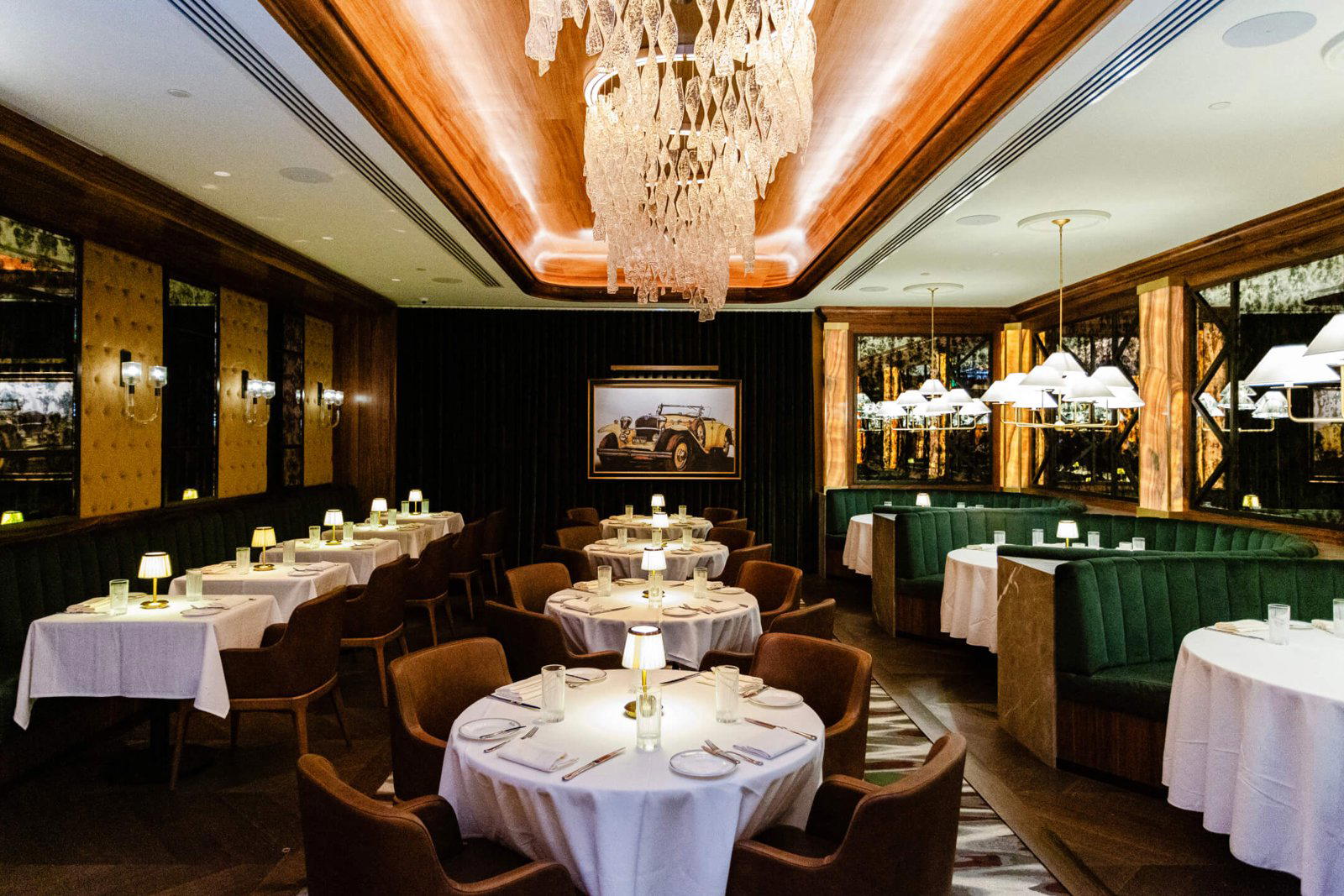
Dimly lit and buzzy with a stylish, Buenos Aires-inspired steakhouse feel; an energetic dining room that feels polished and romantic rather than casual.