Abis
On Greenwich Avenue, Abis occupies a stretch of Connecticut dining where sourcing and setting carry as much weight as technique. The restaurant draws from the town's expectations of ingredient-driven cooking and holds its own in a corridor that pulls from both New York City dining standards and New England seasonal produce. A reliable address for those eating their way through one of Fairfield County's most competitive dining blocks.
Pearl is the En Primeur Club membership app — saves, bookings, and concierge access live there. Same editors, same standards.
- Address
- 381 Greenwich Ave, Greenwich, CT 06830
- Phone
- +12038629100
- Website
- abis.ueniweb.com
- Directions
- Get directions
 Saves & bookings on Pearl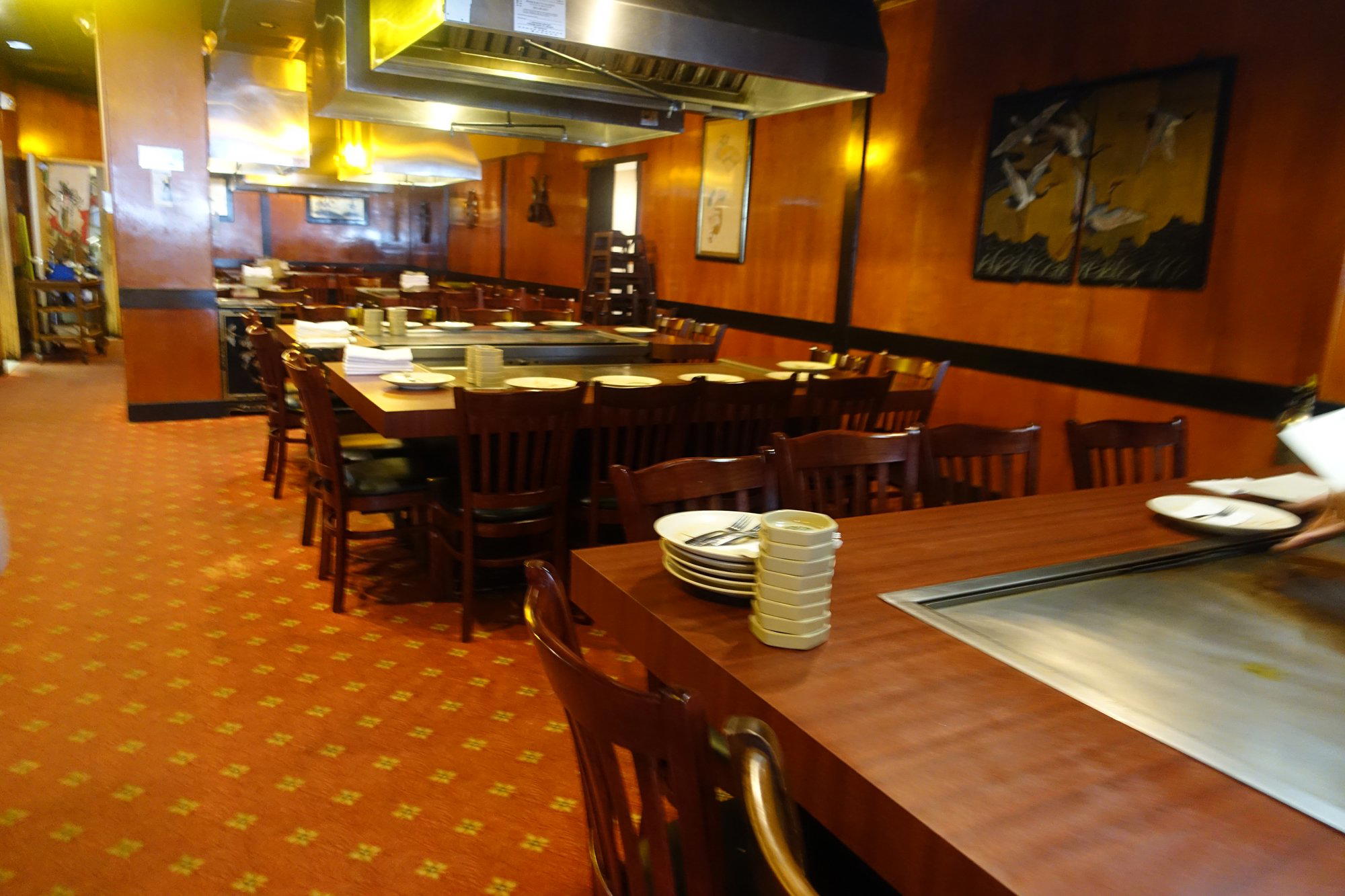
Greenwich Avenue and the Sourcing Standard
Greenwich Avenue runs through one of Connecticut's most commercially dense dining corridors, where restaurants compete against a consumer base that travels regularly to New York City and holds those standards as a baseline. That pressure has shaped the block's better kitchens toward ingredient-led menus, seasonal adjustment, and the kind of procurement transparency that increasingly defines premium casual dining in the Northeast. Abis, at 381 Greenwich Ave, sits within that competitive frame. Understanding it means understanding the street it occupies.
The Northeast's farm-to-table infrastructure has matured considerably over the past two decades. What was once a marketing posture for upscale restaurants has become a functional expectation in well-resourced towns like Greenwich. Fairfield County producers, Long Island Sound fisheries, and Hudson Valley farms together form a supply network that the region's serious kitchens draw from, competing with the pull of Fulton Market distributors and national broadline suppliers. Restaurants that tap this regional supply chain tend to show it in menu specificity and in the way dishes change across seasons rather than holding static year-round.
What the Ingredient Frame Reveals
The broader shift toward sourcing-conscious cooking has divided American dining into two recognizable camps: kitchens that treat ingredients as raw material to be transformed through technique, and those that treat sourcing itself as the primary editorial statement. The latter approach is now well-represented at nationally recognized addresses, from Blue Hill at Stone Barns in Tarrytown, where the farm is the menu's governing logic, to Single Thread Farm in Healdsburg, where the restaurant's own cultivation program drives every course. Both sit at the far end of a commitment spectrum that most restaurants only partially inhabit.
Greenwich's mid-tier and upper-casual segment occupies a different position: sourcing matters, but the dining format doesn't require it to be the performance. That creates room for restaurants to develop a coherent identity around local and regional ingredients without the operational weight of a full farm program. The kitchens that work well in this frame are those that have built reliable supplier relationships and translate them into menus that read as place-specific rather than generic.
Across Greenwich Avenue, that dynamic plays out differently at each address. Elm Street Oyster House anchors the seafood end of the sourcing conversation, drawing directly from New England shellfish beds. Bistro V works within a French-influenced frame where product quality signals through classic preparation rather than explicit provenance language. Bella Nonna Restaurant and Pizza operates in the Italian-American register, where ingredient quality shows in dough fermentation and sauce construction. Each represents a version of the same underlying expectation: Greenwich diners want to taste the effort in what's on the plate.
The Competitive Set
Placing Abis inside a peer group requires looking at what Greenwich Avenue produces as a collective rather than isolating any single address. The avenue supports a range of formats, from relaxed Mexican at Boxcar Cantina to the more recreational dining context at Fairways at the Griff. That breadth means Abis competes across multiple occasions: weekday dinners, weekend social dining, and the post-shopping meal that Greenwich Avenue's retail density generates throughout the week.
The town's proximity to New York also sets an implicit quality floor. Residents who eat at Le Bernardin in New York City or Atomix in New York City on rotation carry those reference points into how they evaluate a Connecticut neighborhood restaurant. That's a different kind of pressure than most suburban dining corridors face, and it has historically produced a more technically grounded restaurant scene in Greenwich than you'd find in comparable New England towns.
Further afield, the ingredient-sourcing argument has been pushed to its most rigorous expression at places like The French Laundry in Napa and Smyth in Chicago, where the kitchen's relationships with specific growers and producers are documented and central to the dining experience. At the other end of the spectrum, chef-driven addresses like Emeril's in New Orleans and Providence in Los Angeles frame sourcing within a larger culinary identity rather than as the defining narrative. Greenwich's better restaurants tend to sit closer to the latter model: ingredient quality as foundation, not headline.
Who Eats Here and When
Dining on Greenwich Avenue follows a pattern shaped by the town's commuter rhythm and its weekend leisure economy. Weekday evenings draw a local professional crowd, many of whom work in finance and have regular exposure to expense-account dining. Weekends bring a broader social context, including visitors from surrounding Fairfield County towns who treat Greenwich Avenue as a destination in itself. The result is a dining room that needs to perform across quite different registers depending on the night.
That range places demands on consistency and service calibration that smaller, more specialized venues in cities like New York or Chicago don't face in the same way. A restaurant like Lazy Bear in San Francisco or Addison in San Diego operates within a tightly defined format for a self-selected audience. A Greenwich Avenue restaurant serves a much wider range of expectations on any given service. Navigating that well is its own form of kitchen discipline.
For practical planning: Greenwich Avenue is walkable from the Greenwich Metro-North station, which puts the avenue within 45 minutes of Midtown Manhattan on the New Haven Line. Street parking is available on surrounding blocks, and the Avenue's concentration of restaurants makes it a natural anchor for an evening that starts or ends elsewhere on the strip. For a comprehensive view of where Abis sits among its neighbors, see our full Greenwich restaurants guide.
The Broader Sourcing Argument
Ingredient sourcing in American fine and upper-casual dining has moved from a selling point to a structural expectation, and the most visible expressions of that shift now carry international weight. Atelier Moessmer Norbert Niederkofler in Brunico has made Alpine regional sourcing the organizing principle of a three-Michelin-star kitchen. The Inn at Little Washington in Washington has built a decades-long identity around mid-Atlantic produce and hyperlocal relationships. These are the far edge of what sourcing-led cooking can become at its most committed.
Greenwich Avenue operates at a different scale and with different ambitions, but the underlying logic connects. When a restaurant on a Connecticut main street sources well, it is participating in the same argument these kitchens are making: that where ingredients come from shapes what a dish can be, and that the distance between farm and table is a meaningful editorial decision, not just a logistics problem.
Continue exploring
More in Greenwich
Restaurants in Greenwich
Browse all →
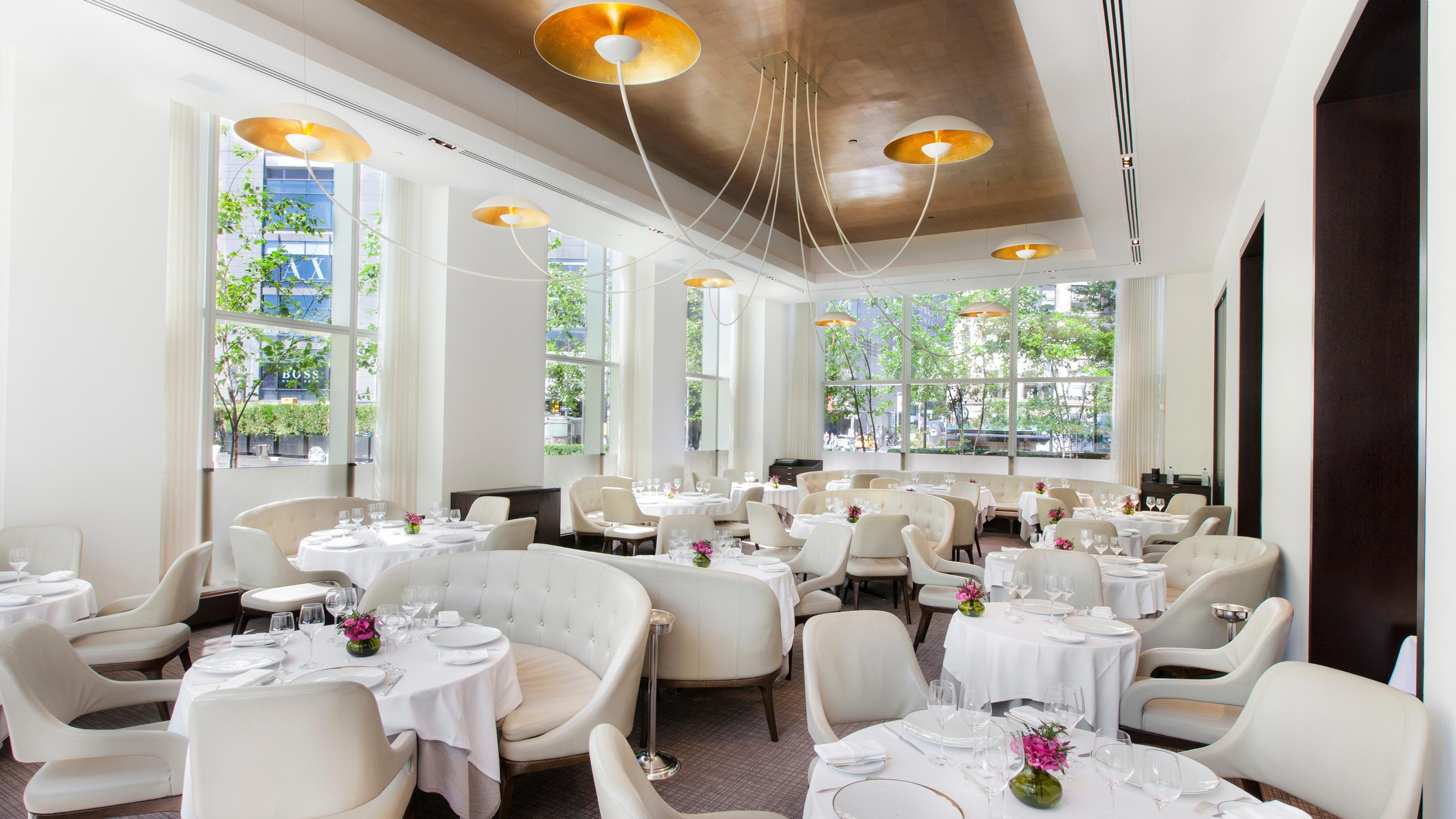
Bars in Greenwich
Browse all →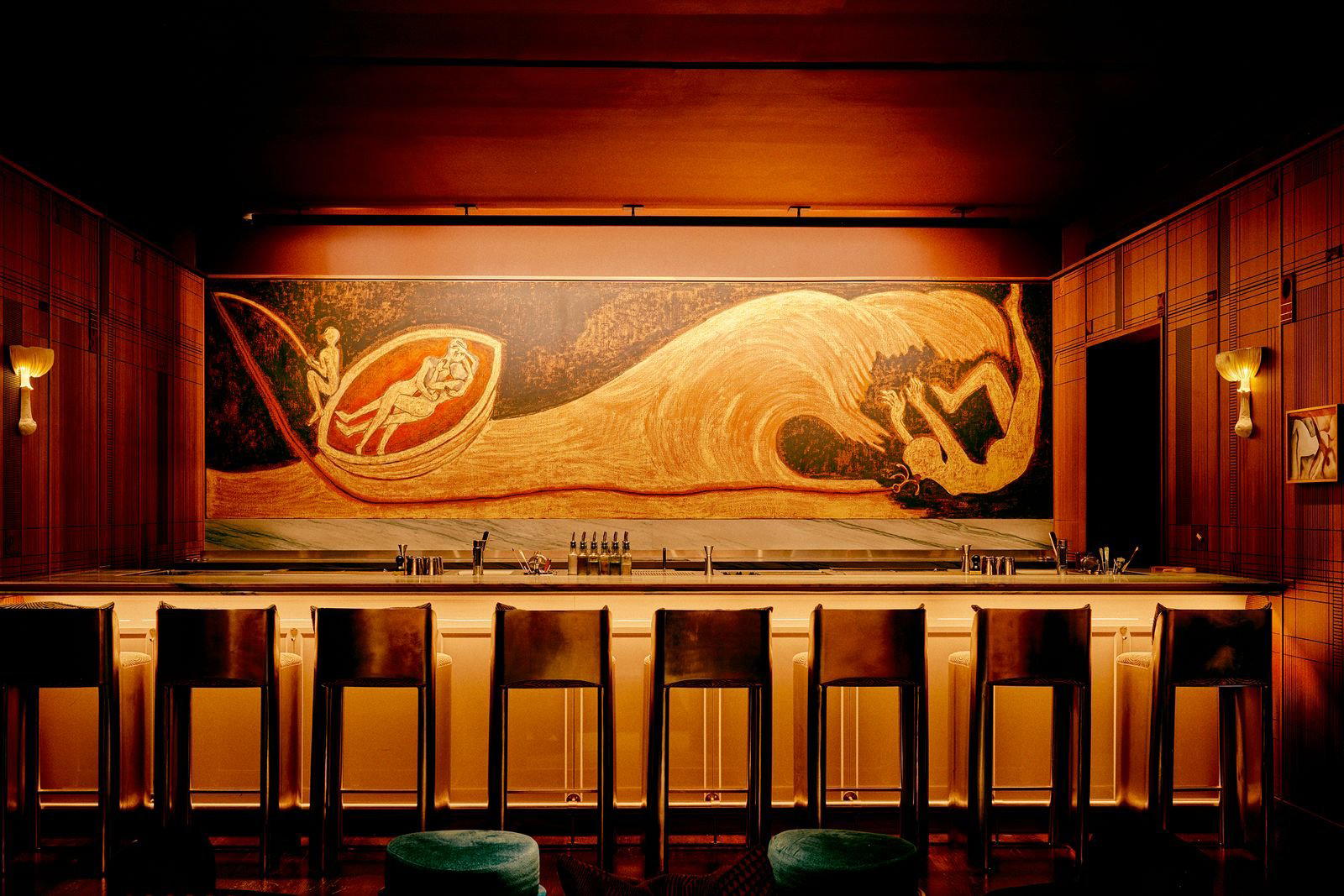
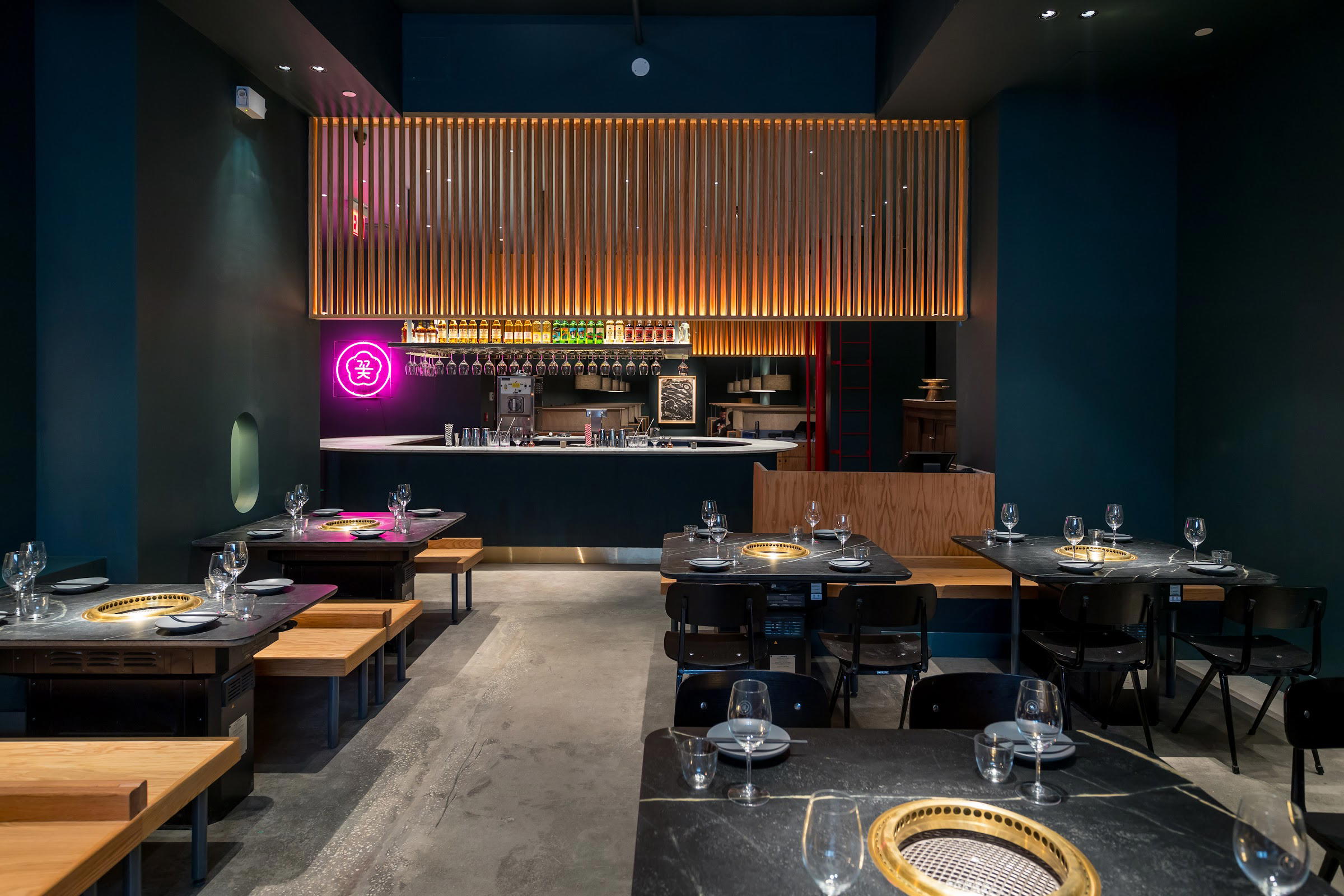

Hotels in Greenwich
Browse all →






At a Glance
- Cozy
- Lively
- Family
- Celebration
- Date Night
- Group Dining
- Open Kitchen
Current opening hours
- Monday
- 11:30 AM–9:30 PM
- Tuesday
- 11:30 AM–9:30 PM
- Wednesday
- 11:30 AM–9:30 PM
- Thursday
- 11:30 AM–9:30 PM
- Friday
- 11:30 AM–10:30 PM
- Saturday
- 11:30 AM–10:30 PM
- Sunday
- 11:30 AM–9:30 PM
Hours can change for holidays and private events. Last verified .
Warm and welcoming standard dining area with a quieter atmosphere, contrasted by the louder, more eccentric hibachi section.
Know Before You Go
- Getting there
- 381 Greenwich Ave, Greenwich, CT 06830