Chalana Restaurant sits inside Paracas’ seafood-first dining conversation, where the bay, the port culture of Pisco, and the desert coast shape what travelers expect from a meal. The draw is not a documented tasting-menu format or awards trail, but its position in a town where freshness, timing, and proximity to the Pacific carry more weight than formality.
Pearl is the En Primeur Club membership app — saves, bookings, and concierge access live there. Same editors, same standards.
- Address
- Av. Paracas 173, Urb. Paracas, Pisco, Ica, Pisco, Av. Los Libertadores 173, Paracas 11550, Peru
- Phone
- +51 56 581333
- Website
- marriott.com
- Directions
- Get directions
 Saves & bookings on Pearl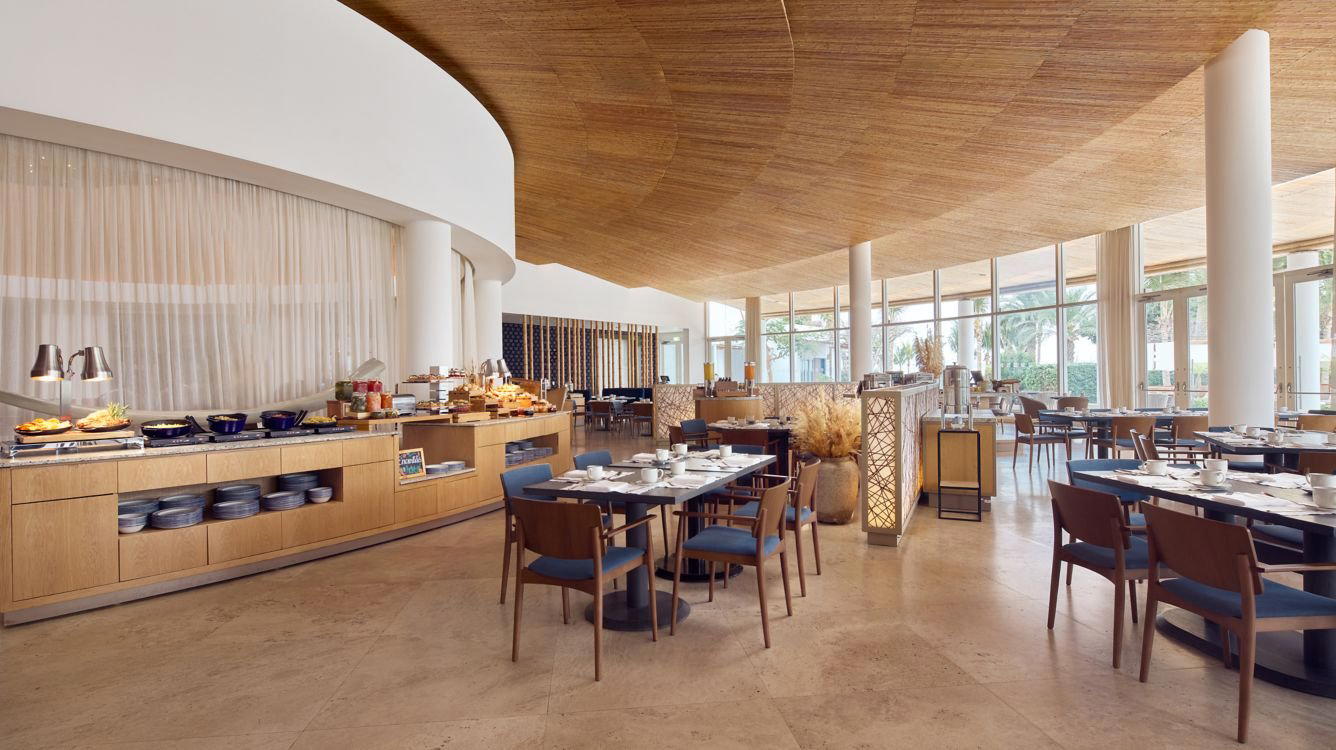
Approaching the Paracas waterfront, the first impression is not restaurant architecture but geography: salt air, flat desert light, fishing boats, tour traffic moving toward the Ballestas Islands, and the Pacific setting the terms of lunch before any menu appears. In this part of Ica, dining is tied less to ceremony than to supply. The coast is the argument. Fish, shellfish, citrus, ají, corn, and the cold Humboldt Current form the grammar of the table, and restaurants are judged by how directly they let that vocabulary read.
That context matters for Chalana Restaurant. Paracas is not Lima, where a chef’s résumé, tasting-menu architecture, and awards shorthand often frame the booking decision before the first dish. It is a resort-and-port town with a narrower but sharper question: does the meal make sense beside the water, in a place where seafood should feel tied to the day rather than to a concept? The answer depends less on spectacle than on sourcing logic, restraint, and the ability to keep Peruvian coastal cooking from becoming generic resort food.
Paracas dining is built around the bay, not the dining room
The strongest restaurants in Paracas work within an unusually clear set of expectations. Travelers arrive after boat trips, desert excursions, or hotel transfers, often looking for a meal that can carry both local identity and easy pacing. That pushes the scene toward seafood, ceviche formats, rice dishes, grilled fish, and shareable plates rather than long tasting sequences. In a city this small, the restaurant category is defined by freshness cues, service rhythm, and whether the cooking respects the brightness and acidity central to Peru’s coastal canon.
Chalana Restaurant belongs in that conversation because its relevance comes from place. The address places it within Paracas proper, close to the town’s tourism and waterfront circuit, which makes it part of the same decision set as Ballestas Restaurant. The comparison is useful: Paracas dining is compact enough that restaurants are read against one another quickly, and visitors often choose according to the kind of day they are having rather than by a months-ahead reservation calendar. For the wider field, Our full Paracas restaurants guide maps that local range more clearly.
Ingredient sourcing is the real editorial lens here. Peru’s coast rewards kitchens that keep fish handling clean, acidity controlled, and garnishes disciplined. The Paracas setting also changes the stakes: a ceviche or grilled catch near the bay has less room to hide behind technique than a composed plate in a capital-city dining room. When the surrounding environment already supplies the drama, the smarter kitchen response is usually precision rather than ornament.
The Peruvian coast gives this category its authority
Paracas sits south of Lima but belongs to a broader coastal food system that runs through port towns, picanterías, market counters, and hotel restaurants. That system is not one single cuisine. Piura’s northern seafood culture reads differently from Arequipa’s picantería tradition, and Cusco’s Andean cooking sits in another register again. For contrast, Alegrîa Picantería Piurana in Lima points toward northern Peruvian flavors, while Alma Bar Restaurante in Arequipa connects to a southern city where spice, stews, and regional identity carry different weight.
That national spread is why Paracas should not be treated as a minor stop between Lima and the desert. It has its own logic: coastal immediacy, boat-tour timing, and a dining culture shaped by visitors who want Peru on the plate without the formality of the capital’s tasting rooms. Nearby Pisco adds another layer, visible in the broader Ica circuit through places such as As De Oro in Pisco and Bistrot Bastille in Ica. The point is not that these restaurants are interchangeable; it is that the region’s food choices sit between maritime Peru, desert agriculture, and travel infrastructure.
Seen from that angle, Chalana Restaurant is a local coastal choice rather than a destination built on chef mythology. No major award listing, chef identity, tasting-menu format, or price tier is publicly attached here, so the editorial read should stay grounded: this is a Paracas dining option to assess through freshness, simplicity, and fit with the day’s itinerary. That is often the more honest standard in small coastal towns, where a well-timed lunch can be more useful than a formal dinner built for ceremony.
How to place it within a Peru itinerary
Paracas works particularly well when the restaurant plan follows the day rather than controlling it. Morning boat excursions and desert routes tend to shape appetite, which makes flexible coastal dining more practical than a rigid tasting-menu schedule. Travelers staying locally can pair the restaurant decision with the wider town infrastructure: Our full Paracas hotels guide covers the lodging base, while Our full Paracas bars guide, Our full Paracas wineries guide, and Our full Paracas experiences guide help frame the rest of the stay.
For travelers building a broader Peru food route, the contrast is the value. Lima’s contemporary restaurants, represented in different ways by Asianica in Miraflores and Cosme in San Isidro, operate in a denser urban market. The highlands shift the register again through Campo Cocina Andina in Cuzco and Cantina Vino Italiano in Cusco. Further north and inland, Calima in Huaraz and Café Inkaterra in Machu Picchu show how altitude, tourism flow, and local product alter the meal’s purpose.
International comparisons can sharpen the point. A focused Japanese format such as Jōdo Saké Bar in Los Angeles or the compact casual clarity of Onigiri Time in Pasadena asks diners to read precision through specialization. Paracas asks for a different kind of attention: whether coastal ingredients are treated with enough directness to feel of the place. The restaurant should be approached on those terms, as part of a small-town seafood circuit where the bay does much of the explaining and the kitchen’s job is not to get in the way.
In Context: Similar Options
Comparable venues by cuisine and price in the same metro.
| Venue | Cuisine |
|---|---|
| Chalana Restaurant | This venue |
At a Glance
- Scenic
- Cozy
- Intimate
- Casual Hangout
- Family
- Waterfront
- Hotel Restaurant
- Craft Cocktails
- Local Sourcing
- Sustainable Seafood
- Waterfront
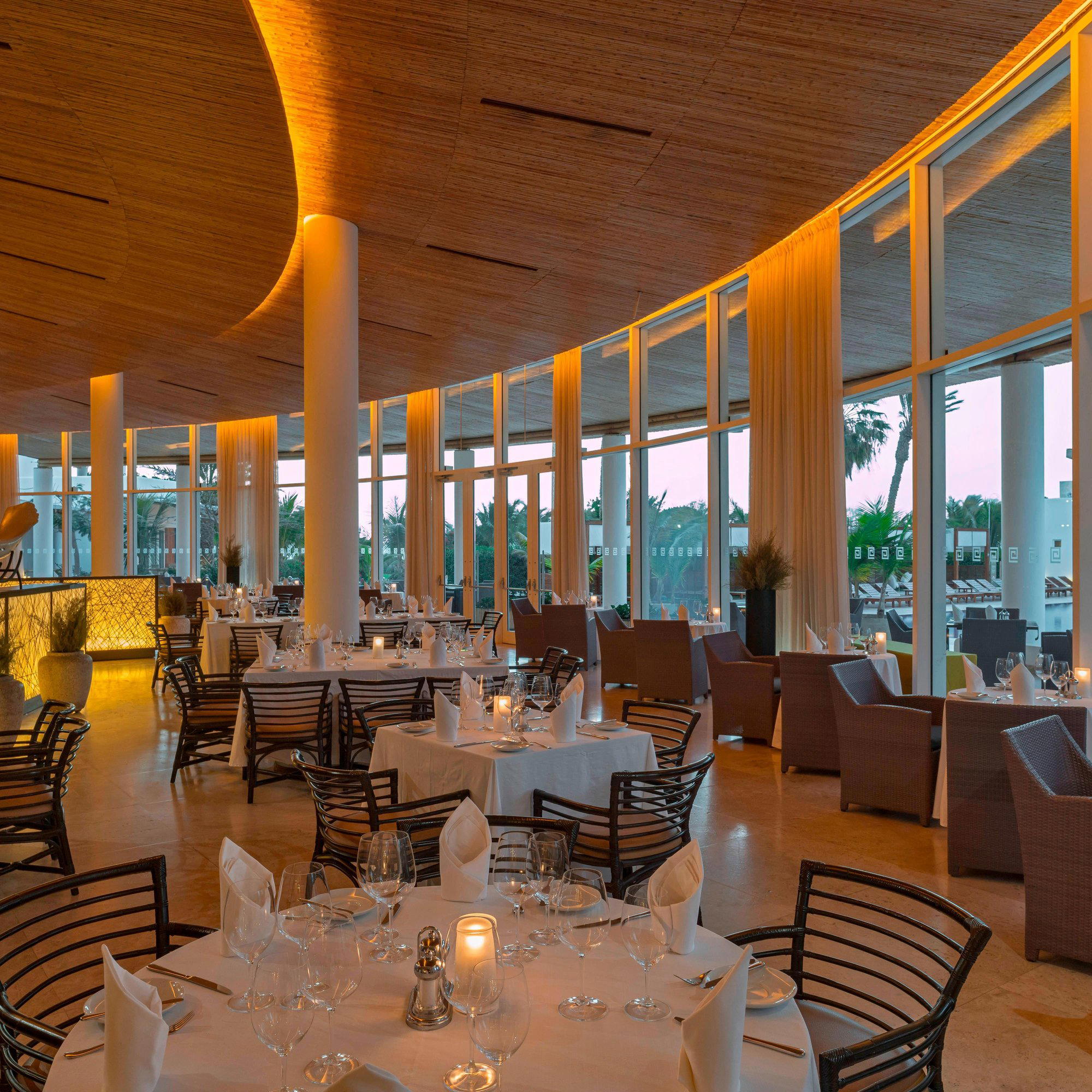
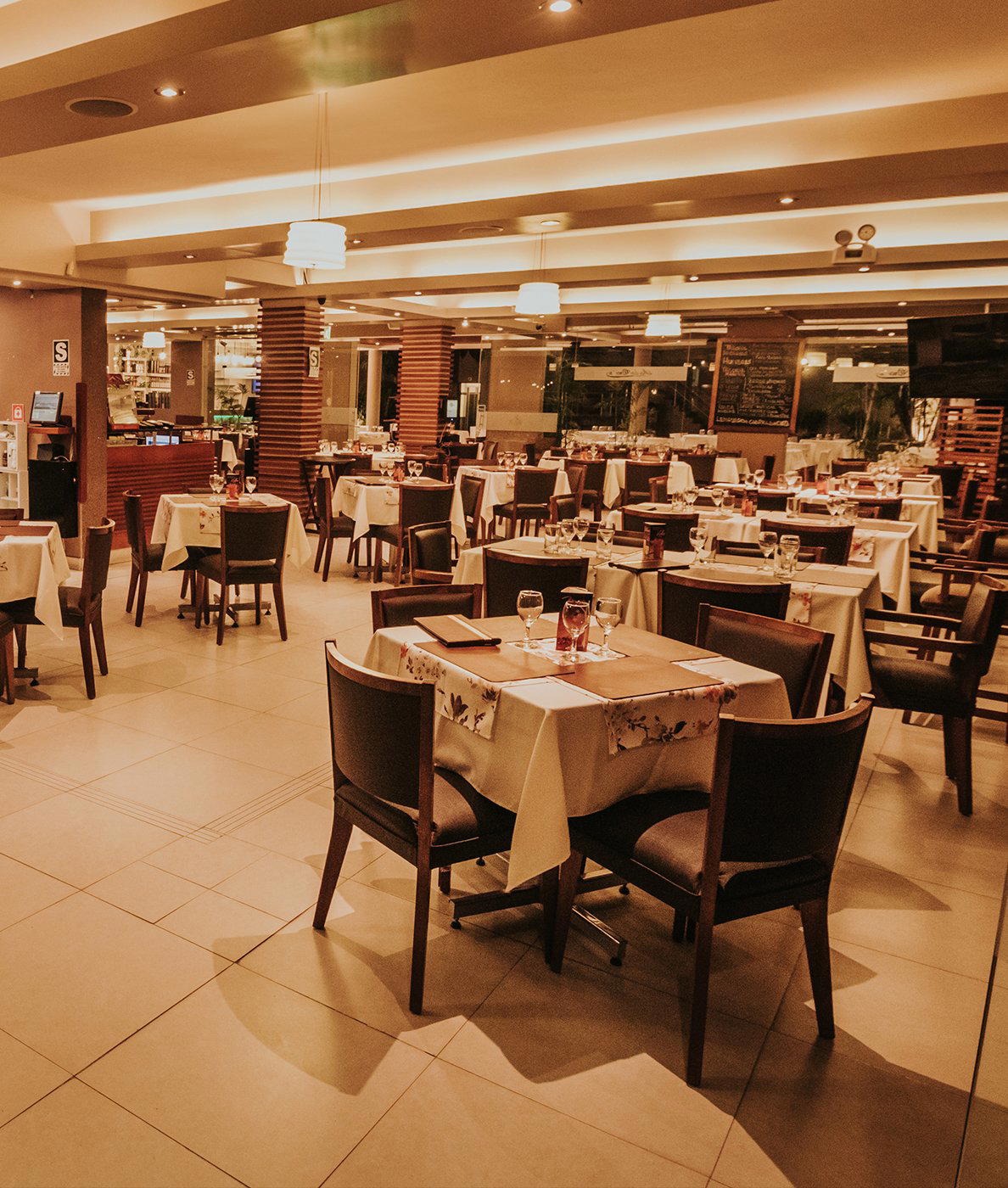
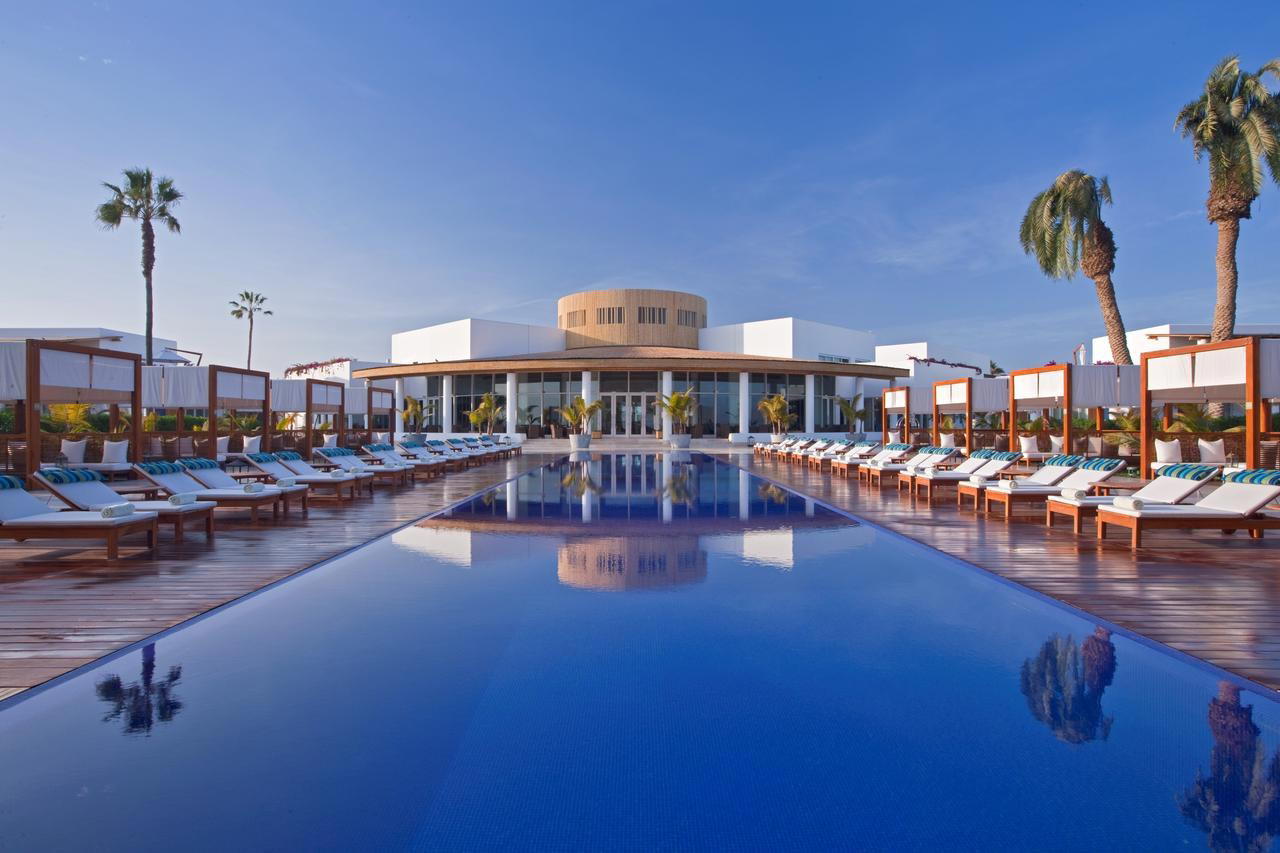
Waterfront and scenic, with a cozy, intimate feel; reviewers describe beautiful atmosphere, helpful staff, and a seaside setting on the hotel’s private pier.