Dampfschiff
Dampfschiff serves modern Mediterranean with Swiss regional influences in a waterfront historic building in Thun, with local sourcing and sustainable seafood.
Pearl is the En Primeur Club membership app — saves, bookings, and concierge access live there. Same editors, same standards.
- Address
- Hofstettenstrasse 20, 3600 Thun, Switzerland
- Phone
- +41332214949
- Website
- dampfschiff-thun.ch
- Directions
- Get directions
 Saves & bookings on Pearl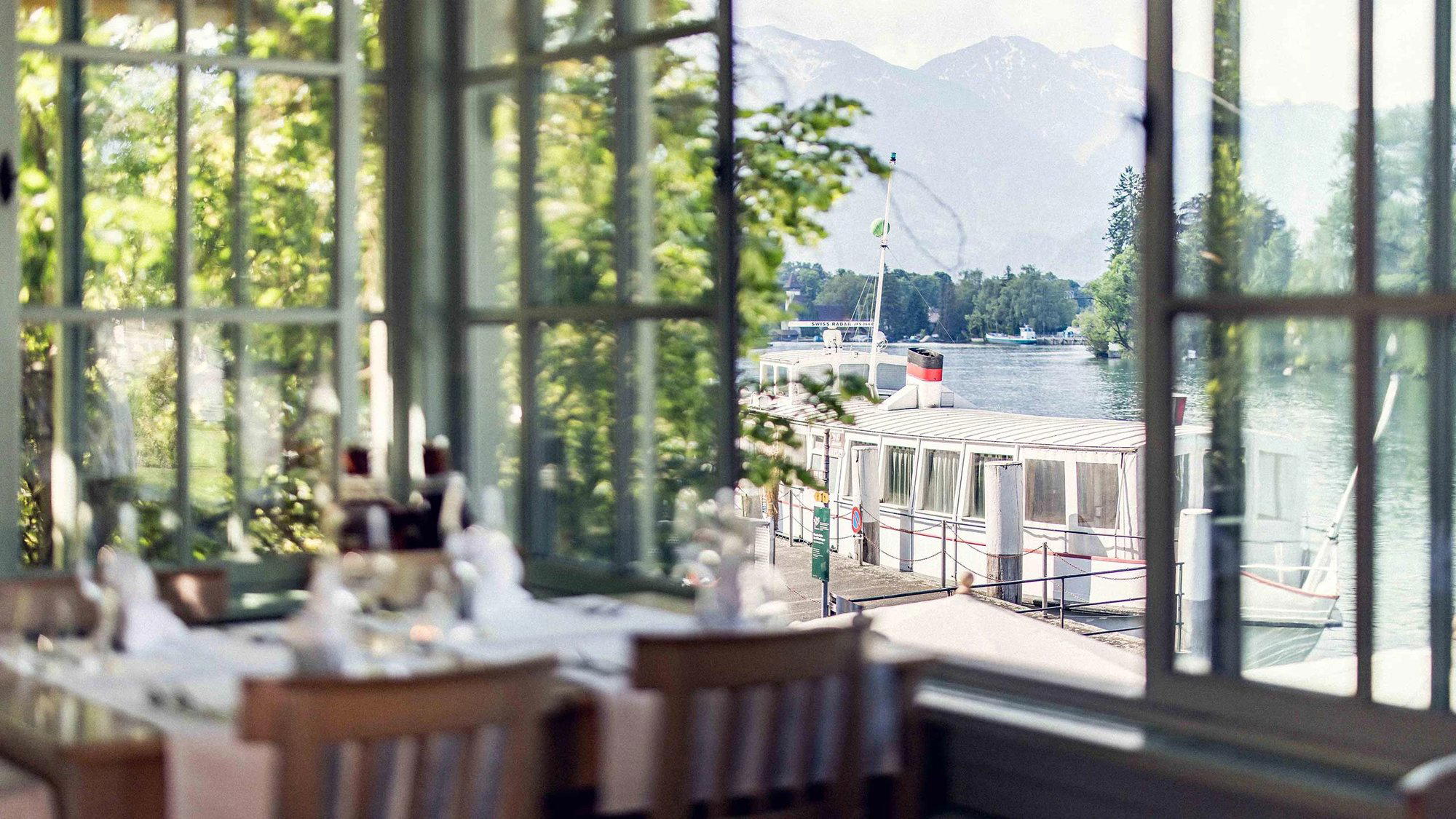
Where the Aare Bends: Eating in Thun
Thun occupies a particular position in the Swiss dining imagination: a lakeside town of genuine scale, flanked by the Bernese Oberland and connected to Bern by train in under twenty minutes, yet rarely discussed alongside the country's better-known restaurant cities. That oversight has, for years, worked in favour of the restaurants that have built serious followings here. Dampfschiff, at Hofstettenstrasse 20, sits in this context: a restaurant in Thun serving modern Mediterranean with Swiss regional influences, priced at a mid-range level, and drawing from the town's immediate agricultural and aquatic surroundings in ways that define what eating in this part of Switzerland can look like at its most grounded.
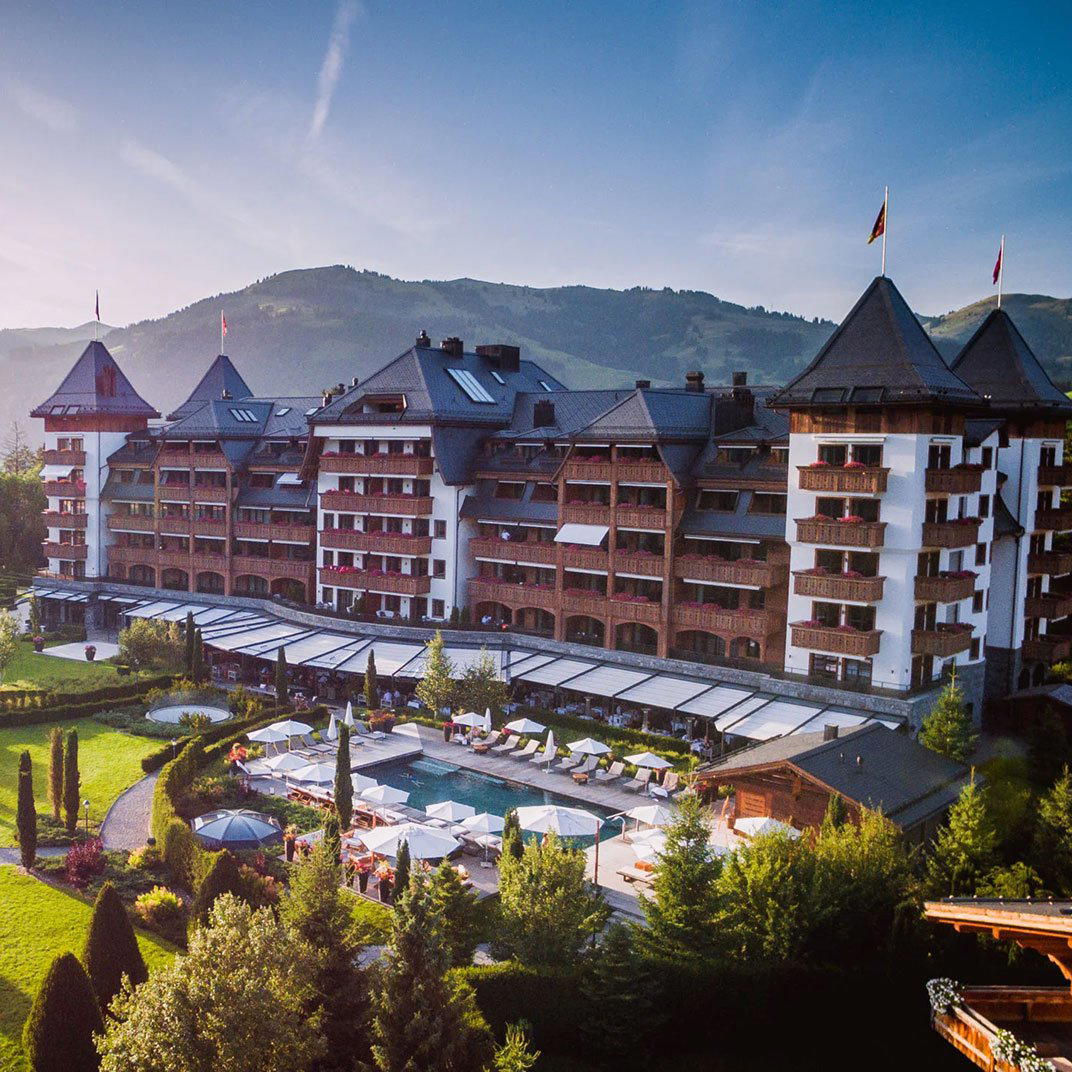
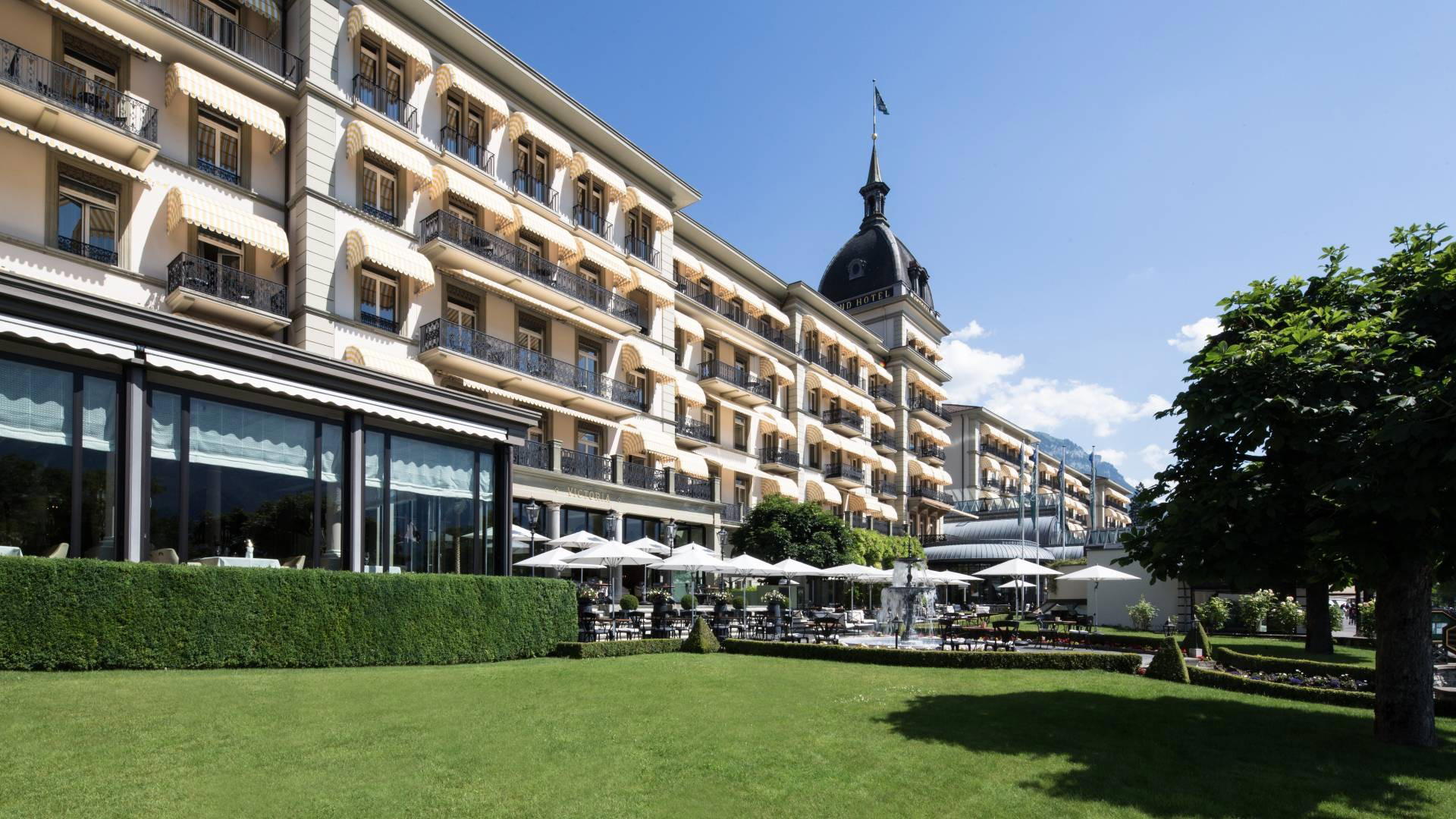
The approach to the building carries the weight of the waterside setting. Thun's connection to the Aare and Thunersee is not incidental backdrop; it shapes what appears on plates here, as it does at several of the town's more considered addresses. Dampfschiff reads as a place built around that relationship rather than one that gestures toward it decoratively. The name itself, meaning steamship in German, points to the town's historic connection to lake navigation and the working life of the water.
Ingredient Geography: What the Region Puts on the Table
The Bernese Oberland operates as one of Switzerland's more coherent ingredient zones. Dairy from the alpine pastures above the lake, freshwater fish from Thunersee, and produce from the valley floor between Thun and Interlaken collectively form a pantry that serious kitchens in the region have always drawn from. The question for any restaurant in Thun is how explicitly it acknowledges and builds around those sources, and how much of what arrives on a plate could only have come from within a defined radius.
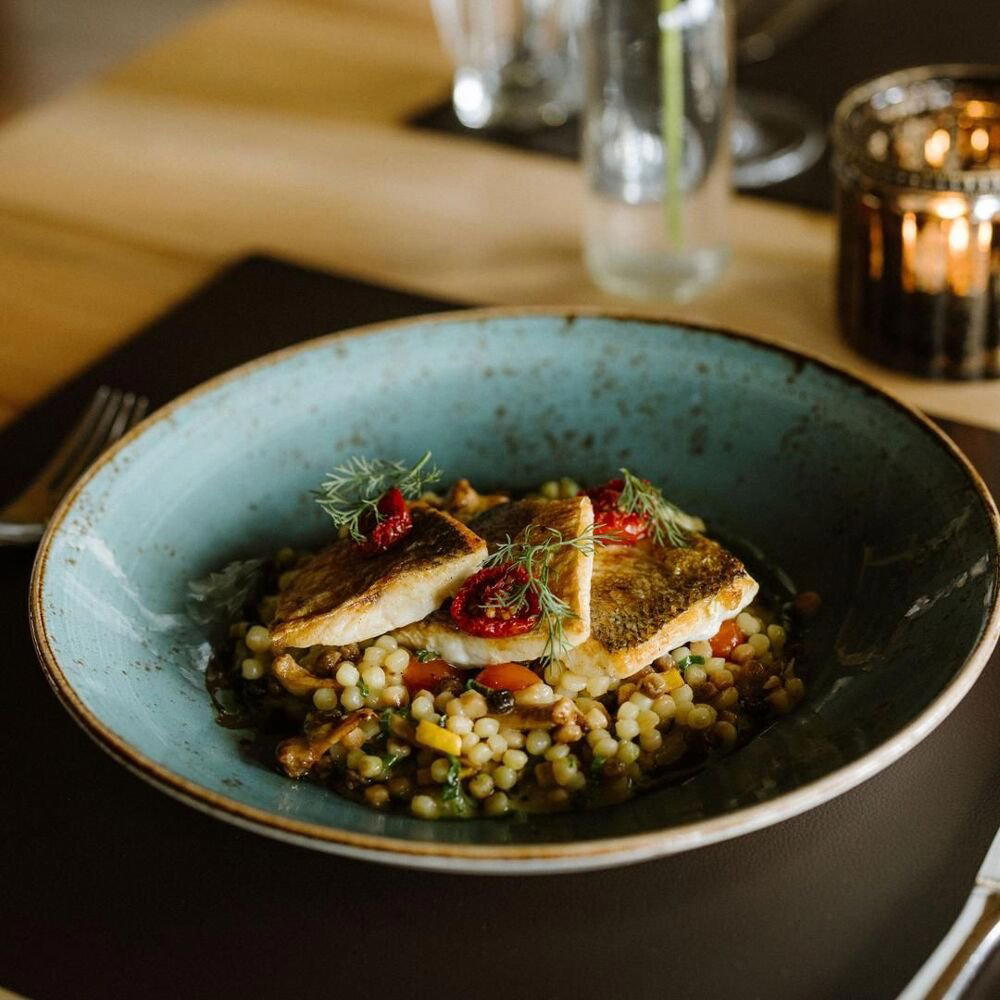
Swiss freshwater fish, particularly Felchen (whitefish) and Egli (perch), define the culinary identity of the lake towns in ways that distinguish them from the Mittelland or the urban restaurant scene in Zurich. A kitchen that takes Thunersee fish seriously is making a statement about specificity that separates it from restaurants sourcing proteins from broader European commodity supply chains. This is the culinary tradition in which Dampfschiff operates, and it places the address in a different conversation from urban Swiss dining, including the Michelin-tracked tables like Cheval Blanc by Peter Knogl in Basel, Hotel de Ville Crissier in Crissier, or Schloss Schauenstein in Fürstenau.
Regionally sourced menus in Switzerland have found a more receptive audience in recent years. Thun's restaurant community has benefited from this shift. Addresses like Beau Rivage and Centric Dining occupy different price points and registers within the town's dining offer, while Ratsstübli and Turban each reflect particular aspects of the town's character. Waisenhaus rounds out a scene that, while not dense by Zurich or Geneva standards, offers more range than a town of Thun's size might suggest.
The Atmosphere and What It Signals
In Swiss German-speaking towns of this scale, the restaurant that occupies a historic building near the water tends to carry a specific social weight. These are not tourist-facing operations in the way that lake terraces in Lucerne or Lugano can become; they serve a local population that eats out regularly and applies sustained critical attention over years. A restaurant that maintains its position in a market like Thun's is doing so through consistent execution rather than novelty cycles or destination-diner traffic.
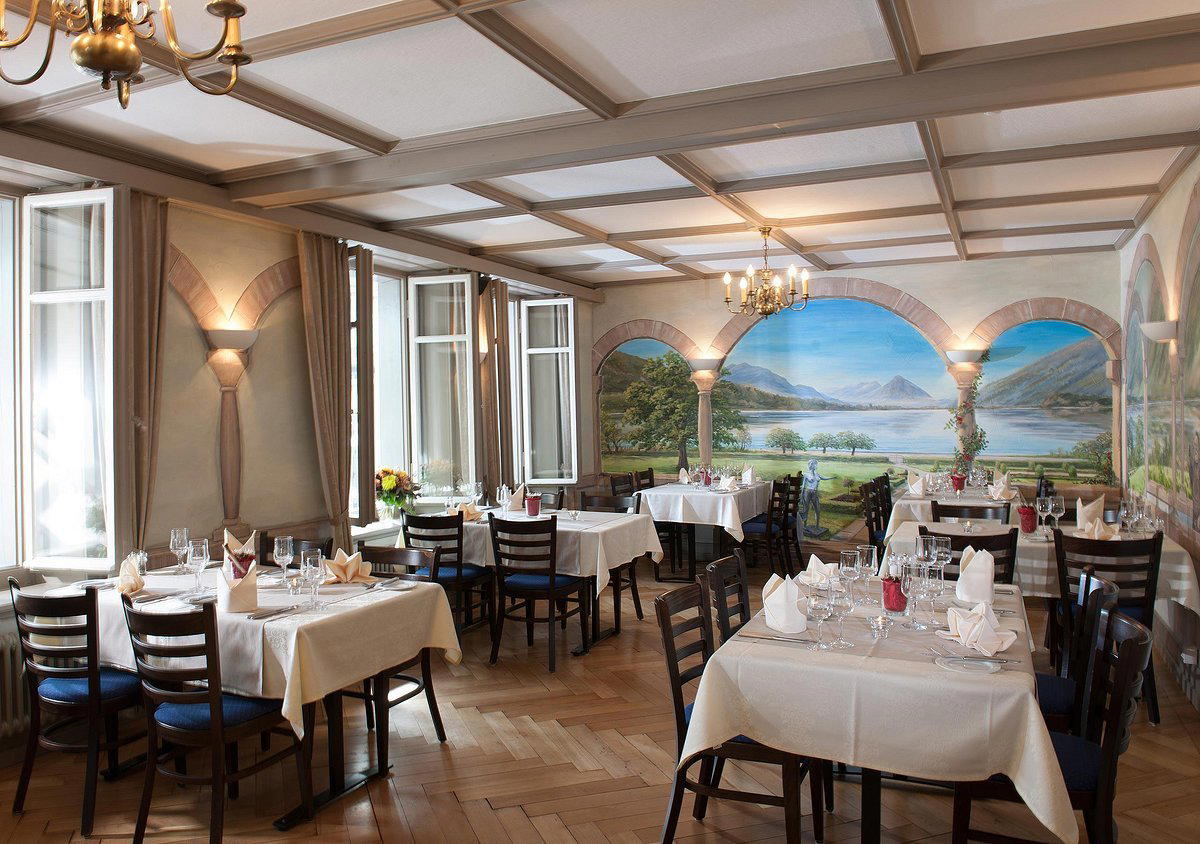
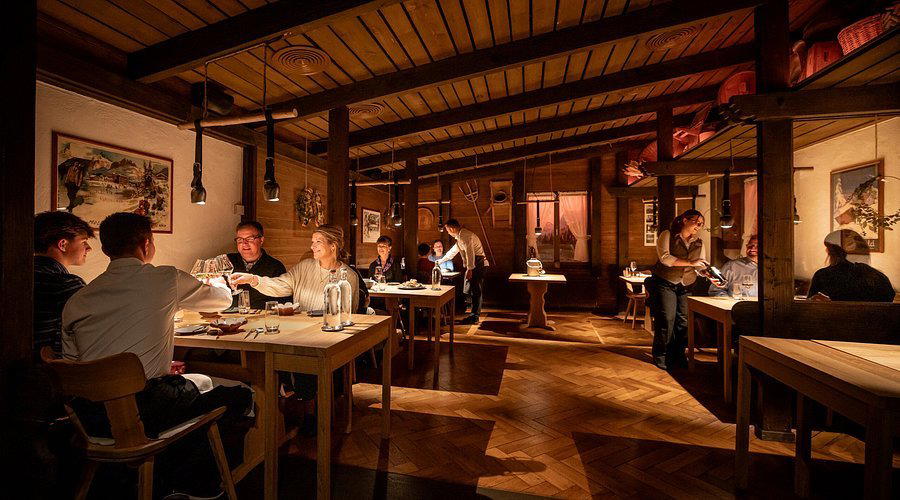
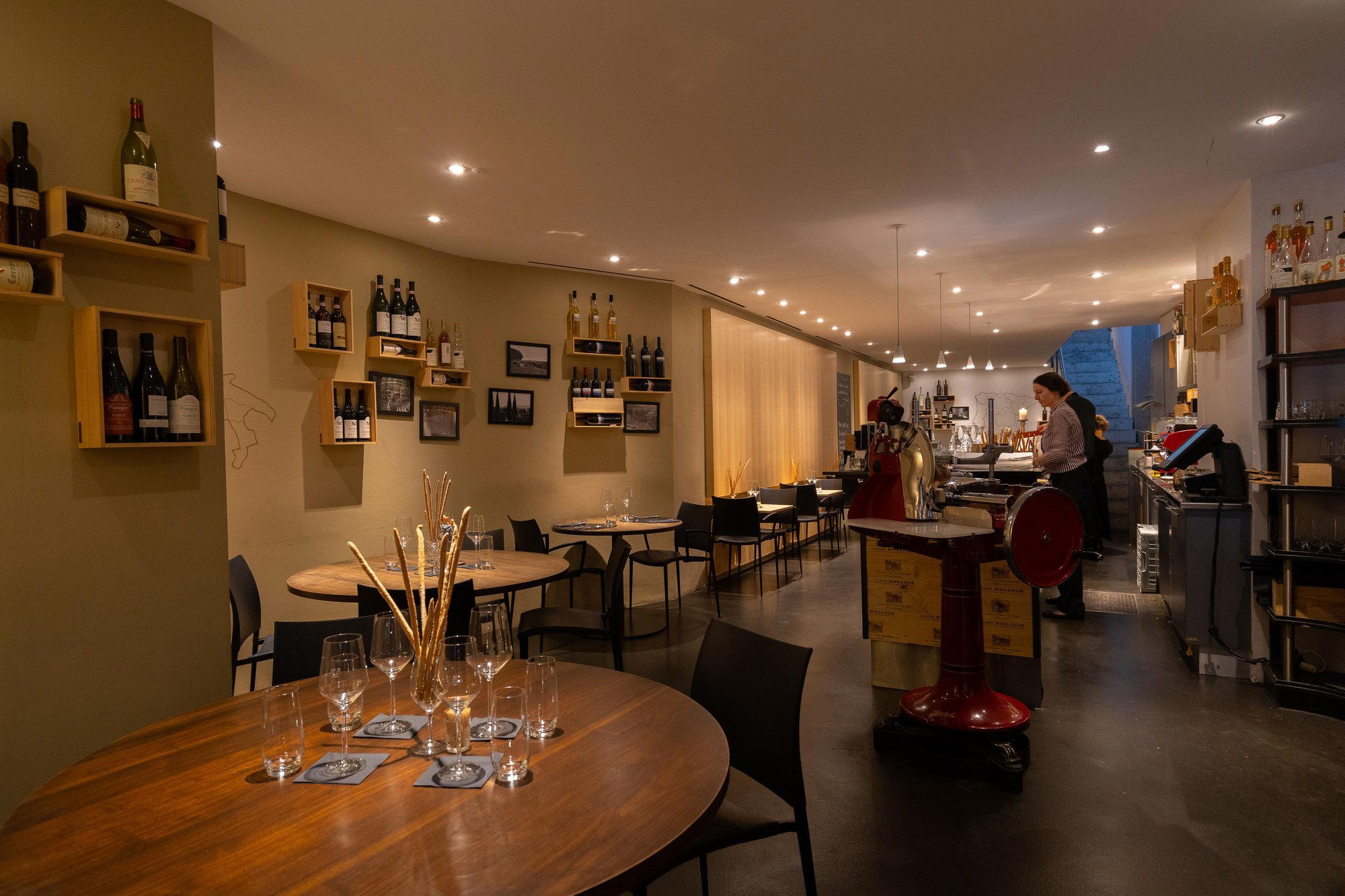
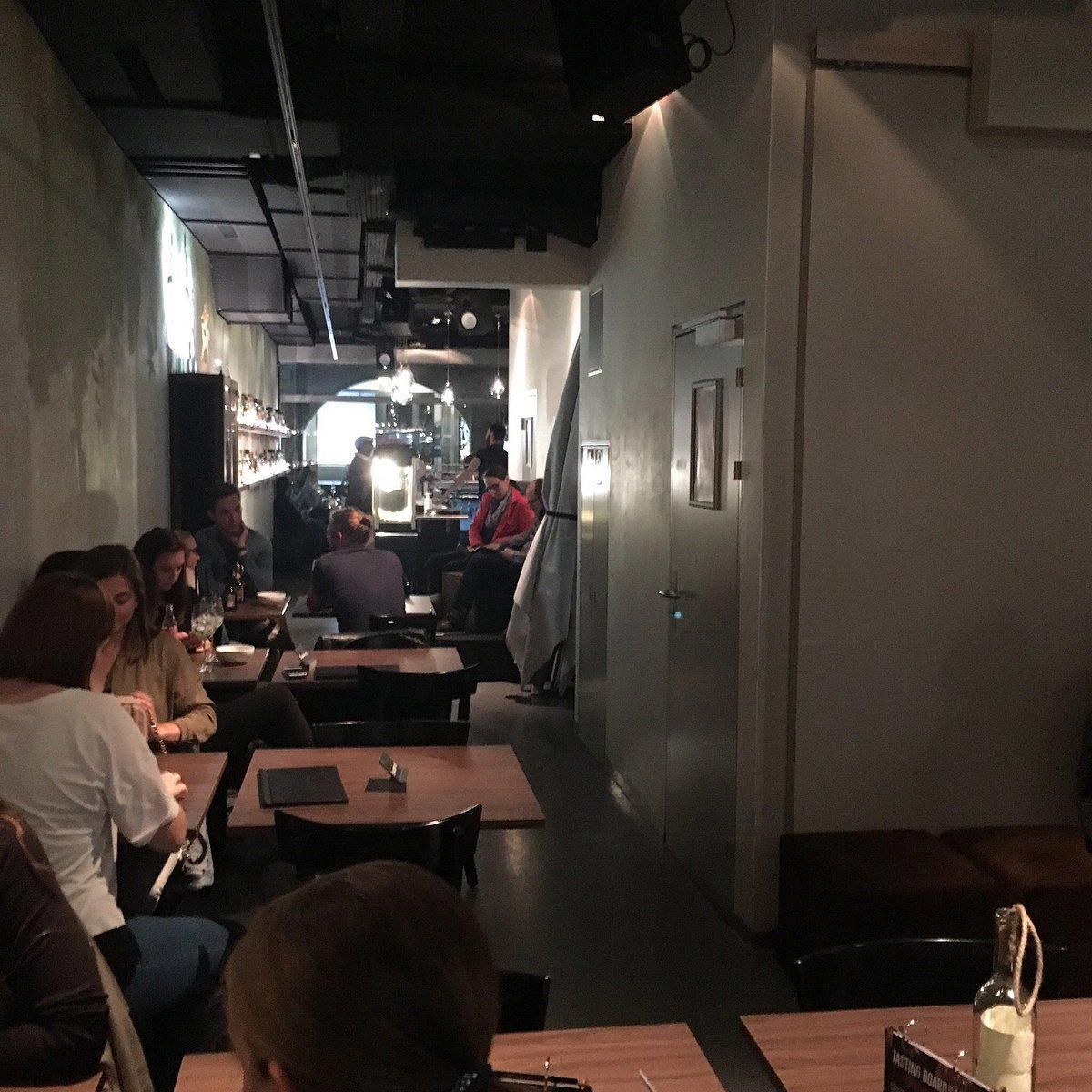
The dining room register at Dampfschiff aligns with what the town expects from a serious address: composed rather than theatrical, attentive to the kind of detail that regulars notice on a third and fourth visit rather than the kind that impresses only on a first. That orientation matters in the Bernese Oberland, where understatement carries more cultural weight than display.
Thun in the Wider Swiss Restaurant Picture
Switzerland's most-discussed restaurant tables cluster in a small number of postcodes, and Thun is not typically among them. Restaurants that draw international bookings, from Memories in Bad Ragaz to Einstein Gourmet in Sankt Gallen and Da Vittorio in St. Moritz, operate in different registers and draw from different demand pools. focus ATELIER in Vitznau and Mammertsberg in Freidorf represent the kind of destination-format dining that puts smaller Swiss addresses on international itineraries.
Thun's proposition is different. Its restaurants, Dampfschiff among them, serve a function that the destination-dining tier does not: they are where the region eats, week in and week out. The comparison is closer to La Table du Valrose in Rougemont, another address that serves a specific Alpine community rather than a passing tourist market, than to the Michelin-starred tables that rotate on international reservation lists. For travellers who approach Switzerland through its food, the distinction matters.
For reference points outside Switzerland, the dynamic echoes what places like Lazy Bear in San Francisco or Le Bernardin in New York City represent in their own markets: kitchens that hold a clear identity in relation to their city and ingredient environment.
Planning a Visit
Thun is reachable from Bern in under twenty minutes by direct train, making it a realistic half-day or full-day extension of any Bernese itinerary. Interlaken lies roughly thirty minutes further east. The town is compact enough that Hofstettenstrasse 20 is accessible on foot from the central train station. Booking ahead is advisable for weekend evenings at any of Thun's well-regarded tables; the town's dining scene operates on local demand, and popular addresses fill from within the community rather than from walk-in traffic. Visiting during summer brings the full context of the lakeside setting; the Thunersee becomes the town's social centre in warm months, and restaurants that reference the lake in their cooking are at their most coherent then. For the full picture of what the town offers across price points and formats,
Fast Comparison
Comparable venues nearby, for context on price, style, and recognition.
| Venue | Cuisine | Price | Awards | Notes |
|---|---|---|---|---|
| DampfschiffThis venue — the venue you are viewing | Modern Mediterranean with Swiss Regional Influences | $$ | Not listed | Not listed |
| Turban | Authentic Indian | $$ | Not listed | Thun |
| Waisenhaus | Traditional Italian Osteria | $$$ | Not listed | Bälliz |
| Ratsstübli | Swiss Bistro | $$ | Not listed | Altstadt |
| Beau Rivage | Authentic Italian with Seafood | $$$ | Not listed | Thun |
| Restaurant Burgstrasse9 | Dining | Not listed | Michelin Plate | Thun |
Continue exploring
More in Thun
Restaurants in Thun
Browse all →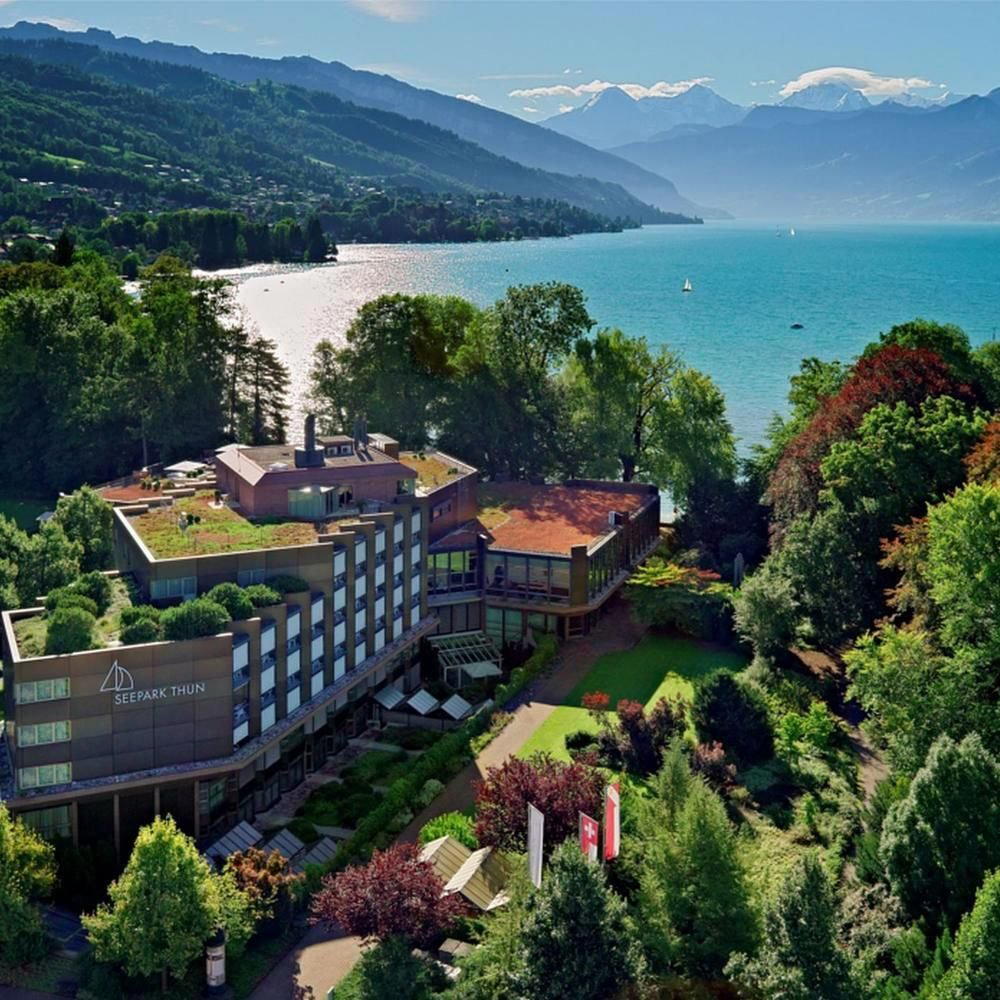
At a Glance
- Romantic
- Cozy
- Scenic
- Elegant
- Date Night
- Special Occasion
- Waterfront
- Terrace
- Historic Building
- Local Sourcing
- Sustainable Seafood
- Waterfront
Current opening hours
- Monday
- 11:30 AM–5:15 PM, 5:45–10 PM
- Tuesday
- Closed
- Wednesday
- Closed
- Thursday
- 11:30 AM–5:15 PM, 5:45–10 PM
- Friday
- 11:30 AM–5:15 PM, 5:45–11 PM
- Saturday
- 11:30 AM–5:15 PM, 5:45–11 PM
- Sunday
- 11:30 AM–5:15 PM, 5:45–10 PM
Hours can change for holidays and private events. Last verified .
Cozy and romantic atmosphere in a historic riverside setting with terrace dining.