Celia
Celia sits on Langstrasse 35 in Zurich's most restlessly evolving quarter, where the city's older nightlife infrastructure has steadily given way to considered dining and drinking spaces. The address alone signals a specific kind of positioning: not the white-tablecloth formality of the Bahnhofstrasse corridor, but something more closely tied to the neighbourhood's current character and the guests who define it.
Pearl is the En Primeur Club membership app — saves, bookings, and concierge access live there. Same editors, same standards.
- Address
- Langstrasse 35, 8004 Zürich, Switzerland
- Phone
- +41442400475
- Website
- celia-restaurant.com
- Directions
- Get directions
 Saves & bookings on Pearl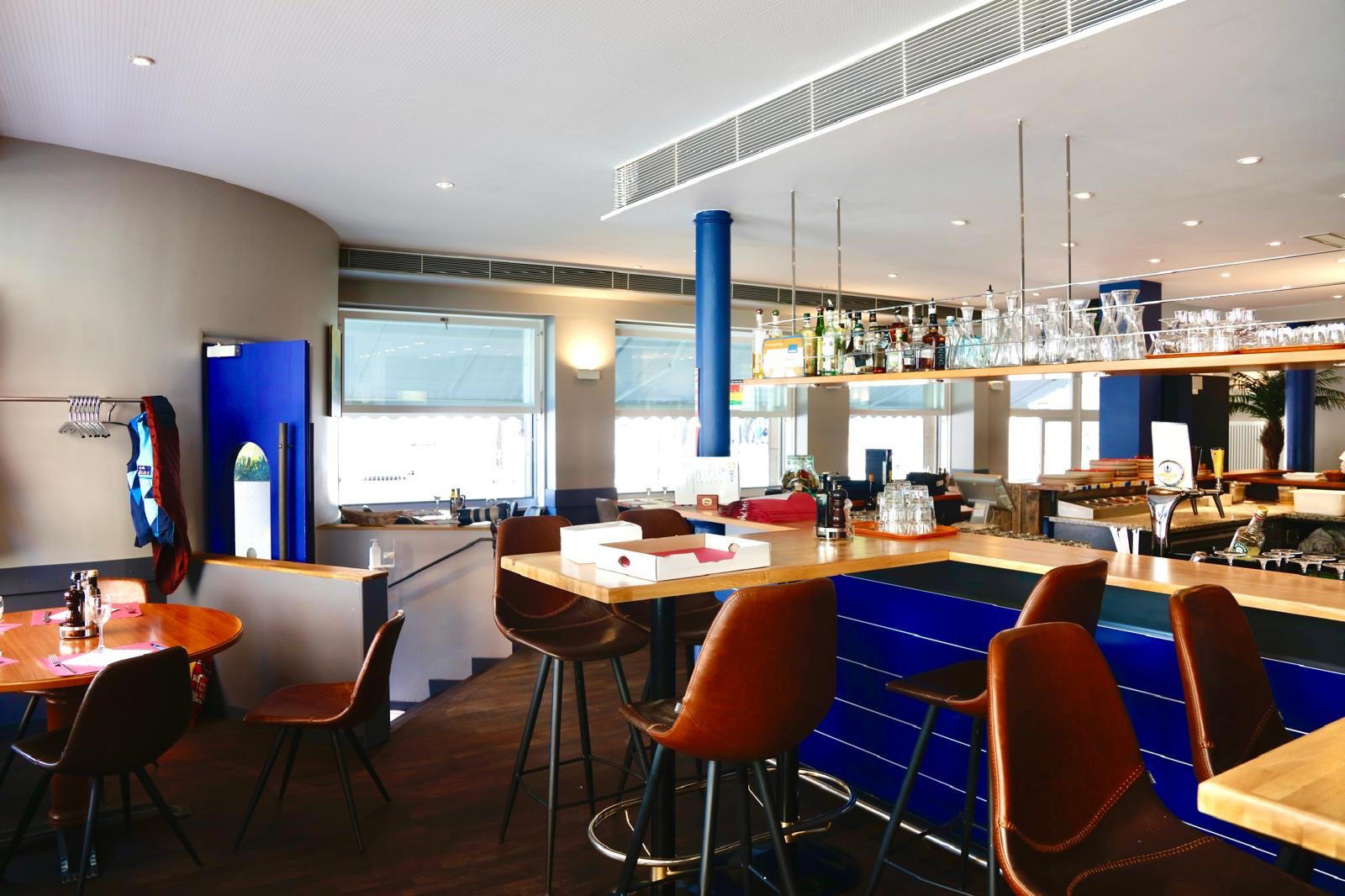
A Street That Rewrote Its Own Brief
Langstrasse has spent the better part of two decades in a state of deliberate reinvention. What was once Zurich's most transactional strip, defined by late-night clubs and fast turnover, has matured into a corridor where independent restaurants and bars operate with real editorial intent. Number 35 sits in this current version of the street, which means arriving on foot through a neighbourhood that still carries traces of its earlier identity even as the dining register has shifted considerably upward.
That tension, between an address with cultural weight and an interior that has to do something deliberate with it, is where spaces like Celia operate. In Zurich's broader dining geography, the Langstrasse bracket sits apart from the lakefront formality of venues like The Restaurant (Creative) or the institution-grade rooms of Widder (Swiss). The implicit contract with the guest is different: less ceremony at the threshold, more investment in what happens after you sit down.
The Space as Argument
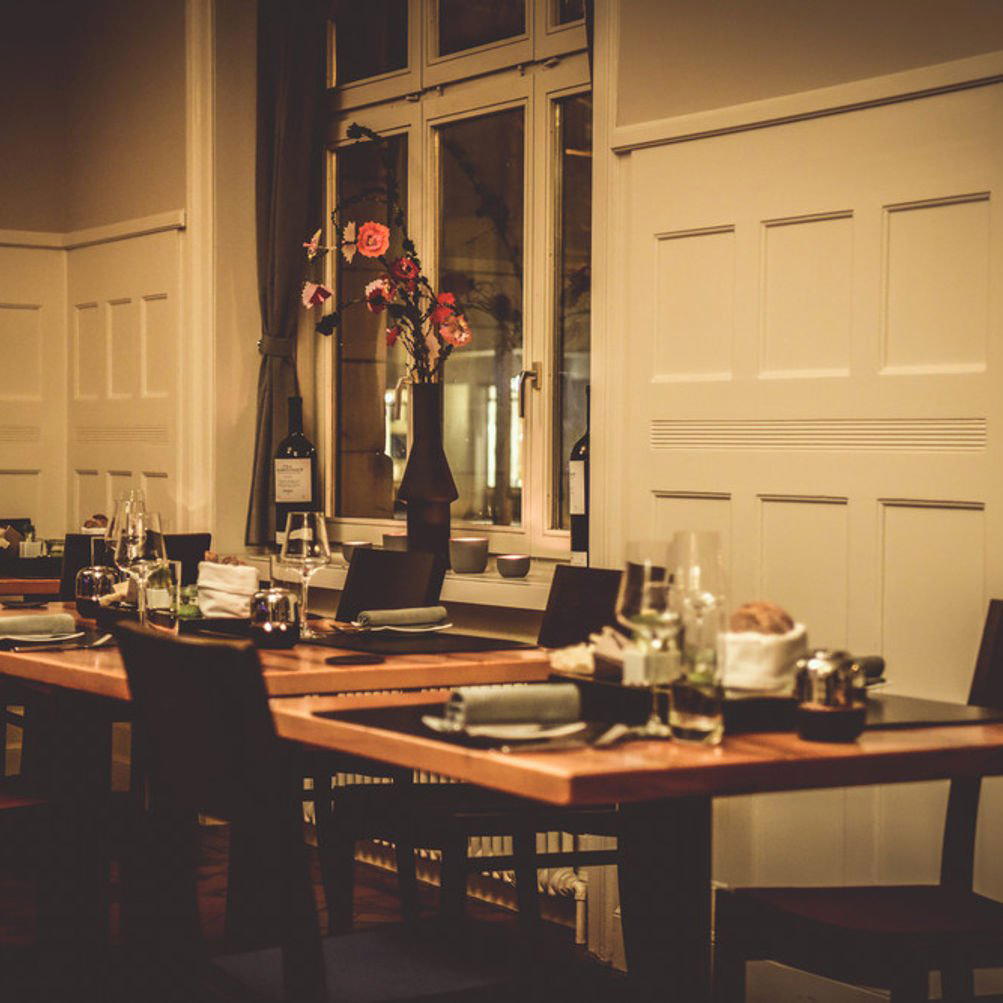
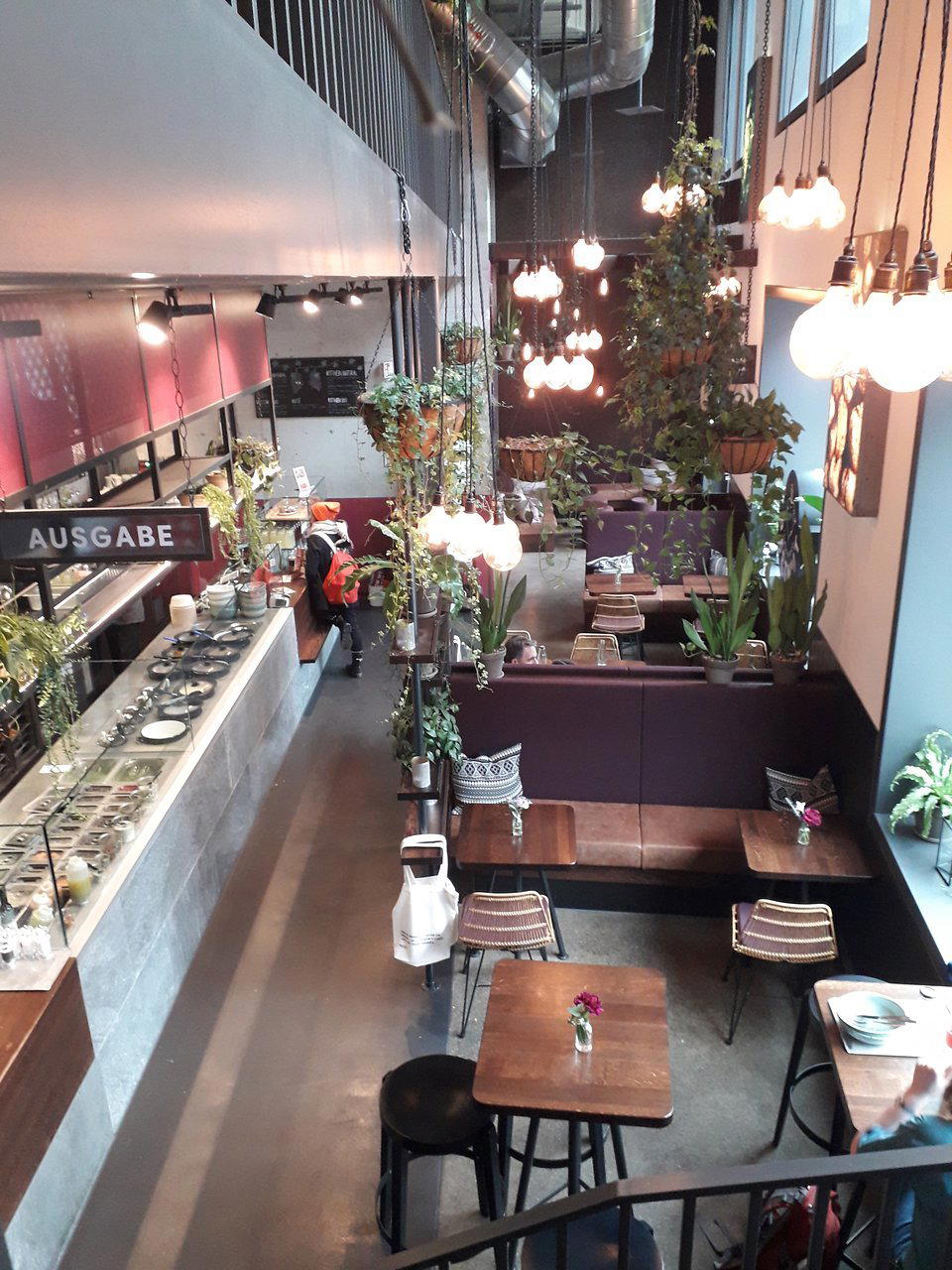
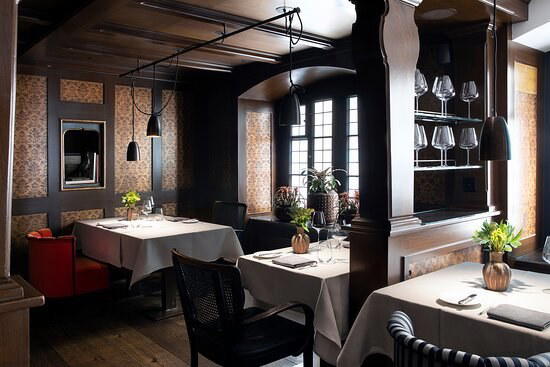
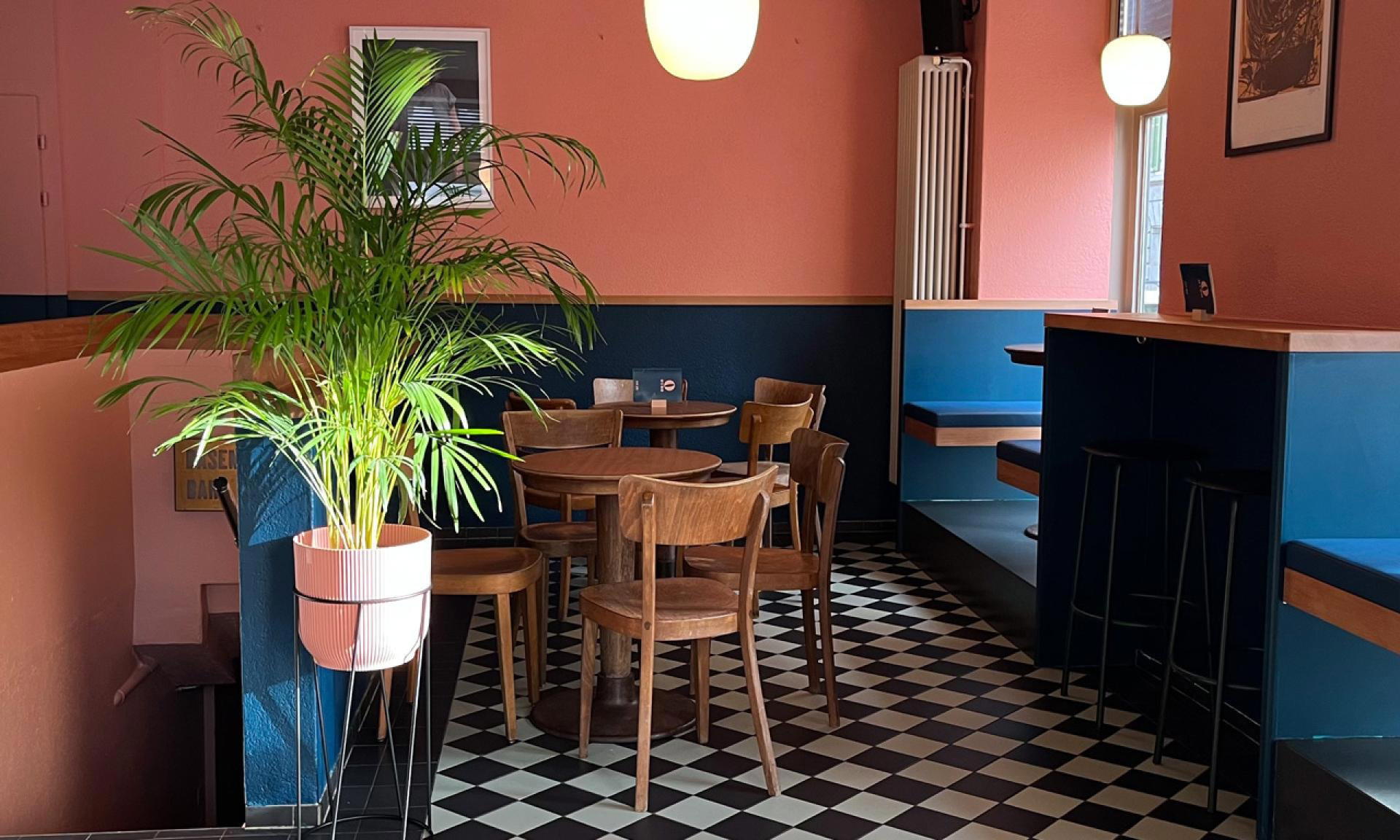
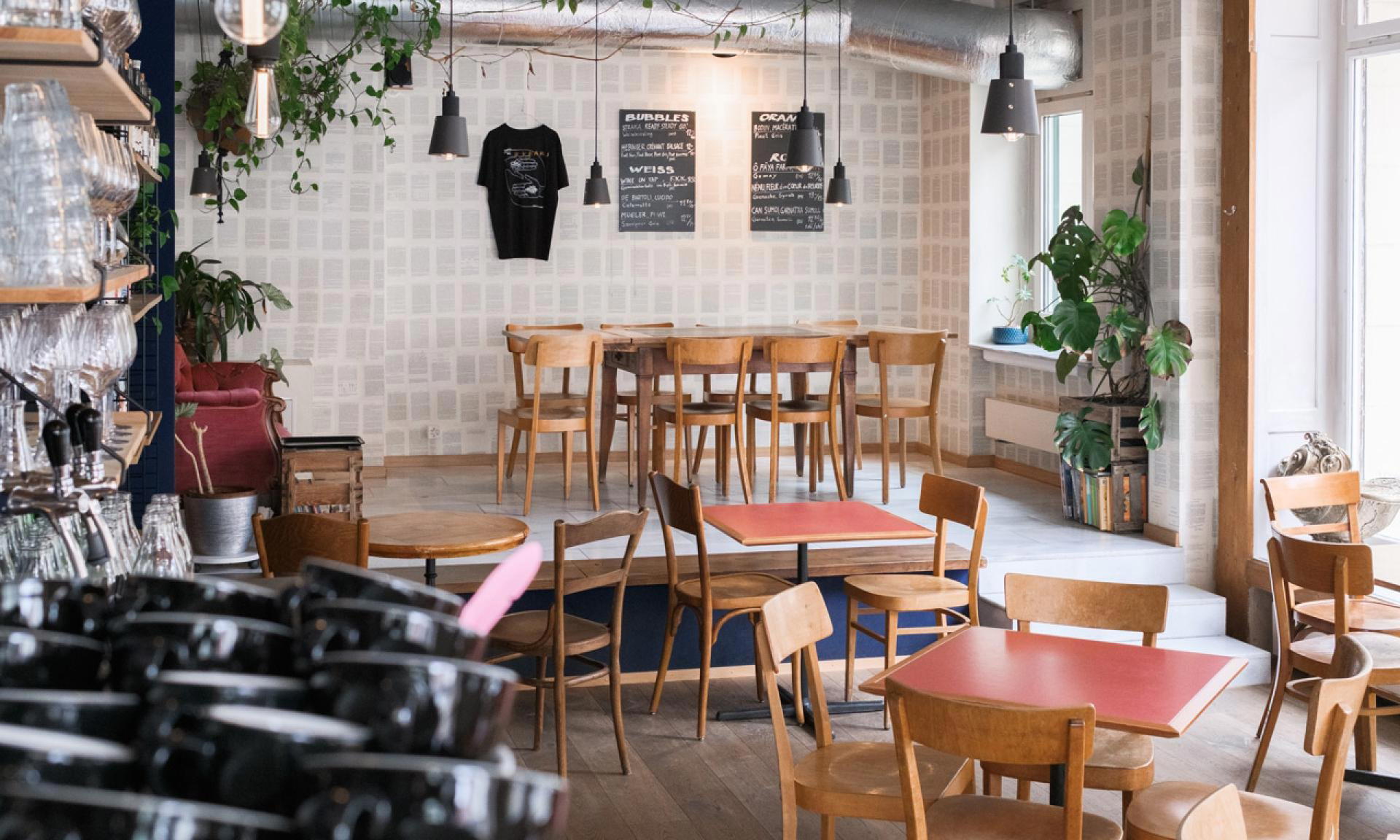
In a city where design-led restaurants increasingly treat the physical room as a position statement, the Langstrasse address frames expectations before anything is served. Zurich's premium dining scene has split, not unlike patterns visible across European mid-size cities, between venues that invest heavily in formal architecture and tableside theatre, and those that build intimacy through restraint in the room itself. The latter approach, when executed well, forces the food and drink to carry more of the narrative weight.
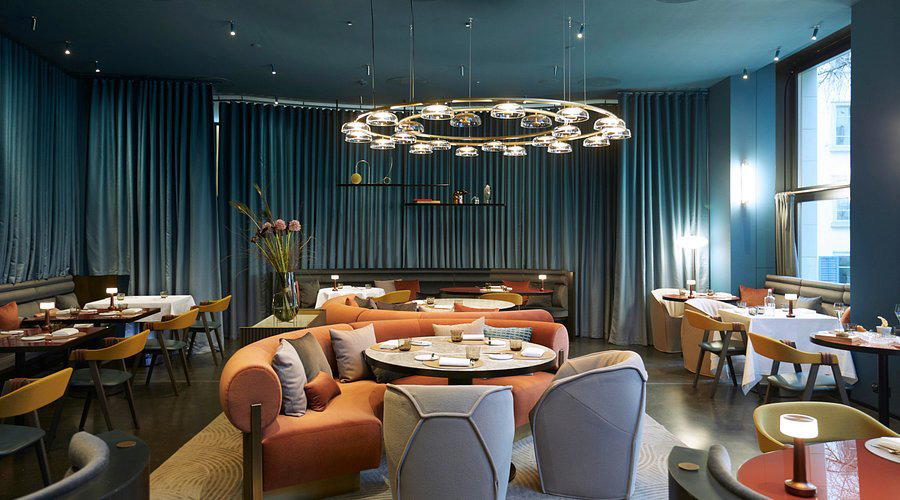
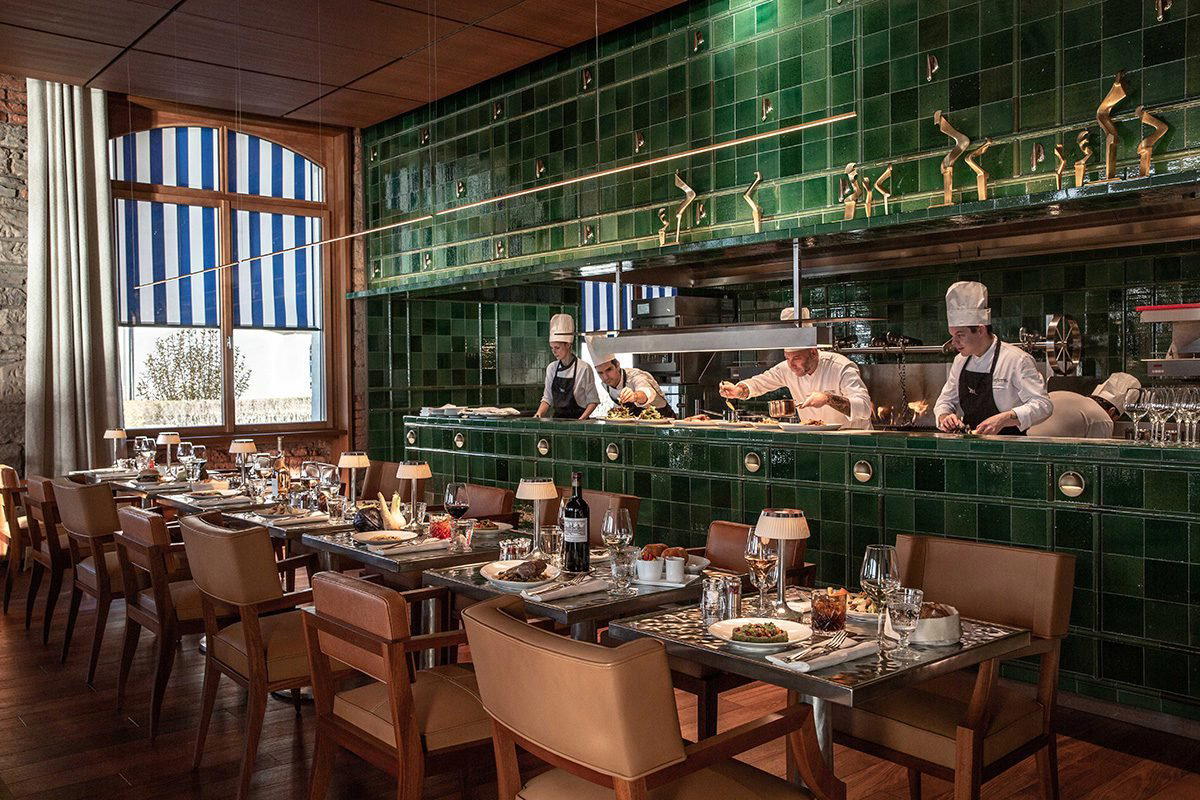
That split is legible in how Zurich's recognised tier is distributed. The multi-Michelin rooms tend to sit in older buildings or hotel contexts, where architectural heritage does some of the heavy lifting. Spaces opening on Langstrasse in recent years have had to construct a sense of occasion from different materials: lighting temperature, sound management, the density of seating relative to the room's volume. At this address, the physical container is part of the editorial case being made.
For comparison, consider how IGNIV Zürich by Andreas Caminada (Sharing) uses its Park Hyatt setting to signal a certain register of occasion, or how The Counter (Creative) frames its counter format as an explicit spatial argument about chef-to-guest proximity. Every room in this city makes a claim. The question for Langstrasse venues is always whether the claim is legible and whether it holds under scrutiny across a full evening.
Where Celia Sits in the City's Dining Structure
Zurich supports a remarkably dense concentration of recognised fine dining for a city of its size. Switzerland's broader dining infrastructure, which includes rooms like Schloss Schauenstein in Fürstenau, Memories in Bad Ragaz, and Hotel de Ville Crissier in Crissier, tends to concentrate its most decorated addresses outside the city itself. Within Zurich, the upper tier includes Cheval Blanc by Peter Knogl in Basel as a regional reference point, while neighbourhood-anchored venues like those on Langstrasse occupy a tier that prizes accessibility alongside quality.
That positioning is not a concession. The neighbourhood-anchored model, when it works, generates a kind of regularity of use that destination dining cannot: the table that comes back every three weeks rather than twice a year. The rooms that sustain that pattern tend to be ones where the physical experience doesn't exhaust the guest, where the design supports rather than performs.
Internationally, venues operating at this intersection of neighbourhood identity and genuine culinary ambition have become a distinct category. Lazy Bear in San Francisco built its reputation partly on the friction between a communal-table format and technically serious food. Le Bernardin in New York City represents the opposite pole, a room that has never tried to be anything other than formal. Langstrasse venues sit closer to the former model, and the successful among them know it.
The Italian Reference and What It Means Here
Zurich has a meaningful Italian dining tradition, one that runs from neighbourhood trattorias through to more considered modern expressions. Eden Kitchen & Bar (Italian) operates at the premium end of that spectrum in the city. Where a venue lands within the Italian reference point, whether it anchors to regional Italian tradition, to contemporary Italian technique, or to something more loosely Mediterranean, shapes both the menu structure and the guest expectation.
Celia is a Classic Italian Pizzeria. What the address and positioning do confirm is a venue operating in a neighbourhood where cooking without pretension is often the more interesting argument than cooking with it. The dining rooms that have earned lasting reputations on Langstrasse tend to be ones where the food is doing something specific rather than something comprehensive.
For readers building a broader Swiss itinerary, the contrast between city dining and the country's destination restaurant circuit is worth holding in mind. Einstein Gourmet in Sankt Gallen, Mammertsberg in Freidorf, focus ATELIER in Vitznau, and La Table du Valrose in Rougemont each represent the destination model, where the journey is part of the experience. Zurich's neighbourhood venues offer something structurally different: occasion without expedition, which is its own kind of value. Da Vittorio - St. Moritz in St. Moritz and Maison Wenger in Le Noirmont extend that comparison further into the Alpine and Jura registers.
Know Before You Go
| Address | Langstrasse 35, 8004 Zürich, Switzerland |
|---|---|
| District | Langstrasse / Kreis 4 |
| Booking | Reservations recommended |
| Getting There | Langstrasse 35, 8004 Zürich, Switzerland |
| Leading Season | The neighbourhood operates year-round; summer brings pavement dining culture to the wider street, winter concentrates the experience indoors |
Peers in This Market
Comparable venues nearby, for context on price, style, and recognition.
| Venue | Cuisine | Price | Notes |
|---|---|---|---|
| CeliaThis venue — the venue you are viewing | Classic Italian Pizzeria | $$ | Not listed |
| Luigia | Traditional Italian | $$ | City center / Kreis 1 |
| Napulé Josefstrasse | Neapolitan Pizza | $$ | Unterstrass |
| San Gennaro | Traditional Neapolitan Pizzeria | $$ | Kreis 10 |
| Italia | Authentic Italian | $$ | Aussersihl |
| Zio Panino | Italian Panini Take-away | $$ | Aussersihl |


At a Glance
- Cozy
- Lively
- Date Night
- Family
- Group Dining
- Casual Hangout
Current opening hours
- Monday
- 9 AM–12 AM
- Tuesday
- 9 AM–12 AM
- Wednesday
- 9 AM–12 AM
- Thursday
- 9 AM–12 AM
- Friday
- 9 AM–12 AM
- Saturday
- 6 AM–12 AM
- Sunday
- 5 PM–12 AM
Hours can change for holidays and private events. Last verified .
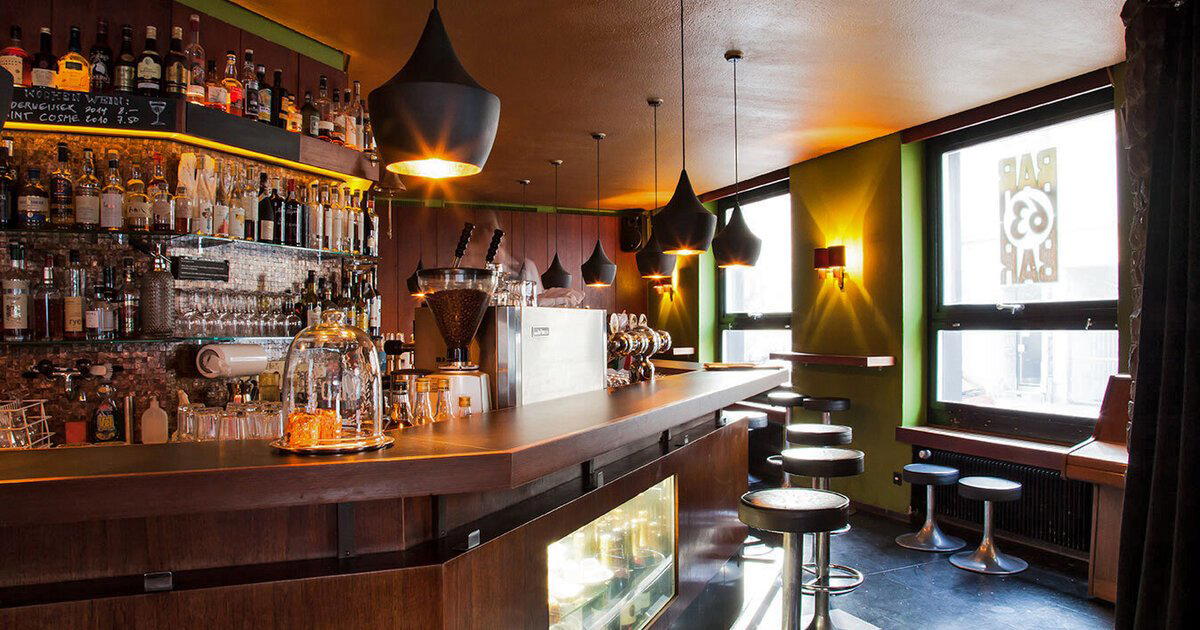
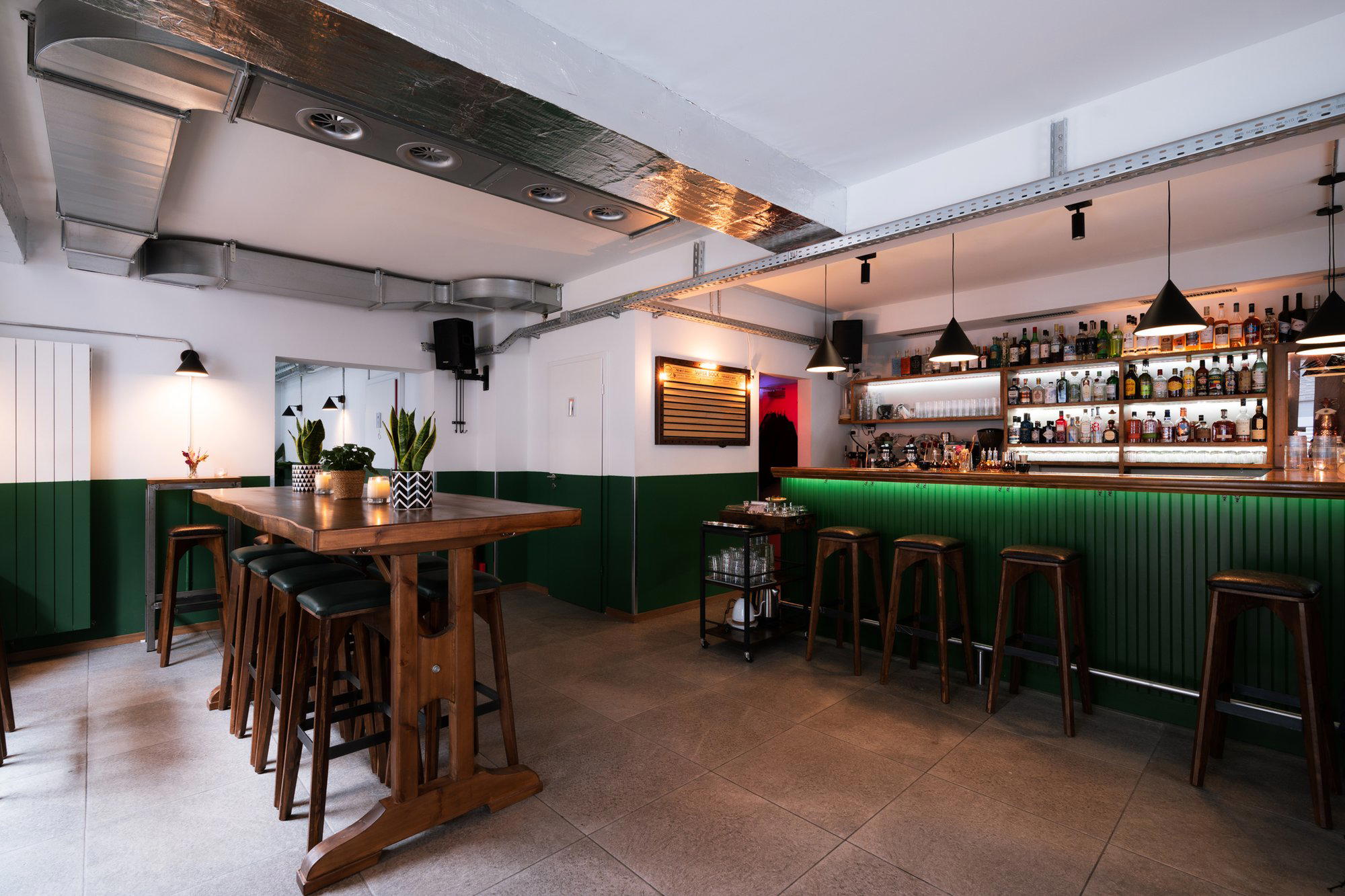
Warm and welcoming Italian atmosphere with a lively neighborhood vibe, praised for friendly service and approachable setting suitable for various occasions.