Cedar Tree by Hrishikesh Desai







1 Michelin Star · La Liste Top Restaurants · Relais Chateaux Award
Our verdict
Inside Farlam Hall Hotel, a Lakeland stone country house with roots in the 15th century, Cedar Tree holds a Michelin star for Hrishikesh Desai's tasting menu work: Indian spicing and technique woven through British seasonal produce, much of it drawn from the kitchen garden. It occupies a serious position in northern England's fine dining circuit, with La Liste recognition (81 pts, 2026) confirming its place beyond regional curiosity.

Pearl is the En Primeur Club membership app — saves, bookings, and concierge access live there. Same editors, same standards.
- Address
- Hallbankgate, Brampton CA8 2NG, United Kingdom
- Phone
- +44 16977 46234
- Hours
- Mon–Tue ClosedWed–Sat 6–8:15 PMSun Closed
- Website
- farlamhall.com
- Directions
- Get directions
A Country House with a Different Kitchen Logic
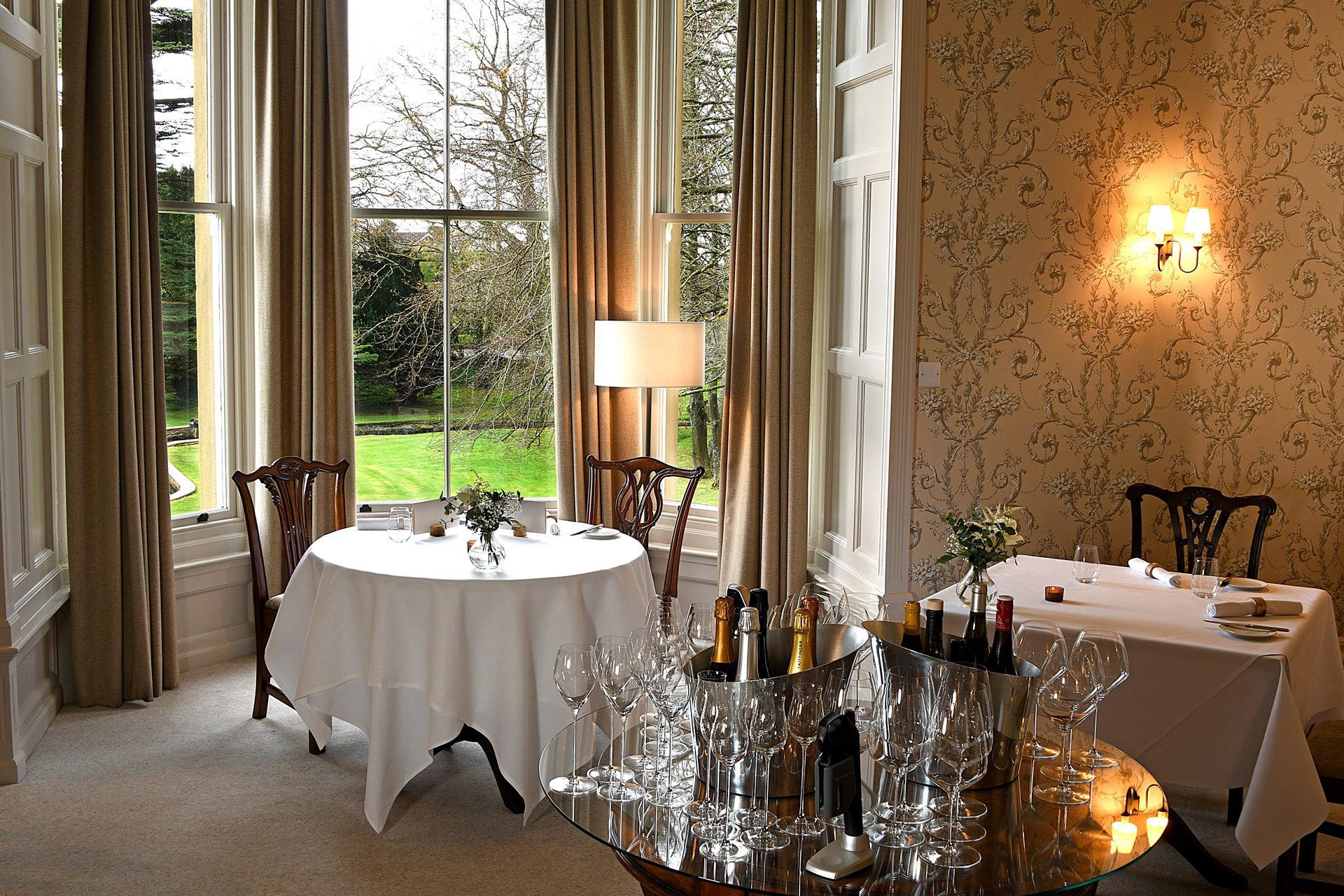
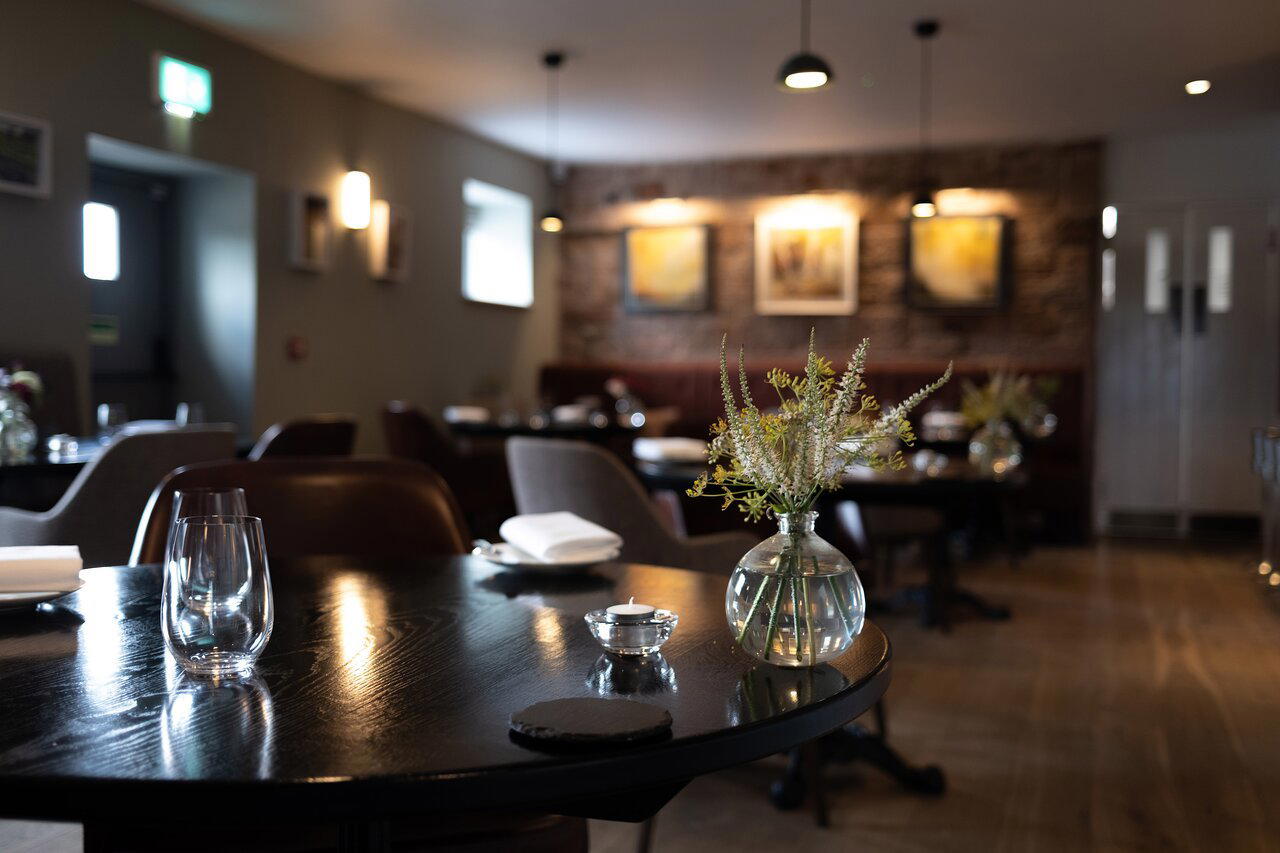
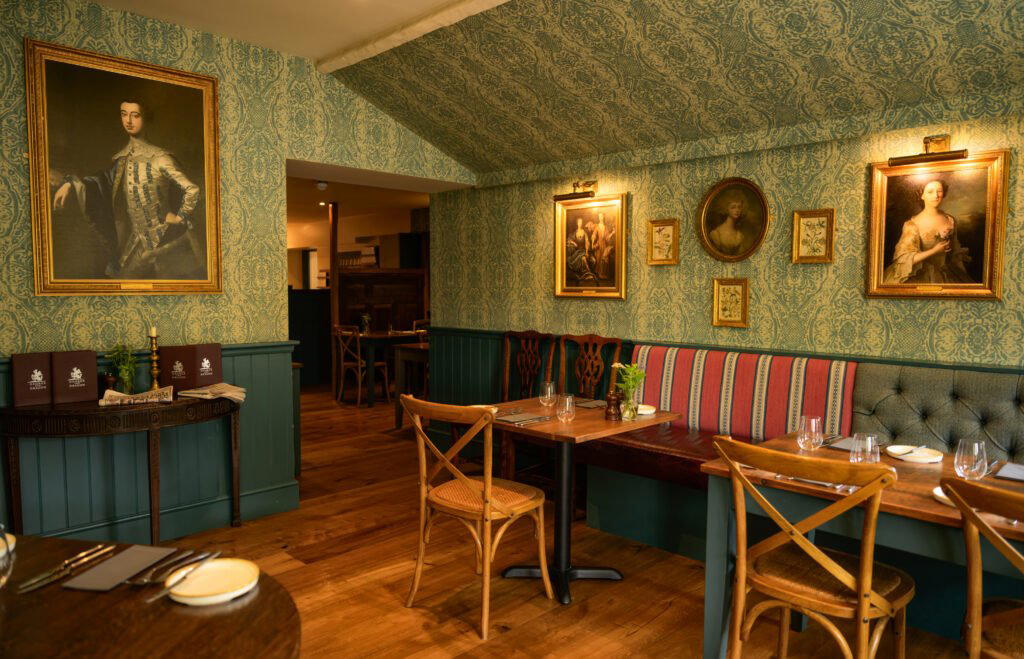
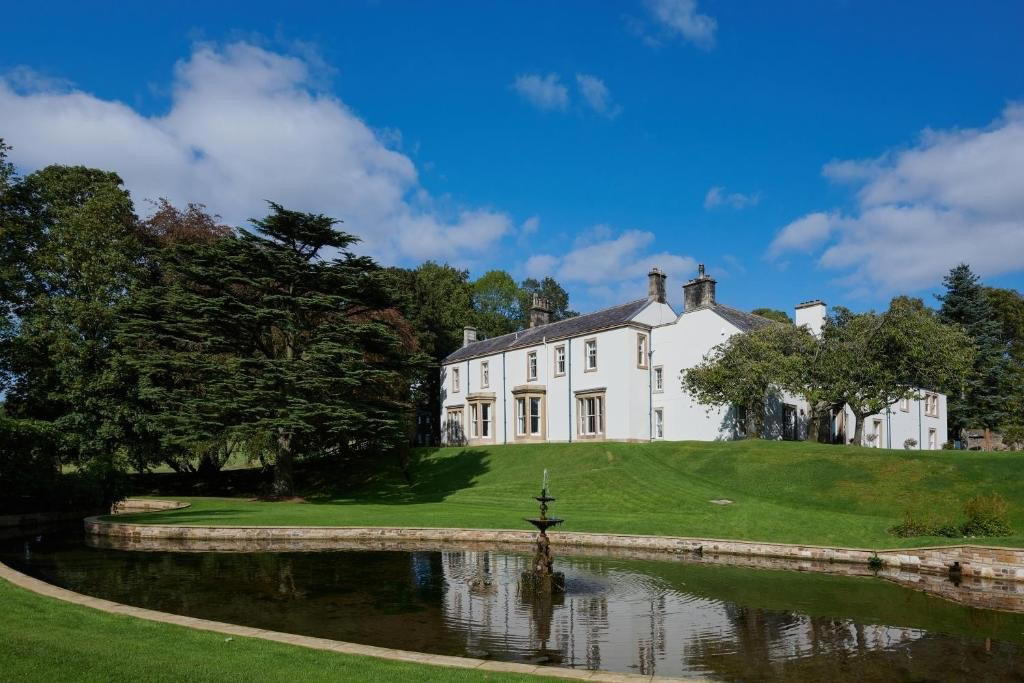
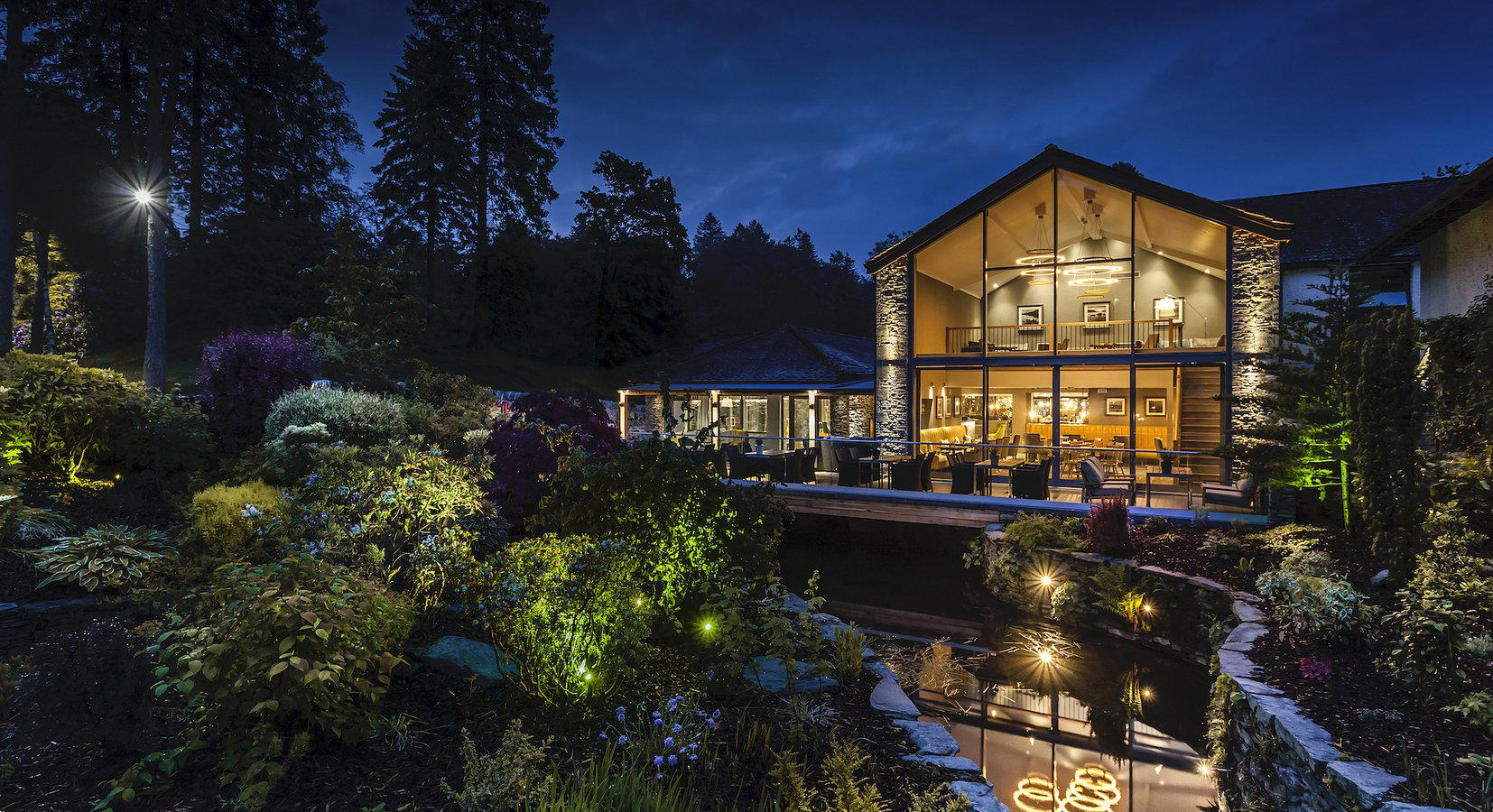
The approach to Farlam Hall Hotel sets expectations before you reach the front door. The Lakeland stone building, with architectural roots dating back to the 15th century, sits in quiet Cumbrian countryside near Hallbankgate, its gardens and lake visible from the dining room. Country house hotels in this tier — think Le Manoir aux Quat' Saisons or Gidleigh Park — typically anchor their restaurants in classical French-British cooking, letting the architecture carry the prestige. Cedar Tree does something different. The refurbishment of Farlam Hall has stripped out the heavier country-house conventions, producing interiors that mix antique structure with a cleaner contemporary register. The named cedar tree itself stands at the front of the property, a detail that says something about the approach: the building earns its identity from what was already there, not from decorative imposition.
That instinct carries through into the kitchen. Cedar Tree holds a Michelin star (awarded 2024, retained 2025) and a La Liste ranking of 81 points in the 2026 edition, placing it firmly within the first rank of regional cooking in the UK. The achievement matters more for what it signals about where serious food now happens in Britain: not exclusively in London, but in places like Cartmel (L'Enclume), Aughton (Moor Hall), and now this corner of the Cumbrian borderlands.
The Cooking: British Produce, Indian Nerve
The broader trend in ambitious British restaurant cooking has been a move toward hyper-local sourcing paired with cleaner, more restrained European technique. Cedar Tree's tasting menu operates in that territory but with a distinctive inflection. Hrishikesh Desai, who trained at The Gilpin in Windermere before taking the head role at Farlam Hall, works at the intersection of contemporary British cooking and Indian flavour architecture. This is not fusion in the casual sense. It is a precise technical exercise: finding where South Asian spicing traditions can reinforce or reframe British seasonal produce without either tradition losing coherence.
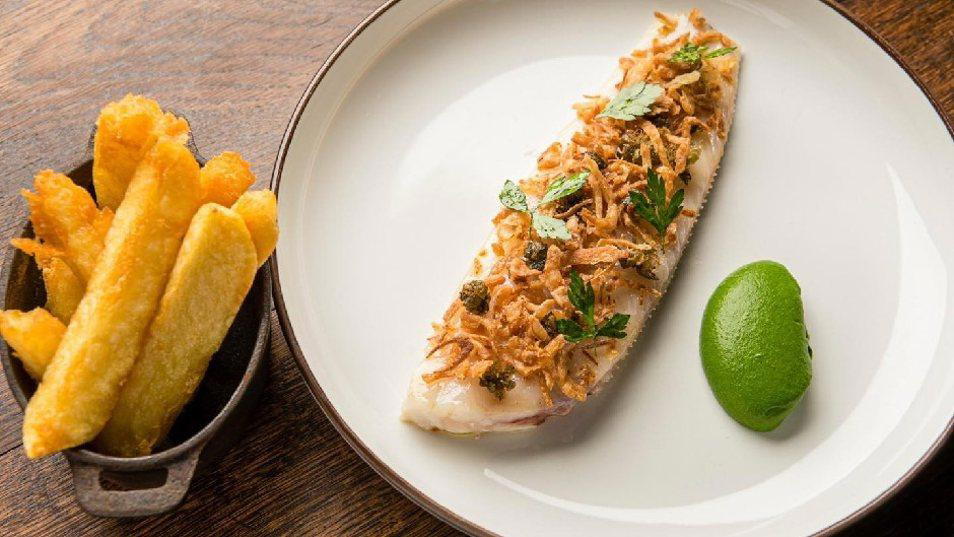
The kitchen garden supplies a significant portion of the menu's ingredients, which anchors the cooking in a logic familiar to diners who know hide and fox or Restaurant Andrew Fairlie: provenance as the starting point, not the selling point. Dishes on the tasting menu have included beetroot drawn directly from the kitchen garden, served alongside a chilled beetroot rasam (a South Indian soup preparation), apple and ginger chutney, and coconut bavarois. The construction asks the diner to think about a single British vegetable through multiple flavour frames simultaneously. Salmon, very slowly poached, has appeared with salmon rillettes and a garden gazpacho spiced with herbs; cured hake in a light batter alongside roasted pineapple, lemon mayo and caviar. Appetisers have featured fragile tartlets of peanut and coriander tartare with cauliflower and coconut foam. A main course of salt-aged Creedy Carver duck breast has arrived with blackcurrant sauce, braised leg, pressed duck and hazelnut terrine, with a samosa of shaved celeriac topped with Parmesan and truffle on the side.
What this kind of menu demands, technically, is the ability to manage complexity without losing definition. Each element needs to register on its own terms before the cumulative effect lands. Desai's background, moving through northern England's serious hotel kitchens, has produced that capability. The comparison point within Britain would be less The Fat Duck's conceptual provocation and more the quiet disciplined rigour of Hand and Flowers: intelligence applied to pleasure rather than to idea.
Desserts on record include a délice of Valrhona chocolate with spiced orange panna cotta and milk sorbet, and a golden raspberry soufflé with matching coulis and toasted pistachio ice cream. At this price tier (££££), dessert execution functions as a final credibility test, and neither dish sounds like an afterthought.
The New Chef's Table Format
Cedar Tree is adding a 10-seat chef's table called Hrishi's Table, which will serve a 16-course tasting menu drawing from Farlam Hall's kitchen garden alongside matched wines. The format follows a pattern now established at several leading British properties: a tiered offering within the same restaurant, where a smaller, more controlled environment allows for greater menu depth and produce specificity. At venues like The Ledbury and comparably ambitious kitchens, the chef's table format has become a mechanism for pushing the kitchen's most technically demanding ideas into a context where they can be properly explained and paced. The 16-course structure at Hrishi's Table positions it at the longer, more immersive end of the British tasting menu spectrum, comparable in ambition, if not in category, to the multi-hour formats at venues like Frantzén or FZN by Björn Frantzén.
The Wine List and Service
The wine list is arranged by variety with detailed tasting notes in a style suited to the country-house format. Glasses start from £7.50. The selection has been noted as conservative relative to the ambition of the food: plays it safe where the kitchen takes risks. For a menu that draws from both Indian spicing and British produce, that conservatism represents a missed opportunity. Bolder, more selective by-the-glass options would match the food's complexity more honestly. The service, by contrast, receives consistent credit for attentiveness and pace, the team reads the room and adjusts accordingly, which in a tasting menu context of this length matters considerably.
One note from recorded assessments: the dining room has piped pop music, which several observers have found at odds with the setting and the seriousness of the cooking. The garden and lake views do substantial compensatory work.
Planning a Visit
Cedar Tree sits within Farlam Hall Hotel at Hallbankgate, Brampton, CA8 2NG, a Cumbrian location that makes it a natural destination for an overnight stay rather than a standalone dinner outing. The hotel's human scale and garden setting reinforce the case for staying: wandering the grounds before a long tasting menu is a different preparation than arriving from a motorway. The nearest comparable towns for orientation are Brampton and Carlisle. For those exploring the wider area, The Kirkstyle Inn and Sportsman's Rest represents the accessible end of local dining. A full picture of what the area offers is in our Brampton restaurants guide, hotels guide, bars guide, wineries guide, and experiences guide. Given the Michelin star status and the upcoming Hrishi's Table format, advance booking is advisable; the chef's table in particular, at 10 seats and 16 courses, will have limited availability by design.
Frequently asked questions
What is the signature dish at Cedar Tree by Hrishikesh Desai?
Is Cedar Tree by Hrishikesh Desai good for families?
Is Cedar Tree by Hrishikesh Desai better for a quiet evening or a lively one?
Side-by-Side Snapshot
| Venue | Cuisine | Price | Awards |
|---|---|---|---|
| Cedar Tree by Hrishikesh DesaiThis venue — the venue you are viewing | Modern British with Indian Influences | $100–150 | 1 Michelin Star · La Liste Top Restaurants |
| The Ledbury | Modern European, Modern Cuisine | Not listed | Michelin 3 Star |
| Sketch, The Lecture Room and Library | Modern French | Not listed | Michelin 3 Star |
| CORE by Clare Smyth | Modern British | Not listed | Michelin 3 Star |
| Restaurant Gordon Ramsay | Contemporary European, French | Not listed | Michelin 3 Star |
| Dinner by Heston Blumenthal | Modern British, Traditional British | Not listed | Michelin 2 Star |
Recognition history
Dated appearances from independent guides and award organizations, with the underlying list record or original source where available.
Michelin 1 Star
Michelin
La Liste Top Restaurants
La Liste
AA Rosettes 4 Rosettes
AA Rosettes
Relais Chateaux Award
Relais Chateaux
SquareMeal UK Top 100 Restaurants #73
SquareMeal
Full recognition history (10 entries)
Michelin 1 Star
Michelin
National Restaurant Awards Top 100 #62
National Restaurant Awards
Relais Chateaux Award
Relais Chateaux
The Good Food Guide GFG Exceptional
The Good Food Guide
Michelin 1 Star
Michelin
Continue exploring
More in Brampton
More from Chef Hrishikesh Desai
Browse all →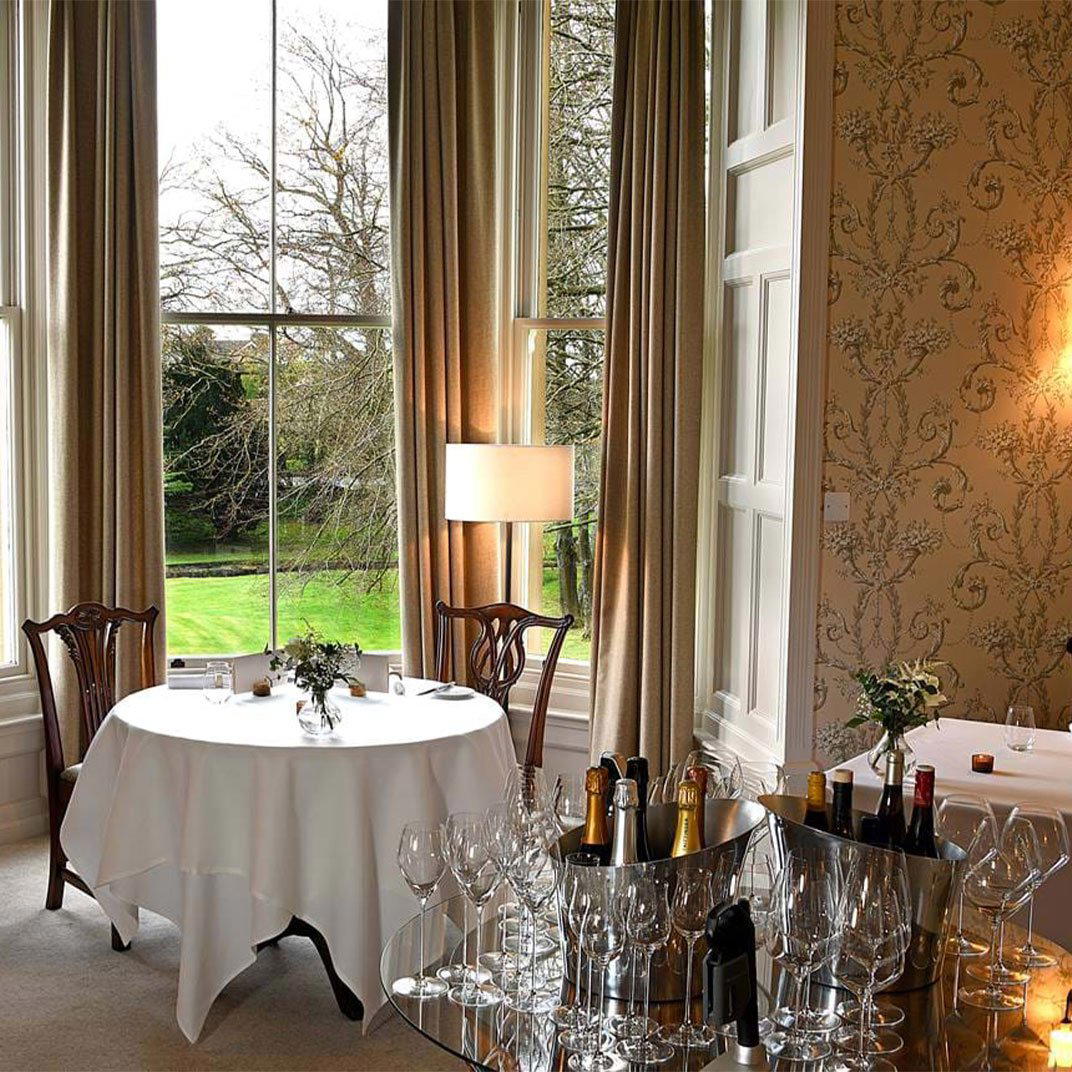
Restaurants in Brampton
Browse all →
Details
- Elegant
- Sophisticated
- Cozy
- Intimate
- Special Occasion
- Date Night
- Celebration
- Open Kitchen
- Garden
- Historic Building
- Hotel Restaurant
- Local Sourcing
- Garden
- Tasting Menu
- A La Carte
- Vegetarian Friendly
- Gluten Free Options
Current opening hours
- Monday
- Closed
- Tuesday
- Closed
- Wednesday
- 6–8:15 PM
- Thursday
- 6–8:15 PM
- Friday
- 6–8:15 PM
- Saturday
- 6–8:15 PM
- Sunday
- Closed
Hours can change for holidays and private events. Last verified .
Light and welcoming dining room with high ceilings, ornate touches, and full-height windows offering calming garden and lake views in an elegant historic country house.