Cattani Restaurant
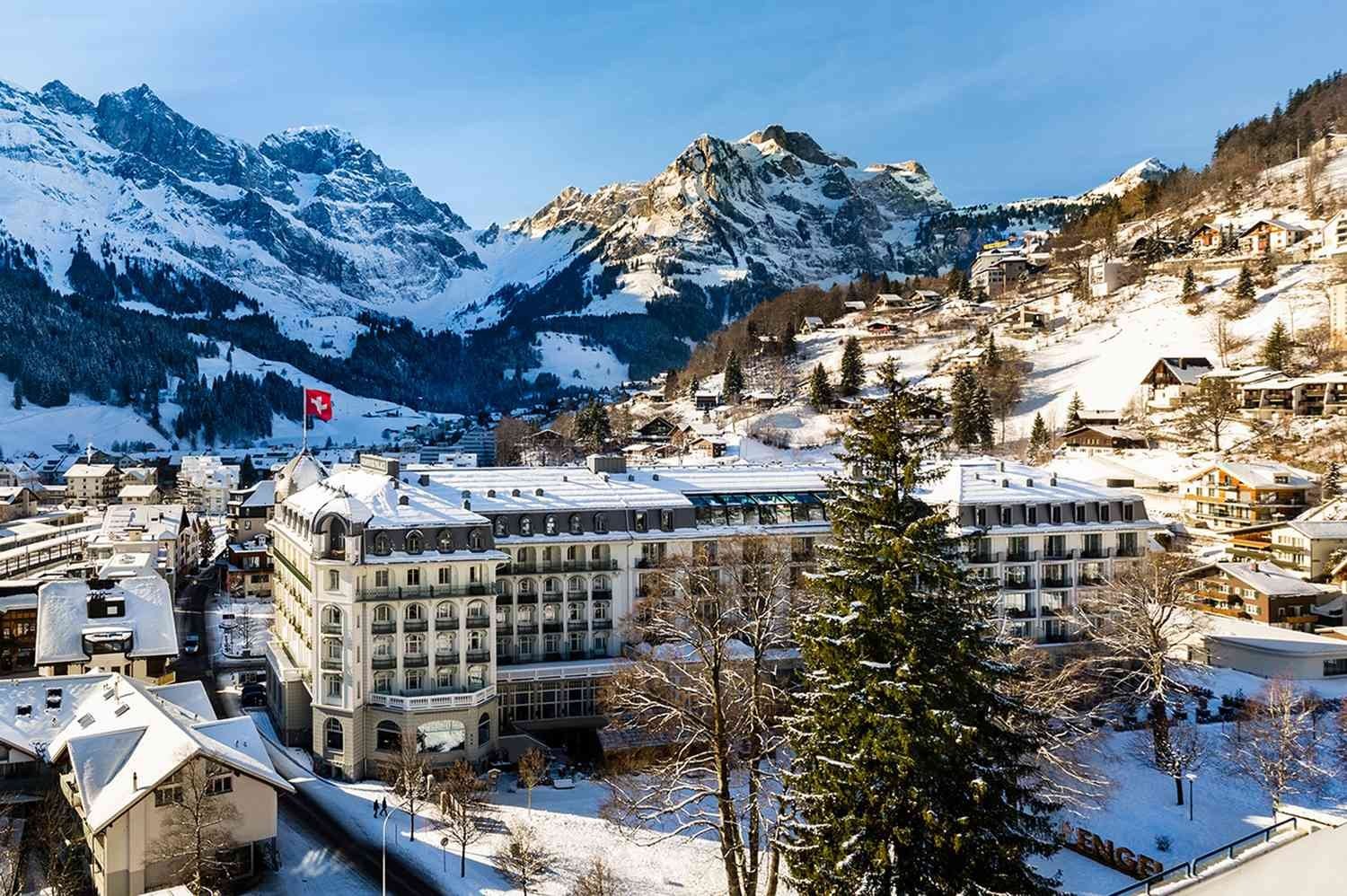
Cattani Restaurant sits on Dorfstrasse in the heart of Engelberg, Switzerland's alpine resort village below the Titlis massif. The kitchen works within a mountain-sourcing tradition that defines serious cooking in this part of Central Switzerland, where proximity to high-altitude pastures and regional producers shapes what ends up on the plate. For visitors exploring Engelberg's dining options beyond the resort circuit, Cattani represents a local anchor worth knowing.
Pearl is the En Primeur Club membership app — saves, bookings, and concierge access live there. Same editors, same standards.
- Address
- Dorfstrasse 40, 6390 Engelberg, Switzerland
- Phone
- +41 41 639 75 75
- Website
- kempinski.com
- Directions
- Get directions
 Saves & bookings on Pearl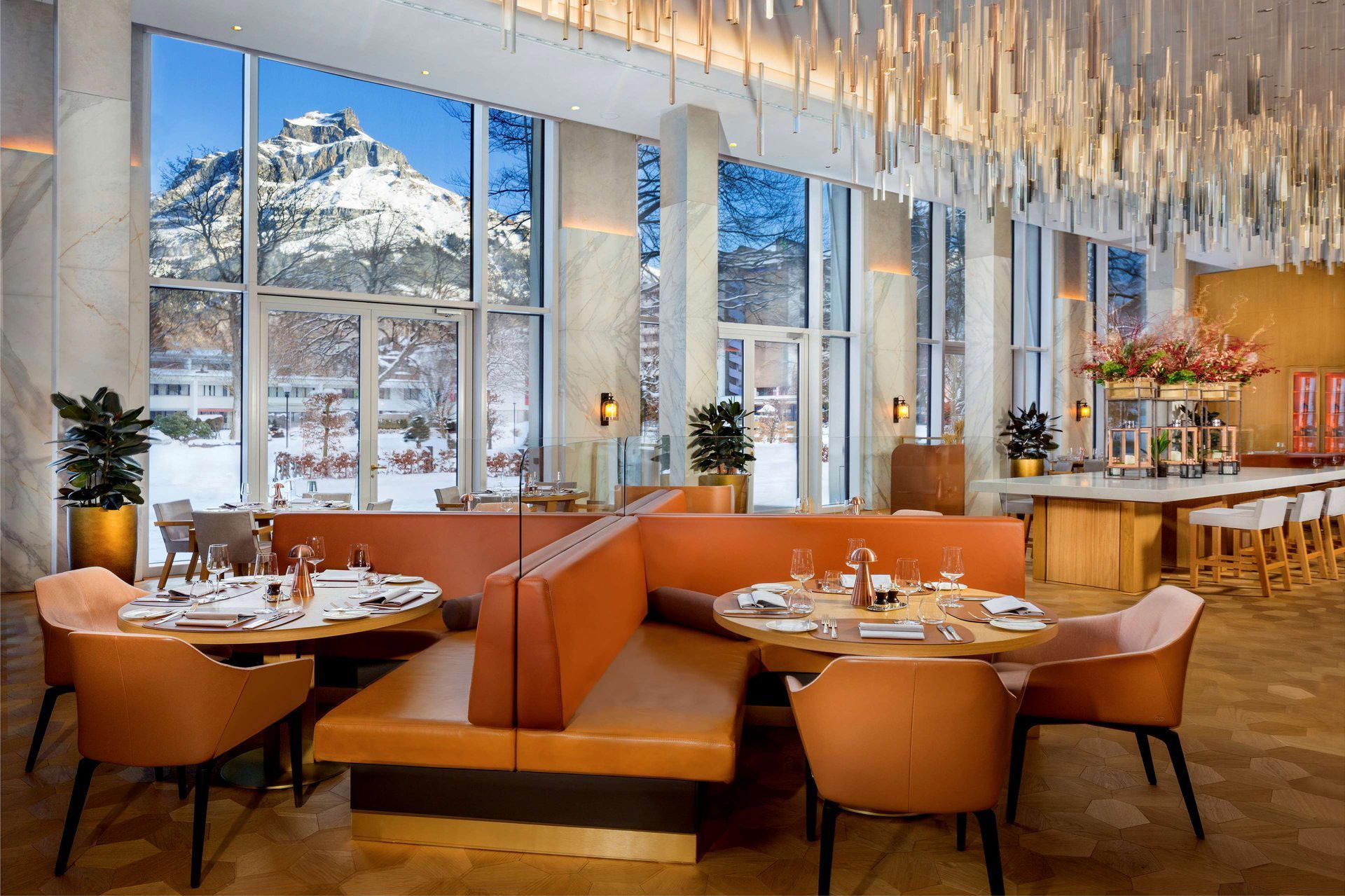
Alpine Sourcing and the Engelberg Table
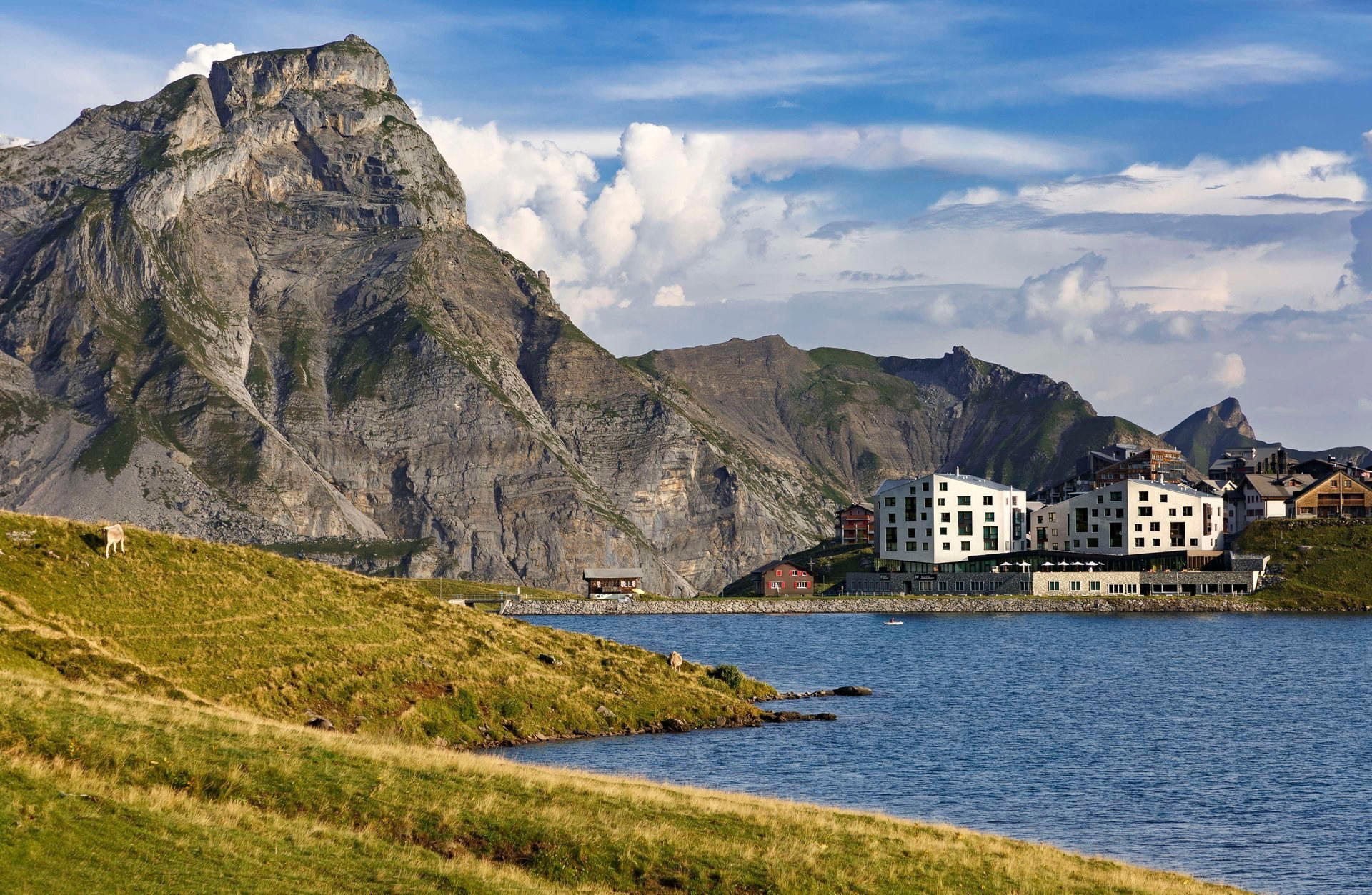
In Swiss mountain towns, the distance between producer and plate is often the honest credential a kitchen can offer. Engelberg sits at roughly 1,000 metres in the Obwalden canton, surrounded by working farms, dairy operations, and high-altitude pastureland that have supplied local tables for generations. The logic of cooking here has always been shaped by what the valley and its immediate surrounds can provide: cheeses aged in nearby cellars, meats from animals that summer on alpine grazing land, and root vegetables that develop particular density at elevation. Cattani Restaurant, at Dorfstrasse 40 in the centre of the village, operates within this tradition.
Engelberg is not a city with a sprawling restaurant culture. It is a compact resort settlement where serious local cooking tends to be embedded in either hotel dining rooms or long-established family operations. The restaurants that endure in this environment typically do so because they maintain a relationship with local supply chains rather than importing identity wholesale from urban centres. That structural reality gives ingredient provenance an outsized role in distinguishing one kitchen from another.
The Mountain Setting
Dorfstrasse is Engelberg's main commercial artery, running through the centre of the village below the Benedictine monastery that has anchored the settlement since the twelfth century. Arriving along this street in any season, the physical context is immediate: the Titlis glacier to the south, the monastery to the north, and the valley floor compressed between forested slopes. The built environment is modest by Swiss resort standards, with low-rise structures rather than the glass towers that characterise some larger alpine destinations. A restaurant on Dorfstrasse 40 occupies that grounded, village-scale register rather than the refined perch of a mountain-station dining room.
That positioning matters for understanding the likely experience. Village-centre restaurants in Swiss alpine towns tend to serve a mixed clientele of long-stay visitors, second-home owners, and day-trippers alongside a local residential base. The tone is rarely formal in the way a city fine-dining room might be, but it is also rarely as transient as a slope-side lunch spot. Somewhere between those poles is where kitchens like Cattani typically find their register.
Central Switzerland's Ingredient Geography
Switzerland's Central region, which includes Obwalden canton and the Engelberg valley, produces some of the country's most-recognised alpine dairy. Obwaldner cheeses, including varieties aged in the cool cellars of mountain farms, circulate through local supply chains that restaurants in the area can access more directly than urban kitchens in Zurich or Basel. For context, the difference between what a Michelin-tracked kitchen in the Graubünden, such as Schloss Schauenstein in Fürstenau, can do with hyper-local sourcing and what a village-centre operation manages is largely a question of kitchen investment and supply relationship depth rather than geographic access.
Mountain meat traditions in this part of Switzerland run toward game in autumn, veal from dairy-adjacent farming, and cured preparations that reflect the preservation logic of high-altitude winters. These are not novelty ingredients imported to signal provenance; they are the baseline of what has been cooked in the region for centuries. Kitchens that engage seriously with this material tend to treat preparation as a way of letting the sourcing speak rather than obscuring it with technique.
Switzerland's broader fine dining conversation has moved decisively toward modern interpretations of Alpine produce. Operations such as Memories in Bad Ragaz and focus ATELIER in Vitznau represent the upper tier of what that conversation looks like when matched with serious kitchen investment. Einstein Gourmet in Sankt Gallen and Cheval Blanc by Peter Knogl in Basel anchor the city-based end of Swiss fine dining. Village restaurants in mountain resorts occupy a different position in that structure, one where the primary credential is consistency of supply and relationship to place rather than competitive tasting-menu innovation.
Engelberg's Dining Context
The village supports a range of dining options across the resort calendar, with a distinct shift between the winter ski season and the summer hiking season. Demand patterns in alpine resort towns compress into two peaks with quieter shoulder periods, which shapes everything from kitchen staffing to menu scope. Year-round village restaurants have to manage that volatility in ways that season-long hotel dining rooms do not.
For those approaching Engelberg's restaurant scene more broadly, the comparison set for a Dorfstrasse address includes Hess Asia, one of the more discussed options in the village, alongside resort hotel dining. The options that exist outside that hotel circuit in Engelberg tend to draw a more local and repeat-visitor clientele. Nearby alpine resort dining at a more ambitious scale can be found at Da Vittorio in St. Moritz or La Table du Valrose in Rougemont, both of which represent what happens when significant kitchen resources meet alpine settings. At the other end of the tasting-format spectrum internationally, Lazy Bear in San Francisco and Le Bernardin in New York City demonstrate how sourcing narratives anchor different kinds of serious restaurants. Switzerland's own Michelin-tracked kitchen at Hotel de Ville Crissier in Crissier remains a benchmark for what the country's kitchen tradition can produce at its most refined.
Other Swiss kitchens that handle Alpine produce with regional specificity include Mammertsberg in Freidorf, Maison Wenger in Le Noirmont, Skin's in Lenzburg, Taverne zum Schäfli in Wigoltingen, and La Brezza in Ascona. For a completely different register within Central Switzerland's wider dining orbit, The Japanese Restaurant in Andermatt signals how international hospitality investment has arrived in the alpine corridor.
Planning a Visit
Cattani Restaurant is located at Dorfstrasse 40, 6390 Engelberg, Switzerland. Engelberg is accessible by direct train from Lucerne, a journey of approximately 45 minutes, making it a realistic day-trip destination from Central Switzerland's major city as well as a base for multi-night stays. The village is compact enough that the restaurant is walkable from all central accommodation. Reservations are recommended, and opening hours are Monday to Thursday 7 to 10:30 AM and 6 to 10 PM, Friday 7 to 10:30 AM, 12 to 2:30 PM, and 6 to 10 PM, Saturday 7 to 11 AM, 12:30 to 2:30 PM, and 6 to 10 PM, and Sunday 7 to 11 AM, 12:30 to 2:30 PM, and 6 to 10 PM.
Fast Comparison
Comparable venues nearby, for context on price, style, and recognition.
| Venue | Cuisine | Price | Notes |
|---|---|---|---|
| Cattani RestaurantThis venue — the venue you are viewing | French-Swiss Brasserie Fine Dining | $$$$ | Not listed |
| Hess Asia | Pan-Asian with Thai focus | $$ | Engelberg |
| Restaurant Bel-Air | French Fine Dining | $$$$ | Bad Ragaz |
| CLOUDS | Modern French with Mediterranean Influences | $$$$ | Industriequartier |
| Sharing Brasserie Juliette | Modern French Brasserie | $$$ | National Quai |
| L'Oxalis | Seasonal French Fine Dining | $$$$ | Les Evouettes |
Continue exploring
More in Engelberg
Restaurants in Engelberg
Browse all →

Bars in Engelberg
Browse all →
At a Glance
- Elegant
- Sophisticated
- Scenic
- Romantic
- Date Night
- Special Occasion
- Celebration
- Business Dinner
- Terrace
- Panoramic View
- Hotel Restaurant
- Private Dining
- Extensive Wine List
- Sommelier Led
- Local Sourcing
- Mountain
Current opening hours
- Monday
- 7–10:30 AM, 6–10 PM
- Tuesday
- 7–10:30 AM, 6–10 PM
- Wednesday
- 7–10:30 AM, 6–10 PM
- Thursday
- 7–10:30 AM, 6–10 PM
- Friday
- 7–10:30 AM, 12–2:30 PM, 6–10 PM
- Saturday
- 7–11 AM, 12:30–2:30 PM, 6–10 PM
- Sunday
- 7–11 AM, 12:30–2:30 PM, 6–10 PM
Hours can change for holidays and private events. Last verified .
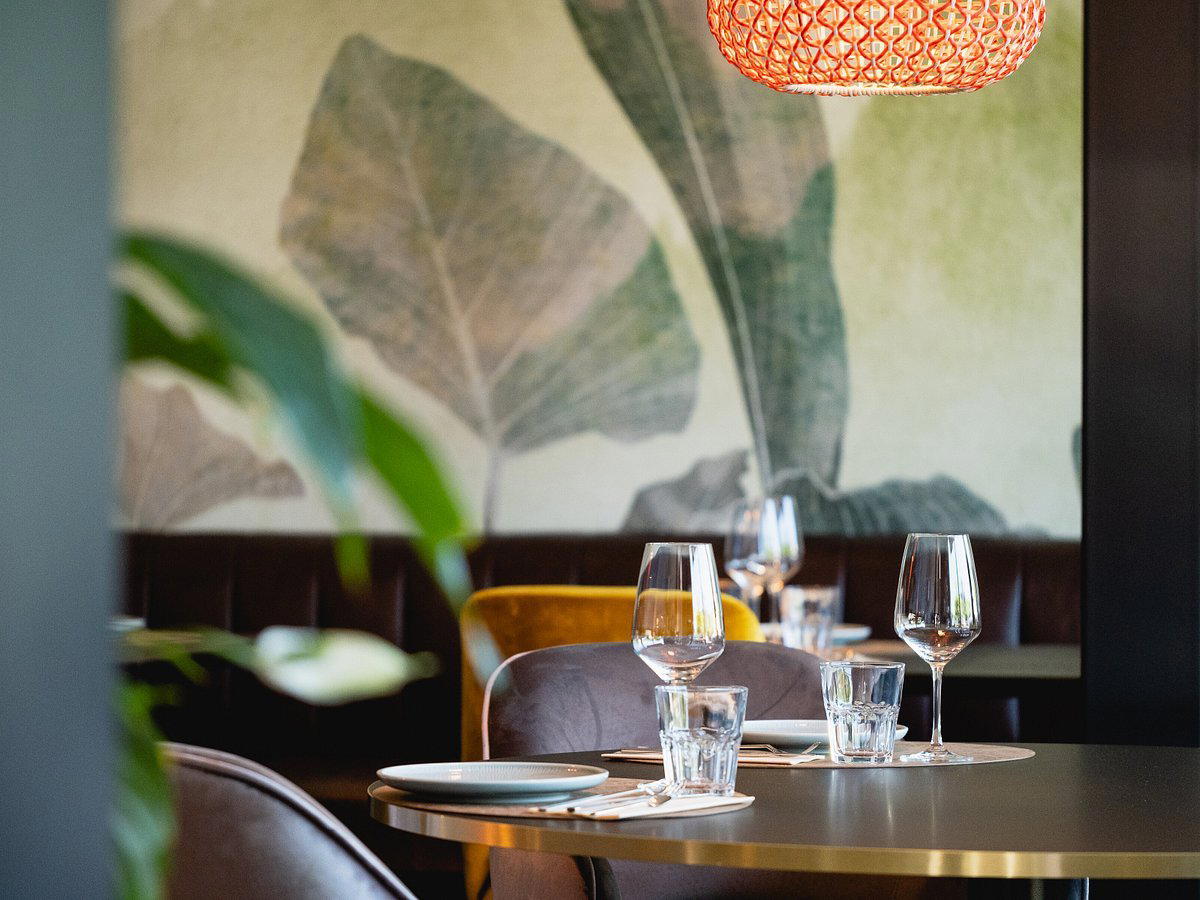
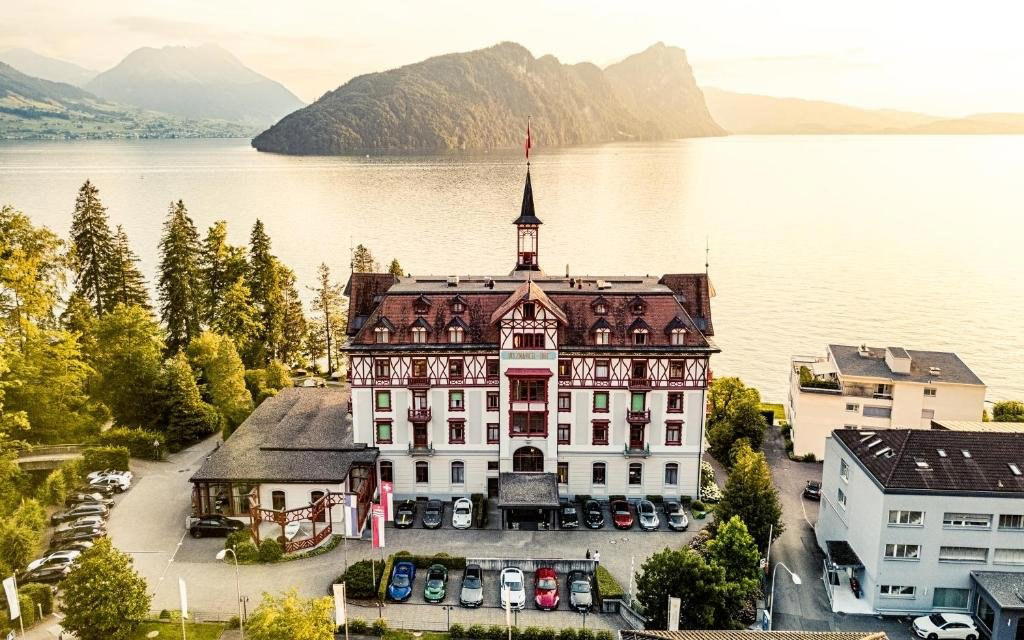
Contemporary and elegant with modern furnishings and stylish accents; light-filled dining room with comfortable table spacing and refined, calming atmosphere.