Catfish Deweys
A casual seafood stop on North Andrews Avenue in Oakland Park, Catfish Deweys sits in a South Florida dining corridor that prizes unpretentious fish cookery over fine-dining formality. The address places it squarely in the mid-Broward County eating belt, a stretch where local regulars return for the kind of direct Southern-influenced catfish traditions that don't travel well to white-tablecloth rooms.
Pearl is the En Primeur Club membership app — saves, bookings, and concierge access live there. Same editors, same standards.
- Address
- 4003 N Andrews Ave, Fort Lauderdale, FL 33309
- Phone
- +19545665333
- Website
- catfishdeweys.com
- Directions
- Get directions
 Saves & bookings on Pearl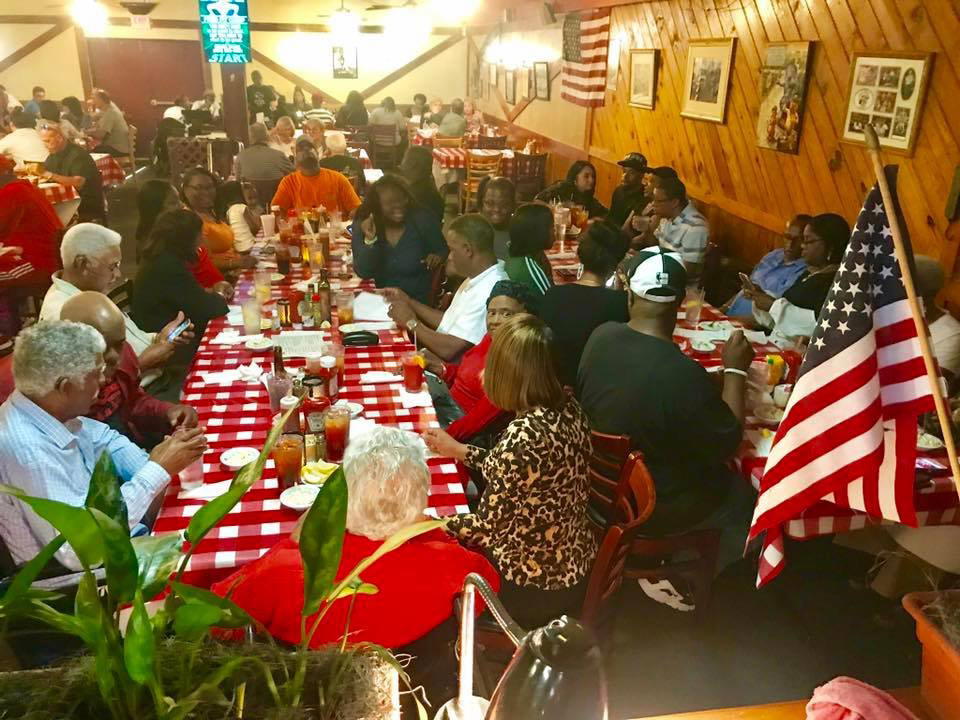
Southern Catfish Tradition in a South Florida Setting
Along the stretch of North Andrews Avenue that runs through Oakland Park and into the northern edges of Fort Lauderdale, the dining character leans local and unfussy. This is not a corridor defined by hotel restaurants or tasting menus; it's the kind of strip where Southern-inflected seafood traditions have found a durable foothold, partly because the demographics of Broward County have long sustained a demand for the fried catfish and casual fish-house formats that migrated northward from the Gulf South. Catfish Deweys, addressed at 4003 N Andrews Ave, occupies that cultural and geographic space. It is a casual Southern seafood restaurant in Fort Lauderdale, priced around $25 per person.
Catfish as a culinary subject carries more history than its humble reputation suggests. In the American South, fried catfish is as much a social institution as a dish: church fish fries, roadside shacks, and lakeside joints built their identities around the cornmeal crust and the cast-iron skillet long before farm-raised catfish became an agricultural staple in Mississippi and Arkansas. The fish's migration into urban South Florida menus reflects broader demographic shifts across the Southeast, where Gulf and Deep South food traditions arrived alongside populations moving into the Sun Belt through the latter half of the twentieth century. In that context, a catfish-focused restaurant in Oakland Park is less an anomaly and more a logical outcome of the region's culinary geography.
Where Oakland Park Fits in Broward County's Dining Picture
Oakland Park sits between Wilton Manors and Pompano Beach in Broward County's mid-section, a position that gives it access to the dense restaurant traffic of the Fort Lauderdale metro without competing directly in the higher-rent corridors of Las Olas or downtown. The city's dining scene tends toward the neighbourhood-serving rather than the destination-seeking: restaurants here are built for repeat visits rather than one-time tourist traffic, and that orientation suits the fish-house format well. Venues in this tier draw their audiences through consistency and price accessibility rather than through culinary spectacle.
For context on how this fits into the wider South Florida dining picture, consider that Miami's more formal seafood tables, places like ITAMAE in Miami, operate at a different register entirely. Oakland Park's North Andrews Ave corridor addresses a completely different audience, one looking for a direct, approachable feed rather than a composed tasting experience. The two ends of the Florida seafood spectrum rarely compete for the same diner on the same evening.
Within Oakland Park itself, the restaurant neighbours tell their own story about the area's range. Nour Thai Kitchen and Lips both operate along similar community-facing lines, serving specific audiences with a clear sense of what the room is for. Catfish Deweys belongs in that same bracket: a venue with a defined identity rather than an aspirational one.
The Fish-House Format and What It Signals
The fish-house format, of which catfish-centric restaurants are a regional variant, operates on a logic that differs sharply from the tasting-menu model. There are no long booking windows, no dress codes calibrated by Michelin inspector expectations, and no chef's counter theatrics. The format's strength lies in directness: a defined core product, a familiar preparation approach, and a price point that makes return visits possible without financial deliberation. Compare that to the extended commitment required at, say, The French Laundry in Napa or Le Bernardin in New York City, and you're looking at two entirely different relationships between the diner and the restaurant.
That contrast isn't a hierarchy; it's a spectrum. The same diner who books Smyth in Chicago or Addison in San Diego months ahead may equally value a reliable neighbourhood fish spot when the occasion calls for something without ceremony. American dining has always made room for both ends of that spectrum, from the Blue Hill at Stone Barns in Tarrytown model of farm-to-table formality down to the roadside fish fry. The fish-house format earns its place precisely because it fills a niche that ambitious restaurants actively vacate.
Southern-style catfish preparation also carries a technical logic that gets underappreciated in fine-dining-adjacent coverage. Cornmeal-crusted frying demands heat management and timing discipline as real as anything in a brigade kitchen; the difference is that the margin for error is visible immediately and the diner's feedback loop is fast. Venues that do it well develop a local following that proves remarkably durable, often outlasting flashier neighbours that opened with more press attention.
Planning Your Visit
Catfish Deweys is located at 4003 N Andrews Ave, Fort Lauderdale, FL 33309, on the Oakland Park and Fort Lauderdale border. The address is accessible by car along the North Andrews corridor, and the surrounding neighbourhood has the practical, low-overhead character typical of mid-Broward dining strips. Given the casual format and the venue's positioning in the community-facing tier, advance planning requirements are minimal. This is a walk-in-friendly restaurant.
Visitors to the broader South Florida dining scene who are calibrating their itinerary might also consider how venues like Emeril's in New Orleans have shaped the popular understanding of Southern-influenced seafood at a regional level. Oakland Park's fish-house options operate at a more local scale but draw from the same broad culinary tradition. For those moving between Florida and other American dining cities, the contrast with places like Providence in Los Angeles, Frasca Food & Wine in Boulder, The Wolf's Tailor in Denver, Atomix in New York City, The Inn at Little Washington, and Atelier Moessmer Norbert Niederkofler in Brunico underlines just how wide the range of what restaurants can mean actually runs.
Price Lens
Comparable venues nearby, for context on price, style, and recognition.
| Venue | Cuisine | Price |
|---|---|---|
| Catfish DeweysThis venue — the venue you are viewing | Not listed | $$ |
| Aquaplex Fort Lauderdale / Lips | Oakland Park, American Drag Dining | $$$ |
| Nour Thai Kitchen | Oakland Park, Authentic Thai Kitchen | $$ |
| Coconuts | Central Beach, Casual Waterfront Seafood | $$ |
Continue exploring
More in Oakland Park
Restaurants in Oakland Park
Browse all →
Bars in Oakland Park
Browse all →

At a Glance
- Casual
- Rustic
- Lively
- Family
- Group Dining
- Casual Hangout
- Standalone
- Local Sourcing
Current opening hours
- Monday
- 11:30 AM–8:30 PM
- Tuesday
- 11:30 AM–8:30 PM
- Wednesday
- 11:30 AM–8:30 PM
- Thursday
- 11:30 AM–8:30 PM
- Friday
- 11:30 AM–9:30 PM
- Saturday
- 11:30 AM–9:30 PM
- Sunday
- 11:30 AM–8:30 PM
Hours can change for holidays and private events. Last verified .
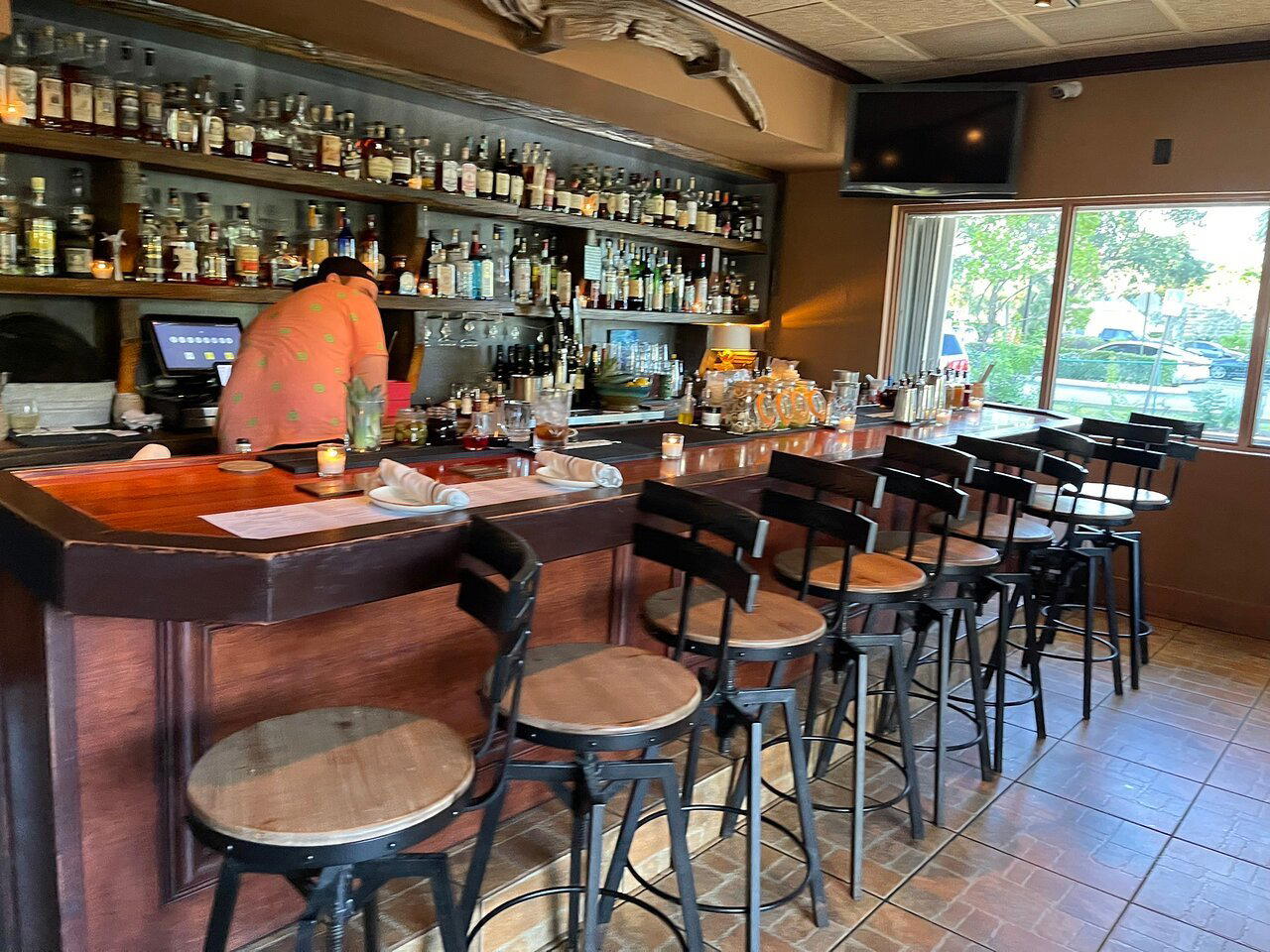
Casual, family-friendly dining atmosphere with a focus on generous portions and Southern seafood traditions.