Casse-Croute


A 25-seat French bistro on Bermondsey Street that runs closer to a Paris neighbourhood canteen than anything designed for tourists. The blackboard menu changes daily, seats are tight-packed, and booking is essential. The all-French wine list, offered entirely by glass and carafe, is the kind of curation that most restaurants with twice the space fail to achieve.
Pearl is the En Primeur Club membership app — saves, bookings, and concierge access live there. Same editors, same standards.
- Address
- 109 Bermondsey St, London SE1 3XB, United Kingdom
- Phone
- +44 20 7407 2140
- Website
- cassecroute.co.uk
- Directions
- Get directions
 Saves & bookings on Pearl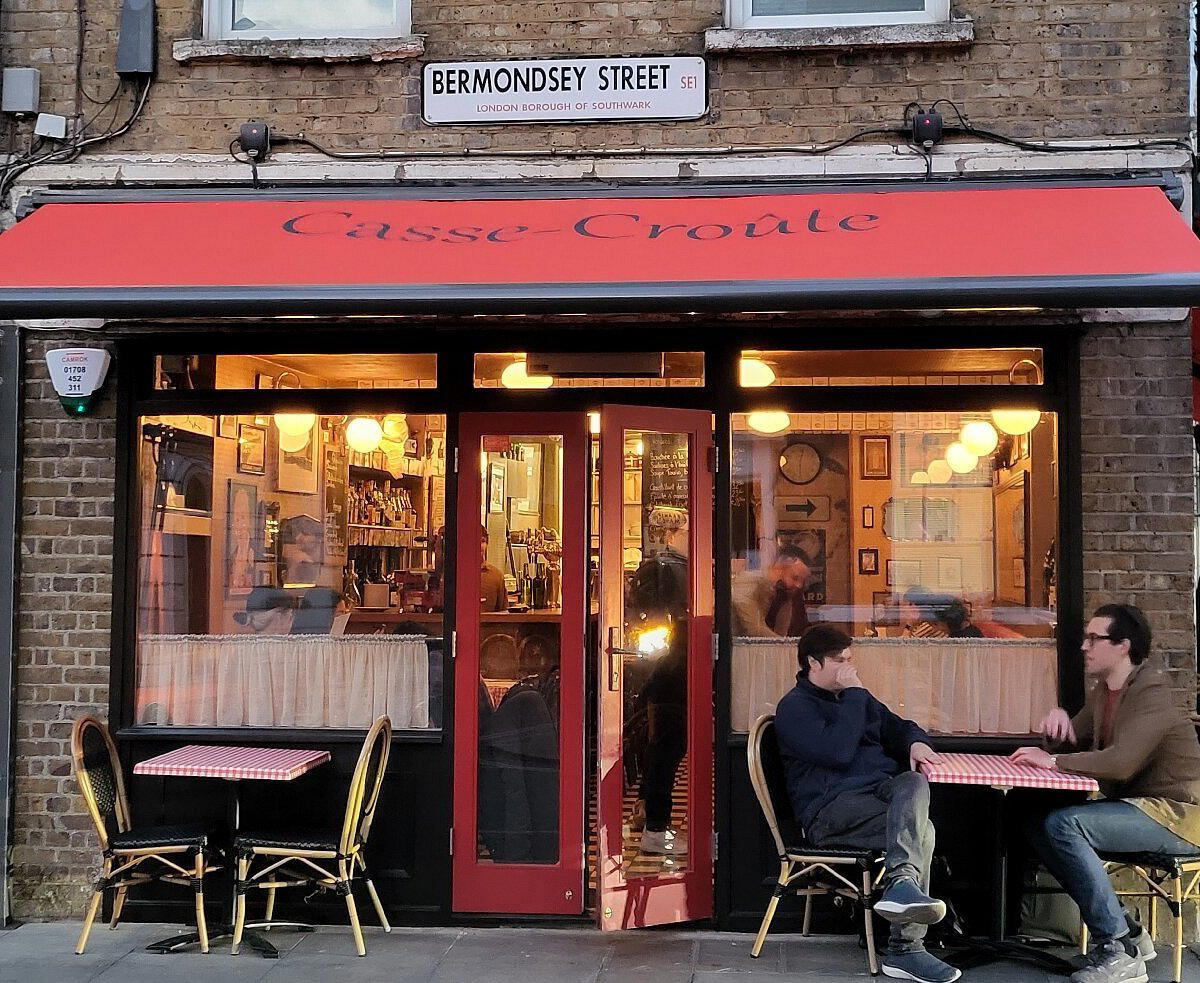
Bermondsey Street has spent the past fifteen years accumulating the kind of restaurants and bars that attract a knowing local crowd rather than destination diners working through a list. Casse-Croute sits near the northern end of that strip and, from the outside, reads as a direct transplant from a Paris arrondissement: checkered tablecloths visible through the window, French advertising posters on the walls, black-and-white tiled floors, and a blackboard that serves as the entire menu. The room holds around 25 covers, and those seats turn at least twice on a busy evening, which means the atmosphere inside is rarely quiet.
The Format: Constraint as Editorial Stance
The bistro format that Casse-Croute operates within is one of the more disciplined in London. Three choices per course, chalked up on a blackboard each day, and when a dish sells out, it is gone. No substitution, no extended menu, no separate vegetarian list appended as an afterthought. This kind of imposed scarcity is a deliberate operating model rather than a quirk, and it has a long tradition in French provincial cooking where the day's market determines the day's menu. London has many restaurants that invoke the cuisine grand-mère reference while actually delivering something considerably more composed and architectural. Casse-Croute, by most accounts, does not do that.
The dishes that have appeared on the board align closely with the French bistro canon: soupe à l'oignon with melted Gruyère on toast, confit rabbit leg with sauce moutarde on mash, monkfish with saffron risotto and squid ink. Desserts follow the same logic. Île flottante, served not-too-sweet and finished with toasted almonds, is the kind of pudding that disappears quickly on any given evening. The French approach to vegetables is reportedly applied with Gallic consistency, meaning generous portions of the main event and no elaborate garnish work. Portions run large enough that a significant share of the room reportedly does not reach the dessert course.
The Wine List: France, Only France
Editorial angle at Casse-Croute that separates it most clearly from the broader category of London French bistros is its wine list. The list is, by design, entirely French, written on a blackboard alongside the food menu, and offered exclusively by the glass and carafe. No bottle service in the conventional sense. This format has a specific logic: it removes the barrier to trying something different mid-meal, it keeps the focus on matching wine to each course rather than committing to a single bottle at the start, and it requires the kitchen and floor staff to maintain a rotating selection that works across multiple pour sizes.
Offering an all-French list in a room of this size is a curation commitment. France produces wines across every major style category, from Alsace Riesling and Loire Muscadet through to Burgundy's Pinot and Chardonnay benchmarks, the Rhône's Grenache-based blends, and Bordeaux's structured reds. A well-constructed French-only list in a 25-seat bistro can, in practice, cover more stylistic ground than a nominally global list that over-indexes on commodity regions. The by-glass-and-carafe format also means the selection needs to hold up across a full service, which imposes its own discipline on what gets chosen. London's more celebrated French addresses, including Alain Ducasse at The Dorchester, operate cellar programs of considerable depth and formality. The restaurant operates in an entirely different register, but the commitment to a single country and a single service format reflects a coherent point of view rather than a budget constraint.
For readers interested in how wine curation operates across London's French-influenced dining tier, the contrast with addresses like Waterside Inn in Bray is instructive. Classic French houses with cellar programs built over decades operate with entirely different economics and ambitions. The restaurant's list is not competing in that category. It is, instead, a daily working list built to accompany honest bistro food, which is a narrower and more useful brief.
Where Casse-Croute Sits in London's French Dining Range
London's French restaurant offer in 2024 covers a wider range of registers than it did a decade ago. At one end, multi-Michelin addresses like Alain Ducasse at The Dorchester operate tasting-menu formats with wine pairings priced accordingly. At the other, a cluster of neighbourhood bistros and brasseries serve recognisable French cooking with varying degrees of authenticity. The restaurant occupies a specific position within that lower tier: it is not trying to be a brasserie, it is not trading on a celebrity chef name, and it is not designed to impress a client dinner. The heavily accented French floor staff, the absence of a printed menu, and the chalk-on-blackboard wine list are signals of a room that is consciously operating within a particular French tradition rather than evoking it as atmosphere.
For readers building a broader London itinerary around serious modern cooking, the city's higher-end creative restaurants, including CORE by Clare Smyth, The Ledbury, Ikoyi, and The Clove Club, operate at a different ambition level and price point. The restaurant does not compete with those rooms. It competes with the question of whether London can produce a French bistro that actually feels French, and the consensus from those who eat there regularly is that it comes closer than most.
The room holds approximately 25 covers, turns at least twice most evenings, and carries a consistent reputation as somewhere that requires a reservation well in advance. Walk-ins at a room of this size are a gamble on any night of the week. The address is 109 Bermondsey Street, SE1 3XB, which puts it within walking distance of London Bridge station and in the same stretch of street as several other established independent restaurants and bars. For readers exploring the wider Bermondsey area, our full London bars guide and full London experiences guide include options in the surrounding SE1 neighbourhood. Those extending beyond London to other serious French-influenced addresses in the UK might also consider Moor Hall in Aughton, L'Enclume in Cartmel, Gidleigh Park in Chagford, and Hand and Flowers in Marlow, all of which operate with varying debts to French technique. For international comparisons in formal French cooking, Le Bernardin in New York City represents the category at its most technically rigorous. For something at the other end of the register, Emeril's in New Orleans offers a Southern American counterpoint to the classical European bistro tradition.
A Pricing-First Comparison
Comparable venues nearby, for context on price, style, and recognition.
| Venue | Cuisine | Price | Notes |
|---|---|---|---|
| Casse-CrouteThis venue — the venue you are viewing | Borough, Traditional French Bistro | $$ | Not listed |
| Cafe Boheme | Soho, Classic French Bistro | $$ | Not listed |
| Twenty Eight Fifty | Holborn, Modern European Wine Bar | $$ | Not listed |
| Le Gothique | Not listed | $$ | Wandsworth Common, Traditional French Bistro |
| The 10 Cases | St Giles, French Bistro à Vin | $$$ | Not listed |
| Cigalon | Holborn, Contemporary Provençal French | $$$ | Not listed |
Recognition history
Dated appearances from independent guides and award organizations, with the underlying list record or original source where available.
Star Wine List
Star Wine List
The Good Food Guide GFG Good
The Good Food Guide
Continue exploring
More in London
Restaurants in London
Browse all →
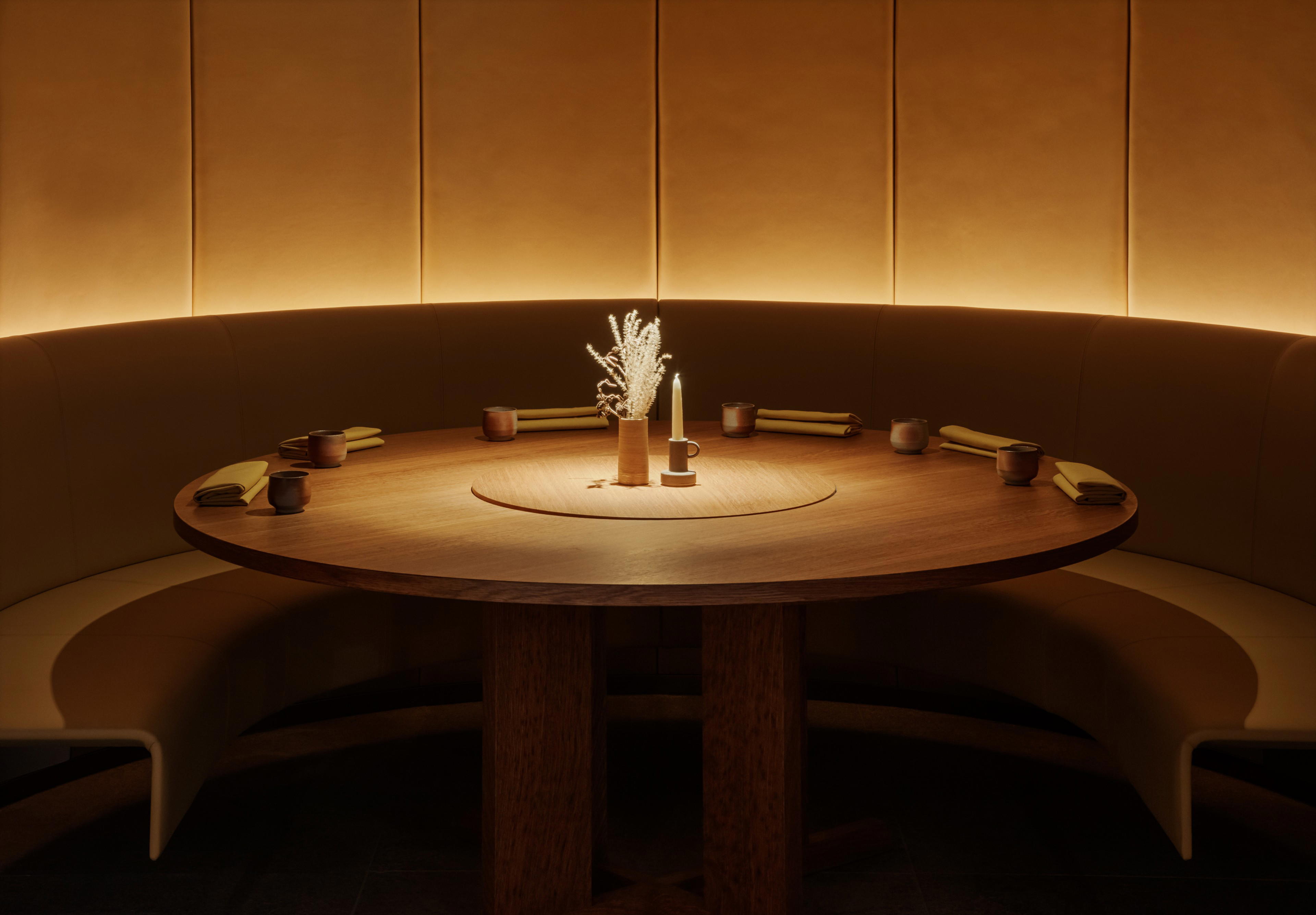
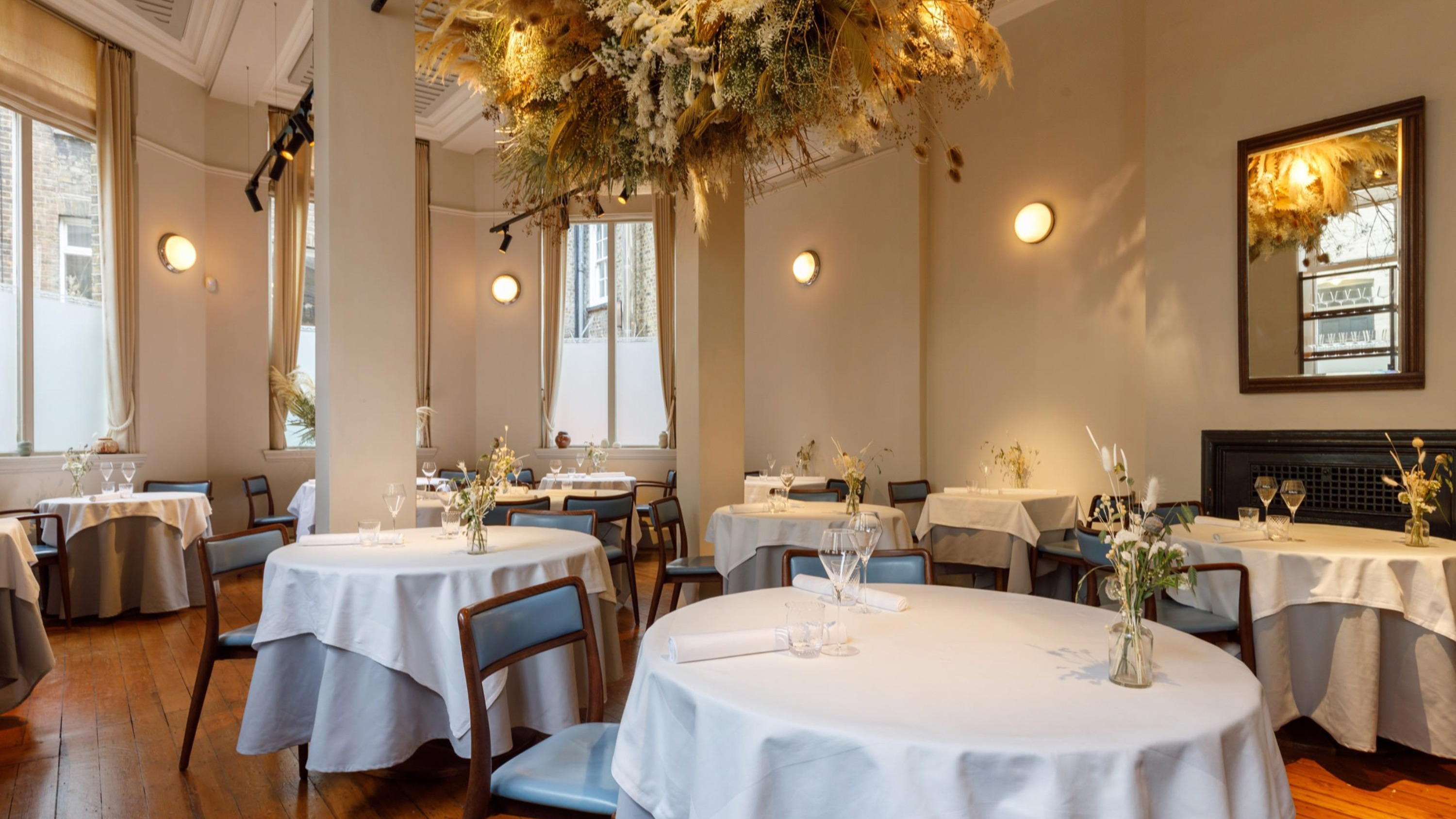
Bars in London
Browse all →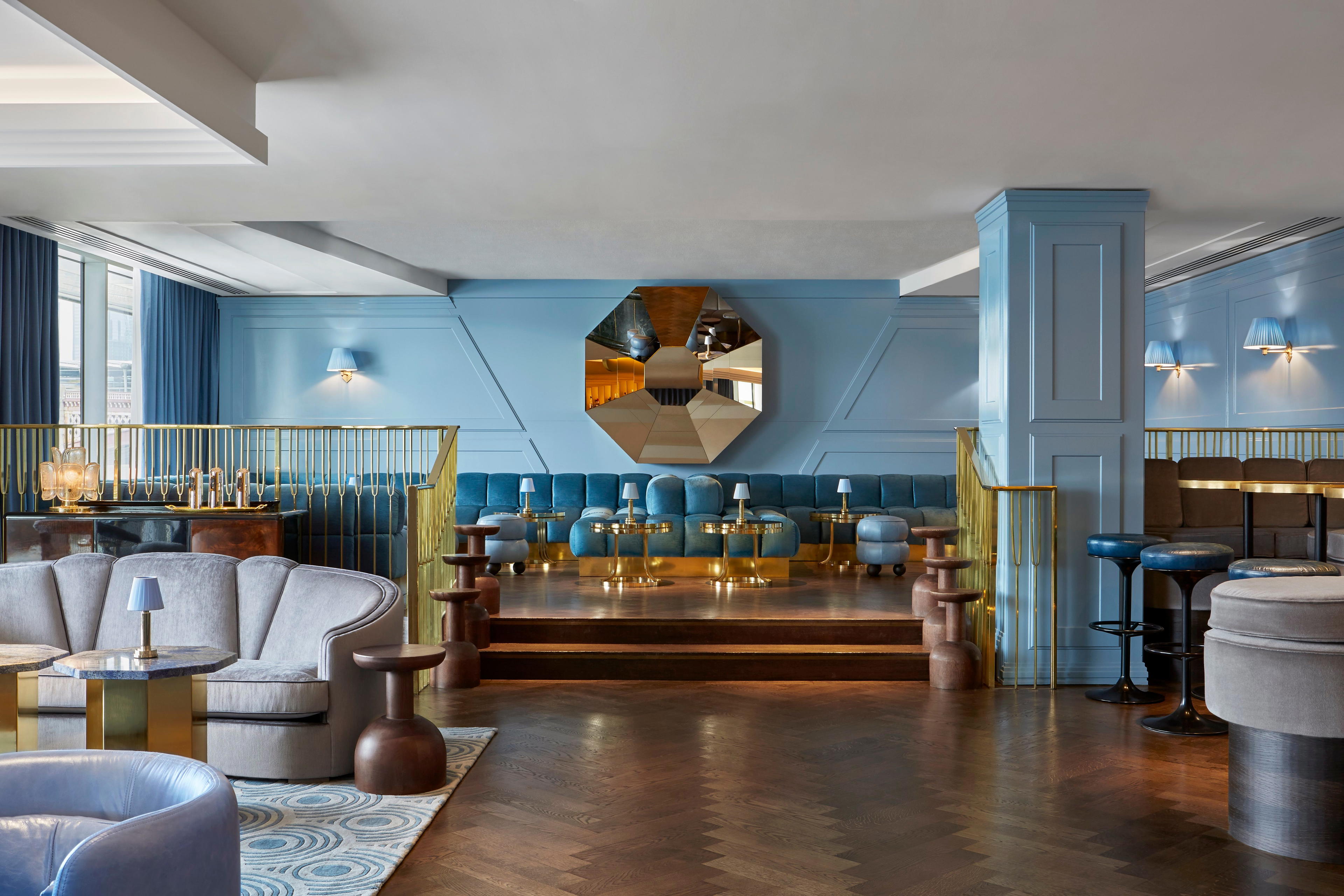
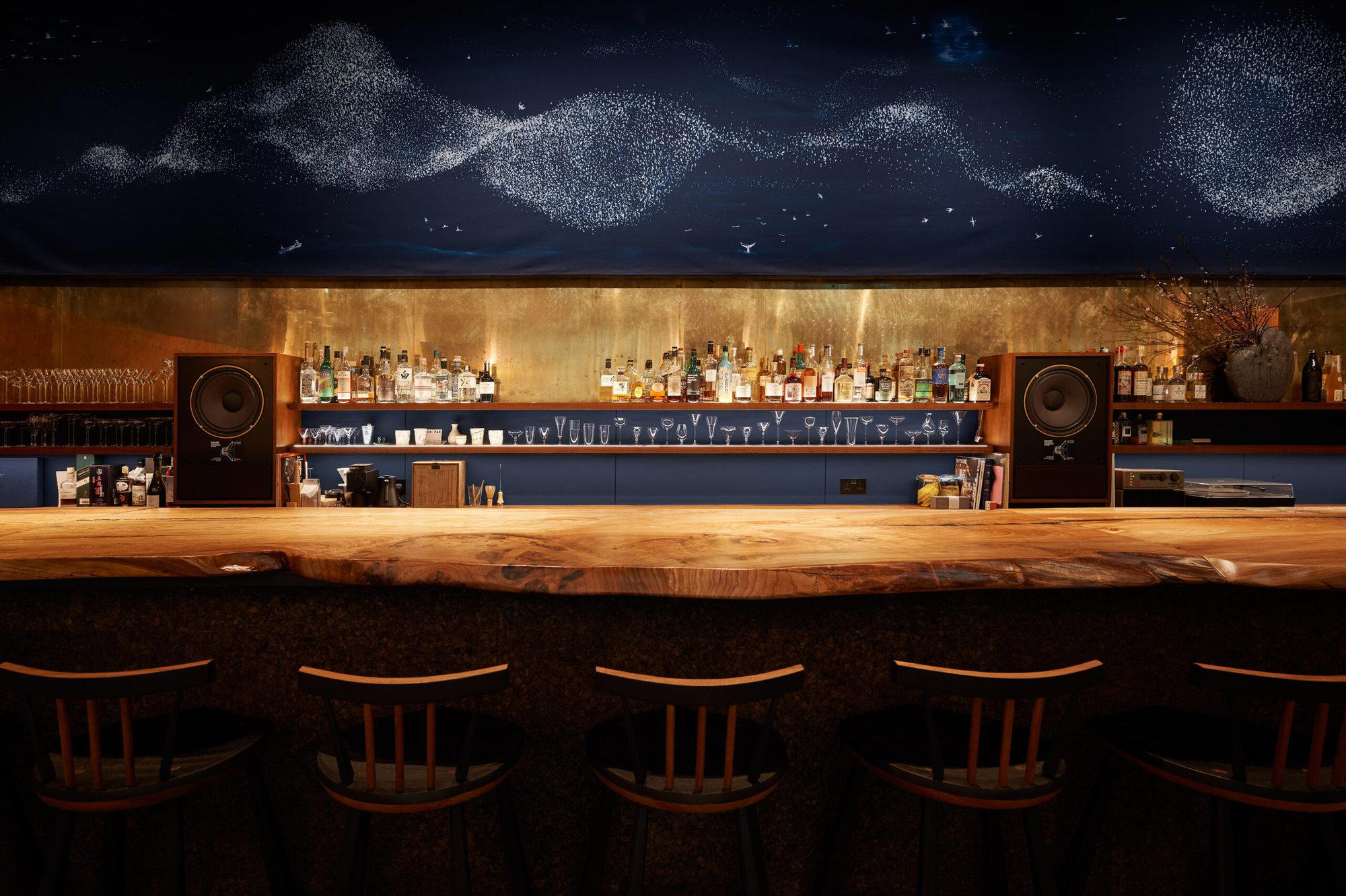
Hotels in London
Browse all →


At a Glance
- Cozy
- Classic
- Intimate
- Romantic
- Date Night
- Special Occasion
- Historic Building
- Extensive Wine List
Current opening hours
- Monday
- 12–11 PM
- Tuesday
- 12–11 PM
- Wednesday
- 12–11 PM
- Thursday
- 12–11 PM
- Friday
- 12–11 PM
- Saturday
- 12–11 PM
- Sunday
- 12–5 PM
Hours can change for holidays and private events. Last verified .
Romantically lit with black and white tiled floors, gingham-clothed tight-packed tables, French advertising posters on walls, low-lit and intimate.