Sushirrito
Peter Yen trademarked the word "Sushirrito" in 2008, which tells you something about how seriously he treated the concept from the start. The original Downtown San Francisco shop at 59 New Montgomery Street opened as a 540-square-foot, takeout-only lunch counter — no tables, no reservations, no ambiguity about what it was there to do. The format was fast-casual by design, positioned as a direct counter to the time and cost of a sit-down sushi meal: hand-held rolls made to order, combining Japanese technique with Latin-inflected flavors and ingredients. Yen brought in Ty Mahler, formerly executive chef at Roy's Hawaiian Fusion in San Francisco, to develop the culinary side of the operation. That pairing gave the concept more kitchen credibility than the average lunch-counter fusion play. The sushi burrito format — oversized, nori-wrapped, filled with combinations that crossed Japanese and Latin pantries — generated early queues around the block and coverage in Forbes, which tracked the brand's rapid expansion from a single Financial District storefront. The menu leaned into contrast: crisp tempura flakes against cool avocado, sriracha aioli against raw fish, shaved cabbage adding crunch where a traditional roll would use only rice. The format was the product. Sushirrito didn't offer a dining room or a tasting progression; it offered a specific object, made quickly, eaten on the move. For a Downtown San Francisco lunch crowd with limited time and a tolerance for heat, that was a workable proposition — and for several years, a popular one. After roughly 15 years of operation, Sushirrito closed its San Francisco locations. A shared-kitchen outpost in San Mateo reportedly continued briefly after the main closures, though the core Downtown presence that defined the brand is no longer operating. What it left behind is a documented case study in fast-casual fusion: a trademarked format, a co-founder with a named culinary partner, and a concept that moved from a single tiny counter to national press coverage before the category it helped create became crowded enough to work against it.
- Address
- 59 New Montgomery St (at Jessie St), San Francisco, CA 94105
- Directions
- Get directions
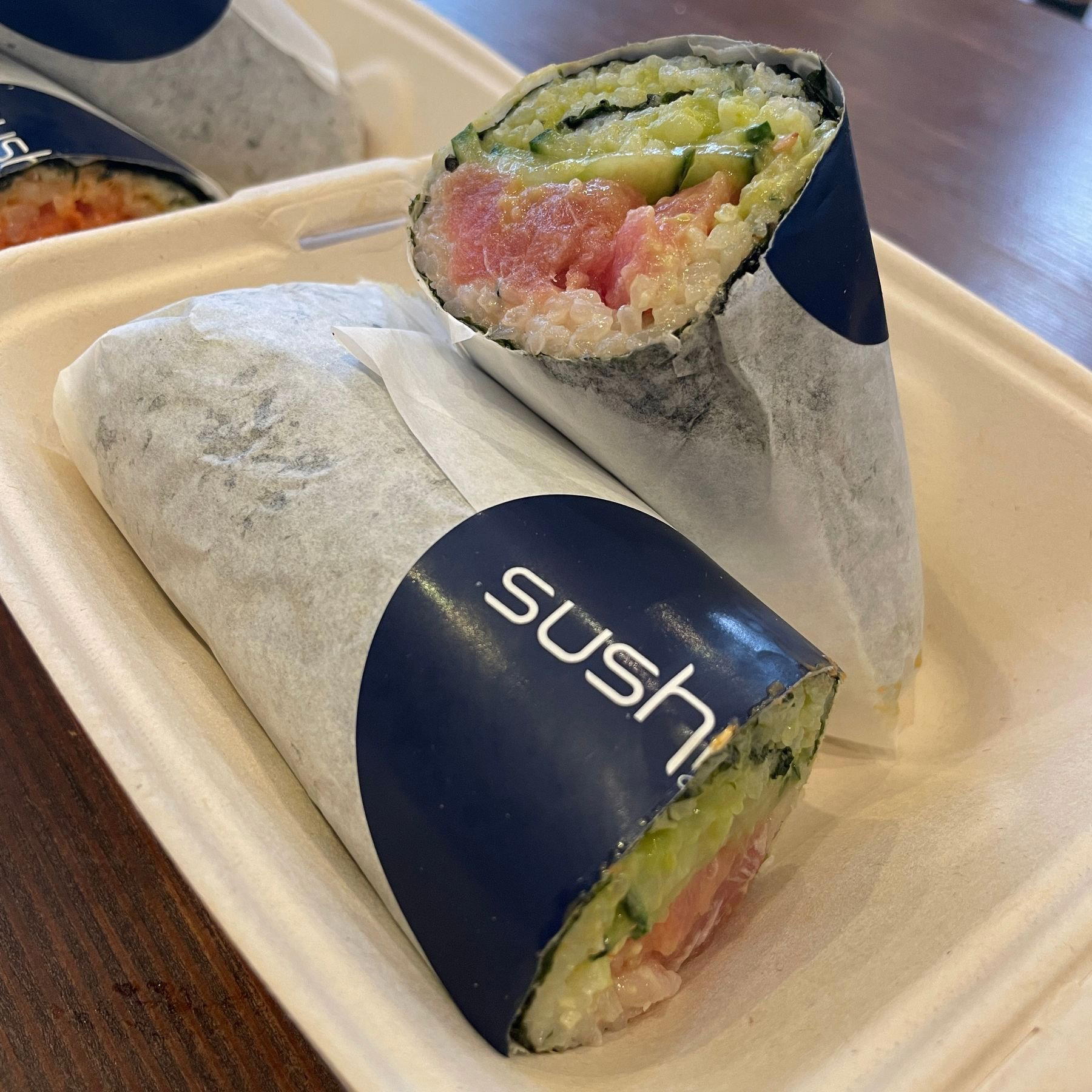
Peter Yen trademarked the word "Sushirrito" in 2008, which tells you something about how seriously he treated the concept from the start. The original Downtown San Francisco shop at 59 New Montgomery Street opened as a 540-square-foot, takeout-only lunch counter — no tables, no reservations, no ambiguity about what it was there to do. The format was fast-casual by design, positioned as a direct counter to the time and cost of a sit-down sushi meal: hand-held rolls made to order, combining Japanese technique with Latin-inflected flavors and ingredients.
Yen brought in Ty Mahler, formerly executive chef at Roy's Hawaiian Fusion in San Francisco, to develop the culinary side of the operation. That pairing gave the concept more kitchen credibility than the average lunch-counter fusion play. The sushi burrito format — oversized, nori-wrapped, filled with combinations that crossed Japanese and Latin pantries — generated early queues around the block and coverage in Forbes, which tracked the brand's rapid expansion from a single Financial District storefront.
The menu leaned into contrast: crisp tempura flakes against cool avocado, sriracha aioli against raw fish, shaved cabbage adding crunch where a traditional roll would use only rice. The format was the product. Sushirrito didn't offer a dining room or a tasting progression; it offered a specific object, made quickly, eaten on the move. For a Downtown San Francisco lunch crowd with limited time and a tolerance for heat, that was a workable proposition — and for several years, a popular one.
After roughly 15 years of operation, Sushirrito closed its San Francisco locations. A shared-kitchen outpost in San Mateo reportedly continued briefly after the main closures, though the core Downtown presence that defined the brand is no longer operating. What it left behind is a documented case study in fast-casual fusion: a trademarked format, a co-founder with a named culinary partner, and a concept that moved from a single tiny counter to national press coverage before the category it helped create became crowded enough to work against it.
Reputation & Price
Comparable venues nearby, for context on price, style, and recognition.
| Venue | Cuisine | Price | Notes |
|---|---|---|---|
| SushirritoThis venue — the venue you are viewing | Not listed | $$ | Not listed |
| Luna Park | Mission, French-Italian Fusion | $$ | Not listed |
| HRD | South Beach, Korean-Mexican Fusion | $ | Not listed |
| KAIYŌ | Not listed | $$$ | Financial District/South Beach, Nikkei: Japanese-Peruvian Fusion |
| Straits | SOMA, Singaporean Fusion | $$ | Not listed |
| Tommy's Mexican Restaurant | Not listed | $$ | Outer Richmond, Traditional Yucatecan Mexican |
Continue exploring
More in San Francisco
Restaurants in San Francisco
Browse all →
Bars in San Francisco
Browse all →
Hotels in San Francisco
Browse all →
At a Glance
- Trendy
- Modern
- Casual Hangout
- Sake Program
- Sustainable Seafood
Current opening hours
- Monday
- 11:30 AM–9 PM
- Tuesday
- 11:30 AM–9 PM
- Wednesday
- 11:30 AM–9 PM
- Thursday
- 11:30 AM–9 PM
- Friday
- 11:30 AM–9:30 PM
- Saturday
- 11:30 AM–9:30 PM
- Sunday
- 11:30 AM–9 PM
Hours can change for holidays and private events. Last verified .
Casual and trendy fast-casual spot with counter assembly visible to diners and limited indoor seating.