Casa Sanchez
Casa Sanchez sits on Mountain Avenue in Ontario, California, representing the kind of neighborhood Mexican restaurant that anchors Inland Empire dining culture more reliably than any trend-chasing newcomer. The address at 2264 Mountain Ave places it squarely in a residential corridor where family-run kitchens have long defined the local food identity. For visitors exploring Ontario's dining scene, it belongs on the same circuit as Salpicon and Vince's Spaghetti.
Pearl is the En Primeur Club membership app — saves, bookings, and concierge access live there. Same editors, same standards.
- Address
- 2264 Mountain Ave, Ontario, CA 91762
- Phone
- +19099832826
- Website
- casasanchezontario.com
- Directions
- Get directions
 Saves & bookings on Pearl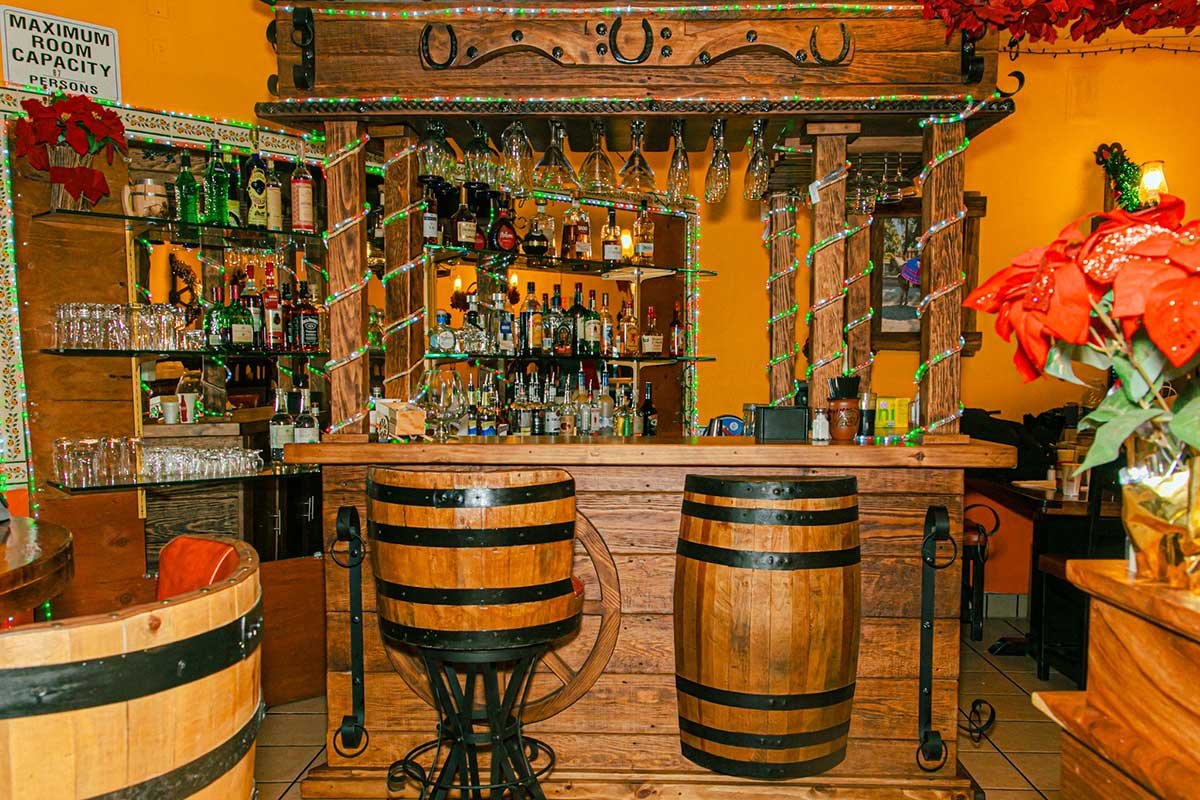
Mountain Avenue and the Inland Empire's Mexican Dining Tradition
Ontario, California sits roughly 35 miles east of downtown Los Angeles in the San Gabriel Valley's outer reach, a part of Southern California where Mexican cuisine isn't a culinary category so much as a civic institution. The Inland Empire's food identity was shaped over generations by Mexican-American families who settled the region's agricultural and industrial corridors, and the restaurants that emerged from that history tend to operate on different terms than the chef-driven, press-courting establishments you'd find in Los Angeles proper. They don't chase recognition from national award bodies in the way that Providence in Los Angeles or Addison in San Diego do. Their authority comes from something harder to manufacture: continuity, community trust, and the accumulated knowledge of cooking the same dishes well across decades.
Casa Sanchez at 2264 Mountain Ave, Ontario, CA 91762 occupies that tradition. The address alone signals something about the restaurant's orientation: Mountain Avenue runs through a working residential neighborhood, not a dining district engineered for foot traffic or tourism. Restaurants that survive and develop loyal followings in these corridors do so by feeding people who actually live nearby, which imposes a different and arguably more demanding standard of consistency than the approval of occasional visitors.
What Mexican Regional Cuisine Looks Like at This Scale
Mexican cuisine in the Inland Empire doesn't present itself as a monolith. The region draws cooking traditions from across Mexico, with Jalisco, Michoacán, Oaxacan, and norteño influences all present depending on where you look. Neighborhood restaurants like Casa Sanchez tend to specialize in the kind of everyday Mexican cooking that rarely gets theorized in food media but forms the actual daily diet of millions of people in Southern California: braised meats, hand-pressed tortillas, salsas built from roasted chiles and tomatillos, and preparations that take hours but arrive at the table without ceremony.
This is a different register from what you encounter at, say, Le Bernardin in New York City or The French Laundry in Napa, where every dish carries explicit authorial intent and the experience is designed to be legible as fine dining. The comparison isn't a slight in either direction. It's a reminder that different restaurants are solving different problems, and a well-executed neighborhood Mexican kitchen solves problems that tasting-menu destinations are not even trying to address: affordability, familiarity, frequency, and the specific comfort of food that tastes like home.
Ontario's Dining Scene and Where Casa Sanchez Fits
Ontario's restaurant circuit includes a range of options that reflect the city's demographic and economic mix. Bengee Sushi represents the city's Japanese dining presence, while Vince's Spaghetti occupies a different kind of institutional status as a longtime Italian-American fixture. Salpicon adds another dimension to the local Mexican dining conversation. Casa Sanchez sits in this context as a residential-neighborhood anchor rather than a destination-dining option, which means its relevance is less about drawing visitors from outside the area and more about serving a consistent function for the people who live within driving distance of Mountain Avenue.
That local-anchor role is worth understanding before you visit. The operating logic of a neighborhood restaurant in Ontario is not the same as a restaurant positioned for a broader audience. Hospitality is typically direct rather than formal, menus tend toward the familiar rather than the experimental, and the implicit contract with regular customers is reliability over novelty. This is a category of restaurant that rarely gets coverage in national food media, even though it accounts for a significant share of how most Americans actually eat on any given week.
Cultural Roots and What They Mean on the Plate
Mexican cooking as practiced in Southern California's Inland Empire carries specific regional inflections that distinguish it from the Mexican food found in, say, Chicago at a place like Smyth's neighborhood, or the interpretation you'd encounter in a fine-dining context at Atomix in New York City. The Inland Empire's version is shaped by proximity to the US-Mexico border, by the specific migration patterns that brought particular regional Mexican populations to San Bernardino and Riverside counties, and by the economic conditions that made certain cuts, certain cooking methods, and certain chile varieties standard.
At the neighborhood level, this means a cuisine built around technique rather than ingredient preciousness: the slow simmer of a birria, the proper char on a tortilla, the balance of acid and heat in a salsa that reads as simple but takes real understanding to calibrate. These are not the kind of skills that get narrated in press releases or profiled in food magazines in the way that, say, the sourcing philosophy at Blue Hill at Stone Barns in Tarrytown or the terroir focus at Single Thread Farm in Healdsburg might be. But they represent a genuine culinary tradition with deep roots and specific regional logic.
For visitors arriving in Ontario for the first time, this context matters. The city is not a dining destination in the way that San Francisco, where Lazy Bear draws national attention, or New Orleans, where Emeril's has carried institutional weight for decades. Ontario is a working city in the Inland Empire, and its leading restaurants reflect that character directly. The full Ontario restaurants guide maps that terrain more completely, including where Mexican dining fits alongside the city's other culinary options.
Planning Your Visit
Casa Sanchez is located at 2264 Mountain Ave, Ontario, CA 91762, in a residential neighborhood accessible by car from the 10 or 60 freeways. As a neighborhood-oriented restaurant, it operates on the practical terms that define this category: walk-in friendly, cash-conscious pricing consistent with Inland Empire norms for this cuisine type, and an atmosphere calibrated to regulars rather than to first-time visitors navigating a new city. No booking infrastructure comparable to the months-ahead reservation windows you'd encounter at, say, Frasca Food and Wine in Boulder or The Inn at Little Washington applies here. Confirming current hours directly before visiting is advisable, as neighborhood restaurants in this category often operate on schedules that are not consistently published online.
How Casa Sanchez Ontario compares with similar nearby venues.
| Venue | Cuisine | Price |
|---|---|---|
| Mariscos Jalisco | Mexican | $$ |
Continue exploring
More in Ontario
Restaurants in Ontario
Browse all →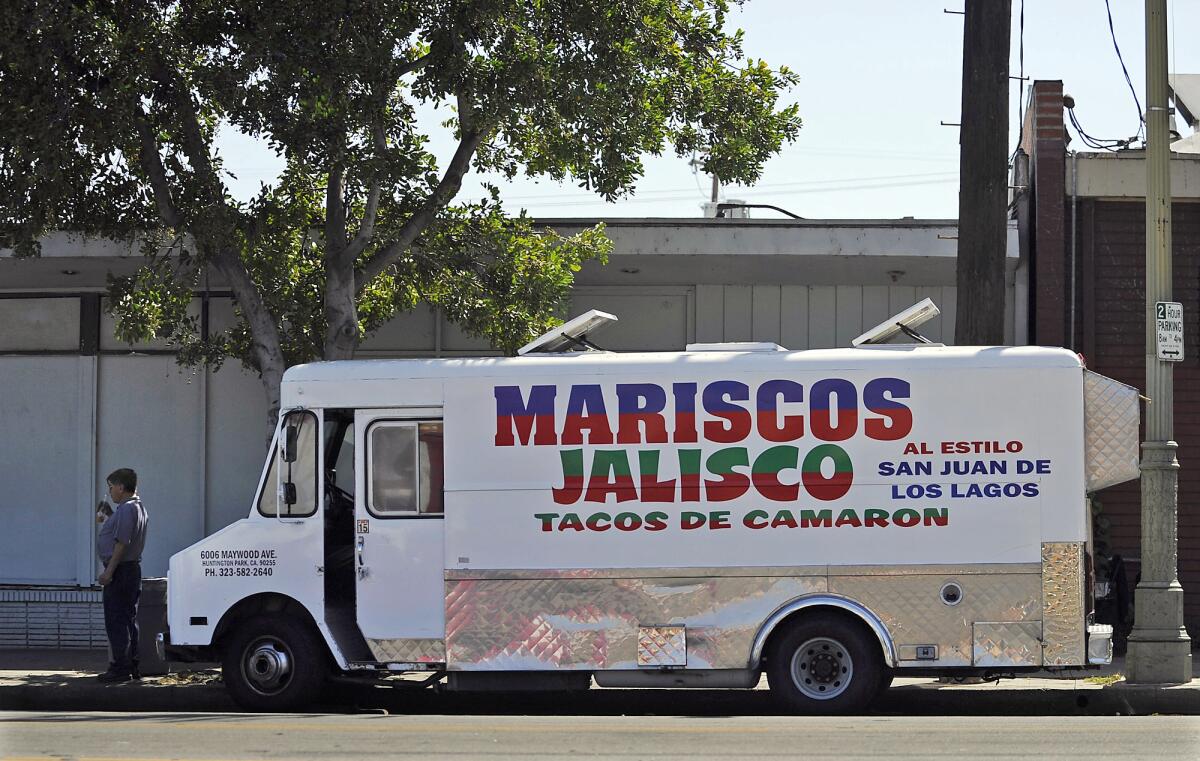

Bars in Ontario
Browse all →
Hotels in Ontario
Browse all →

Wineries in Ontario
Browse all →
At a Glance
- Lively
- Cozy
- Family
- Casual Hangout
- Standalone
Current opening hours
- Monday
- 9:30 AM–9 PM
- Tuesday
- 9:30 AM–9 PM
- Wednesday
- 9:30 AM–9 PM
- Thursday
- 9:30 AM–9 PM
- Friday
- 9:30 AM–9 PM
- Saturday
- 8 AM–9 PM
- Sunday
- 8 AM–9 PM
Hours can change for holidays and private events. Last verified .
Friendly and festive atmosphere with authentic Mexican home cooking.
Know Before You Go
- Getting there
- 2264 Mountain Ave, Ontario, CA 91762