Our verdict
Casa de São Lourenço belongs to the Serra da Estrela school of mountain hospitality, where altitude, sheep’s-milk cheese, rye bread, smoked meats and cold-weather produce define the table more than imported luxury cues. In Manteigas, its value is the setting and sourcing logic: a meal framed by Portugal’s highest mainland range rather than by city-restaurant theatrics.

Pearl is the En Primeur Club membership app — saves, bookings, and concierge access live there. Same editors, same standards.
- Address
- N232, Km 49.3, 6260-200 Manteigas (main restaurant)
- Directions
- Get directions
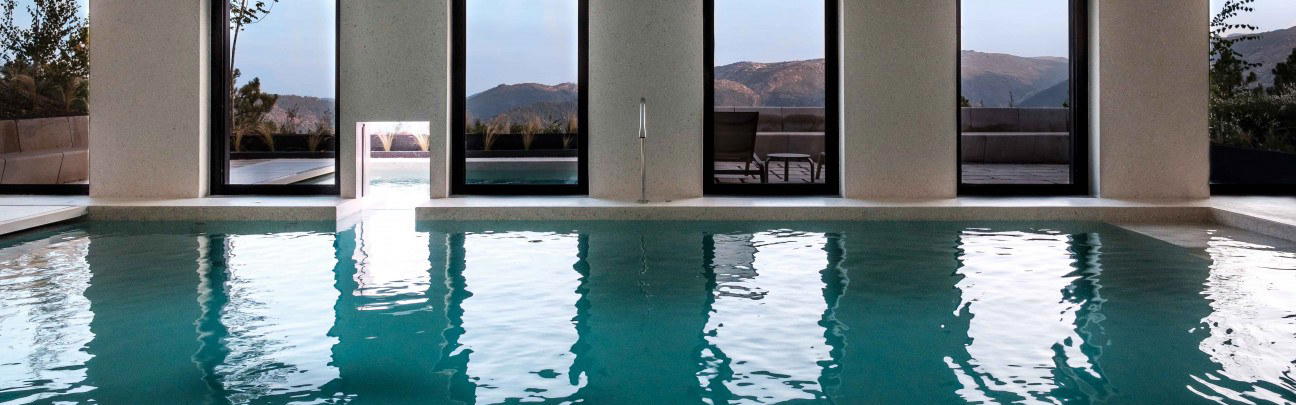
The road into Manteigas has a way of resetting expectations before the first plate arrives. Granite slopes, wool-town history and the open air of Serra da Estrela give the local table a different grammar from Lisbon or Porto: less about metropolitan polish, more about altitude, pasture, smoke, bread and dairy. Casa de São Lourenço sits inside that mountain conversation, where provenance is not a slogan but the practical basis of cooking in a remote interior town.
Serra da Estrela is one of Portugal’s clearest food regions because its signatures are hard to detach from place. The sheep’s-milk cheese carries protected-origin status, rye and corn breads suit a colder upland diet, and preserved pork, beans, cabbages and mushrooms belong to a terrain where winter has historically shaped the pantry. A restaurant in Manteigas has to answer that context. The stronger tables here do not need to imitate coastal tasting-menu culture; they gain authority by treating the mountain as the main supplier and reference point.
Mountain sourcing gives the meal its point
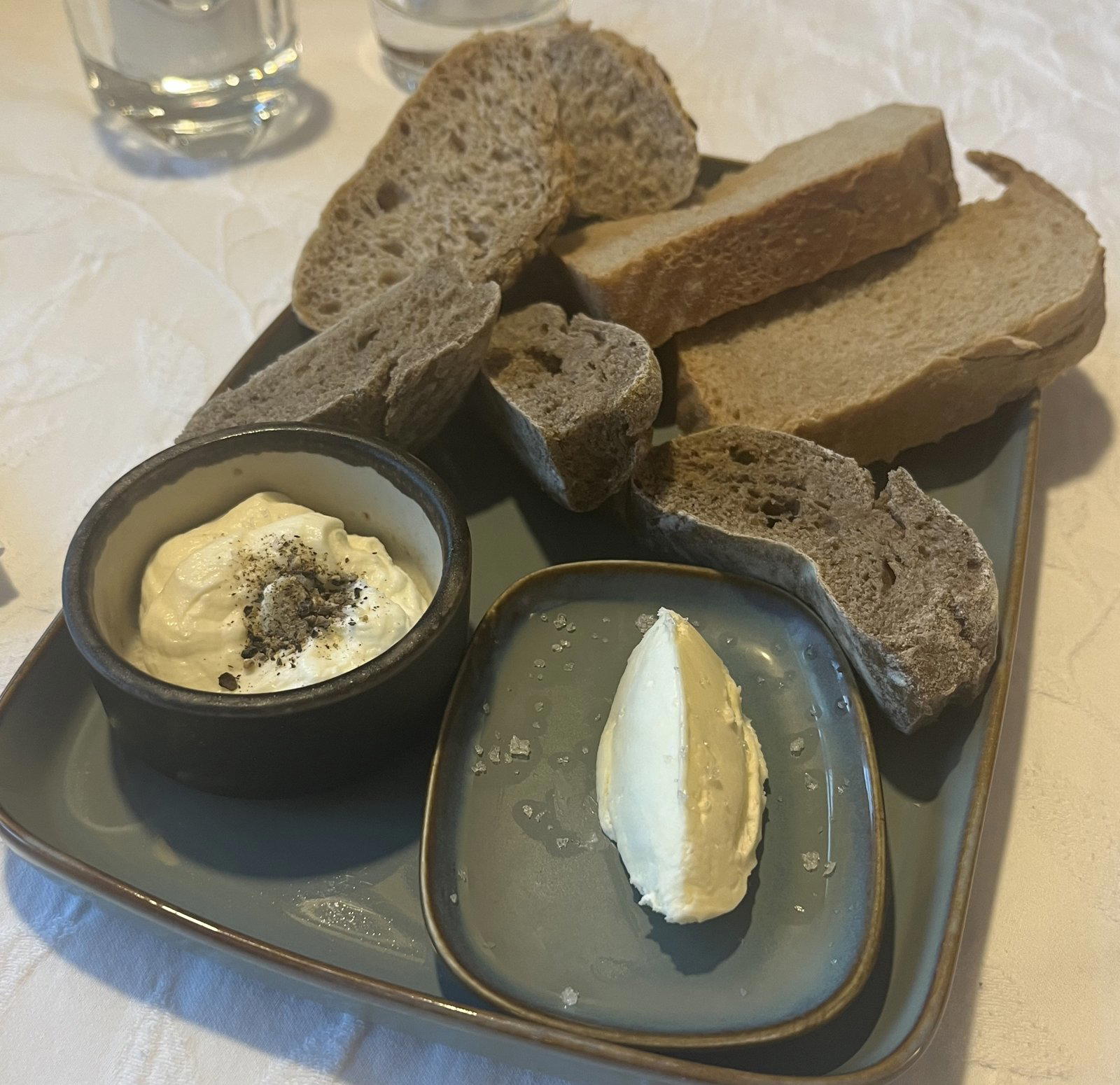
The useful way to read Casa de São Lourenço is through ingredient gravity. In Portugal’s major cities, premium dining often signals ambition through technique, imported produce and international comparison. In Manteigas, ambition reads differently. The question is whether the kitchen can make the Serra feel specific rather than decorative: cheese with a regional identity, bread with weight, vegetables and proteins that make sense in cold country, and a rhythm that suits travelers who came for the landscape as much as the table.
That puts the restaurant in a smaller competitive frame than the country’s urban dining rooms. The comparison is not with a late-night counter in a capital city or a riverfront address elsewhere, but with other inland restaurants that translate local agriculture into a polished meal. In Manteigas, Fatiga Restaurant (Expression of the terroir) makes that terroir argument explicit, while NUBBIN Restaurant gives the town another point of reference for visitors mapping the local dining scene. For wider planning, the useful starting points are our full Manteigas restaurants guide and our full Manteigas hotels guide, since meals here often sit inside a broader mountain stay.
The sourcing angle also explains why this kind of restaurant matters beyond a single booking. Serra da Estrela’s food identity has always been inseparable from shepherding, textiles, cold storage and seasonal scarcity. Modern hospitality can flatten those details into rustic styling; the better version keeps the regional logic intact while refining the room, pacing and plating. Casa de São Lourenço is most persuasive when judged by that standard: not as a trophy table, but as a mountain dining room whose value comes from where it is.
A Manteigas meal, not a city transplant
Manteigas rewards diners who slow down. The town belongs to the Serra da Estrela rhythm, and the surrounding mountain setting shapes visitor behavior: walking, driving viewpoints, checking weather, returning indoors when the temperature drops. Dining here is part of that cadence. A meal can carry more weight than it would in a city itinerary because evenings are quieter and the landscape remains the dominant event.
That makes atmosphere central, though not in the theatrical sense. The appeal is the contrast between a controlled dining room and a severe mountain setting outside. In a region where wool, stone and dairy have long defined local identity, the room should feel connected to place rather than insulated from it. Casa de São Lourenço works for travelers who want the Serra da Estrela to continue onto the plate, not disappear behind generic luxury-hotel language.
Portugal’s dining map is broad enough that this distinction matters. A traveler comparing the mountain interior with city and resort addresses will find a different set of signals in capital-city dining rooms, wine-country restaurants, destination-hospitality settings and coastal tables. Those addresses belong to different travel logics: urban tasting formats, vineyard routes, resort pacing and seaside eating. Manteigas is more elemental. The regional question is not how much spectacle the kitchen can add, but how clearly it can translate mountain agriculture.
How to place it in a Serra da Estrela itinerary
Casa de São Lourenço makes the most sense as part of a Serra da Estrela stay rather than as a detached dining detour. The practical decision is time: mountain roads, weather shifts and daylight affect the day more than they do in Portugal’s urban centers. Visitors who are building a food-led route through the country can treat Manteigas as an inland counterpoint to the coast and the Douro, then use the meal to understand why this region’s ingredients have a different weight.
For travelers staying in town, the restaurant belongs in the same planning cluster as our full Manteigas bars guide, our full Manteigas wineries guide and our full Manteigas experiences guide. The stronger itinerary pairs a mountain walk or viewpoint drive with a meal that keeps the focus local. For a broader Portuguese comparison, other inland restaurants, northern dining rooms, rural southern reference points and Minho cooking show how strongly Portuguese restaurants change when the local pantry changes.
The editorial verdict is simple: this is a context-driven restaurant. Its interest lies less in chef mythology or award-chasing language than in the way Manteigas can make a meal feel geographically exact. Travelers looking for a Serra da Estrela table should value that precision. Those seeking a city-style dining performance will understand the place better by recalibrating first: in the mountains, the source of the food is the main argument.
For readers comparing formats beyond Portugal, the contrast with urban specialist concepts abroad is instructive: city restaurants often narrow their focus through technique or category, while Manteigas dining narrows it through landscape, climate and regional supply.
Frequently asked questions
Does Casa de São Lourenço work for a family meal?
Yes, if the family is already in Manteigas or staying in Serra da Estrela. The restaurant suits a planned mountain outing rather than a quick city stop.
What is the atmosphere like at Casa de São Lourenço?
The setting is shaped by Manteigas and Serra da Estrela. That usually means a mountain-destination mood rather than the pace of an urban dining room.
What's the address for Casa de São Lourenço?
Manteigas.
Do I need a reservation for Casa de São Lourenço?
Planning ahead is sensible for a restaurant in Manteigas. Destination dining in the mountains tends to work better with timing set before arrival.
What makes Casa de São Lourenço worth seeking out?
Its location is the point: Casa de São Lourenço places the meal in Manteigas. That gives the restaurant a Serra da Estrela setting rather than a standard city address.
Do they accommodate allergies at Casa de São Lourenço?
Guests with allergies should plan their visit in Manteigas and raise requirements in advance. That is the safest way to manage a meal in a destination setting.
Snapshot
Comparable venues by cuisine and price in the same metro.
| Venue | Cuisine | Awards | Notes |
|---|---|---|---|
| Casa de São LourençoThis venue — the venue you are viewing | Portuguese Regional Fine Dining | Not listed | Not listed |
| Fatiga Restaurant | Creative Regional Mountain Cuisine | Relais Chateaux Award | Expression of the terroir |
| NUBBIN Restaurant | Regional Serra da Estrela Cuisine | Not listed | Not listed |
| Memórias Santar | Creative | Not listed | Not listed |
Continue exploring
More in Manteigas
Restaurants in Manteigas
Browse all →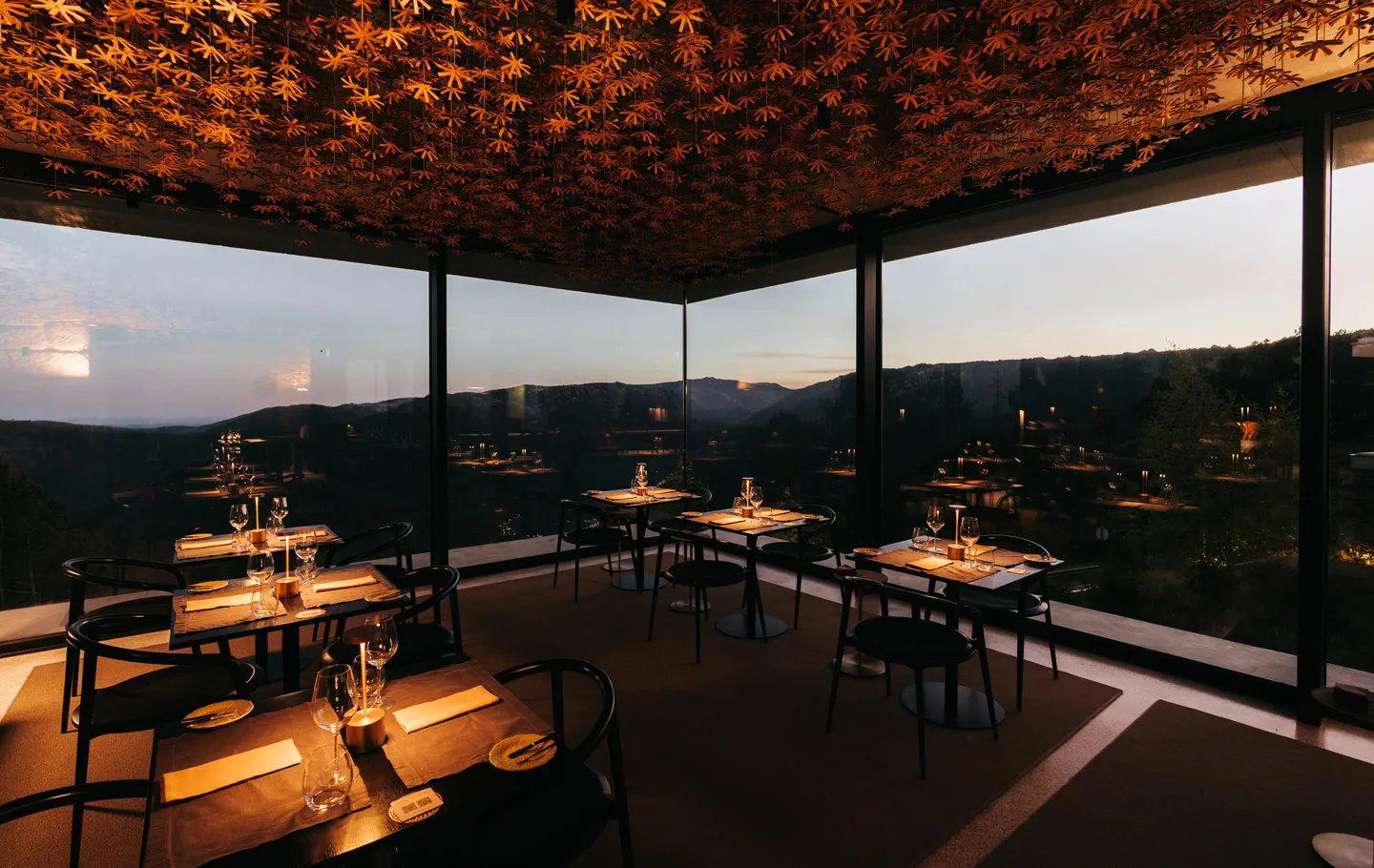
Hotels in Manteigas
Browse all →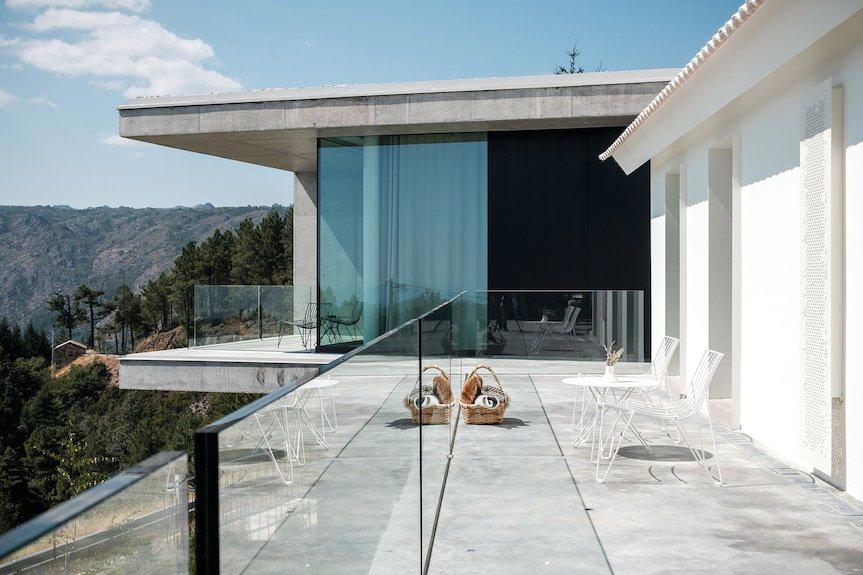

Casa de São Lourenço
The wine
- Wine program
- Curated wine list
- Extensive wine list
- Craft cocktails
Details
- Scenic
- Elegant
- Quiet
- Classic
- Sophisticated
- Date Night
- Special Occasion
- Celebration
- Group Dining
- Panoramic View
- Hotel Restaurant
- Design Destination
- Historic Building
- Terrace
- Extensive Wine List
- Craft Cocktails
- Local Sourcing
- Sustainable
- Mountain
- A La Carte
- Set Menu
- Wine
- Cocktails
- Vegetarian Friendly
- Vegan Options
- Gluten Free Options
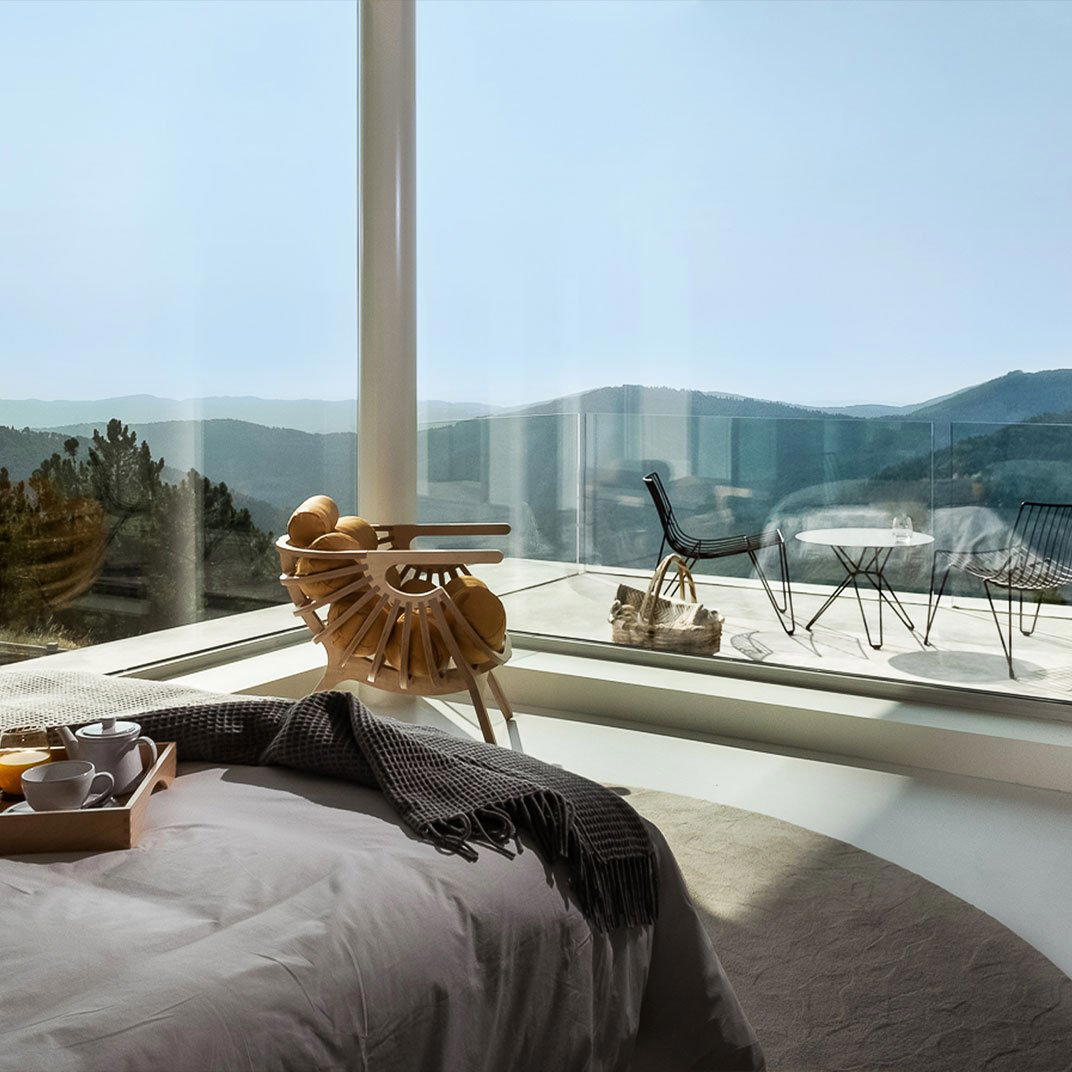
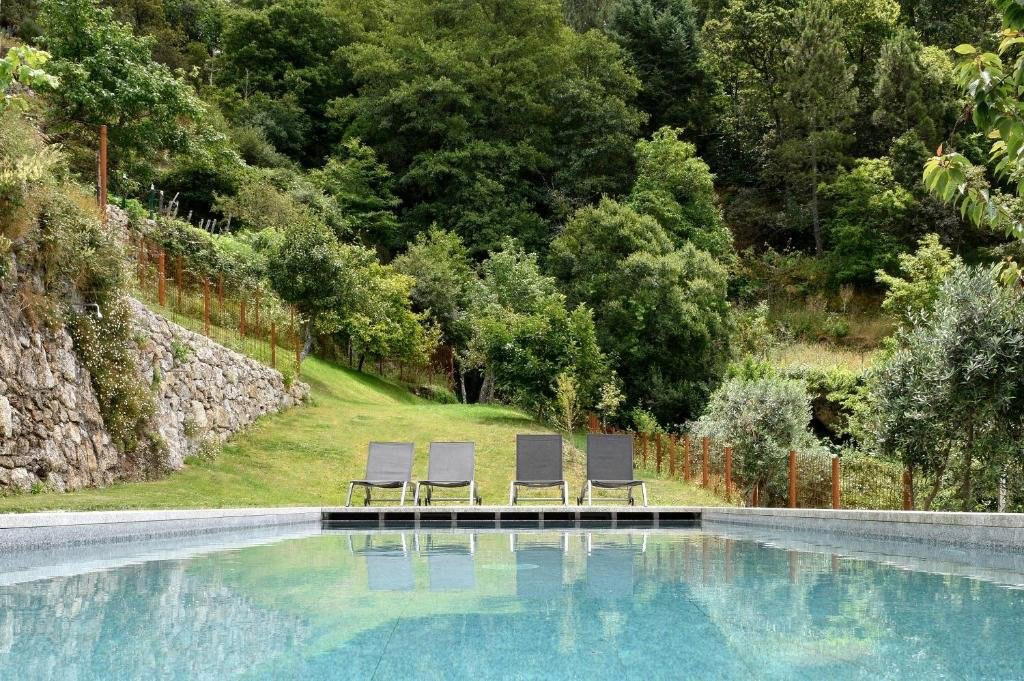
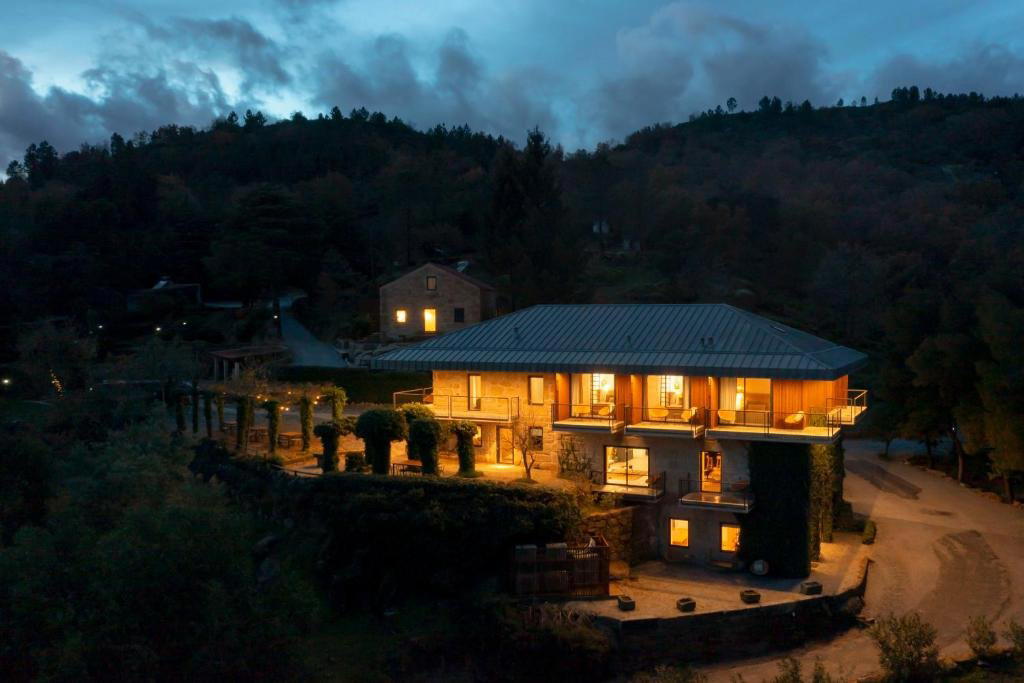
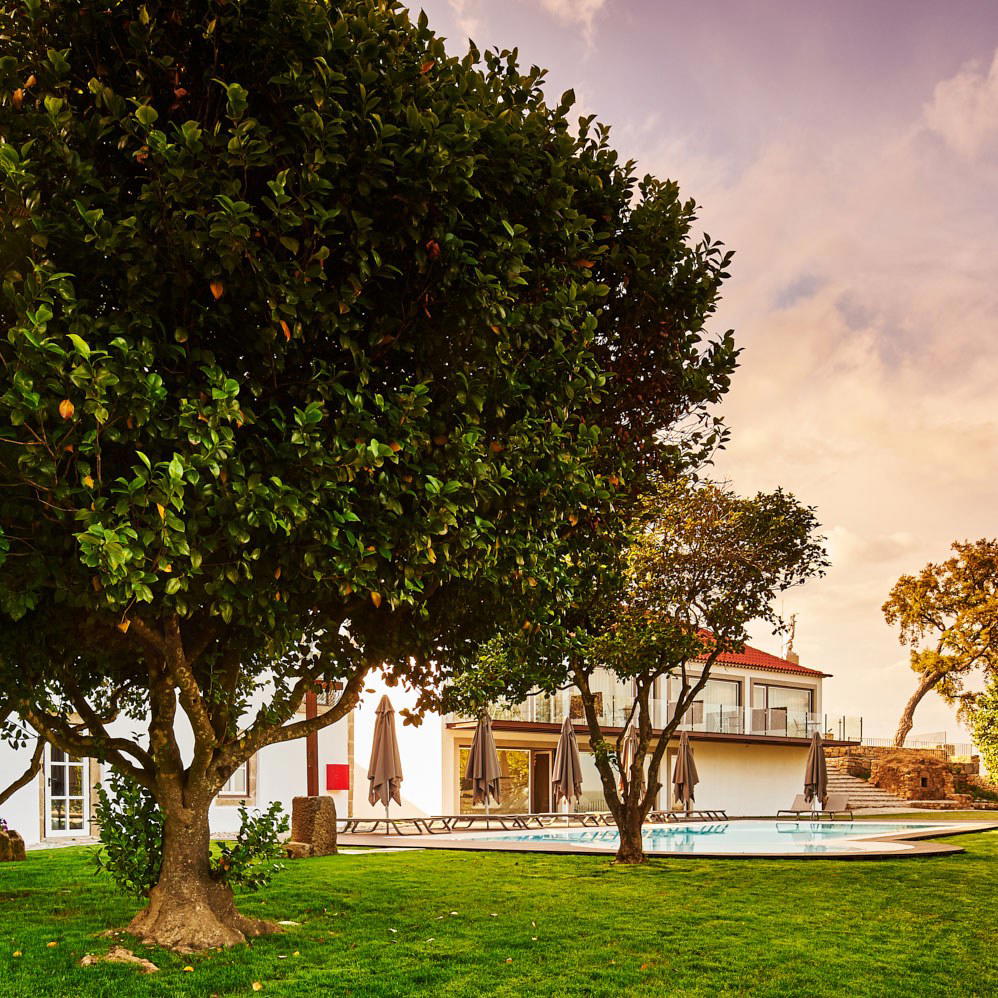
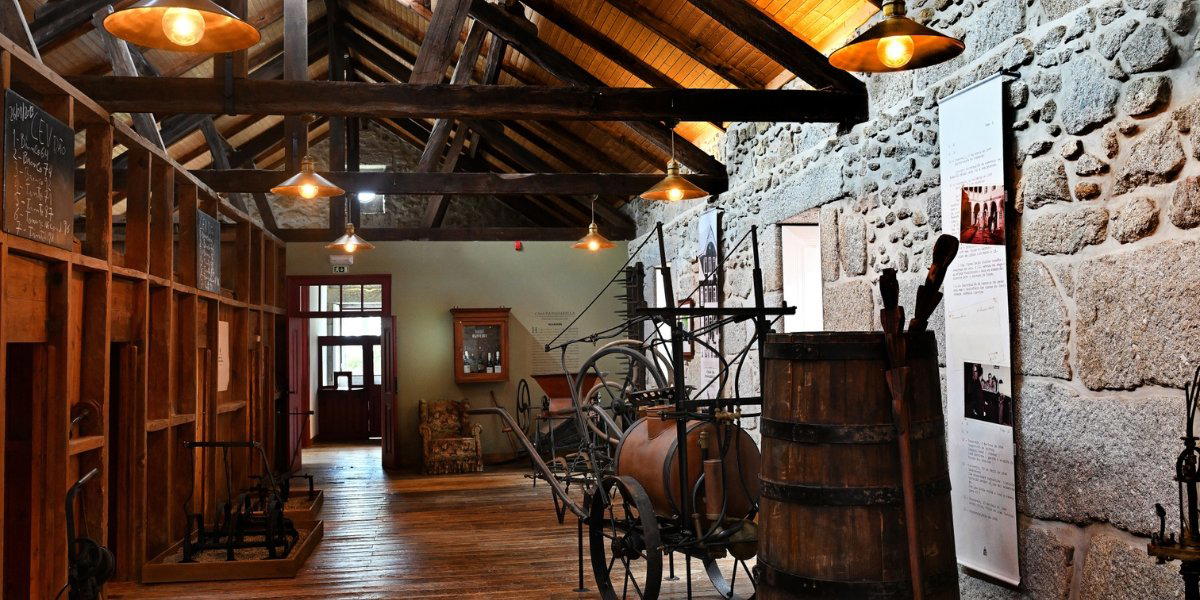
Quiet, refined, and scenic, with glass-walled and terrace seating that frames expansive Serra da Estrela mountain views and a romantic, design-forward atmosphere.