Carpaccio
Carpaccio at Bal Harbour Shops brings Italian-inflected dining to one of Miami's most concentrated luxury retail corridors. The restaurant sits at 9700 Collins Ave, placing it within the Bal Harbour shopping complex that draws an international clientele year-round. For context on the broader local dining scene, see our full Bal Harbour restaurants guide.
Pearl is the En Primeur Club membership app — saves, bookings, and concierge access live there. Same editors, same standards.
- Address
- 9700 Collins Ave, Bal Harbour, FL 33154
- Phone
- +13058677777
- Website
- carpaccioatbalharbour.com
- Directions
- Get directions
 Saves & bookings on Pearl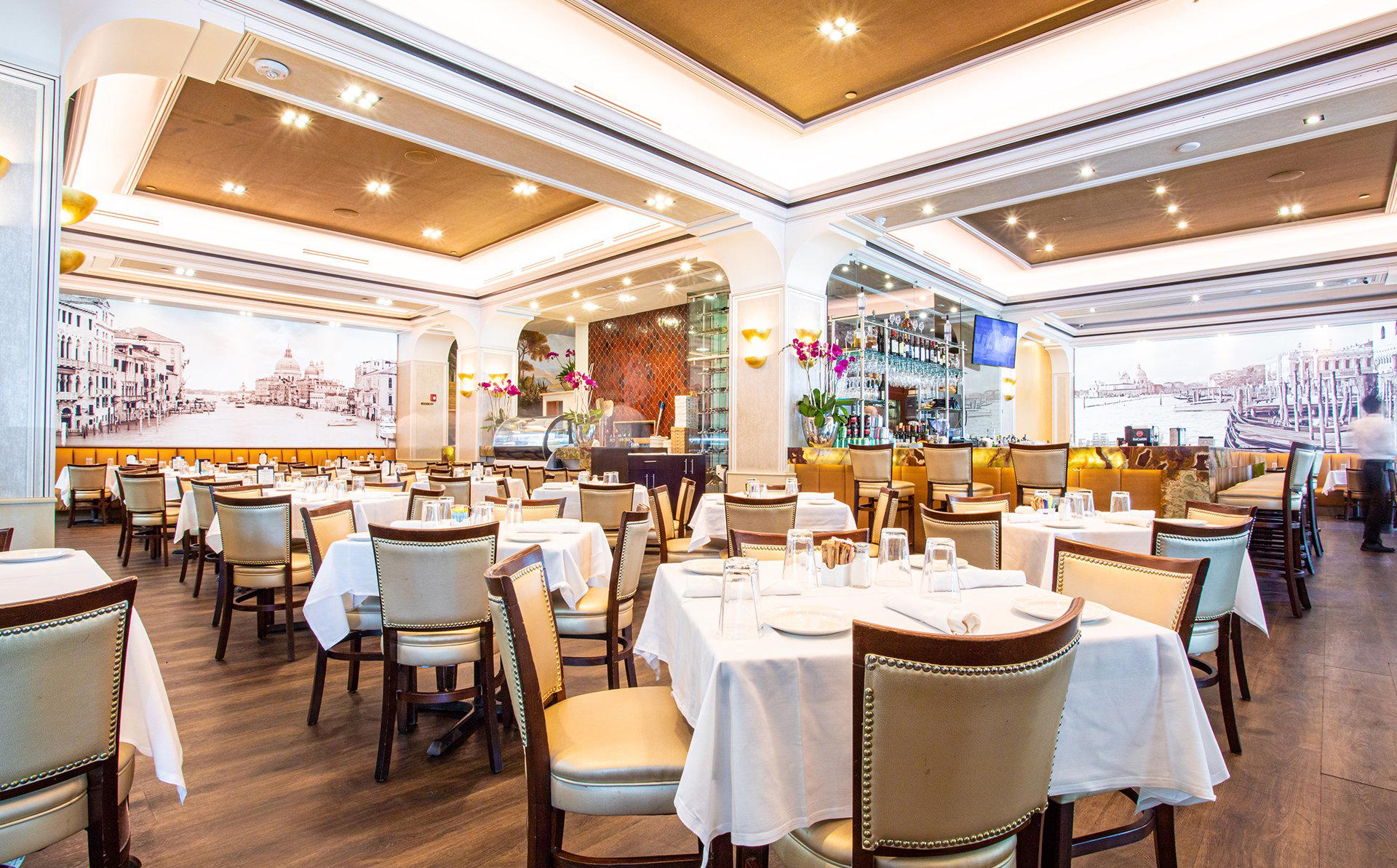
Collins Avenue, Carpaccio, and the Italian Restaurant Tradition in Luxury American Retail
There is a particular kind of restaurant that American luxury shopping has always required: one that can hold a table through a two-hour lunch, satisfy an international clientele with recognizable reference points, and signal refinement without demanding the full engagement of a tasting-menu dinner. The Italian trattoria format, adapted for high-net-worth leisure, has filled that role from Rodeo Drive to Fifth Avenue for decades. Carpaccio, located at 9700 Collins Ave inside the Bal Harbour Shops complex, occupies that structural position on Miami's northern shore.
Bal Harbour Shops is not a conventional mall. It is one of the highest-grossing retail properties per square foot in the United States, anchored by Neiman Marcus and a concentration of European luxury houses whose flagship presence in a Florida setting speaks to the spending patterns of the area's year-round and seasonal residents. The dining options within and immediately around this complex are oriented toward the same clientele: international, transaction-fluent, accustomed to a certain register of service. Carpaccio fits that context by design, not by accident.
The Name, the Dish, and What the Italian Reference Communicates
The name Carpaccio is itself a positioning statement. The dish, thin-sliced raw beef dressed with olive oil and lemon, was invented at Harry's Bar in Venice in 1950 by Giuseppe Cipriani, who named it after the Renaissance painter Vittore Carpaccio for the resemblance of the beef's color to pigments in his canvases. That origin story sits at the intersection of mid-century Italian hospitality mythology and patrician leisure, and any restaurant operating under that name carries some of that cultural freight whether it intends to or not.
Italian cuisine in the American luxury context occupies a specific register. Unlike French haute cuisine, which signals formality and technical hierarchy, the Italian reference suggests ease, abundance, and social dining, the long lunch, the shared antipasto, the bottle opened without ceremony. That register aligns naturally with a high-end retail environment, where the meal is part of a day's activity rather than its culmination. Restaurants in this category typically run a menu that spans classic preparations, fresh pasta, grilled proteins, and a wine list weighted toward the Italian peninsula, all executed at a standard that justifies prices commensurate with the surrounding retail context. For a sense of how Bal Harbour's dining scene positions itself more broadly, the full Bal Harbour restaurants guide maps the range of options across the area.
The Neighbourhood's Dining Architecture
Bal Harbour's restaurant offerings cluster into two broad tiers. The hotel dining room, anchored by properties like the St. Regis, produces the more formally structured end of the local spectrum. La Gourmandise at the St. Regis Bal Harbour represents that hotel-integrated format, where pastry and European technique are positioned within a resort context. Then there are the shopping-adjacent options, restaurants whose primary function is to serve the retail visitor at a high standard without requiring a separate destination decision. Carpaccio belongs to the second category, which is neither a lesser role nor a more prestigious one; it is simply a different orientation.
Atlantikos and Carrie's at Neiman's represent other approaches to the same Bal Harbour dining visitor: one leaning into Mediterranean seafood, the other operating as an in-store dining experience within Neiman Marcus itself. Together, these options reveal how a small geographic footprint can produce meaningfully different dining propositions aimed at a largely overlapping clientele.
Italian Fine Dining in the American Context: A Wider Frame
The broader American fine-dining conversation in recent years has moved toward formats that emphasize hyper-locality, chef-driven tasting menus, and seasonal sourcing programs. Properties like Blue Hill at Stone Barns in Tarrytown and Single Thread Farm in Healdsburg represent that tendency at its most committed. At the Michelin-starred end of the spectrum, venues like Le Bernardin in New York, The French Laundry in Napa, and Smyth in Chicago define what award recognition looks like in American fine dining today. Internationally, Atelier Moessmer Norbert Niederkofler in Brunico shows how deeply a restaurant can embed itself in regional identity through rigorous sourcing.
Italian-rooted restaurants operating in luxury American settings have largely resisted, or strategically ignored, that tasting-menu gravitational pull. The format that works at Carpaccio's address is the kind that allows a guest to order à la carte at their own pace, linger over a second glass of wine, and leave without having committed to a three-hour progression. This is a commercial and hospitality logic, not a failure of ambition. The same logic operates at the level of places like Frasca Food and Wine in Boulder, which applies northern Italian wine and hospitality culture to a casual-fine format without sacrificing depth. The Italian tradition is capacious enough to hold both approaches.
Other American cities have produced their own versions of this dining type. In New Orleans, Emeril's demonstrates how a restaurant can maintain cultural authority over decades in a high-tourist, high-expectation environment. In Los Angeles, Providence shows the seafood-forward variant of the upscale American dining room. In San Diego, Addison represents the formal tasting-menu end. In Washington, The Inn at Little Washington occupies a similar position of long-standing institutional authority. Carpaccio at Bal Harbour is writing a different chapter in the same general story: Italian warmth and legibility as a durable foundation for high-end American leisure dining.
Planning a Visit
Carpaccio is located at 9700 Collins Ave, Bal Harbour, FL 33154, within the Bal Harbour Shops complex. The shopping complex is typically busiest during the winter season when the area's seasonal population peaks, and securing a table during those months generally warrants advance planning. Carpaccio is open daily from 11:30 AM to 11 PM, and reservations are recommended. Dress expectations in this environment tend to run toward smart casual at minimum, consistent with the surrounding retail context.
Budget and Context
Comparable venues nearby, for context on price, style, and recognition.
| Venue | Cuisine | Price | Notes |
|---|---|---|---|
| CarpaccioThis venue — the venue you are viewing | Bal Harbour, Classic Italian Trattoria | $$$ | Not listed |
| Atlantikos | Not listed | $$$ | Bal Harbour, Traditional Greek Mediterranean |
| La Gourmandise - St. Regis Bal Harbour | Not listed | $$$$ | Bal Harbour, Authentic French Patisserie & Afternoon Tea |
| Carrie's at Neiman's at Neiman Marcus - Bal Harbour | Bal Harbour, American Neiman Marcus Cafe | $$$ | Not listed |
| Bice Ristorante | Not listed | $$$ | Palm Beach, Classic Northern Italian Fine Dining |
| Sofia - Design District | Not listed | $$$ | Design District, Modern Italian Fine Dining |
Continue exploring
More in Bal Harbour
Restaurants in Bal Harbour
Browse all →
Bars in Bal Harbour
Browse all →
At a Glance
- Elegant
- Sophisticated
- Classic
- Date Night
- Special Occasion
- Business Dinner
- Hotel Restaurant
- Extensive Wine List
- Organic
Current opening hours
- Monday
- 11:30 AM–11 PM
- Tuesday
- 11:30 AM–11 PM
- Wednesday
- 11:30 AM–11 PM
- Thursday
- 11:30 AM–11 PM
- Friday
- 11:30 AM–11 PM
- Saturday
- 11:30 AM–11 PM
- Sunday
- 11:30 AM–11 PM
Hours can change for holidays and private events. Last verified .
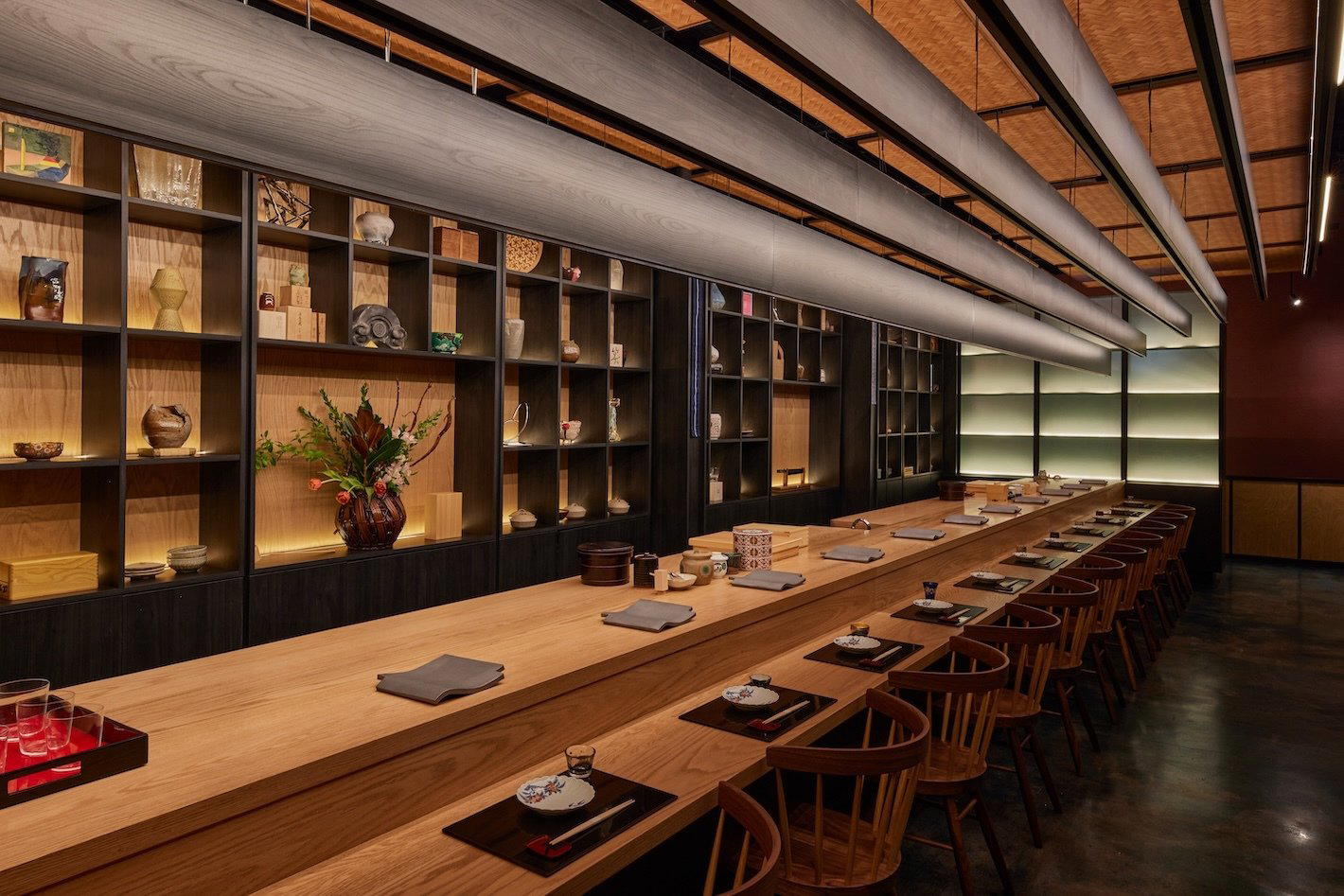
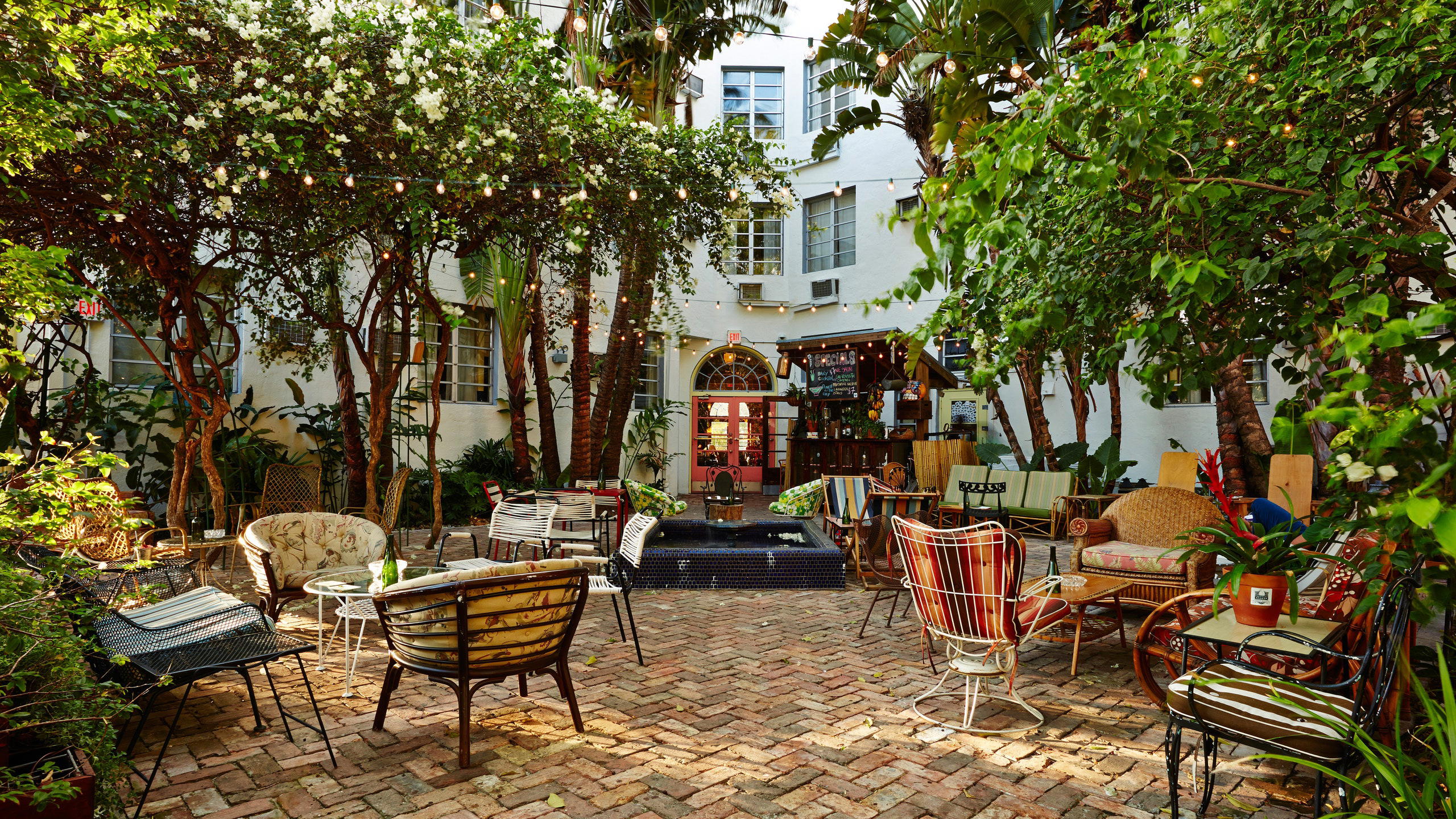
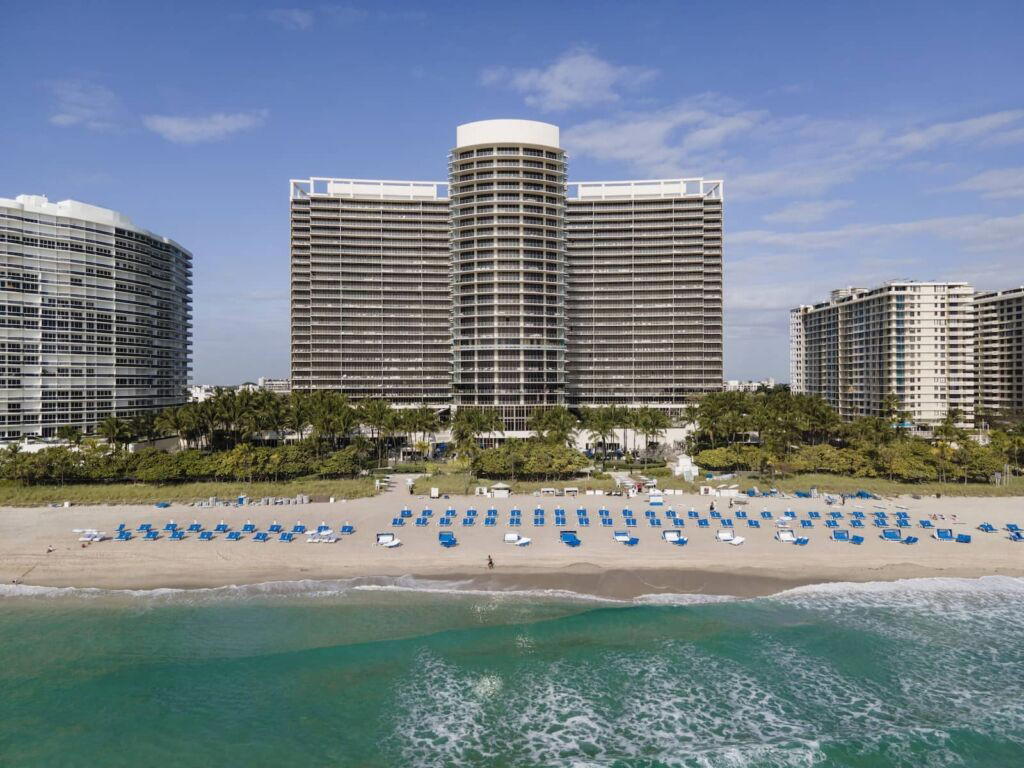
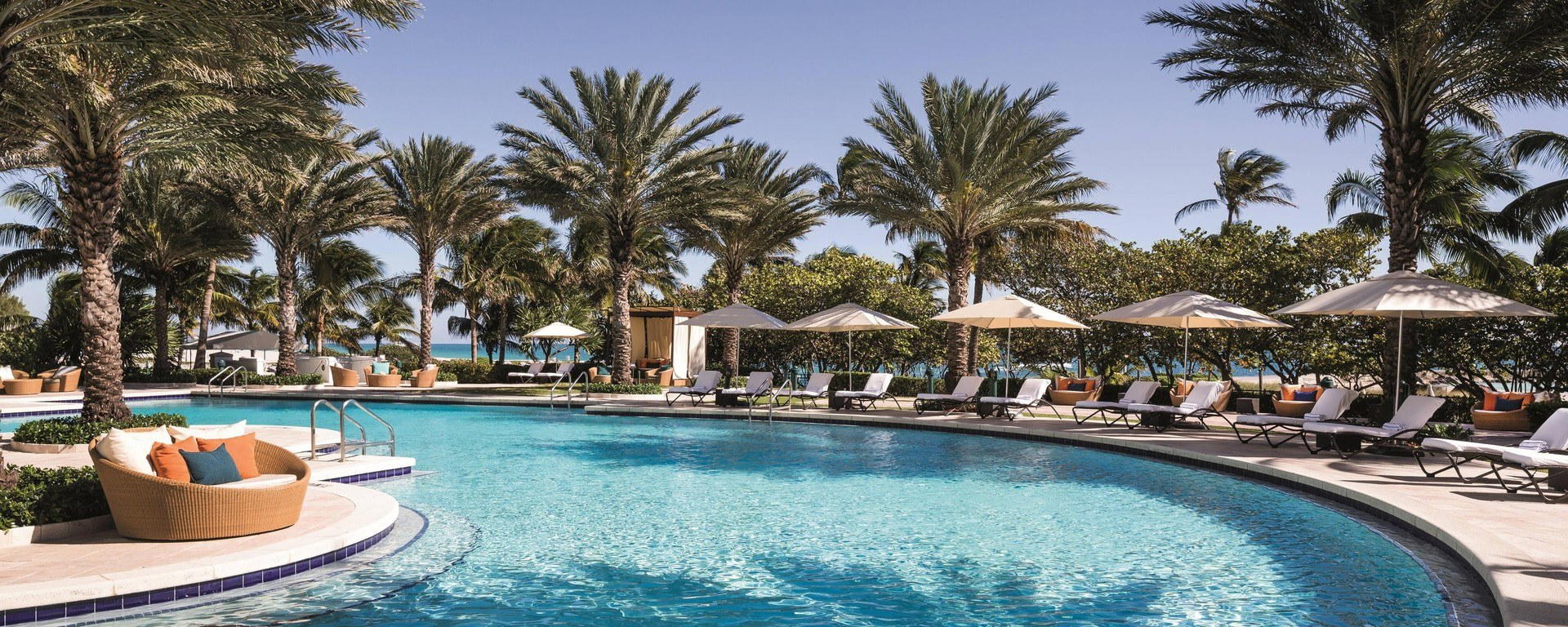
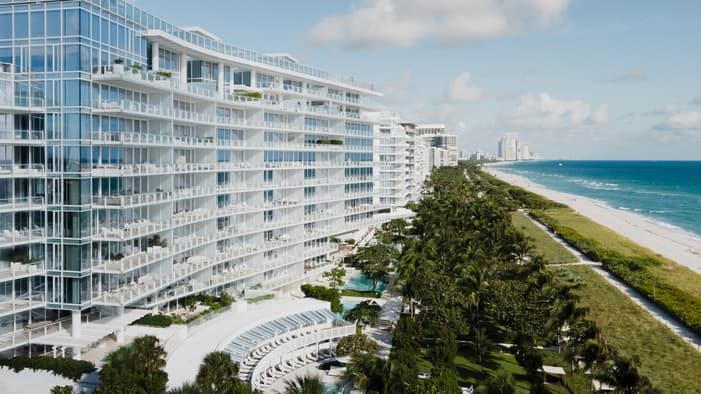
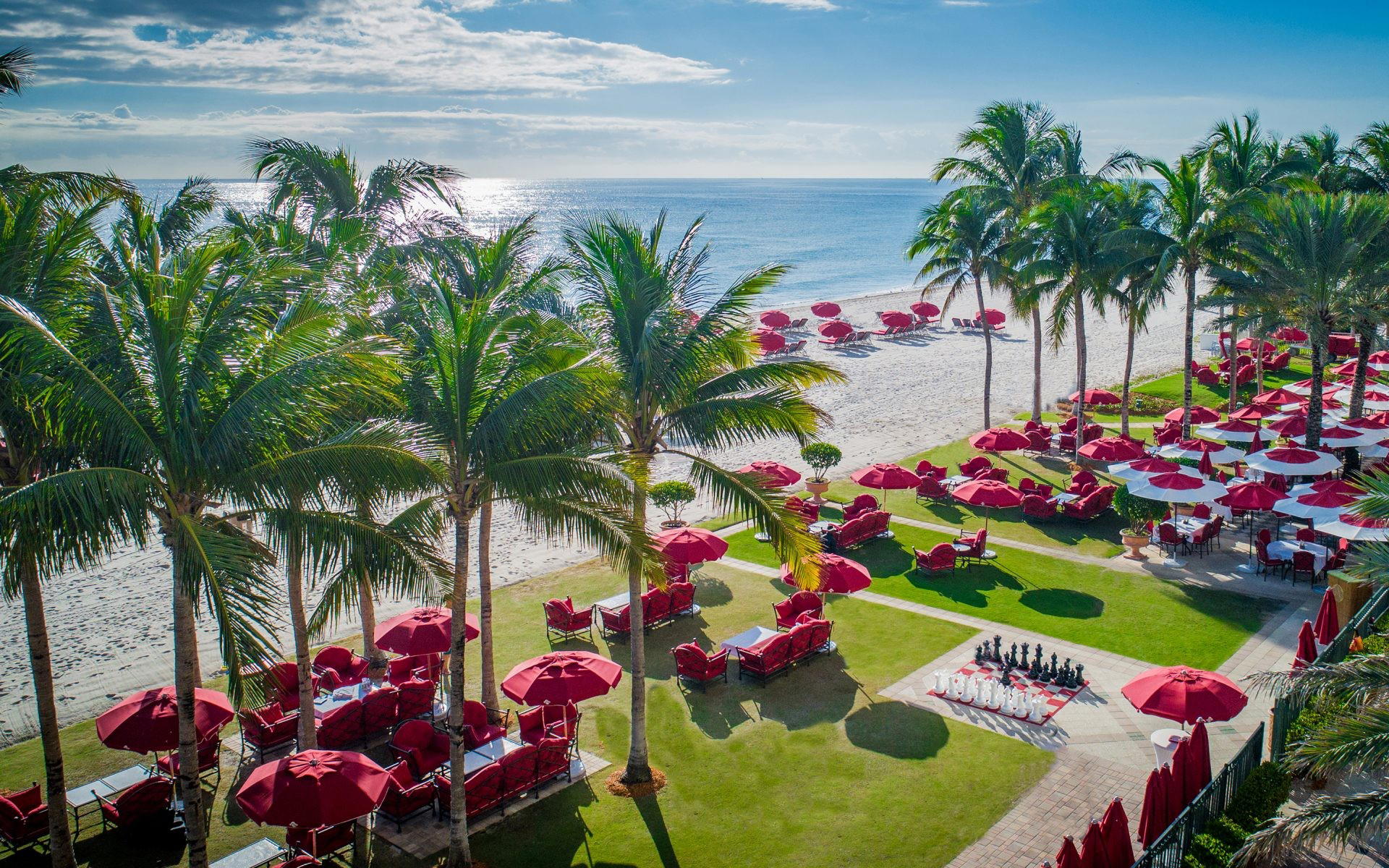
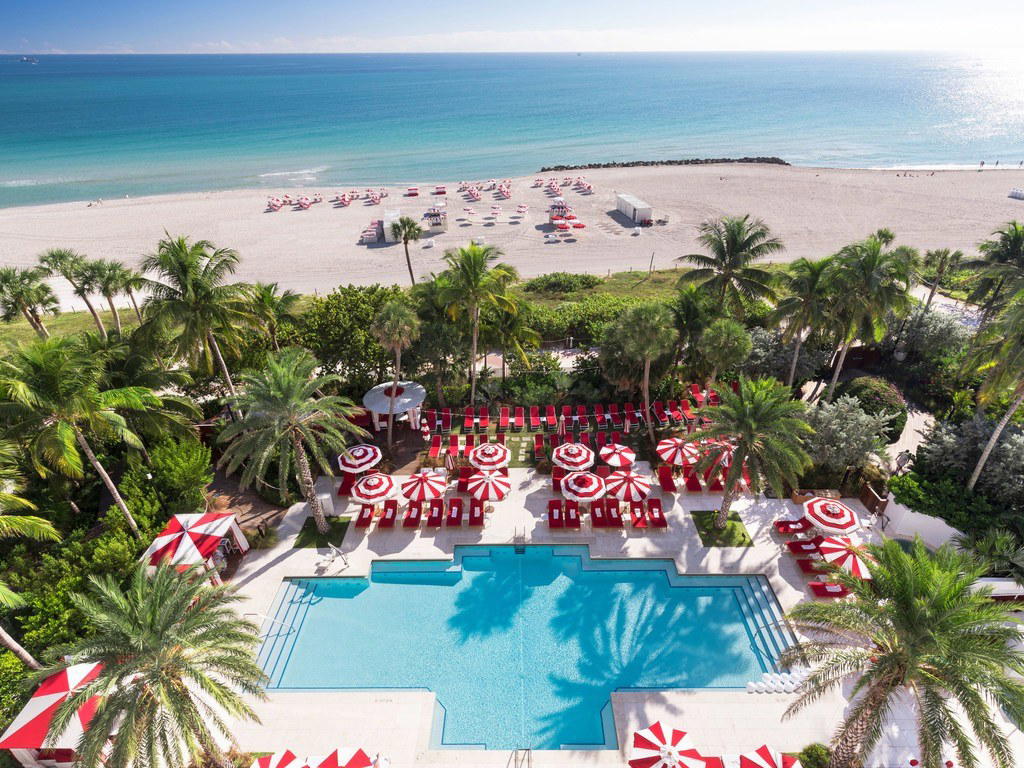
Gorgeous indoor dining room and expansive outdoor terrace under palms for people-watching, with a luxurious and inviting atmosphere.