
On Av. La Coruña in Quito's Mariscal district, Cardó earns its following through a wine list that punches well above the city average and a room that settles into warmth rather than formality. Reviewers consistently single out the service and the bottle selection as the reasons they return. For wine-focused dining in Quito, it sits in a small peer group at the top of the conversation.
 Discover on Pearl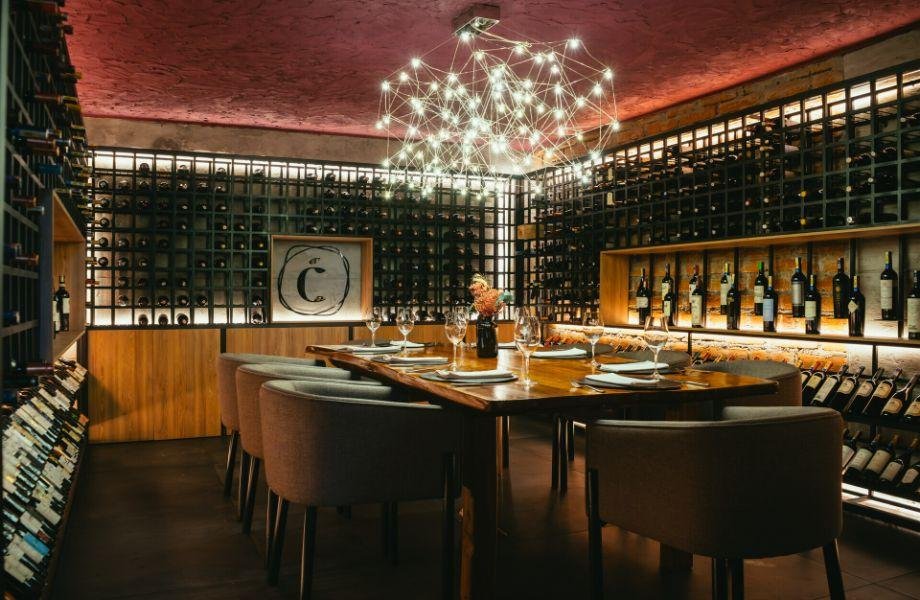
A Room That Gets Out of Its Own Way
Quito's dining scene has been moving, over the past decade, toward a more confident sense of itself. The city that once imported its fine-dining vocabulary wholesale from Europe now has a generation of venues that place Andean ingredients at the centre of the plate and Ecuadorian producers on the wine list. Within that broader shift, a smaller category has emerged: restaurants where the bottle matters as much as the dish, and where the room is designed to let a good conversation run long. Cardó, on Av. La Coruña in the La Floresta-adjacent stretch that connects the old Mariscal grid to the quieter residential blocks to the south, belongs to that category.
Approaching from La Coruña, the building reads as understated rather than showy, which in Quito's mid-range-to-premium tier is increasingly a deliberate signal. The interior reportedly settles guests quickly, the kind of environment where the lighting and the sound level have been calibrated to make people feel at ease rather than on display. That quality, comfort without casualness, is harder to achieve than it looks, and the venues in any city that get it right tend to develop a loyal return clientele before they develop critical recognition.
The shortlist, unlocked.
Hard-to-book tables, cellar releases, and concierge-planned trips.
Get Exclusive Access →The Wine Program as Editorial Statement
In Quito's restaurant scene, wine lists have historically been an afterthought or a short list of Chilean and Argentinian standards with a handful of Spanish and French bottles added for occasion. The city's altitude (sitting above 2,800 metres) creates genuine storage and service challenges that give operators a convenient excuse for thin lists. The venues that choose to build past those constraints, sourcing interesting bottles and training staff to talk about them with some authority, are making an editorial statement about what kind of place they want to be.
Cardó appears to be making that statement. The wine list has been specifically cited by guests as a reason to visit, with the consensus that it offers something more considered than the city average. That positioning places it in a peer set that includes venues like Tributo and Nuema, both of which have built reputations around a more deliberate approach to what goes in the glass alongside what goes on the plate. At Nuema, the South American lens extends to sourcing regional producers; the question worth asking at Cardó is whether the list prioritises a similar regional ambition or casts a wider international net. Either approach is defensible, but they represent different positions in the market.
For comparison, places like Le Bernardin in New York City or Alain Ducasse at Louis XV in Monte Carlo have long demonstrated that a serious wine program functions as a co-equal part of the dining experience rather than a supplement to it. That standard is what separates wine-forward venues from restaurants that simply offer wine. In Quito's context, even a step in that direction represents a meaningful distinction.
Where Ingredient Sourcing Fits Into the Story
Ecuador's position as a source country, rather than just a consumer country, shapes how the leading Quito restaurants think about their larder. The country produces some of the world's most traded cacao, supplies seafood from both Pacific and Amazon-adjacent sources, and grows ingredients at altitude that are difficult to replicate elsewhere. The restaurants in Quito that have earned the most sustained attention, including URKO and Casa Gangotena, have built their identities around making that sourcing visible on the plate.
Cardó's available record does not specify the provenance of its ingredients in the way that a farm-to-table focused venue might advertise. What the record does establish is that the food is good enough to anchor a wine-focused dining experience. In venues where the bottle takes a central role, the kitchen still needs to hold its side of the equation: the food cannot be a platform for the wine list or the experience collapses into a wine bar. The consistent positive reception Cardó receives suggests the kitchen does not default into that trap.
For visitors who have already covered the more explicitly sourcing-led venues in the city, including Clara and URKO, Cardó offers a different register: the emphasis lands on the overall experience of the meal rather than on a didactic narrative about where each ingredient travelled from. That is not a lesser ambition; it is a different one.
Situating Cardó in the City
Av. La Coruña is one of the more useful addresses in Quito for restaurant visitors. It runs through a section of the city that connects the busier commercial blocks of Mariscal Sucre to the quieter, gallery-and-café character of La Floresta. Restaurants on or near this strip benefit from foot traffic without the noise levels that come with the denser tourist blocks further north. Cardó's address at N31-70 places it in that middle zone, accessible from the main hotel corridors without requiring a dedicated taxi ride.
For context on what else the city offers across categories, our full Quito restaurants guide maps the scene across price points and cuisine types. Visitors building a longer Quito itinerary may also want to consult our Quito hotels guide, our Quito bars guide, and our Quito experiences guide for the broader picture. Those planning to move beyond Quito can reference Casa Julián in Guayaquil or, for something further afield, Evolution Restaurant in the Galapagos Islands and Ecoventura in San Cristóbal.
Visitors who find value in the wine-forward approach of venues like Lazy Bear in San Francisco or the programme-led dining of Emeril's in New Orleans will recognise the type of ambition Cardó appears to be pursuing, applied to a city still building its wine culture. And for those tracking how Quito's dining scene compares to broader South American trends, 8½ Otto e Mezzo Bombana in Hong Kong is a useful reference point for how a wine-led identity can anchor a restaurant's entire positioning in a market not historically associated with serious bottle programs.
Planning a Visit
The venue is located at Av. La Coruña N31-70, Quito 170135. No booking method, hours, price range, or dress code details are confirmed in the available record, so it is worth contacting the venue directly before arrival to confirm current operating days and reservation policy. Based on guest accounts, the service style is warm rather than ceremonial, which suggests the atmosphere would read well for both a focused two-person dinner and a small group meal. The wine list is the primary reason to visit, and arriving with enough time to work through it properly, rather than rushing to a show or onward engagement, will give the experience its proper shape.
Frequently Asked Questions
- Does Cardó work for a family meal?
- The atmosphere described by guests leans toward warmth and ease, which in Quito's mid-to-upper price range is rarer than it sounds. Cardó's comfort-first room suggests it would accommodate a multi-generational dinner reasonably well, particularly compared to the more formal register of places like Casa Gangotena. Specific family-friendly details, including whether children are commonly accommodated or whether the menu offers flexibility, are not confirmed in the available record, so confirming directly with the venue is advisable.
- What is the overall feel of Cardó?
- Guest accounts point consistently to warmth and comfort as the defining qualities of the room. In the context of Quito's wine-focused dining tier, where a number of venues trend toward a more studied, formal presentation, Cardó appears to occupy a position where the experience is unhurried and the service is engaged without being stiff. The wine list adds intellectual weight to what might otherwise read as a neighbourhood restaurant, placing it closer to the wine-bar-with-serious-kitchen model than the tasting-menu-with-pairings format.
- What do regulars order at Cardó?
- No confirmed signature dishes or standing menu details appear in the available record, so specific dish recommendations cannot be made with confidence. What guest accounts do confirm is that the wine list is the consistent draw for repeat visitors. Regulars appear to return primarily to work through the bottle selection rather than to chase a single dish. If the kitchen follows the sourcing patterns common to Quito's better contemporary restaurants, Andean and coastal Ecuadorian ingredients are likely well represented, but this should be verified on arrival or by consulting the venue directly.
Fast Comparison
These are the closest comparables we have in our database for quick context.
| Venue | Cuisine | Price | Awards | Notes |
|---|---|---|---|---|
| Cardó | Cardo is one of those venues that make you feel comfortable the minute you walk… | This venue | ||
| Nuema | South American | World's 50 Best | South American | |
| Zazu | Contemporary Ecuadorean | Contemporary Ecuadorean | ||
| Casa Gangotena | Ecuadorian Fine Dining | Ecuadorian Fine Dining | ||
| URKO | Ecuadorian | Ecuadorian | ||
| Tributo | World's 50 Best |
Need a table?
Our members enjoy priority alerts and concierge-led booking support for the world's most difficult tables.
Get Exclusive AccessThe shortlist, unlocked.
Hard-to-book tables, cellar releases, and concierge-planned trips.
Get Exclusive Access →