Our verdict
Cannelé sits inside Nusa Dua’s resort dining circuit, where hotel kitchens often work as both convenience and calibration point for guests moving between beach clubs, villas, and formal dining rooms. Its value lies less in spectacle than in the way it fits the precinct: polished, contained, and shaped by the supply rhythms of Bali’s hospitality corridor.

Pearl is the En Primeur Club membership app, where members save venues, book tables and use the concierge.
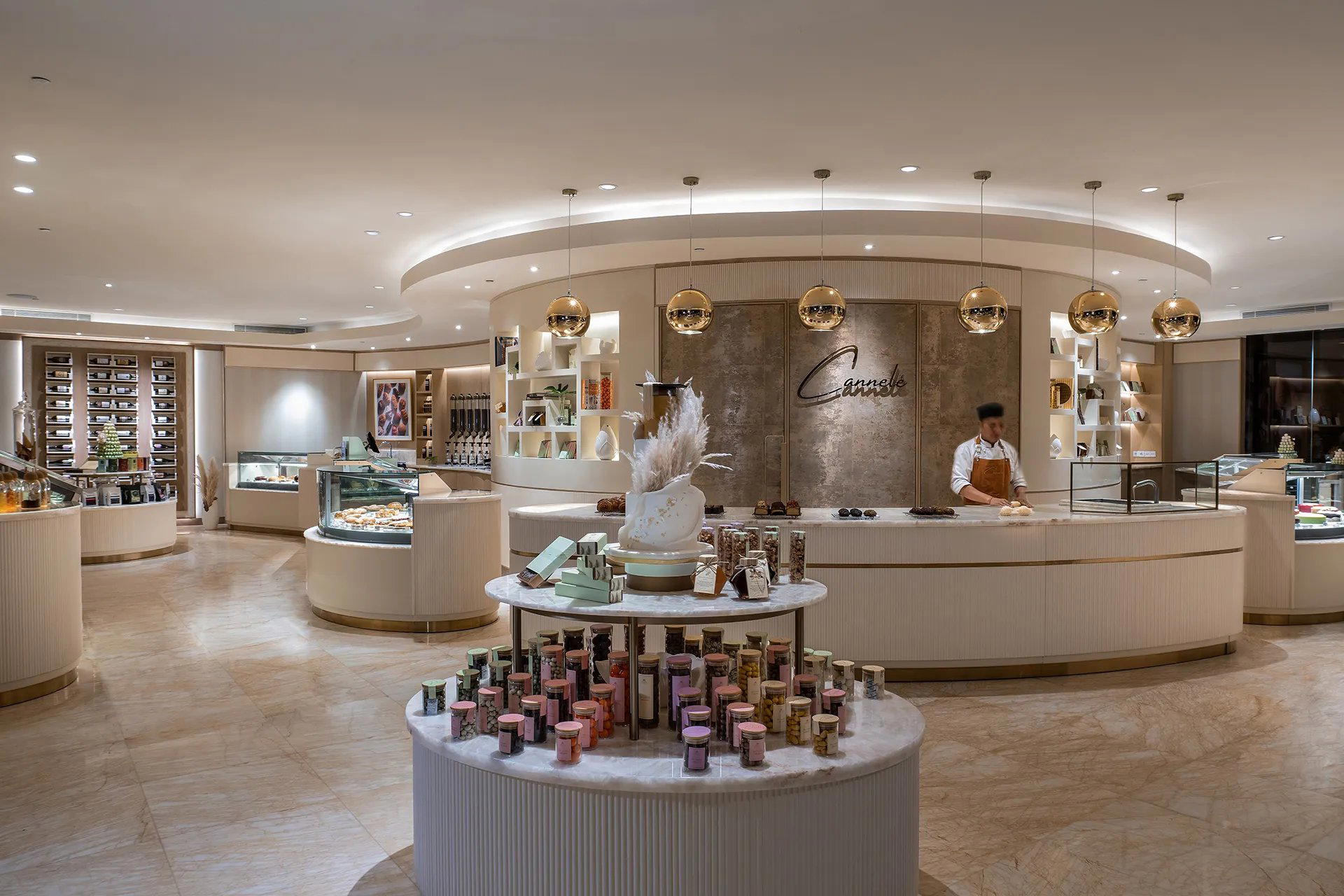
The menu
What to order
- Croque Madame
- Croque Monsieur
- Artisanal French pastries
- Handcrafted cakes
- Afternoon tea set
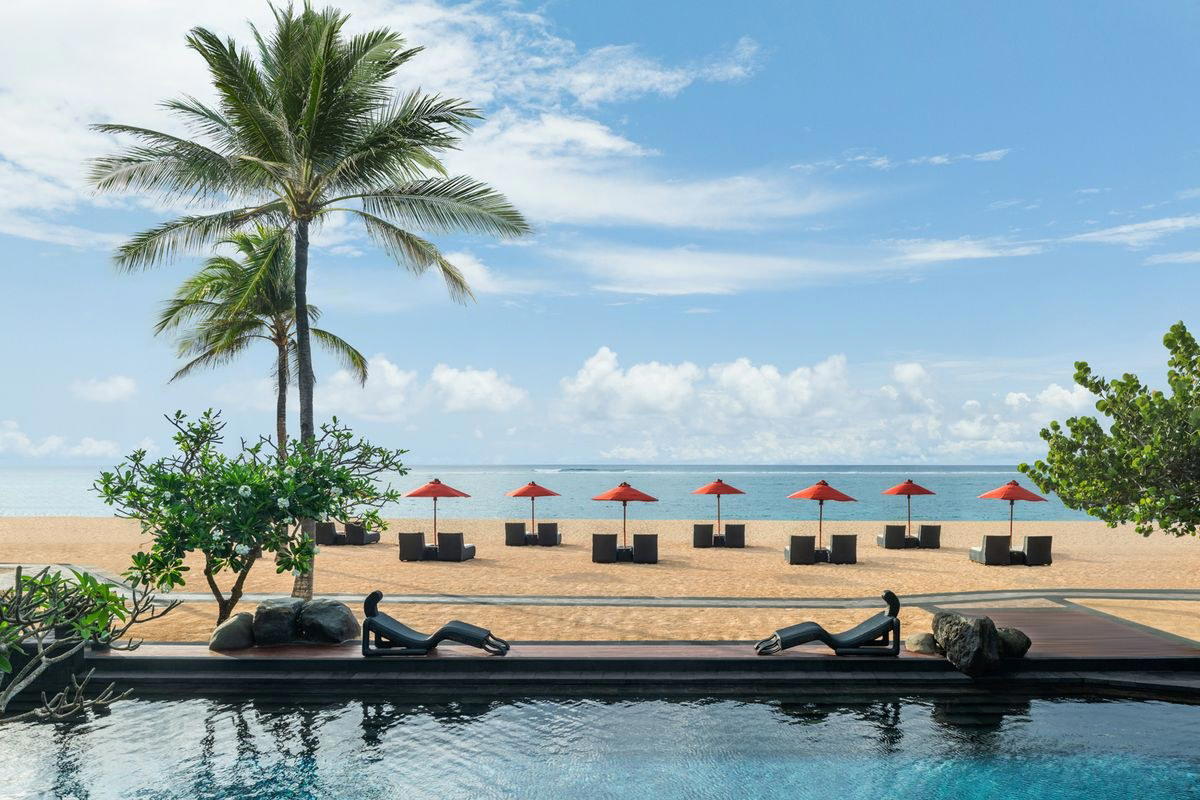
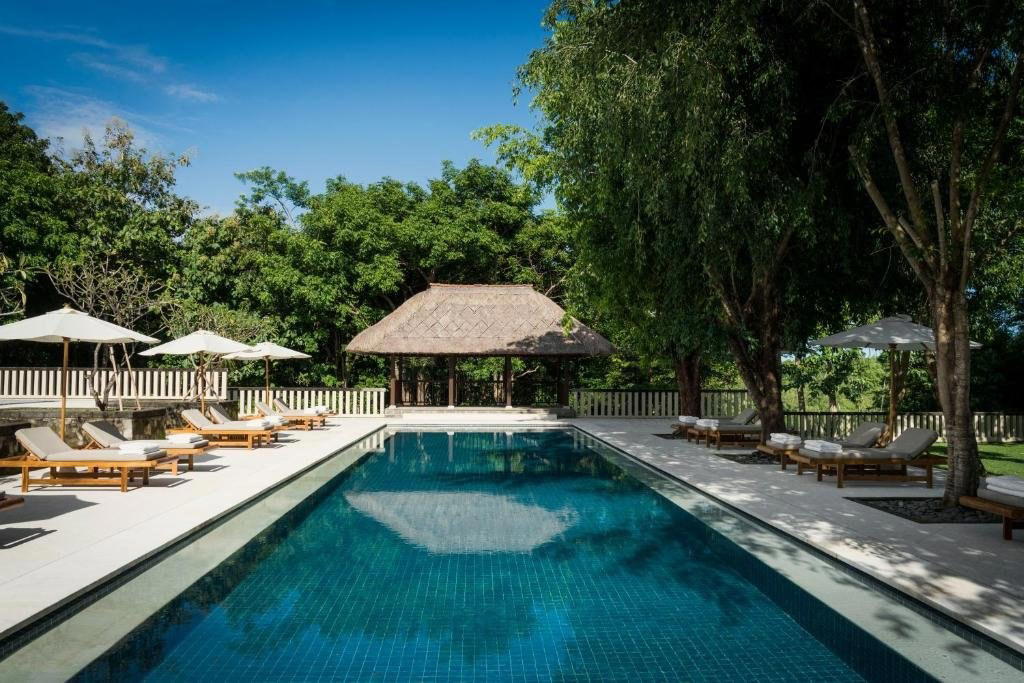
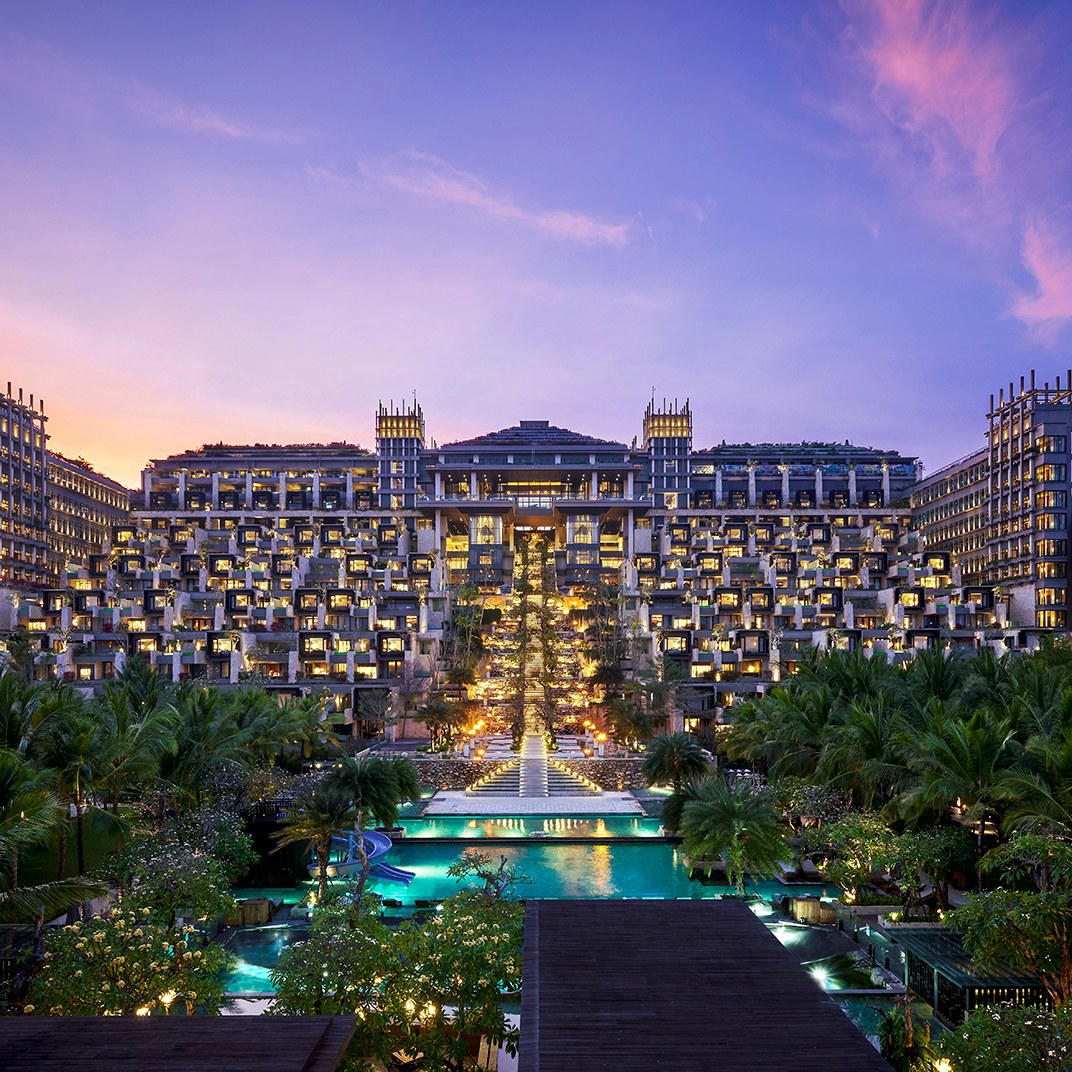
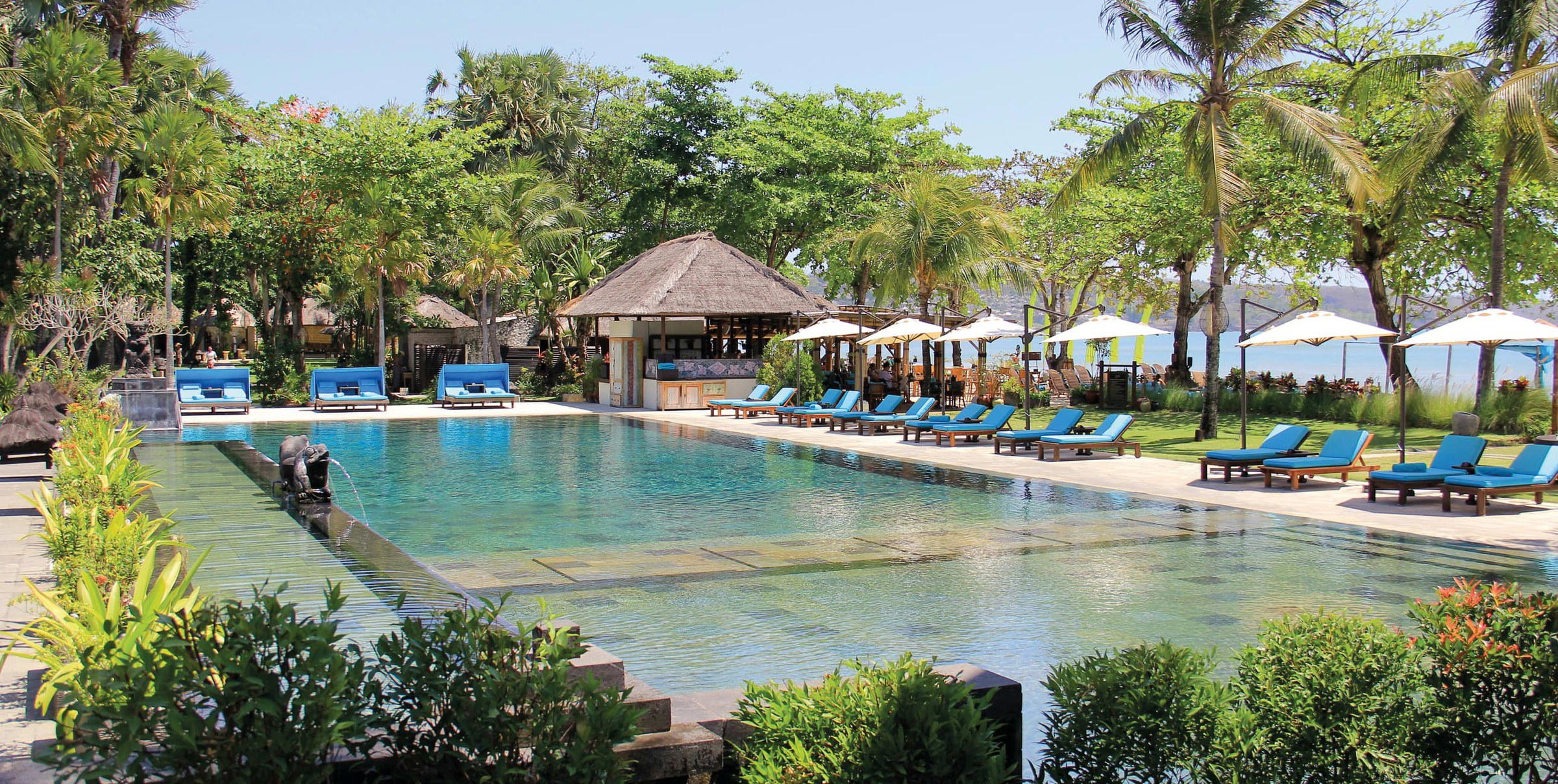
Nusa Dua announces itself through gates, clipped landscaping, and the controlled quiet of a resort enclave rather than the street-level improvisation found elsewhere in Bali. Cannelé belongs to that world. The room sits within a resort orbit, which means the first impression is not a standalone restaurant competing for pavement attention, but a hotel-style dining address built into a broader rhythm of pools, corridors, conference guests, beach time, and long-stay families.
That context matters. In Nusa Dua, restaurants are often judged by a different set of pressures than in busier dining areas elsewhere in Bali. The question is not only what lands on the plate, but how a kitchen reads an international audience while staying connected to island produce, seafood channels, pastry discipline, and the expectations of resort service. Cannelé sits in that category: useful for travellers who want the polish of a hotel setting without turning dinner into a destination performance.
Resort dining in Nusa Dua is built around supply, consistency, and guest rhythm
The southern Bali resort belt depends on a tight choreography of sourcing. Fresh fruit, herbs, fish, rice, poultry, imported dairy, and specialty dry goods move through hotel procurement systems that prize reliability as much as flavour. That can flatten smaller restaurants, but in a high-volume resort environment it can also create precision: menus need to work for families, couples, business travellers, and repeat hotel guests across different meal periods.
Cannelé should be read through that lens. The name carries a polished dining-room signal, but without a published cuisine brief or named signature items, the safer editorial point is broader: Nusa Dua’s hotel restaurants increasingly act as hybrid rooms, balancing international technique, Indonesian produce, and resort practicality. Nearby comparisons help map the field. Bliss sits in the same Nusa Dua conversation, while comparison venues such as Edogin, Mulia Deli, Tapa Bistro, and Faces show how the district spreads demand across polished hotel formats, casual counters, bistro-style rooms, and all-day resort dining.
For travellers building a wider Bali dining plan, Cannelé is not the place to use as proof of the island’s independent restaurant culture. It is better understood as part of Nusa Dua’s managed-resort ecosystem, where ingredient access, kitchen systems, and service consistency drive the experience. That is a useful category, especially after a late arrival, a beach-heavy day, or a schedule where crossing the island for dinner is a poor trade.
The better comparison is the precinct, not the plate count
Nusa Dua’s dining character is shaped by hotels first and neighbourhood streets second. That makes it different from areas where a single chef-led room can define an evening. At Cannelé, the editorial value is in convenience with structure: a resort setting, a controlled environment, and proximity to the accommodation patterns that bring many travellers to this part of Bali.
Readers comparing options should treat the restaurant as one stop within a broader cluster. Other Nusa Dua dining rooms show how the area segments demand between breakfast rooms, international formats, polished menus, casual stops, and resort-adjacent places with more explicitly local cues. The point is not to force Cannelé into a narrow comparison set, but to understand how it functions inside a district where convenience, service rhythm, and setting often matter as much as culinary category.
The wider Indonesian map also matters. Bali does not operate in isolation: metropolitan dining scale elsewhere in Indonesia, quieter resort growth on neighbouring islands, and café culture in other regions all shape how visitors judge value and setting. For a broader international contrast, compact specialist formats in larger cities point to a different kind of focused urban dining, while Nusa Dua remains more closely tied to resort pacing, guest convenience, and controlled hospitality infrastructure.
How to place it in a Nusa Dua itinerary
Cannelé makes the clearest sense when the itinerary is already anchored in Nusa Dua. The area rewards planning by zone: resort dining for low-friction evenings, hotel-led drinks for sunset pacing, and occasional trips out for sharper neighbourhood character. For a full local scan, use Our full Nusa Dua restaurants guide, then cross-check the stay itself through Our full Nusa Dua hotels guide. Drinking plans sit separately in Our full Nusa Dua bars guide, while collectors and itinerary-builders can browse Our full Nusa Dua wineries guide and Our full Nusa Dua experiences guide.
The editorial call is simple: treat Cannelé as a polished resort dining option inside one of Bali’s more controlled hospitality districts, not as a manifesto restaurant. Its usefulness comes from setting, hotel-style infrastructure, and the ingredient discipline expected in Nusa Dua’s premium resort circuit. For travellers who value ease, clean execution, and a room that fits the day’s geography, that category has real purpose.
Frequently asked questions
Is Cannelé a family-friendly restaurant?
Its setting in Nusa Dua points to a hotel-style restaurant rather than a tightly formal dining room. That usually makes it a practical choice for mixed-age resort stays in Bali.
What kind of setting is Cannelé?
Cannelé is located in Nusa Dua, which places it in Bali’s resort-dining circuit. Expect a hotel-led setting shaped by guest flow and the broader Nusa Dua pace.
Where do I go for Cannelé?
Nusa Dua.
Is Cannelé reservation-only?
The venue details provided here do not establish a specific booking rule. The safest approach is to treat Cannelé as a resort-style restaurant and plan ahead around hotel meal times in Nusa Dua.
What do critics highlight about Cannelé?
The main point is its address: Cannelé is in Nusa Dua, so it belongs to the polished hotel-dining side of Bali. Places like this are best judged on consistency, service rhythm, and how well they fit a resort itinerary.
Side-by-Side Snapshot
Comparable venues by cuisine and price in the same metro.
| Venue | Cuisine | Price |
|---|---|---|
| CanneléThis venue (the venue you are viewing) | Luxury French patisserie & afternoon tea | $20–30 |
| Edogin | Japanese Fine Dining with Teppanyaki & Sushi | $50–100 |
| Mulia Deli | Gourmet Deli and Patisserie | Not listed |
| Bliss | Contemporary beach house / seafood and comfort food | $30–50 |
| Tapa Bistro | Global Tapas Bistro | $20–30 |
| Faces | Western and Asian Fusion Fine Dining | Not listed |
Continue exploring
More in Nusa Dua
Restaurants in Nusa Dua
All restaurants in Nusa Dua →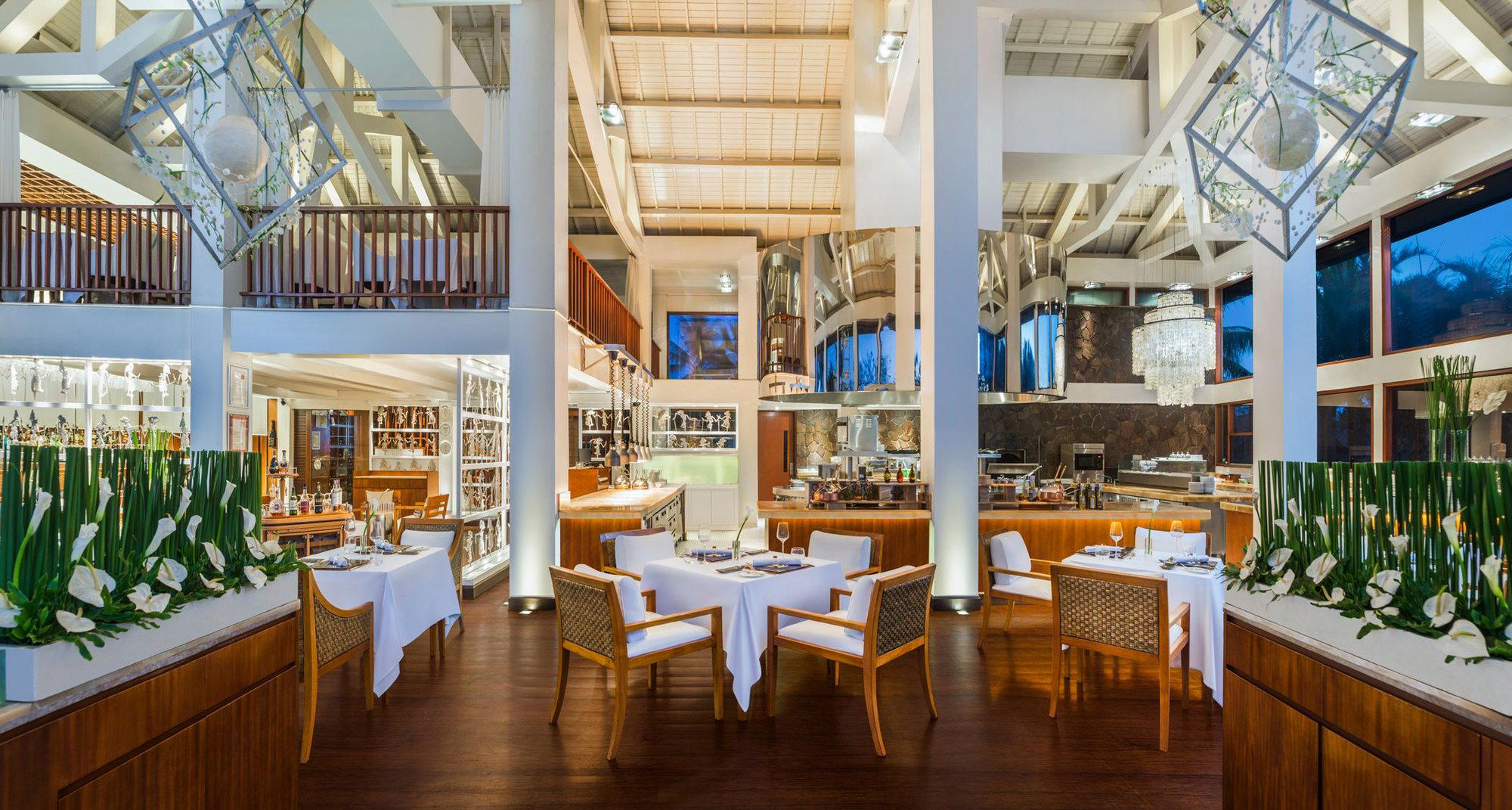
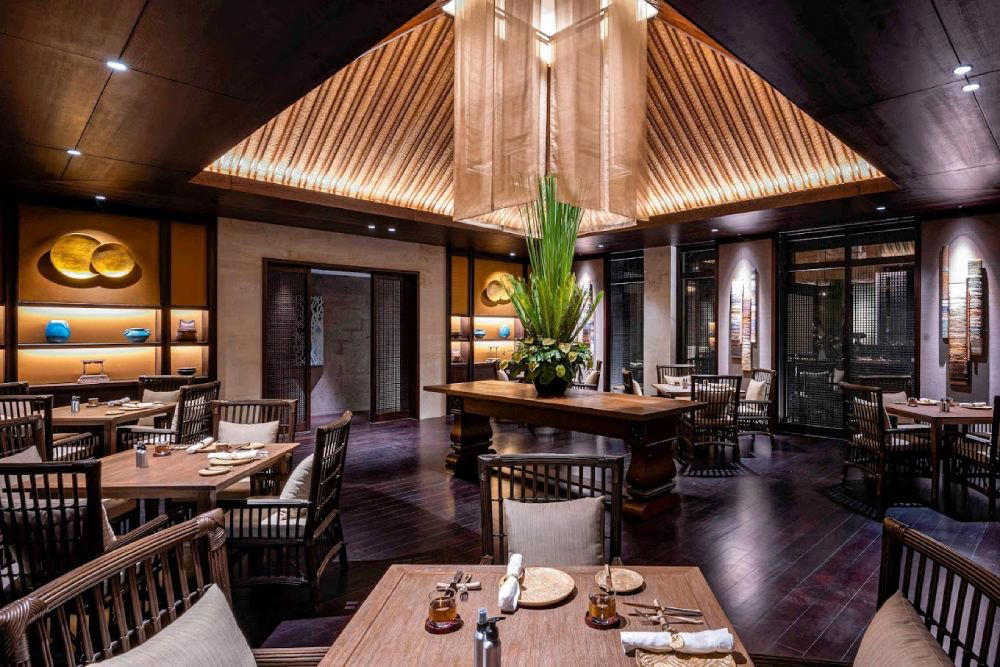
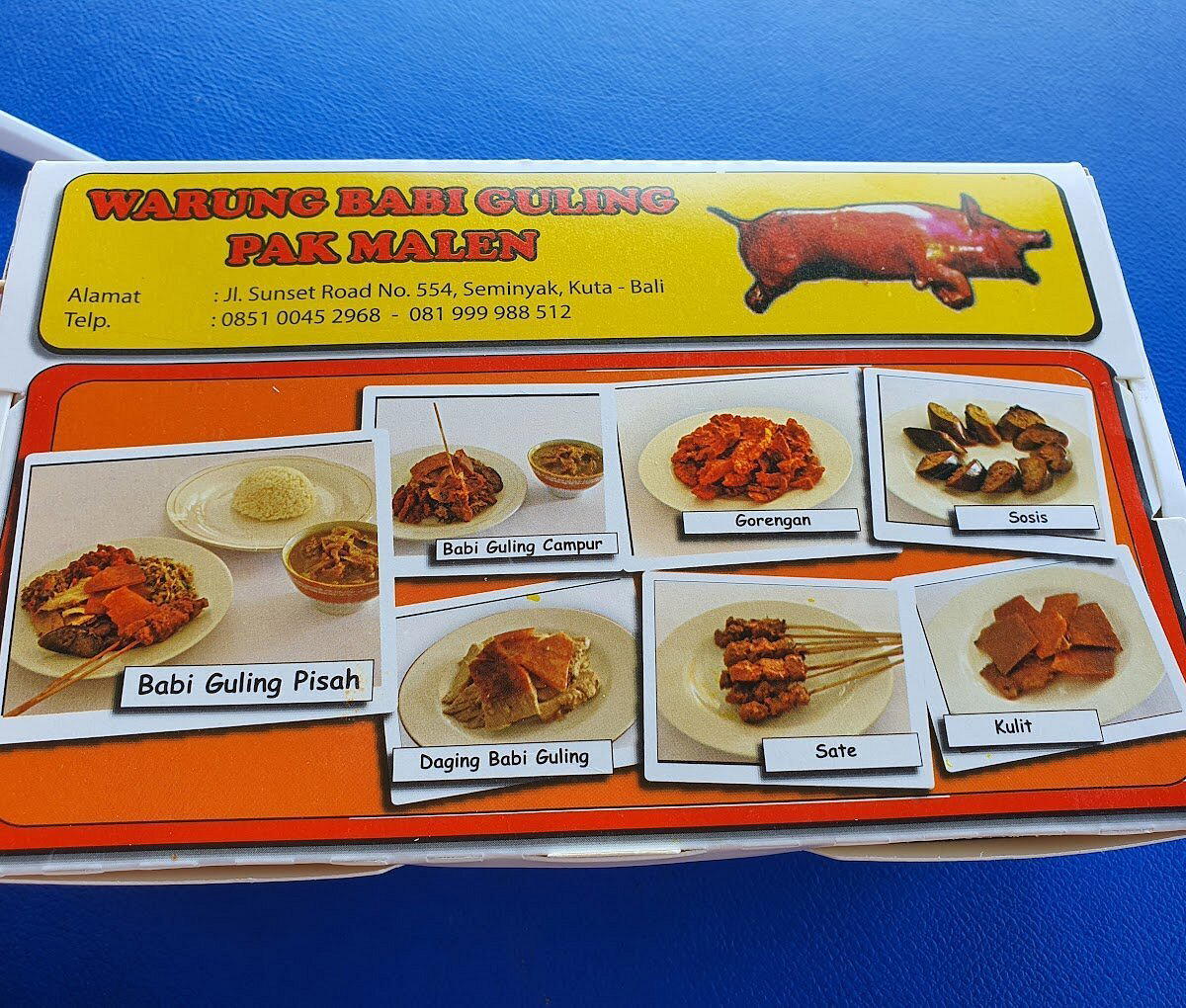
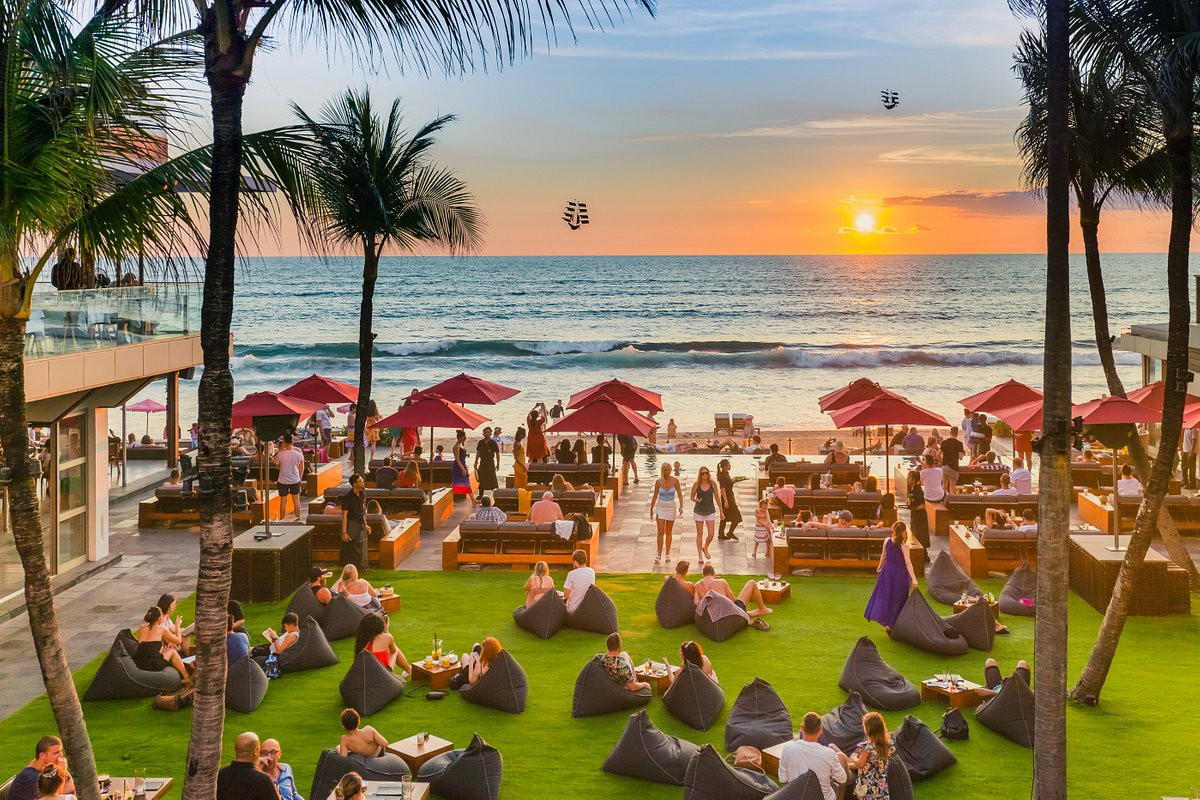
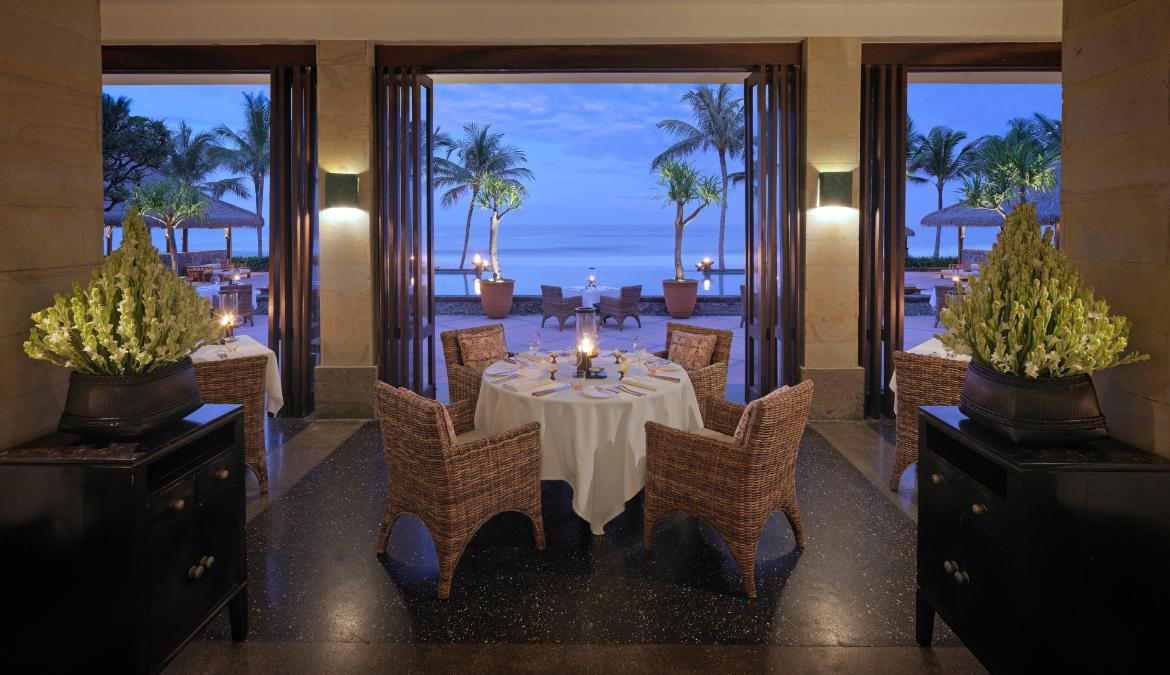
Bars in Nusa Dua
All bars in Nusa Dua →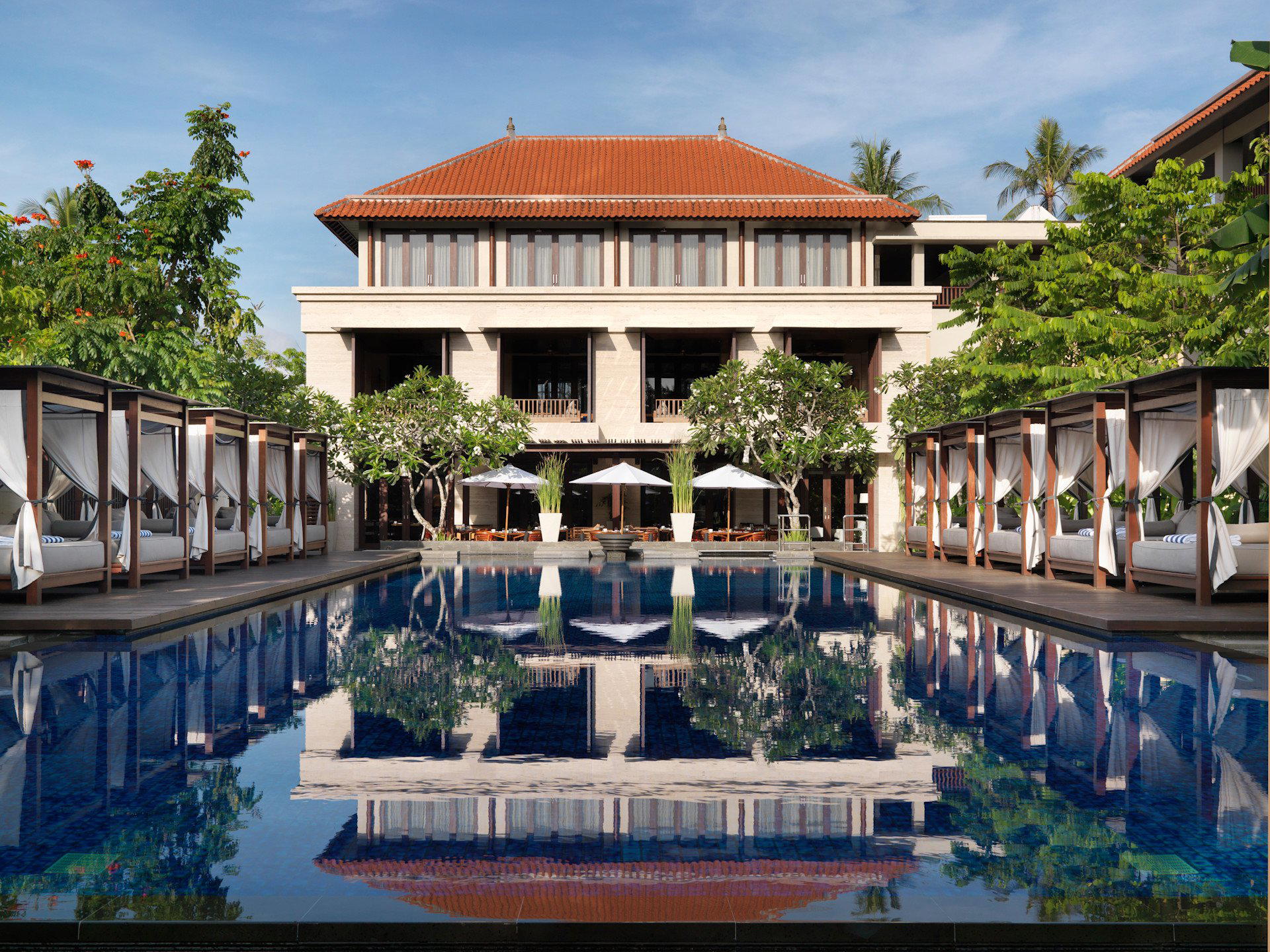
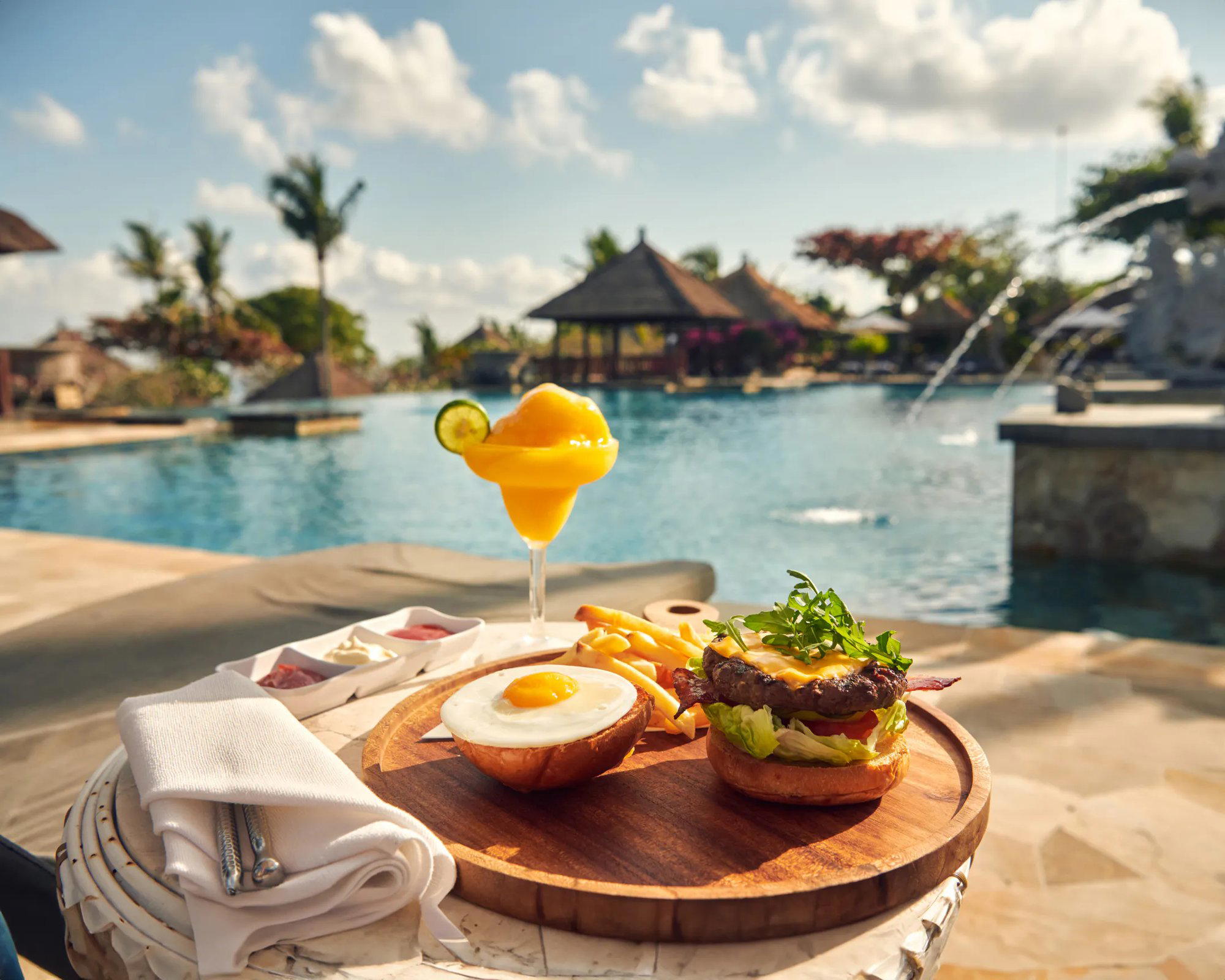
Details
- Elegant
- Sophisticated
- Scenic
- Modern
- Ornate
- Special Occasion
- Celebration
- After Work
- Casual Hangout
- Date Night
- Solo
- Waterfront
- Design Destination
- Hotel Restaurant
- Panoramic View
- Extensive Wine List
- Local Sourcing
- Waterfront
- Garden
- A La Carte
- Small Plates
- Set Menu
- Coffee
- Tea
- Wine
Current opening hours
- Monday
- 8 AM–10 PM
- Tuesday
- 8 AM–10 PM
- Wednesday
- 8 AM–10 PM
- Thursday
- 8 AM–10 PM
- Friday
- 8 AM–10 PM
- Saturday
- 8 AM–10 PM
- Sunday
- 8 AM–10 PM
Hours can change for holidays and private events. Hours as of .
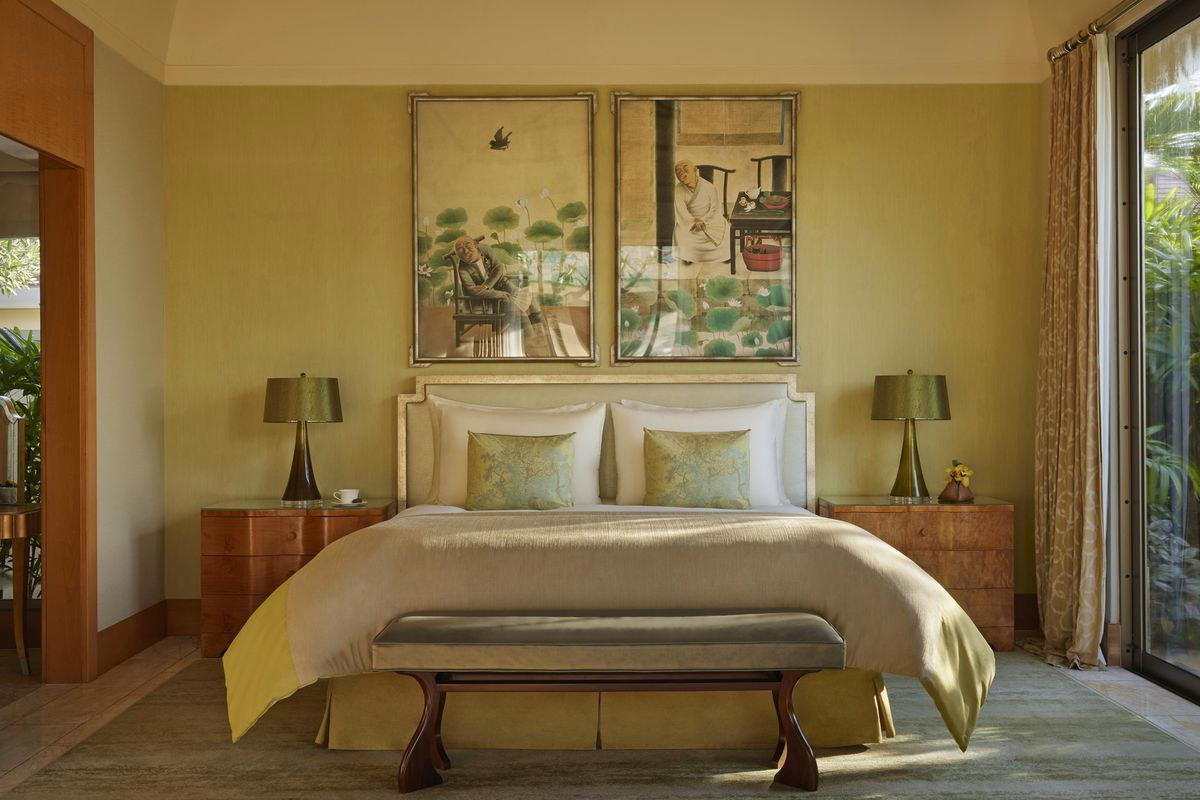
Refined and boutique-like with grand, elegant interiors, display counters of artisanal cakes and pastries, and a calm, luxurious resort atmosphere suited to leisurely afternoon tea and special-occasion desserts.