Camélia



LA Times 101 Best Restaurants #20 · Bon Appétit The 20 Best New Restaurants #14 · Esquire Best New Restaurants #4
Our verdict
Ranked #46 on the LA Times 101 Best Restaurants 2024 and #4 on Esquire's Best New Restaurants list, Camélia brings French-Japanese cooking to a Midcentury Modern bistro space in the Arts District. Sister to Echo Park's Tsubaki and Ototo, it applies the same community-rooted hospitality to a larger, more ambitious format, with a beverage program that treats sake and wine as equals.

Pearl is the En Primeur Club membership app — saves, bookings, and concierge access live there. Same editors, same standards.
The menu
What to order
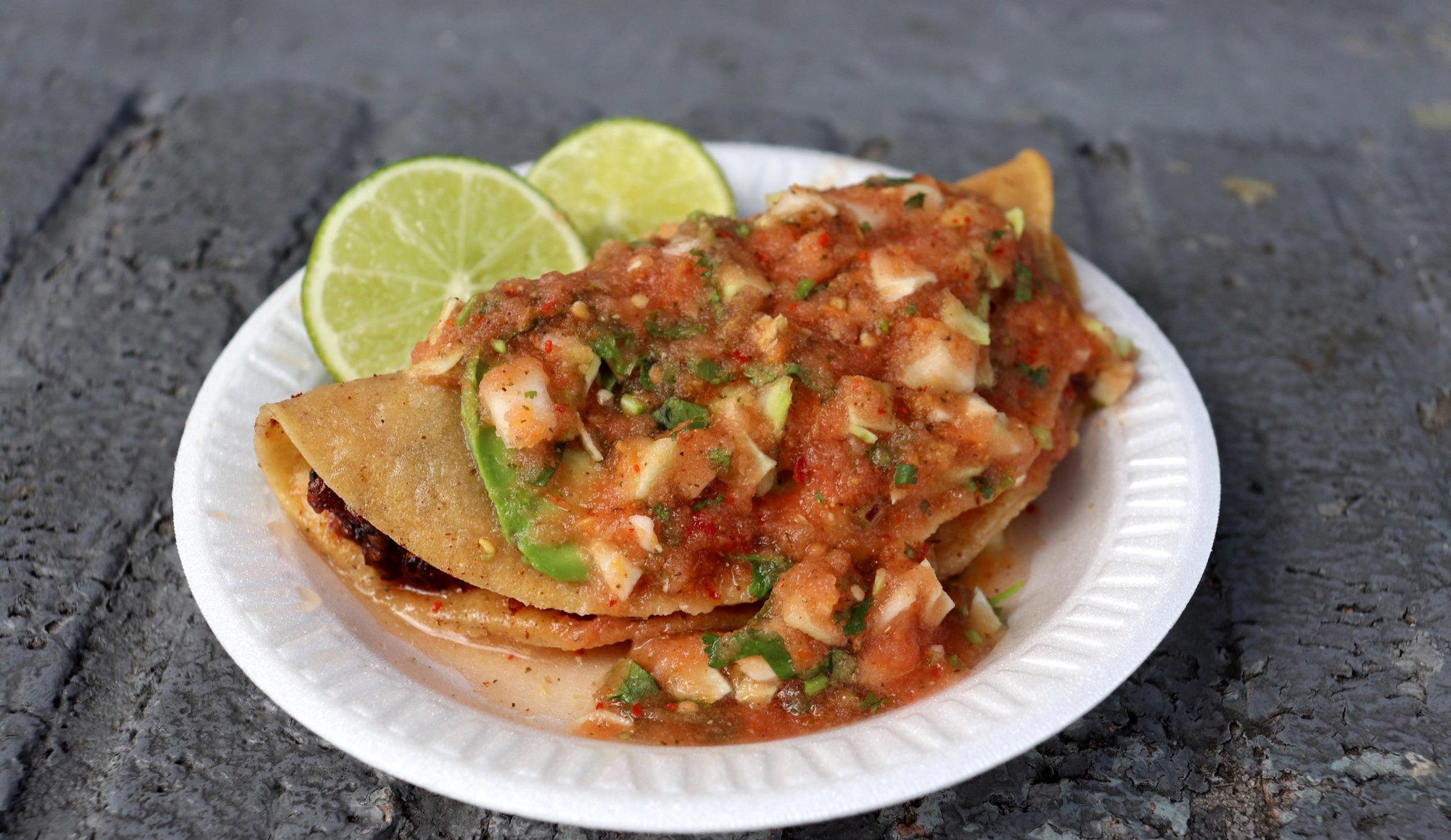
- Croque Madame of ham katsu
- Spaghetti Bolognese à la Japonaise
- Iwashi toast
The Room Sets the Terms
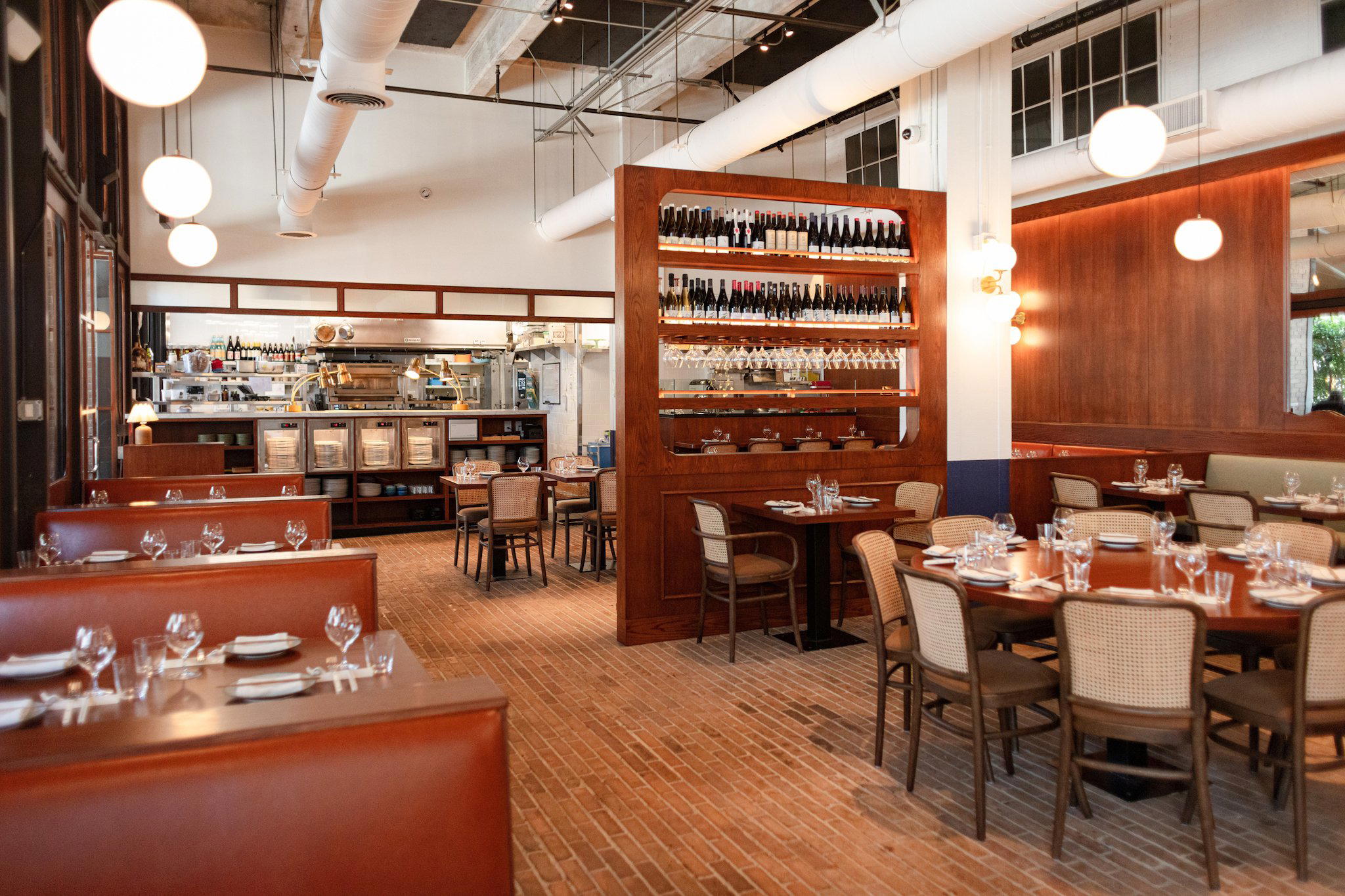
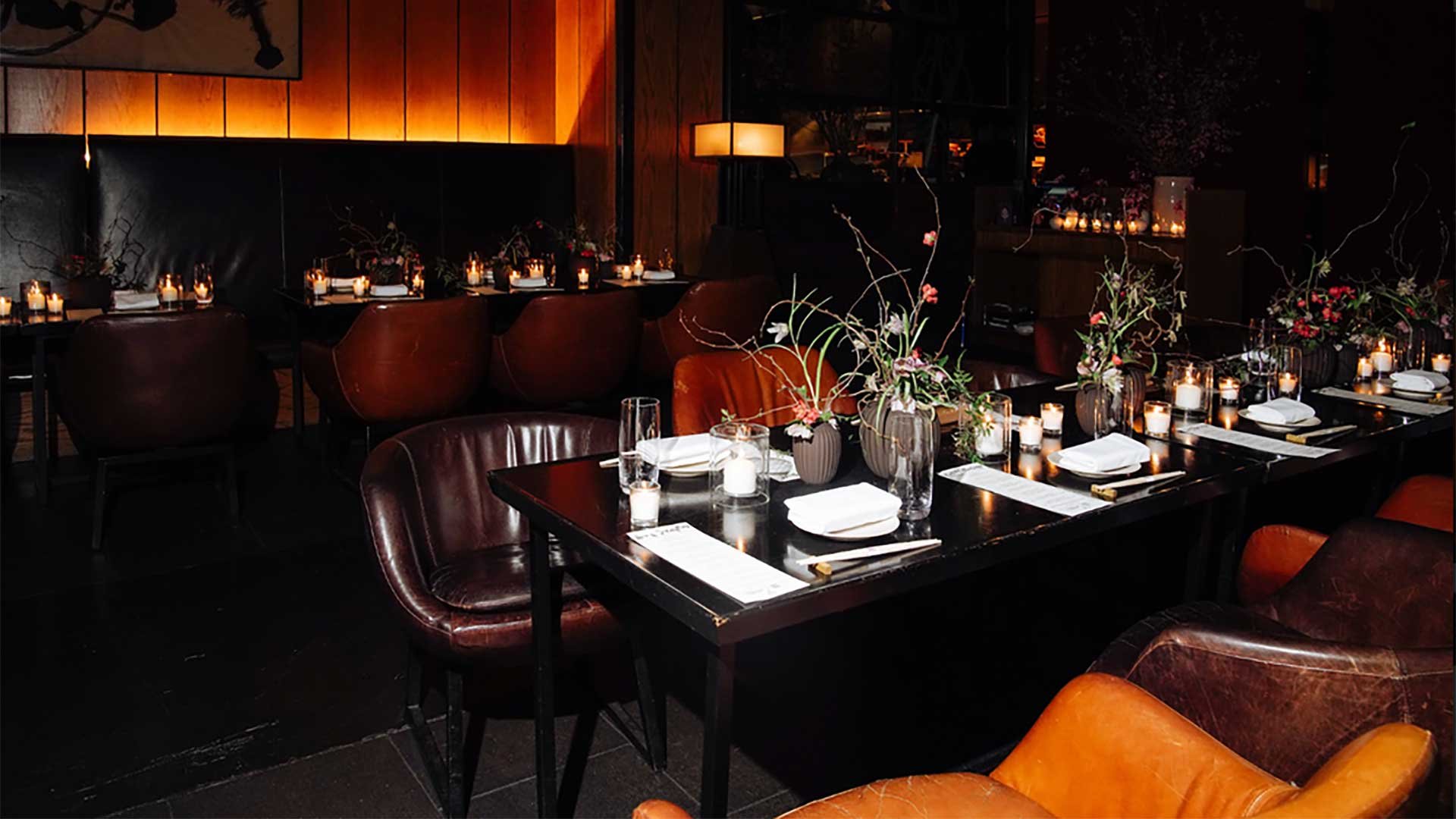
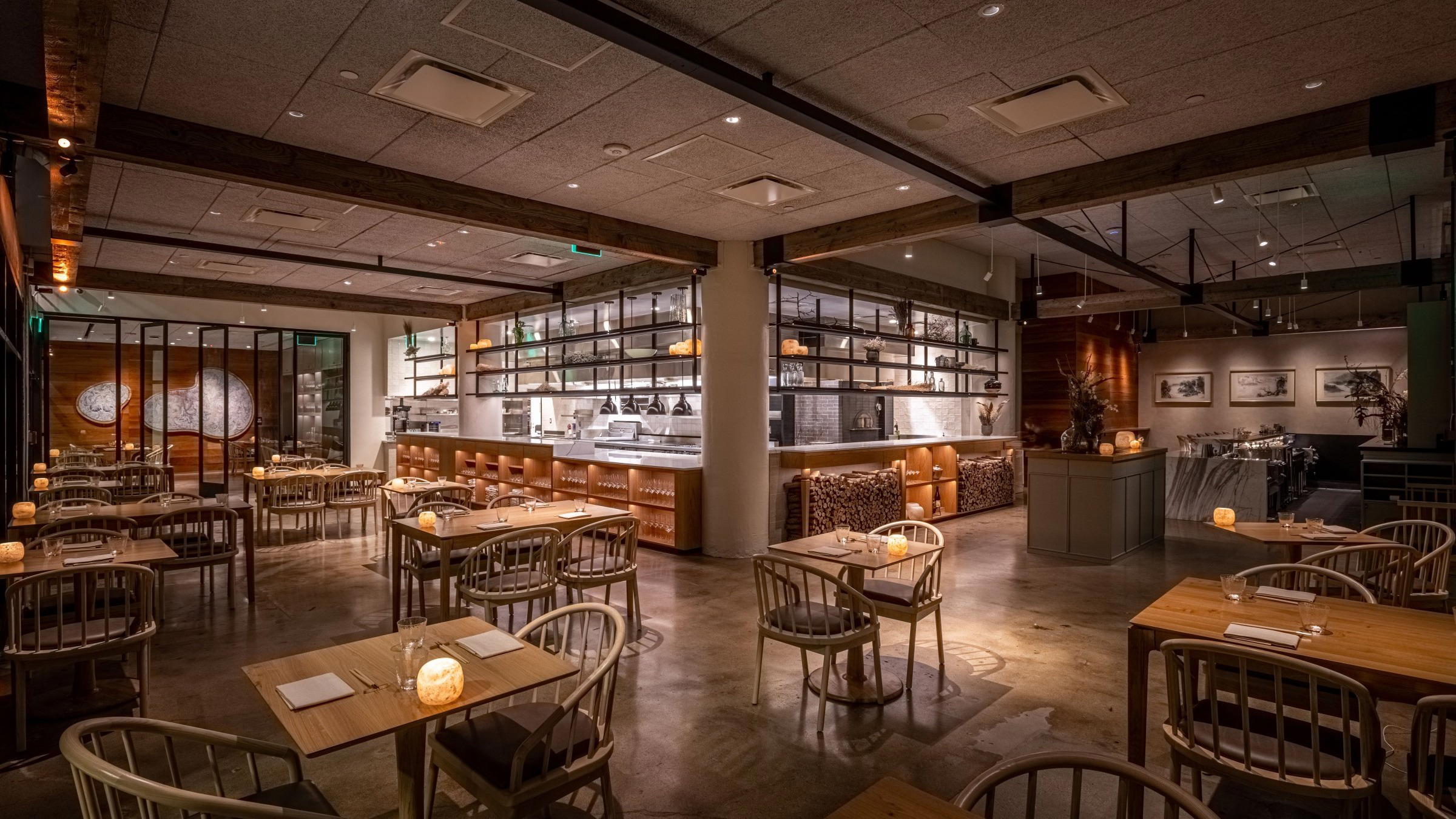
Globe lighting throws a butterscotch wash across grainy wood paneling and brick floors at Camélia, a French-Japanese bistro occupying a lofty former industrial space on North State Street in the Arts District of Downtown Los Angeles. The address has history: Church & State, the French brasserie that held that corner for years, once defined what a serious downtown restaurant could be in a neighbourhood still finding its footing. Camélia arrived in July 2024 into that same space, stripped of its predecessor's Parisian posturing and rebuilt into something warmer, more self-assured, and harder to categorise.
The Midcentury Modern aesthetic is deliberate rather than decorative. It signals a bistro at ease with itself, one that doesn't need to announce its ambitions through design excess. For the growing number of regulars who return week after week, the room is part of the pull: comfortable enough to linger, considered enough to feel like a destination.
A Format Rooted in Tokyo, Tested in Los Angeles
The French-Japanese format has a longer and more coherent tradition than its fusion-era reputation might suggest. Tokyo has sustained a thriving French restaurant culture for decades, with Japanese chefs training in Lyon and Paris before returning to apply rigorous technique to local produce and flavour logic. That back-and-forth has produced a distinct culinary grammar: precision-driven French method applied with restraint, Japanese ingredients used not as accent but as structural ingredient.
In Los Angeles, that grammar has gained serious traction. Kato has made a case for Asian-inflected fine dining at the Michelin level. Hayato, with two Michelin stars, anchors the case for Japanese kaiseki in the city. Camphor, also operating at the Michelin one-star level, works a French-Asian register that overlaps with Camélia's territory.
The approach is dish-by-dish rather than concept-led. Scallops arrive over dashi-lime cream with maitake and king trumpet mushrooms, chestnut-date purée, and Tokyo negi, a composition that threads both cuisines through a single plate without forcing the contrast. For beef cheeks braised in red wine, wasabi replaces horseradish as the palate-sharpening agent, a substitution that is technically precise and quietly revealing about how the kitchen thinks. Elsewhere, a dry-aged cheeseburger with fries appears without modification or apology, because it doesn't need either.
What Keeps Regulars Coming Back
The pull of a restaurant at this level is rarely just the menu. Camélia is the third project from the team behind Tsubaki, the Echo Park izakaya, and Ototo, the sake bar next door, both of which developed reputations as community anchors rather than destination venues. That track record shapes how Camélia operates: it aims to be somewhere people return to rather than something they check off. The regulars here are not chasing novelty. They are working through a beverage list that rewards attention and a menu that has been refining itself month by month since opening.
Beverage program is a significant part of that loyalty. The wine and sake list is written with notes that read less like label copy and more like an ongoing intellectual argument, drawing comparisons between ancient vine viticulture and ancient rice strains, for instance, in a way that makes the list itself worth reading as editorial. For guests who have navigated sake lists that feel like afterthoughts, this approach lands differently. Sake and wine are treated as intellectual equals, each selected with the same scrutiny. Los Angeles has no shortage of restaurants with serious wine programs. A list that handles sake at the same level of depth is a narrower category.
This beverage ambition places Camélia in a different conversation from pure food-destination restaurants like Providence or Somni, where the kitchen is the primary draw. It is closer in spirit to restaurants where the full experience, room, drink, food, and pacing, is constructed as a single argument. Internationally, that integration is a hallmark of places like Le Bernardin in New York City and Single Thread Farm in Healdsburg, where beverage thinking matches kitchen thinking in depth and rigour.
Recognition and Where It Places Camélia
The LA Times ranked Camélia #46 on its 101 Best Restaurants list for 2024, a placement that carries real weight in a city where the competition for those positions includes Osteria Mozza and long-established institutions. Esquire named it the fourth-leading new restaurant in the United States for 2024, a national ranking that positions it against openings across every major American dining city, from San Francisco to Chicago. For a restaurant that opened mid-year and has been, by its own trajectory, still developing, those rankings reflect what critics saw in its first months rather than a settled ceiling.
The comparison set at that level includes restaurants with Michelin stars, multi-year track records, and significantly higher price points. Camélia's position on those lists without the formal fine-dining apparatus, no tasting-menu lock-in, no dress code implied by the space, speaks to something the city's critics responded to: cooking and hospitality that reads as confident rather than calculated.
Planning Your Visit
Camélia is located at 1025 N State Street in the Arts District of Downtown Los Angeles, a neighbourhood that has consolidated its restaurant density over the past decade into one of the more walkable dining corridors in the city. Given its recognition on both the LA Times and Esquire lists within its first year, reservations are worth securing in advance, particularly for weekend evenings. The Arts District sits near the eastern edge of Downtown, accessible by car with street and structure parking nearby, and within reasonable distance of the Metro Gold Line.
For guests building a wider Los Angeles itinerary, our full Los Angeles restaurants guide covers the range from casual neighbourhood dining to Michelin-level tables. For where to stay, the Los Angeles hotels guide maps the city's accommodation options by neighbourhood and tier. The Los Angeles bars guide, wineries guide, and experiences guide round out the planning picture for a longer visit.
Frequently asked questions
What's the signature dish at Camélia?
How hard is it to get a table at Camélia?
What's the defining idea at Camélia?
A Lean Comparison
| Venue | Cuisine | Price | Awards | Notes |
|---|---|---|---|---|
| CaméliaThis venue (the venue you are viewing) | French-Japanese Bistro | $100–150 | LA Times 101 Best Restaurants #20 · Bon Appétit The 20 Best New Restaurants #14 | Not listed |
| Kato | Modern Taiwanese Fine Dining | $300–500 | 2 Michelin Stars · World's 50 Best #49 | New Taiwanese, Asian |
| Hayato | Traditional Japanese Kaiseki | $300–500 | 2 Michelin Stars · La Liste Top Restaurants | Japanese |
| Vespertine | Avant-Garde Tasting Menu | $200–300 | 2 Michelin Stars · La Liste Top Restaurants | Progressive, Contemporary |
| Camphor | Modern French with Southeast Asian influences | $150–200 | Michelin Plate · World Best Burgers World's 101 Best Burgers #15 | French-Asian, French |
| Gwen | Contemporary American Steakhouse | $50–100 | Michelin Plate · Wine Spectator Best of Award of Excellence | New American, Steakhouse |
Recognition history
Dated appearances from independent guides and award organizations, with the underlying list record or original source where available.
Bon Appétit The 20 Best New Restaurants #14
Bon Appétit
LA Times 101 Best Restaurants #20
LA Times
Esquire Best New Restaurants #4
Esquire
Full recognition history (4 entries)
LA Times 101 Best Restaurants #46
LA Times
Continue exploring
More in Los Angeles
Restaurants in Los Angeles
All restaurants in Los Angeles →
Bars in Los Angeles
All bars in Los Angeles →
Hotels in Los Angeles
All hotels in Los Angeles →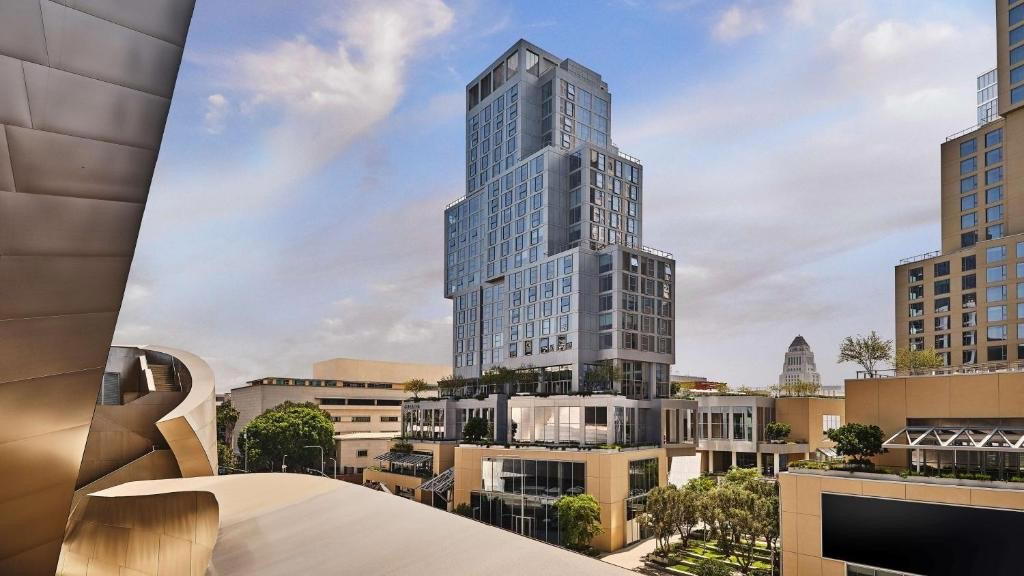
Wineries in Los Angeles
All wineries in Los Angeles →
Camélia
The wine
- Wine program
- Curated wine list
- Extensive wine list
- Sake program
- Craft cocktails
Details
- Sophisticated
- Elegant
- Modern
- Trendy
- Date Night
- Special Occasion
- Business Dinner
- Open Kitchen
- Craft Cocktails
- Sake Program
- Extensive Wine List
- Local Sourcing
- A La Carte
- Small Plates
- Cocktails
- Sake
- Wine
- Vegetarian Friendly
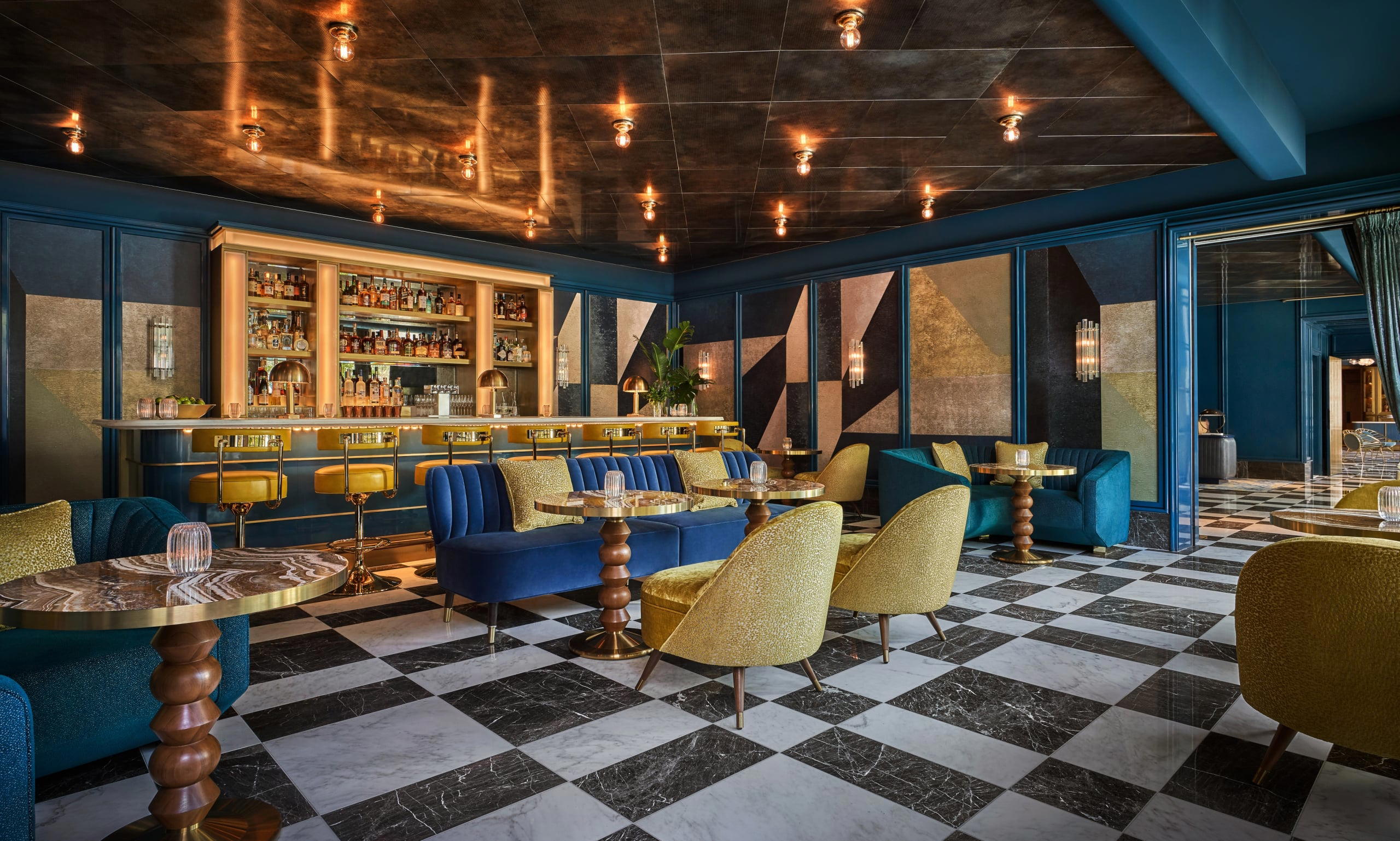
Sultry glow from orb lights and smoky caramel lighting, Midcentury Modern interior with wood paneling, red leather booths, pale green banquettes, and high-energy brasserie charm.