Calvert’s
Our verdict
Calvert’s sits on Central Park South, where Midtown dining is shaped by hotel traffic, pre-theatre timing, park-facing rooms, and visitors who expect polished service without a long commute downtown. With no public awards, chef, cuisine, pricing, or booking format attached, it is better read through its location: a restaurant in one of New York’s highest-pressure hospitality corridors.

Pearl is the En Primeur Club membership app, where members save venues, book tables and use the concierge.
The menu
What to order
- Oysters
- Pasta dishes
- Shrimp cocktail
- Steak tartare
- Grilled octopus salad
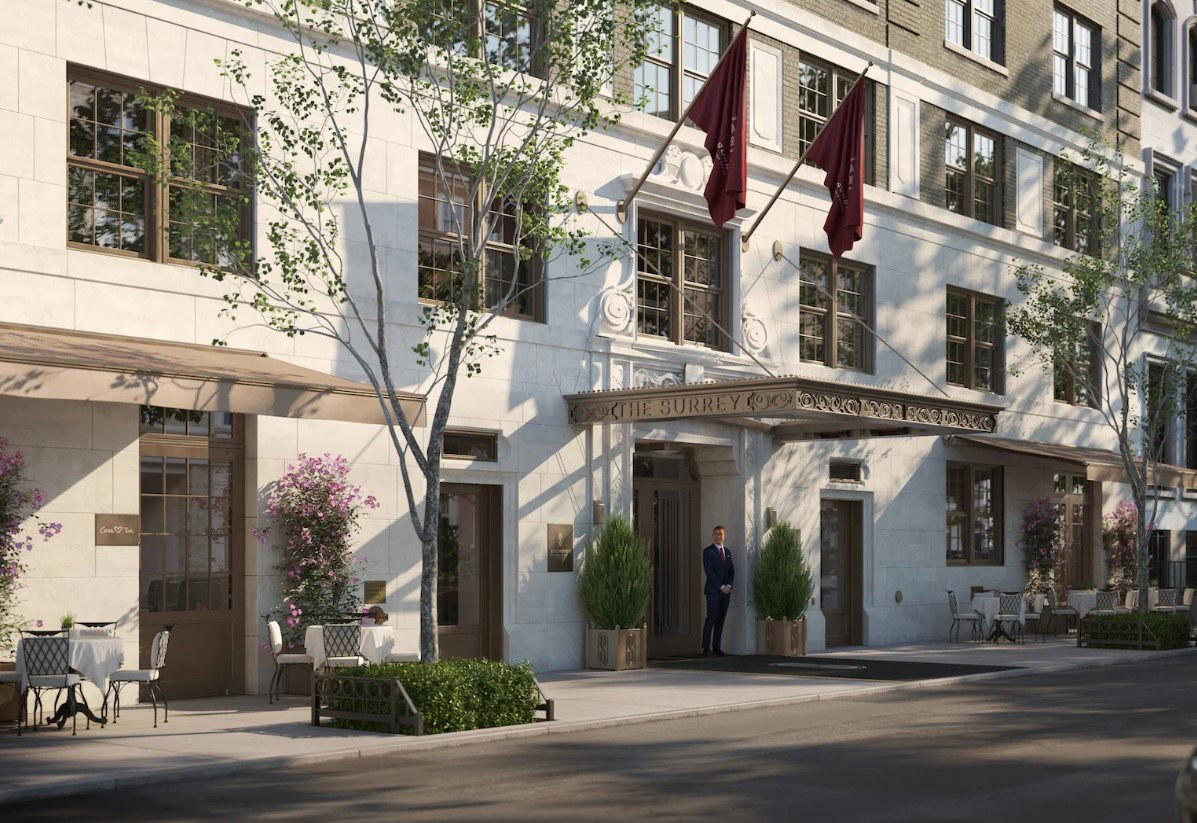
New York City changes the temperature of a dining room before a menu appears. The approach is all polished façades, hotel doors, black cars, culture-bound families, and the clipped rhythm of city service. Calvert’s belongs to that environment, where restaurants do not operate only as places to eat; they absorb visitors, hotel guests, business lunches, post-shopping dinners, and the occasional New Yorker using the city as neutral ground between plans.
That context matters more than any unsupported claim about a signature dish or chef-driven mythology. New York has several restaurant cities inside the same borough, and a broadly useful dining room is not the same culture as a niche counter or a neighborhood-only hangout. The city prizes legibility: rooms that can handle mixed parties, menus that do not require a lecture, and service pacing that respects theatre tickets, airport cars, and children staying nearby. Calvert’s should be judged against that New York City hospitality brief rather than against tasting-menu counters or downtown natural-wine rooms.
New York City dining is built around access, not subculture
The restaurants in this part of the city sit at the meeting point of tourism, hotels, office life, and old New York rituals. Nearby names such as Rose Lane, Sarabeth's Central Park South, Beautique, and Quality Meats show the range: hotel-adjacent rooms, brunch institutions, polished social dining, and steakhouse certainty. Calvert’s enters a competitive set where the first question is rarely culinary ideology. The sharper question is whether the room can meet the needs of a group that may include a museum visitor, a client, a grandparent, and a teenager in the same reservation.
This is a distinct cultural role in New York dining. Some restaurants sell identity: a chef’s regional obsession, a genre-specific counter, a wine list with an argument. This kind of New York City restaurant sells coordination. Its dining value lies in being easy to place within a busy day, which makes it useful for travellers who want dinner without adding unnecessary transfers or extra logistics after a long schedule. That utility is not a minor virtue in New York City; it is one of the reasons polished, accessible dining rooms keep filling tables even as trend attention moves elsewhere.
For readers comparing New York dining zones, the distinction is clear. A meal at a format-specific counter belongs to a more tightly defined culinary conversation. Other neighborhood restaurants point toward eating with clearer cuisine signals, while specialist rooms narrow the lens further through a single format. Calvert’s, by contrast, sits in a part of the city where flexibility is often the product.
When a restaurant does not publicly lead with a tightly defined cuisine type, the editorial read should be cautious. In New York, that can mean several things: a broad menu built for wide appeal, a contemporary dining room, or a venue whose identity is carried more by location and service than by a single culinary tradition. None of those categories is inherently weak. In New York City, a broad-format restaurant can be more useful than a concept with a narrow point of view, especially when the table includes different ages, dietary needs, or schedules.
The cultural roots here are less about one cuisine than about the New York all-day hospitality model: the kind of restaurant that has to make sense before an appointment, after a day out, or during a business trip where nobody wants to gamble on a long tasting menu. That tradition is easy to underrate because it is not fashionable in the way small-counter dining is fashionable. Yet it remains central to how visitors experience New York City. A city’s restaurant culture is not only written by chefs with manifestos; it is also written by rooms that make dinner possible in the middle of a compressed itinerary.
That makes Calvert’s a planning choice rather than a pilgrimage choice. Readers seeking an award-led reservation should look elsewhere in the city guide and filter by documented recognition. Readers seeking a chef-specific narrative should do the same. The available facts point instead to a New York City restaurant whose relevance comes from geography and category: a dining room in New York City where convenience, composure, and broad usability carry real weight.
How to place it in a New York itinerary
Calvert’s makes the most sense when the day is already anchored in New York City. Pairing dinner here with a hotel stay, shopping, meetings, or other city plans is the cleanest use case. It is less compelling as a cross-city detour for readers chasing a cuisine-specific destination; New York has deeper specialists in nearly every category, from sushi and sake to regional cooking, Italian, and plant-based dining.
For a wider city scan, use Our full New York City restaurants guide alongside Our full New York City hotels guide, Our full New York City bars guide, Our full New York City wineries guide, and Our full New York City experiences guide. Those lists help separate a convenient New York City meal from a night built around a specific culinary thesis.
Travellers building a broader food itinerary can also compare category signals across cities: sake-led drinking rooms, focused counter formats, regional restaurants, plant-based specialists, and tightly defined destination concepts. Against those sharper formats, Calvert’s reads as a New York City location play: useful, composed, and shaped by the social mechanics of dining in New York City.
Frequently asked questions
Where is Calvert’s located?
Calvert’s is located in New York City.
Can I walk in to Calvert’s?
Calvert’s is in New York City. Walk-in chances are best judged on arrival, since those details are not published. Check the venue's official channels for the latest details.
What's the signature at Calvert’s?
No signature dish is identified in the public record for Calvert’s. The clearest fixed point is New York City, which is useful when placing it in a city dining plan. Check the venue's official channels for the latest details.
Do they accommodate allergies at Calvert’s?
Those details are not published. At a New York City restaurant such as Calvert’s, allergy requests are usually handled directly by the restaurant team when the guest raises them on site. Check the venue's official channels for the latest details.
Is Calvert’s a family-friendly restaurant?
Calvert’s is identified only as a New York City restaurant, so those details are not published. Families are a normal part of the dining mix in many city restaurants. Check the venue's official channels for the latest details.
Budget Reality Check
Comparable venues by cuisine and price in the same metro.
| Venue | Cuisine | Price | Awards |
|---|---|---|---|
| Calvert’sThis venue (the venue you are viewing) | Modern American with contemporary classics | Not listed | Not listed |
| Rose Lane | Breakfast Cafe and Cocktail Bar | $10–20 | Not listed |
| Sarabeth's Central Park South | Not listed | $30–50 | Not listed |
| Nasrin's Kitchen | Authentic Homestyle Persian | $30–50 | Not listed |
| Quality Meats | Premium American Steakhouse | $150–200 | World's Best Wine Lists Awards WBWL 3-Star |
| Beautique | Modern American Fine Dining | $50–100 | Not listed |
Continue exploring
More in New York City
Restaurants in New York City
All restaurants in New York City →
Bars in New York City
All bars in New York City →





Details
- Elegant
- Sophisticated
- Scenic
- Modern
- Romantic
- Date Night
- Business Dinner
- Group Dining
- Celebration
- After Work
- Private Event
- Rooftop
- Panoramic View
- Design Destination
- Hotel Restaurant
- Craft Cocktails
- Skyline
- Garden
- Street Scene
- A La Carte
- Cocktails
- Wine
- Beer
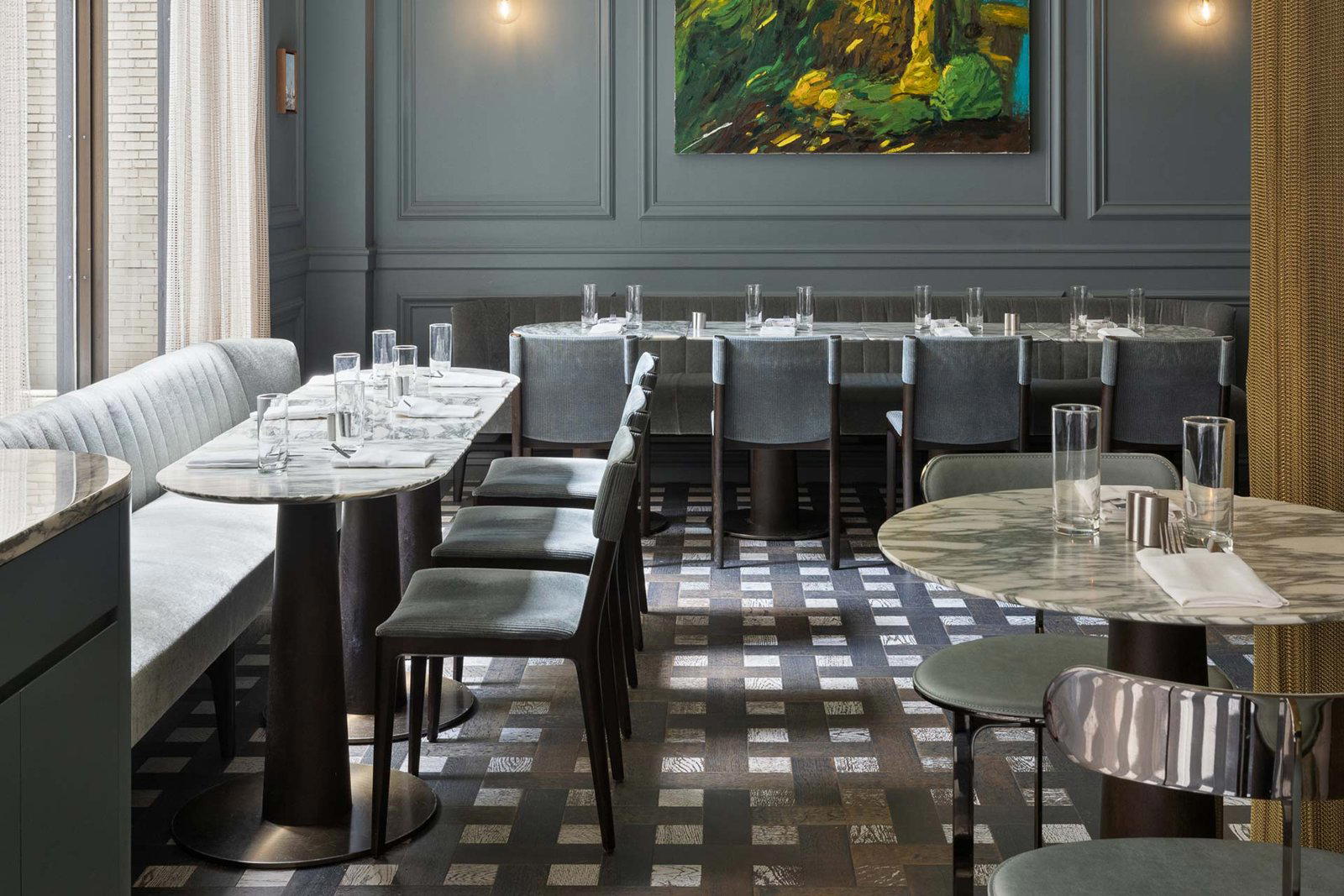
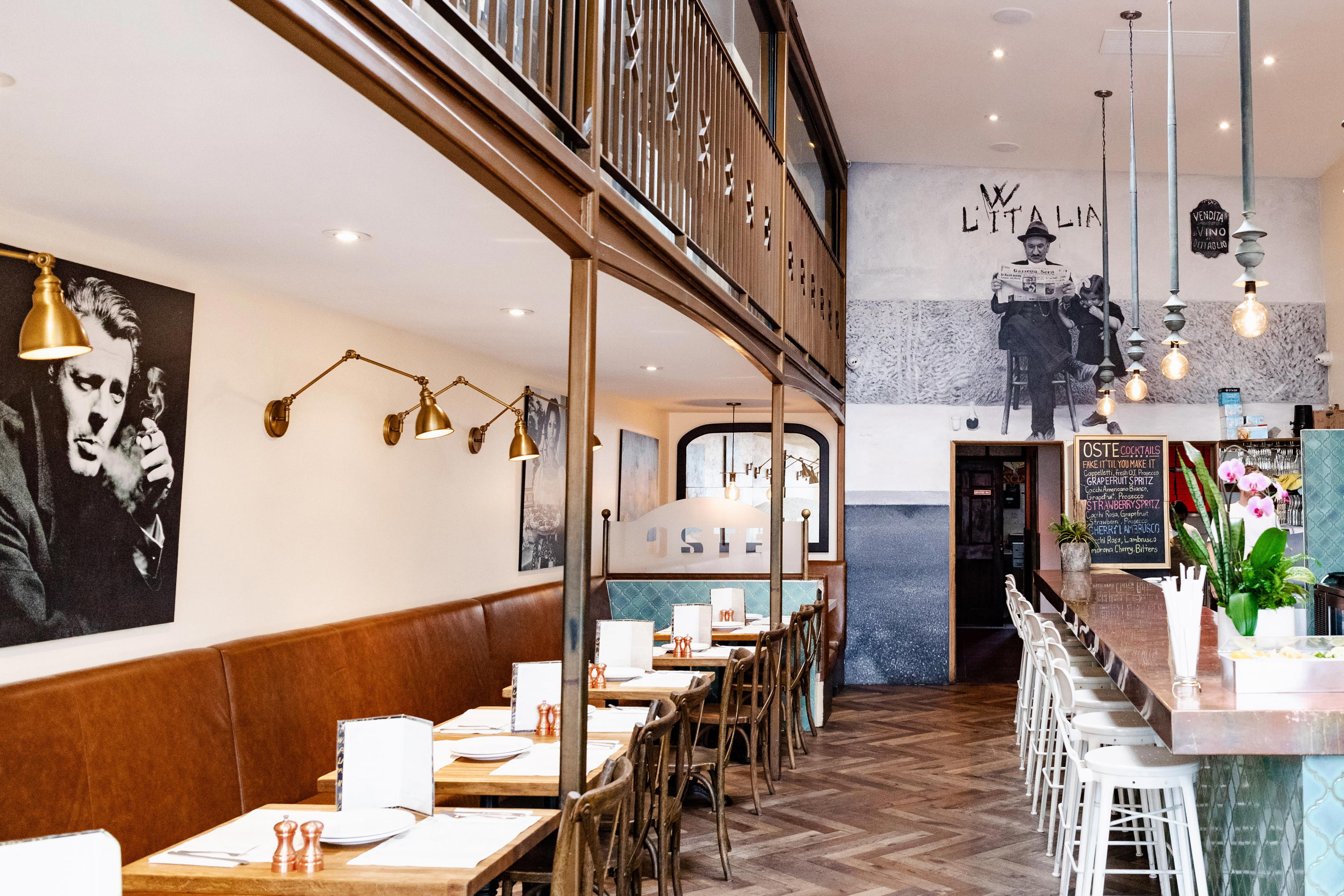
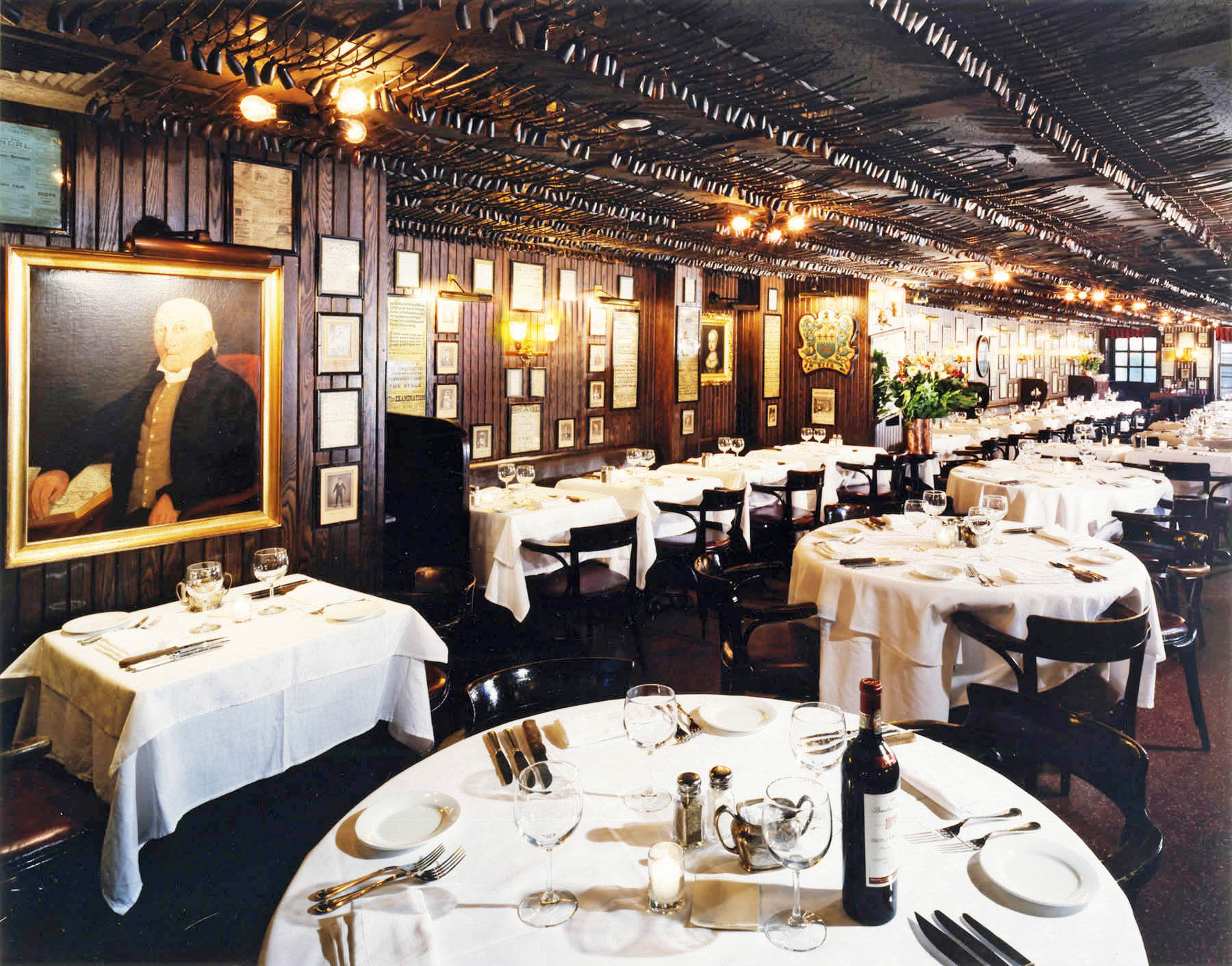
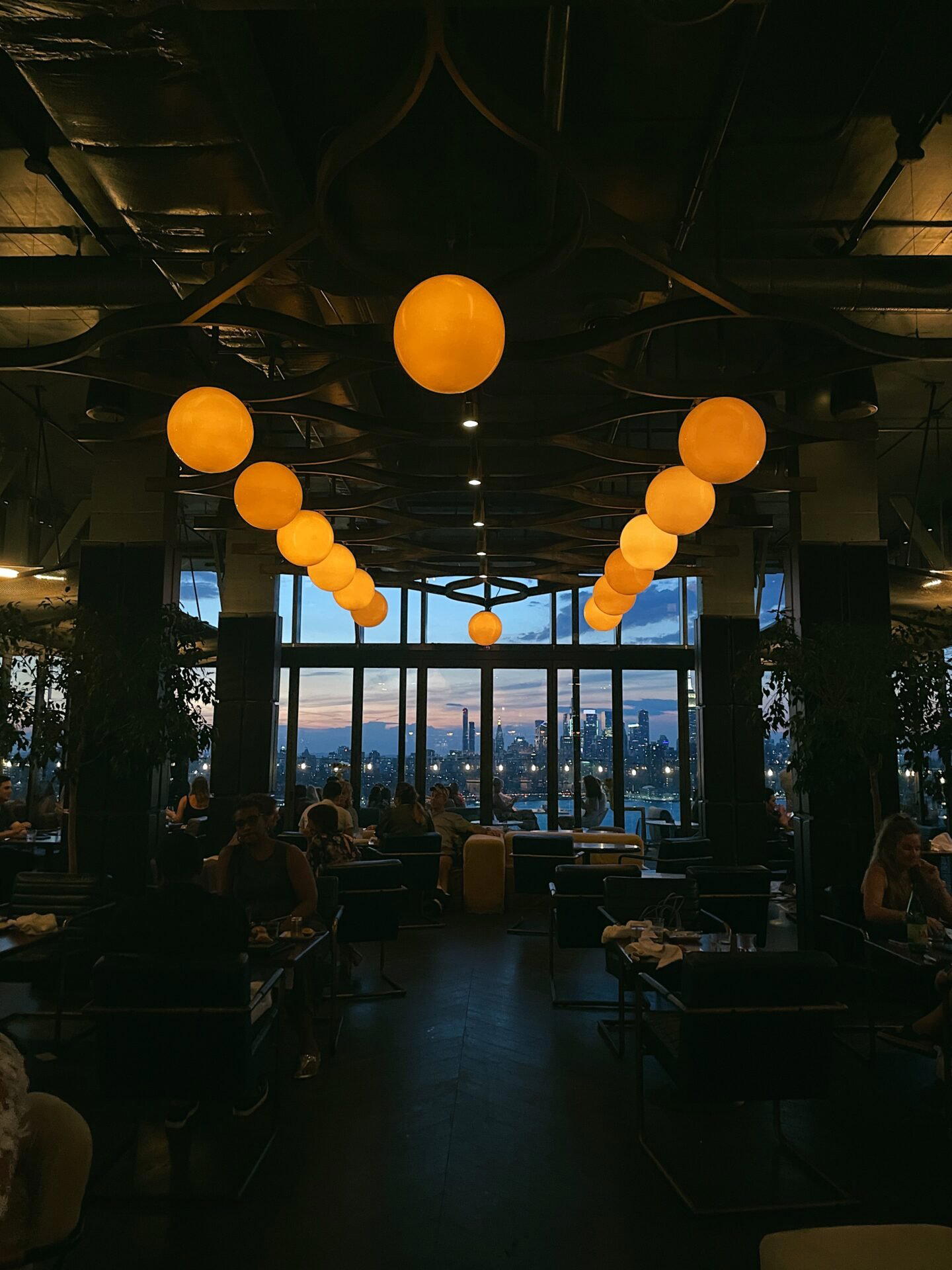
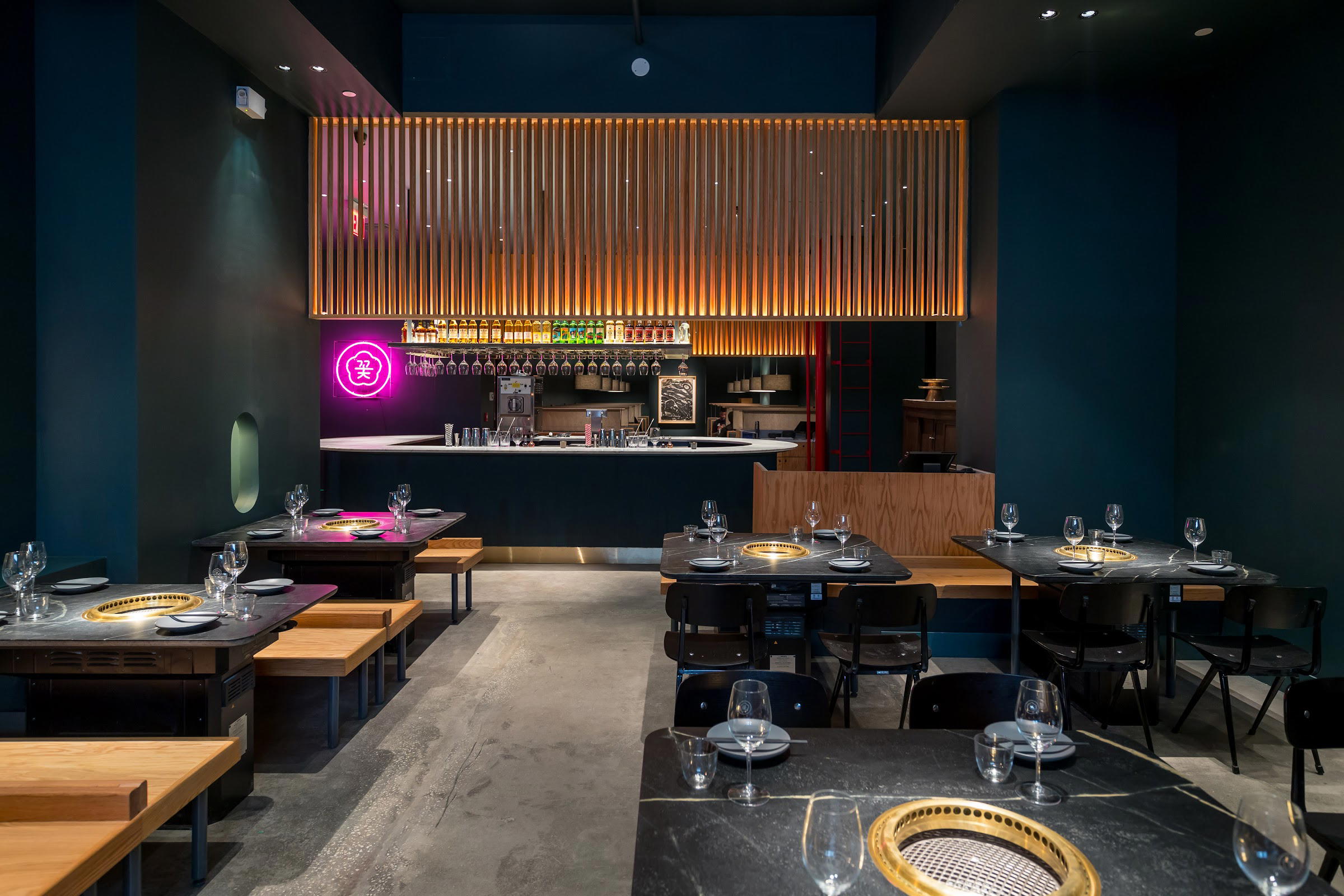
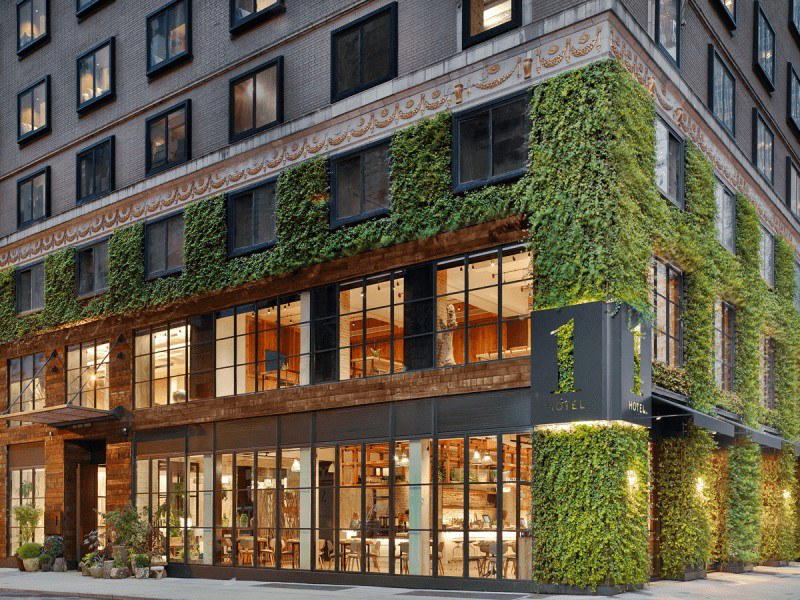
Refined and elegant with a contemplative, park-inspired atmosphere, combining modern hotel polish with a calm, sophisticated dining room suited to lingering over polished classics and cocktails.