Ca'Lucchenzo

Ca'Lucchenzo occupies a address on West North Avenue in Wauwatosa, Wisconsin, placing it within a Milwaukee-area dining corridor that has quietly accumulated serious Italian-leaning options over the past decade. The name signals Italian provenance, and the restaurant sits among a comparable set that includes neighborhood trattorias and more ambitious enoteca-style operations. Practical details including hours and booking method are best confirmed directly with the venue.
Pearl is the En Primeur Club membership app — saves, bookings, and concierge access live there. Same editors, same standards.
- Address
- 6030 W North Ave, Wauwatosa, WI 53213
- Phone
- +14143128968
- Website
- calucchenzo.com
- Directions
- Get directions
 Saves & bookings on Pearl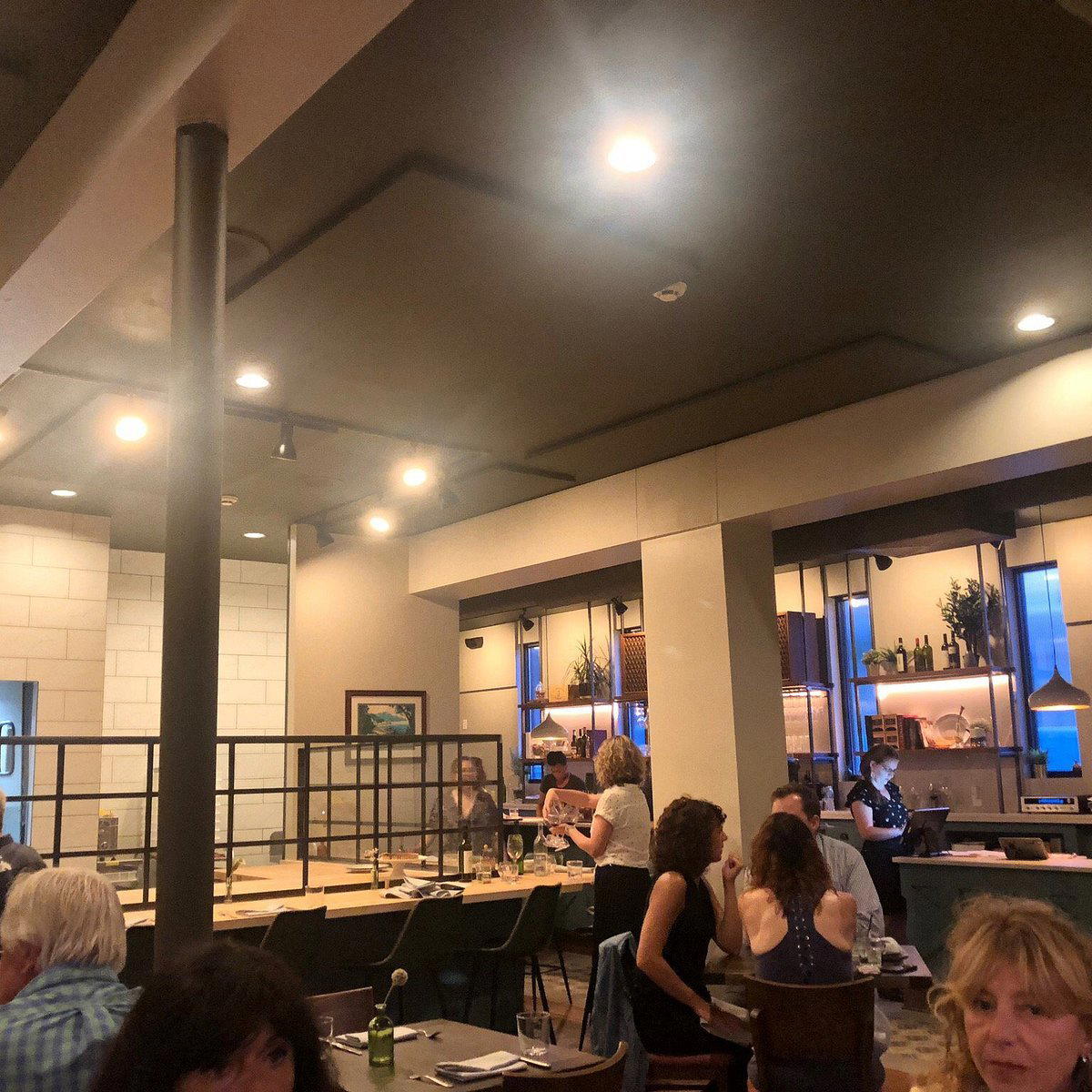
West North Avenue and What It Says About Italian Dining in Wauwatosa
West North Avenue in Wauwatosa is not a street that announces itself. It moves through a residential-commercial seam that defines much of Milwaukee's inner-ring suburbs: practical storefronts, older brick facades, and the occasional restaurant that earns its following through consistency rather than spectacle. Ca'Lucchenzo is an Authentic Italian Pastificio at 6030 W North Ave in Wauwatosa, Wisconsin. The name itself does some cultural work before you walk through the door. The Ca' prefix is Venetian dialect for casa or house, a shorthand used across northern Italian addresses and osterie to signal domestic warmth rather than formal occasion. In Venice and the Veneto, you find it attached to everything from Renaissance palazzi to corner wine bars. On a Wisconsin avenue, it carries a quieter ambition: the suggestion of a specific regional Italian identity rather than the generalised red-sauce canon that still dominates much of American Italian dining.
That distinction matters in a city like Wauwatosa, where the Italian dining options range from long-established neighborhood fixtures to more wine-forward formats. Balistreri's Italian Ristorante represents the multigenerational family-restaurant model that Milwaukee built its Italian dining reputation on. Il Mito Enoteca operates closer to the enoteca format, where the wine list shapes the menu logic as much as the kitchen does. Ca'Lucchenzo occupies a different position in that comparable set, though
Italian Regional Identity and Why It Matters Here
American Italian cuisine has spent the better part of a century collapsing distinctions that Italians themselves consider fundamental. The divide between northern and southern Italian cooking is not merely stylistic; it reflects geography, agricultural history, and centuries of political fragmentation. Northern kitchens, particularly those of Lombardy, Piedmont, and the Veneto, built their traditions around butter, rice, polenta, and freshwater fish. Southern cooking is olive oil, dried pasta, preserved vegetables, and the pantry logic of scarcity. The red-sauce American canon drew disproportionately from Campanian and Sicilian immigration patterns, which is why it reads as southern even when the restaurant is in Wisconsin.
A name invoking Venetian dialect suggests an appetite for the northern register. What the name does, at minimum, is position the restaurant as one that has thought about Italian identity at a more granular level than most. That is not nothing in a market where the word Italian still often means a broad and comfortable amalgam rather than a specific place.
Across the United States, the restaurants that have most successfully made the case for Italian regional specificity tend to cluster in major coastal markets. Frasca Food and Wine in Boulder built its reputation on Friulian cooking with enough conviction that it earned James Beard recognition for the category. Atomix in New York City demonstrates what happens when a restaurant commits to a single regional tradition with sufficient depth to change how diners understand a cuisine. The ambition does not require a coastal zip code, but it does require a kitchen willing to hold a position against the gravitational pull of the familiar.
The Wauwatosa Dining Context
Wauwatosa's dining scene is worth understanding on its own terms rather than as a satellite of Milwaukee. The suburb has developed a corridor of independent restaurants along and near West North Avenue that functions more like a genuine neighborhood dining district than a collection of strip-mall options. Cafe Blue represents the casual daytime end of that range. Ono Kine Grindz brings Hawaiian plate-lunch logic to the mix, a format that has found unexpected traction in Midwestern markets with enough culinary curiosity to support it.
What this variety signals is that Wauwatosa diners are not a homogeneous audience looking for a single type of experience. The corridor supports multiple formats and price registers simultaneously. For a restaurant like Ca'Lucchenzo, that context is useful: there is an existing habit of restaurant-going in the neighborhood, and the competition is diverse enough that Italian regional cooking occupies a relatively distinct position rather than a crowded one. The restaurants doing serious work in the Italian tradition at a national level, from Le Bernardin in New York to Smyth in Chicago, operate at price points and in contexts that are largely inaccessible to a weeknight dinner in a Milwaukee suburb. That gap is exactly where a well-executed neighborhood Italian can build a durable following.
Planning a Visit
The restaurant's address at 6030 W North Ave, Wauwatosa, WI 53213 places it within easy reach of both central Wauwatosa and the broader Milwaukee area. West North Avenue has adequate street parking and sits on bus corridors connecting to the city. Reservations are essential, and the restaurant is open Tuesday through Thursday from 5 to 8 PM, Friday and Saturday from 5 to 8:30 PM, and closed Monday and Sunday. Dress code is smart casual.
Cost and Credentials
Comparable venues nearby, for context on price, style, and recognition.
| Venue | Cuisine | Price | Notes |
|---|---|---|---|
| Ca'LucchenzoThis venue — the venue you are viewing | East Tosa, Authentic Italian Pastificio | $$$ | Not listed |
| Il Mito Enoteca | Wauwatosa, Italian Trattoria e Enoteca | $$ | Not listed |
| Cafe Blue | East Tosa, American Bakery Cafe | $ | Not listed |
| Ono Kine Grindz | Not listed | $$ | Wauwatosa, Authentic Hawaiian Plate Lunches |
| Balistreri's Italian Ristorante | Wauwatosa, Italian-American Ristorante | $$ | Not listed |
| Carnevor | Juneau Town, Modern Steakhouse | $$$$ | Not listed |
Recognition history
Dated appearances from independent guides and award organizations, with the underlying list record or original source where available.
James Beard Award Nominee
James Beard Award
James Beard Award Semi Finalist
James Beard Award
Continue exploring
More in Wauwatosa
Restaurants in Wauwatosa
Browse all →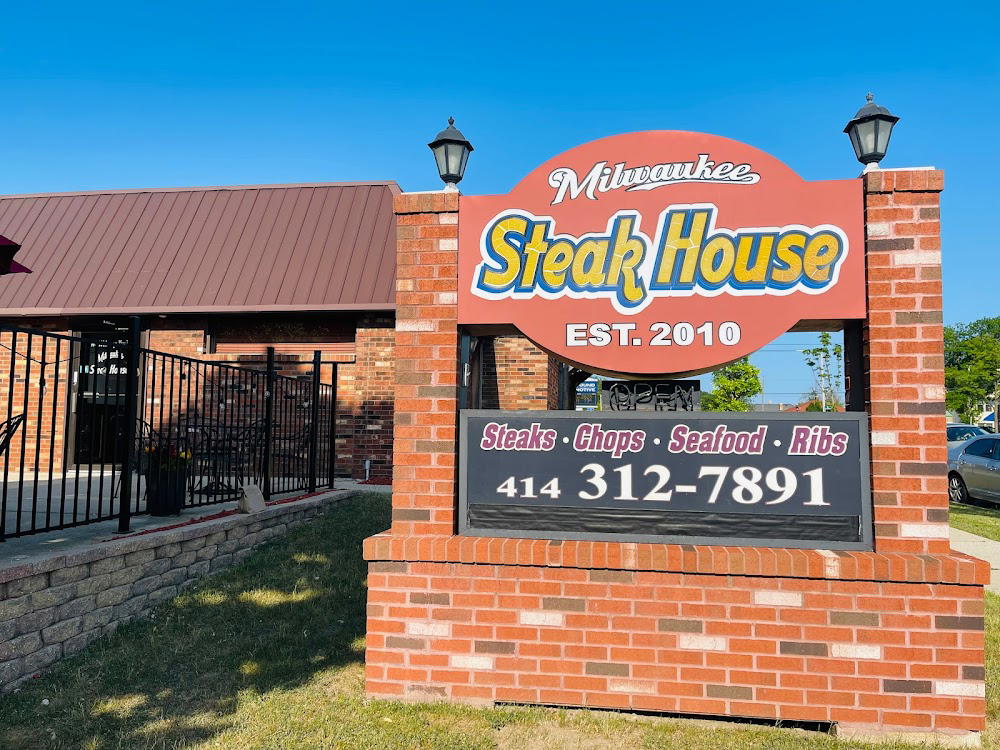
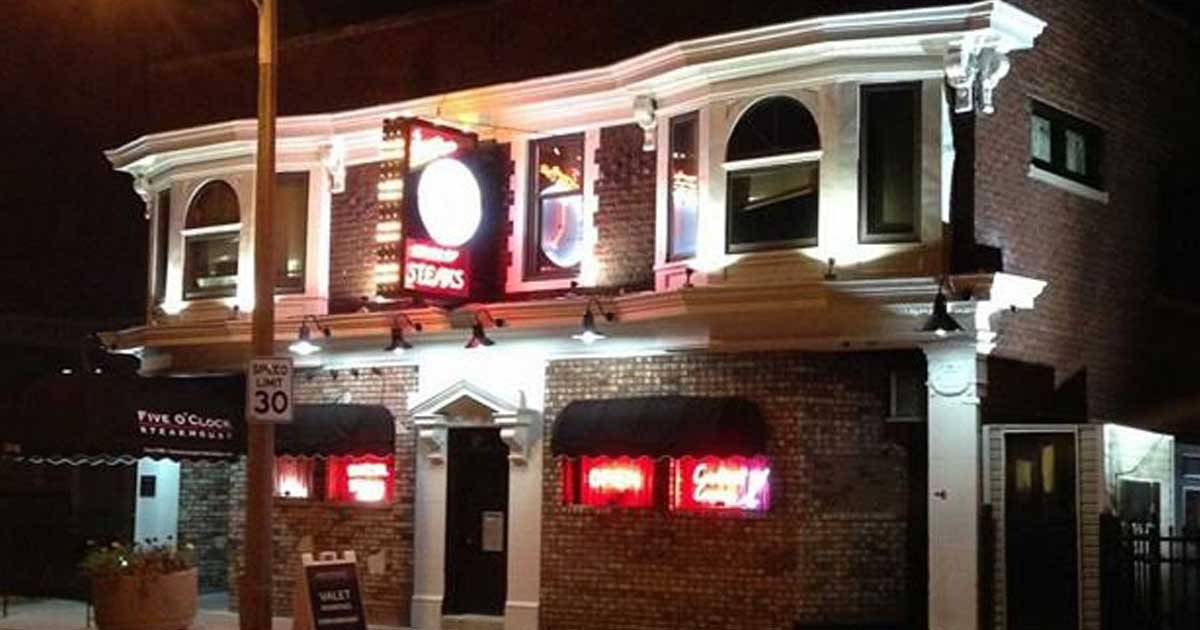
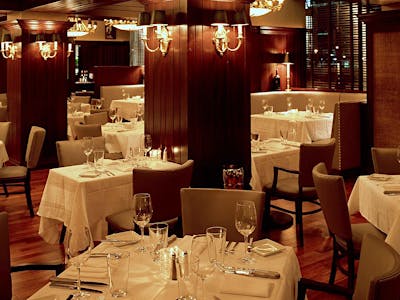
Bars in Wauwatosa
Browse all →
At a Glance
- Cozy
- Elegant
- Intimate
- Sophisticated
- Date Night
- Special Occasion
- Open Kitchen
- Extensive Wine List
Current opening hours
- Monday
- Closed
- Tuesday
- 5–8 PM
- Wednesday
- 5–8 PM
- Thursday
- 5–8 PM
- Friday
- 5–8:30 PM
- Saturday
- 5–8:30 PM
- Sunday
- Closed
Hours can change for holidays and private events. Last verified .
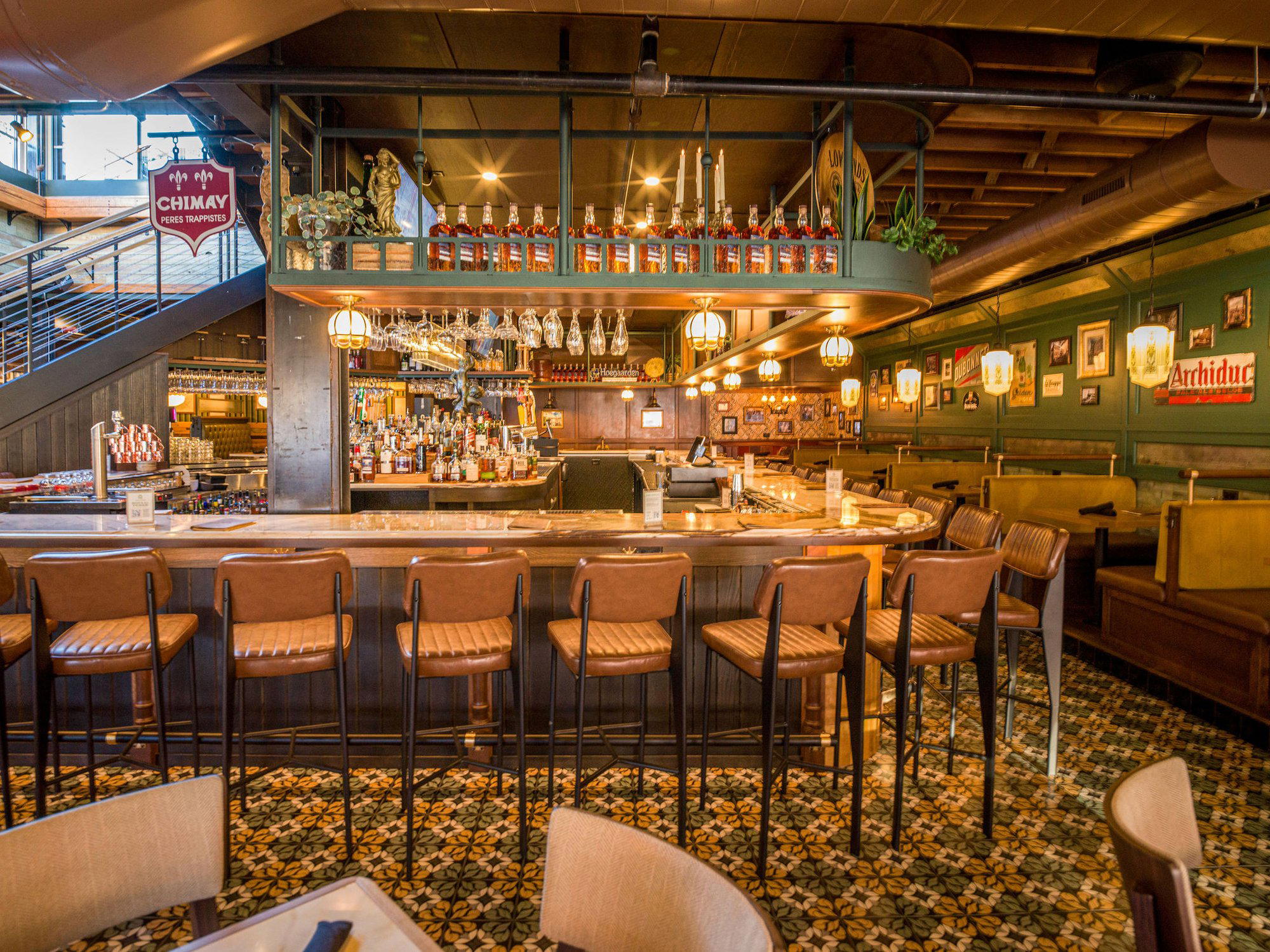
Welcoming and homey atmosphere recreating warm Italian trattorias, with renovated space, attentive hospitality, and dishes presented beautifully.