Café Tropical
Our verdict
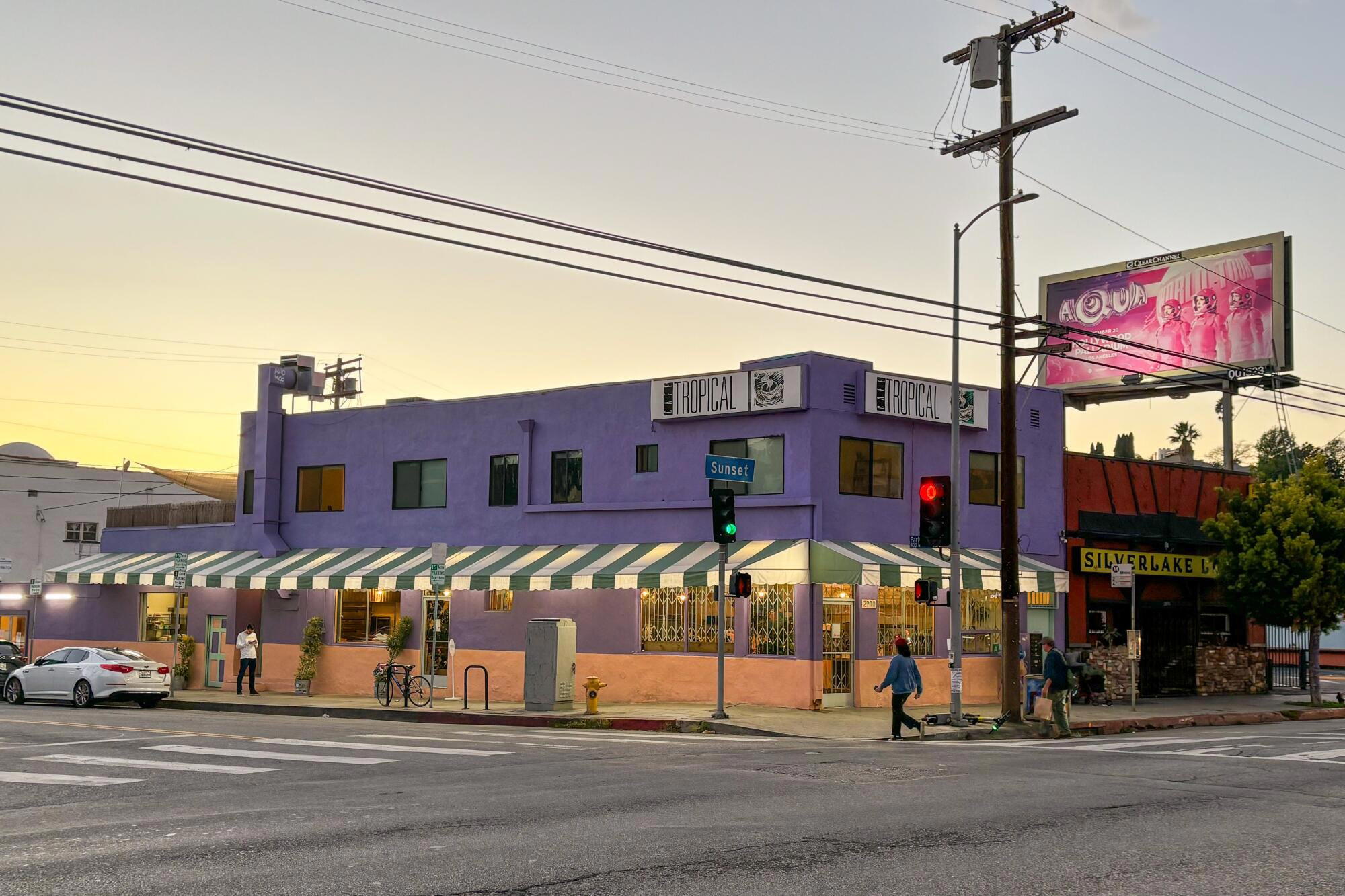
A Silver Lake fixture on Sunset Boulevard, Café Tropical draws a steady crowd to its Cuban-inflected counter-service format and well-worn interior. The café operates at a price point and pace that sits well outside the tasting-menu circuit, making it a useful reference point for understanding how Los Angeles sustains neighbourhood food culture alongside its more decorated dining rooms.

Pearl is the En Primeur Club membership app, where members save venues, book tables and use the concierge.
The menu
What to order
- Guava Cheese Pie
- Cuban Sandwich
- Café Con Leche
- Tropical Fruit Smoothies
Silver Lake's Long Counter and What It Tells You About Los Angeles
Sunset Boulevard in Silver Lake does not read as a dining destination in the way that, say, Melrose or the Arts District does. The strip runs through a neighbourhood that has cycled through bohemian, expensive, and back again, and the food culture along it reflects that layering. Café Tropical, at 2900 Sunset, sits inside that history rather than outside it. The café has been a neighbourhood anchor long enough that it has outlasted several waves of restaurant openings around it, a fact that carries more editorial weight than any single award or accolade.
Los Angeles sustains two largely separate dining economies. One is the tasting-menu and omakase circuit, where venues like Kato, Hayato, and Somni operate at the $$$$ tier with advance booking and focused seasonal menus. The other is the counter-service and neighbourhood-café register, where longevity and regulars matter more than critical validation. Café Tropical operates in the second economy, and understanding what that means for how the menu is structured, and what it asks of the diner, is the more interesting editorial question.
Menu Architecture: The Counter-Service Format as Editorial Statement
Counter-service Cuban-inflected cafés build their menus around a different logic than tasting rooms or chef-driven à la carte restaurants. The structure is additive rather than sequential: pastries alongside coffee, pressed sandwiches alongside fresh juice, breakfast plates available through the afternoon. The menu does not guide you through an arc. It presents options and expects the regular to know what they want. That format rewards repeat visits in a way that a fixed tasting menu cannot, and it explains why neighbourhood cafés of this type tend to accumulate a loyalty that more formally structured restaurants do not.
At Café Tropical, the Cuban bakery tradition underpins the pastry and bread side of the menu. Cuban pastry in Los Angeles occupies a specific and underappreciated niche: the guava-based formats, the flaky empanada-style turnovers, and the pressed bread structures sit at a distance from both the Mexican bakery tradition that dominates much of the city and the European patisserie model that higher-end cafés tend to import. That distinctiveness is menu architecture working at a category level, not just a venue level. The café's position on Sunset makes it a reference point for a style of baking that does not appear with much regularity elsewhere in the Silver Lake corridor.
Coffee service in neighbourhood cafés of this format tends to function as a throughline rather than a centrepiece. The model is not the third-wave single-origin bar; it is the café where coffee is present and consistent enough that the broader experience holds together. That distinction matters for how you plan the visit: Café Tropical is not a destination for the coffee programme in isolation, but the coffee functions correctly within the format it occupies.
Silver Lake as Context: Where the Neighbourhood Café Sits in the City's Food Map
Silver Lake's dining character has always been defined by its resistance to singularity. The neighbourhood does not have a dominant cuisine the way that Koreatown or Little Tokyo does, and it does not have the high-end restaurant concentration of West Hollywood or Santa Monica. What it has is a denser-than-average collection of long-running independent operations that have survived multiple cycles of rent pressure and neighbourhood demographic change. Café Tropical is one of the more visible examples of that pattern.
For visitors building a Los Angeles itinerary that moves across the full price spectrum, the café fits logically as a daytime anchor before or after visits to more formally structured venues. The city's most decorated tables, including Providence and Osteria Mozza, operate in the evening at price points that require advance planning. A morning or afternoon at a neighbourhood counter like Café Tropical is a different mode of engagement with the city's food culture, and not a lesser one. The full Los Angeles restaurants guide covers the range across price tiers and neighbourhoods.
The comparison holds beyond Los Angeles. Counter-service Cuban cafés function as neighbourhood infrastructure in a way that tasting-menu venues, however good, cannot. The same logic applies in other American cities: the long-running neighbourhood spot that feeds regulars through the week occupies a different but equally legitimate place in a city's food story. Visitors who spend time only in the high-end tier of a city's dining scene, whether that is Le Bernardin in New York, The French Laundry in Napa, or Smyth in Chicago, miss the part of a city's food culture that neighbourhood cafés carry.
The Broader American Counter-Service Tradition
Cuban café culture in the United States has a geographic concentration in Miami and parts of New Jersey and New York, with Los Angeles representing a smaller but persistent outpost. The counter-service format, short menus, pressed sandwiches, pastries built around guava and cream cheese, café con leche served in small cups, is one of the more transportable regional American food traditions because it requires relatively little equipment and almost no formal dining infrastructure. That portability has allowed it to survive in neighbourhoods that would not sustain a full-service Cuban restaurant.
Venues at the opposite end of the format spectrum, including destination restaurants like Blue Hill at Stone Barns, Single Thread Farm in Healdsburg, or Addison in San Diego, operate through elaborate tasting structures that require large teams, extended sourcing relationships, and multi-hour dining windows. The neighbourhood café sits at the structural opposite of that model, and the fact that both formats persist and both accumulate loyal followings says something worth noting about how food culture actually organises itself in American cities.
Other American cities offer their own equivalents of the long-running neighbourhood counter: Emeril's in New Orleans represents a different mode of institutional longevity, and venues like Frasca Food and Wine in Boulder or Lazy Bear in San Francisco show how counter and communal formats can scale upward without losing their neighbourhood logic. Café Tropical operates closer to the original end of that spectrum, without the formal dining apparatus that those venues add.
For completeness, the tasting-menu tier extends internationally: Atomix in New York, The Inn at Little Washington, and Atelier Moessmer Norbert Niederkofler in Brunico represent the most formally structured end of the spectrum. Café Tropical does not compete in that register, nor does it need to.
Planning the Visit
Address: 2900 Sunset Blvd, Los Angeles, CA 90026, in the Silver Lake neighbourhood. Format: Counter-service café with Cuban bakery focus. Leading timing: Morning through early afternoon aligns with the pastry-heavy menu structure; the café draws a consistent neighbourhood crowd on weekend mornings. Reservations: Counter-service format; no advance booking required. Price tier: Well below the $$$$ omakase and tasting-menu venues that define Los Angeles's most decorated dining circuit; expect neighbourhood café pricing. Getting there: Street parking on Sunset and surrounding side streets; accessible by the Silver Lake Boulevard corridor from the 101.
Frequently asked questions
What dish is Café Tropical famous for?
Café Tropical is most closely associated with its Cuban pastry programme, particularly the guava-based turnovers and pressed bread formats that anchor the bakery side of the counter. The Cuban pastry tradition it draws from is distinct from both the Mexican bakery formats common across much of Los Angeles and the European patisserie model that appears in higher-end neighbourhood cafés. That specificity is what gives the café its reference-point status on the Silver Lake dining map, even without formal awards or critical accolades attached to individual dishes.
What's the ideal way to book Café Tropical?
No advance booking is required or possible at Café Tropical. The counter-service format means arrival and queue determine your wait, not a reservation system. For context, this places Café Tropical at the opposite end of the Los Angeles booking spectrum from venues like Kato or Hayato, where advance reservations weeks or months out are standard. Weekend mornings on Sunset tend to draw higher foot traffic, so weekday visits or early morning arrivals will involve shorter waits.
What's Café Tropical leading at?
The café's clearest strength is its Cuban bakery output within a neighbourhood counter-service format that has sustained a local following over an extended period. In a city where the high-end dining conversation tends to dominate, Café Tropical holds a different kind of credibility: it functions as neighbourhood infrastructure rather than a destination event, which in Los Angeles's Silver Lake corridor is a more durable position than critical recognition alone provides. For the full range of Los Angeles dining across price tiers, see the EP Club Los Angeles guide.
Is Café Tropical a good option for visitors who want to experience Silver Lake's food culture outside the formal dining circuit?
Yes, and it is one of the more direct entry points into Silver Lake's neighbourhood food culture precisely because it operates outside the tasting-menu and reservation-required structures that define the city's most-covered dining venues. The Cuban counter-service format is rare enough on the Silver Lake stretch of Sunset that the café occupies its category without meaningful local competition. Visitors already planning itineraries around formally structured venues such as Providence or Osteria Mozza will find Café Tropical serves a complementary rather than competing role in a multi-day Los Angeles eating schedule.
Peers in This Market
Comparable venues nearby, for context on price, style, and recognition.
| Venue | Cuisine | Price | Awards | Notes |
|---|---|---|---|---|
| Café TropicalThis venue (the venue you are viewing) | Cuban Café & Bakery | $10–20 | Not listed | Not listed |
| NY Crust | NY-Style Pizza | $10–20 | Not listed | East Hollywood |
| The Blue Hole Restaurant Belizean Caribbean Cuisine | Belizean Caribbean | $20–30 | LA Taco Best Tacos in LA #68 | Gardena |
| Sabor Colombiano | Authentic Colombian | $20–30 | Not listed | Westlake |
| Bob's Coffee & Doughnuts | Classic American Doughnuts & Coffee | $1–10 | Not listed | Fairfax |
| Simplethings 3rd Street | American Sandwich & Pie Shop | Not listed | Not listed | Beverly Grove |
Continue exploring
More in Los Angeles
Restaurants in Los Angeles
All restaurants in Los Angeles →
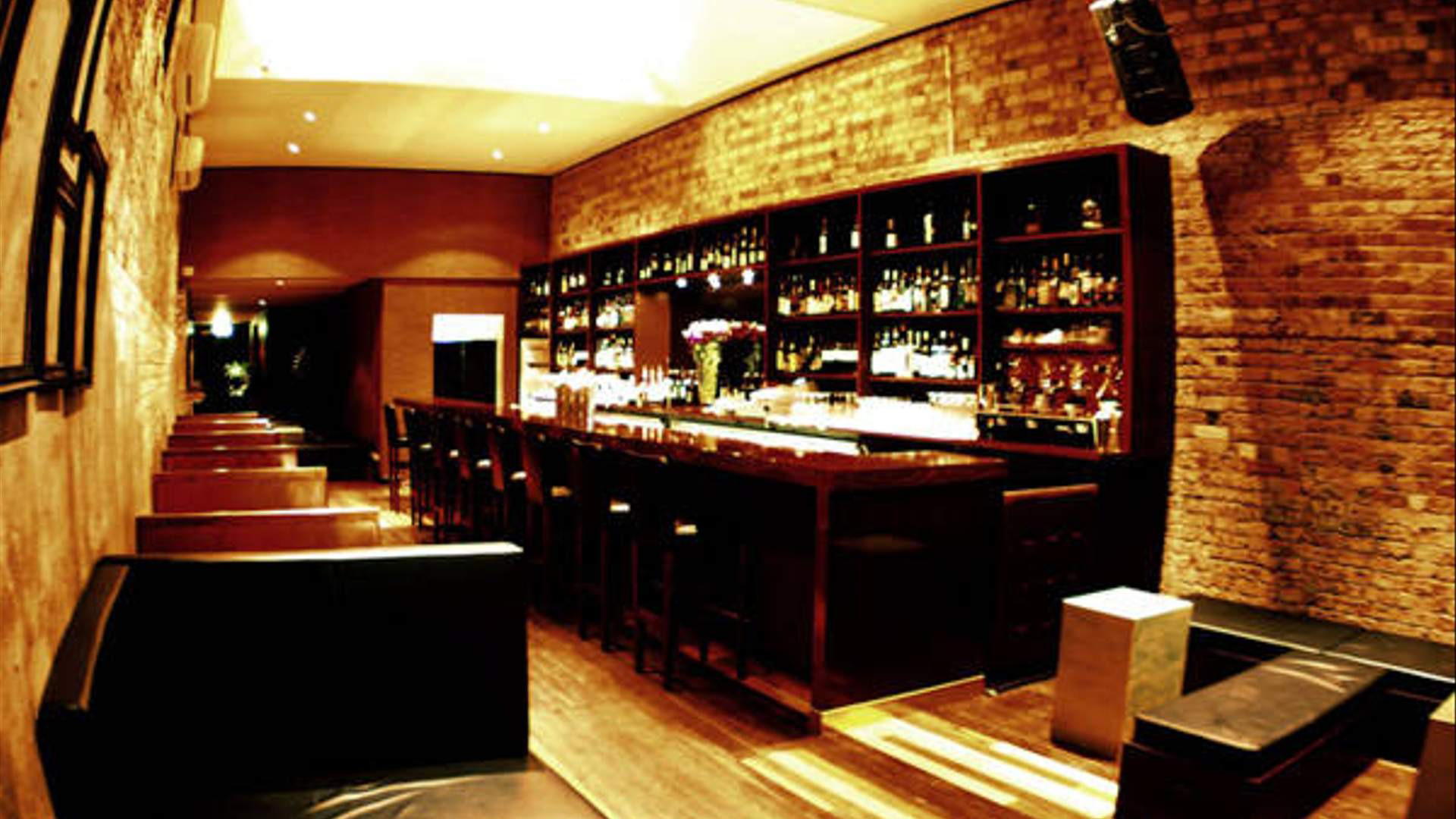
Bars in Los Angeles
All bars in Los Angeles →

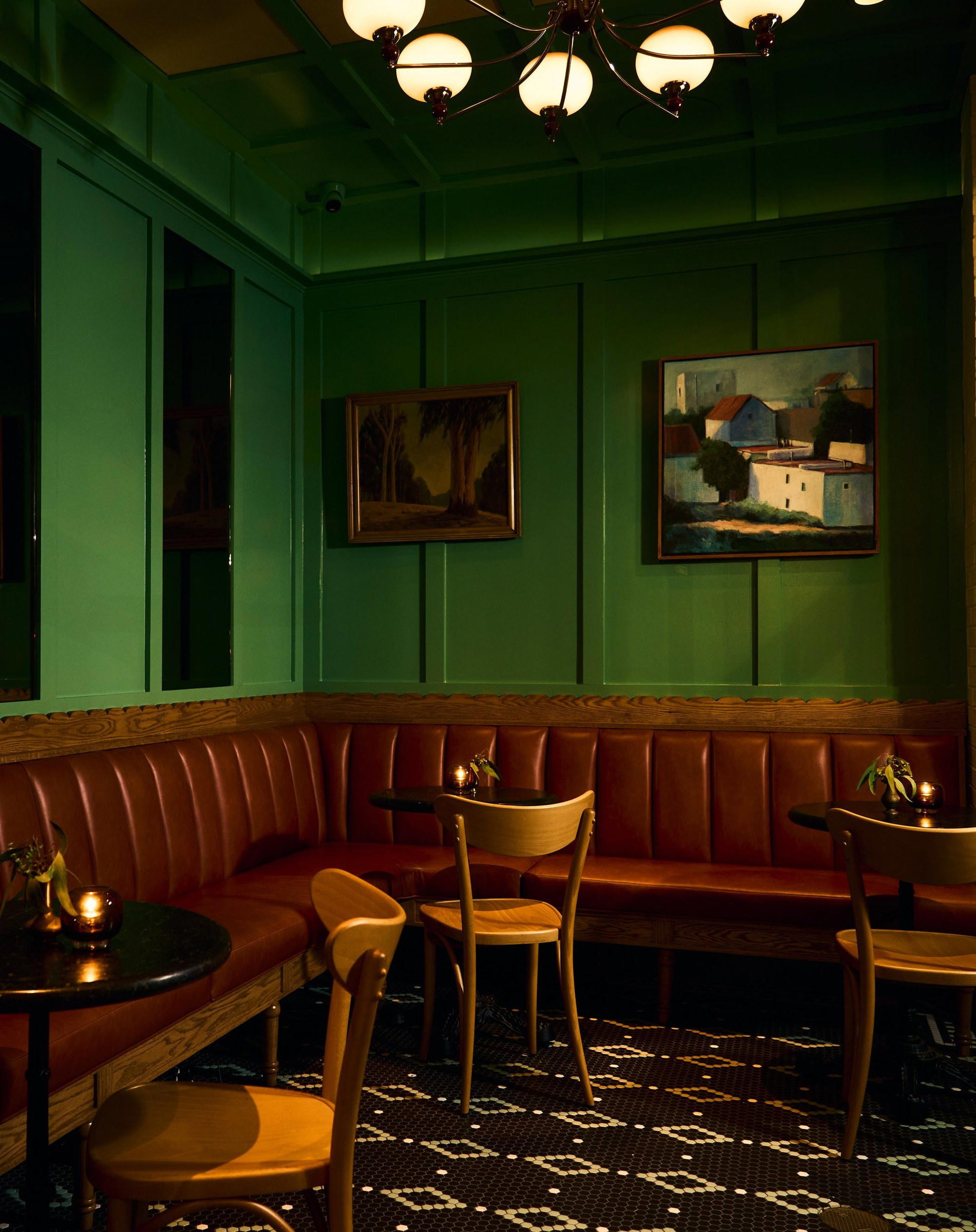
Hotels in Los Angeles
All hotels in Los Angeles →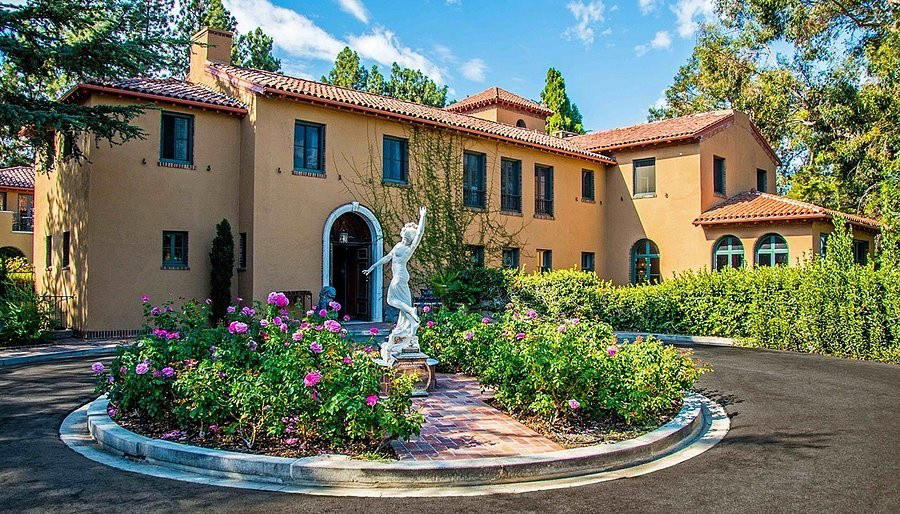
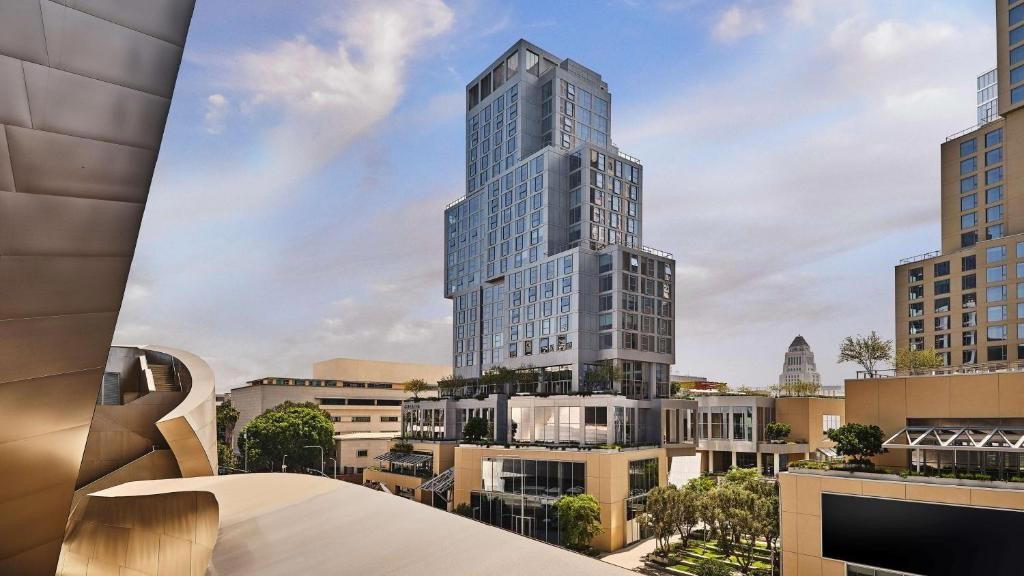


Wineries in Los Angeles
All wineries in Los Angeles →

Details
- Cozy
- Classic
- Well Known
- Brunch
- Casual Hangout
- Solo
- Standalone
- A La Carte
- Cuban Coffee
- Fresh Juices
- Smoothies
Current opening hours
- Monday
- Closed
- Tuesday
- 7 AM–3 PM
- Wednesday
- 7 AM–3 PM
- Thursday
- 7 AM–3 PM
- Friday
- 7 AM–10 PM
- Saturday
- 7 AM–10 PM
- Sunday
- 7 AM–3 PM
Hours can change for holidays and private events. Hours as of .
Tranquil and relaxed neighborhood café with a homey, welcoming setting that feels like a local gathering spot.