Cafe Gabbiano

Wine Spectator Award of Excellence
Our verdict
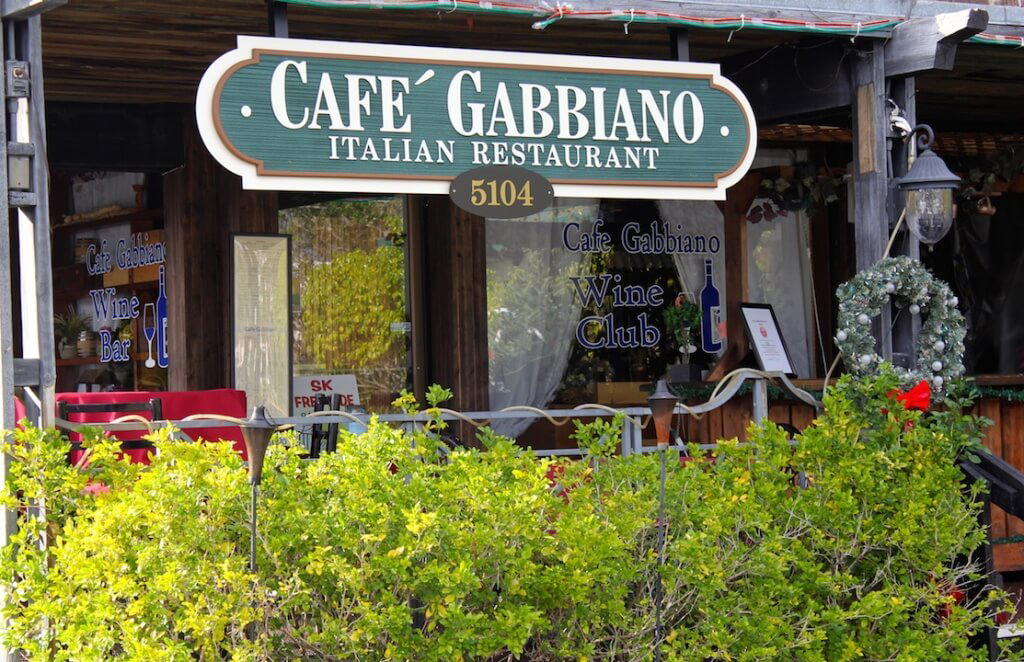
On Ocean Boulevard in Siesta Key, Cafe Gabbiano occupies the kind of waterside position that shapes a dining room's identity as much as any kitchen philosophy. The Italian-inflected menu draws on Gulf Coast proximity, placing it in a local conversation about where Florida's ingredient story and European technique genuinely meet. For a barrier island with limited serious dining options, it holds a consistent local following.

Pearl is the En Primeur Club membership app — saves, bookings, and concierge access live there. Same editors, same standards.
- Address
- 5104 Ocean Blvd, Siesta Key, FL 34242
- Phone
- (941) 349-1423
- Hours
- Daily 5–10 PM
- Website
- cafegabbiano.com
- Directions
- Get directions
- Booking
- Book on OpenTable
The menu
What to order
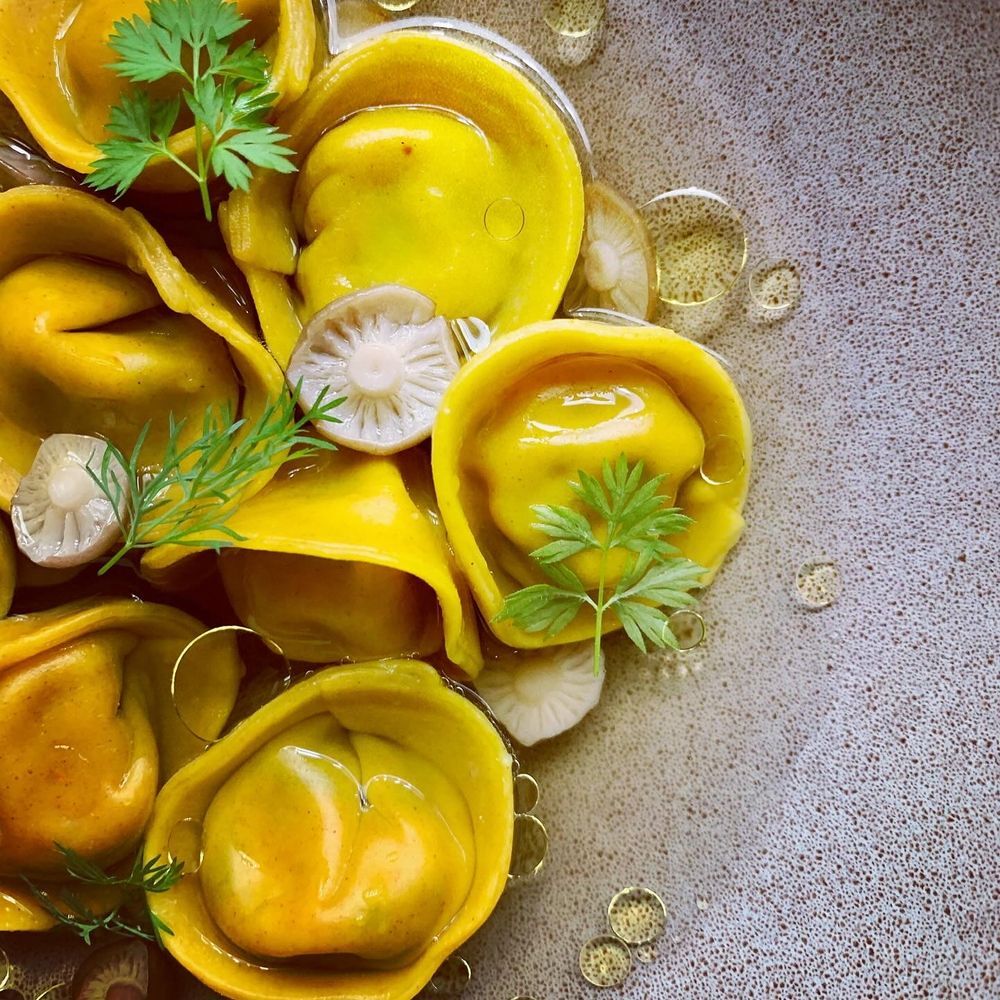
- Lobster Ravioli
- Veal Chop with Porcini Mushrooms and Truffle Oil
Where the Gulf Coast Sets the Table
Siesta Key's dining scene is a study in contrasts. The barrier island off Sarasota carries one of the most photographed beaches on Florida's west coast, yet its restaurant tier has historically lagged behind the leisure infrastructure surrounding it. A handful of places have worked to close that gap, positioning themselves against the casual fish-shack norm by looking outward, to the Gulf itself, for both ingredient and atmosphere. Cafe Gabbiano, at 5104 Ocean Boulevard, sits in that more deliberate bracket.
The address alone signals something. Ocean Boulevard in Siesta Key is where the island's few serious dining choices tend to cluster, catching the foot traffic of visitors who have spent the day on quartz-sand beaches and are now looking for an evening that matches the quality of the setting. The approach to the restaurant, with the low Gulf light filtering through the kind of vegetation that only coastal Florida produces, frames expectations before a menu is opened. That environmental context matters: this is not a destination that operates in isolation from its surroundings, and the kitchen has no business pretending otherwise.
The Ingredient Argument on Florida's Gulf Coast
Any serious restaurant operating on a barrier island in southwest Florida has a structural advantage and a corresponding obligation. The Gulf of Mexico provides some of the most varied and seasonally dynamic seafood in the continental United States. Stone crab, grouper, snook, Gulf shrimp, and Florida spiny lobster move through these waters on schedules that serious kitchens elsewhere would build entire menus around. At restaurants like Providence in Los Angeles or Le Bernardin in New York City, proximity to premium protein supply chains is a point of competitive differentiation cited in critical assessment. On Siesta Key, that supply proximity is simply geography, which makes it a baseline expectation rather than a marketing point.
The more interesting editorial question is what Italian framing does to a Gulf Coast ingredient story. Italian-American coastal cooking has a long tradition of meeting local seafood where it lives, adapting Neapolitan, Sicilian, and Ligurian techniques to whatever the local water offers. In Florida's case, that means substituting Gulf grouper for branzino, stone crab claws for the crab preparations of Venice, and Gulf shrimp for the gamberi of the Adriatic. The translation is not always seamless, but when the sourcing is right and the technique is disciplined, the logic holds. This is the same regional-meets-European negotiation that restaurants like Frasca Food and Wine in Boulder have applied to different regional traditions with considerable critical success.
For places operating on Florida's coast, the seasonal calendar matters. Winter months, roughly November through April, represent peak supply for some of the Gulf's most prized species, coinciding with the high tourist season that swells Siesta Key's population and dining demand simultaneously. Stone crab season, which runs October through May under Florida Fish and Wildlife regulations, represents one of the clearest opportunities for a kitchen to demonstrate sourcing awareness. These are the moments when proximity to the Gulf translates into something on the plate that a landlocked kitchen simply cannot replicate.
Siesta Key's Dining Context
To understand where Cafe Gabbiano sits, it helps to map the broader competitive tier on the island. Siesta Key is not Sarasota proper, which carries a more developed fine dining infrastructure with longer-established names and a resident population that supports year-round critical attention. The island's dining scene skews toward volume and accessibility, serving a visitor base that is often more focused on beach time than on table reservations. That structural reality makes the handful of restaurants aiming higher more visible by contrast, and it also means they operate with a different kind of local loyalty than urban dining rooms can cultivate.
Ophelia's on the Bay represents the other anchor in Siesta Key's more considered dining tier, with a waterfront position that draws comparison with Cafe Gabbiano in terms of setting and aspiration. Together, they define the upper range of the island's sit-down dining options. Neither operates in the same critical conversation as places like Blue Hill at Stone Barns in Tarrytown or Single Thread Farm in Healdsburg, where farm-to-table sourcing philosophy has been developed into a multi-year editorial and critical narrative. But the comparison is instructive precisely because it shows how much headroom exists in the category, and how much the sourcing story matters to restaurants that have claimed that space seriously.
Travelers coming to Siesta Key from cities with dense dining options, say from Miami where places like ITAMAE are redefining regional seafood through Peruvian-Japanese technique, or from Washington D.C. where Oyster Oyster has built a plant-forward reputation, will find Siesta Key's register more relaxed. That is not a criticism; it is a calibration. The island operates at a different pace, and the leading meal here is rarely the most technically complex one. It is the one most honestly connected to the water visible from the dining room.
Planning a Visit
Cafe Gabbiano is located at 5104 Ocean Boulevard, Siesta Key, FL 34242, on the main commercial corridor of the island. The concentration of restaurants along this stretch means parking and pedestrian access are shared across venues, so arriving early in the evening, particularly during the winter season when the island's population peaks, is a practical advantage. Siesta Key is accessible by bridge from Sarasota, and the drive from downtown Sarasota takes roughly fifteen to twenty minutes depending on traffic and the time of day.
For those building a broader Florida itinerary with serious dining as a component, the state's west coast rewards planning. Sarasota anchors the region's higher-end options, and Siesta Key functions as the beach extension of that base. See our full Siesta Key restaurants guide for a broader mapping of the island's dining options across price points and formats.
Frequently asked questions
Is Cafe Gabbiano child-friendly?
Cafe Gabbiano sits on the main commercial strip of Siesta Key at 5104 Ocean Boulevard, a corridor that draws a broad mix of visitors and island regulars. Families do pass through the area, though the restaurant's positioning on Ocean Boulevard suggests a dining room oriented toward a sit-down meal rather than a casual drop-in. Calling ahead is the practical step before arriving with young children.
What's the vibe at Cafe Gabbiano?
Cafe Gabbiano occupies Ocean Boulevard, the main artery of Siesta Key's commercial stretch, which sets the tone: a barrier island setting off Sarasota's coast where the crowd leans toward vacationers and Gulf Coast residents rather than a downtown Sarasota scene. The address on one of Florida's west coast's most visited islands puts it squarely in casual-to-mid-range coastal territory.
How does Cafe Gabbiano compare to other dining options on Siesta Key?
Siesta Key's dining scene operates in the shadow of Sarasota proper, which carries a more developed fine dining tier, making Ocean Boulevard restaurants like Cafe Gabbiano the primary sit-down options for visitors staying on the island itself. For travelers based on the key rather than in the city, the 5104 Ocean Boulevard address places Cafe Gabbiano within the island's core restaurant concentration, reducing the need to cross the causeway for a full dinner.
What part of town is Cafe Gabbiano in?
Cafe Gabbiano is located at 5104 Ocean Blvd, Siesta Key, FL 34242, Siesta Key.
Comparison Snapshot
Comparable venues nearby, for context on price, style, and recognition.
| Venue | Cuisine | Price | Awards | Notes |
|---|---|---|---|---|
| Cafe GabbianoThis venue — the venue you are viewing | Authentic Southern Italian | $50–100 | Wine Spectator Award of Excellence | Not listed |
| Ophelia's on the Bay | Fusion Seafood Fine Dining | $50–100 | Not listed | Siesta Key |
| The Reserve by Chef Antonio | Italian Fusion with Southern European Influences | $50–100 | Not listed | Downtown |
| The Place 720 | Casual Italian Seafood Fusion | $50–100 | Not listed | Flamingo / Lummus |
| Bevardi's Salute | Authentic Italian with House-Made Pasta | $50–100 | Not listed | downtown |
| mymamma | Authentic Southern Italian Trattoria | $30–50 | Not listed | North Tamiami Trail |
Recognition history
Dated appearances from independent guides and award organizations, with the underlying list record or original source where available.
Wine Spectator Award of Excellence
Wine Spectator
Continue exploring
More in Siesta Key
Restaurants in Siesta Key
Browse all →
Bars in Siesta Key
Browse all →
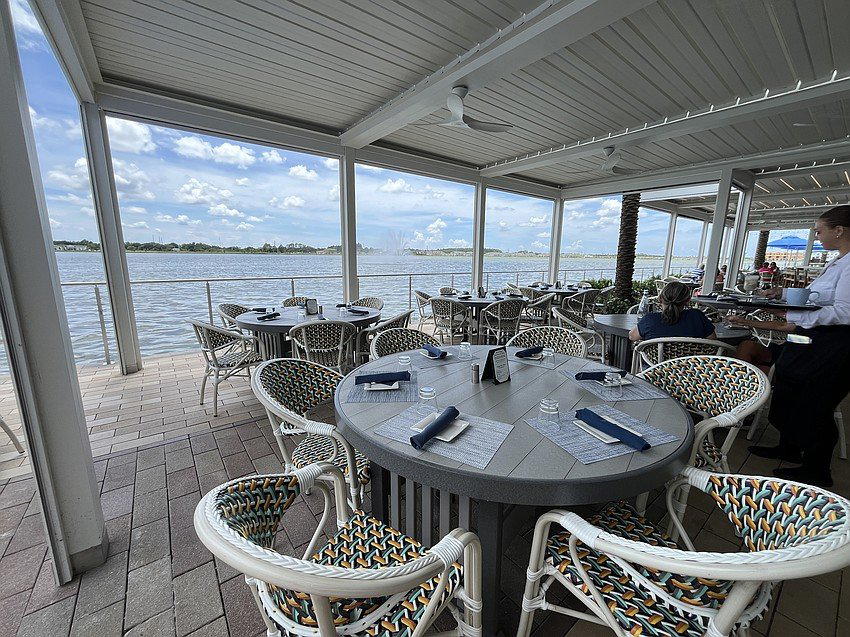
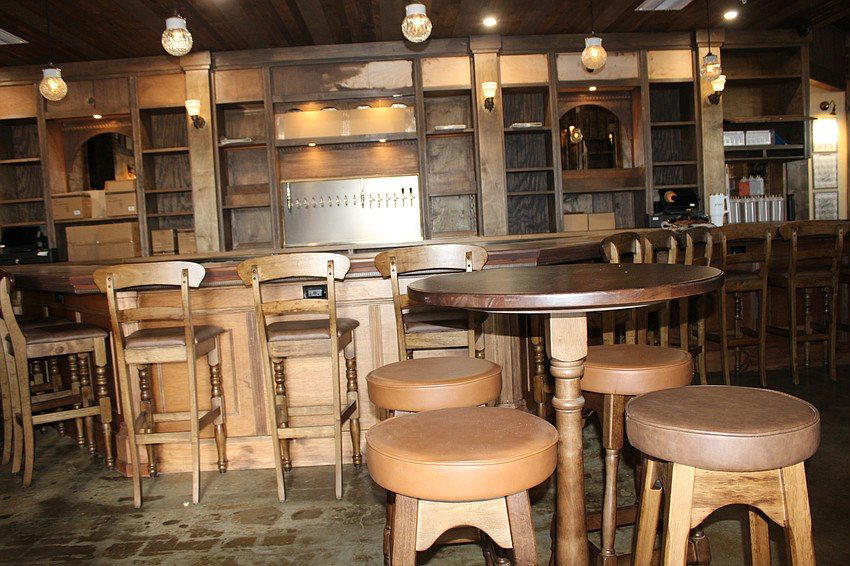
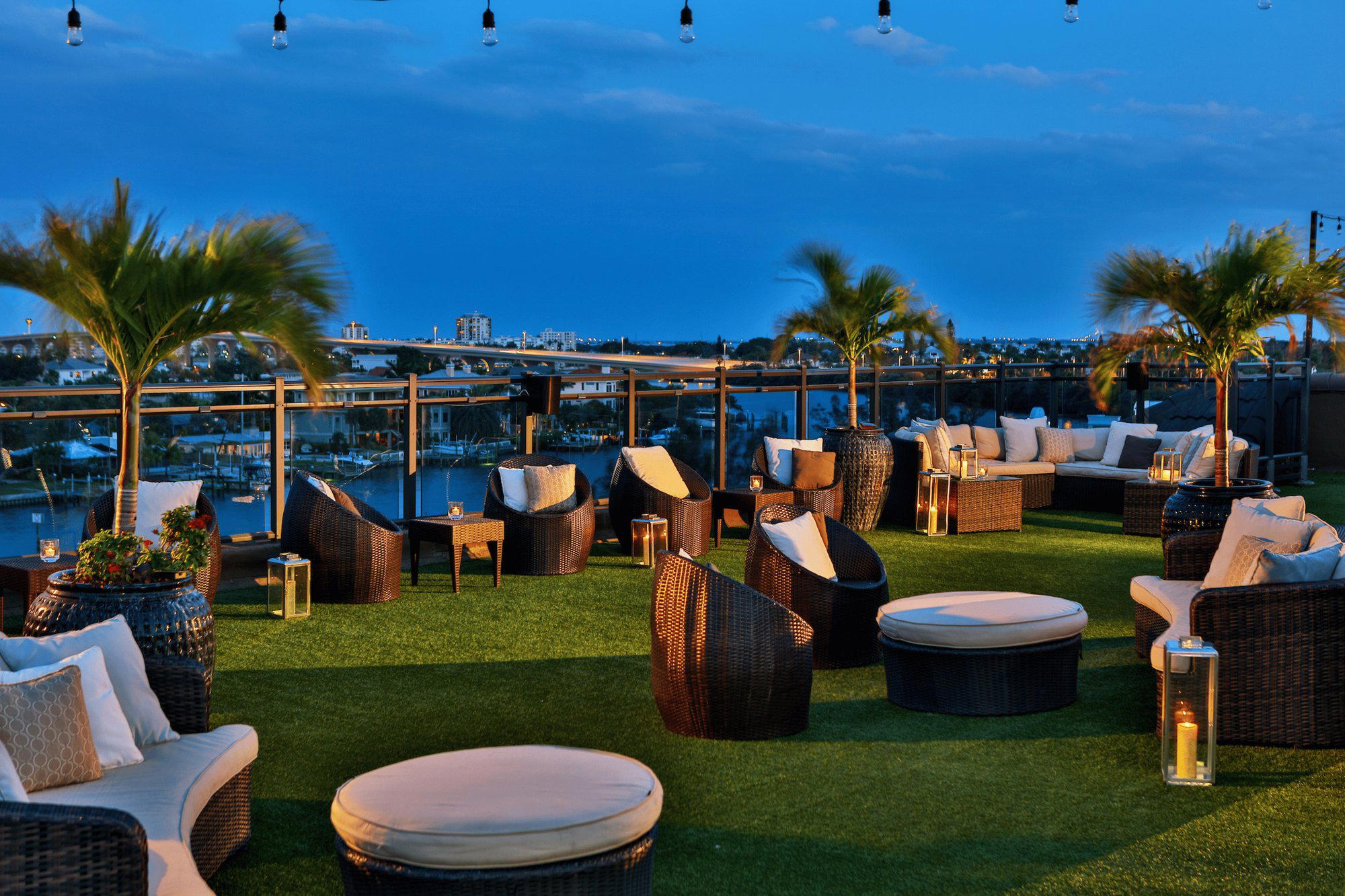
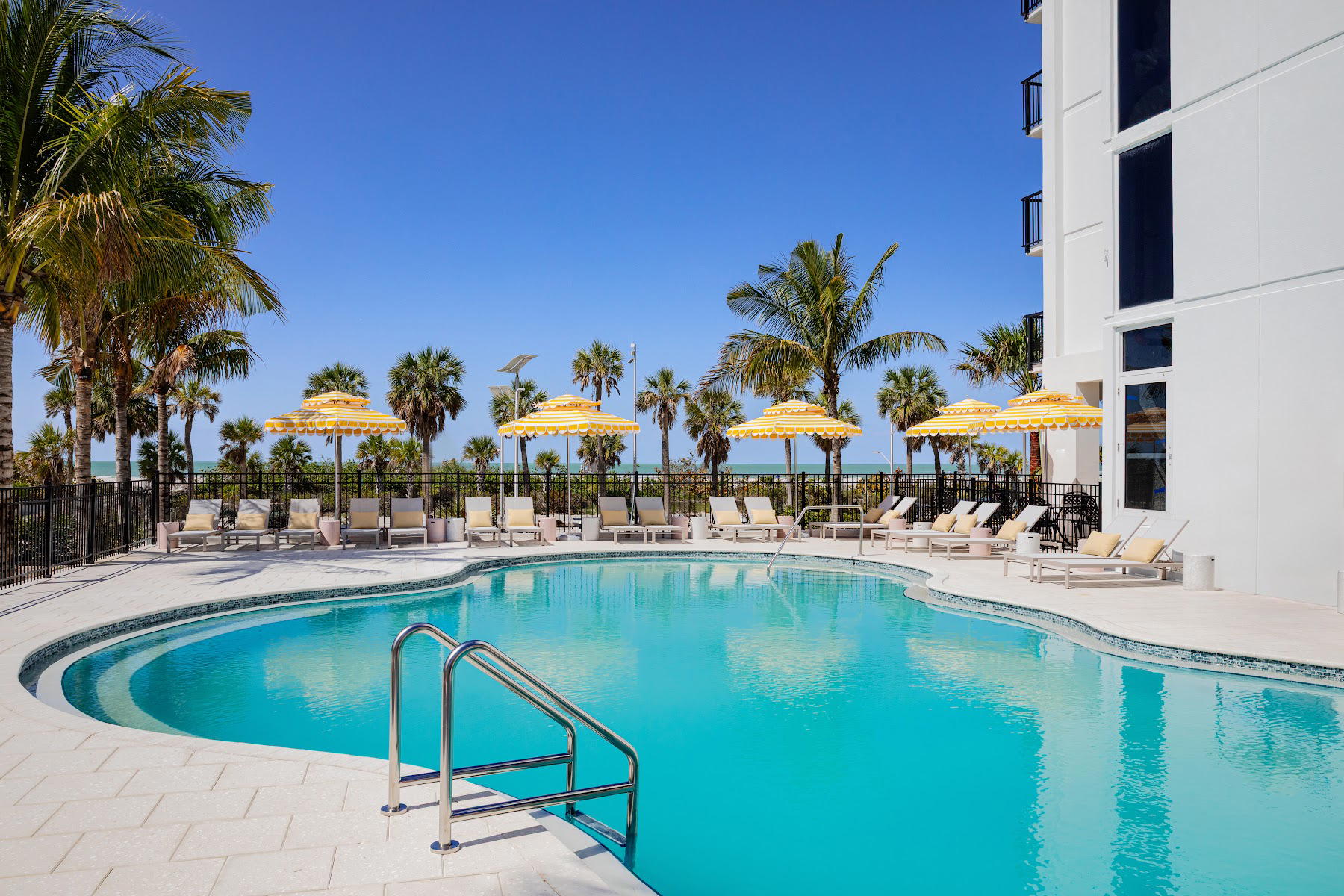
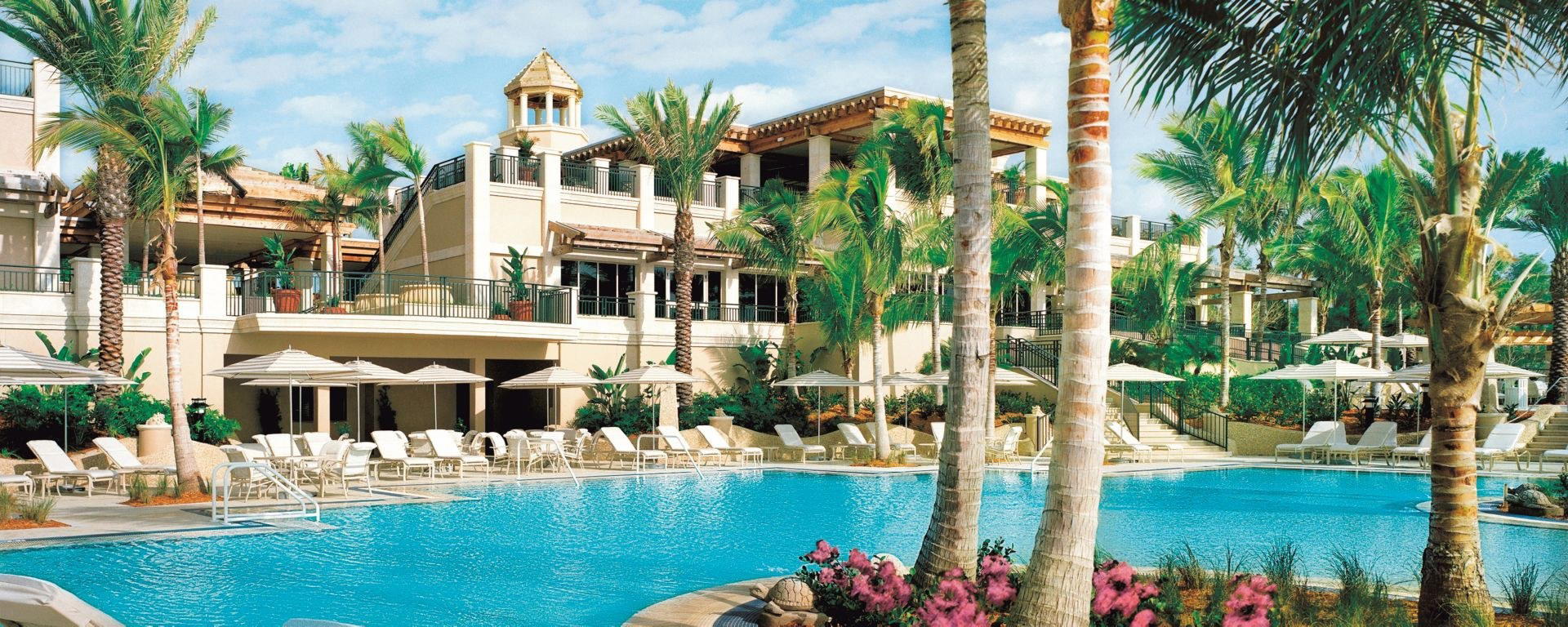
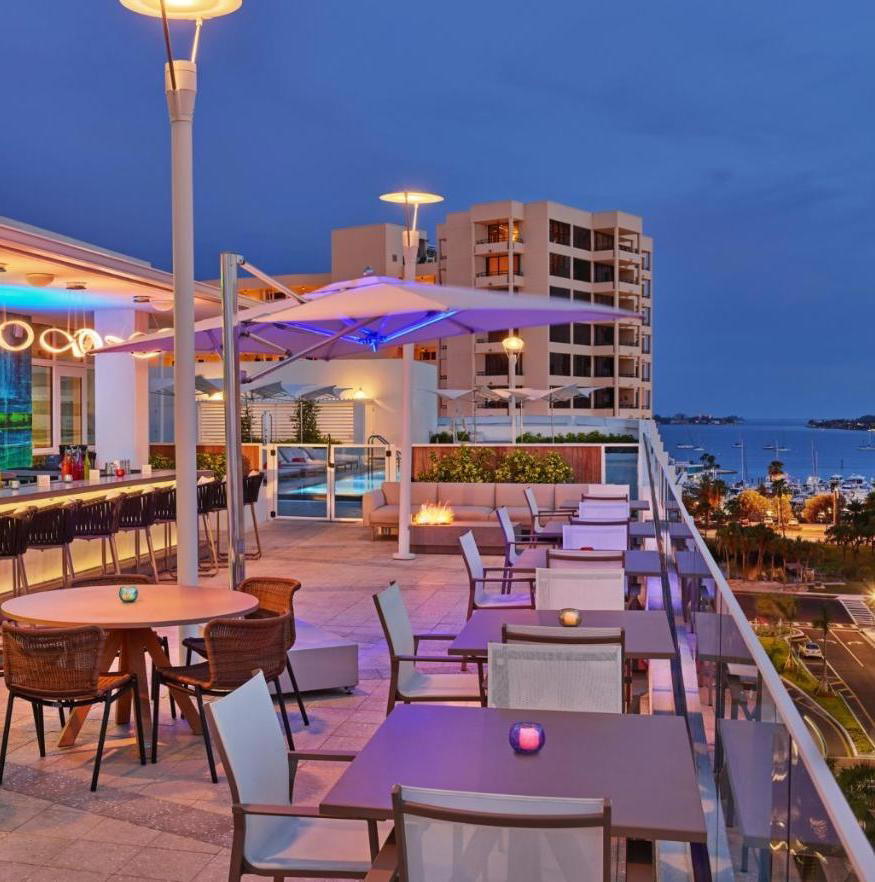
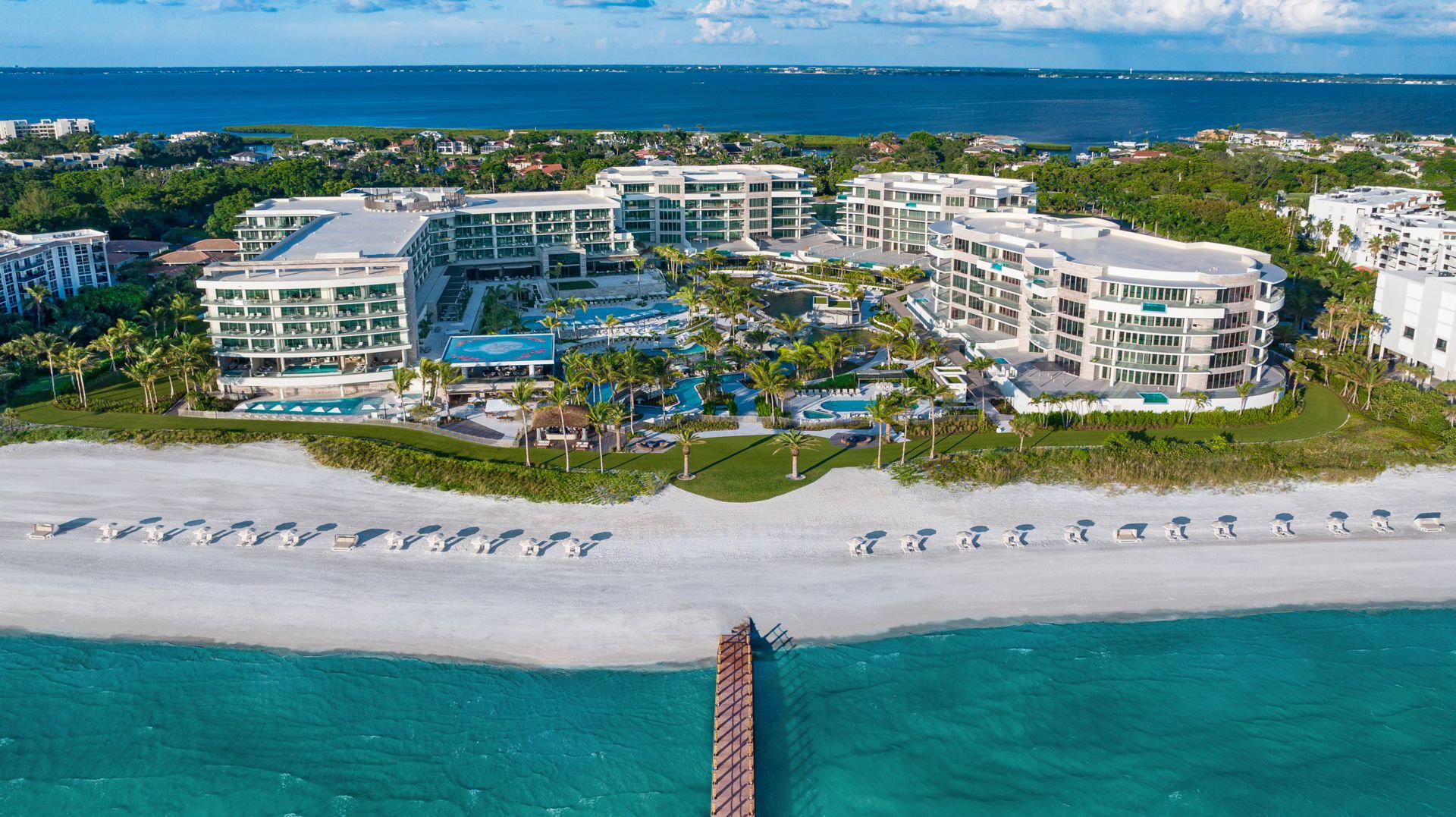
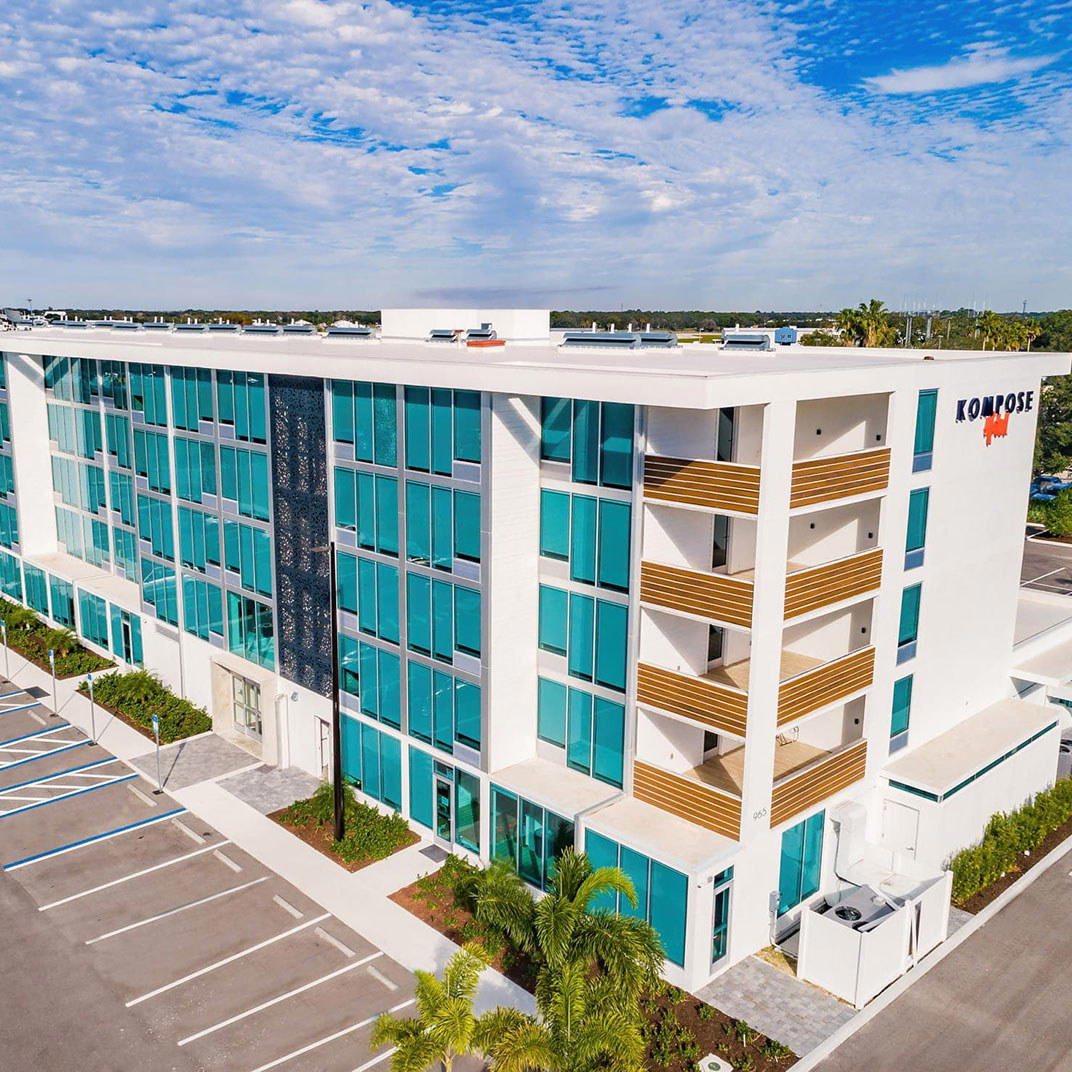
Cafe Gabbiano
The wine
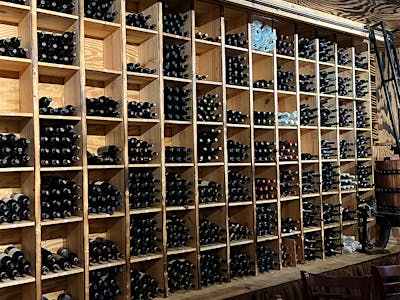
Cafe Gabbiano holds the Wine Spectator Award of Excellence, which Wine Spectator gives to lists of usually 90 or more selections.
- Wine program
- Exceptional wine program
- Wine Spectator
- Wine Spectator Award of Excellence
- Extensive wine list
- Sommelier-led
- Craft cocktails
- Beer program
Details
- Romantic
- Elegant
- Sophisticated
- Intimate
- Date Night
- Special Occasion
- Celebration
- Group Dining
- Private Event
- Private Dining
- Waterfront
- Terrace
- Extensive Wine List
- Craft Cocktails
- Sommelier Led
- Beer Program
- Local Sourcing
- Farm To Table
- A La Carte
- Family Style
- Wine
- Cocktails
- Beer
- Vegetarian Friendly
- Pescatarian Friendly
- Allergy Accommodating
Current opening hours
- Monday
- 5–10 PM
- Tuesday
- 5–10 PM
- Wednesday
- 5–10 PM
- Thursday
- 5–10 PM
- Friday
- 5–10 PM
- Saturday
- 5–10 PM
- Sunday
- 5–10 PM
Hours can change for holidays and private events. Last verified .
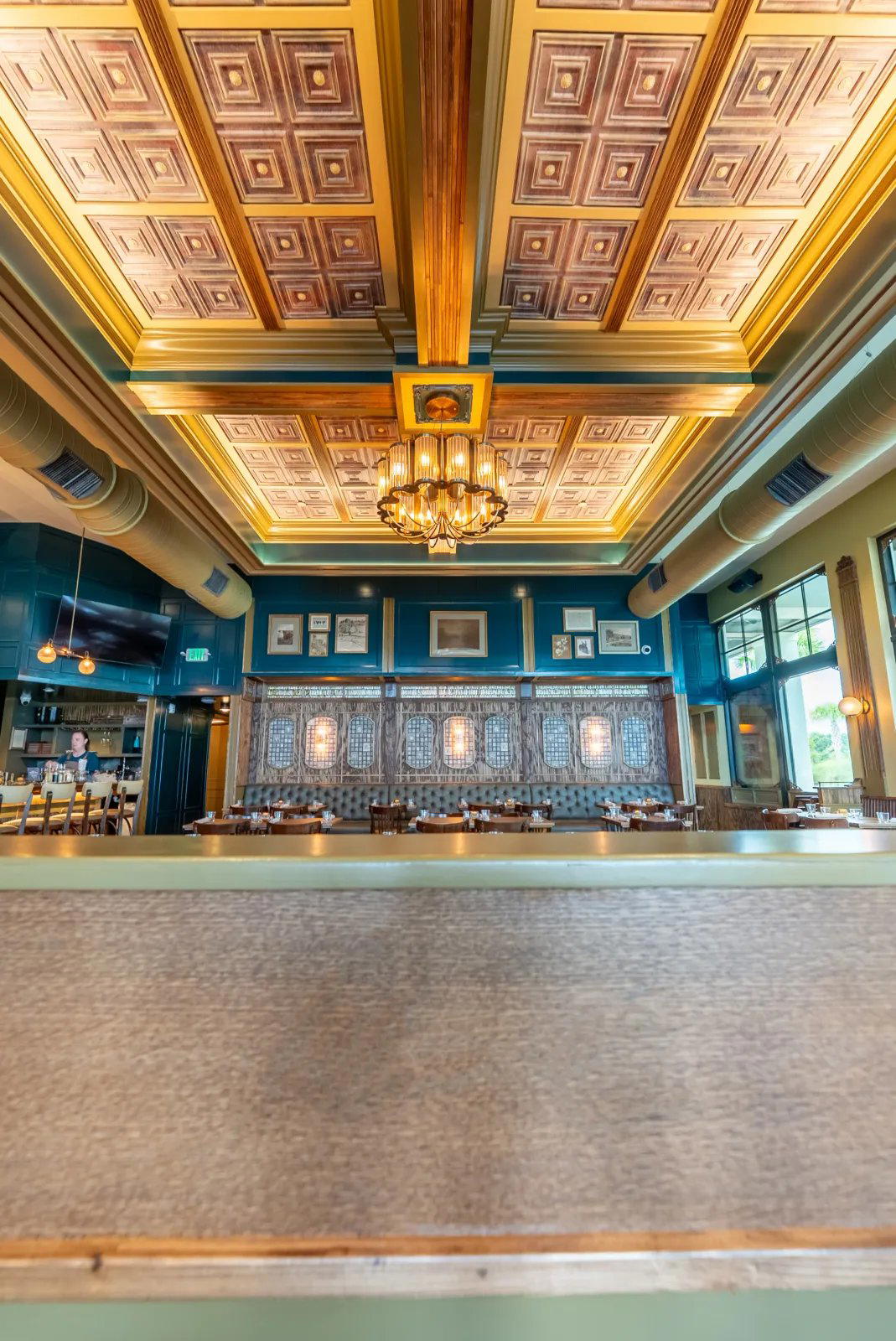
Relaxed yet refined atmosphere with serene, casual ambiance imitating the paradise surroundings; intimate wine rooms and climate-controlled patio seating.